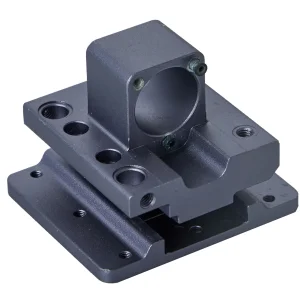
Explore our premium range of industrial, architectural, and structural customized aluminum profiles engineered to exact geometric tolerances.
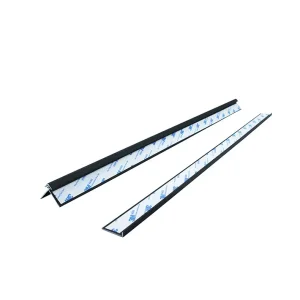
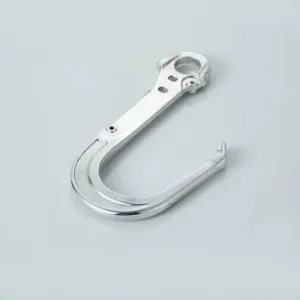
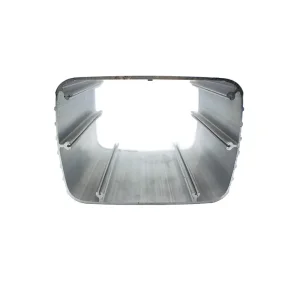
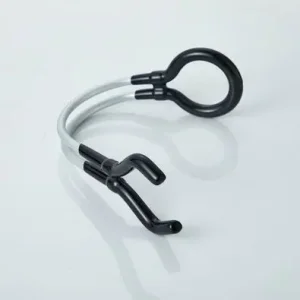
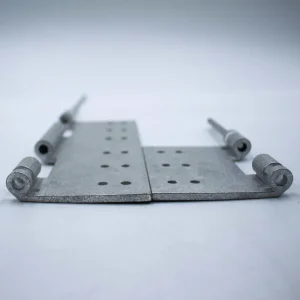
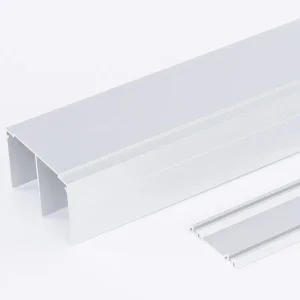
In the modern era of industrial engineering and architectural design, the demand for high-performance structural elements has shifted from heavy steel towards advanced, lightweight alternatives. Custom aluminum trim strips, once viewed as merely decorative transitions, have evolved into critical functional components in premium sectors. The global aluminum extrusion market is witnessing a tectonic transition driven by lightweighting mandates in electric vehicle (EV) infrastructure, strict green building certifications (such as LEED and BREEAM), and the rapid miniaturization of 3C consumer electronics.
Modern custom aluminum trim strips must fulfill dual criteria: exquisite aesthetics and structural durability. This transformation is heavily reliant on advanced metallurgy. By precise chemical manipulation during the billet casting phase, engineers can create alloys that offer exceptional yield strength while maintaining the high extrudability needed for intricate profiles. Furthermore, the global push toward carbon neutrality has forced manufacturers to prioritize green aluminum—incorporating post-industrial and post-consumer recycled metal without sacrificing mechanical integrity. Under strict industrial standards, today's aluminum trim strips are crucial for thermal management, electromagnetic shielding, and structural framing.
Our commitment to rigorous control and manufacturing scale is demonstrated through key quantitative indicators.
B2B buyers source custom trim strips for distinct functional applications. Analyzing these regional and sector-specific needs reveals diverse application requirements:
In North America and Europe, strict automotive lightweighting laws have accelerated the use of extruded aluminum trim strips in electric vehicles (EVs). These components are integrated into battery tray frames, exterior structural panel borders, and interior trim systems. In these scenarios, alloys must offer high energy-absorption capabilities and corrosion resistance to withstand extreme road conditions.
Commercial real estate projects in the Middle East and East Asia require high-integrity architectural trim strips. For exterior curtain walls and indoor clean rooms, these trims must feature exceptional surface finish consistency. The anodized coatings must survive severe UV exposure, humidity, and chemical sterilizing agents, maintaining both aesthetic quality and structural stability.
The consumer electronics sector requires micro-extrusion technology. Custom frames for optical modules, laptops, and smart household printing equipment demand ultra-thin walls and minimal dimensional deviations. Anodizing quality must be flawless to guarantee optimal electrical insulation and thermal dissipation.
Providing clear cost efficiency, materials expertise, and speed through vertically integrated production.
We melt the alloy in-house, enabling us to adjust chemical compositions precisely. This achieves optimal physical properties for extrusion profiles and high alloy purity for superior quality anodizing.
Precision machining and surface treatments are conducted entirely in-house. This comprehensive control ensures superior quality, lowers production costs, and guarantees competitive unit pricing without compromising quality.
Our true "one-stop" manufacturing capacity eliminates external logistical delays, ensuring faster lead times and reliable project delivery to customers worldwide.
Foshan Golden Source Precision Manufacturing Co., Ltd., established in 1991, is a leading manufacturer of high-strength, high-precision, customized aluminum profiles and precise machining aluminum parts, welded parts, and assembled aluminum products. Our modern, environmentally friendly production base covers over 73,000 square meters. It is designed to mitigate global B2B procurement risks through total process integration.
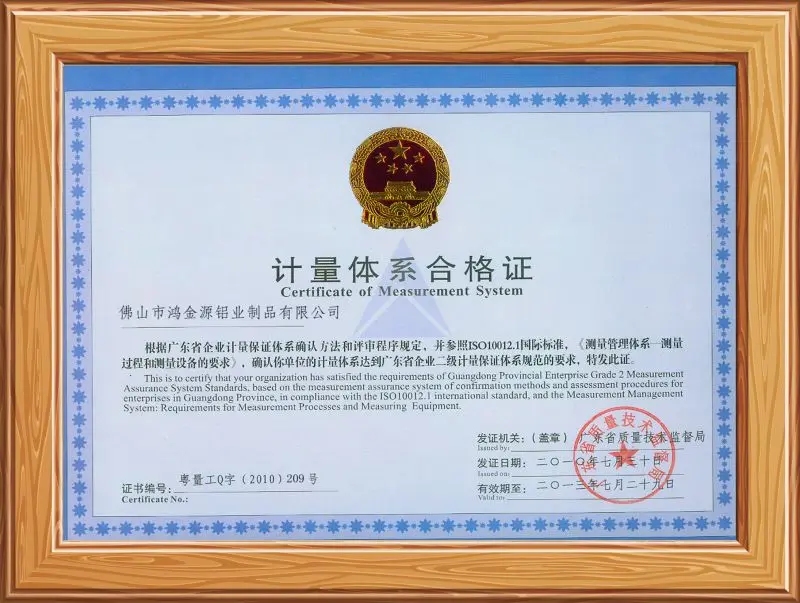
Unlike factories that outsource critical phases, Foshan Golden Source offers a complete one-stop service: alloy casting, mold research & design & building, aluminum extruding, precise machining (CNC), welding, assembly, and surface treatment. By keeping these steps in-house, we eliminate quality hand-off errors, reduce transportation delays, and lower costs. Our processes are certified under ISO9001, ISO14001, ISO45001, RCV, and GRS, ensuring full compliance with the EU's REACH environmental regulations.
This integrated approach allows us to cast a wide range of aluminum alloy series (1XXX, 3XXX, 5XXX, 6XXX, 7XXX). We can adapt material compositions to meet the exact mechanical, thermal, or aesthetic needs of diverse industries, including hardware tools, 3C products, automotive, railway, furniture, decoration, and outdoor products.
Company Catalogue Download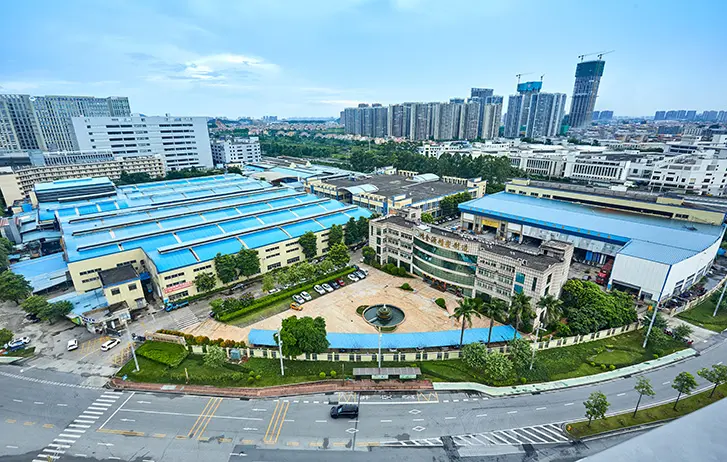
Foshan Golden Source Integrated Precision Manufacturing Facility
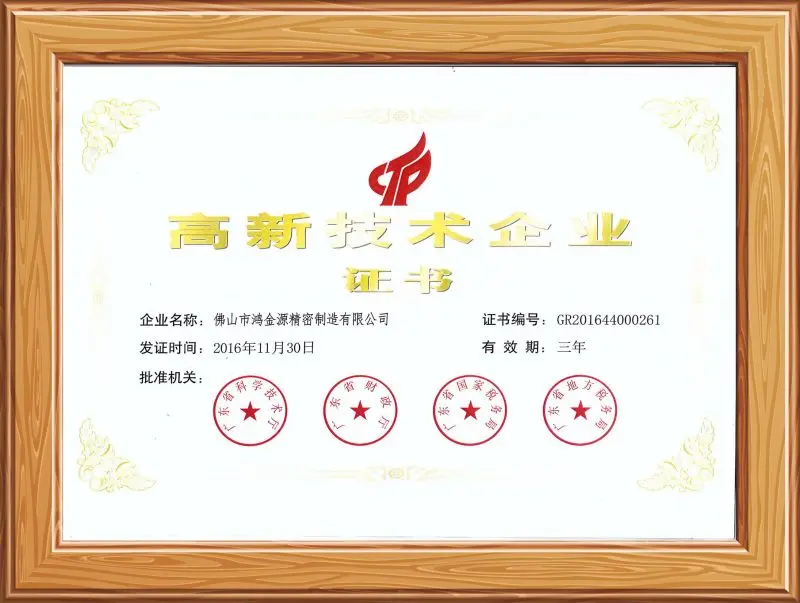
Our environmental and quality standards comply with major international requirements, including ISO, GRS, and RCV certifications.
ISO9001, ISO14001, 45001, GRS, RCV certified. GRS (Global Recycled Standard) and RCV certifications demonstrate our commitment to meeting environmental regulations, particularly within the EU.
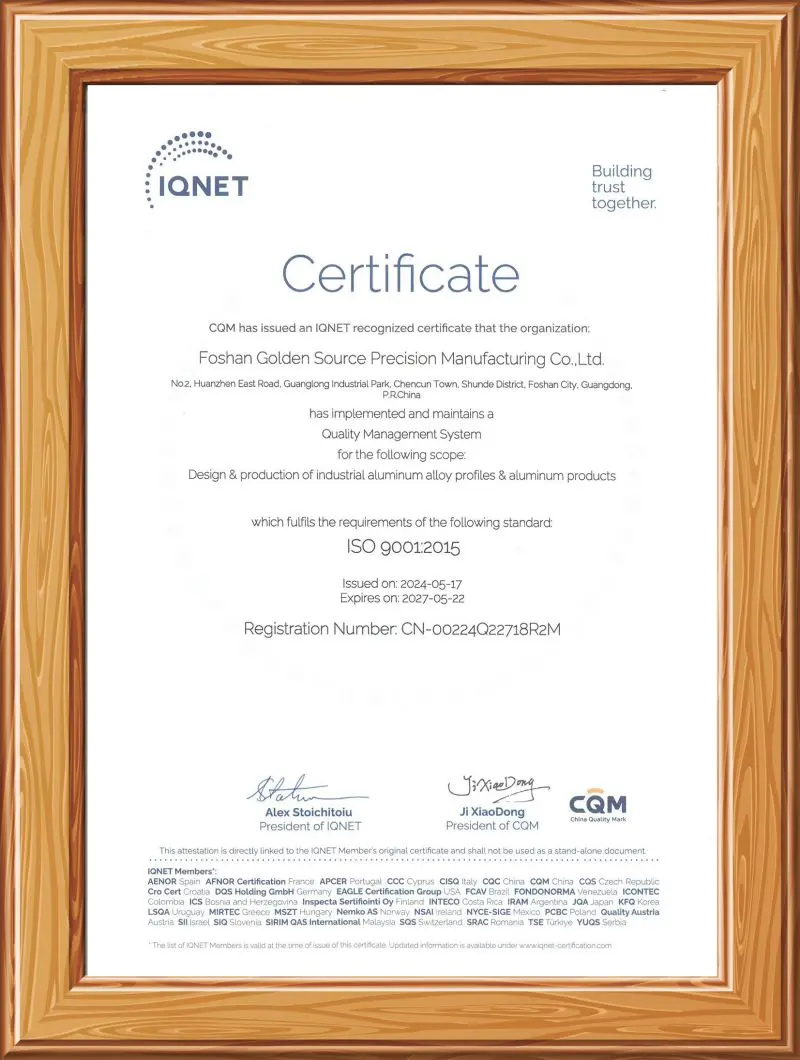
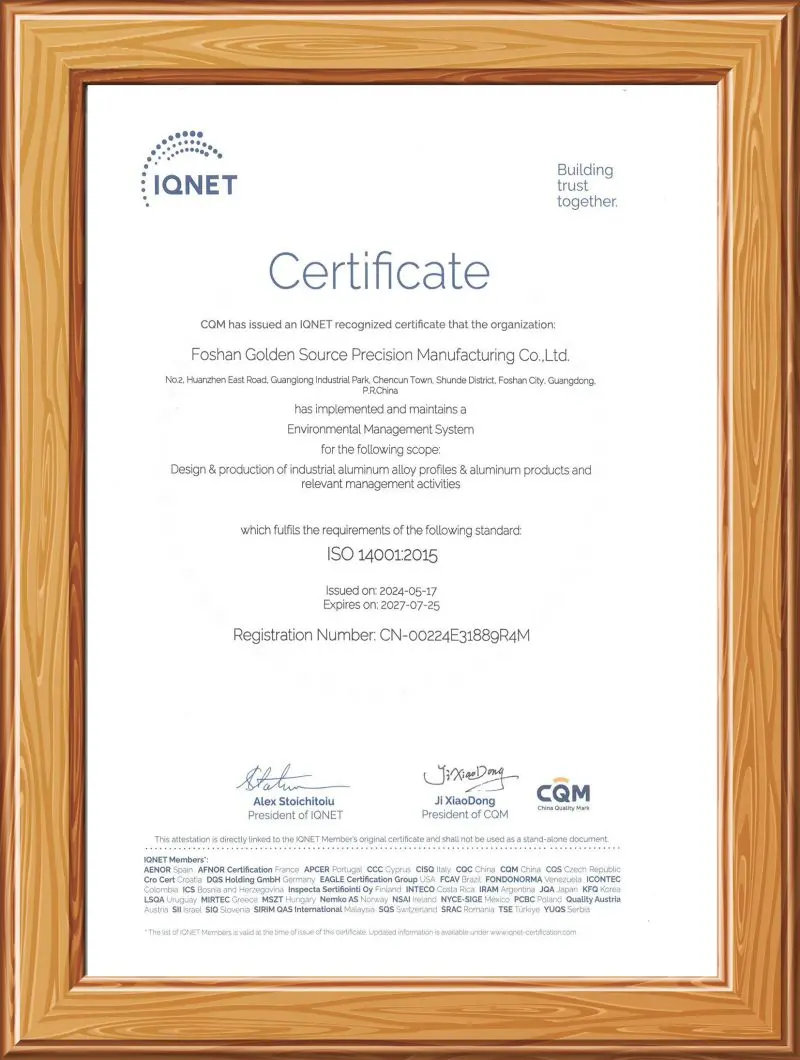
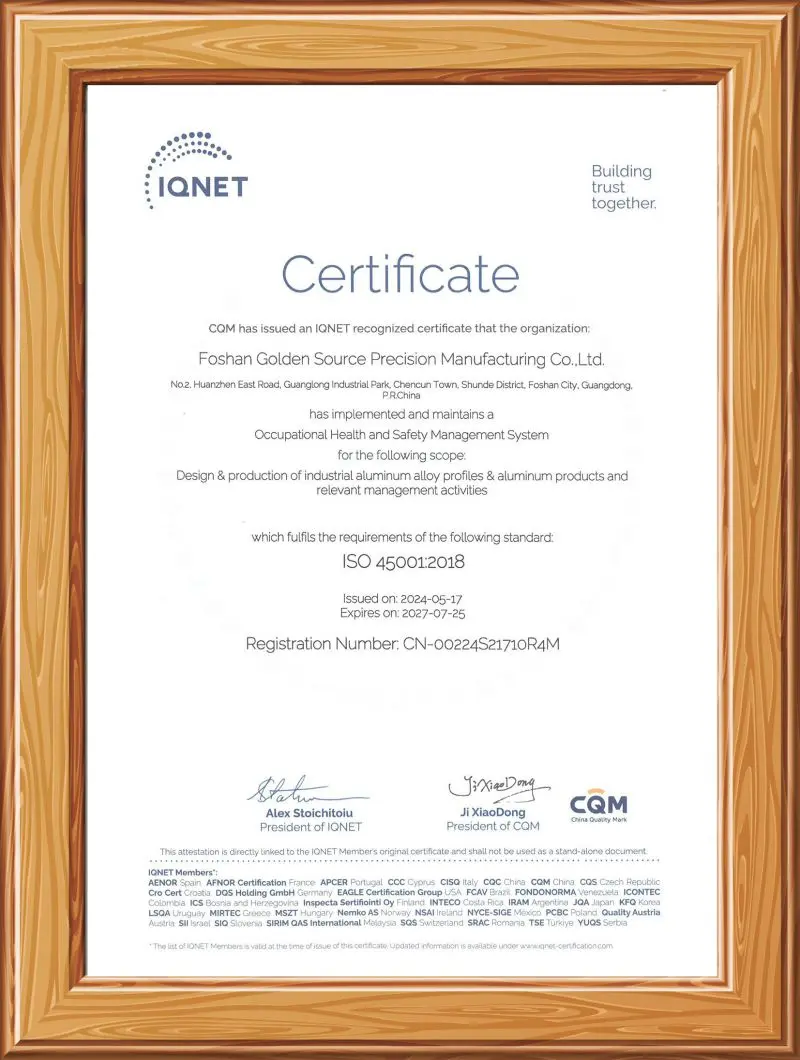
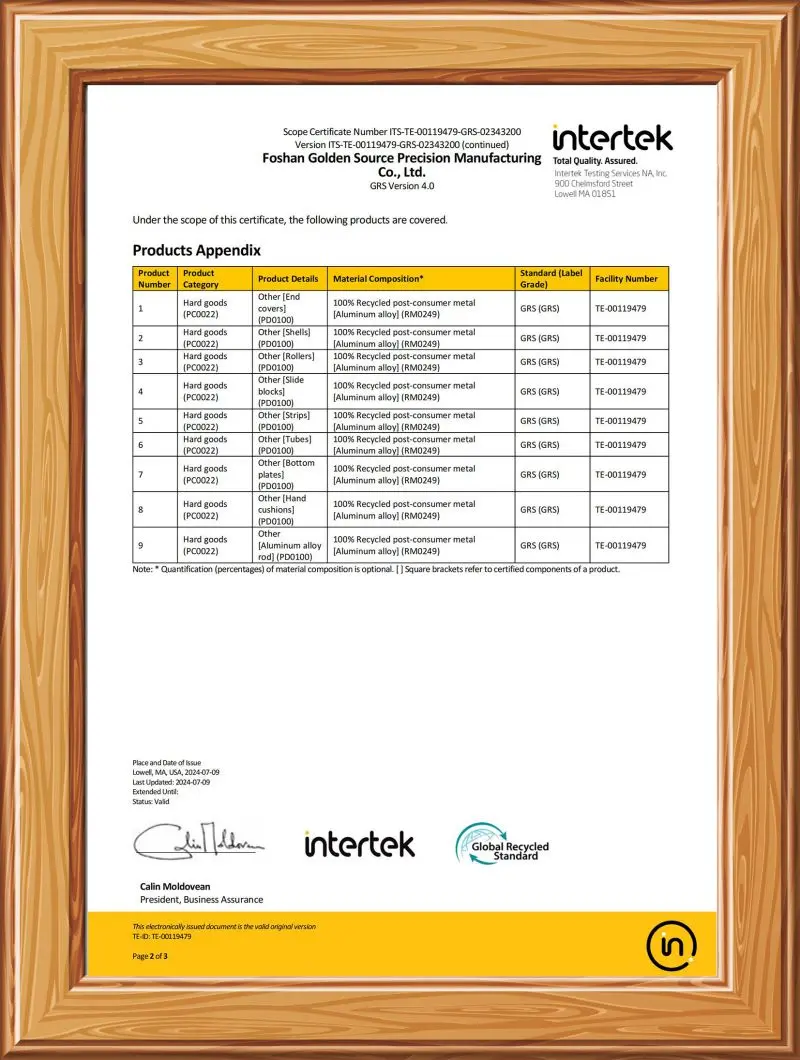
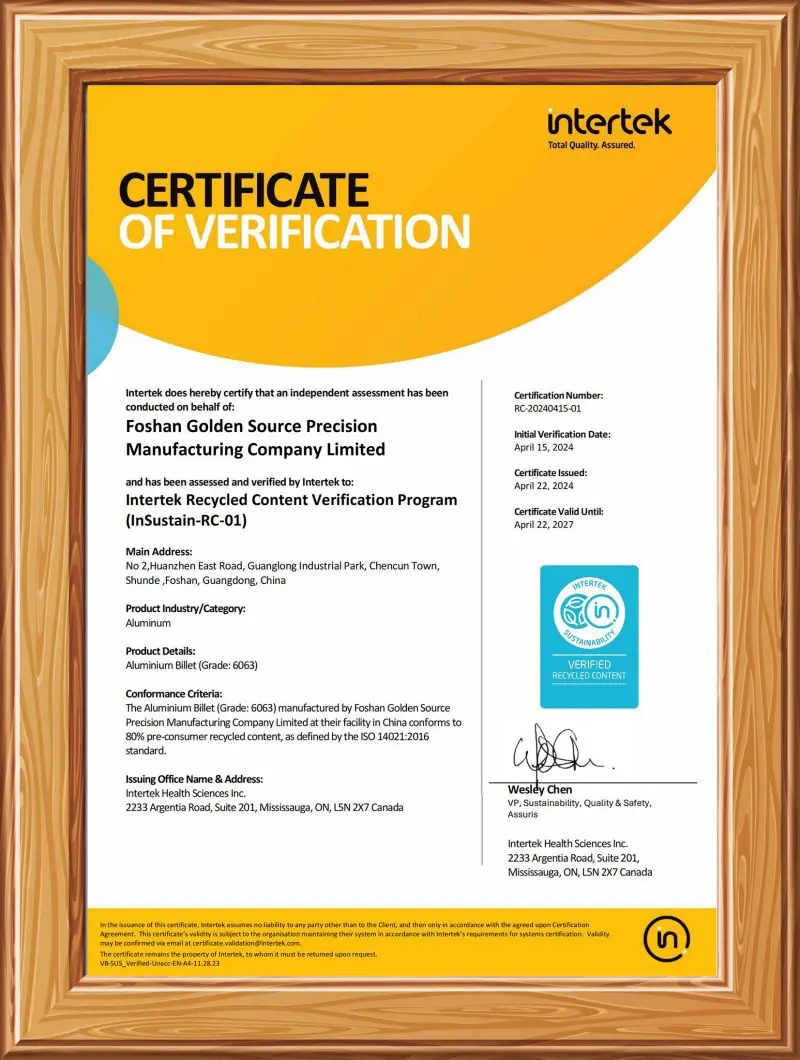
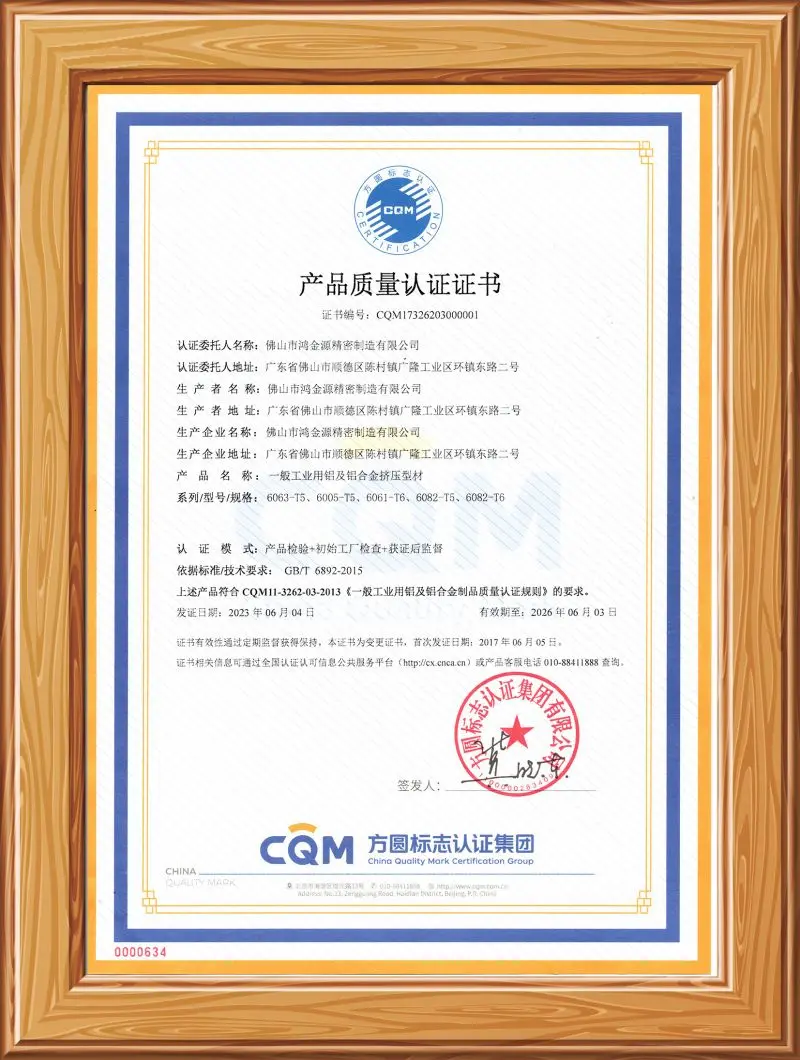
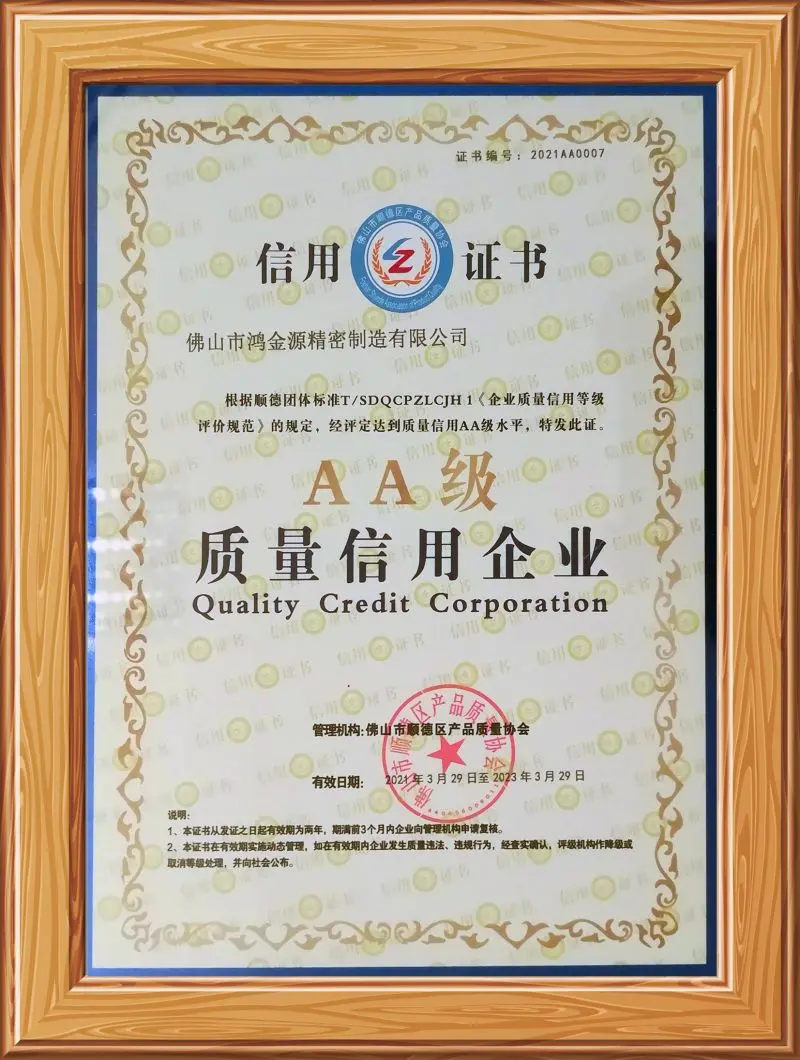
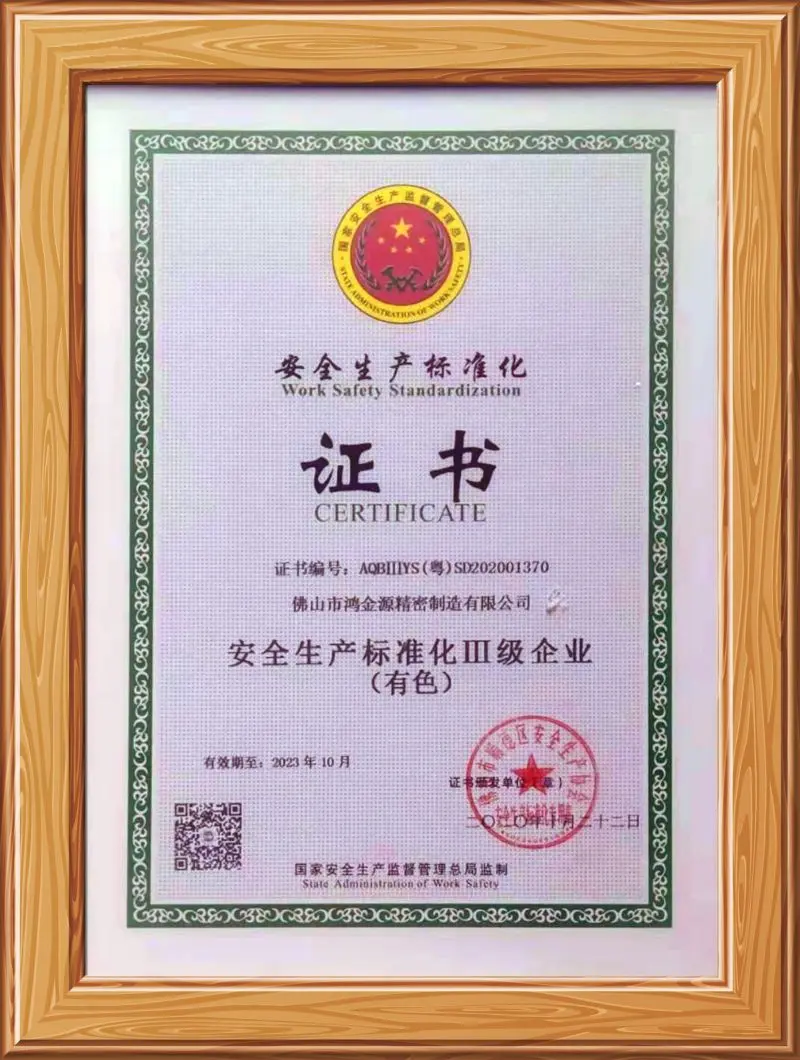
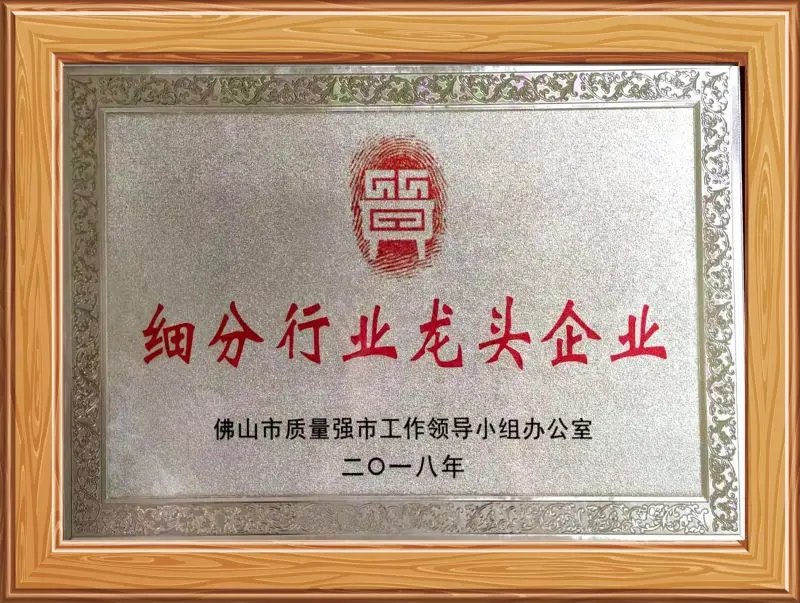
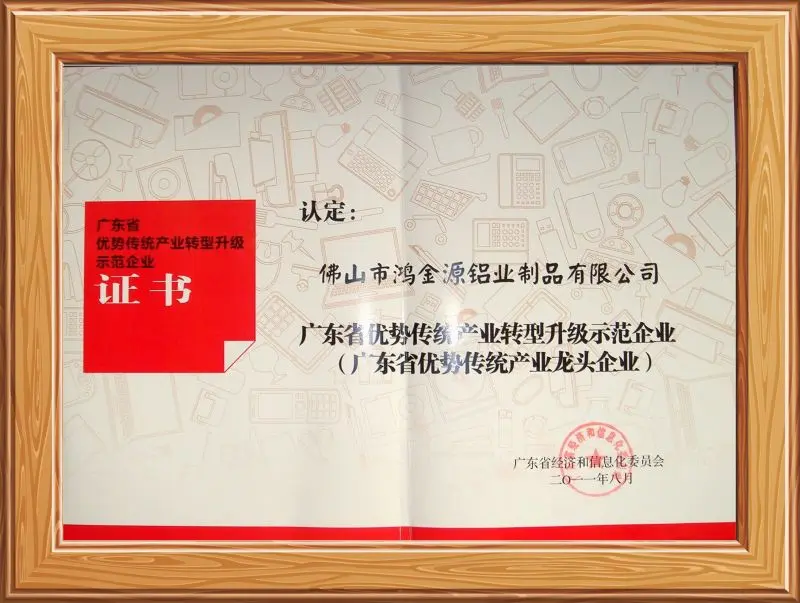
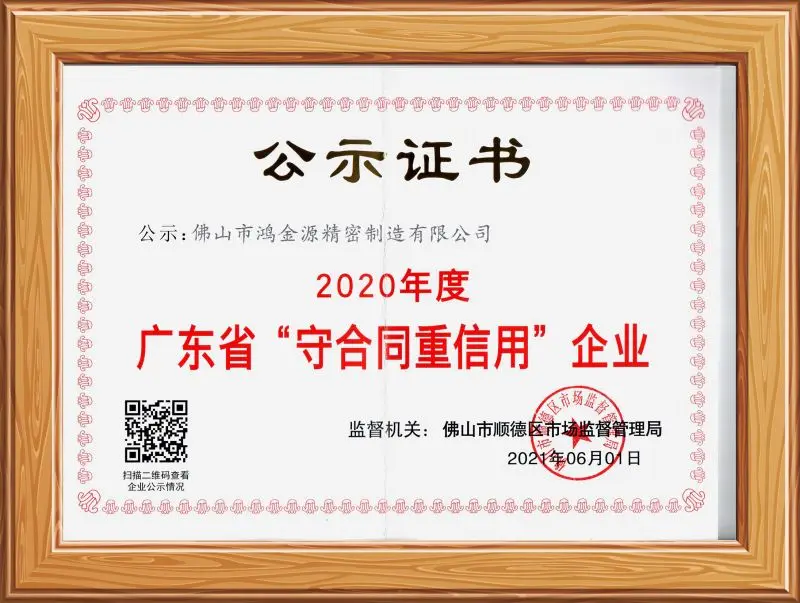
Acknowledged by municipal, provincial, and national authorities for clean production, credit rating, quality consistency, and technological innovation.
The mechanical reliability of custom trim profiles depends heavily on correct alloy selection and thermal treatment. At Foshan Golden Source, in-house alloy casting allows us to adjust composition to match the target application:
Alloy composition is only one part of the equation. Achieving the desired mechanical properties requires precise thermal tempering. Our heat treatment processes (T4, T5, and T6 tempers) allow us to fine-tune the balance between tensile strength and elongation. For example, our 6061-T6 profiles provide the mechanical properties required for heavy-duty structural applications, while our 6063-T5 extrusions balance strength with the surface smoothness needed for architectural trim and anodizing.
A key risk in global procurement is quality variation when parts move between different factories for extrusion, machining, and surface finishing. Foshan Golden Source avoids this by managing the entire manufacturing process in-house.
The quality of an extrusion depends on the design and maintenance of the extrusion die. Our engineers design and manufacture tooling in-house, checking details to prolong die service life and ensure consistent product geometry across production runs.
We operate multi-ton extrusion lines capable of handling complex cross-sections and thin-walled profiles. Automated cooling beds and stretchers ensure minimal twist and straightness deviation across long production lengths.
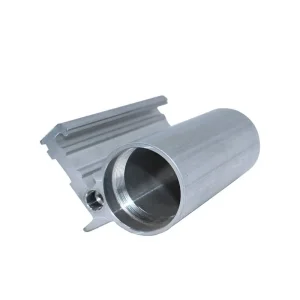
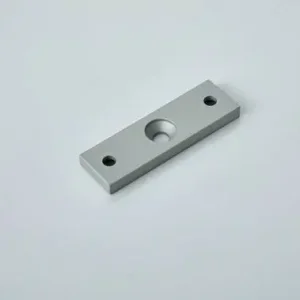
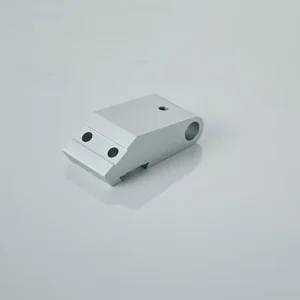
For parts requiring close tolerances, our machining department handles post-extrusion processes, including milling, drilling, tapping, and mirror polishing. We work to dimensional tolerances down to ±0.02 mm, providing components that integrate directly into final product assemblies.
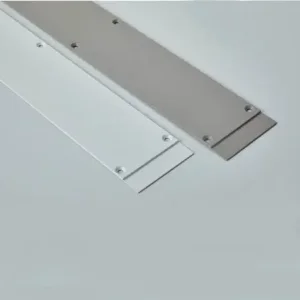
We offer sandblasting, chemical anodizing, and multi-color powder coating in-house. These finishes improve corrosion and wear resistance, and provide the exact aesthetic properties specified by the client.
Expert technical answers to standard procurement questions regarding custom aluminum trim and profile manufacturing.
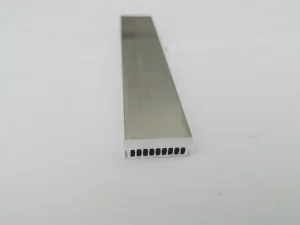
Explore our post-extrusion fabrications, including precision CNC parts, heat sinks, and surface-treated assemblies.
 HG Precision