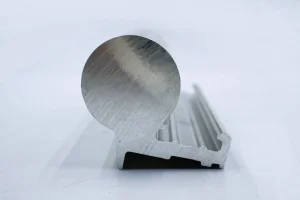
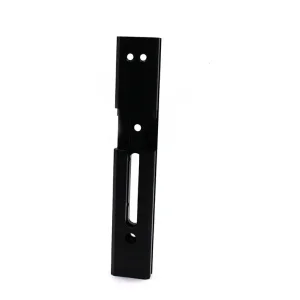
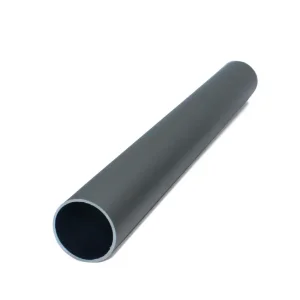
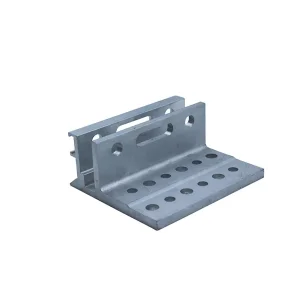
Established in 1991, Foshan Golden Source Precision Manufacturing Co., Ltd. is a pioneer in the design, development, and high-volume manufacture of high-strength, high-precision custom aluminum profiles, precisely machined components, structural welded assemblies, and system-level integrated aluminum products.
Spanning a state-of-the-art, ecologically sustainable manufacturing footprint of over 73,000 square meters, we deliver a true turnkey solution. From initial raw alloy casting, meticulous tool and die research & design, down to micro-precision extrusion, multi-axis CNC machining, structural welding, automated assembly, and high-spec surface finishing, everything is kept under one roof.
We supply a massive spectrum of alloys, spanning the 1XXX, 3XXX, 5XXX, 6XXX, and 7XXX series. This unparalleled capability enables us to serve rigorous global industries, including precision hardware tools, 3C consumer electronics, high-speed rail, automotive structural systems, premium interior furniture, structural architectural decoration, and heavy-duty outdoor products.
Company Catalogue Download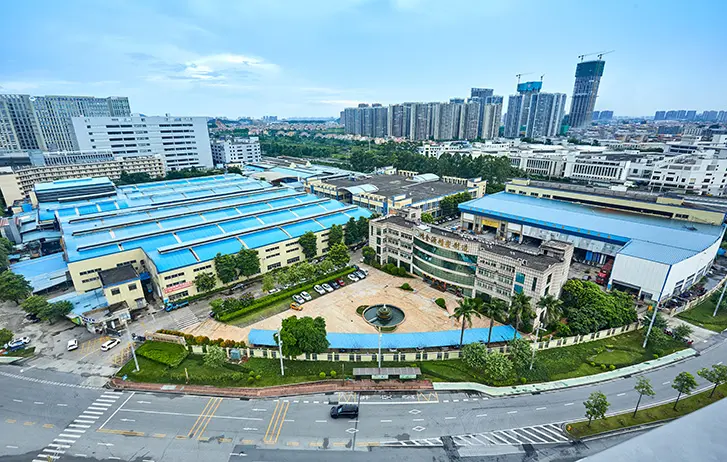
The global demand for custom aluminum structural rail systems has experienced an unprecedented surge over the past decade. Driven by the worldwide push for industrial decarbonization, lightweight transport, structural modernization, and renewable energy, engineered aluminum rails have transitioned from simple structural guides to critical high-performance components. In solar photovoltaic installations, aluminum mounting rails are required to withstand high wind loads and dynamic environmental stresses for over 25 years. In modern warehouse automation, precise linear guides and T-slot gantry rails are the structural backbone of automated storage and retrieval systems (ASRS).
Moreover, the global automotive and rolling stock industries are continuously substituting steel with high-strength structural extrusions to reduce dead weight and optimize thermal management. This shifting paradigm places strict quality expectations on aluminum manufacturers. To compete internationally, a production facility must offer advanced metallurgical precision, tight geometric tolerances, and traceably green manufacturing chains that satisfy strict ESG and Carbon Border Adjustment Mechanism (CBAM) requirements in the EU and North America.
Foshan, Guangdong serves as the epicenter of the global aluminum supply chain. Operating a vertically integrated 73,000m² factory allows Foshan Golden Source to handle all production phases in-house. This comprehensive control bypasses third-party manufacturing gaps and reduces shipping, logistics delays, and component damage risk. Our integrated process translates directly into shorter lead times, highly consistent dimensional control, and competitive unit pricing.
Unlike standard factories that source pre-fabricated billets from commercial smelters, we melt and cast our alloys in-house. This allows our metallurgists to fine-tune the elemental compositions (maintaining strict iron, silicon, magnesium, and copper ratios). This metallurgical oversight ensures optimal physical properties post-extrusion and high-quality anodizing surface finishes, eliminating structural defects and surface streaks.
We melt and cast the alloy in-house, enabling precise adjustments to the elemental compositions. This ensures we achieve the best physical properties of extrusion profiles, along with the alloy purity required for consistent, high-end anodizing results without surface discoloration.
CNC machining and surface treatments are performed in-house, offering tighter quality control and reducing production costs. Even at the same price point as other factories, our vertically integrated quality management delivers superior dimensional accuracy and finish longevity.
Our true "one-stop" manufacturing loop eliminates external subcontracting delays. With tooling, extrusion, machining, and surface finishing centralized in a single facility, we offer fast delivery timelines and reliable supply chains for global buyers.
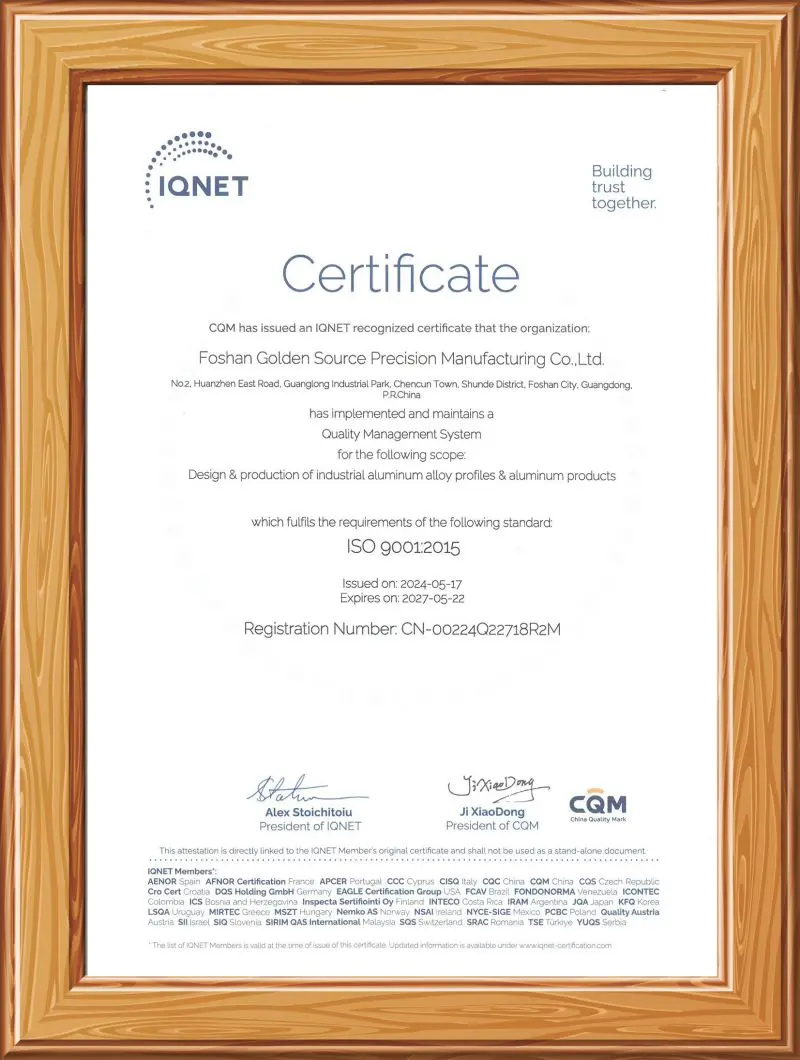
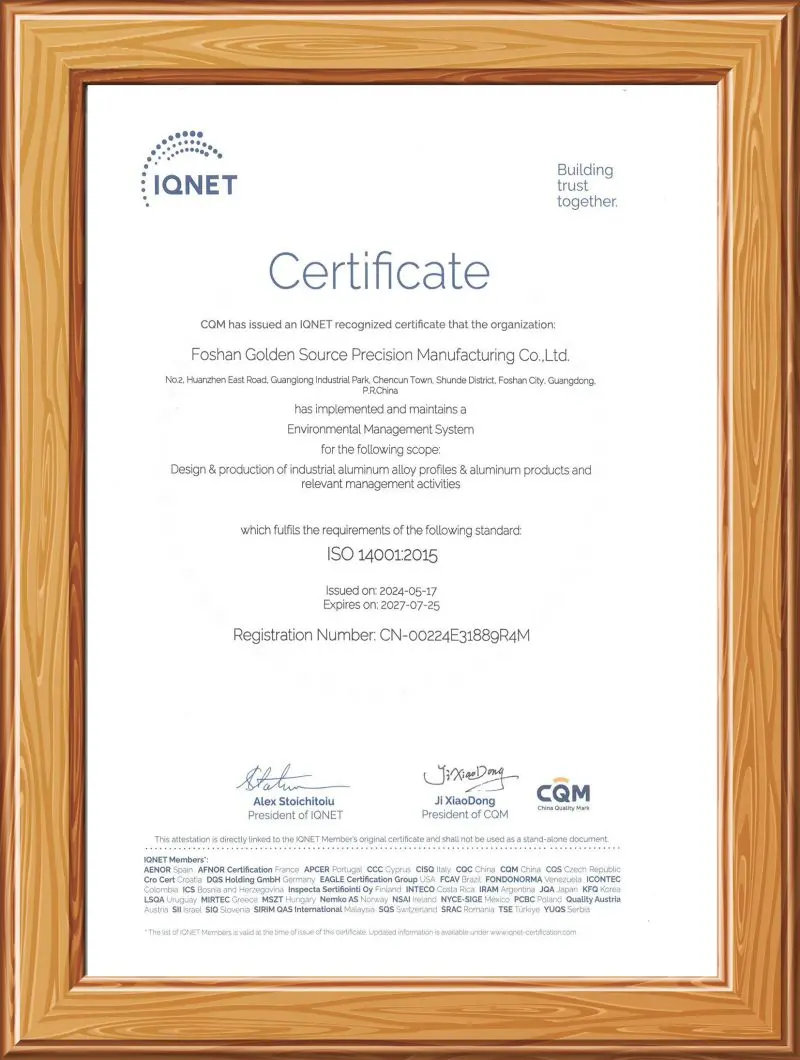
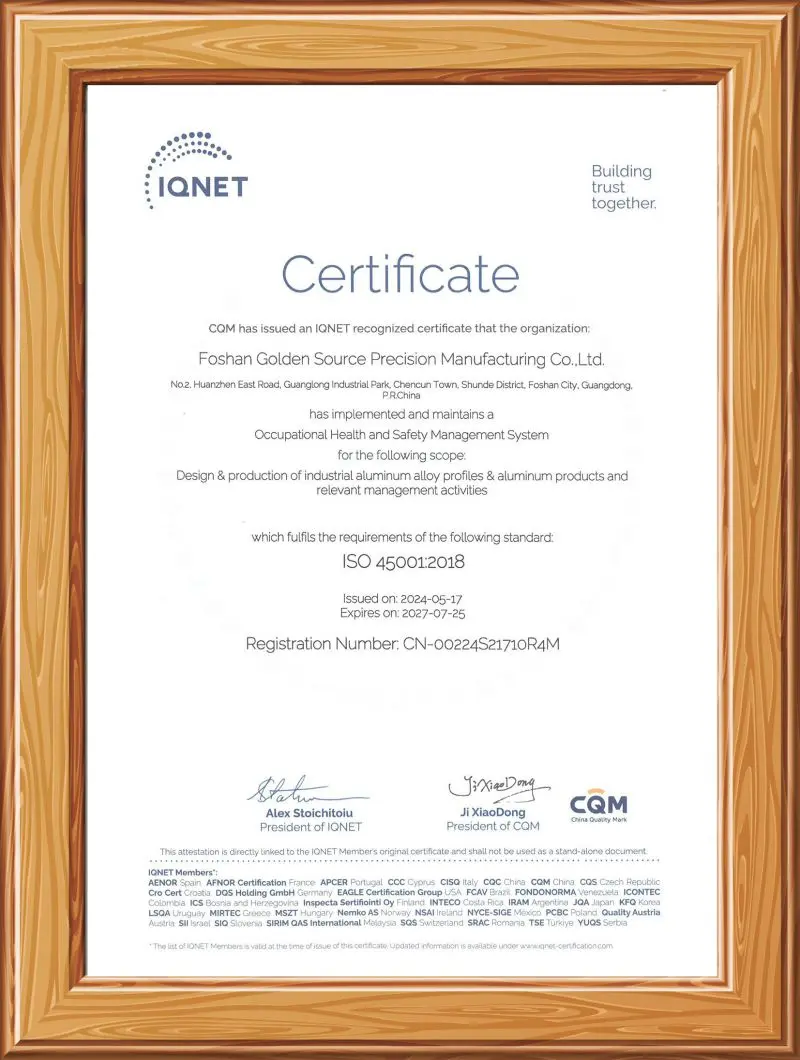
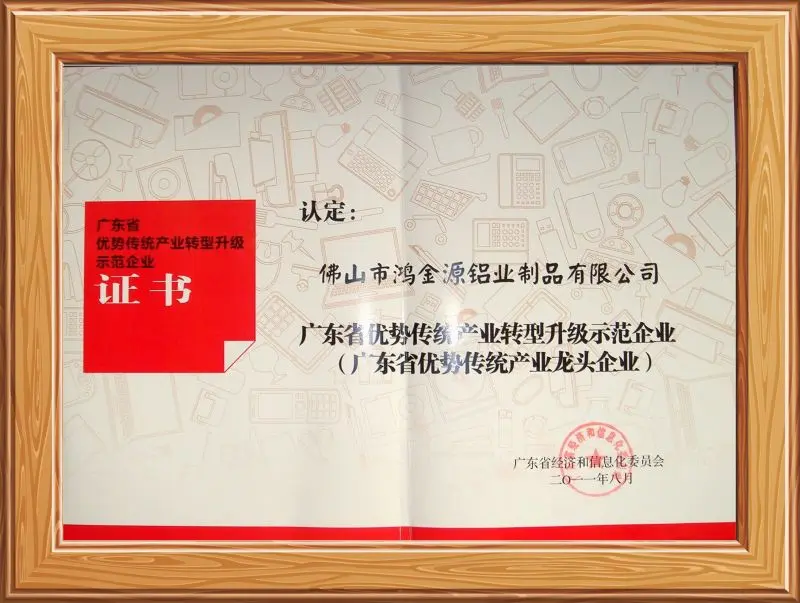
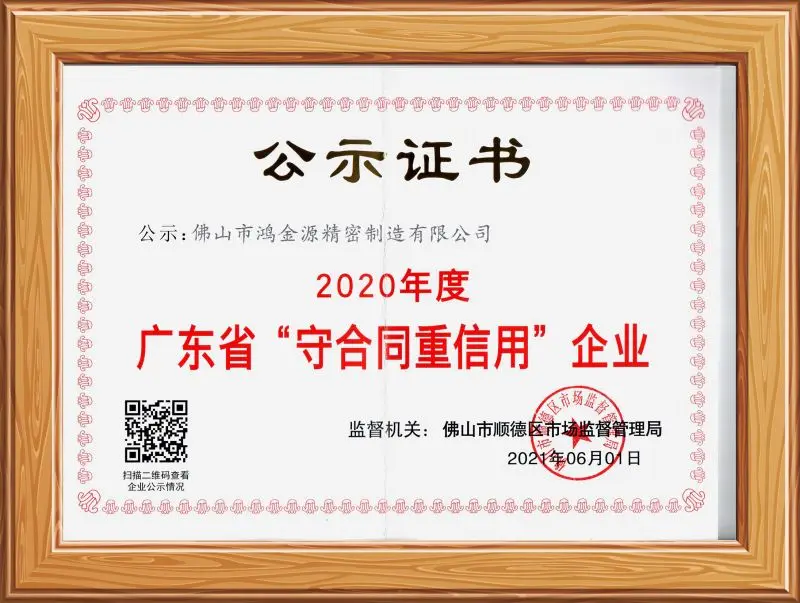
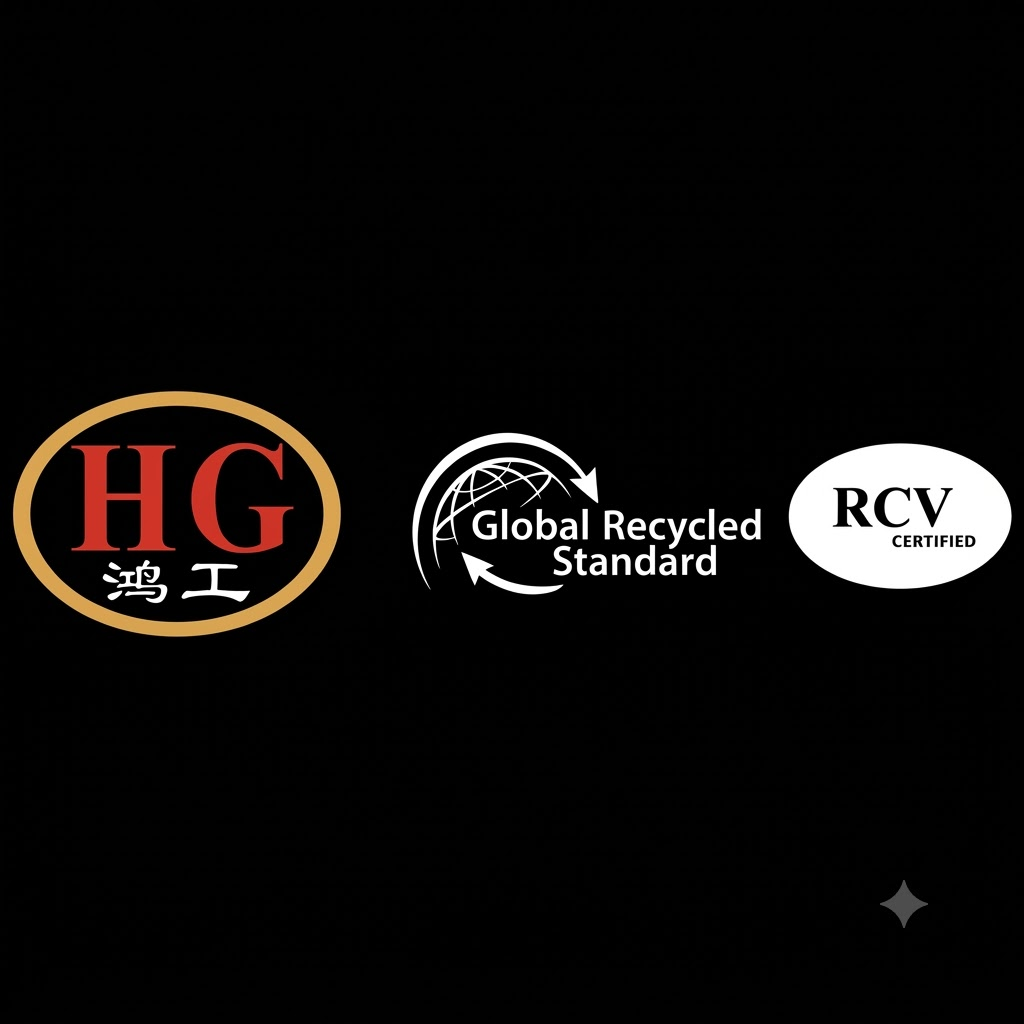
Foshan Golden Source is certified to ISO9001, ISO14001, and ISO45001 standards. In alignment with global environmental requirements and the EU's strict REACH and RoHS regulations, we also hold the newly issued, demanding GRS (Global Recycled Standard) and RCV certifications. We have received numerous honors for clean production, technological innovation, and sustainable industry practices from regional and national authorities. Below are some of our primary credentials:
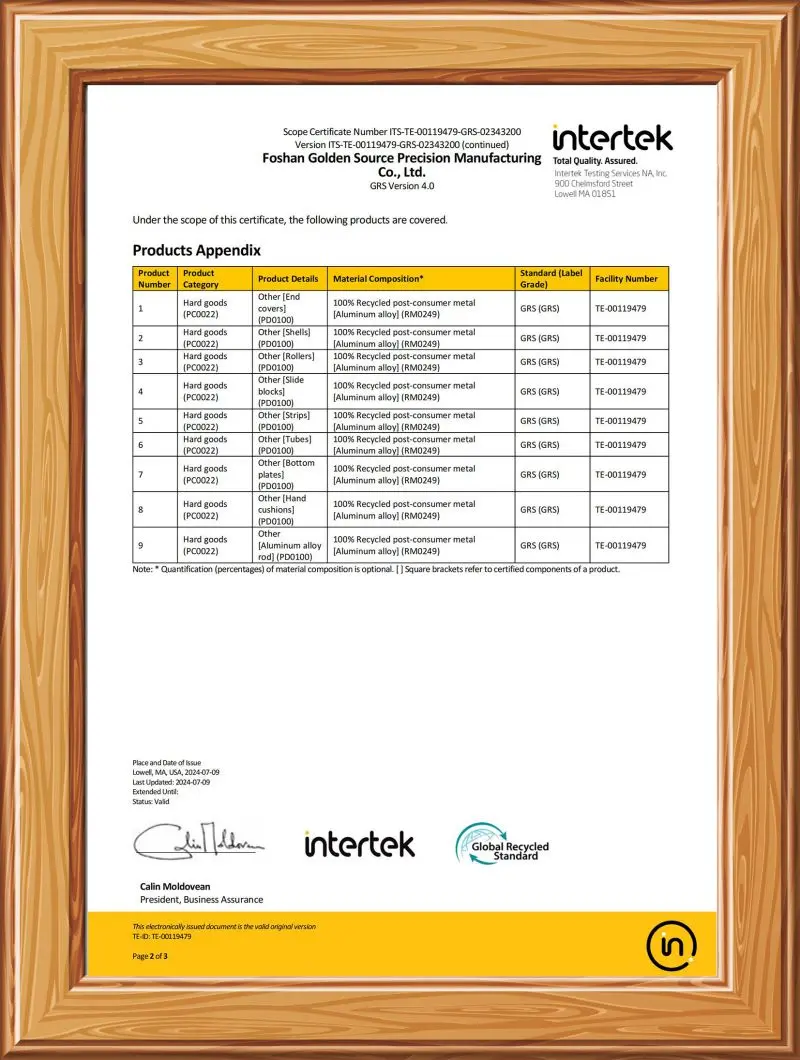
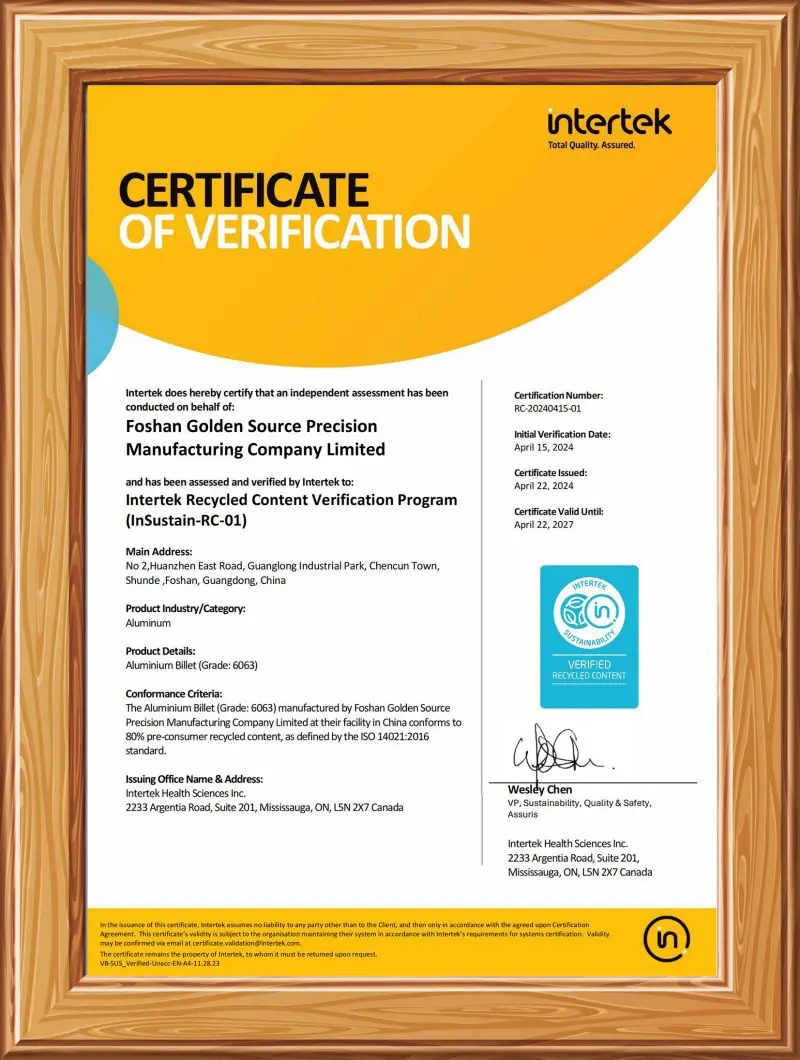
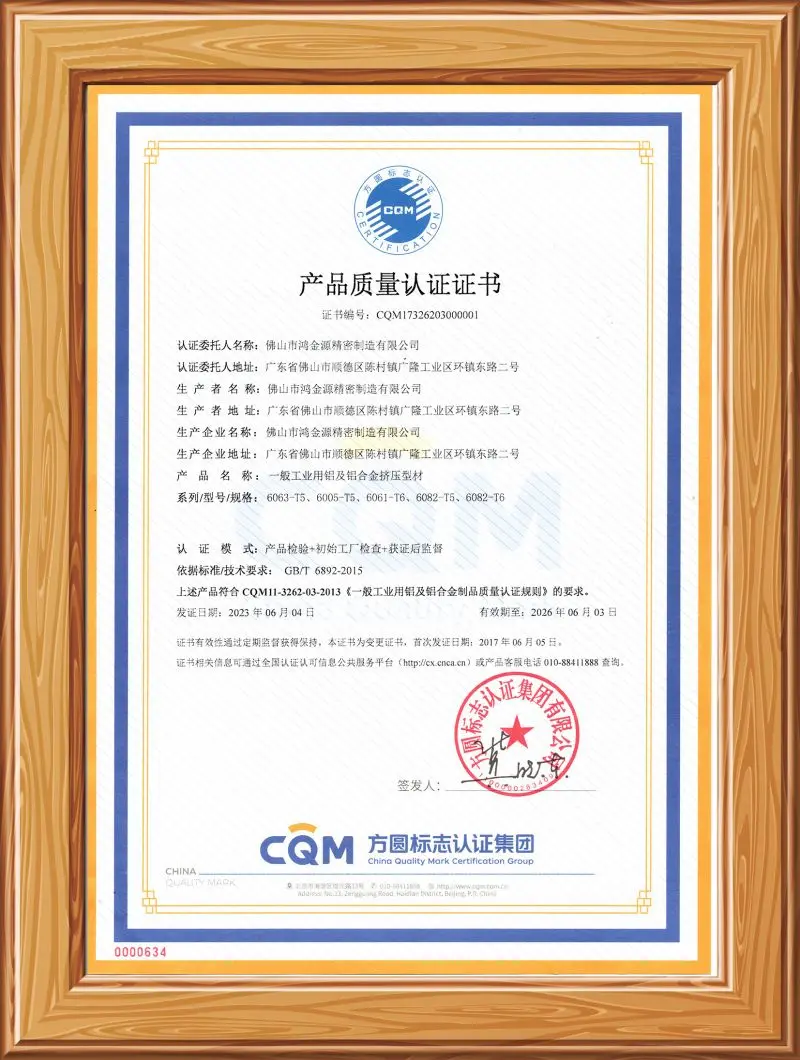
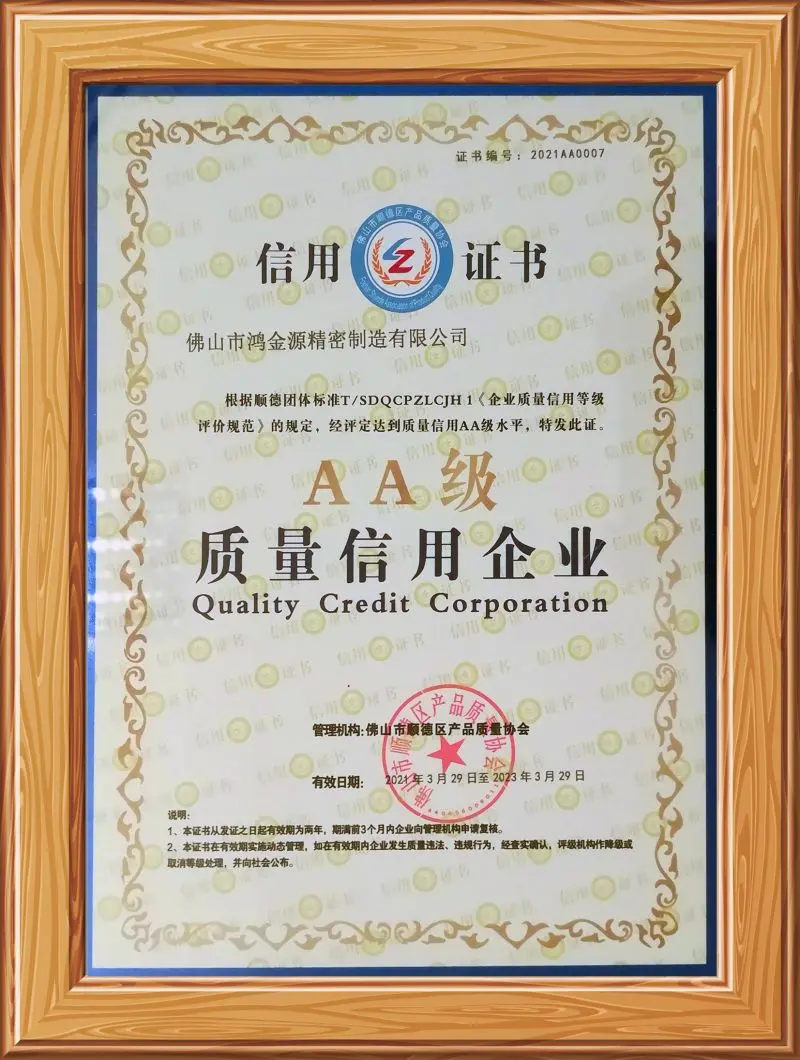
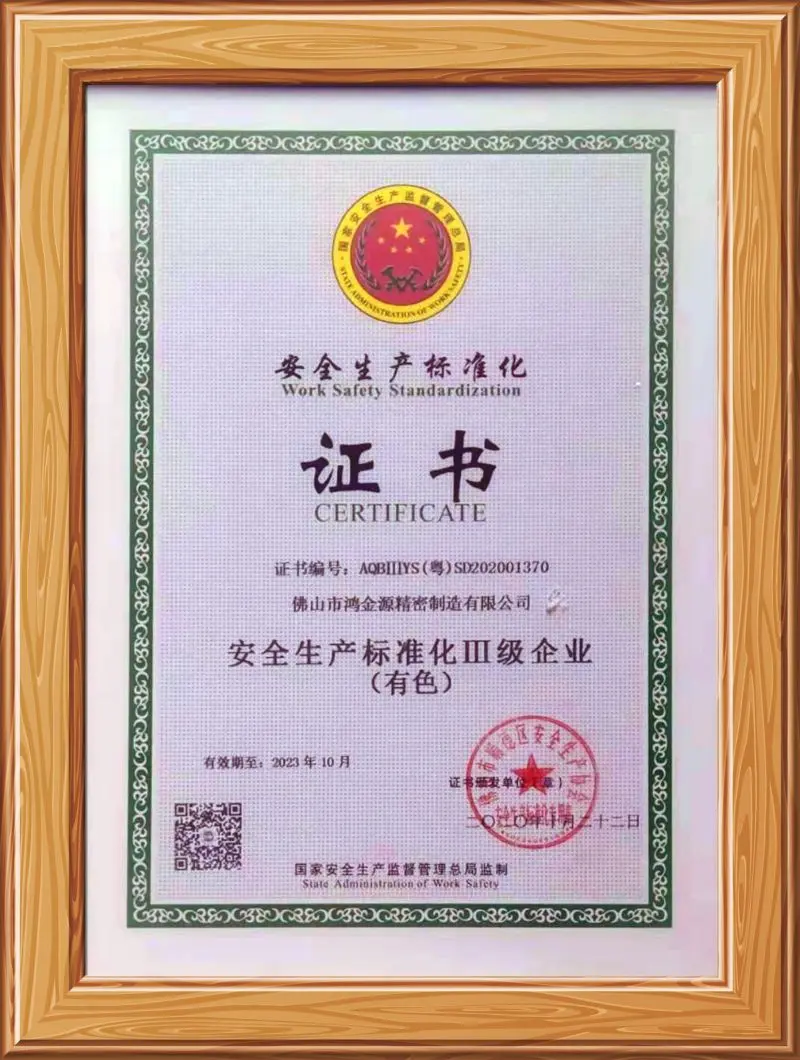
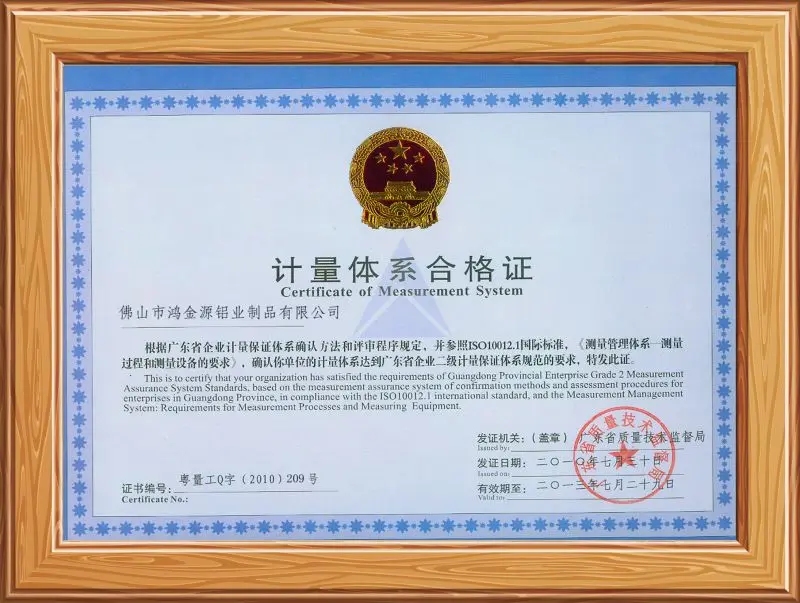
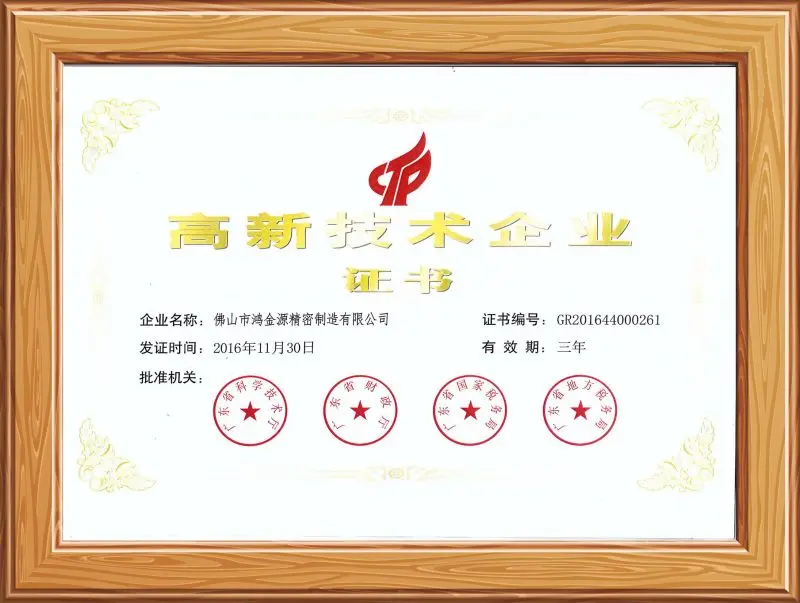
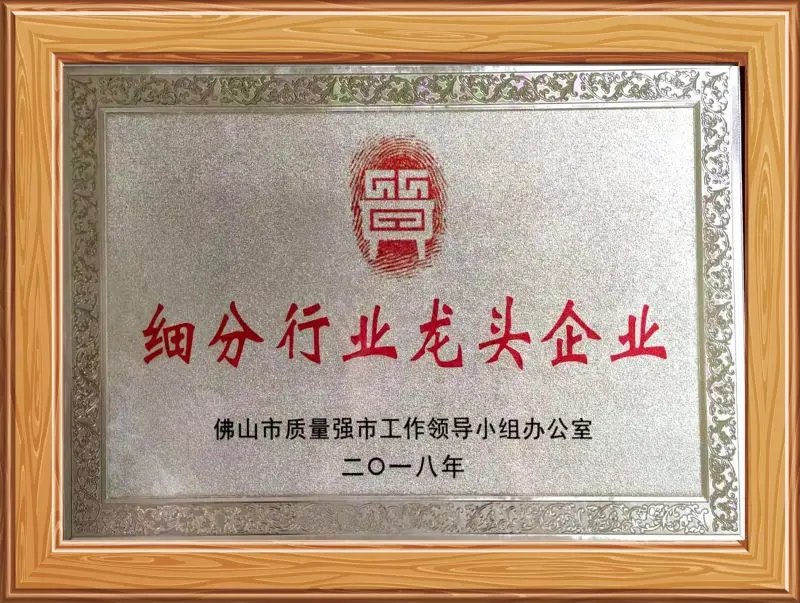
Solar mounting rails require excellent structural longevity and weather resistance. Because installations are exposed to humidity, UV exposure, and wind loads, we recommend using 6005-T6 or 6063-T6 alloys with structural anodization (thickness exceeding 15 microns). Our in-house casting allows us to tailor magnesium and silicon ratios to achieve high tensile and yield strength without sacrificing extrusion velocity or increasing cost.
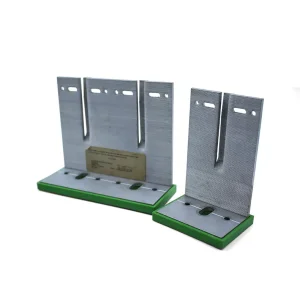
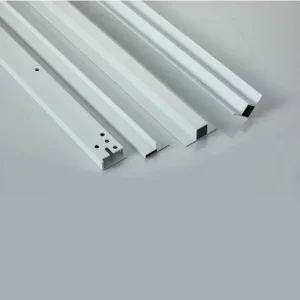
For high-rise curtain walls and glass framing assemblies, structural integrity and surface uniformity are critical. Even minor variations in extrusion temperature or alloy composition can produce visible banding or coloring defects after batch anodizing. Because we manage both billet casting and die maintenance, we can achieve tight clearances and flat tolerances (conforming to EN 755-9 standards) for easy on-site installation.
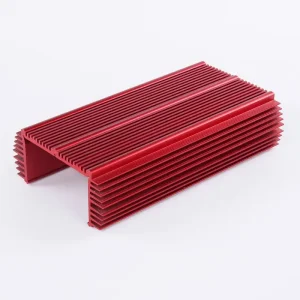
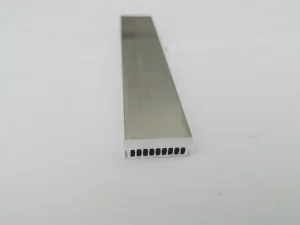
Electronics packaging, like amplifier heat sinks and optical module frames, demands high thermal conductivity and tight CNC tolerances. Our 6063-T5 amplifier housings and thin-fin heat sinks undergo precision multi-axis CNC routing and anodization to ensure excellent heat transfer, clean edges, and zero thermal warpage.
Automated assembly systems, linear actuators, and heavy-duty gantry frames rely on precise structural dimensions. Our custom T-slot profiles and linear guide rails are engineered to resist twisting, deflection, and surface wear under continuous loads, ensuring smooth sliding performance and minimal system downtime.
When sourcing custom aluminum rails from China, global engineering and procurement departments should verify several key technical benchmarks to ensure quality, fitment, and compliance:
 HG Precision