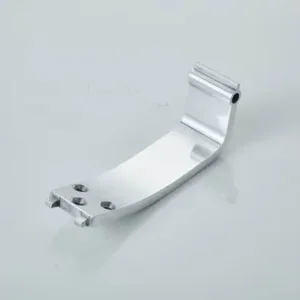
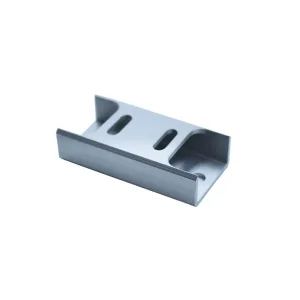
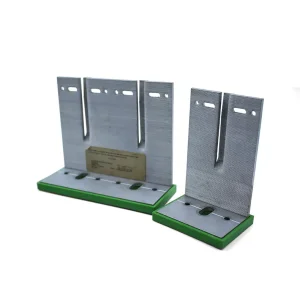
Select custom structural elements from our high-performance product inventory, designed and precision-machined for specialized engineering requirements.
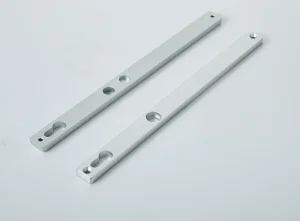
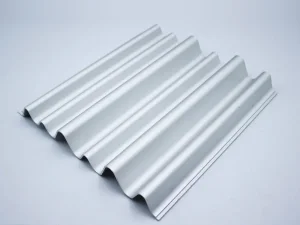
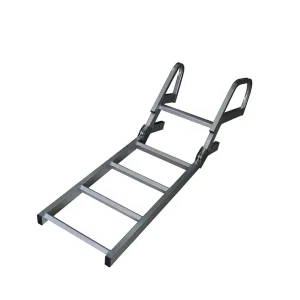
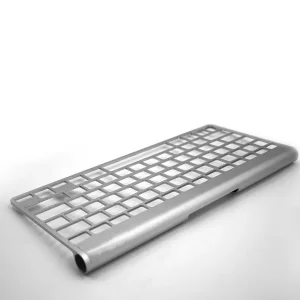
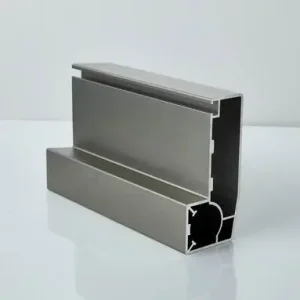
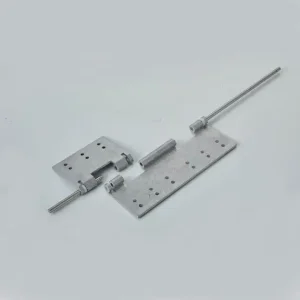
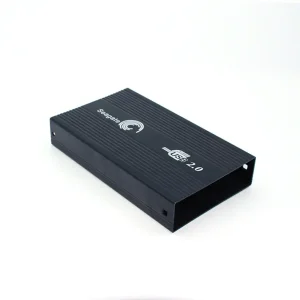
The standard 2020 extrusion profile represents a critical building block in modern automation, structural design, and modular assembly frameworks.
In the lexicon of structural modular framing, the term "Aluminum Profile 2020" designates a highly versatile modular cross-section profile of 20mm x 20mm width. This dimensional profile configuration features T-slot or V-slot channels on all four sides. Originally conceived for small-scale mechanical assemblies and protective containment enclosures, the 2020 profile has become a key element in advanced B2B mechanical engineering. Modern industrial automation demands structures that combine high strength-to-weight ratios, rapid assembly times, and easy modifications. The 2020 profile system meets these demands, replacing heavier welded structural steel frames across many applications.
While standard off-the-shelf 2020 profiles work well for general lab framing, custom-engineered profiles are required for complex industrial settings. Premium manufacturers adjust mechanical properties through custom chemical compositions, custom wall thicknesses, and internal structural ribs. This optimizes performance under continuous dynamic stress, high load capacities, and harsh working environments.
Globally, the demand for 2020 profile systems is driven by four major industrial shifts:
Established in 1991, Foshan Golden Source Precision Manufacturing Co., Ltd. has spent over three decades establishing itself as a trusted leader in custom aluminum profile manufacturing. Our manufacturing facility covers more than 73,000 square meters. It is designed as an environmentally friendly production base that handles the entire fabrication cycle under one roof. Our one-stop capabilities include:
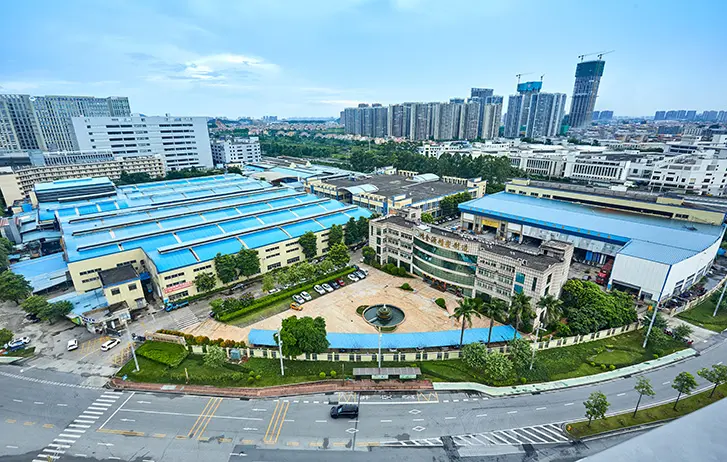
By maintaining complete control over our production chain, we ensure that every custom extrusion profile meets strict international standards. This integration helps minimize production delays, lower material costs, and ensure consistent quality, even when compared to competing manufacturers.
We manufacture across a wide range of aluminum alloys to meet the unique mechanical demands of different applications.
Choosing the correct alloy is key to ensuring long-term structural reliability. While standard modular frames often use basic 6063-T5 aluminum, our casting house produces specialized alloys in the 1xxx, 3xxx, 5xxx, 6xxx, and 7xxx series. This allows us to adjust the mechanical properties of each extrusion to match its structural role.
| Alloy Series | Primary Alloying Elements | Common Tempers | Tensile Strength (MPa) | Key Properties & Applications |
|---|---|---|---|---|
| 1XXX Series | Pure Aluminum (≥99.00%) | H14, H18, O | 70 - 165 | Exceptional electrical/thermal conductivity. Excellent corrosion resistance. Used in heat sinks and electrical busbars. |
| 3XXX Series | Manganese (Mn) | H14, H24 | 110 - 200 | Moderate strength, excellent formability, and chemical resistance. Used in heat exchangers and cooling tubes. |
| 5XXX Series | Magnesium (Mg) | H32, H34, O | 190 - 310 | High corrosion resistance in marine and chemical environments. Excellent weldability. Used in marine components and tanks. |
| 6XXX Series | Magnesium & Silicon (Mg-Si) | T5, T6, T6511 | 180 - 350 | Excellent strength-to-weight ratio, ease of extrusion, and great response to anodizing. The standard for 2020 structural frames and custom CNC work. |
| 7XXX Series | Zinc (Zn) | T6, T73 | 480 - 620 | Ultra-high tensile strength comparable to structural steel. Used in aerospace components, heavy-duty sporting gear, and structural climbing gear. |
By melting and casting our billets in-house, we control impurities like iron (Fe) and copper (Cu). This control helps prevent structural micro-fractures during extrusion and ensures a high-purity surface. The result is a clean, uniform finish during anodizing, without dark spots or color variations.
Why global OEMs choose Foshan Golden Source as their long-term supply partner.
We melt and alloy our metals in-house. This allows us to adjust compositions for optimal physical performance, high grain structure consistency, and excellent anodizing responses.
By keeping machining, surface treatment, and assembly in-house, we maintain complete quality control and lower production costs. This structure allows us to offer premium-grade products at competitive price points.
Our integrated production setup reduces transfer times between different manufacturing stages. This streamlined workflow ensures predictable lead times, even for custom orders with complex post-processing.
Technical parameters for engineering calculations using custom structural framing.
For structural engineers, estimating load capacity is critical. The structural performance of a 2020 extrusion profile depends on the material's elastic modulus ($E$) and the profile's moment of inertia ($I$). For a standard 2020 profile supported at both ends under a center point load ($F$), the deflection ($f$) is calculated using the following engineering formula:
Where:
We work closely with design engineers to customize internal wall thicknesses. This adjustment alters the moment of inertia ($I$) to help optimize the profile's load capacity while minimizing raw material weight. This approach helps reduce the structural mass of moving systems, like automation portals or robotic arms, while keeping deflection within safe limits.
A breakdown of the variables that influence pricing for custom profiles.
B2B procurement is rarely based on a single flat rate. Commercial prices for custom aluminum extrusions are typically calculated using a structured dynamic pricing model:
Key factors that influence final pricing include:
Meeting international environmental regulations to support sustainable global supply chains.
Modern global logistics require strict adherence to environmental and quality standards. European and North American manufacturing projects increasingly demand compliance with chemical safety rules and sustainable material sourcing models.
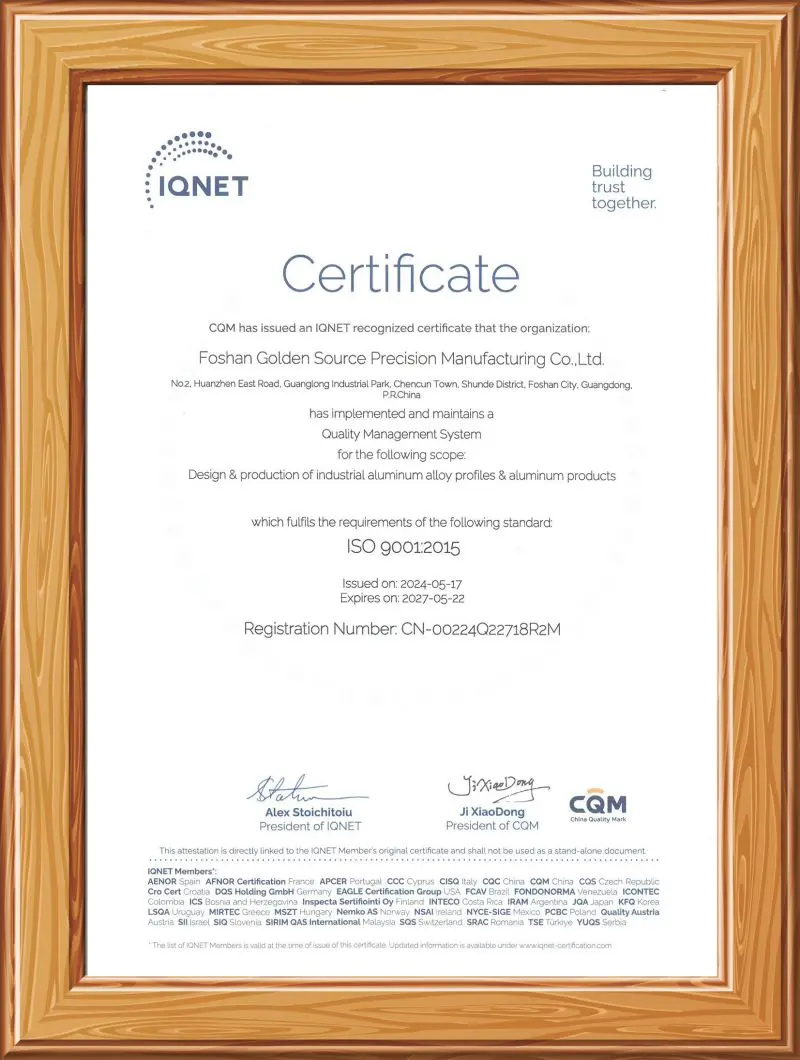
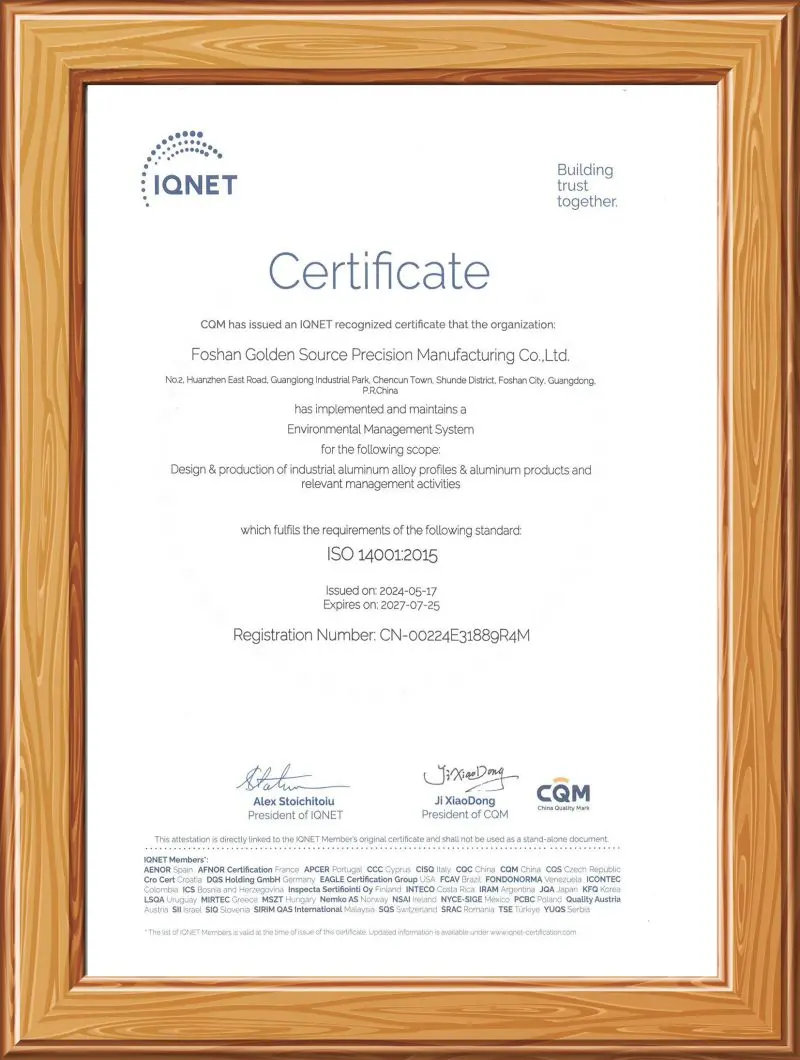
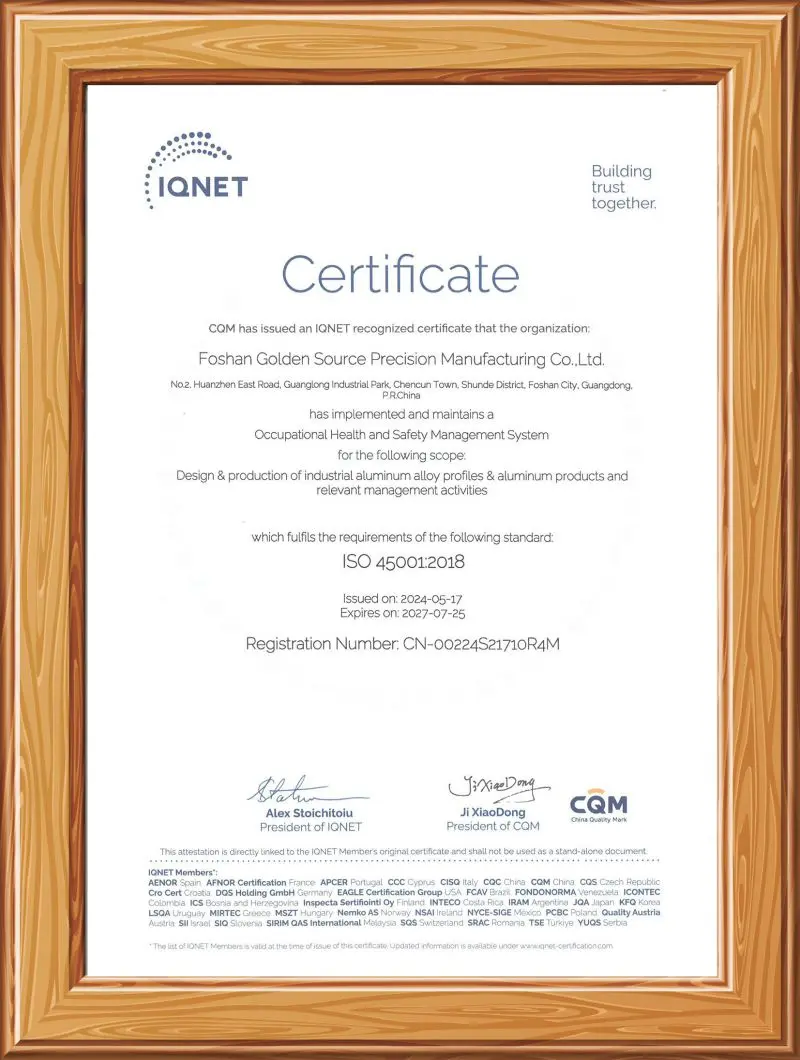
Foshan Golden Source operates under certified quality and safety management systems, including ISO9001, ISO14001, and ISO45001. To support eco-friendly projects, we also maintain certifications for newer green initiatives:
We verify that our extrusion alloys and surface finishes contain no restricted chemical compounds, making our profiles suitable for import and distribution in European markets.
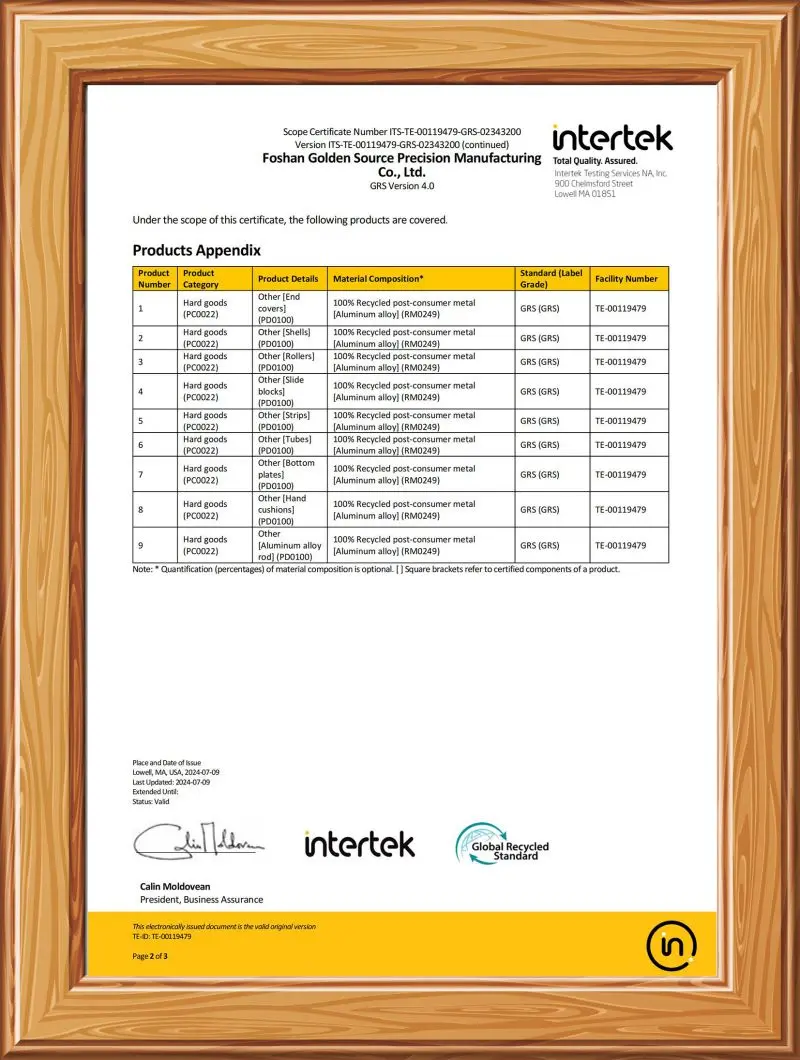
Our Global Recycled Standard (GRS) certification verifies our use of recycled materials, tracking processed scrap through our manufacturing pipeline to support circular economy goals.
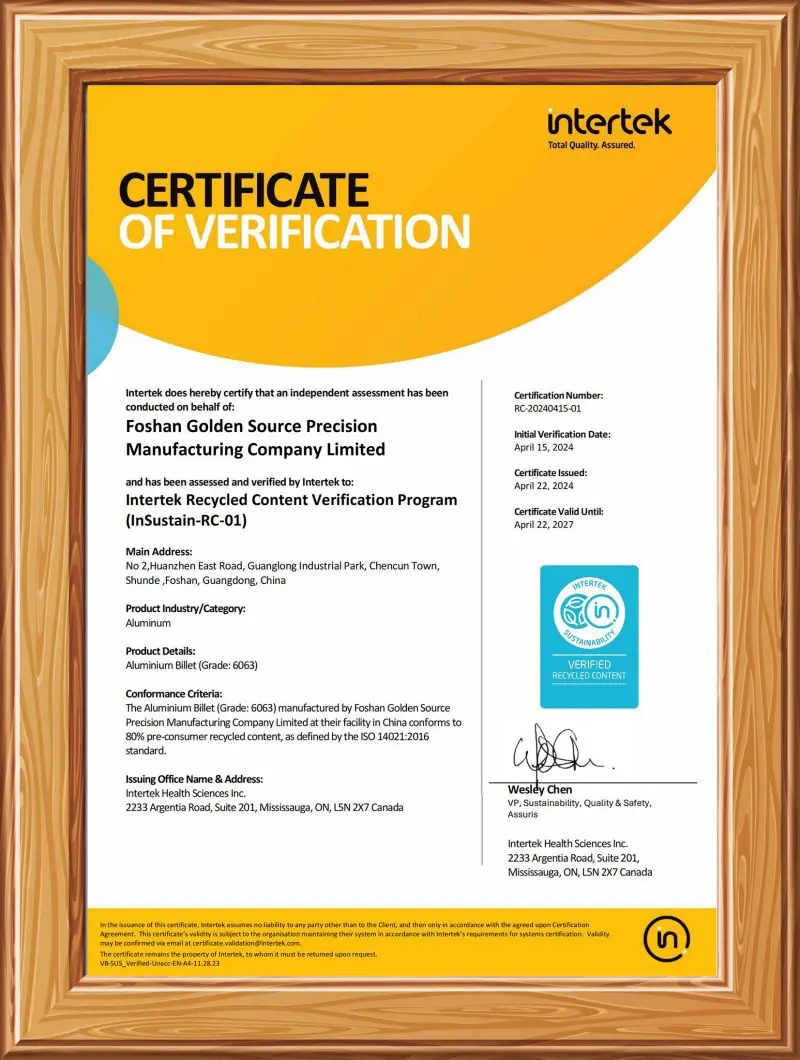
Our Recycled Content Validation (RCV) provides independent proof of recycled alloy percentages, helping our partners meet their environmental, social, and governance (ESG) targets.
These practices help reduce carbon emissions from our production lines. They also help OEMs qualify for green building initiatives, low-carbon automotive components, and international eco-labels.
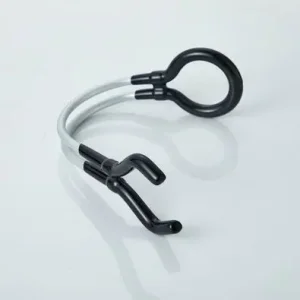
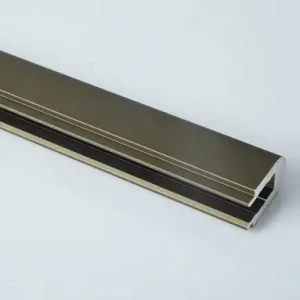
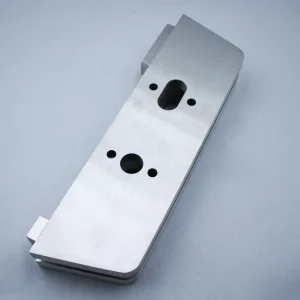
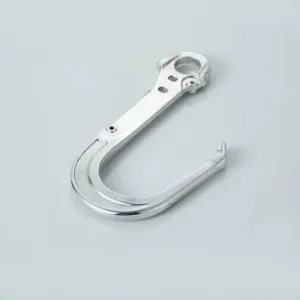
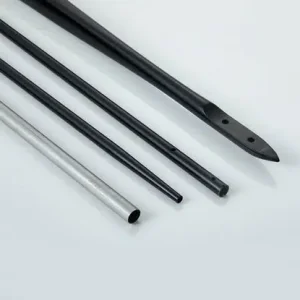
Additional custom solutions showcasing our capability in high-strength alloys and specialized post-processing.
Our production standards are backed by leading international quality and safety certifications.
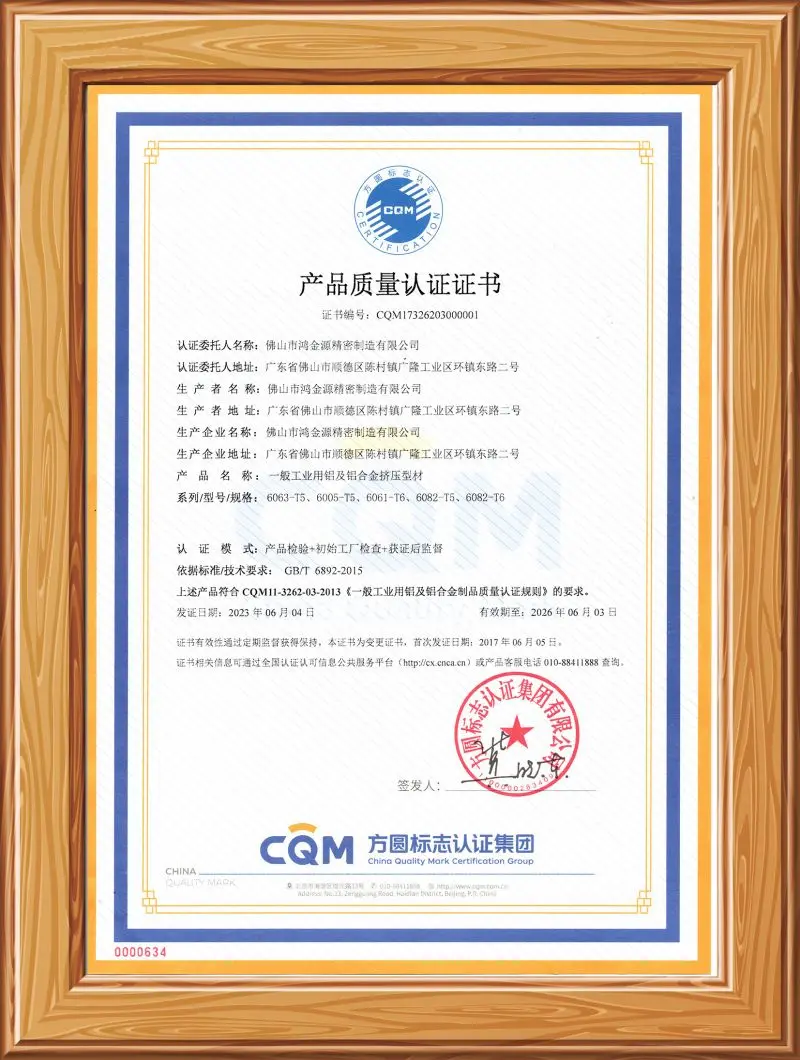
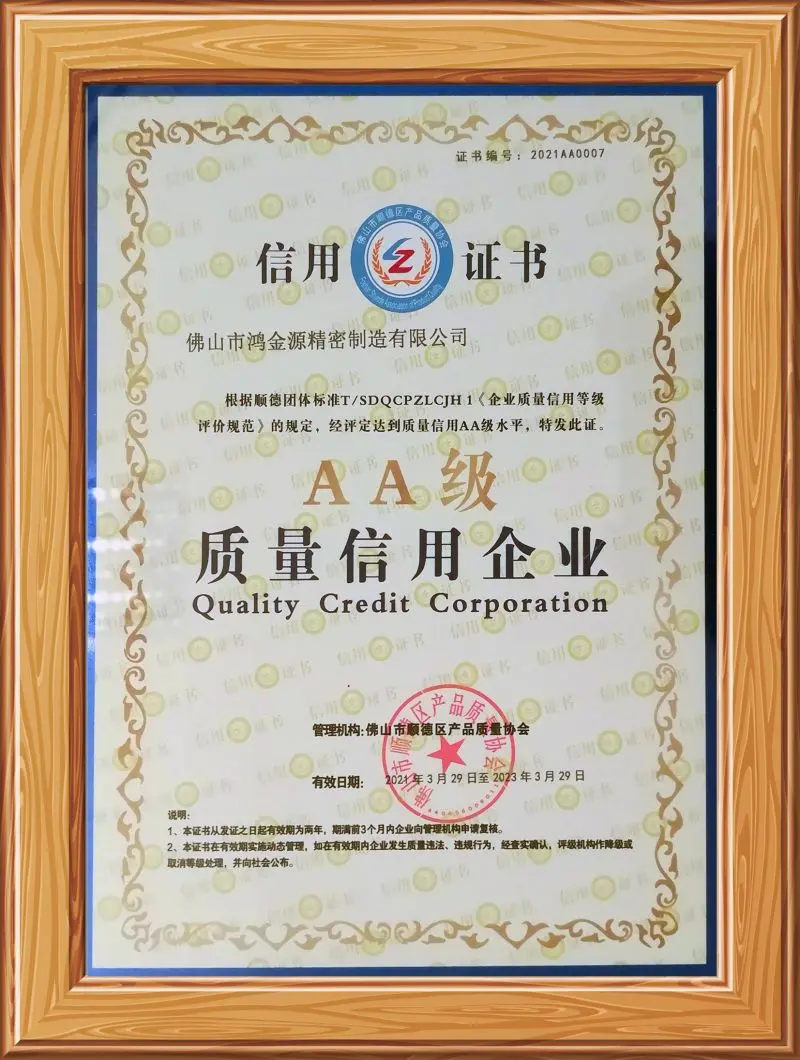
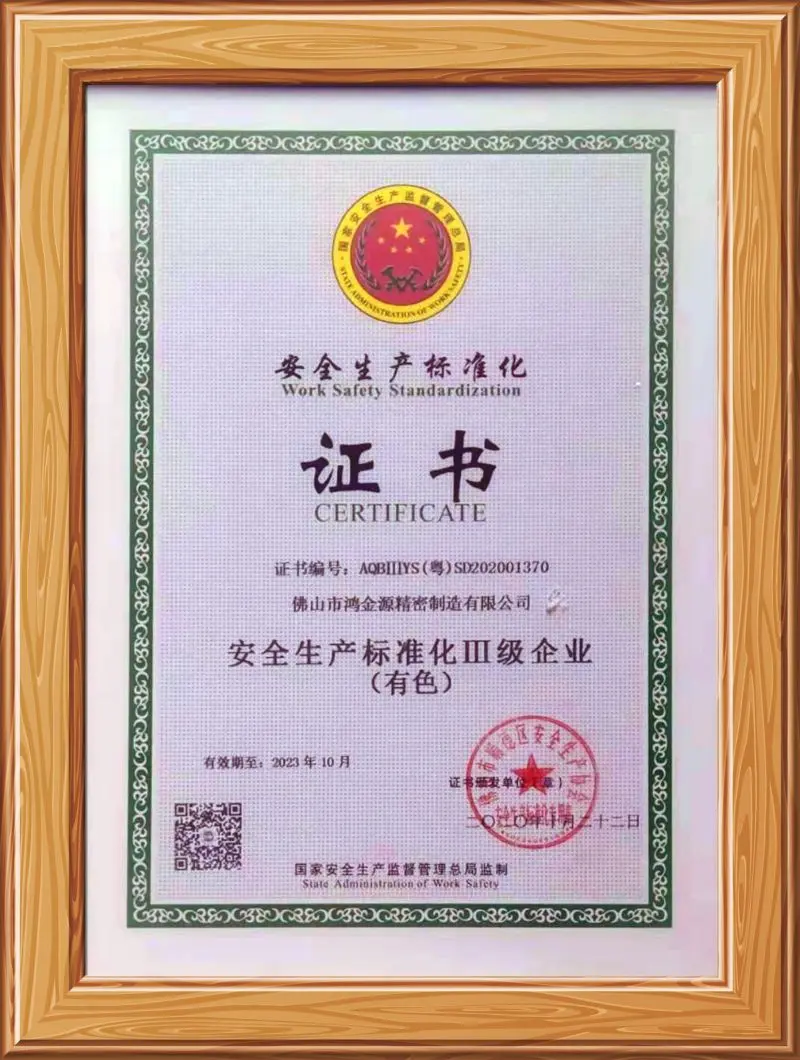
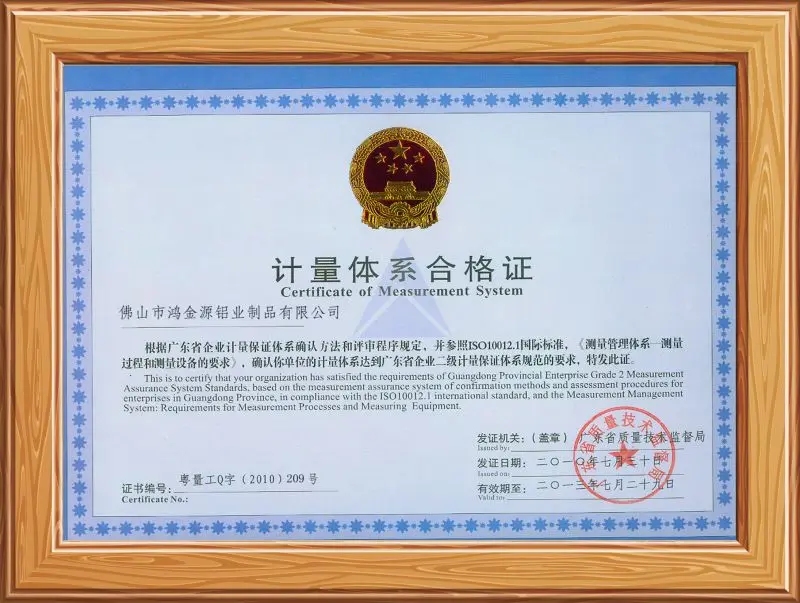
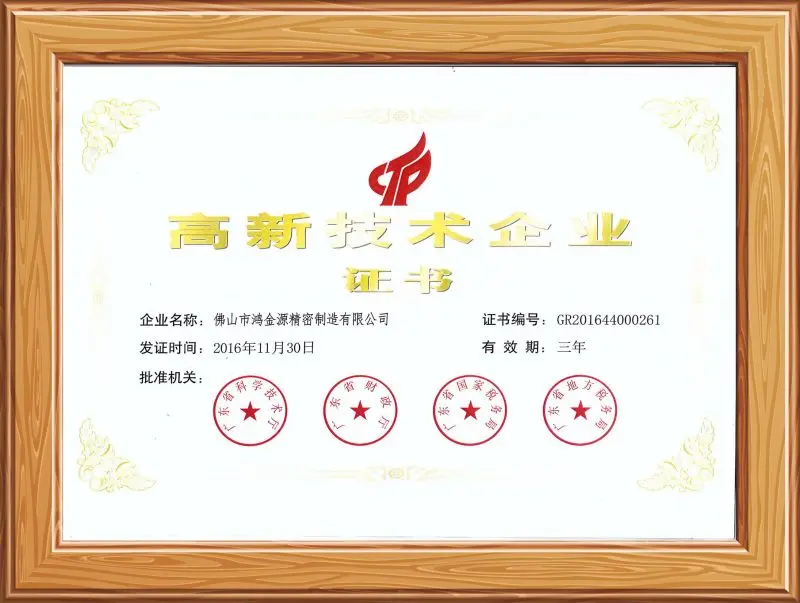
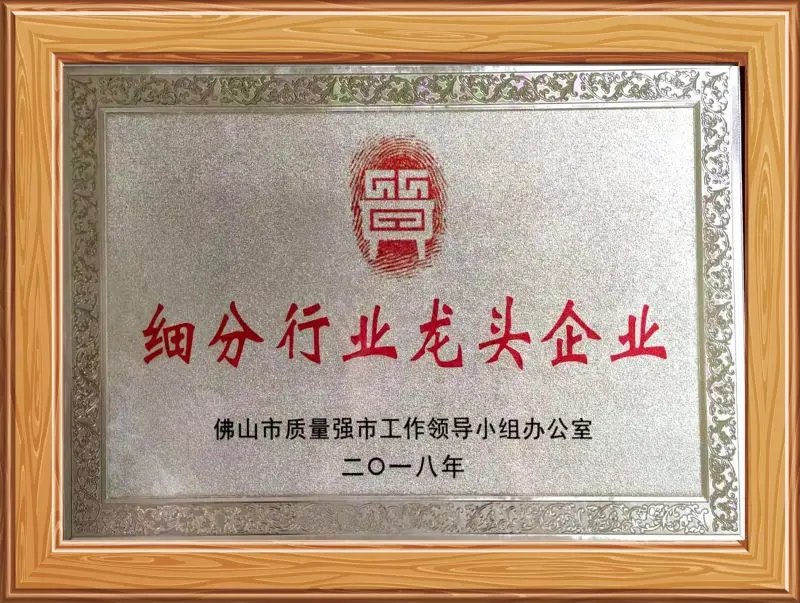
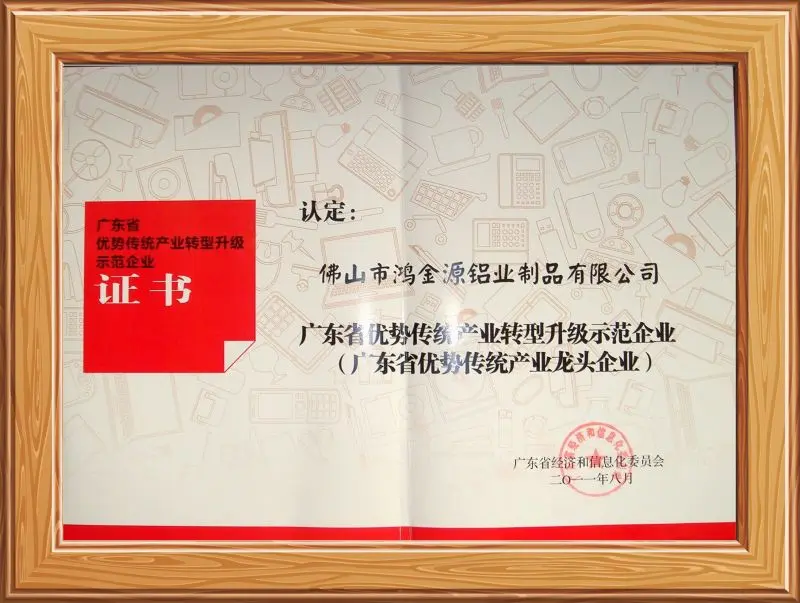
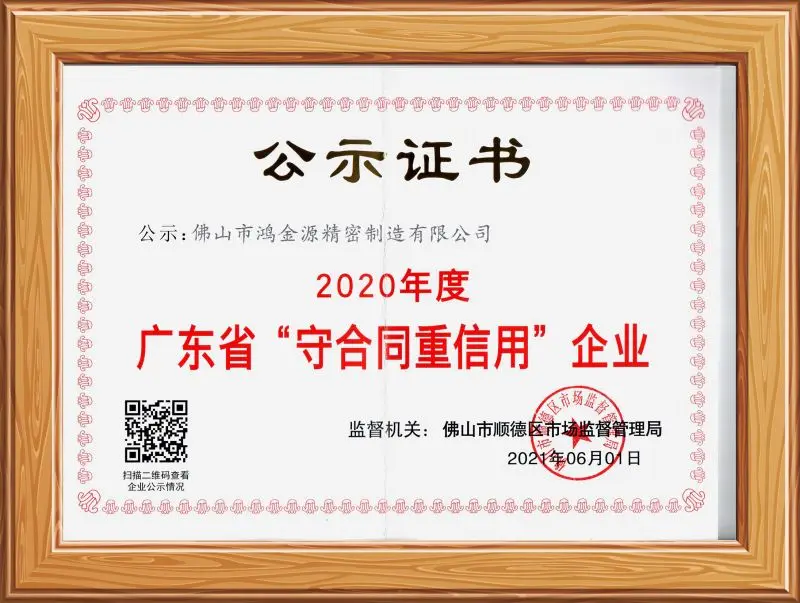
Our manufacturing and processing lines comply with key global regulations. We maintain certifications including ISO9001 for quality management, ISO14001 for environmental management, and ISO45001 for occupational health and safety. In addition, our GRS (Global Recycled Standard) and RCV certifications help us meet strict environmental import guidelines, such as the EU's REACH regulation. We also hold honors and certificates for clean production, credit rating, and technological innovation awarded by local, municipal, and provincial government agencies.
Technical and commercial answers to common customer inquiries regarding custom profiles.
 HG Precision