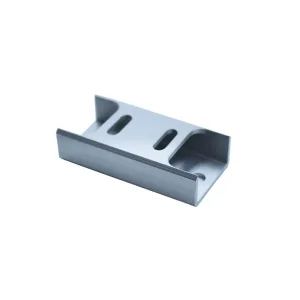
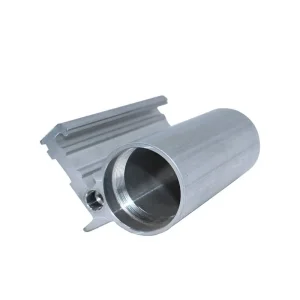
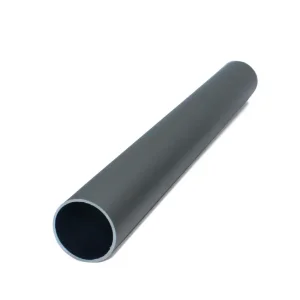
Explore our precision-machined profiles and specialized high-strength hardware components designed to perform under demanding operational thresholds.
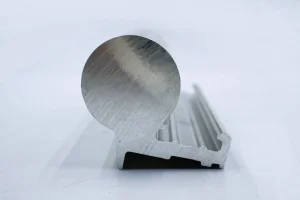
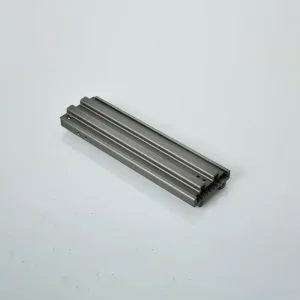
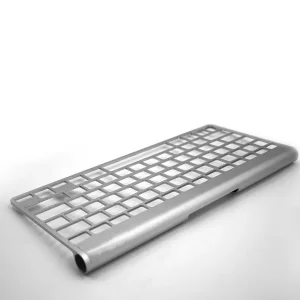
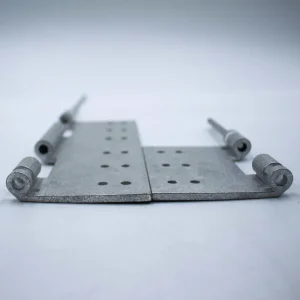
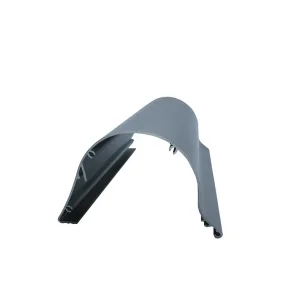
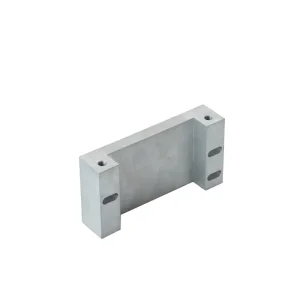
In the highly competitive electronics industry, thermal performance, structural durability, and electromagnetic interference (EMI) containment are parameters that dictate product success. Consumer electronics, industrial compute modules, automotive telematics, and telecom base stations demand components that minimize weight while maximizing physical robustness. Custom aluminum parts have emerged as the foundational medium to fulfill these design prerequisites.
Aluminum alloys, specifically within the 6XXX (Al-Mg-Si) and 7XXX (Al-Zn-Mg-Cu) groups, present a balance of mechanical properties. Their high strength-to-weight ratio allows designers to engineer ultra-thin walled housings, complex micro-channel heat sinks, and rugged mechanical linkages. In addition, the natural electrical and thermal conductivity of aluminum makes it ideal for integrating internal grounding planes, shielding sensitive IC components from cross-talk, and rapidly dissipating thermal energy away from high-power CPUs, MOSFETs, and power supplies.
Selecting the precise temper and chemical constitution of an alloy directly governs its performance during extrusion, CNC machining, and anodization. For instance, the use of 6061-T6 alloy provides exceptional yield strength and fracture toughness, which is vital for heavy-duty structural parts like sliding linkages or arm components. Conversely, 6063-T5 or 6063-T6 variants are optimized for intricate profile geometries, maintaining dimensional stability across micro-thin extrusion gaps while offering a superior aesthetic canvas for decorative anodization.
Established in 1991, Foshan Golden Source Precision Manufacturing Co., Ltd is a premier manufacturer specializing in high-strength, high-precision, customized aluminum profiles and custom-machined parts. We operate an environmentally compliant production base spanning over 73,000 square meters. Our enterprise offers a vertically integrated, one-stop manufacturing ecosystem that controls every stage of the production cycle: internal alloy casting, mold design and fabrication, precision extrusion, CNC multi-axis machining, structural welding, assembly, and advanced surface finishing.
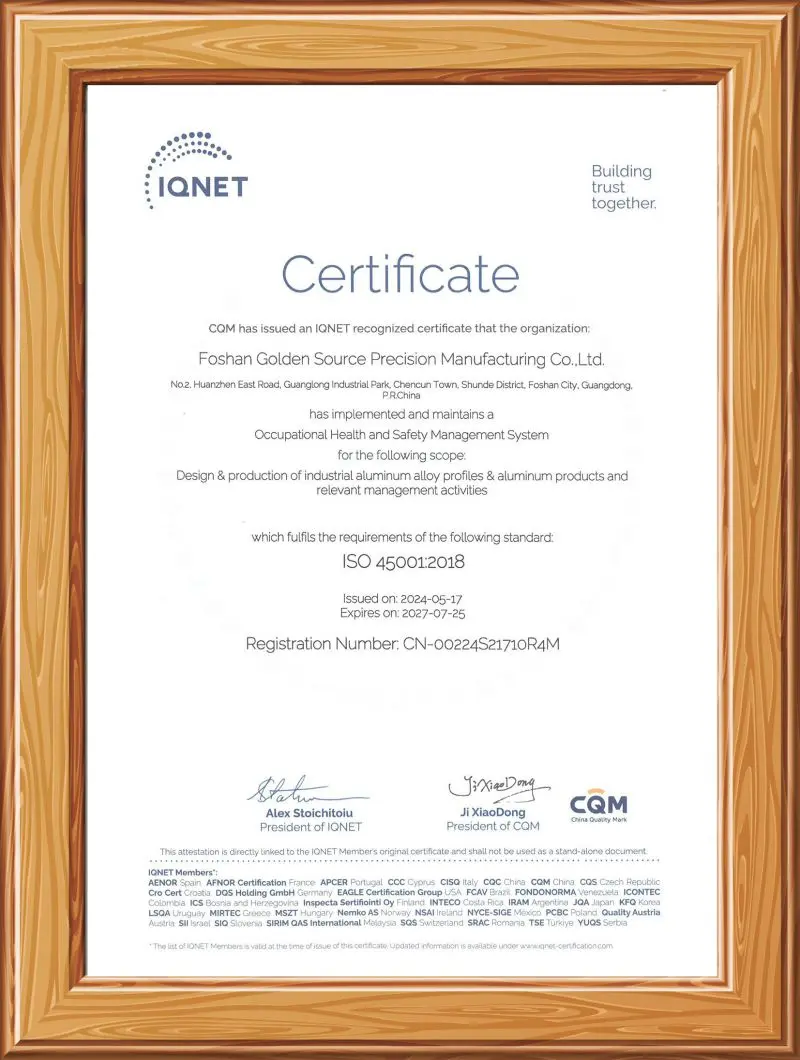
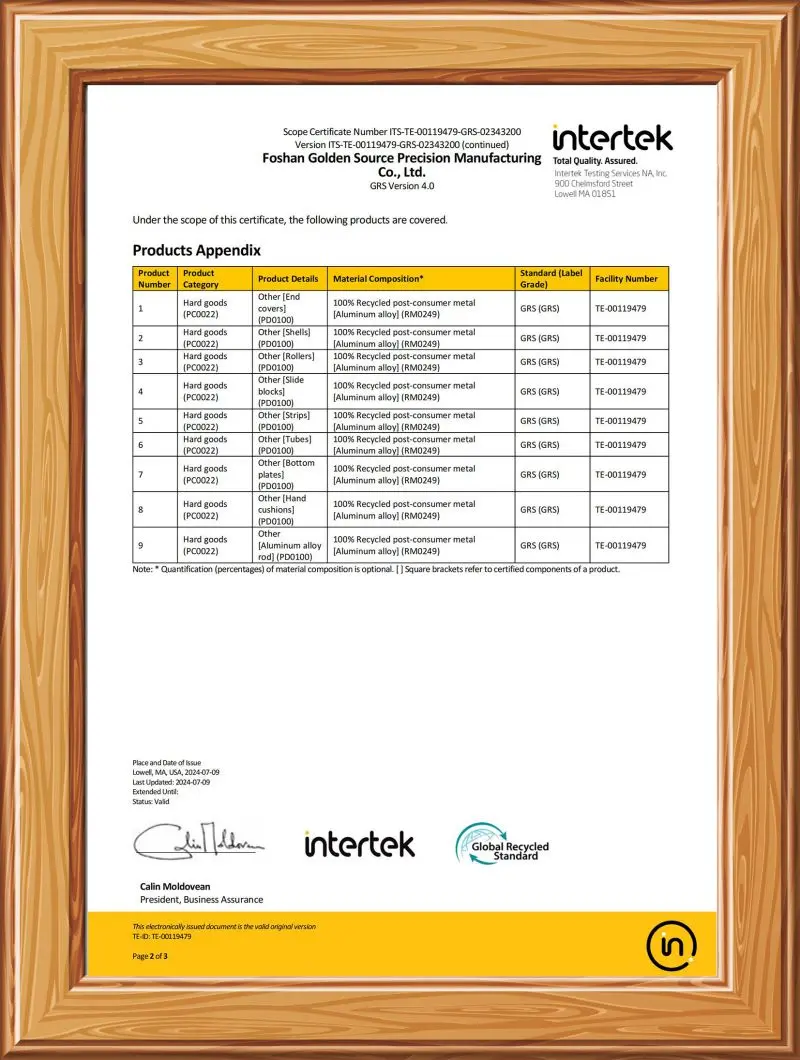
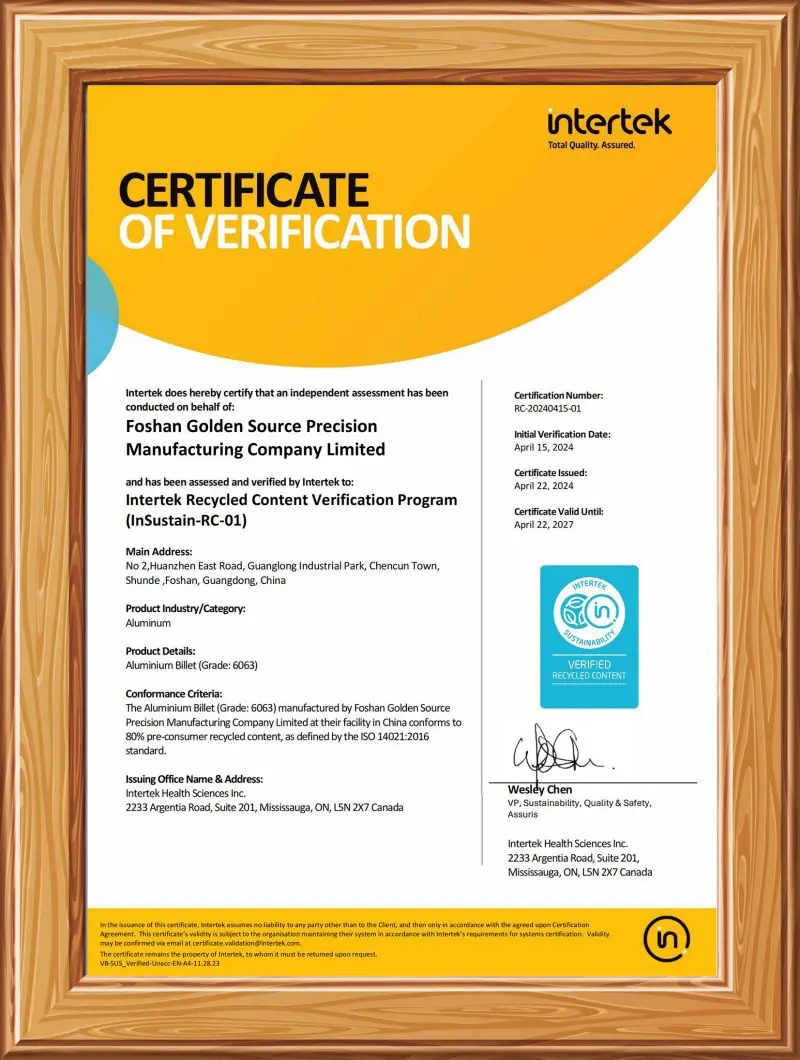
Our technological and operational frameworks are certified under global standards, including ISO9001, ISO14001, ISO45001, RCV, and GRS. This ensures that every component shipped complies with international environmental benchmarks, including the European Union's stringent REACH regulations. We service a diverse industrial footprint, including 3C hardware, automotive frameworks, railway infrastructure, smart furniture, outdoor utility goods, and solar mounting systems.
Download Company Catalogue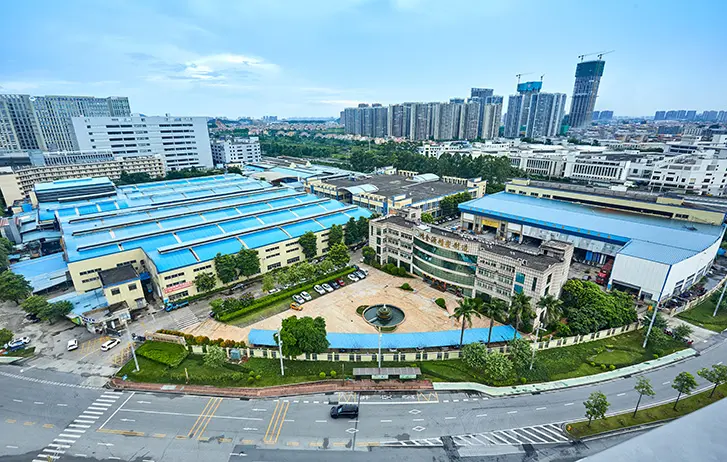
Integrating materials science, automated production, and comprehensive quality assurance to deliver superior values to global electronics OEMs.
We melt and cast our alloys in-house. This gives us full control to adjust the chemical compositions of the aluminum billets. By regulating impurities and alloying elements (such as iron, silicon, and copper), we achieve the best physical properties for extrusion profiles, ensuring optimal electrical conductivity, mechanical yield, and a highly uniform grain structure that enables flawless anodizing.
By performing precise mechanical machining, CNC milling, stamping, and complex surface treatments entirely in-house, we eliminate external logistical variables and middleman markups. Our integrated QA systems monitor structural tolerances down to the micron. This allows us to guarantee superior build quality and cosmetic finishes at competitive price points.
Our "one-stop" manufacturing framework collapses production lead times. The co-location of tool design, alloy extrusion, CNC milling, and surface treatment means that components move rapidly through production phases without transport delays. This integrated setup allows us to pivot to custom design modifications quickly and shorten lead times.
The global electronics supply chain demands rapid engineering cycles, strict compliance with environmental standards, and cost-effective scaling. China’s precision aluminum manufacturing sector—particularly concentrated in regions like Guangdong (Foshan)—offers unique capabilities that go beyond simple cost efficiencies. The advantages stem from vertical integration and comprehensive industrial ecosystems.
First, the regional proximity of tool-making shops, alloy casting plants, and surface-finishing facilities enables rapid prototyping. What takes weeks in other regions is accomplished in days. At Foshan Golden Source, our in-house tool design and mold fabrication facility converts CAD designs into working dies rapidly. This speed is critical for consumer electronics brands where time-to-market defines profitability.
Proximity to chemical, alloy, component packaging, and fast logistics ecosystems ensures uninterrupted raw material inputs and reduced overhead costs.
Extensive deployment of multi-axis CNC machines, automated double-head cutting tools, and continuous anodizing lines ensure repeatable precision.
Integration of certifications like RCV and GRS positions Chinese factories to meet strict European and American environmental mandates.
As computing devices shrink and power densities rise, the mechanical and material specifications of housing and cooling components undergo constant shifts.
From structural framing to high-end finishes, here is how our custom profiles support diverse applications across key industries:
Extruded enclosures, heat sinks, and structural brackets for smart keyboards, digital cameras, audio amplifiers, and portable SSD drives. Anodized surfaces protect components while providing a premium metallic look and feel.
Custom sensor brackets, LiDAR enclosures, and thermal plates designed to withstand vehicle vibrations and thermal fluctuations. We utilize 6061-T6 alloy for its excellent structural integrity and fatigue resistance.
Heavy-duty 6063-T6 mounting racks, structural frames, and connector blocks for utility-scale solar installations. These structural components are treated for high weatherability and corrosion resistance in marine or desert environments.
Hinges, linear rails, and framing for smart skylights, motorized window systems, and automatic gate locks. We deliver assemblies featuring integrated stainless steel pin-axes and protective coatings for long-term use.
Sliding profiles, chambers, and tool handles for air-powered staple guns and heavy-duty industrial instruments. Components are hard-anodized for excellent wear resistance under demanding cyclic operations.
Silkscreened carpenter tools, calipers, and optical guide rails requiring high dimensional accuracy. Controlled heat-treatment limits micro-deformation during operation.
Global sourcing involves managing quality risks, environmental compliance, and delivery logistics. For large-scale procurement teams at multi-national electronics firms, choosing a manufacturing partner requires verifying their technical credentials, processing capacity, and supply chain security. Foshan Golden Source addresses these requirements through our structural framework:
Unlike manufacturers who buy off-the-shelf billets, our in-house foundry allows us to formulate custom chemical compositions. By tweaking magnesium, silicon, or manganese ratios, we optimize aluminum profiles for specific mechanical requirements, whether the goal is maximizing thermal transfer, enabling high-bend flexibility, or achieving a brilliant mirror polish.
Environmental regulations like Europe’s REACH and RoHS mandate strict limits on hazardous substances. Additionally, the transition toward circular economies requires transparency in material origins. With ISO14001, GRS (Global Recycled Standard), and RCV certifications, our processes are optimized for traceability, ensuring that materials comply with global environmental and sustainability standards.
Our QA facilities are equipped with coordinate measuring machines (CMM), optical projectors, tensile testers, and spectrophotometers. We test key performance metrics, including anodized layer depth, salt-spray corrosion resistance, alloy hardness (Webster & Barcol), and surface roughness. This ensures that every shipment meets client engineering drawings and performance specifications.
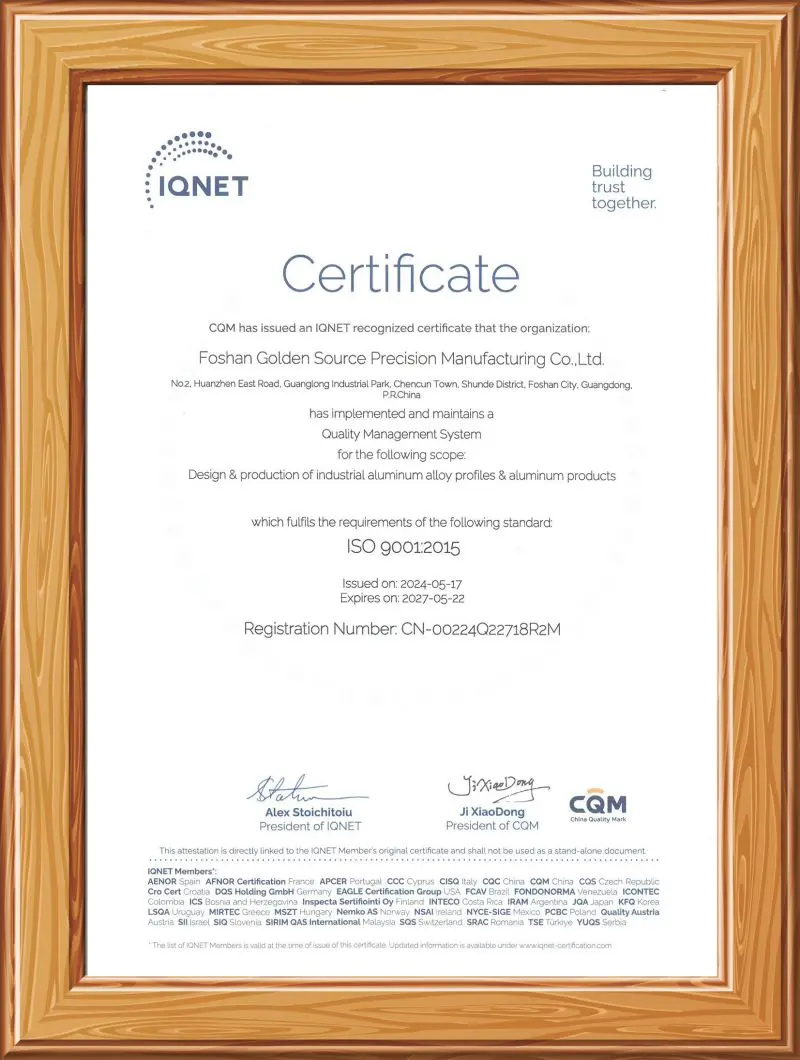
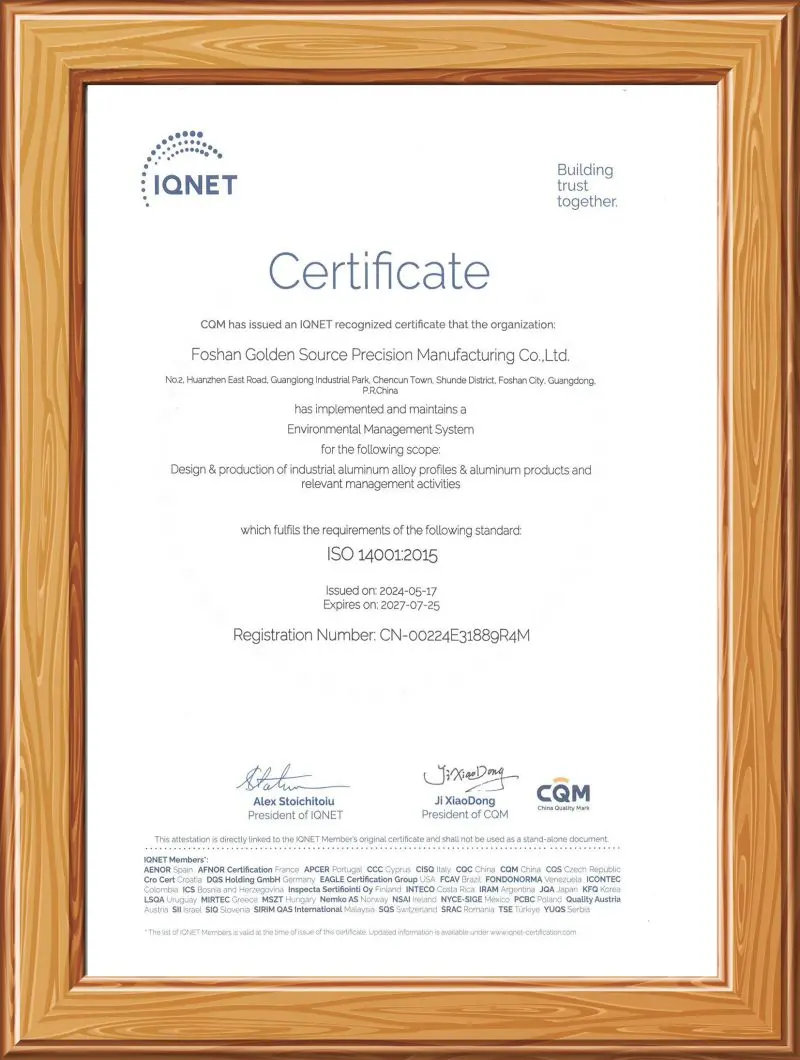
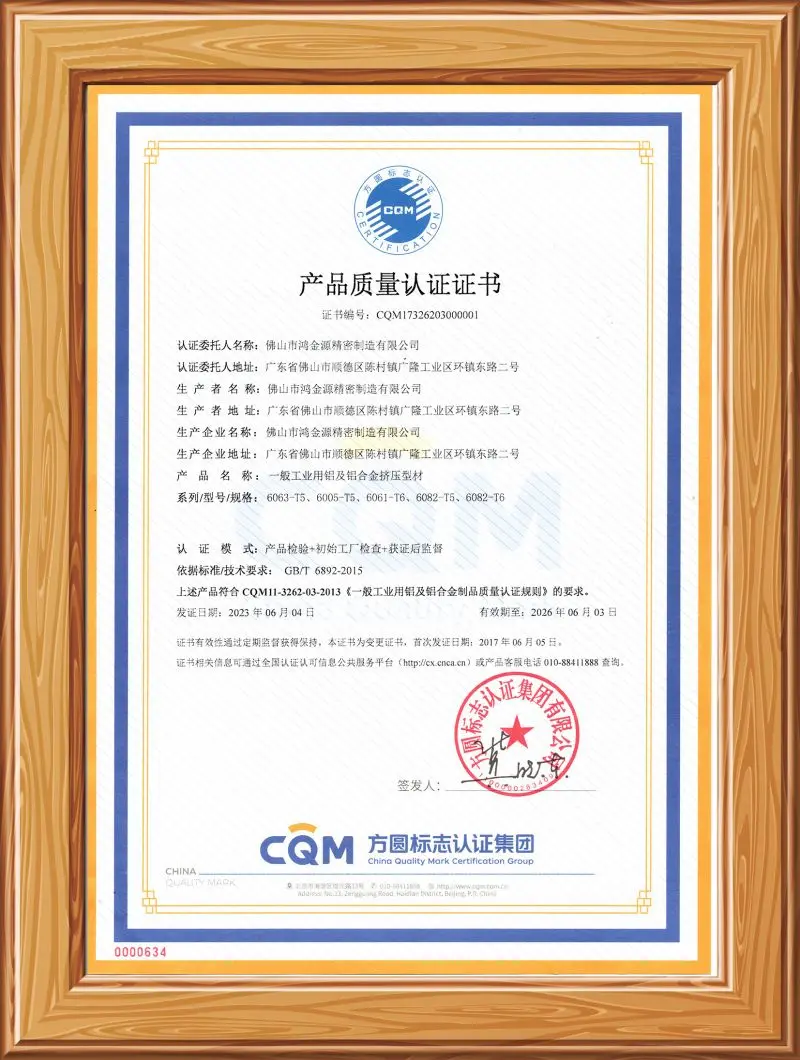
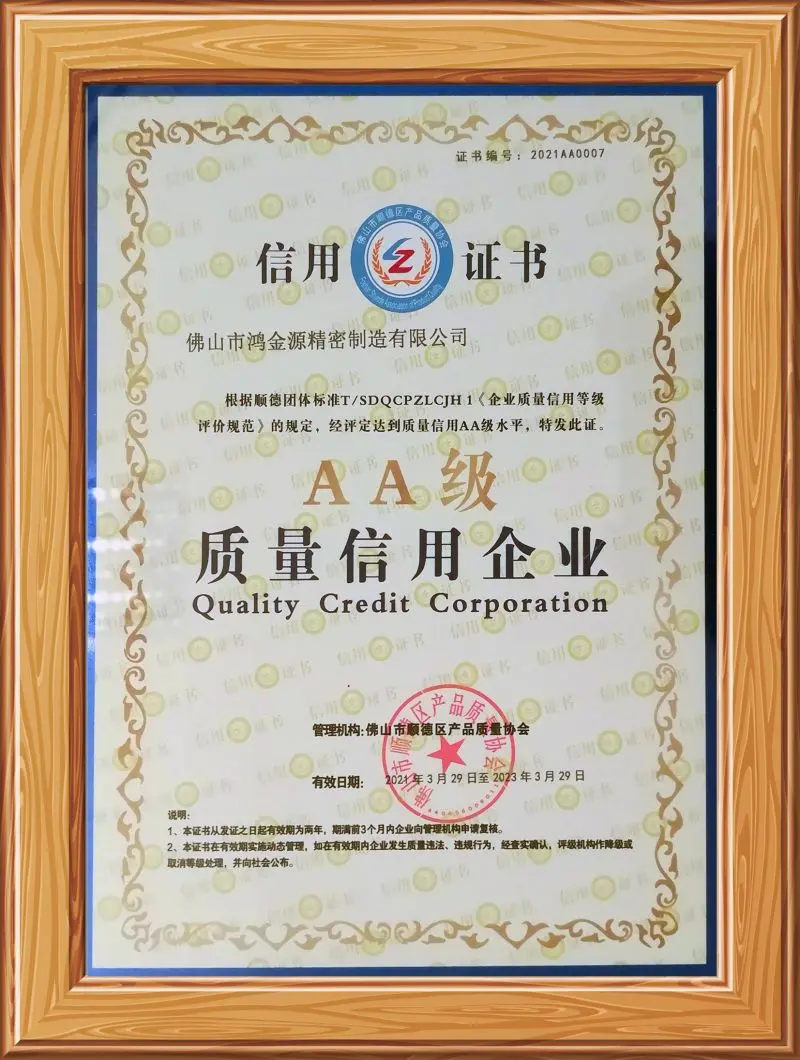
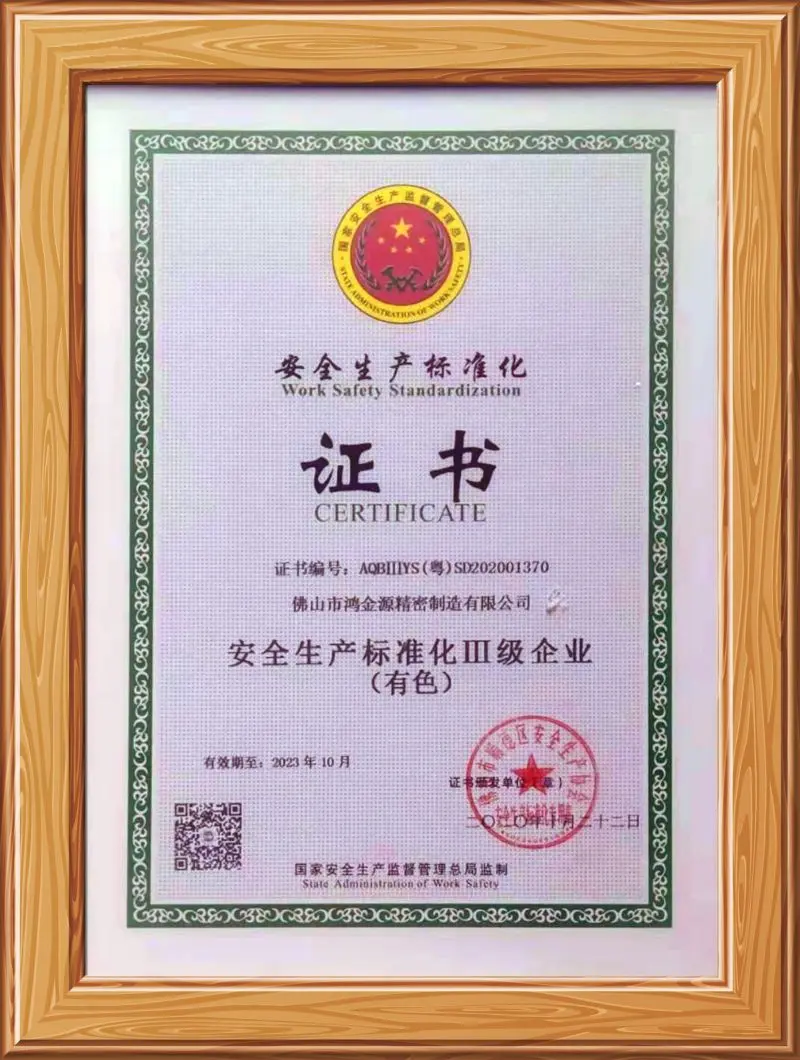
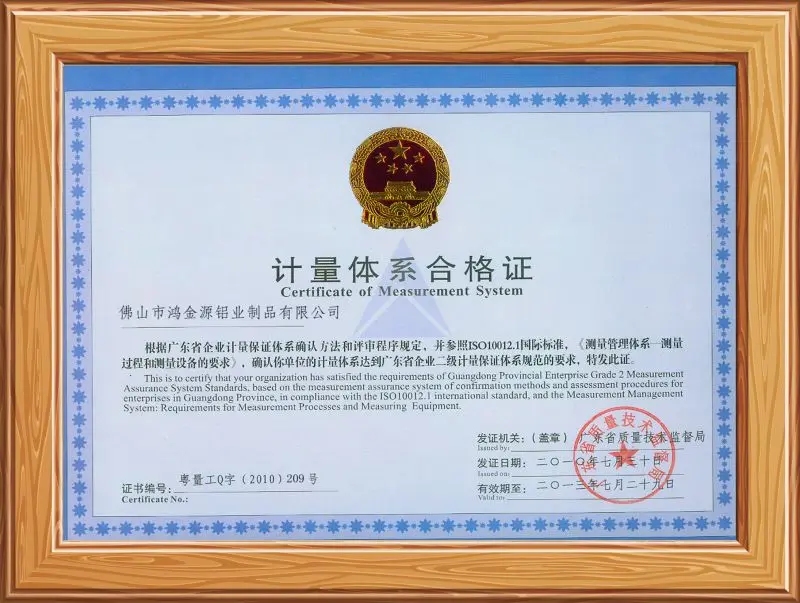
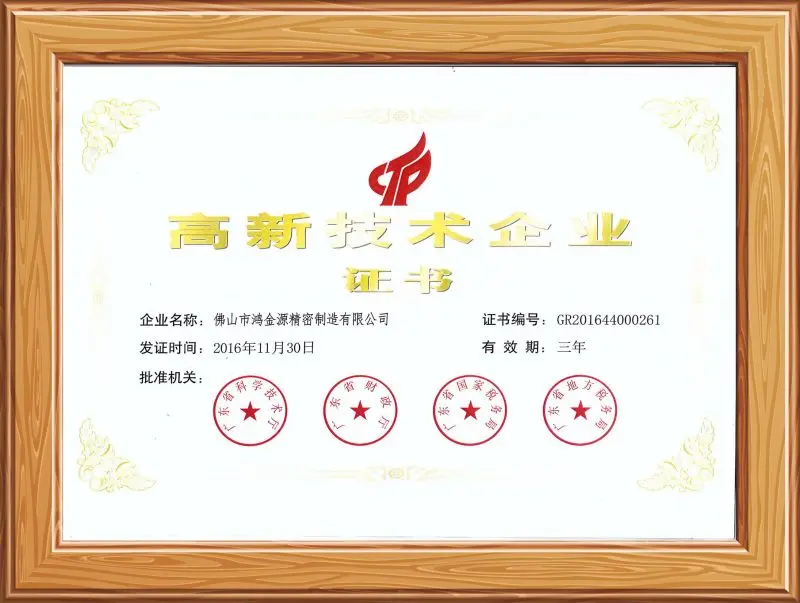
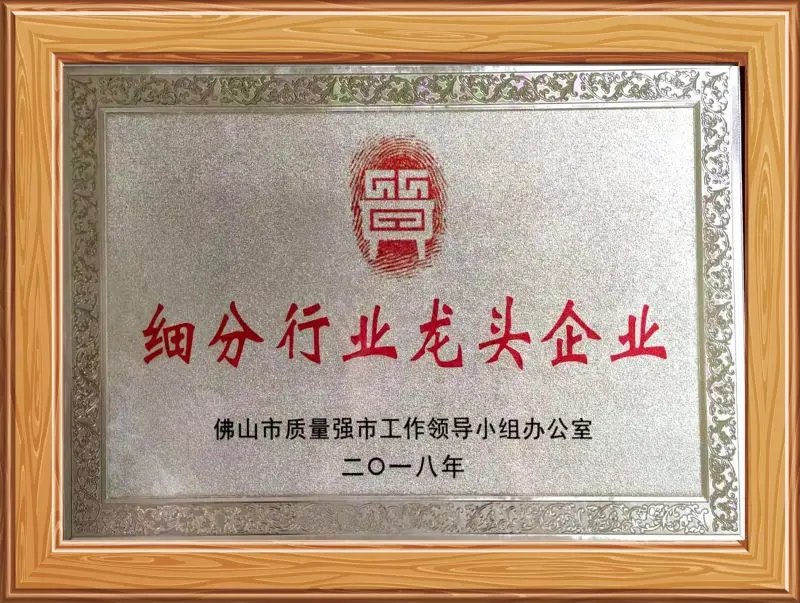
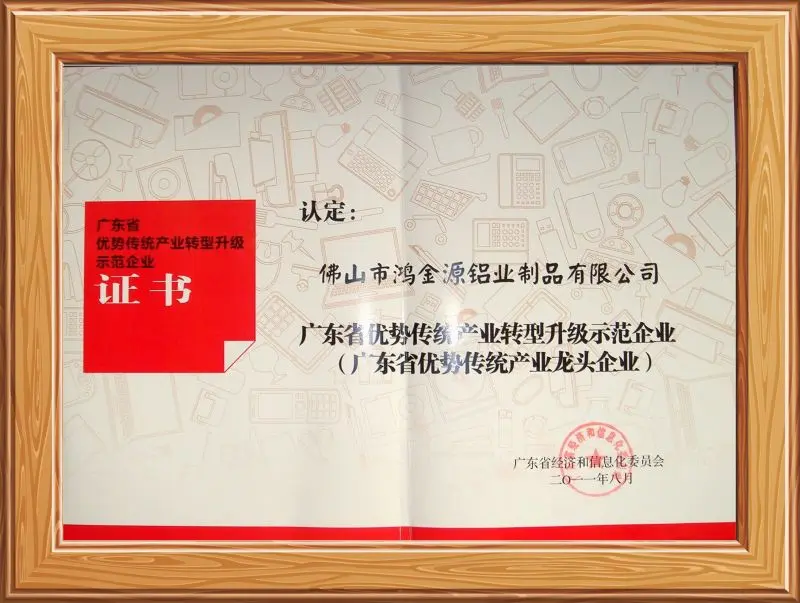
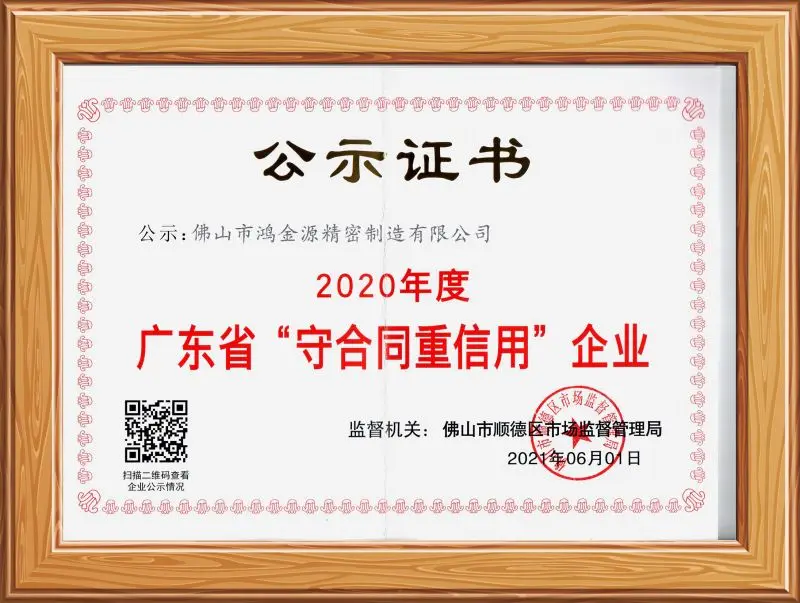
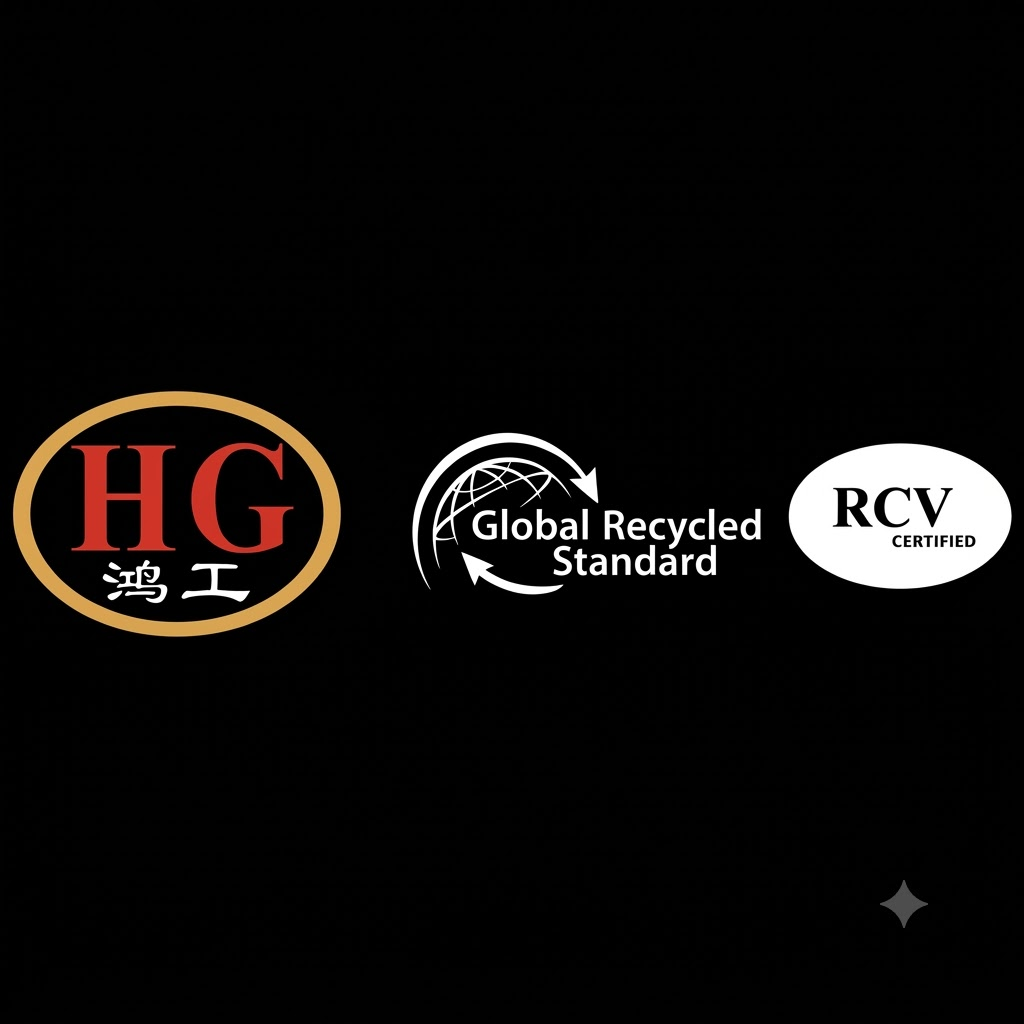
We hold ISO9001, ISO14001, 45001, GRS, and RCV certifications. We have also earned numerous clean production awards, credit honors, and technology recognitions from local, provincial, and national organizations. Below is a selection of our primary credentials:
Find answers to common questions about our custom manufacturing capabilities, alloy properties, and international export processes.
6061-T6 is preferred for structural components that require high yield strength, fatigue resistance, and good weldability. It is often used for brackets, mounting arm assemblies, and protective chassis frames. 6063-T6 provides a better surface finish, higher thermal conductivity, and is ideal for complex, thin-walled designs. It is commonly used for heat sinks, decorative enclosures, and keypads.
Compliance is managed by controls at the raw material stage. We melt our own alloys in-house and verify chemical purity through spectral testing of each batch. We maintain certifications like GRS and RCV, which verify environmental compliance and material traceability for export to the EU and North American markets.
We offer a full range of in-house surface treatments: satin/sandblast anodizing, hard coat anodizing, chemical conversion coatings, mirror polishing, mechanical brushing, and silkscreen printing. These treatments provide corrosion resistance, electrical insulation or grounding paths, and cosmetic finishes.
By managing the entire production cycle in-house—including tooling, extrusion, machining, and finishing—we reduce lead times. Mold design and fabrication typically takes 10 to 15 days, and volume production runs are completed in 15 to 25 days depending on design complexity.
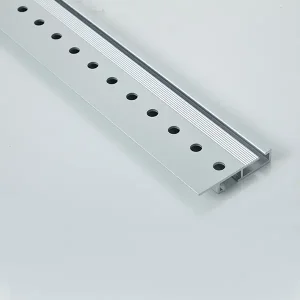
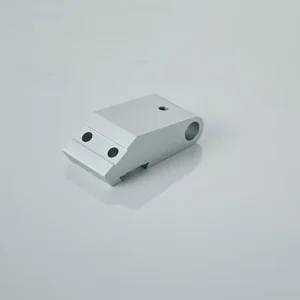
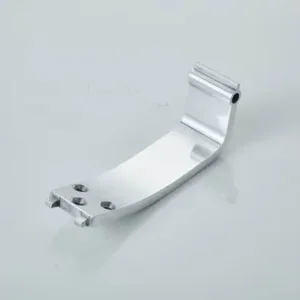
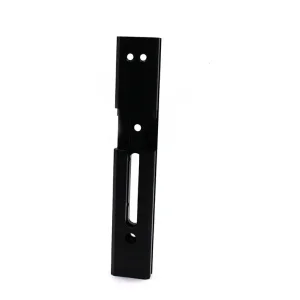
Browse our mechanical assemblies, heavy-duty brackets, and anodized tubes engineered for commercial and industrial applications.
 HG Precision