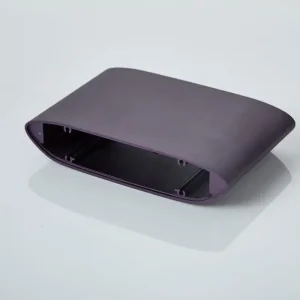
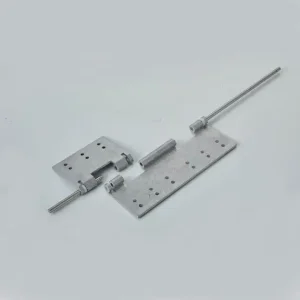
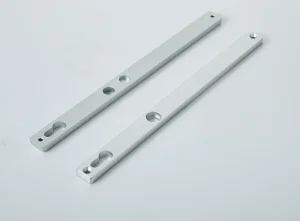
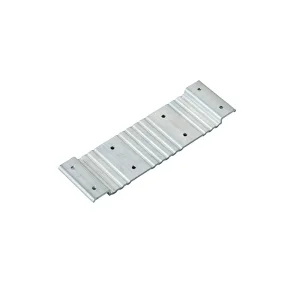
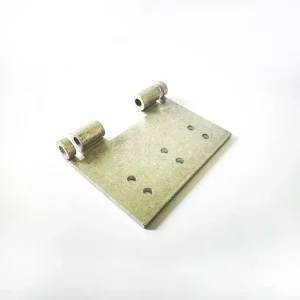
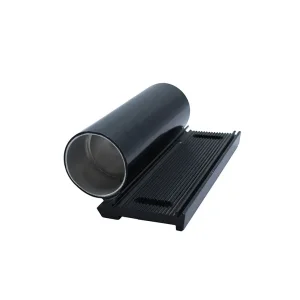
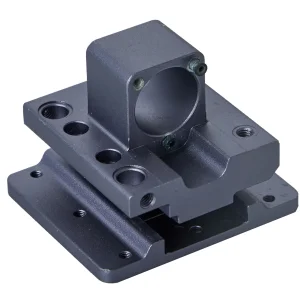
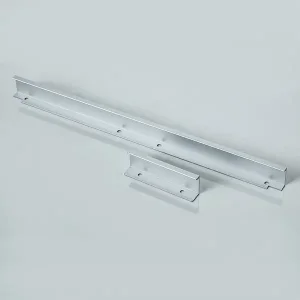
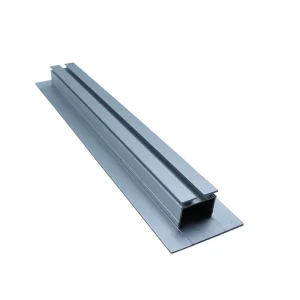
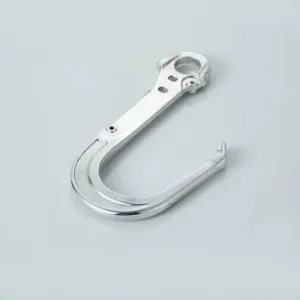
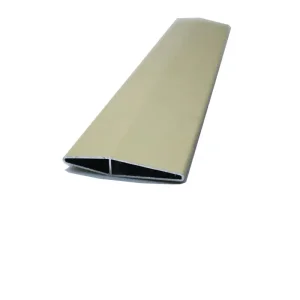
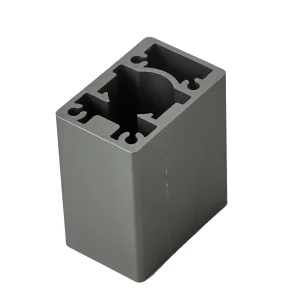
Precision engineered products manufactured from premium aluminum alloys (6061, 6063, 7075) with advanced surface treatments, optimizing mechanical resilience and structural tolerances.
In the current macro-industrial landscapes, global manufacturing conglomerates are shifting aggressively toward lightweight materials. Custom aluminum metal stamping has emerged as a key manufacturing technique due to the material's specific gravity, high strength-to-weight ratio, and exceptional corrosion resistance. In sectors like automotive (EV battery housings), consumer electronics (chassis and frames), and green building systems, aluminum stamping offers high efficiency and performance.
For technical procurement officers and lead structural engineers, selecting a custom stamping manufacturer is no longer just about per-unit cost. It is about locating an integrated manufacturing partner that controls the entire quality loop, from custom raw material composition to precision stamping, micro-tolerance machining, and complex anodization cycles.
Foshan Golden Source Precision Manufacturing Co., Ltd supports international supply chains by integrating raw material melting, tool-and-die fabrication, and secondary finishing inside a single ISO-certified facility. This eliminates logistical gaps, protects proprietary mold designs, and guarantees trace material consistency.
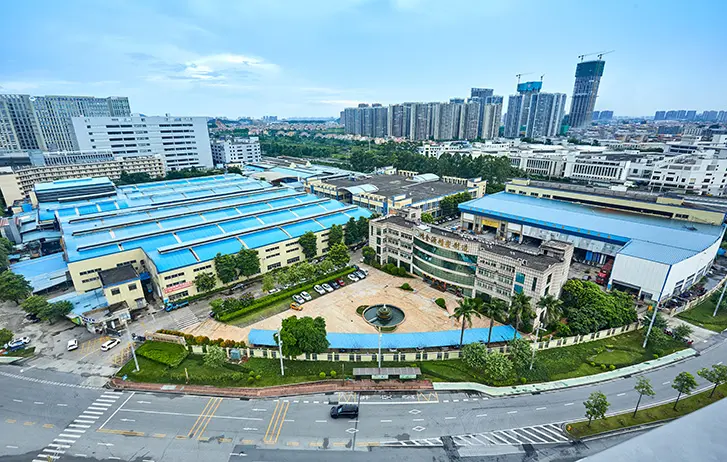
Aluminum metal stamping is governed by metallurgical physics. Understanding material limits and progressive tool geometries ensures stable yield rates and structural safety.
Unlike factories that buy generic raw billets, we perform customized alloy melting in-house. This enables precise control over elements like silicon, magnesium, and copper to optimize ductility and tensile strength. For high-cosmetic parts requiring deep anodization, limiting trace iron impurities prevents visible surface spotting and color variations.
Stamping aluminum requires addressing its characteristic elasticity and lower formability compared to carbon steels. Our tooling design accounts for material springback by utilizing finite element analysis (FEA). We build custom progressive and transfer dies to ensure clean shearing and forming limits without tearing or micro-cracking.
We operate internal surface treatment systems to handle sandblasting, chemical etching, mechanical brushing, and multi-color anodizing. By anodizing in-house, we eliminate transit-related contamination and maintain strict control over film thickness (typically 8 to 25 microns) to provide consistent atmospheric and mechanical protection.
| Alloy Series | Key Chemical Elements | Best Stamping & Forming Applications | Mechanical & Cosmetic Merits |
|---|---|---|---|
| 1XXX Series (e.g. 1060) | Al ≥ 99.00% | Electrical connectors, light reflectors, heat-transfer fins. | High conductivity, excellent ductility, but lower mechanical load capacities. |
| 5XXX Series (e.g. 5052) | Al-Mg (Magnesium) | Marine equipment structural plates, complex bent chassis. | High fatigue strength, excellent welding properties, and superior salt-spray resistance. |
| 6XXX Series (e.g. 6061 / 6063) | Al-Mg-Si (Silicon) | Structural framing, heat sinks, hydraulic gate cylinders, camera housings. | Heat-treatable (T4/T5/T6 states), good machining properties, and responsive to anodization. |
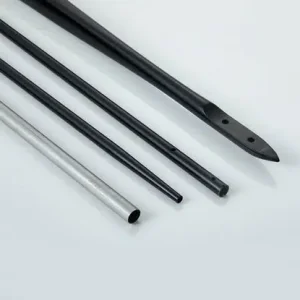
| 7XXX Series (e.g. 7075) | Al-Zn-Mg-Cu | Aerospace links, climbing gear components, safety hooks. | High yield strength comparable to structural steels, though limited in extreme bending zones. |
From structural auto frames to consumer hardware, our production processes are customized to meet the distinct engineering demands of global industries.
Reducing vehicle weight is key to extending electric vehicle battery range. We manufacture lightweight battery enclosures, bracket assemblies, and heat dissipation plates. Our processes match the strict tolerances and crash-safety performance required by global automotive supply chains.
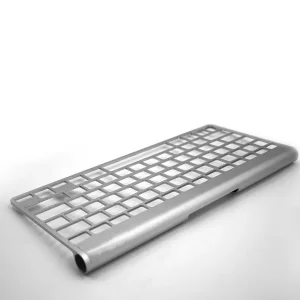
Smartphones, portable keyboards, and laser printer housings require precise cosmetic finishes and tight dimensional control. Using progressive stamping combined with CNC milling and custom color anodizing, we produce casings that protect internal electronics while maintaining high surface finish quality.
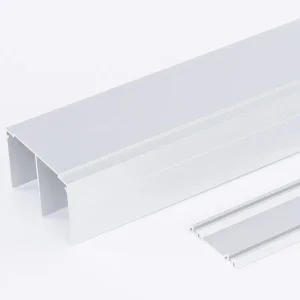
Building and renewable energy installations require long-term environmental durability. We fabricate architectural components, customized skylight hinges, and HVAC guide vanes designed to withstand atmospheric exposure, extreme wind loads, and thermal variations.
By pairing in-house engineering and production with international compliance certifications, we deliver reliable manufacturing support to our global partners.
We melt the alloy in-house to adjust chemical compositions for optimal structural characteristics, ensuring material purity that supports consistent anodizing and surface finishes.
Performing secondary machining, precision stamping, and surface finishing under one roof reduces production costs, limits shipping risks, and improves quality control across production runs.
Our one-stop manufacturing capability allows for fast transition from 3D CAD modeling and tool building to dynamic validation and final high-volume production.
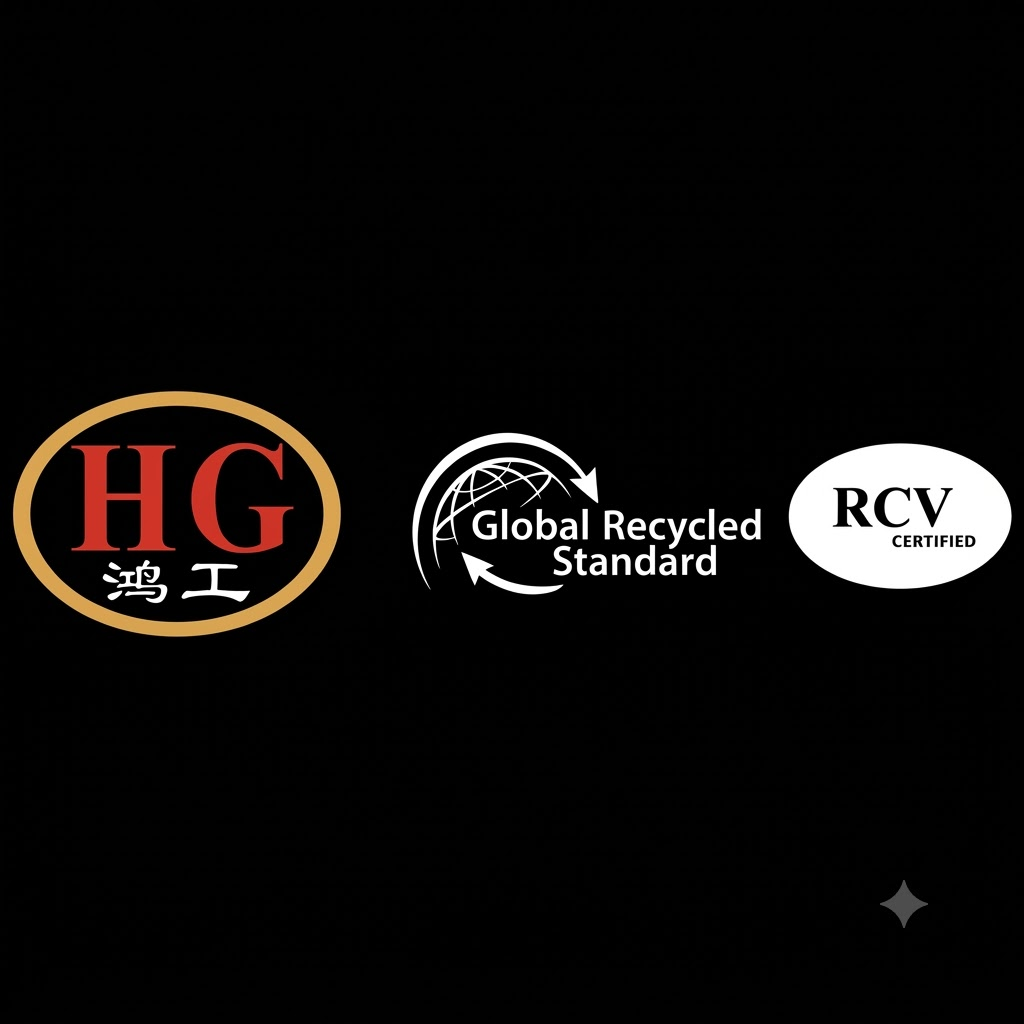
Environmental and quality compliance are central to modern B2B procurement. Foshan Golden Source holds certifications including ISO 9001, ISO 14001, ISO 45001, GRS (Global Recycled Standard), and RCV (Recycled Content Verification).
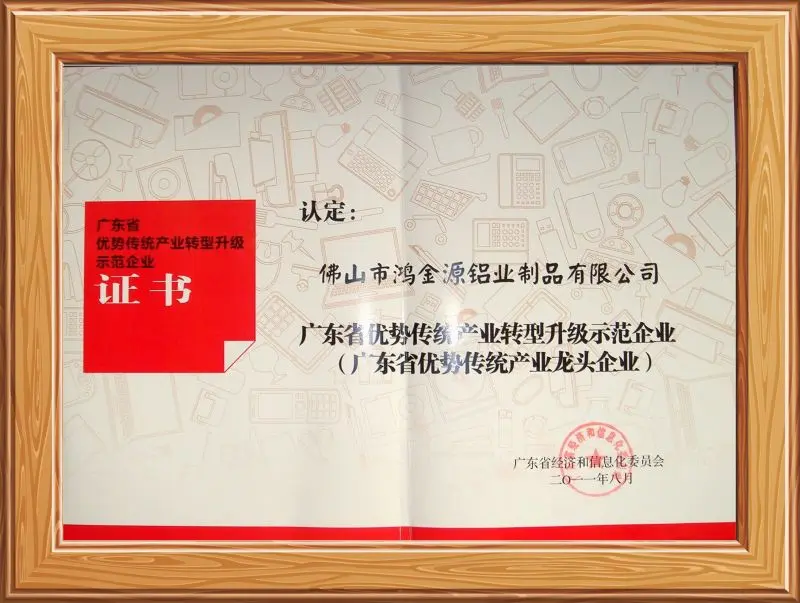
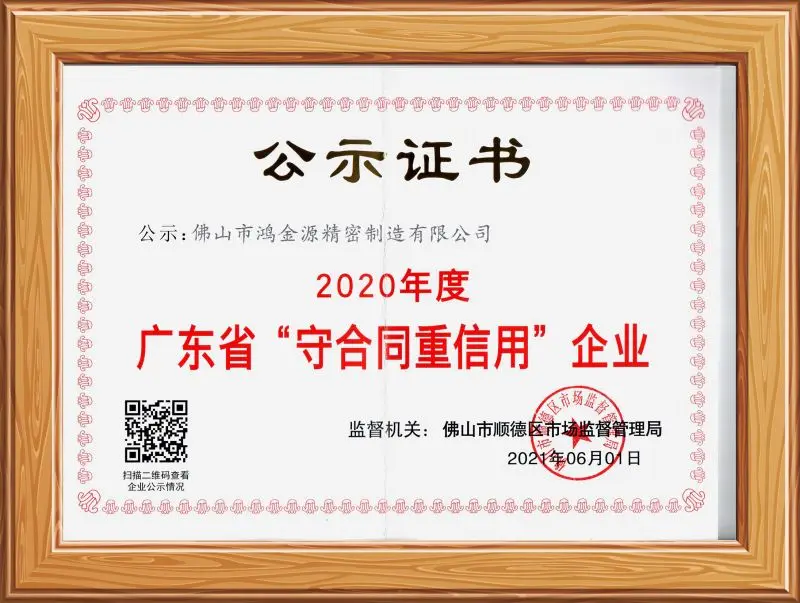
Our certified compliance ensures that our metal inputs, manufacturing processes, and final structural assemblies meet the strict environmental requirements of the EU’s REACH regulations. We also hold numerous municipal and provincial awards for clean production, technical innovation, and industrial quality control.
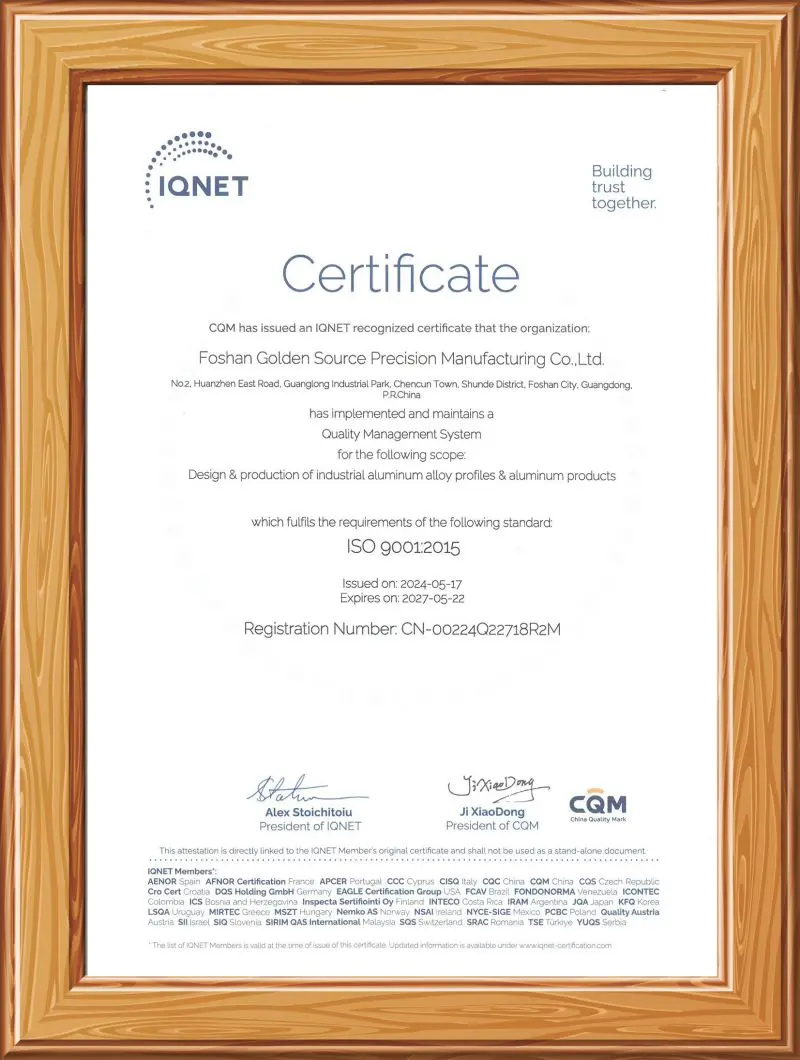
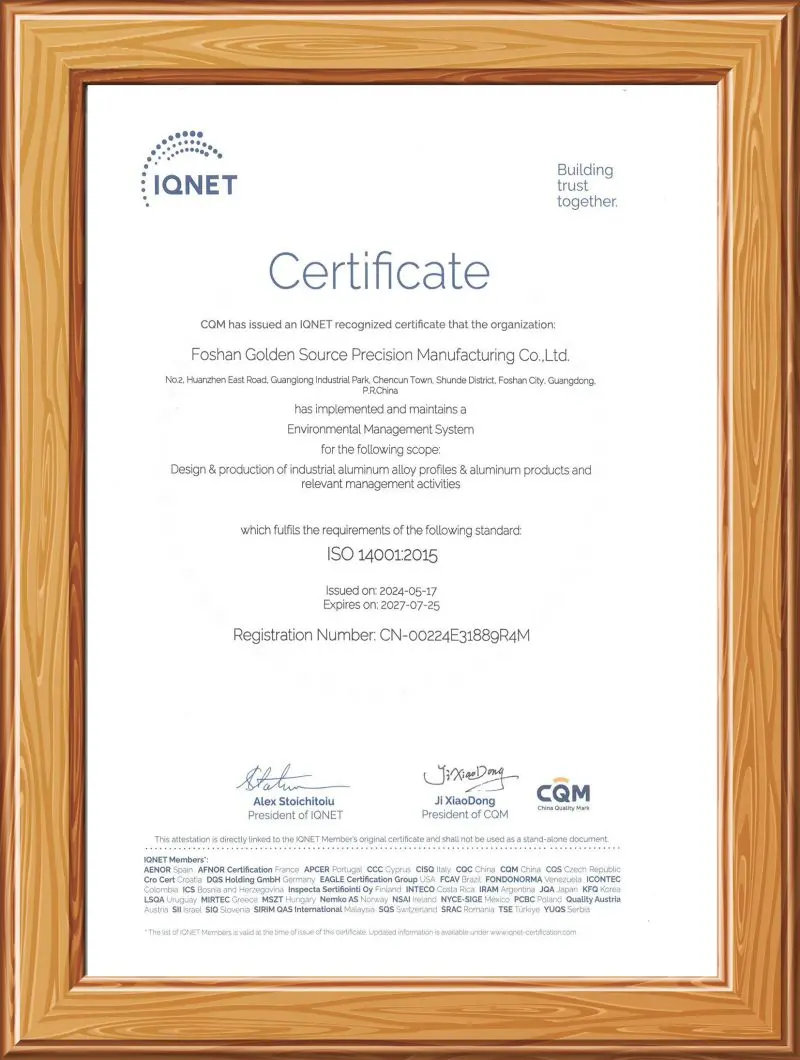
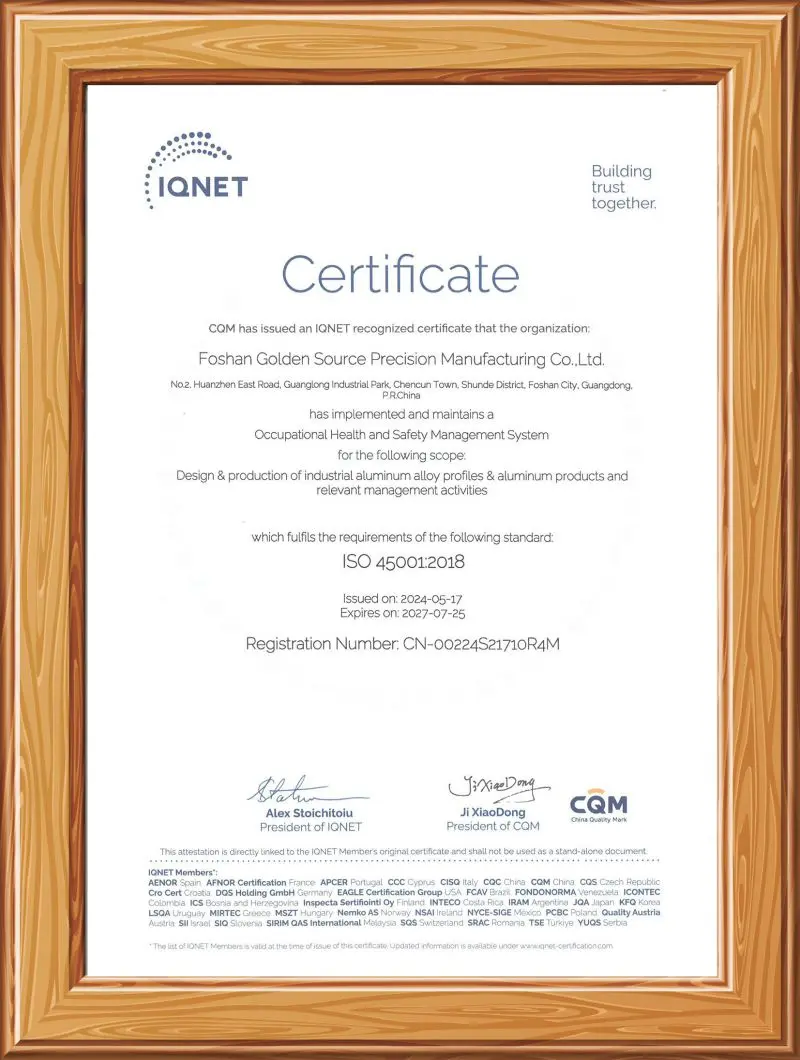
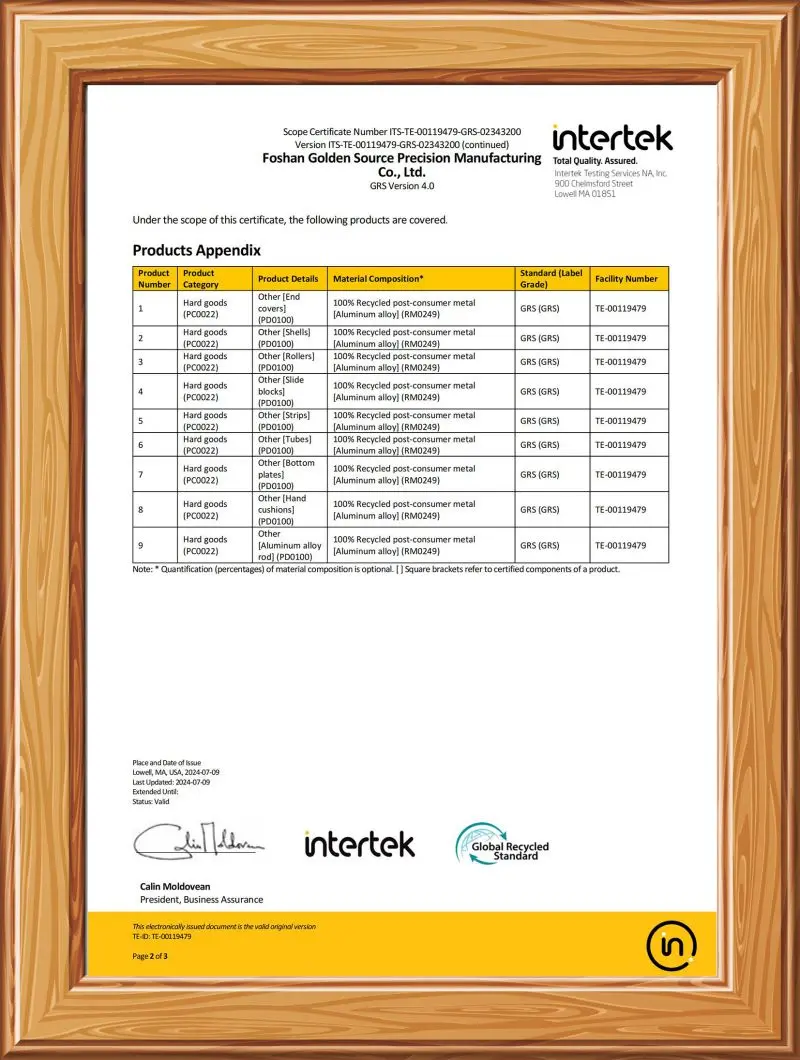
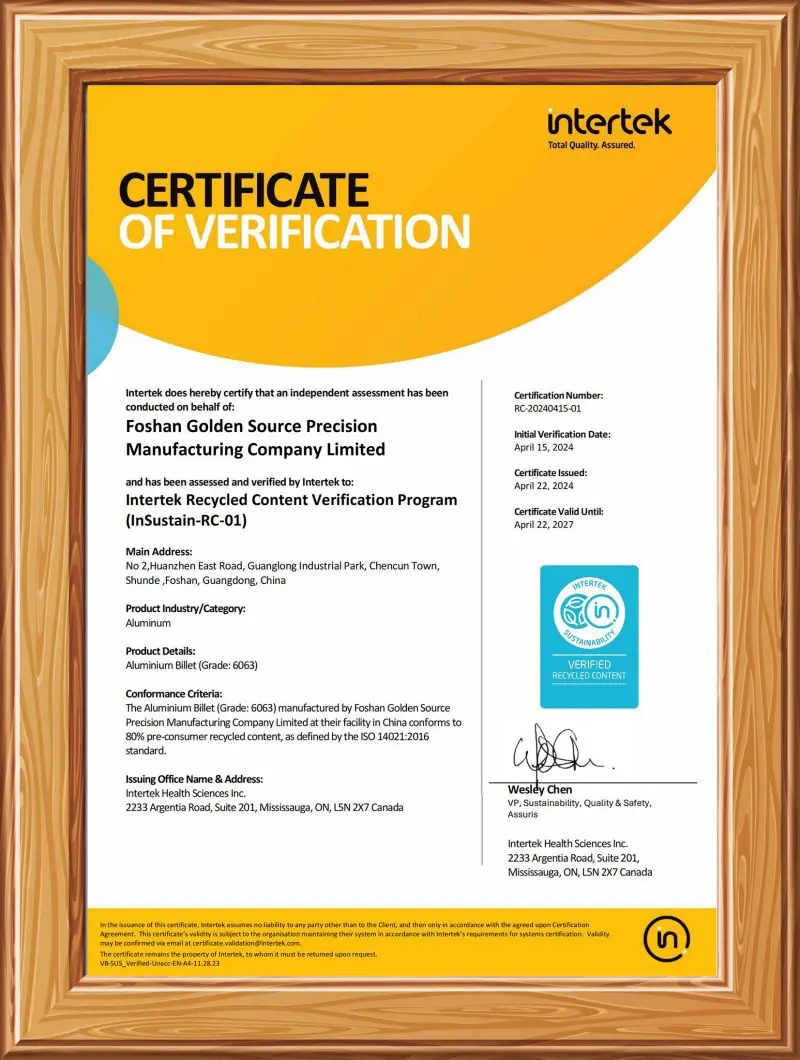
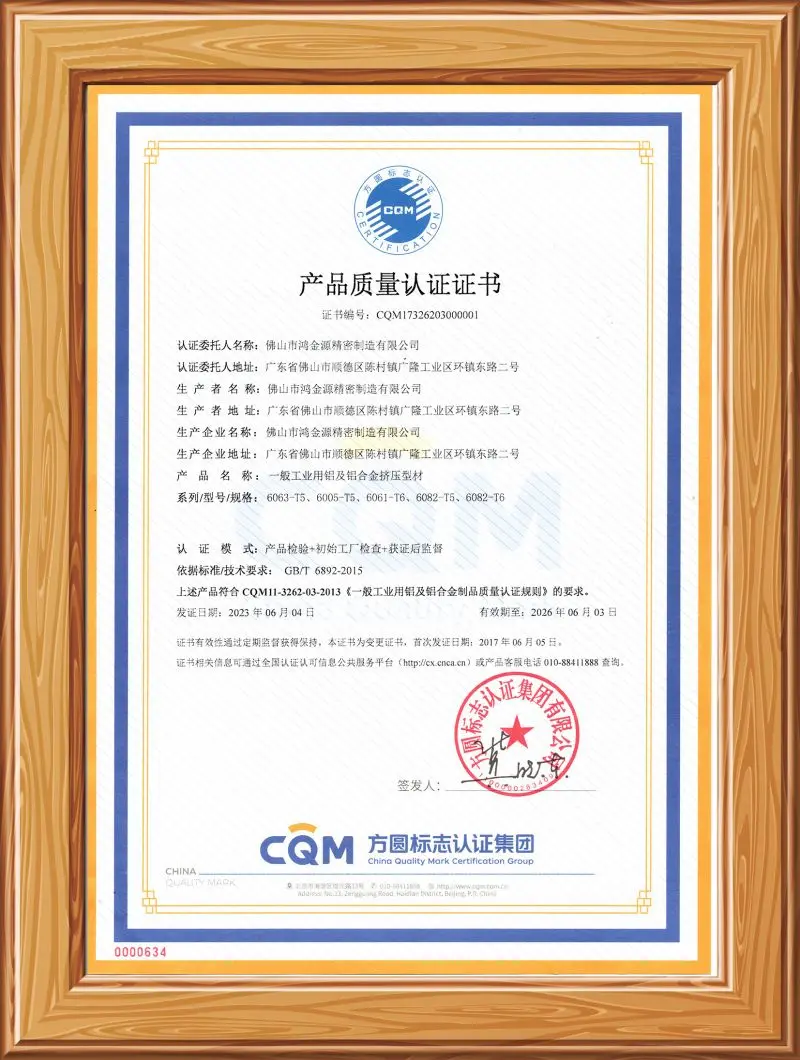
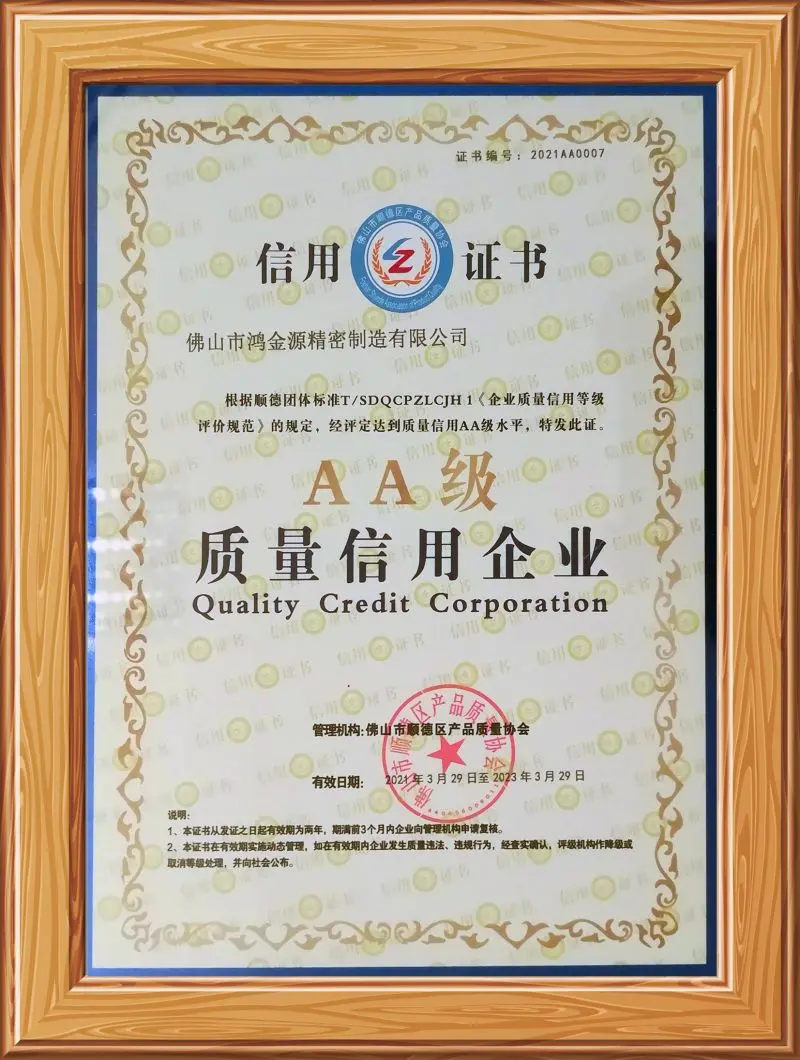
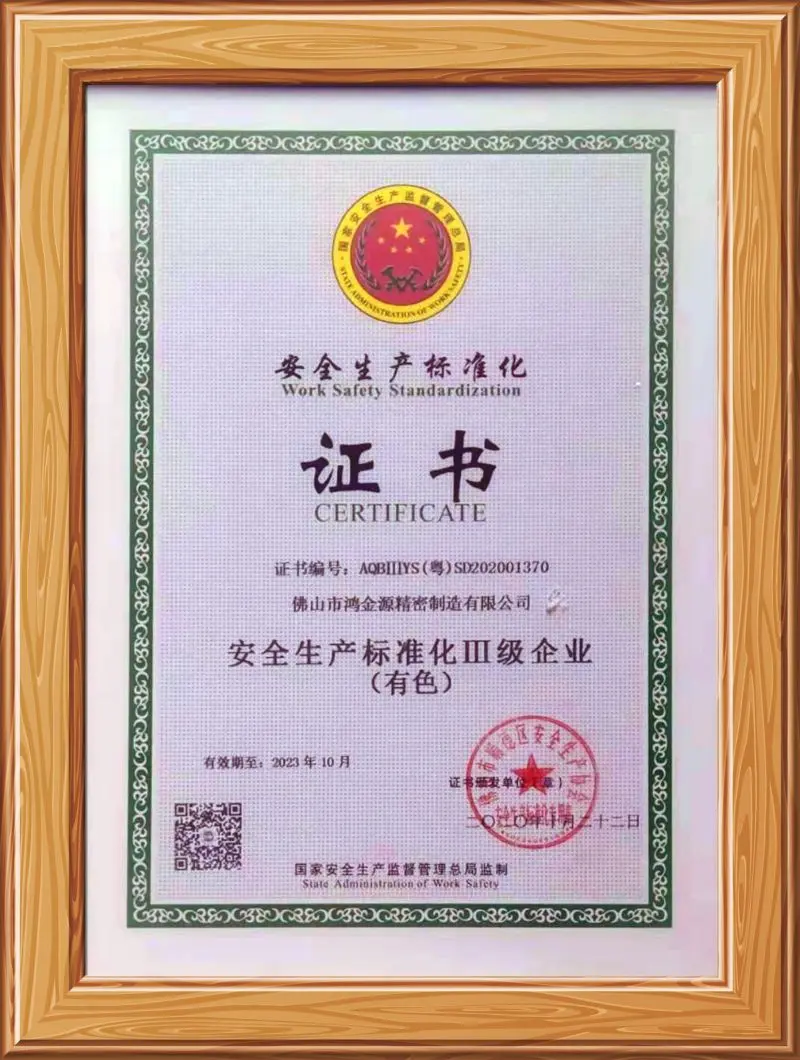
We continuously develop our processes to meet evolving requirements for structural accuracy, material recycling, and automated quality control.
In response to global carbon reduction targets, we are expanding our use of GRS-certified post-industrial recycled aluminum. We refine scrap scrap in-house, reforming it into high-purity extrusion billets. This reduces overall energy consumption by up to 90% while maintaining the mechanical properties of primary alloys.
To ensure stable quality across high-volume production, we are integrating automated optical sorting systems and high-resolution camera lines directly into our press outputs. Real-time vision inspection identifies structural or surface defects, ensuring only compliant parts proceed to final packaging.
Our engineering team continues to refine tool designs to support complex geometries, sharper bend radii, and reduced wall thicknesses. This helps engineers optimize part weight and raw material utilization without sacrificing structural strength.
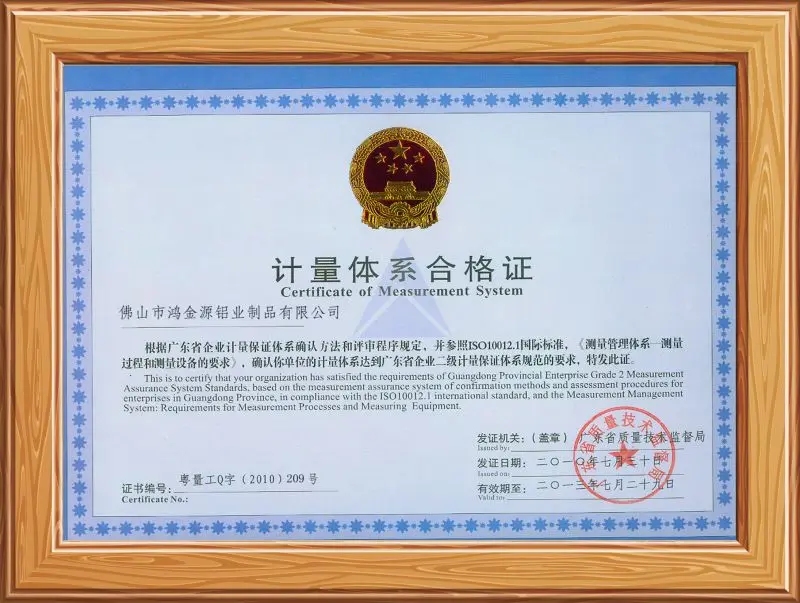
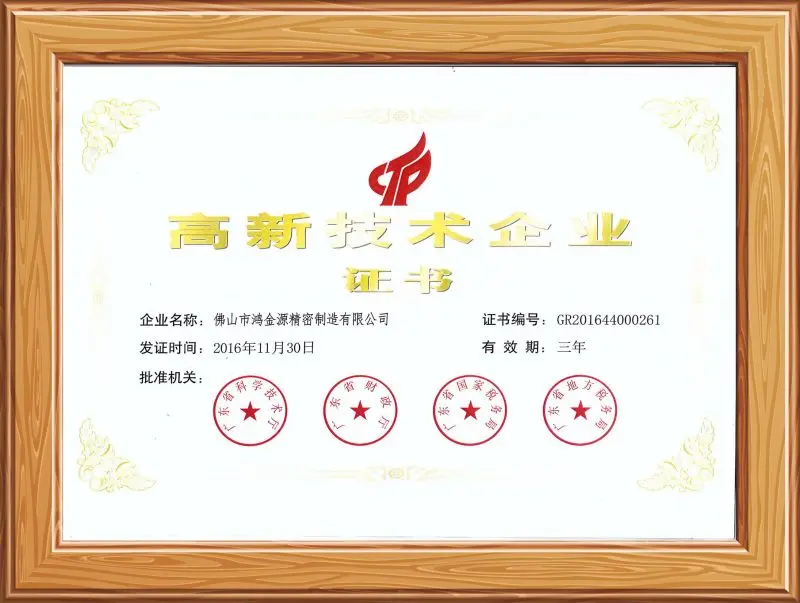
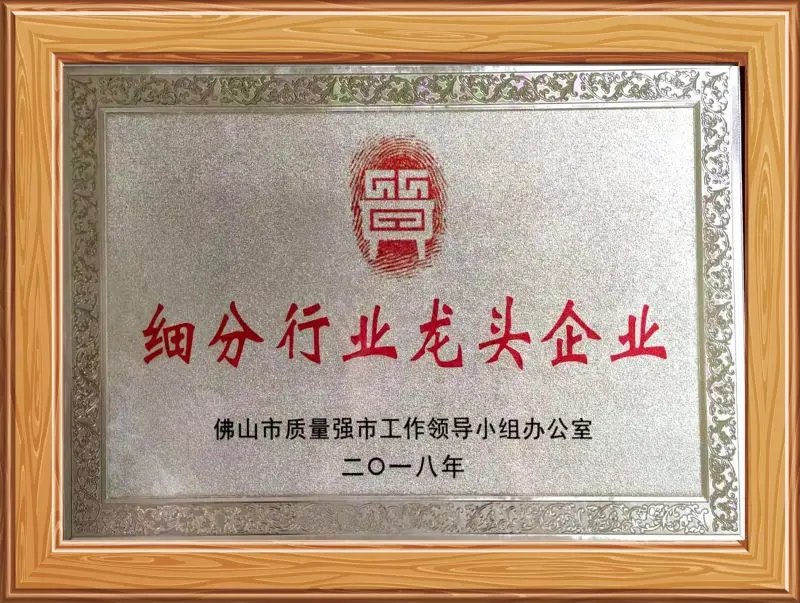
Detailed answers to common technical, material, and logistical questions from procurement managers and engineers.
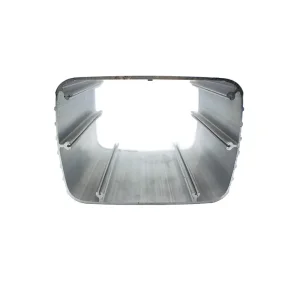
Precision extruded profiles and stamped components configured for consumer electronics, industrial fixtures, and structural framing assemblies.
Get comprehensive dimensions, chemical properties, and load-limit data for our standard and custom-stamped aluminum components.
 HG Precision