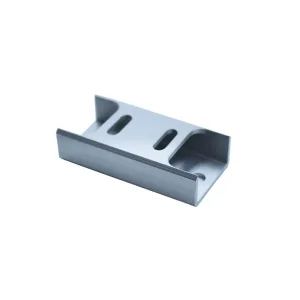
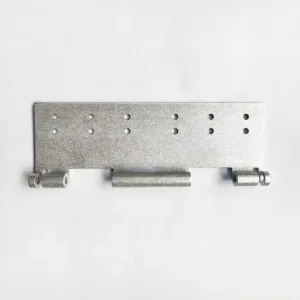
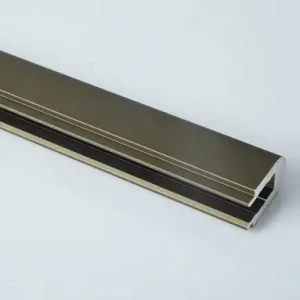
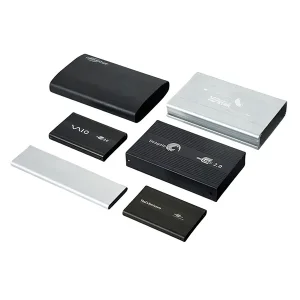
Explore our highly-precision components, engineered for rigorous industrial demands and structural efficiency.
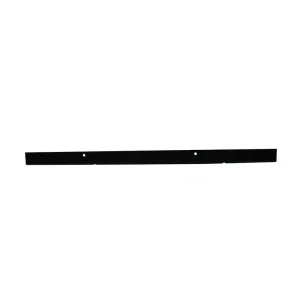
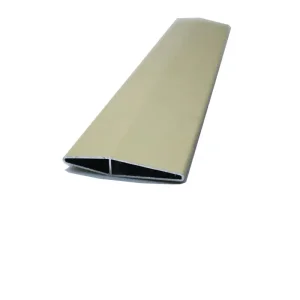
In the modern manufacturing landscape, the role of precision Aluminum CNC Milling Services has moved beyond simple component supply. Aluminum alloys serve as the backbone of lightweight engineering across automotive, aerospace, telecom infrastructure, and high-performance consumer goods. As search patterns show, global procurement teams are shifting away from generic brokers toward vertically integrated manufacturing hubs capable of providing rapid, low-tolerance quotes alongside deep material traceability.
CNC (Computer Numerical Control) milling uses rotating cutting tools to selectively remove material from a raw block. This subtractive process achieves geometries, complex channels, and tolerances up to ±0.005mm. The machinability of aluminum makes it ideal for rapid cycles. However, achieving reliable surface finish requirements, such as brush anodizing or hard coat anodizing, requires controlled thermal management during the milling phase and high metallurgical purity.
Many suppliers overlook that secondary tool heating during the CNC cycle changes the tempering state of raw alloys like 6061-T6 and 7075. Proper CNC milling uses flooded, high-pressure coolant or minimal quantity lubrication (MQL) systems to keep tool temperatures below 120°C. This maintains the structural stability of the temper and guarantees consistent color matching during anodizing.
Over the last decade, global sourcing teams have experienced significant disruptions. Geopolitical shifts, container shortages, and environmental regulations like Europe’s Carbon Border Adjustment Mechanism (CBAM) require a fresh look at regional supply chains. In this environment, modern factories must offer more than just raw cutting power. Successful procurement partners now offer structural resilience: in-house raw material casting, high-precision milling, and certified eco-compliant finishing.
Sourcing managers look for partners who reduce waste, optimize cutting paths through automated CAD/CAM analysis, and guarantee compliance with modern ESG frameworks. Meeting the demands of next-generation infrastructure means working with factories that track carbon footprints and offer verified recycled aluminum options.
| Alloy Family | Key Properties | Common Machining Applications | Anodizing Capability |
|---|---|---|---|
| 1XXX Series (e.g., 1050 / 1060) | >99% Pure Al, highly ductile, excellent electrical conductivity. | Electrical busbars, heat sinks, chemical vessels. | Excellent decorative clarity, thin oxide layer. |
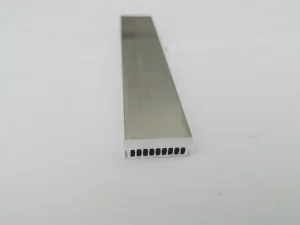
| 3XXX Series (e.g., 3003) | Manganese addition. Moderate strength, good formability. | Liquid cooling tubes, heat exchangers, formed covers. | Fair, primarily used for corrosion protection. |
| 5XXX Series (e.g., 5052) | Magnesium alloyed. High corrosion resistance in marine environments. | Marine brackets, complex structural stampings, sheet housings. | Good protection, slightly yellowish/greyish hue. |
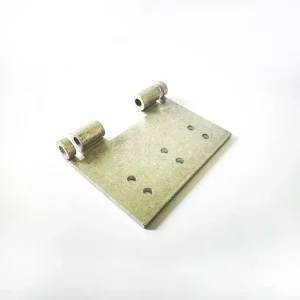
| 6XXX Series (e.g., 6061, 6063) | Magnesium-Silicon. High machinability, excellent structural strength. | Structural frames, LED brackets, skylight hinges, enclosures. | Outstanding. Ideal for bright, matte, and color anodizing. |
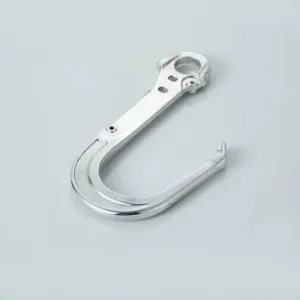
| 7XXX Series (e.g., 7075) | Zinc alloyed. Ultra-high strength (comparable to steel). | High-stress aerospace parts, structural climbing hooks, sports gear. | Good mechanical protection, color limits exist due to high zinc. |
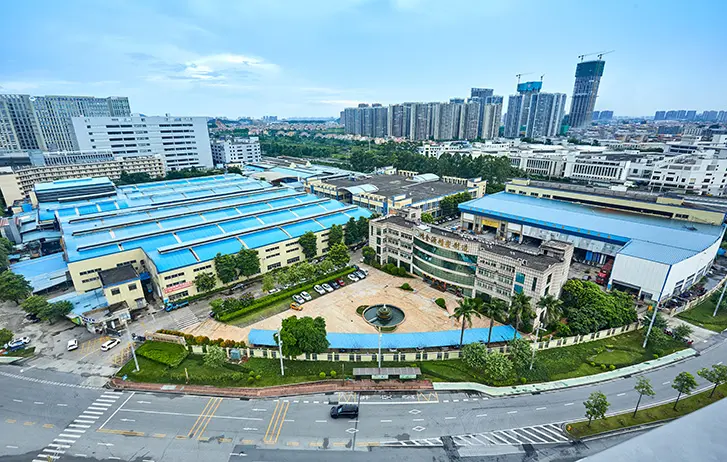
China's manufacturing hubs have evolved from traditional labor-intensive shops into digitized Industry 4.0 Smart Factories. This evolution centers on vertical integration. Foshan Golden Source Precision Manufacturing Co., Ltd is a prime example. Integrating casting, mold research & design, aluminum extrusion, precision CNC milling, welding, assembly, and surface treatment in one facility eliminates typical inter-factory transit delays.
This vertical integration also provides a crucial technical advantage: closed-loop recycling. Internal scrap from CNC milling machines and extrusion presses is remelted and recast on-site. This maintains chemical trace elements and offers buyers clear ESG traceability. This loop reduces raw material waste and lowers carbon-equivalent emissions per milled part.
Milled aluminum parts rarely leave the CNC machine ready for immediate assembly. Surface treatments protect the metal and provide aesthetic finishes. We offer a range of finishes: sandblasting, color anodizing, brush-finishing, powder coating, and silk-screen printing.
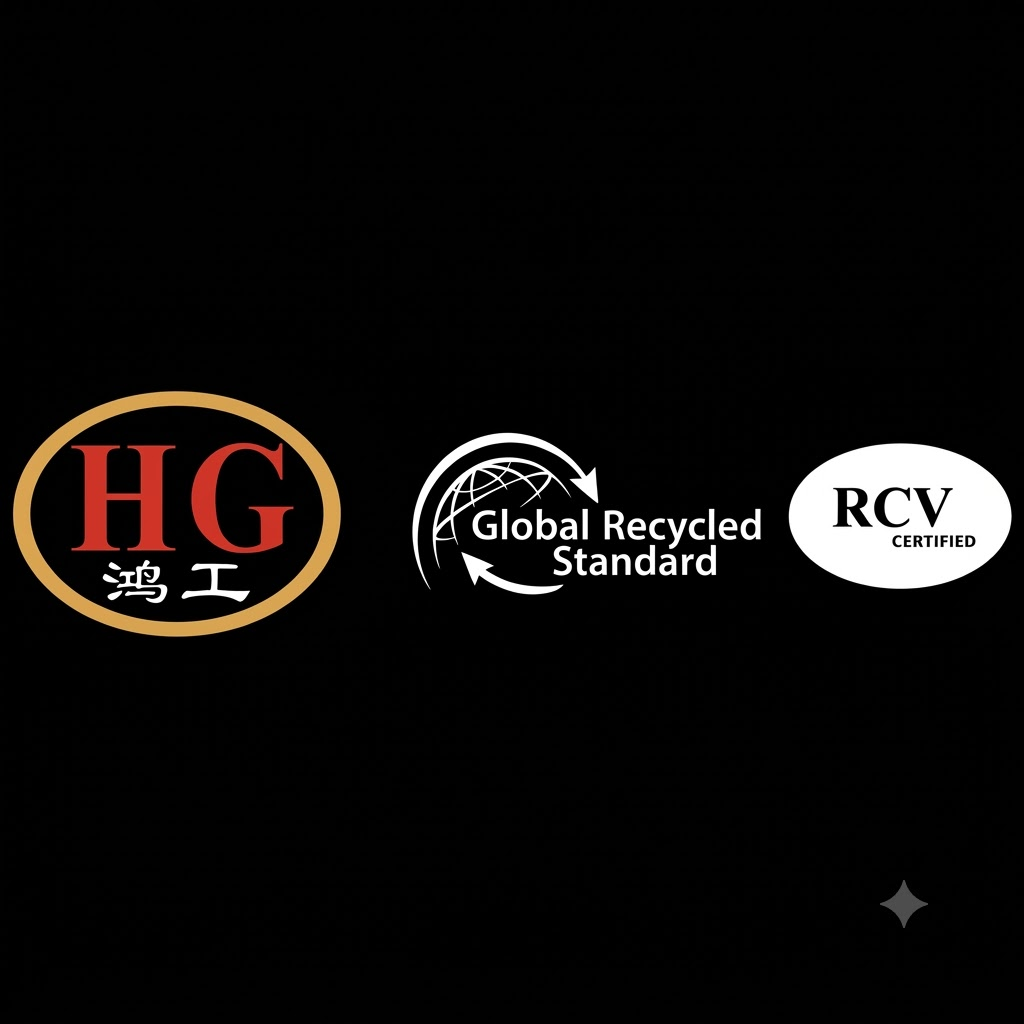
Global environmental guidelines like the European Union's REACH and RoHS demand chemical transparency. Certifications like GRS (Global Recycled Standard) and RCV verify the use of recycled materials. Using these eco-certified production processes ensures that finished components are ready for export to strict global markets without legal delays.
Established in 1991, a professional manufacturer of high-strength, high-precision customized aluminum profiles and precise machining parts.
Years of Engineering
Sqm Production Plant
In-House Quality Control
Global Certifications
Vertical integration allows us to offer superior quality and faster lead times at competitive prices.
We melt and cast alloys in-house. This allows us to adjust chemical compositions for optimal mechanical properties and maximum purity for anodizing.
Machining and surface treatment are handled in-house to optimize costs and maintain tight quality control. We offer superior surface quality at competitive rates.
Our "one-stop" manufacturing workflow streamlines raw billet production, multi-axis milling, surface treatment, and final assembly under one roof.
Our production facilities meet international regulatory and environmental standards, including ISO and GRS.
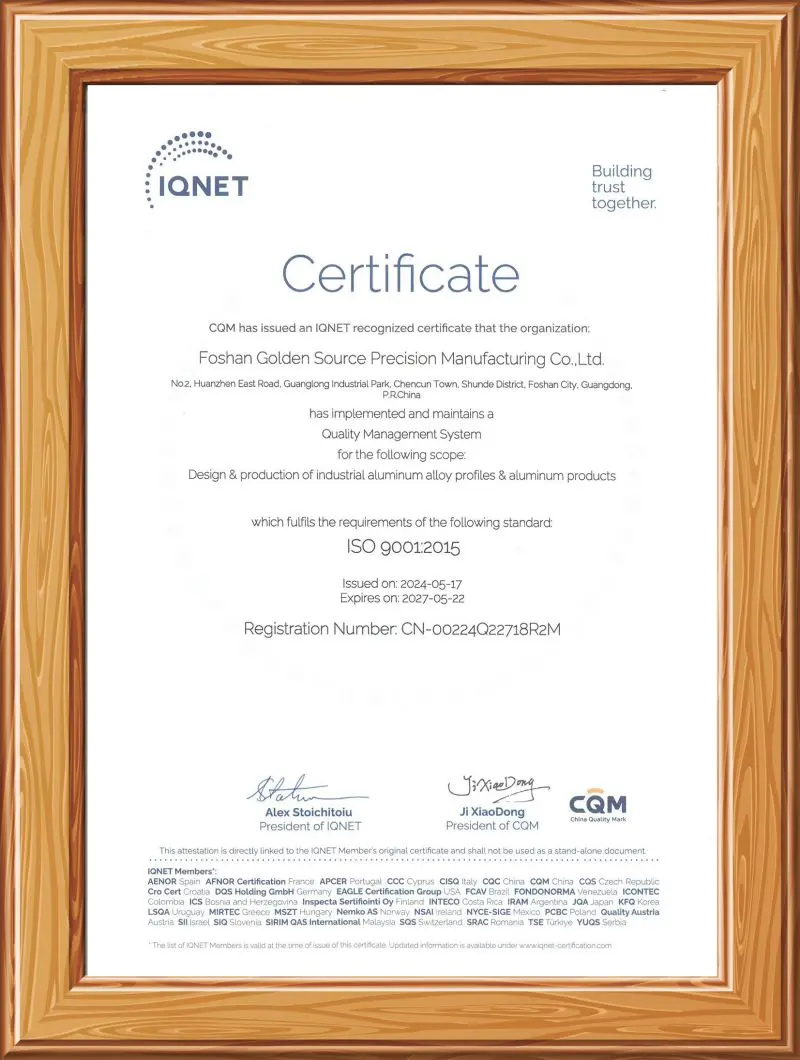
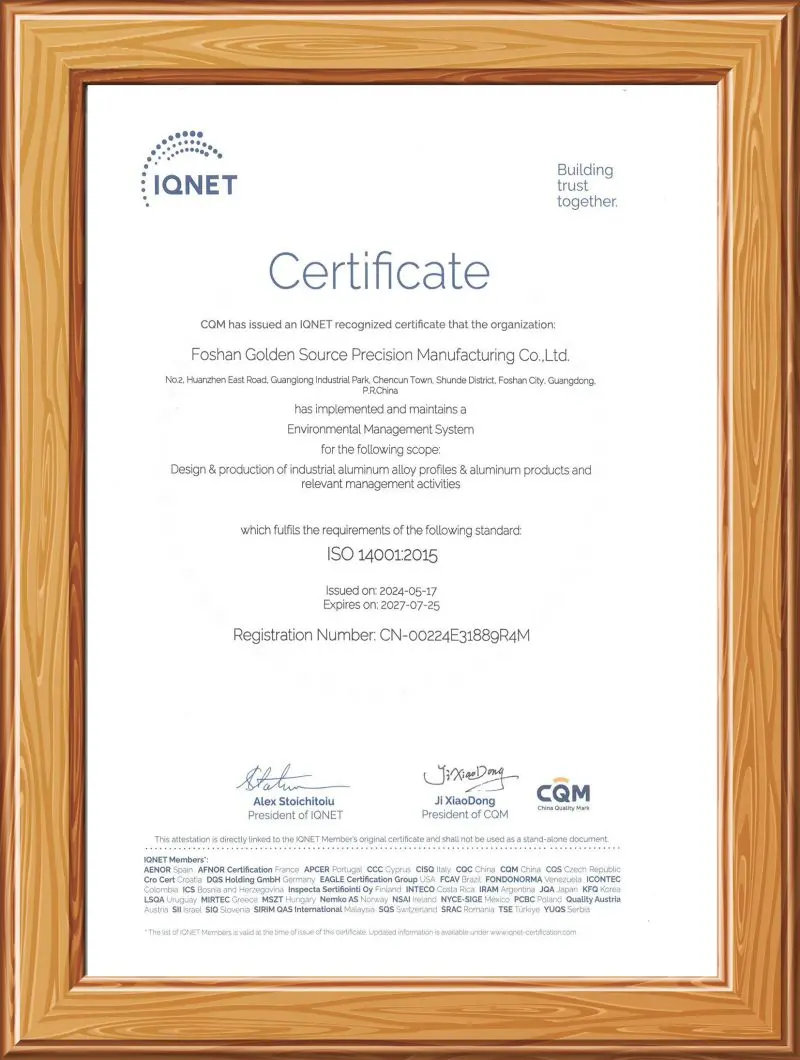
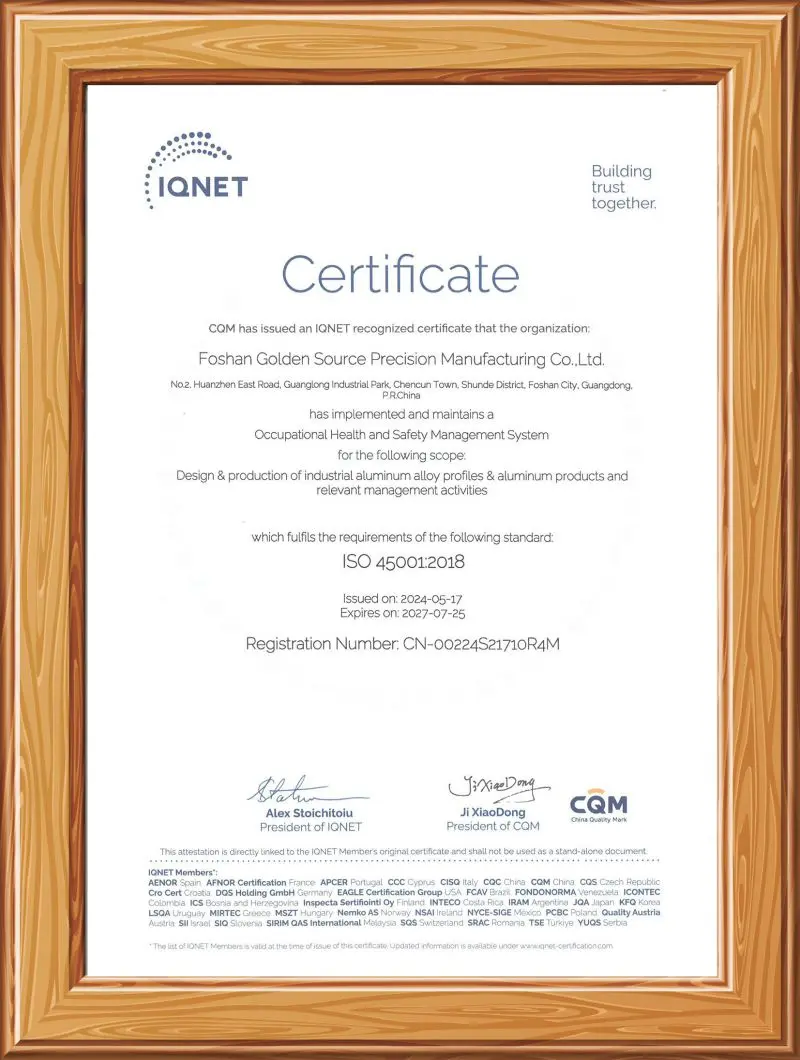
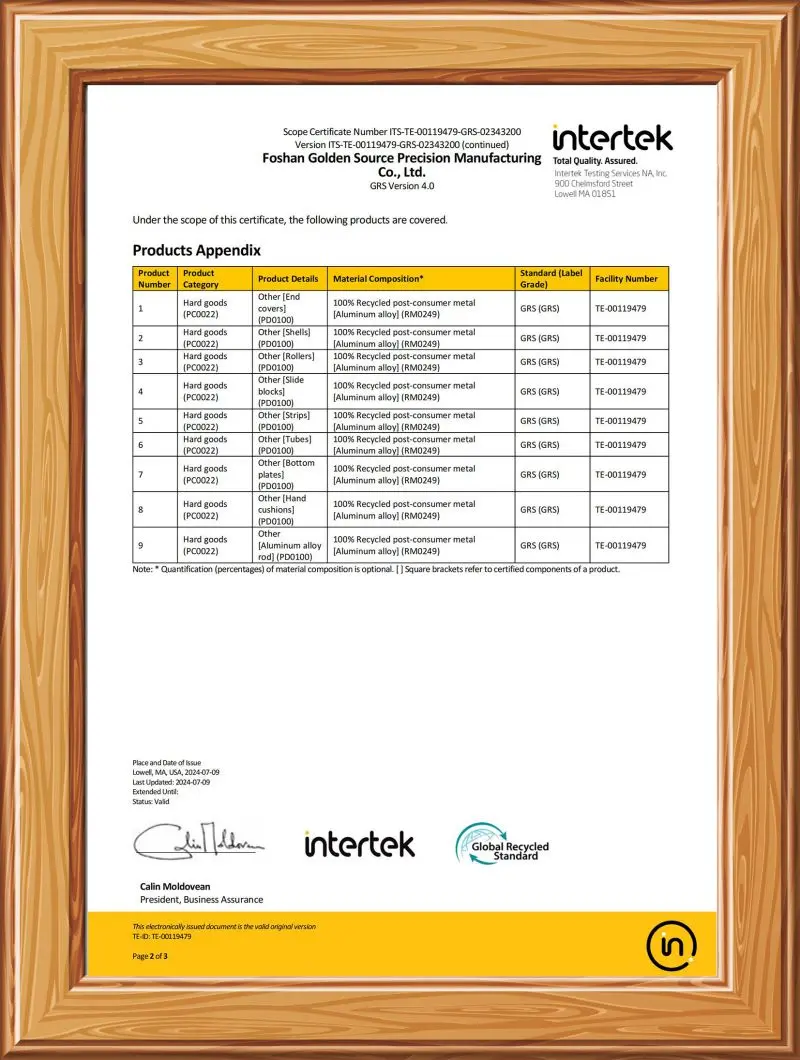
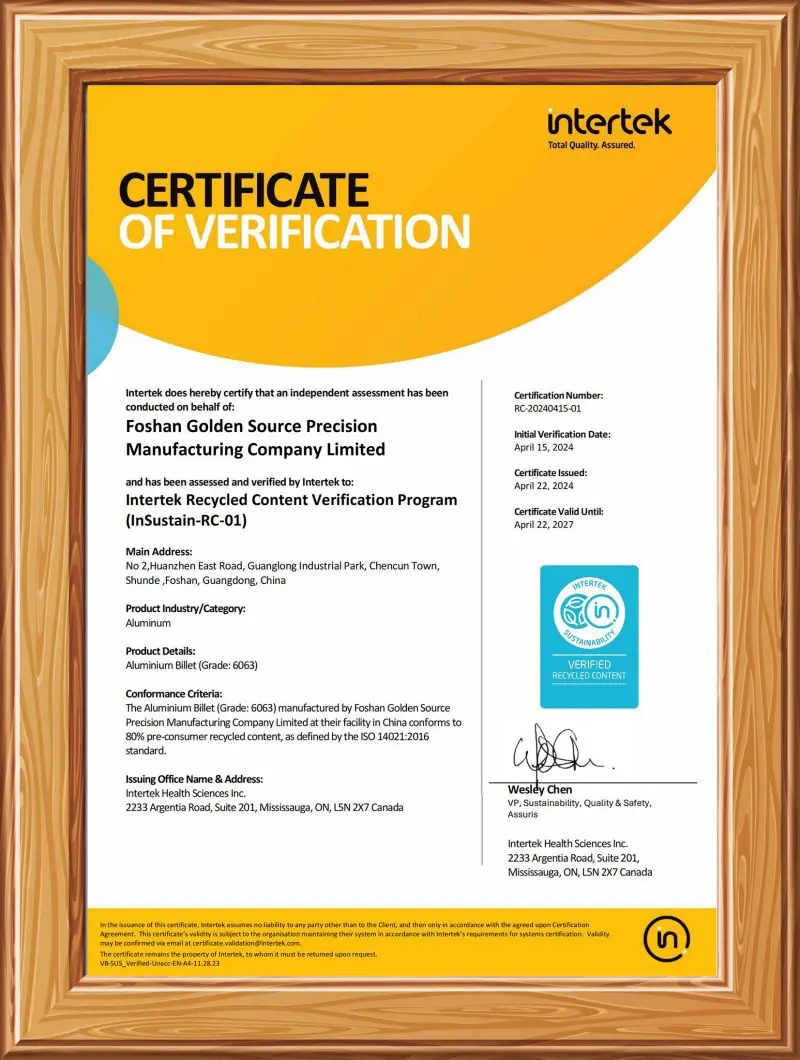
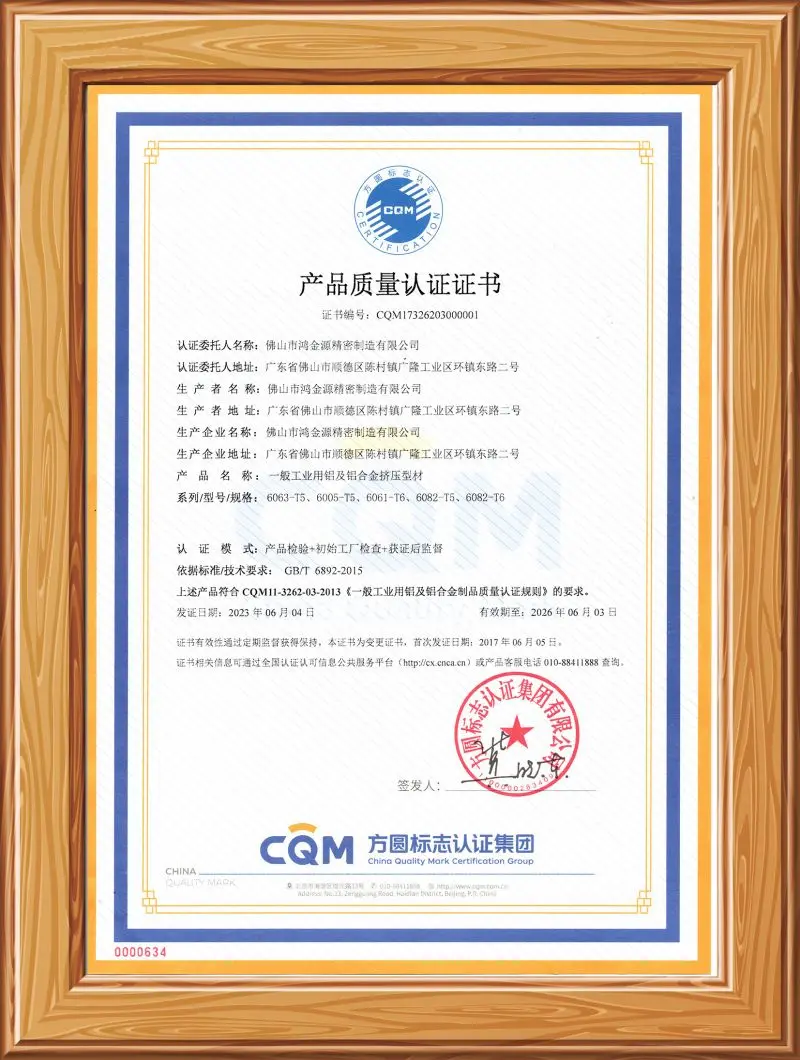
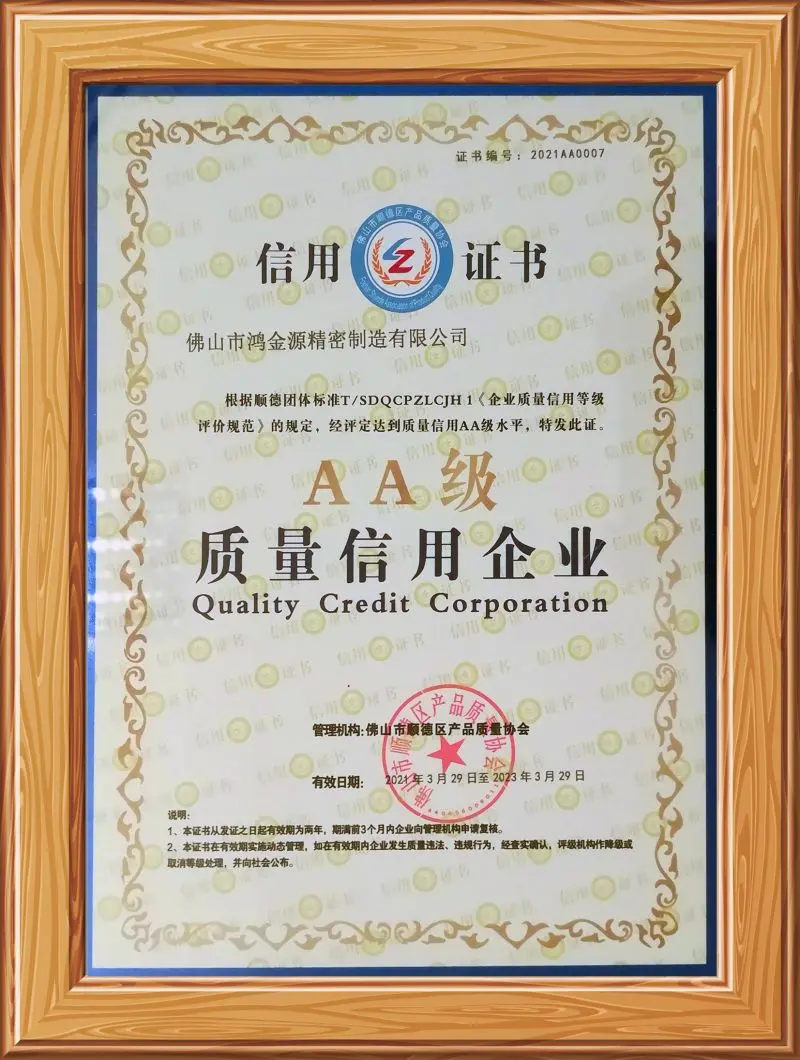
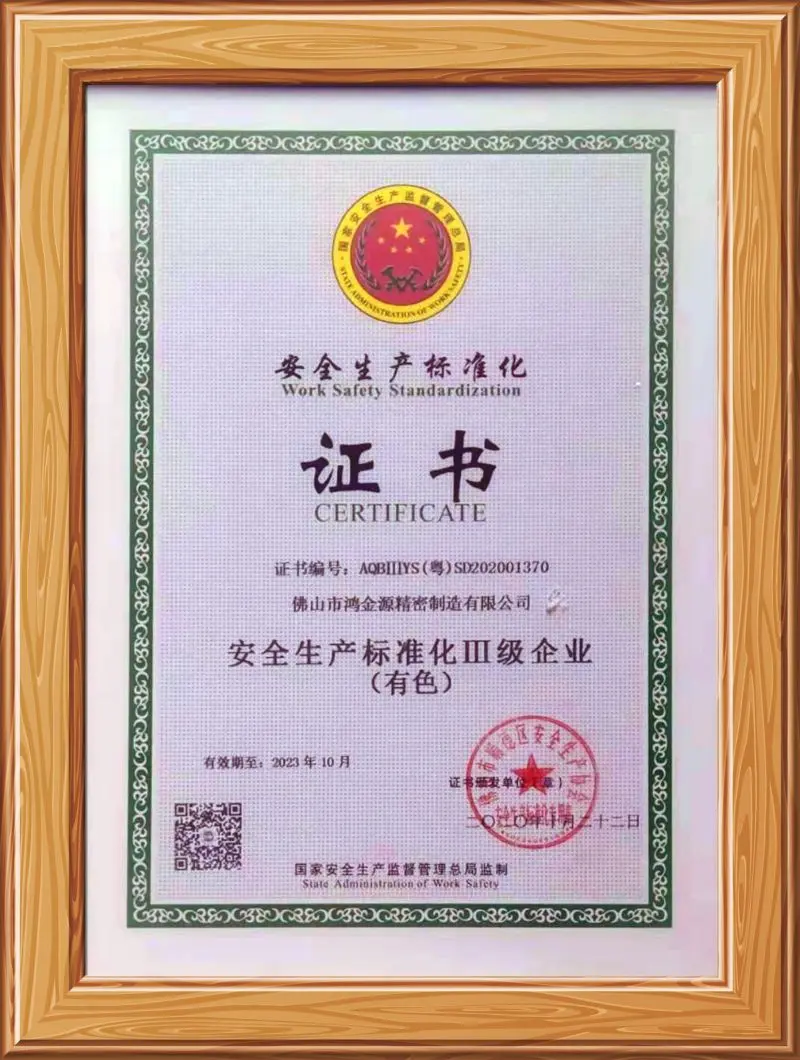
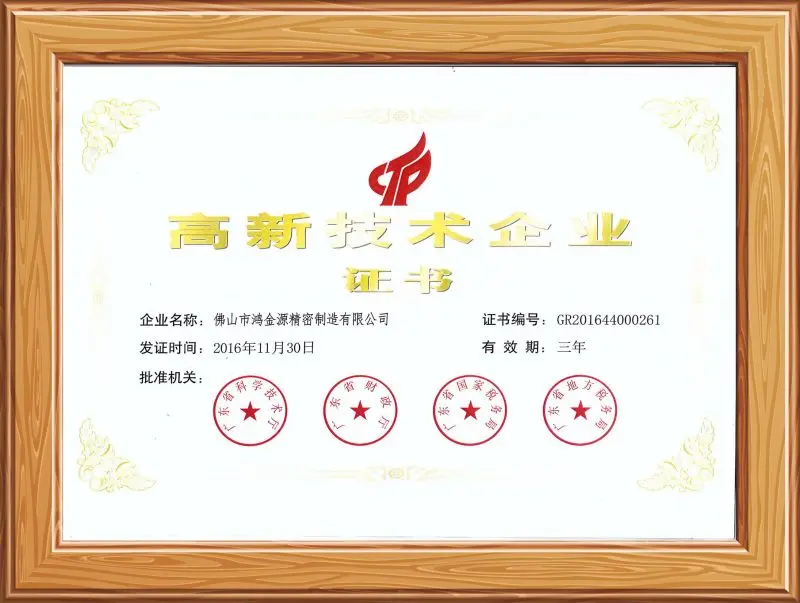
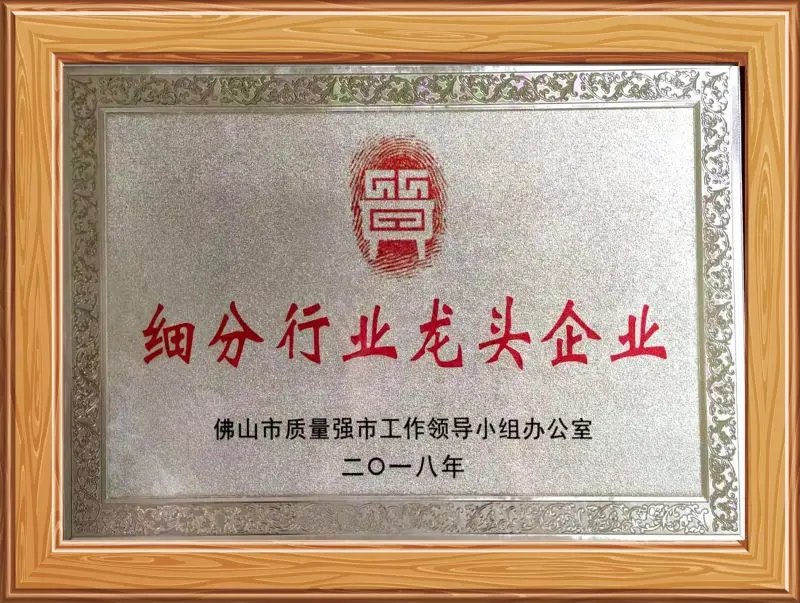
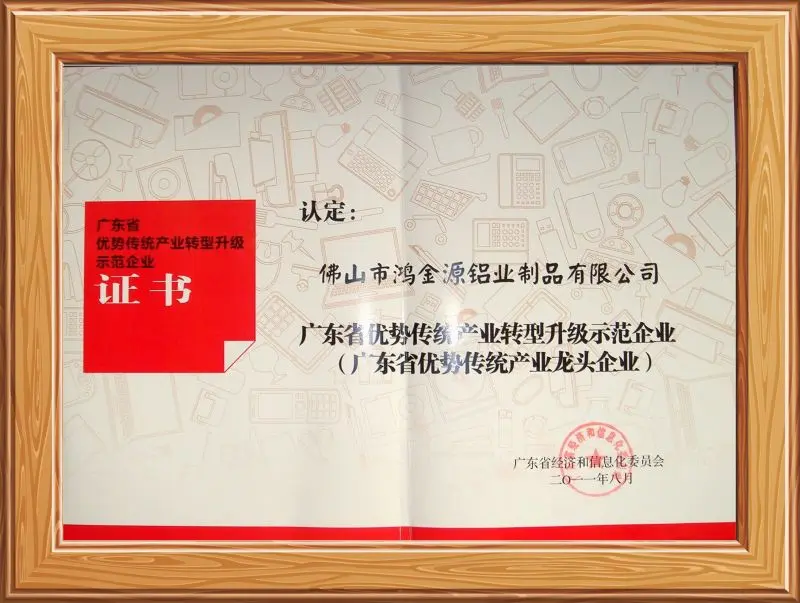
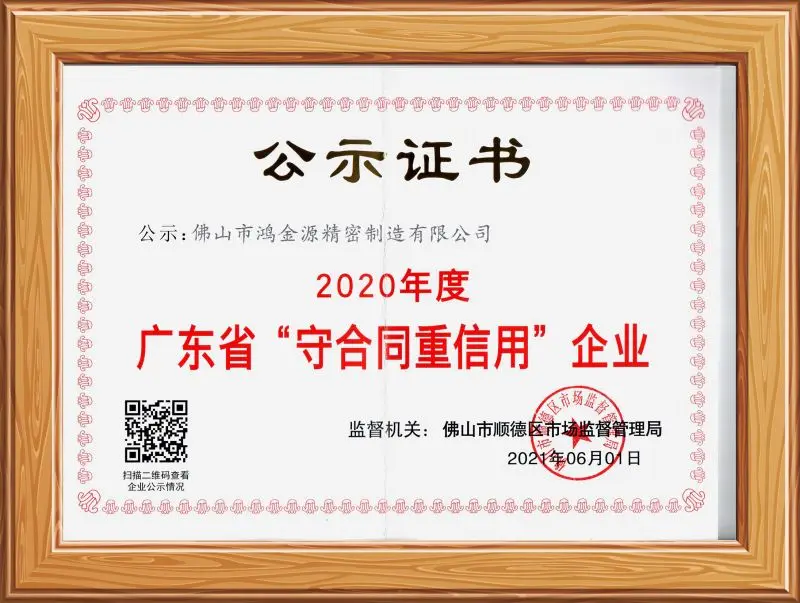
Our commitment to clean production, solid credit, and technological innovation has been recognized by provincial and state authorities.
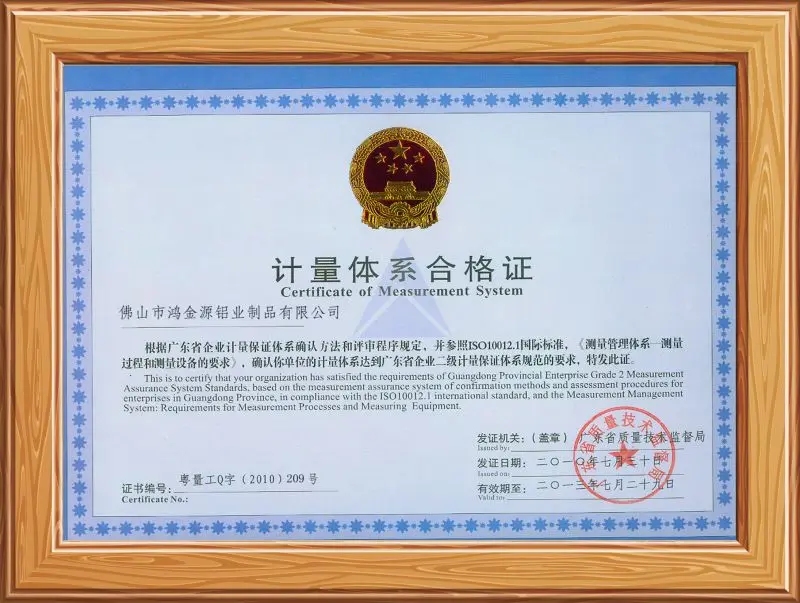
Find answers to common questions about material selection, lead times, tolerance limits, and manufacturing capabilities.
Casting in-house allows us to regulate the grain structure and composition of the alloy. Controlling trace elements prevents microscopic inclusions and voids that can cause tool deflection or surface defects during high-speed CNC milling.
Detailed technical drawings (STEP, IGES, or DWG files) are typically analyzed within 24 to 48 hours. Our engineering team reviews the design for manufacturability (DFM) and provides pricing options based on production volume and surface treatment needs.
6061-T6 provides a balanced combination of weldability, corrosion resistance, and structural strength, making it ideal for general components. 7075-T6 contains zinc as the primary alloying element, delivering high tensile strength suitable for high-stress aerospace and sporting goods applications.
GRS (Global Recycled Standard) and RCV certifications verify the percentage of recycled content in our raw materials. This helps global buyers document sustainable supply chain practices and meet carbon reduction goals in regions with strict environmental regulations, such as the European Union.
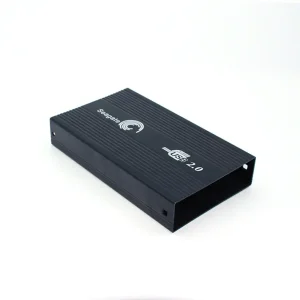
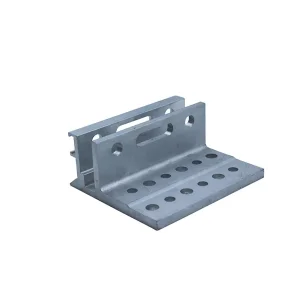
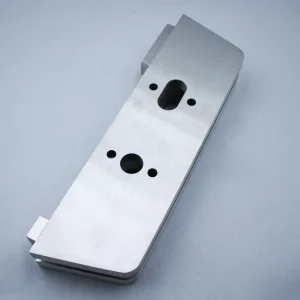
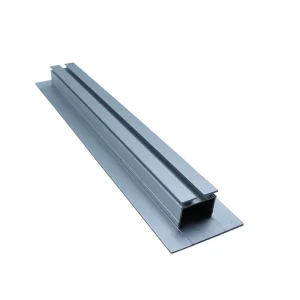
Browse our selection of architectural profiles, custom electronic enclosures, and structural joints.
 HG Precision