High-stress aluminum fabrications optimized for structural durability, custom-extruded and CNC-finished to meet Class I railway specifications.
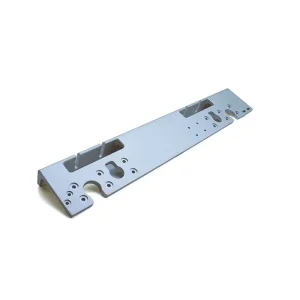
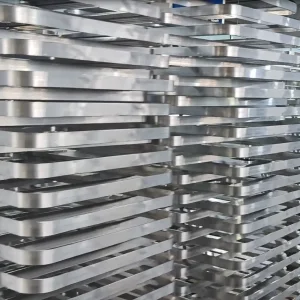
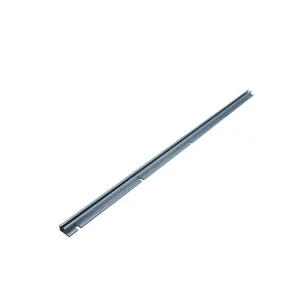
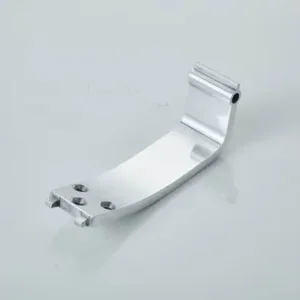
As the primary logistical gateway for the Gulf Coast, the Houston metropolitan area is experiencing an unprecedented expansion of its intermodal transit and heavy rail systems. Driven by the Port of Houston’s record-breaking container volumes and the Houston METRORail expansion initiatives, the local supply chain requires materials that can withstand rigorous mechanical stress and severe regional environment. Specifically, the Houston market experiences high ambient temperatures, elevated relative humidity, and significant exposure to coastal salt spray, which accelerate mechanical corrosion and degradation in structural profiles.
For municipal light rails, Class I freight lines, and rolling stock operators throughout Harris County, utilizing high-specification, corrosion-resistant aluminum extrusions is a structural necessity. To optimize trackside systems, passenger transit cars, and signaling installations, civil contractors must transition from traditional heavy steel components to high-yield 6XXX and 7XXX series aluminum alloys. This shift significantly reduces rolling weight, increases fuel efficiency, and cuts maintenance costs across the lifecycle of local rail infrastructures.
By partnering with Foshan Golden Source Precision Manufacturing Co., Ltd., Houston-based project management teams and procurement offices gain direct access to metallurgical expertise refined over three decades, ensuring compliance with both local building codes and strict international railway parameters.
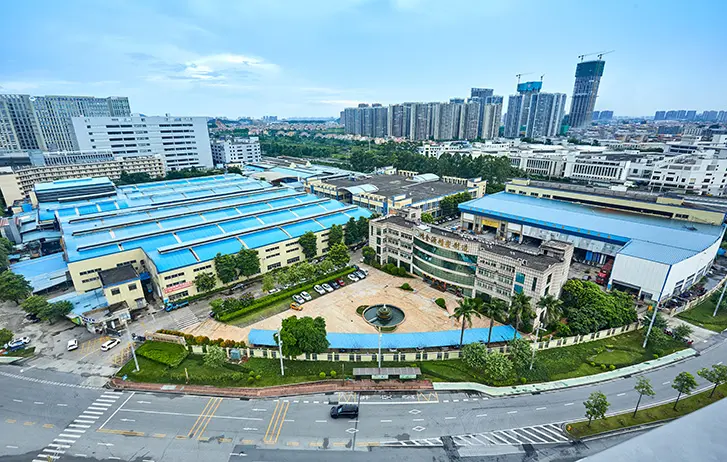
How our metallurgical composition modifications and processing techniques ensure reliable service in coastal environments.
In railway component design, structural fatigue is the leading cause of premature failure. At Foshan Golden Source, we manage the entire manufacturing cycle—from raw ingot casting to high-precision 5-axis CNC machining—allowing us to modify alloy chemistry to meet exact engineering specifications. For instance, in our 6063-T6 configurations, we restrict Iron (Fe) levels to less than 0.15% while carefully balancing Magnesium (Mg) and Silicon (Si) concentrations. This control yields a clean microstructure that minimizes hot cracking and optimizes response to anodizing.
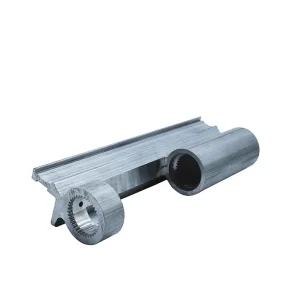
Our thermal processing lines utilize automated air and water-mist quenching systems directly at the extrusion press exit. For components like our ODM Metro Train Door Hanging Kits (6063-T6), this process ensures the material attains a minimum yield strength of 210 MPa and a tensile strength of 245 MPa, meeting the strict structural parameters required for door control mechanisms. Furthermore, our surface finishing technologies—ranging from glass sandblasting to Class I clear and color anodizing (minimum 15-micron thickness)—provide lasting protection against atmospheric chlorides, safeguarding transit networks in coastal regions.
Why structural consultants, transport authorities, and industrial distributors rely on our manufacturing capabilities.
We melt and cast our alloys in-house. This capability allows us to adjust chemical compositions to optimize physical properties, maximize extrusion speeds, and ensure clean alloys that respond well to anodizing.
By keeping our machining, stamping, and surface finishing lines in-house, we maintain quality control while lowering overhead. Even at competitive price points, this integration delivers components with superior dimensional accuracy.
Our vertically integrated production—from tooling design and die fabrication to assembly and packaging—allows us to minimize transition times and provide predictable, end-to-end delivery schedules.
We coordinate standard FOB, CIF, and DDP shipments directly from the Port of Nansha and the Port of Shenzhen. Utilizing established sea freight lanes, we arrange transit directly to the Port of Houston, simplifying customs clearance for Texas-based operations.
Our logistics coordinators optimize Harmonized System (HS) classifications to help reduce import duty exposure. We provide clear certificates of origin, material mill sheets, and packing slips to prevent delays at U.S. Customs ports of entry.
Modern transit projects require resilient, diversified supply networks. Our 73,000-square-meter facility acts as a key manufacturing node, offering capacity that buffers against domestic raw material shortages and localized supply disruptions. With in-house tooling manufacturing, we can fabricate custom extrusion dies within 10 to 14 days, accelerating development cycles compared to traditional manufacturers.
We work closely with logistics networks to ensure components arrive ready for installation. For large-scale projects, we coordinate shipments directly from Shenzhen to the Port of Houston. By providing comprehensive quality documentation—including mill certifications, compliance sheets, and packaging reports—we help minimize processing times through U.S. Customs, keeping projects on schedule.
For municipal transit systems operating under "Buy America" frameworks, we provide detailed material tracking reports. This documentation traces components back to raw aluminum billets, supporting domestic compliance reviews.
Foshan Golden Source is certified to meet global quality and environmental standards, ensuring compliance for your projects.
Our operations are certified under ISO9001, ISO14001, 45001, GRS, and RCV. Our GRS (Global Recycled Standard) and RCV certifications support compliance with environmental regulations, confirming our commitment to resource conservation and low-carbon manufacturing.
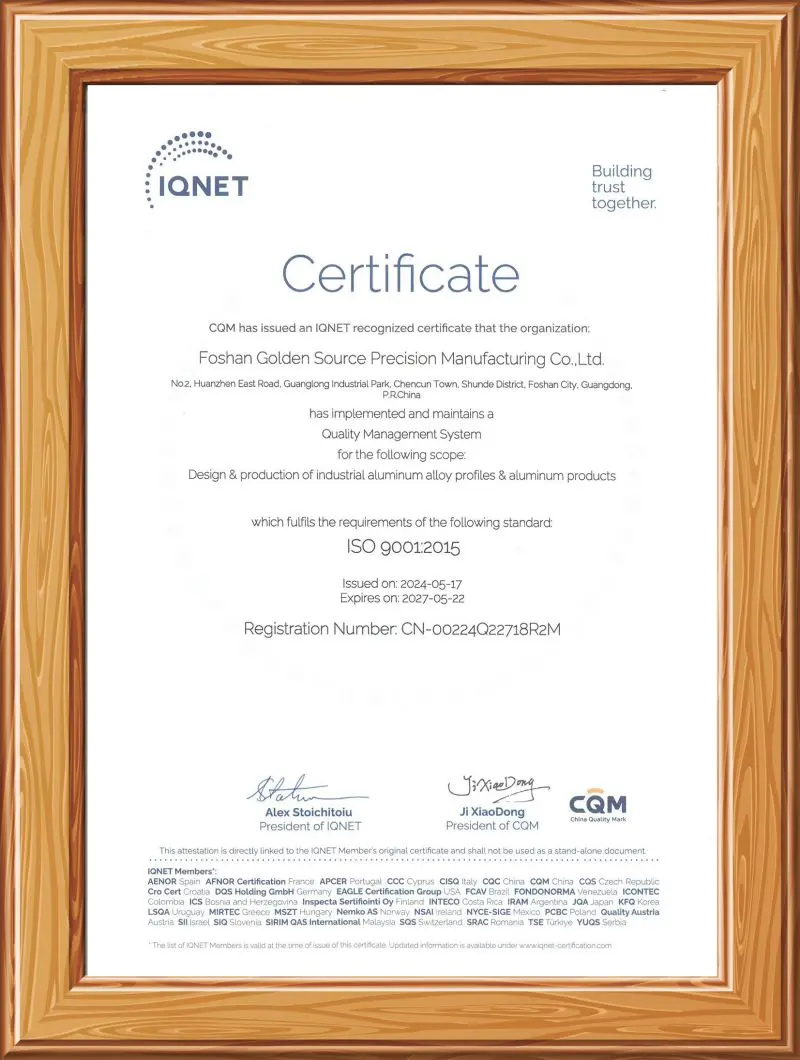
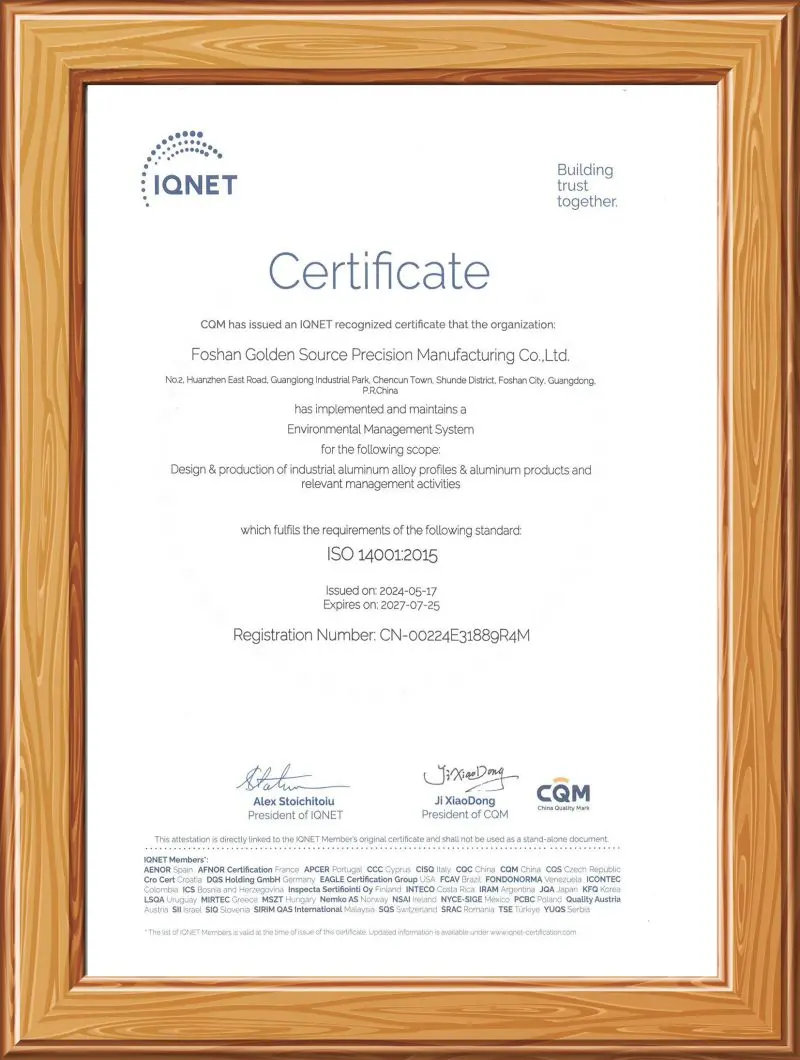
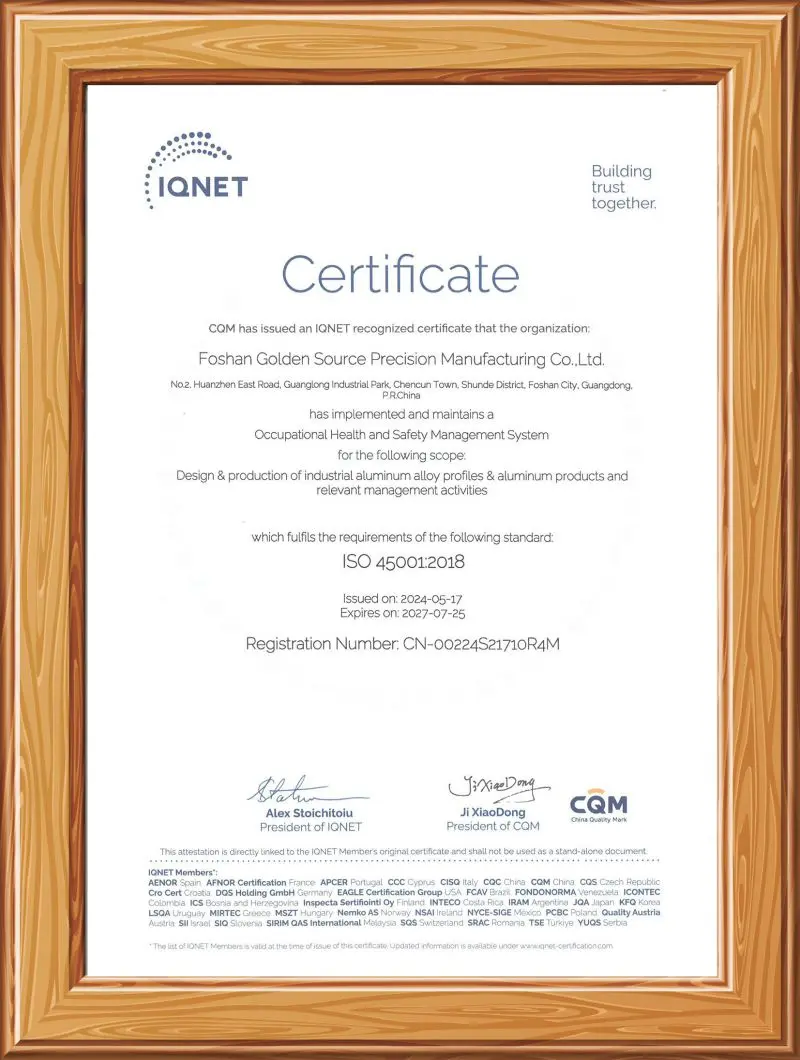
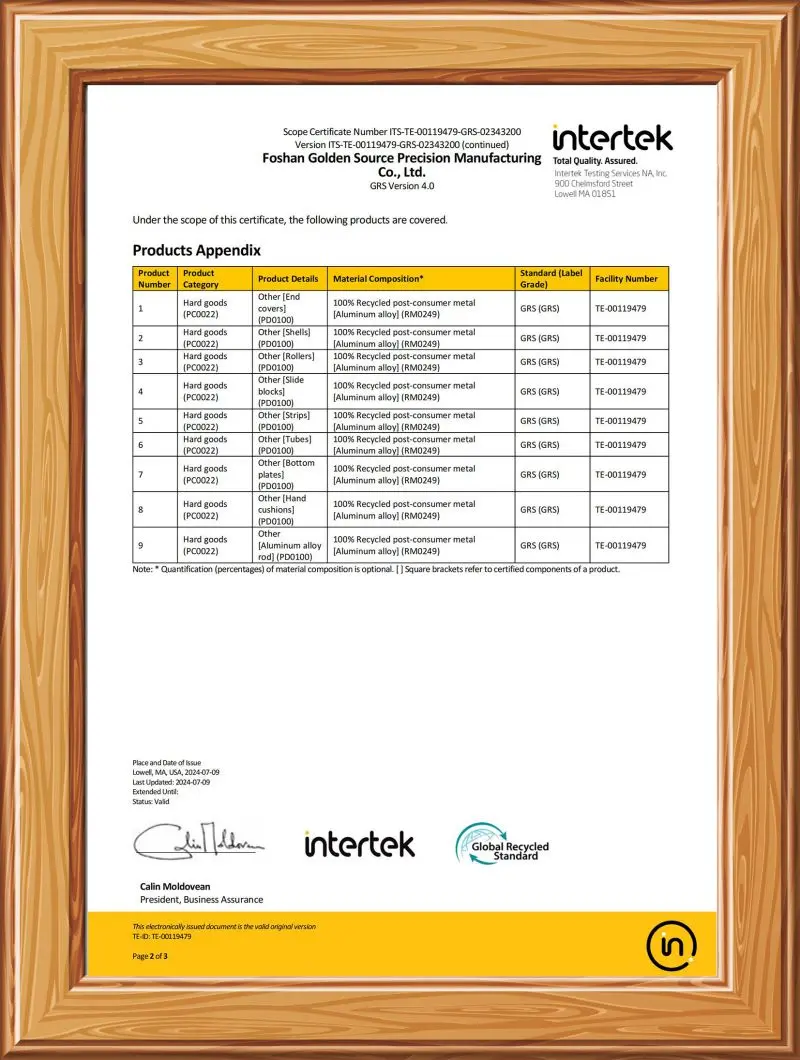
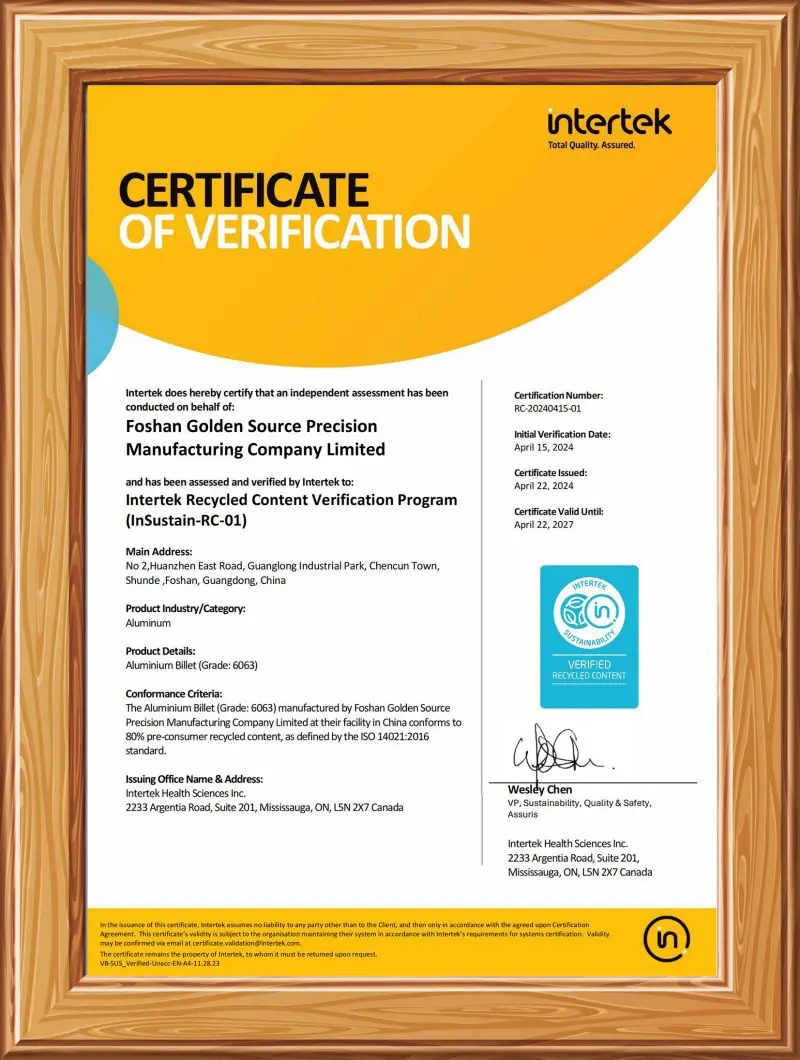
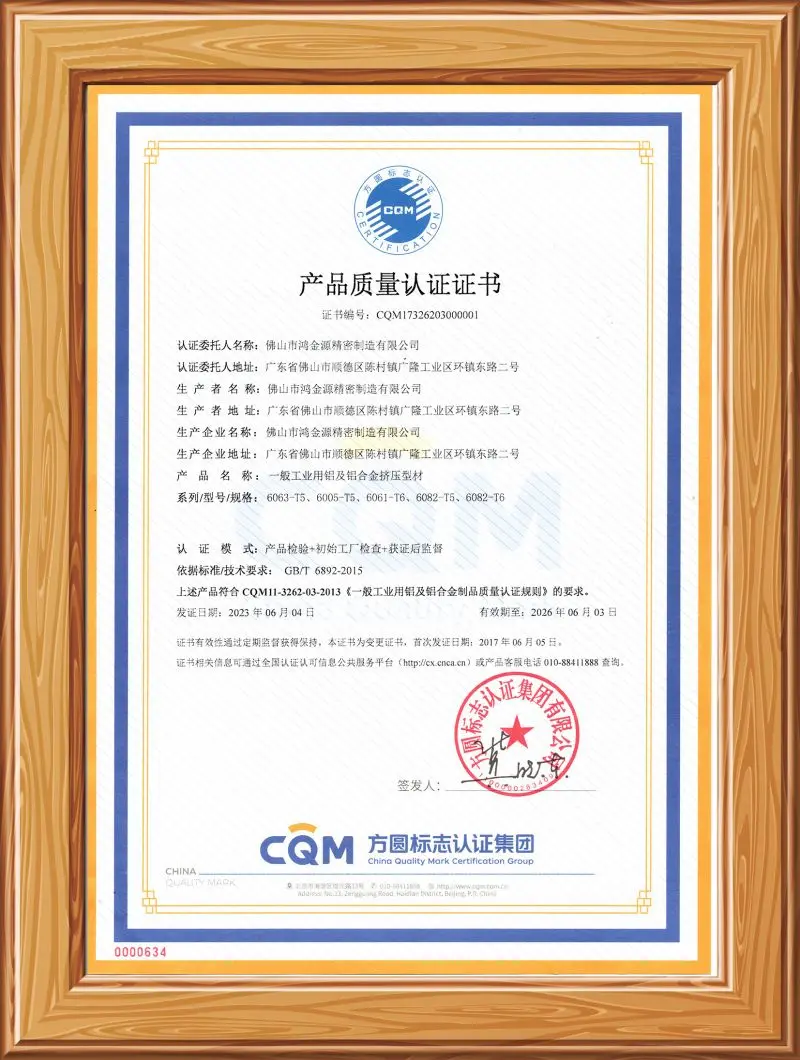
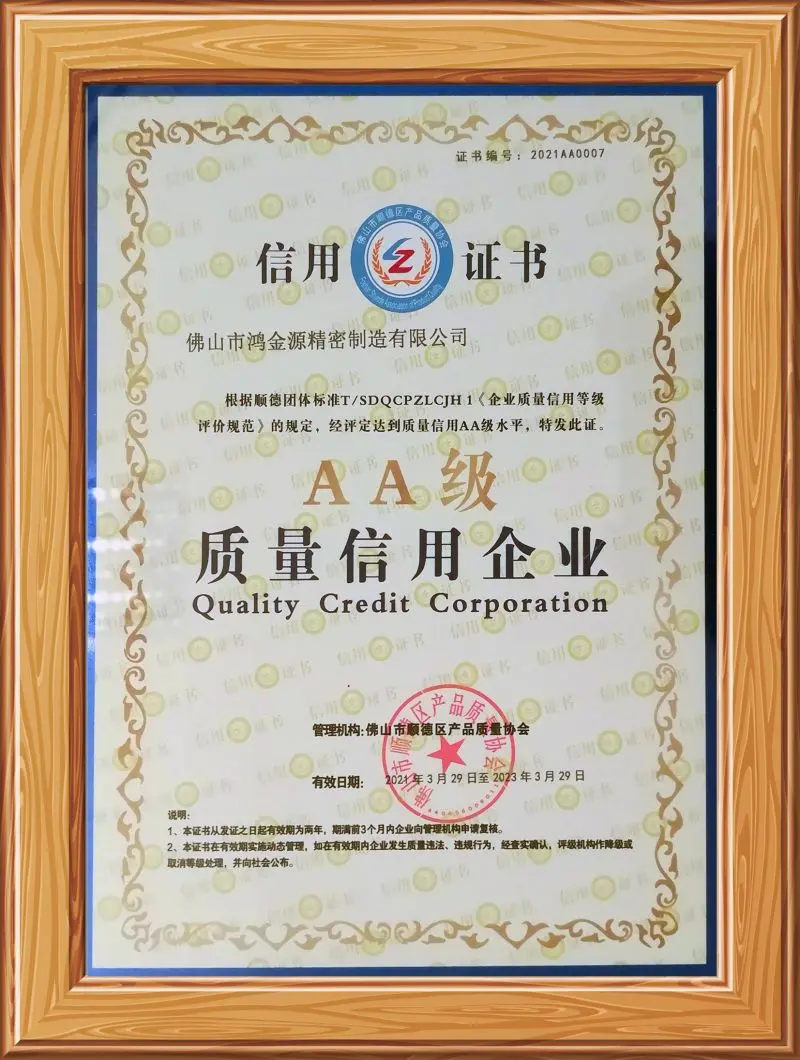
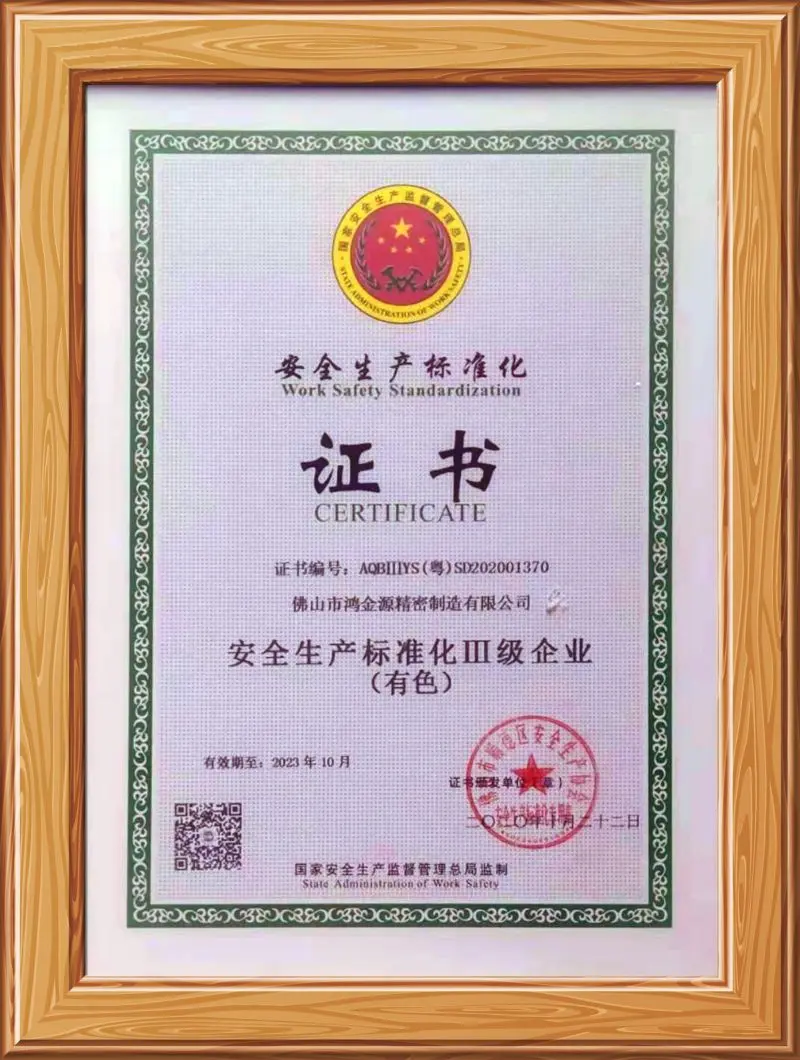
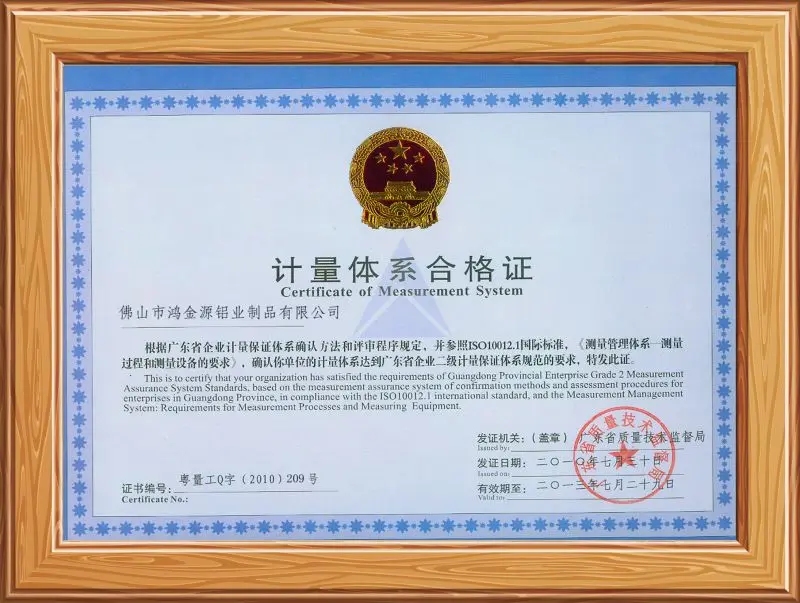
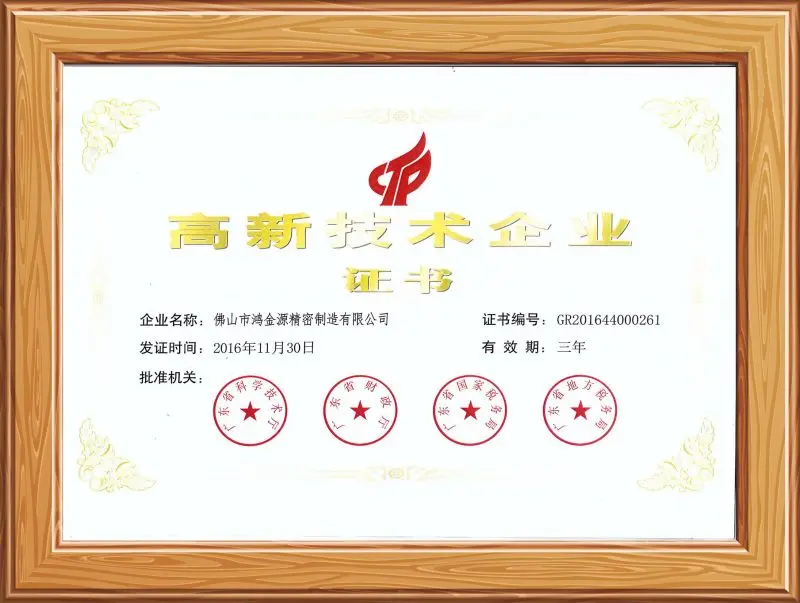
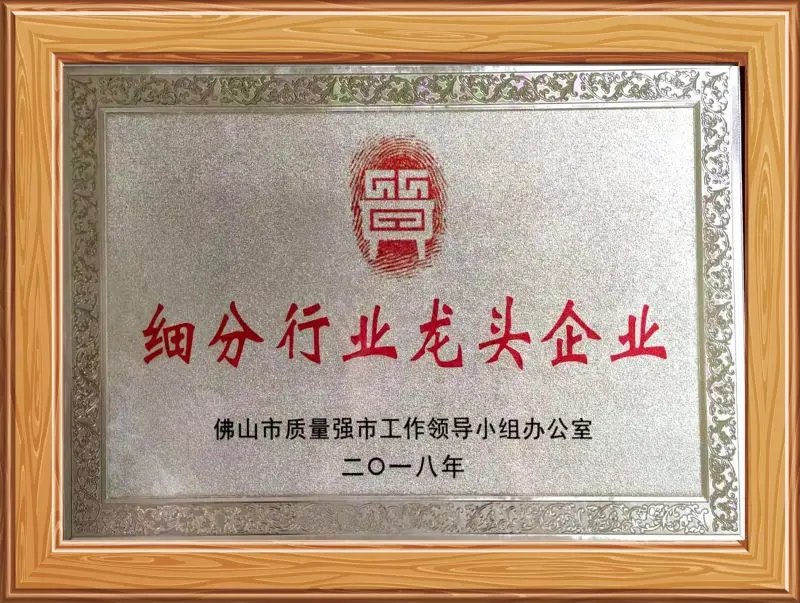
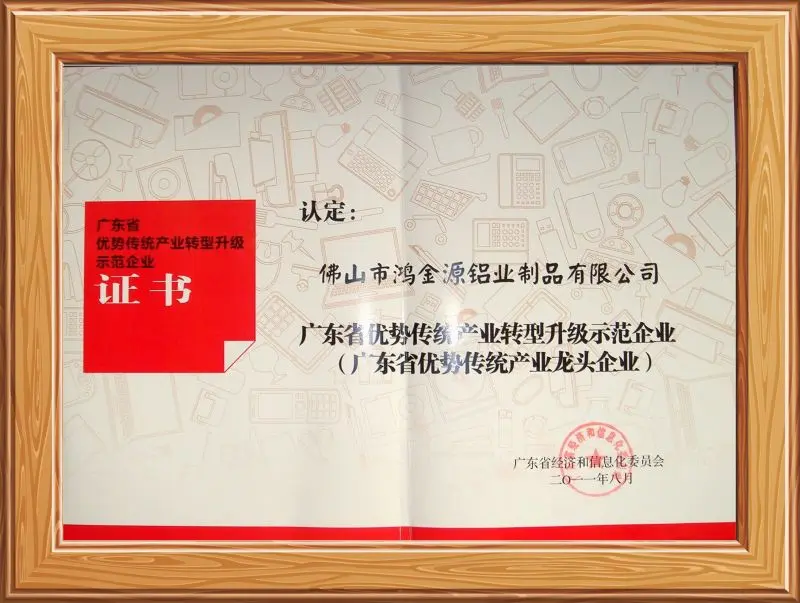
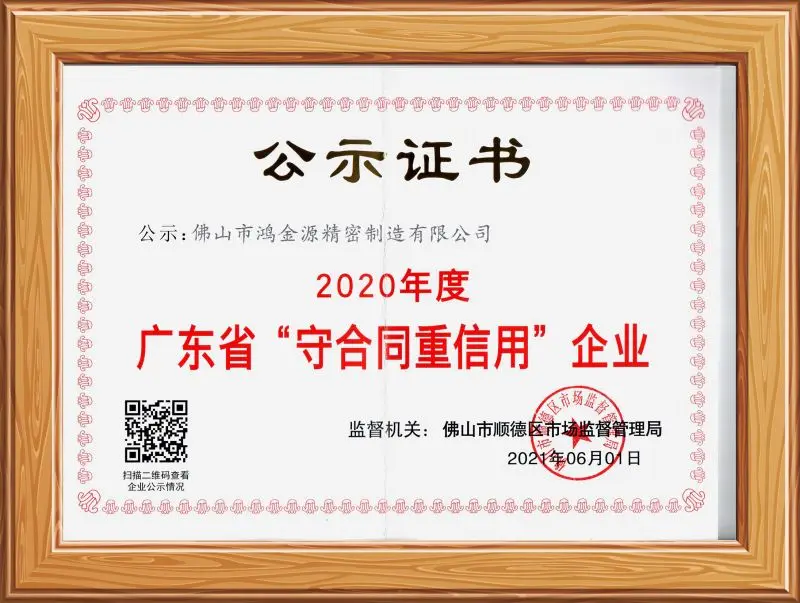
Our facilities are regularly audited by third parties to verify our quality management and environmental compliance, supporting our role as an approved supplier for major transit projects globally.
Company catalogue downloadThe complete range of precision-extruded and CNC-machined products, engineered for resilience and low maintenance in public infrastructure applications.
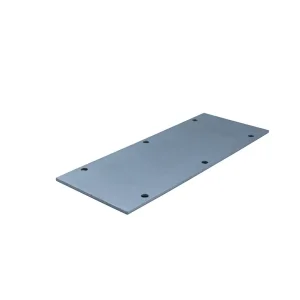
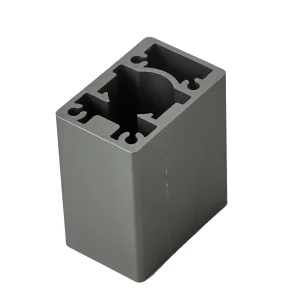
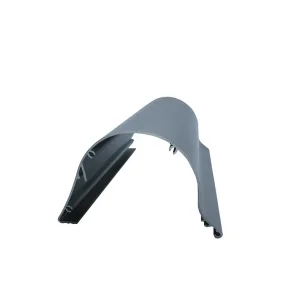
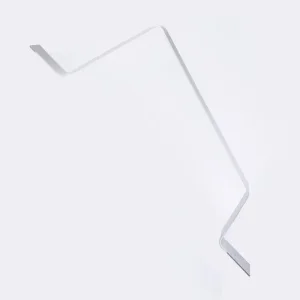
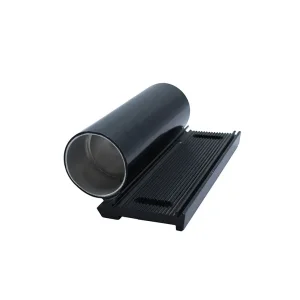
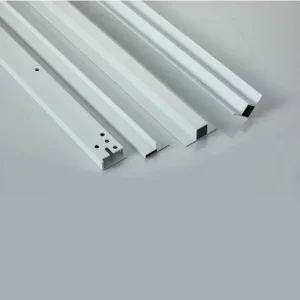
Aligning international production with North American transit authority codes and ASTM standards.
To qualify for installation in regional railway projects, components must comply with specific mechanical and chemical standards. All our structural extrusions undergo tensile testing, hardness checks (Webster and Barcol), and dimensional inspections. We align our processes with ASTM standards for aluminum alloy structures, ensuring compliance with local engineering requirements.
For corrosion resistance in the Gulf Coast atmosphere, we perform ASTM B117 salt spray tests for up to 1,000 hours on anodized and powder-coated parts. This testing ensures our coatings prevent pitting and cosmetic degradation, even when exposed to high humidity and salinity. The raw materials used in our processing lines are fully traceable, and we provide material test reports (MTRs) to document mechanical integrity and chemical compliance.
Technical clarifications regarding alloy selection, custom tooling, shipping, and quality assurance.
Submit your detailed 2D/3D CAD design drawings, material requirements, and compliance criteria. Our engineering team will review your specifications and provide a comprehensive proposal.
Send Inquiry Now HG Precision