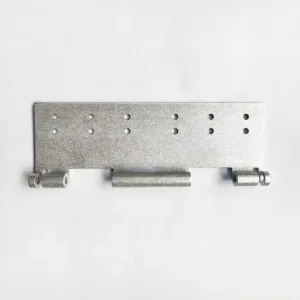
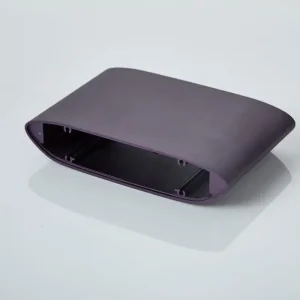
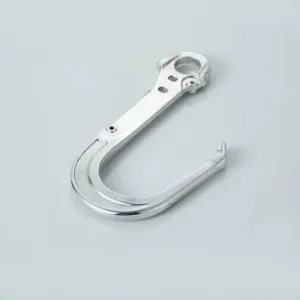
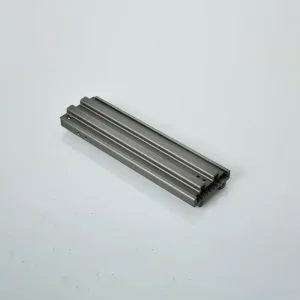
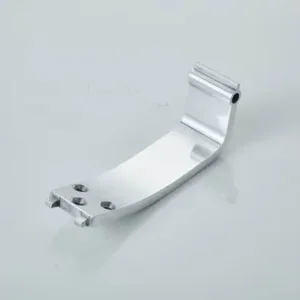
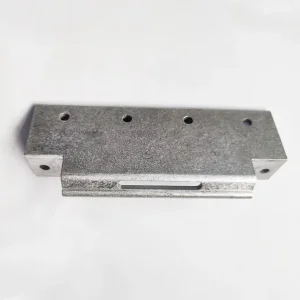
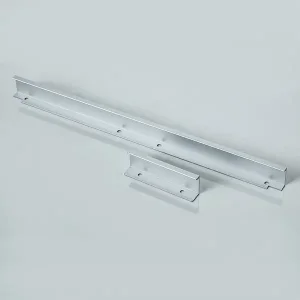
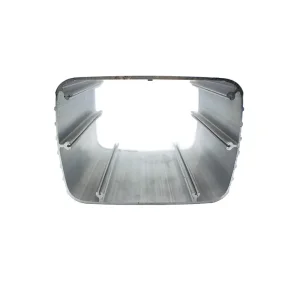
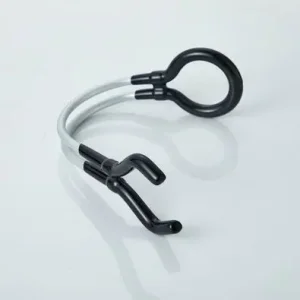
Explore our custom OEM assemblies, high-load extrusion elements, and custom hardware fabrications engineered to demanding global mobility and industrial performance thresholds.
Wheelchair ramp systems represent critical access nodes in worldwide commercial, municipal, and private building sectors. Demands for localized compliance, such as the Americans with Disabilities Act (ADA) in the United States and EN 13986 frameworks within the European Union, have driven the transition of ramp designs from simple site-built structures to highly engineered, modular aluminum alloy assemblies. For structural integrity, weather resilience, and low lifetime maintenance, precision-engineered aluminum extrusions are the standard material of choice.
As a global OEM wheelchair ramp supplier, optimizing structural performance involves addressing localized environments, mechanical strain thresholds, and deployment mechanisms. Aluminum alloys like the 6000-series (particularly 6063-T5 and 6061-T6) balance high yield strengths with optimal corrosion resistance, which is critical for permanent exterior installations exposed to high humidity and fluctuating temperatures.
Standardized performance indicators are critical when selecting the appropriate OEM partner for global distribution networks. Below are our core operational capabilities and physical performance criteria.
Correct mechanical configuration minimizes material fatiguing. Below is the technical breakdown of our main structural alloys applied in wheelchair ramp frameworks:
| Alloy Grade | Tempering | Tensile Strength (MPa) | Yield Strength (MPa) | Elongation (%) | Primary Application Area |
|---|---|---|---|---|---|
| 6063 | T5 | ≥ 180 | ≥ 150 | ≥ 8 | Handrails, structural trim, and decorative safety panels |
| 6063 | T6 | ≥ 230 | ≥ 190 | ≥ 8 | Telescoping channels, slip-resistant decking profiles |
| 6061 | T6 | ≥ 290 | ≥ 240 | ≥ 10 | Main load-bearing trusses, transition joints, and bracketry |
| 7075 | T6 | ≥ 540 | ≥ 480 | ≥ 7 | Ultra-light tactical military & severe load climbing hinges |
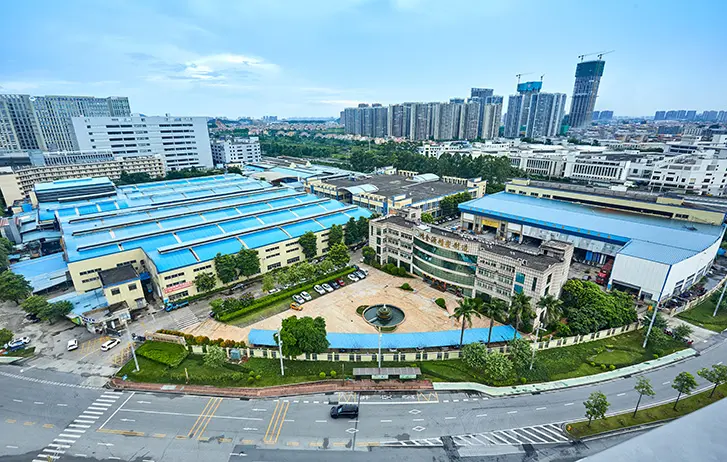
For international buyers, distributor supply chains must maintain low lead times, stable pricing, and consistent quality metrics. Foshan Golden Source Precision Manufacturing Co., Ltd, established in 1991, provides an integrated vertically consolidated model. By managing the process from alloy casting to finish treatment under one roof, we eliminate intermediate processing markups and transportation delays.
Our 73,000-square-meter modern, environmentally clean facility operates casting, extrusion, precise CNC machining, welding, and surface treatment lines in-house. This structural configuration delivers distinct sourcing benefits:
Furthermore, we maintain standard compliance certifications including ISO9001, ISO14001, ISO45001, RCV, and GRS (Global Recycled Standard). Our GRS and RCV certifications align with global decarbonization frameworks and European Union REACH regulations. By using verified recycled aluminum content, our clients reduce scope 3 emissions and meet environmental standards.
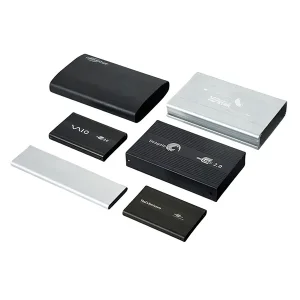
We supply diverse high-precision aluminum components across multiple sectors, including furniture, solar mounting setups, automotive trim, and skylight hinge systems. This structural versatility supports our OEM capabilities for custom wheelchair ramps.
As public infrastructure grows more integrated, accessibility equipment must adapt. We are actively developing next-generation structural profiles and smart-ramp integrations.
Integrating fiber-optic Bragg grating sensors directly into modular main channels. These sensors monitor structural integrity under cyclic loads and alert operators to load-bearing anomalies before fatigue failures occur.
Transitioning from traditional mechanical knurling to superhydrophobic, micro-structured surfaces. This structure resists ice accumulation, prevents water sheeting, and sustains friction coefficients in sub-zero climates.
Transitioning processing lines to closed-loop water treatment systems. This setup eliminates heavy metal wastewater discharge and uses natural organic dyes for decorative colors, satisfying REACH standards.
Refining process paths to use up to 85% post-consumer scrap in load-bearing 6061 components, maintaining mechanical strength and microstructural grain integrity.
Wheelchair ramp pricing depends on mechanical configurations, processing requirements, and packaging specifications. Because base metal pricing fluctuates on the London Metal Exchange (LME) and Shanghai Futures Exchange (SHFE), we offer flexible pricing models built around transparent extrusion conversion fees.
We work closely with logistics networks to ensure our packaging is optimized for container transport. Knock-down modular ramp components ship flat, reducing freight costs and minimizing transit-related damage.
For custom OEM design requests, please provide details on the following technical parameters to expedite tooling design and pricing calculations:
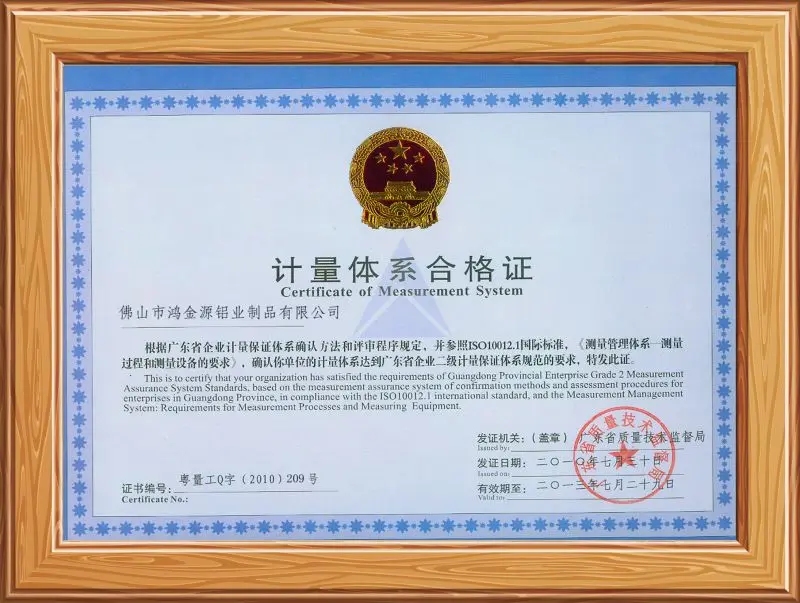
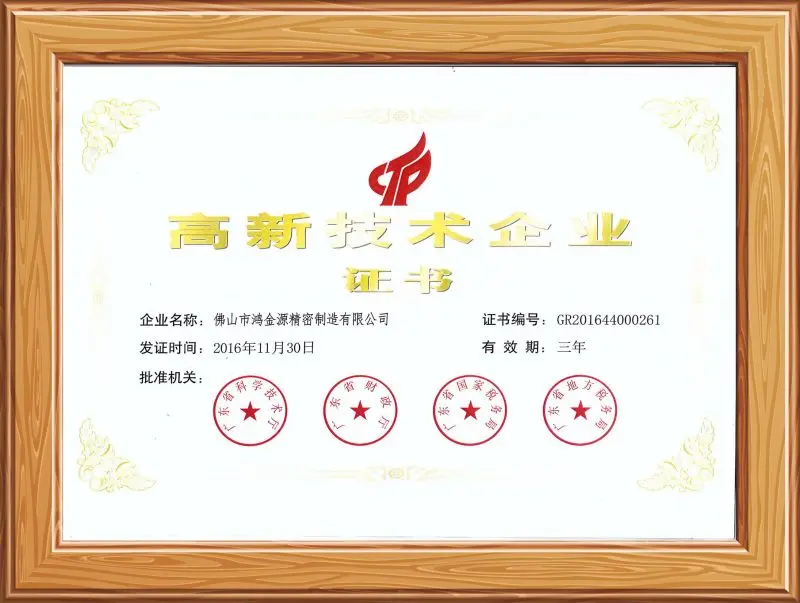
Our facility operates under rigorous international quality frameworks. These credentials confirm that our production practices and environmental management meet strict global standards.
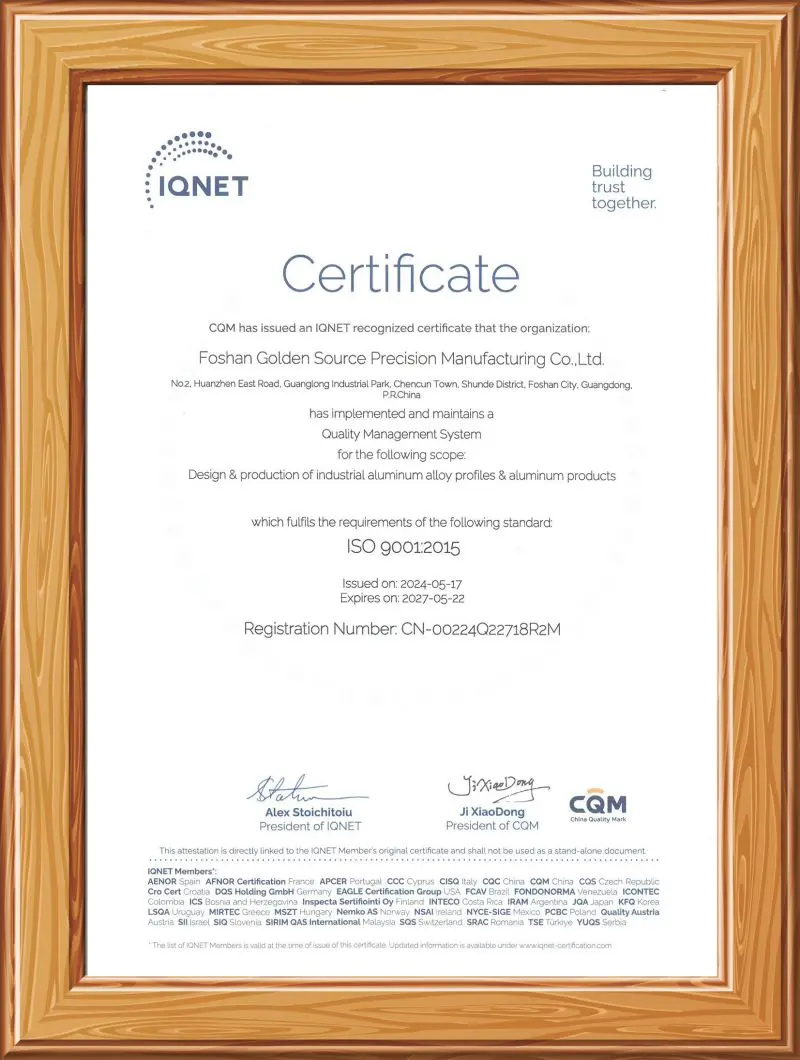
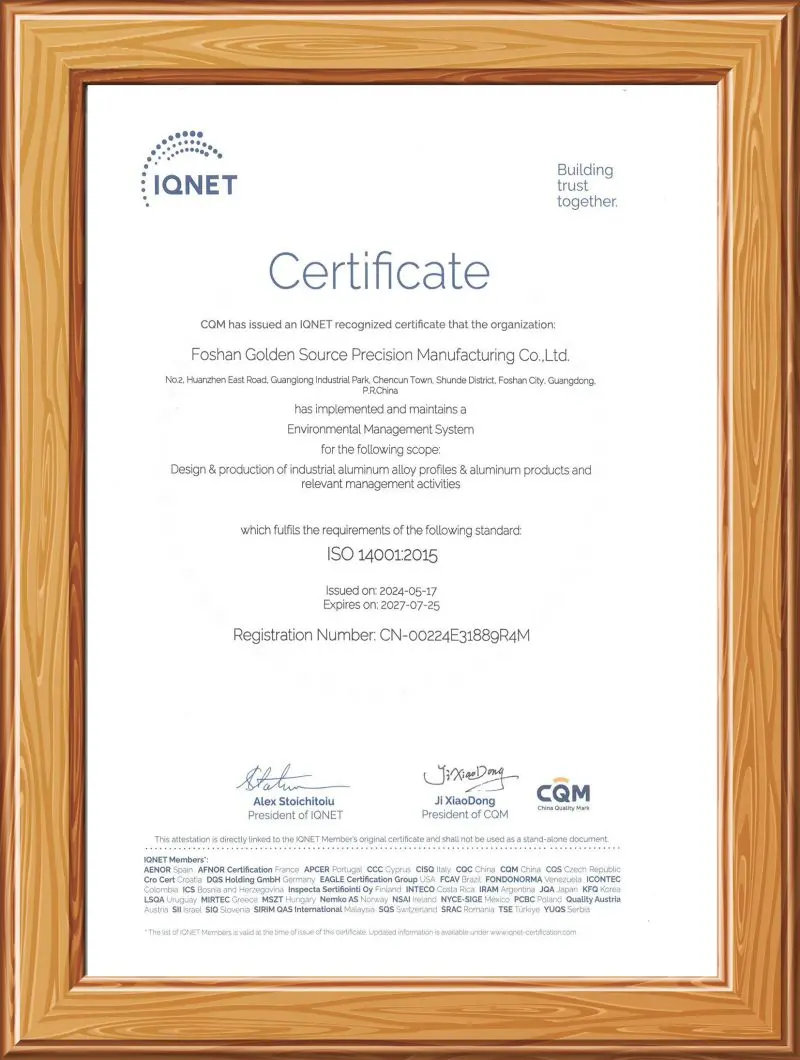
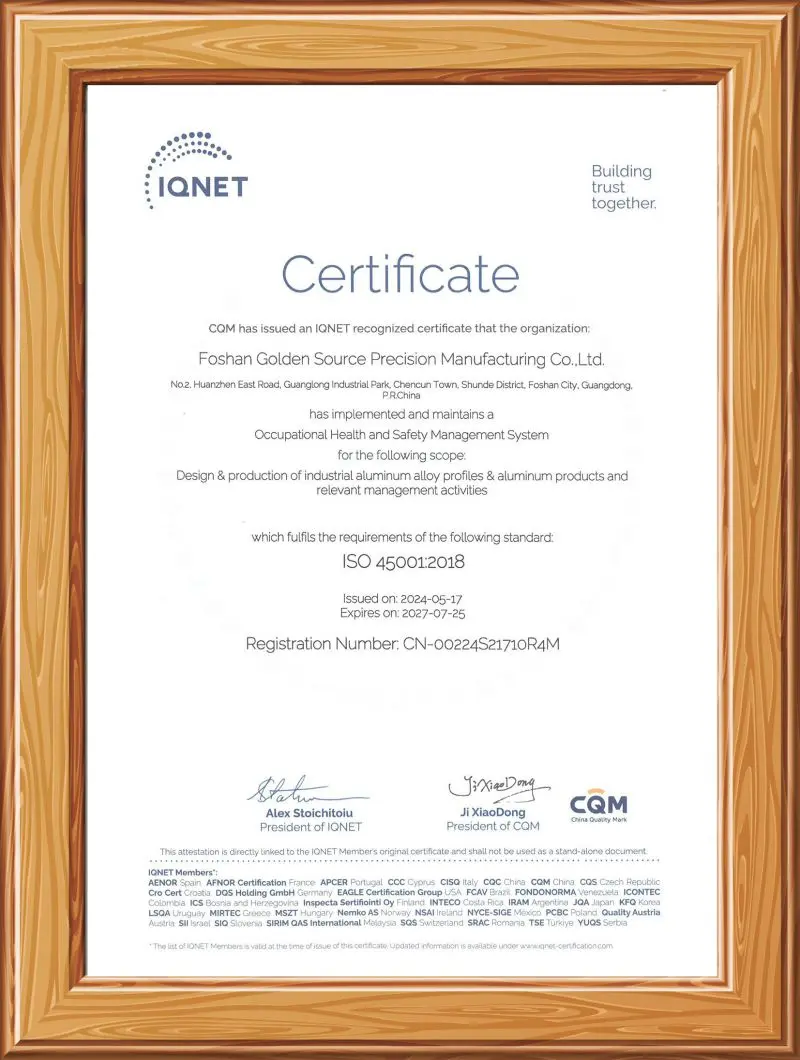
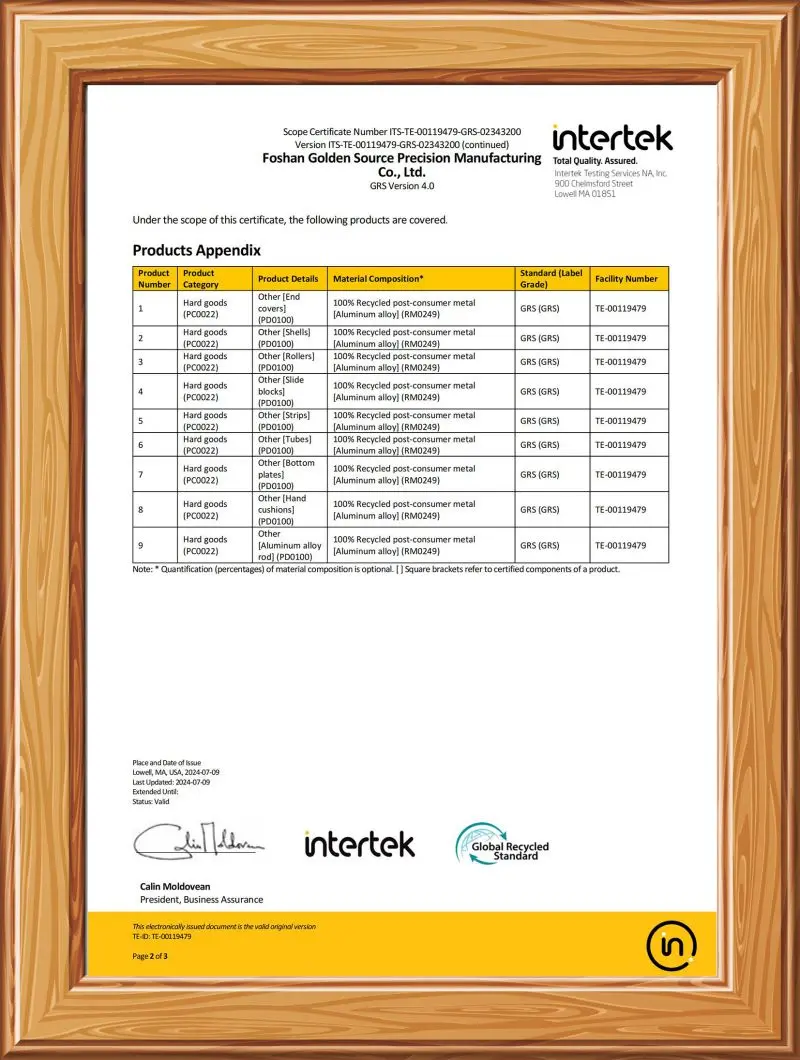
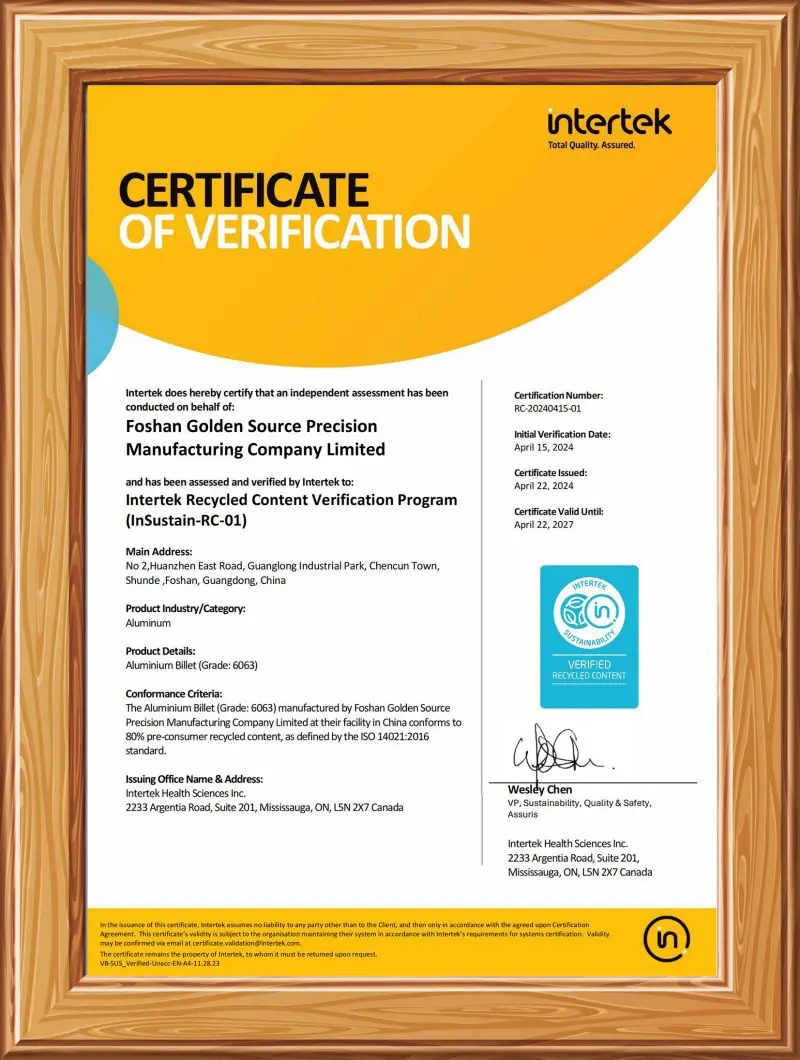
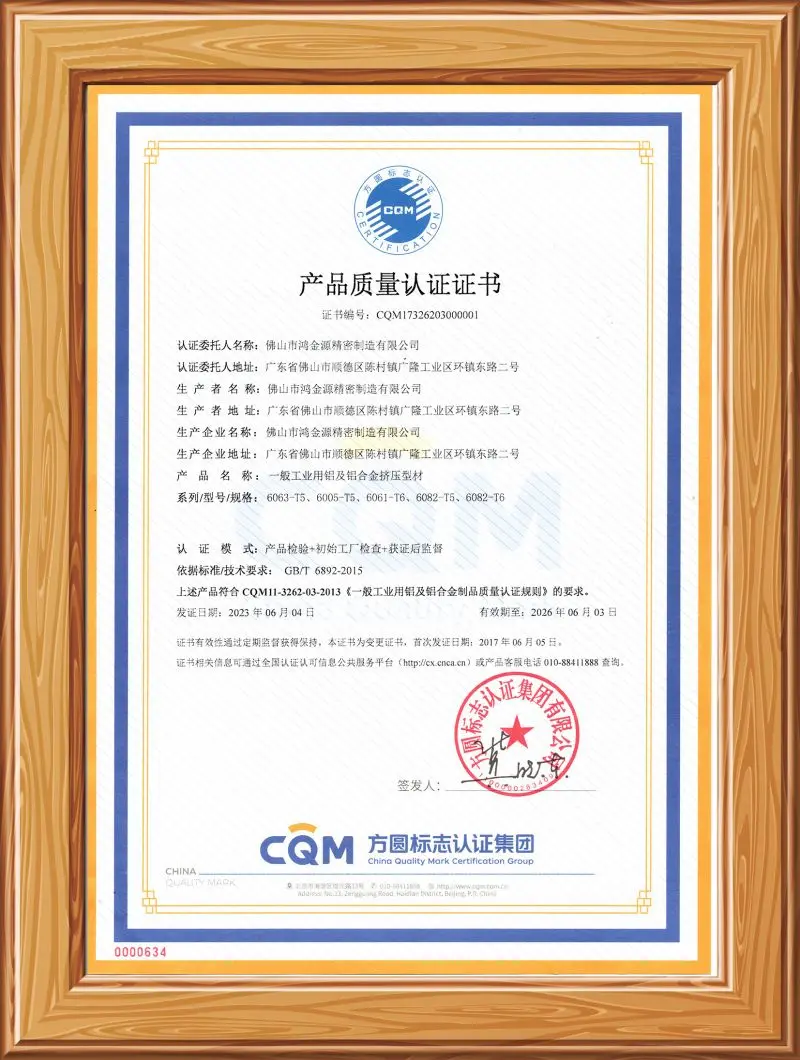
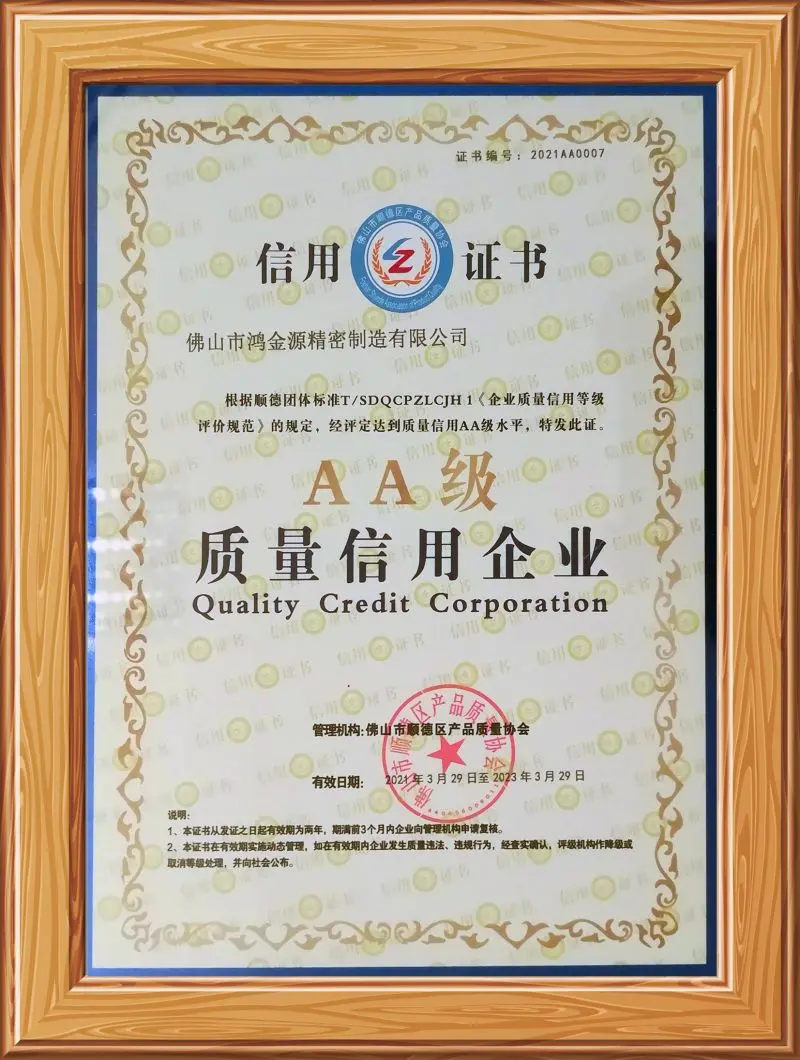
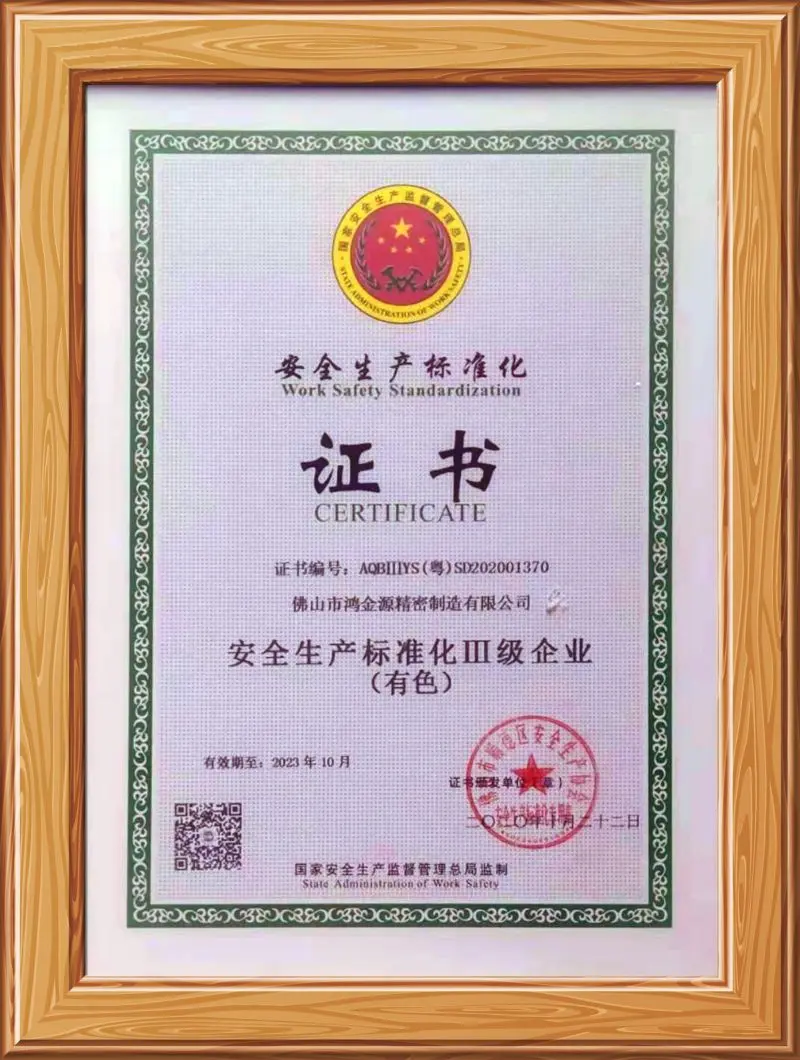
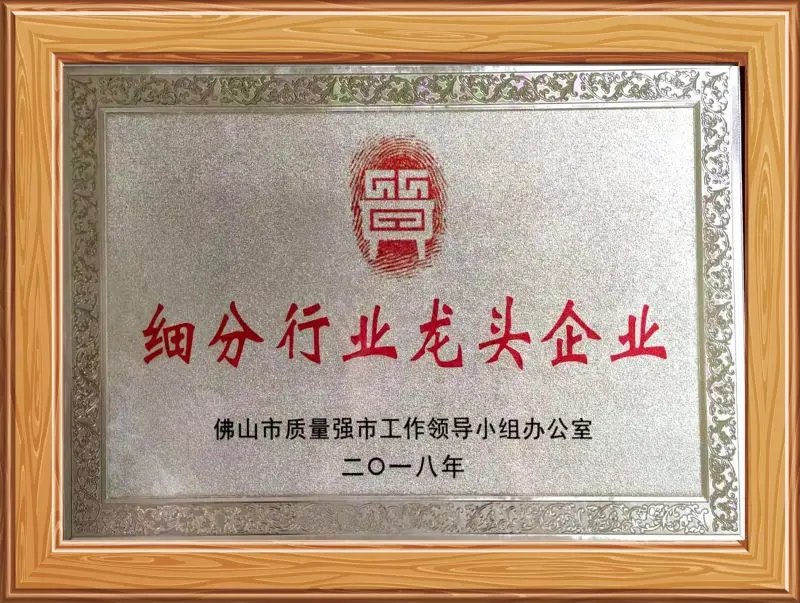
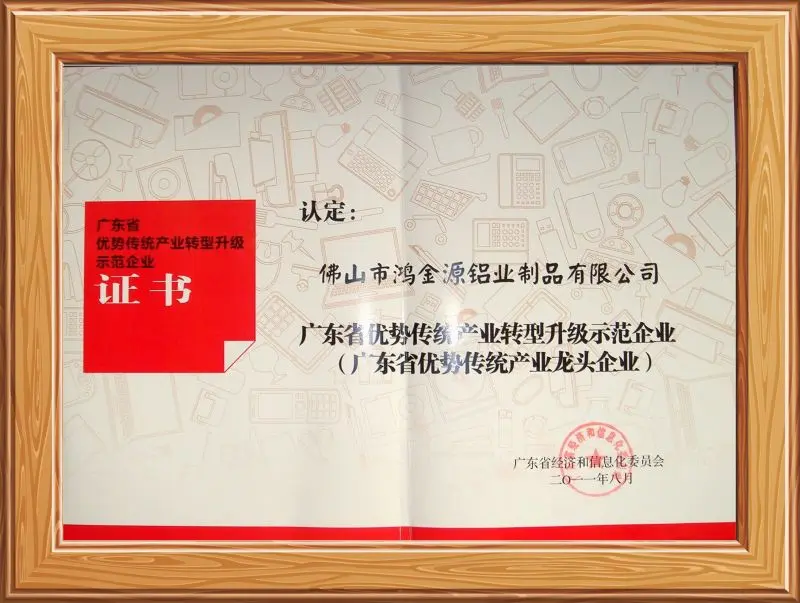
Foshan Golden Source is recognized locally and nationally for clean production methods, creditworthiness, and contributions to manufacturing technology upgrades.
Technical answers to frequent questions from engineering departments, quality assurance inspectors, and procurement managers.
Browse our inventory of high-strength structural profiles, aluminum cases, mounting hardware, and custom-machined products.
 HG Precision