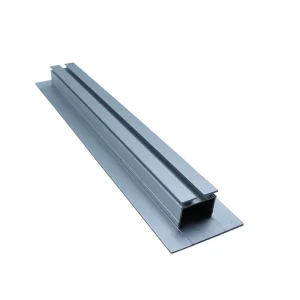
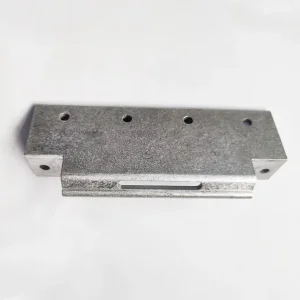
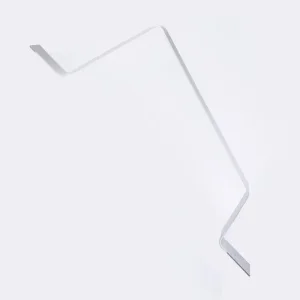
Explore our featured high-strength, custom-milled, and anodized aluminum products developed to precise engineering requirements.
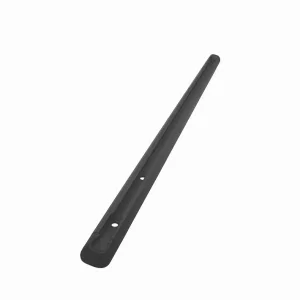
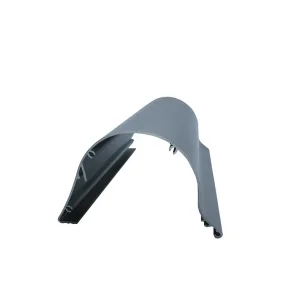
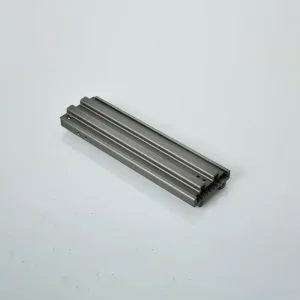
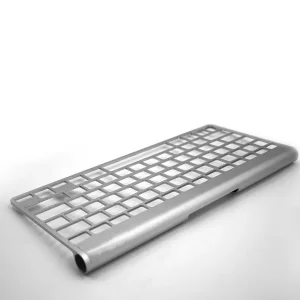
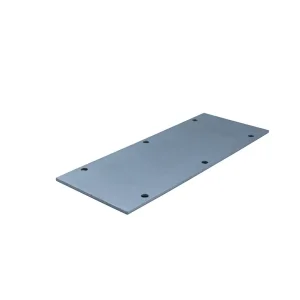
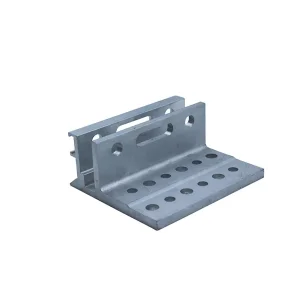
In today's globalized industrial landscape, the demand for precision small aluminum parts has scaled exponentially. Across sectors like electric vehicles (EVs), renewable energy infrastructure, high-fidelity consumer electronics, and smart building hardware, engineers are shifting away from heavy plastics and steel towards aluminum. Aluminum offers a supreme strength-to-weight ratio, exceptional thermal and electrical conductivity, natural corrosion resistance, and complete recyclability.
However, achieving the tight dimensional tolerances and flawless cosmetic surface finishes required by top-tier OEMs demands advanced metallurgical control and state-of-the-art tooling. Modern components require deep vertical integration. By casting billets in-house, optimizing extrusion profiles through structural simulation, and deploying robotic multi-axis CNC machining, manufacturers can eliminate assembly mismatches and minimize structural defects.
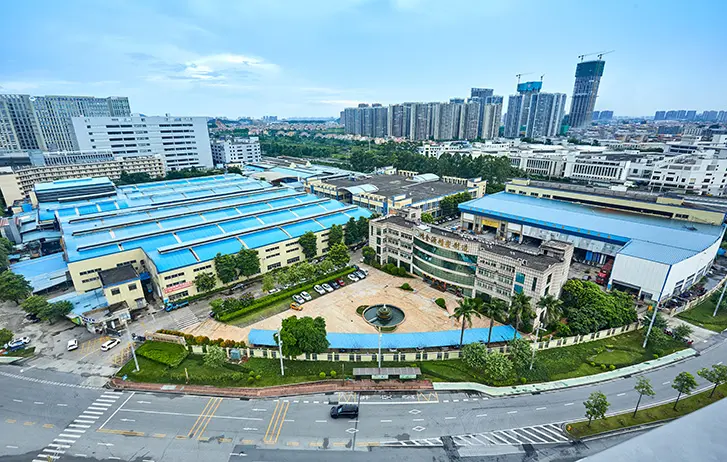
Foshan Golden Source Precision Manufacturing Co., Ltd stands at the interface of material science and precision manufacturing. Providing highly complex geometries, customized anodized finishes, and eco-certified circular supply chains, we ensure that modern procurement groups meet both performance criteria and rigorous global regulatory demands.
A premier manufacturing powerhouse of engineered aluminum profiles and assemblies since 1991.
Deciphering the shifting market demands for industrial engineering and procurement departments.
Global aerospace, EV, and structural engineering projects are progressively replacing structural steel with high-temper 6XXX and 7XXX series aluminum. This pivot enables dramatic weight reductions without compromising structural yield strength, ensuring lower energy consumption and higher payload metrics.
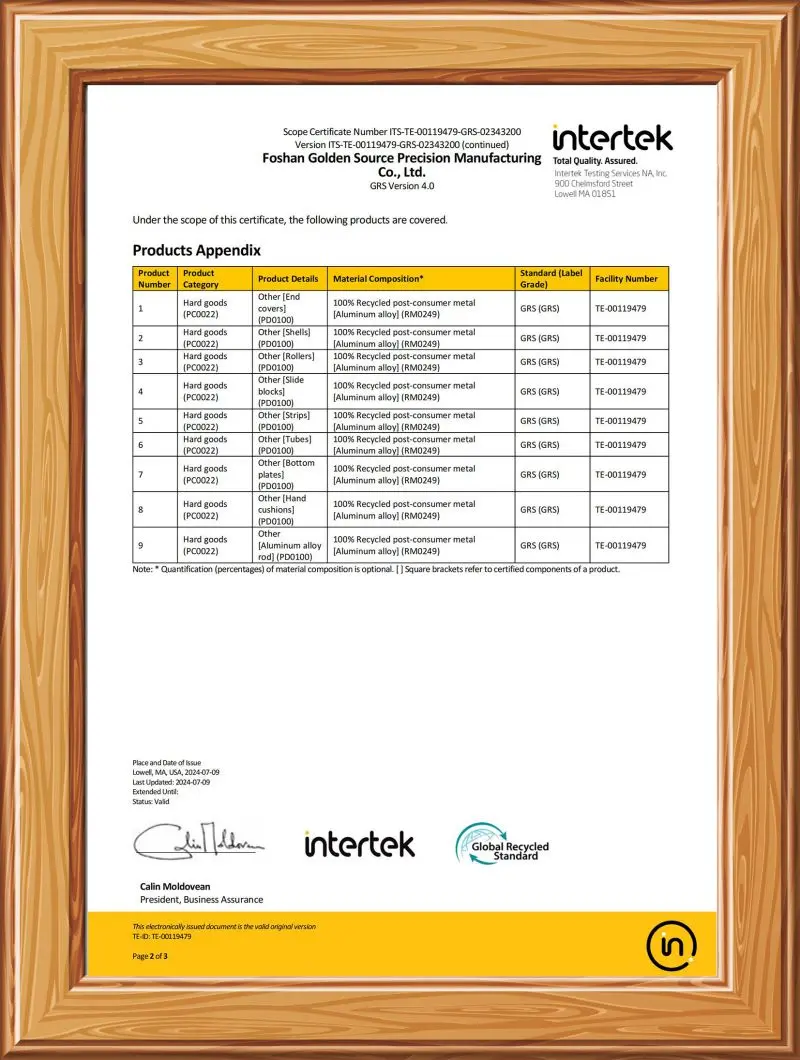
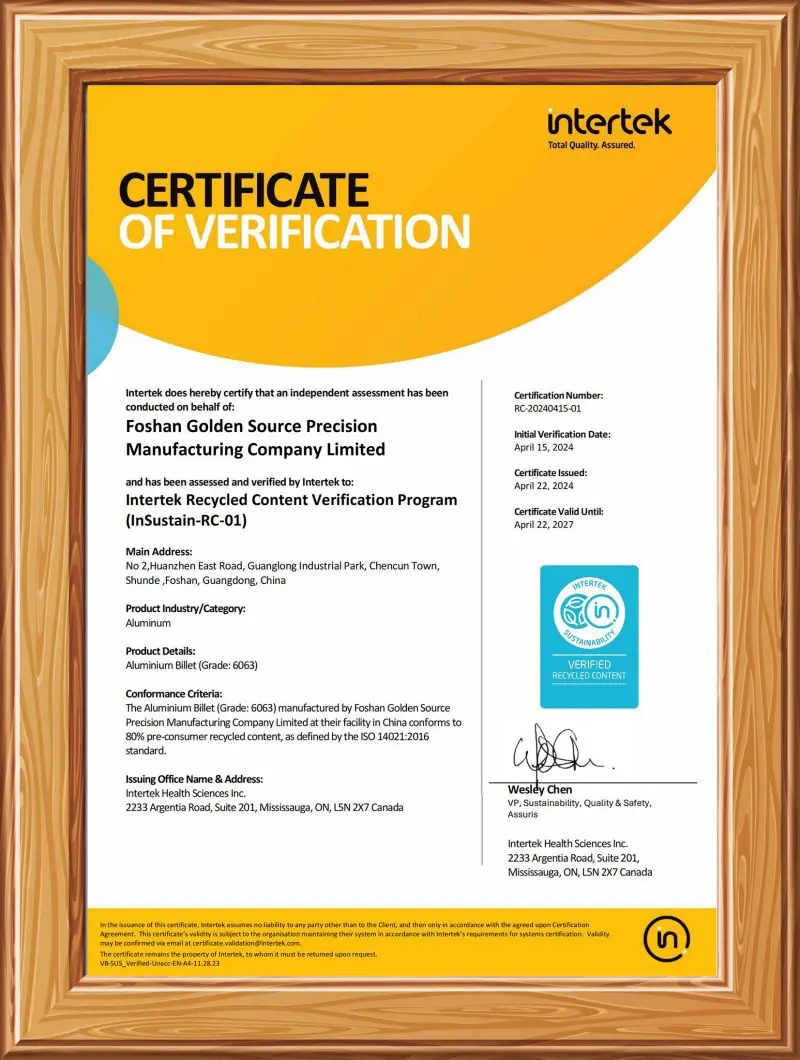
Global procurement teams must comply with rigorous ESG mandates. The Global Recycled Standard (GRS) and European REACH regulations restrict hazardous chemicals and reward products incorporating verifiable pre-consumer and post-consumer recycled aluminum content, minimizing carbon-equivalent footprint metrics.
Modern applications reject standard mill-finish tolerances. OEM systems demand structural elements machined down to +/-0.02mm tolerances. Integrated machining centers execute multi-axis profile drilling, slotting, pocketing, and high-speed tapping directly on the extruded profiles to achieve absolute geometric consistency.
Industrial applications operating under extreme outdoor conditions demand advanced surface protection. Solutions like electrolytic bronze anodizing, architectural powder coating, and micro-abrasive sandblasting are engineered to resist chemical cleaners, marine humidity, and long-term UV radiation.
Vertical integration ensures superior material purity, structural consistency, and highly competitive pricing models.
We melt and cast the alloy in-house, enabling us to adjust chemical compositions precisely to achieve the highest physical properties, microstructural uniformity, and optimal alloy purity required for pristine anodizing finishes.
Machining and surface treatments are conducted in-house. This comprehensive control cycle reduces transit handling, improves consistency, minimizes defect rates, and cuts redundant production costs to offer optimized unit pricing.
Our synchronized one-stop manufacturing system enables streamlined design-to-delivery workflows, eliminating traditional supply chain gaps and shortening lead times on both custom prototyping and high-volume extrusion runs.
Leveraging digitalization and complete industrial clusters to secure continuity in global procurement operations.
The modern geopolitical landscape dictates that supply chain reliability is just as critical as raw component cost. At our manufacturing facility in Foshan, China, we have fully embraced the principles of Industry 4.0 to insulate our clients from manufacturing bottlenecks. Our production line is managed by centralized systems that dynamically track extrusion speeds, cooling profiles, and chemical tank concentrations for anodizing. This high degree of process control ensures that the tenth-thousandth part possesses identical material properties and surface characteristics to the first production sample.
Our integration goes beyond basic machining. Located in the heart of China’s premier industrial manufacturing cluster, we have direct, immediate access to high-purity aluminum ingots, custom dye developers, specialized tooling workshops, and deep-water ports. This dense regional supply chain ecosystem reduces transport costs and buffers our factory against global market disruptions.
Additionally, our eco-investments conform to the carbon neutral initiatives of modern multinational firms. Our in-house casting facility integrates heat-recovery and particulate filters, while our closed-loop wastewater management recycling system minimizes environmental impact. These investments guarantee that global procurement departments can source from us without violating internal corporate ESG metrics or EU carbon adjustment borders.
Anodized structural brackets, aesthetic trim profiles, and structural supports designed to endure high vibration levels, exposure to road salts, and fluctuating temperature extremes.
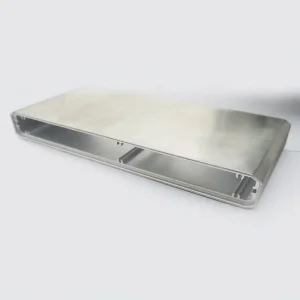
Precision-milled keyboard enclosures, printer framing, and optical mounts prioritizing tactile feedback, microscopic fitments, and sandblasted cosmetic surfaces.
Structural support members extruded from weather-resistant 6063-T6, treated with marine-grade anodizing to survive continuous solar radiation and high wind shear.
Rigorous quality processes and environmental standards validated by globally recognized agencies.
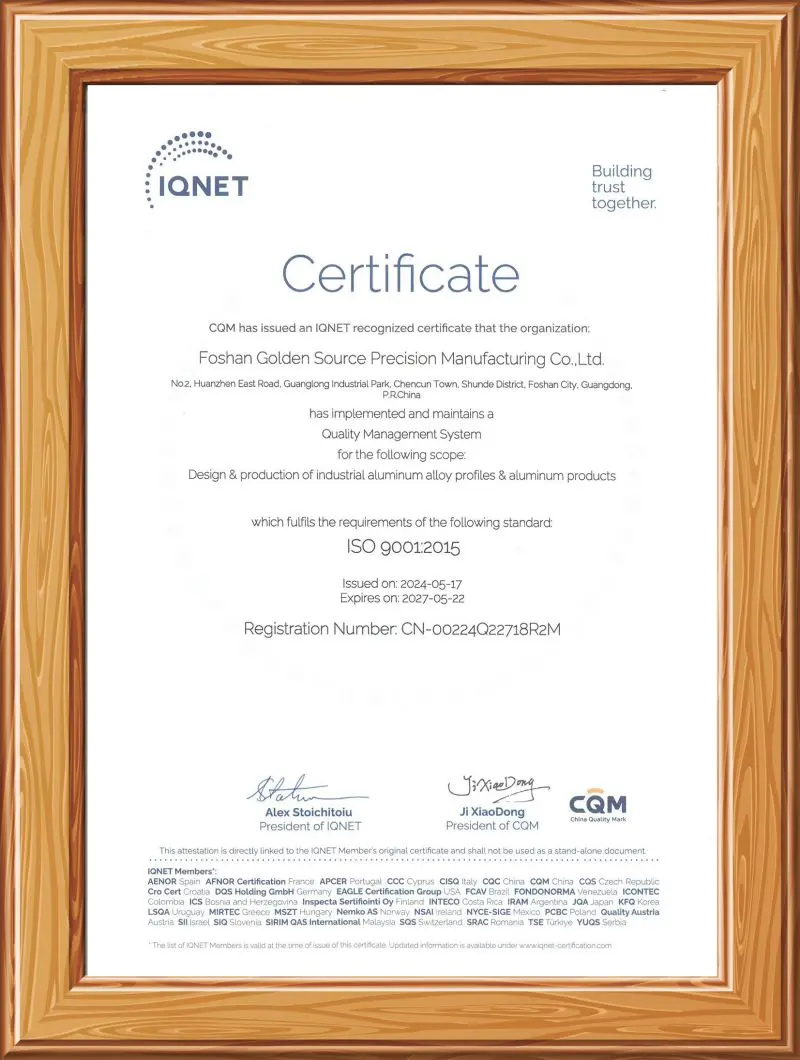
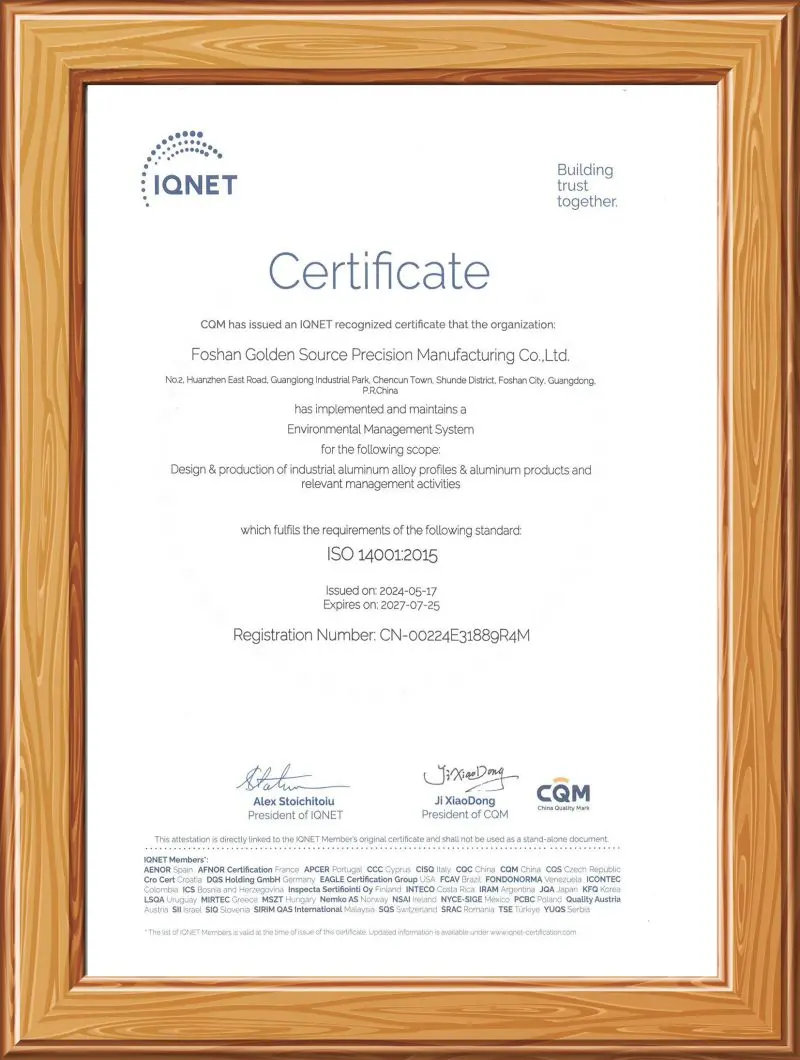
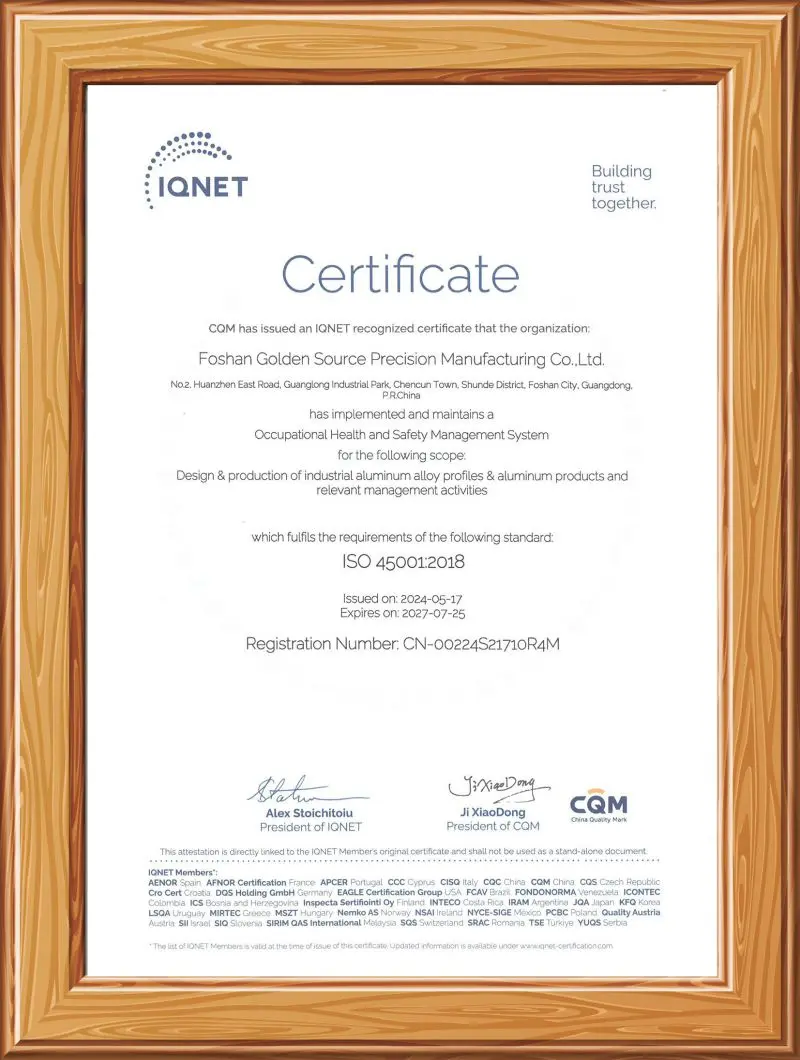
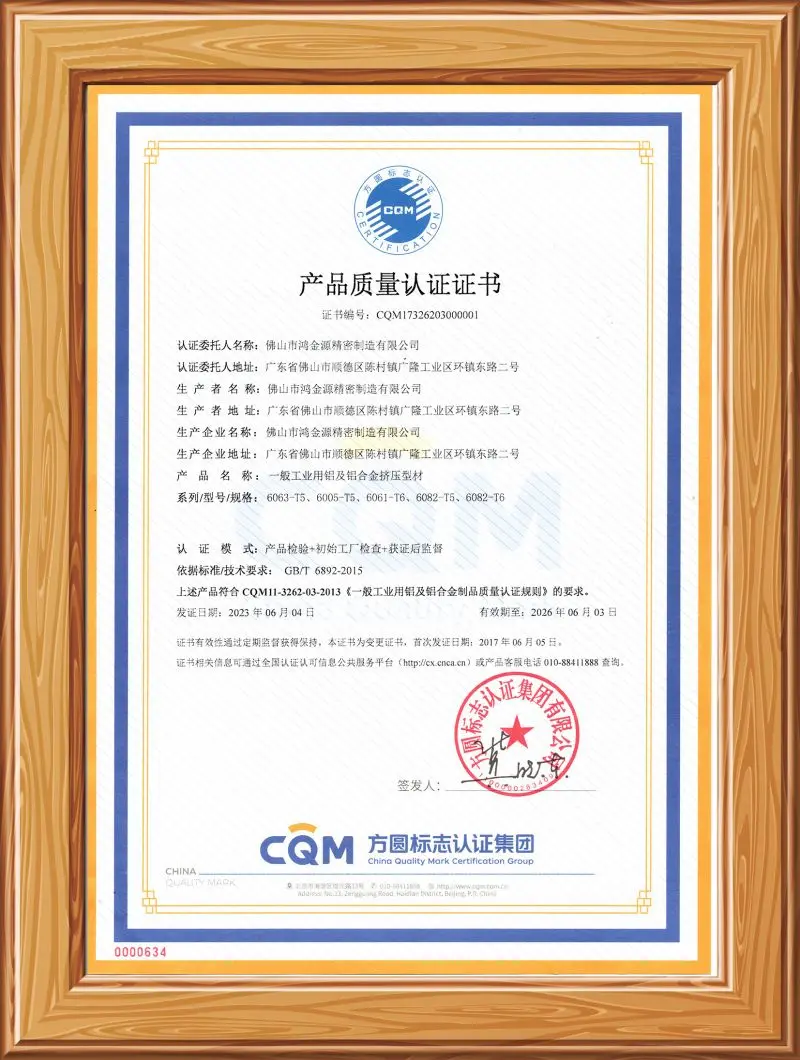
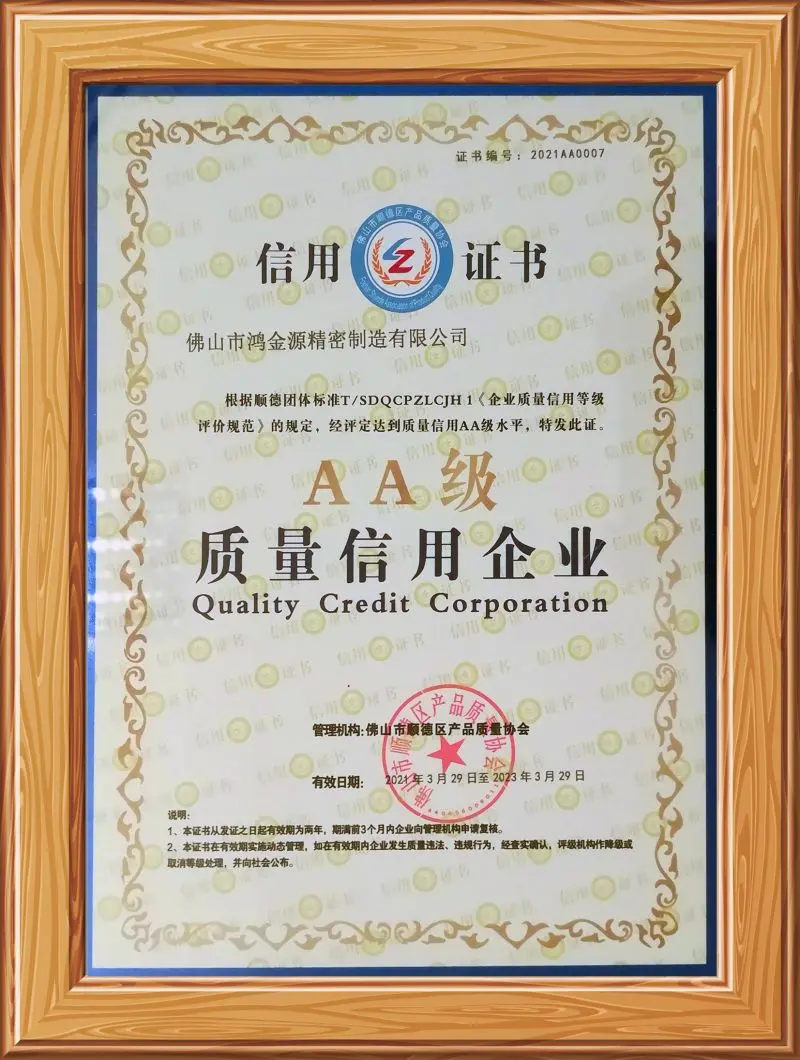
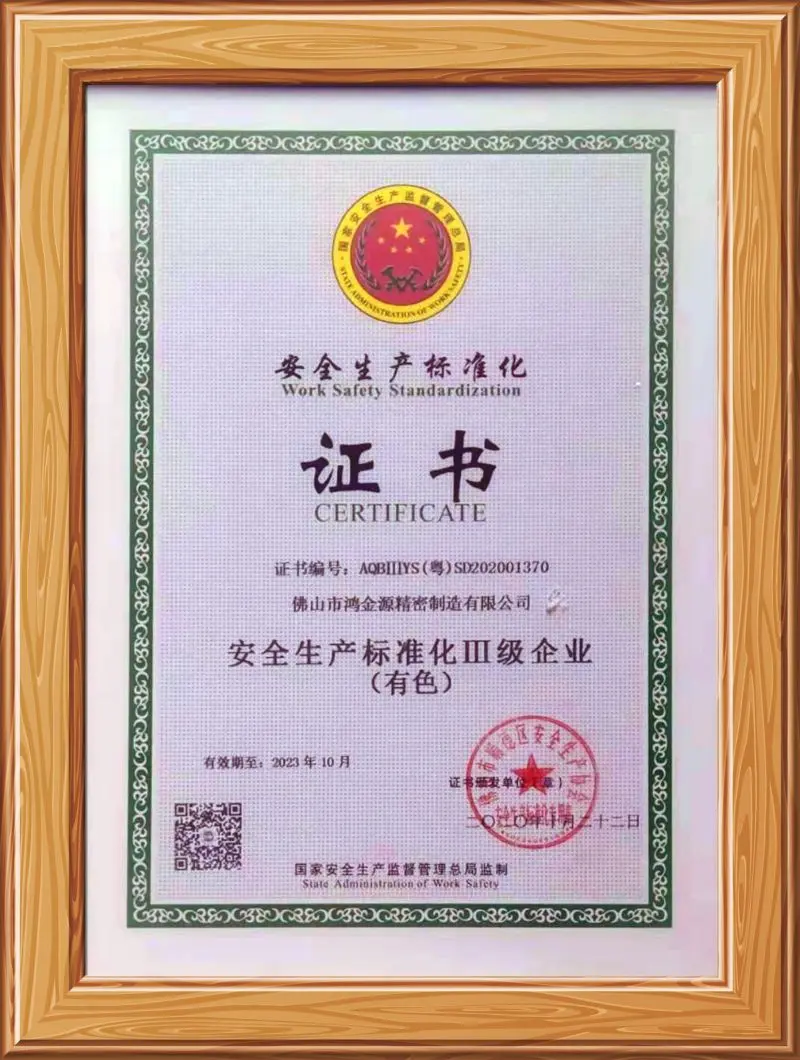
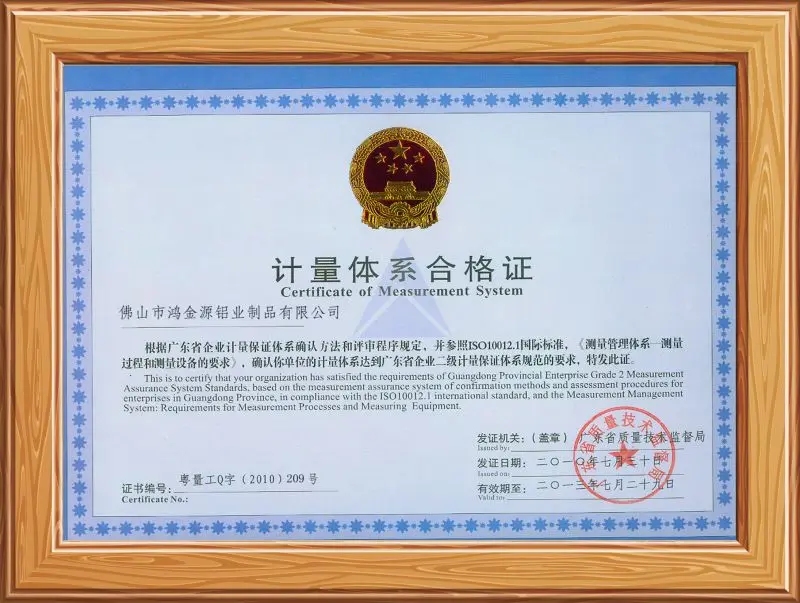
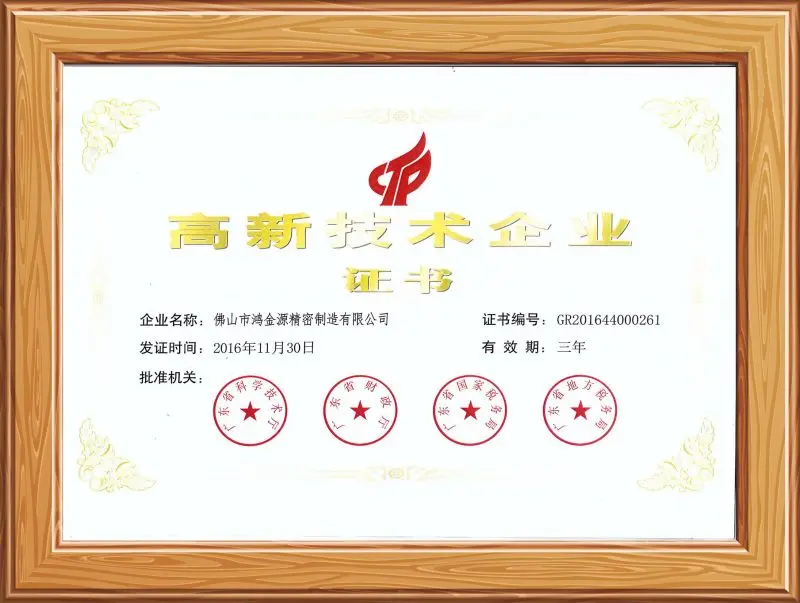
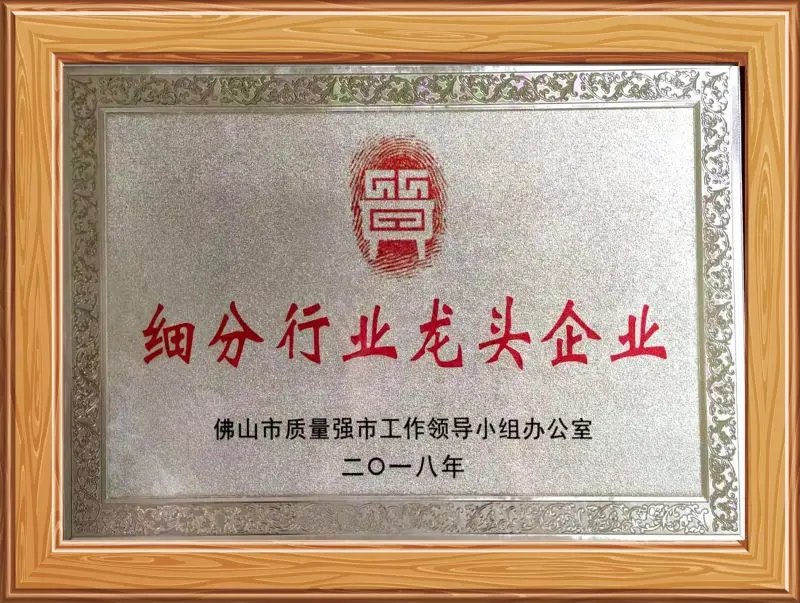
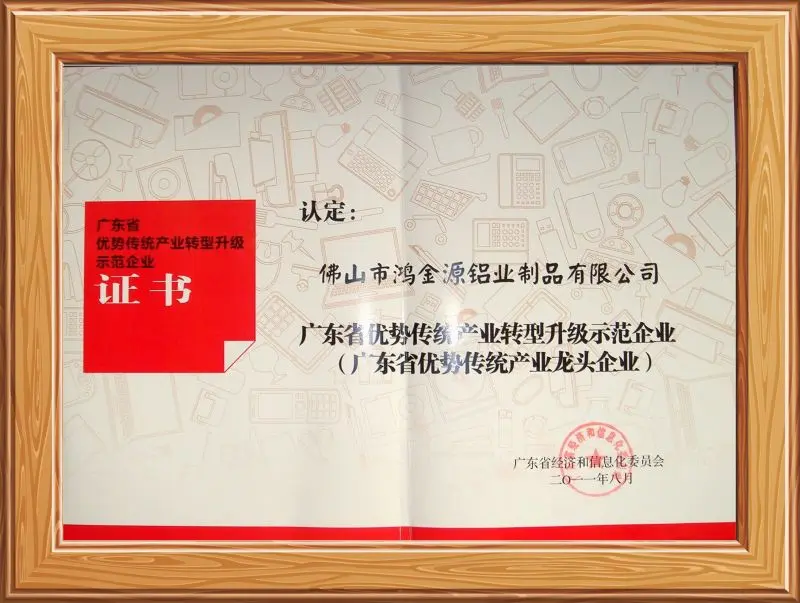
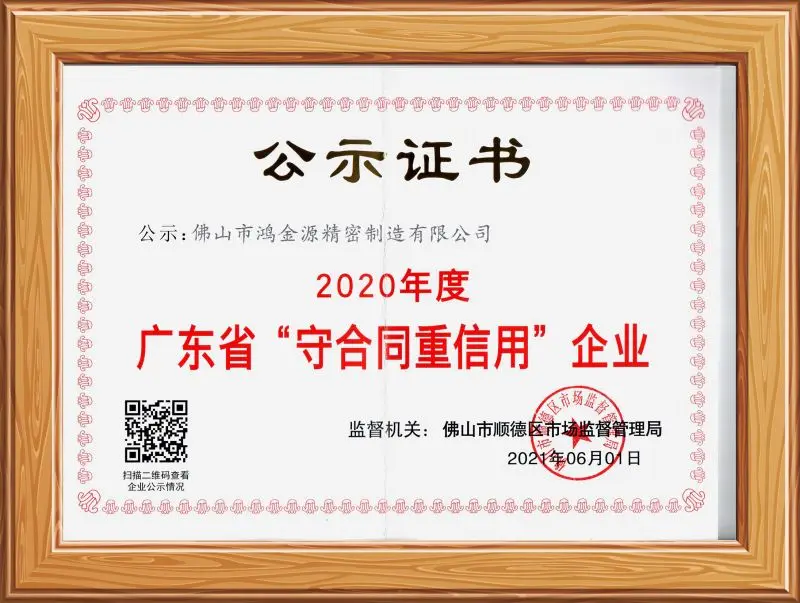
We maintain compliance with environmental regulations including the EU's REACH standards and have achieved ISO9001 (Quality Management), ISO14001 (Environmental Management), ISO45001 (Occupational Health & Safety), as well as GRS (Global Recycled Standard) and RCV certification.
Technical and logistics questions answered by our engineering and sales estimation teams.
Select custom structural mounts, lock assemblies, laser cut components, and outdoor enclosures.
 HG Precision