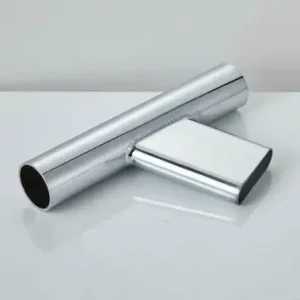
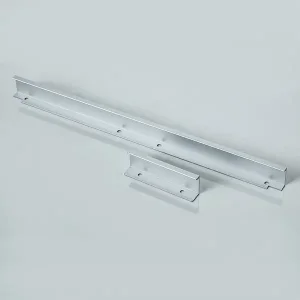
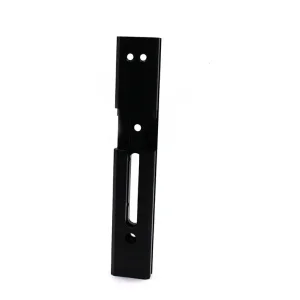
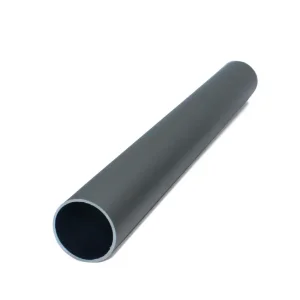
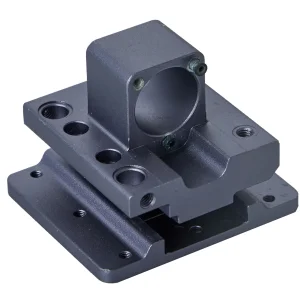
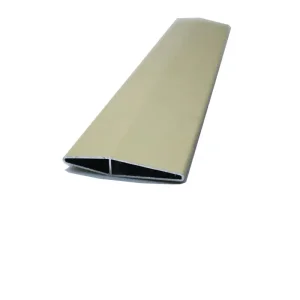
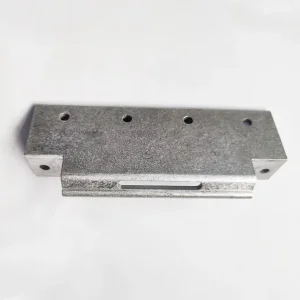
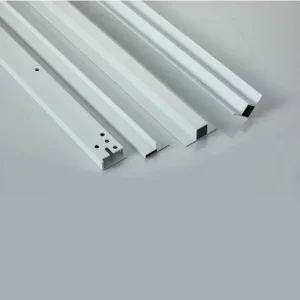
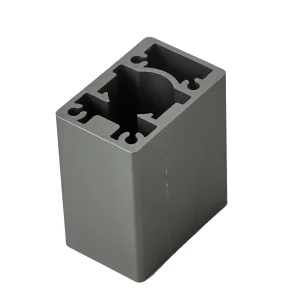
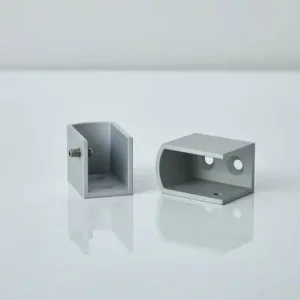
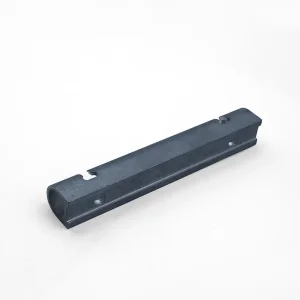
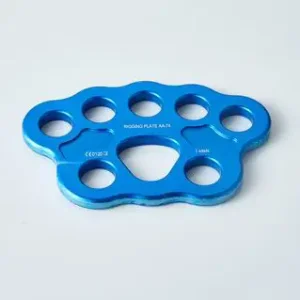
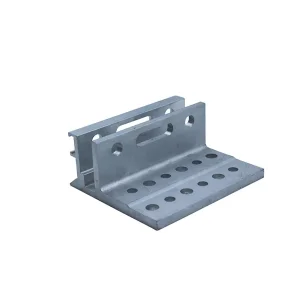
Direct from our advanced fabrication facilities: high-strength extrusions, structural brackets, and specialized assemblies engineered to global OEM standards.
In the modern automotive and outdoor utility industries, the roof rail rack has transitioned from a mere utility add-on to an essential structural component. Today’s automotive OEMs face conflicting design imperatives: decreasing vehicular aerodynamic drag, ensuring rigid crashworthiness safety, and maximizing payload capacity. With the explosive growth of the overlanding lifestyle, commercial logistics fleets, and electric vehicles (EVs), the demand for high-strength, lightweight, and aerodynamically optimized aluminum roof rail systems has surged.
As a key tier-1 and tier-2 supply partner, an expert OEM Roof Rail Rack Factory must deliver structural profiles capable of withstanding dynamic wind shear, heavy load stress, and harsh atmospheric exposure. The market dictates systems that integrate seamlessly with the vehicle’s body-in-white (BIW), offering structural integrity without adding dead weight that compromises EV battery range or internal combustion engine efficiency.
Engineered to achieve a minimal coefficient of drag ($C_d$). Specialized extrusion shapes redirect airflow, mitigating cabin noise and preventing range degradation on electric vehicle architectures.
Manufactured utilizing premium 6XXX and 7XXX series aluminum alloys. Our roof rail racks offer maximum yield strength and load carrying capabilities under extreme dynamic conditions.
Tested under ASTM B117 salt spray standards. Surface treatments ensure exceptional UV protection, scratch resistance, and protection against galvanic and atmospheric corrosion.
How modern material science and structural analysis shape the next generation of modular roof rail systems.
Before metal is extruded, our engineering team uses computational fluid dynamics (CFD) and FEA to model mechanical load stress points. This virtual prototyping minimizes thickness in low-stress zones to save weight, while reinforcing mounting junctions to guarantee safety during high g-force deceleration events.
By regulating alloying elements (Magnesium and Silicon in 6063/6061 systems, and Zinc in 7075 systems), we fine-tune the mechanical properties. Utilizing proprietary T5 and T6 heat-treatment profiles, we increase the ultimate tensile strength of the extruded sections, making them resilient to structural deformation.
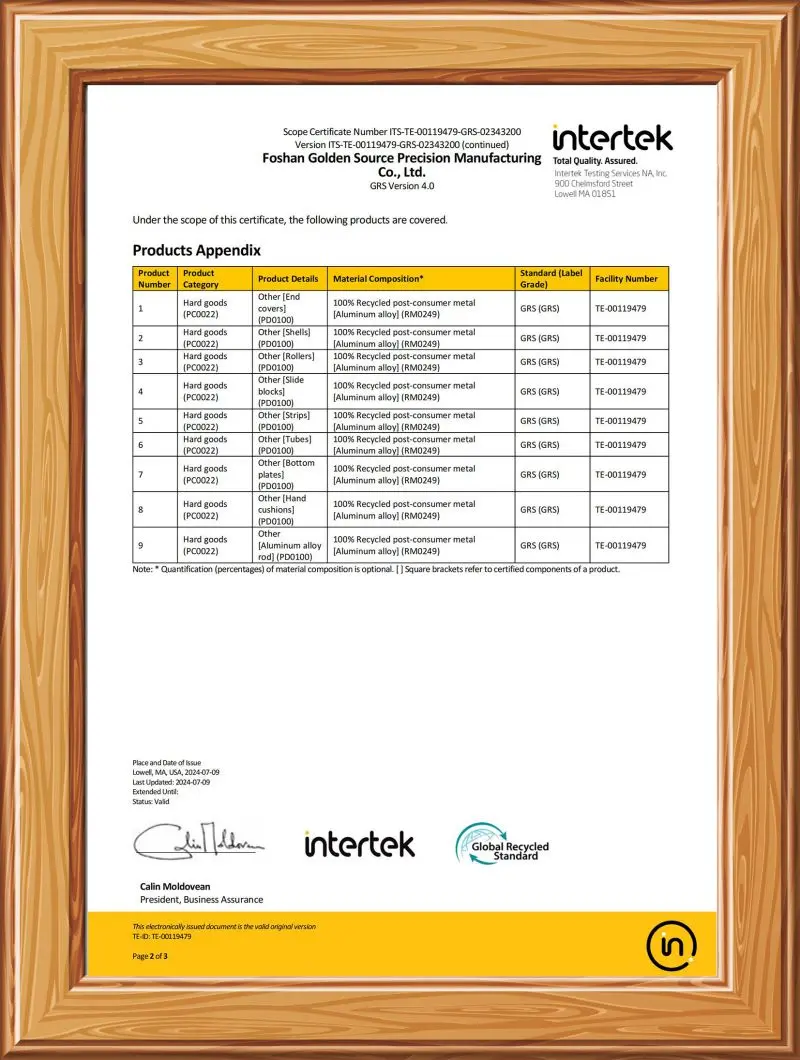
Future utility racks are shifting toward smart modules. We are actively developing profiles with integrated wiring channels for off-road lighting and solar array arrays, alongside incorporating recycled aluminum certified under Global Recycled Standard (GRS) to minimize carbon footprints.
Tailoring structural solutions to environmental, commercial, and geographical needs.
Designed for Australia, North America, and South Africa's rugged terrains. Structural profiles are built to support roof tents, fuel cells, and heavy gear. They are engineered to endure continuous low-frequency vibrations without structural cracking.
Specifically configured for the electric vehicle market. In this sector, minimizing wind drag is critical. Utilizing low-profile flush rails integrated directly into the vehicle roofline allows manufacturers to maximize aerodynamics and maintain battery efficiency.
Heavy-duty, functional ladder racks and tool organizers engineered for utility vans and service fleets in European and Asian metro centers. Prioritizing rapid mounting mechanisms, ergonomic loading heights, and durable hardware.
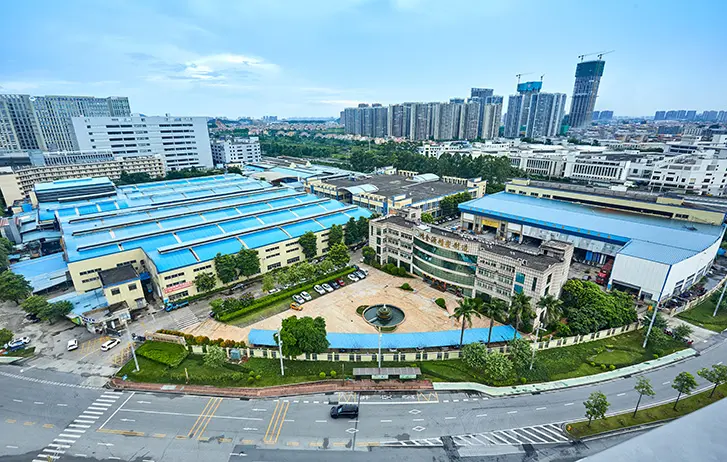
Operating since 1991, offering one-stop precise aluminum manufacturing across a modern 73,000 square meter facility.
Foshan Golden Source Precision Manufacturing Co., Ltd. is a leading manufacturer specializing in customized, high-strength, and high-precision aluminum profiles, precisely machined components, welded structures, and complex sub-assemblies. With a state-of-the-art production base covering over 73,000 square meters, we provide a complete, vertically integrated production ecosystem under one roof.
Our capabilities span the entire manufacturing cycle: from customized alloy melting and casting to mold design & development, high-capacity extrusion, precise multi-axis CNC machining, advanced structural welding, surface treatment, and final assembly. Our production catalog spans 1XXX, 3XXX, 5XXX, 6XXX, and 7XXX series alloys, enabling us to serve rigorous fields like automotive engineering, rail transit, green energy, industrial components, and high-end furniture.
Why leading global brands choose us for structural aluminum and OEM parts.
We melt the alloy in-house, enabling us to adjust chemical compositions precisely. This control allows us to achieve optimal physical properties for specific extrusion shapes and ensure superior metal purity for high-quality anodizing.
Machining and surface treatment are managed completely in-house. This centralized control guarantees strict quality oversight and minimizes production costs, allowing us to offer competitive pricing without sacrificing component quality.
Our comprehensive, one-stop manufacturing workflow streamlines communication, mold building, and final assembly, resulting in shorter lead times and faster delivery to client sites worldwide.
Ensuring compliance with international standards and strict environmental regulations.
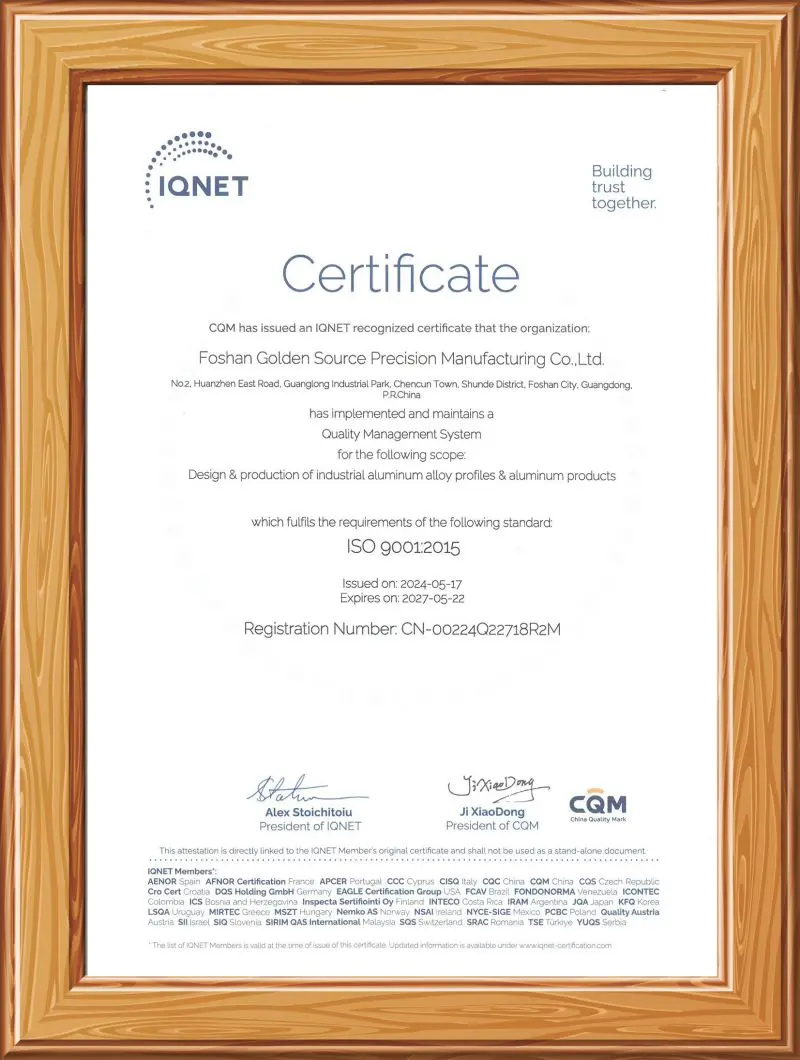
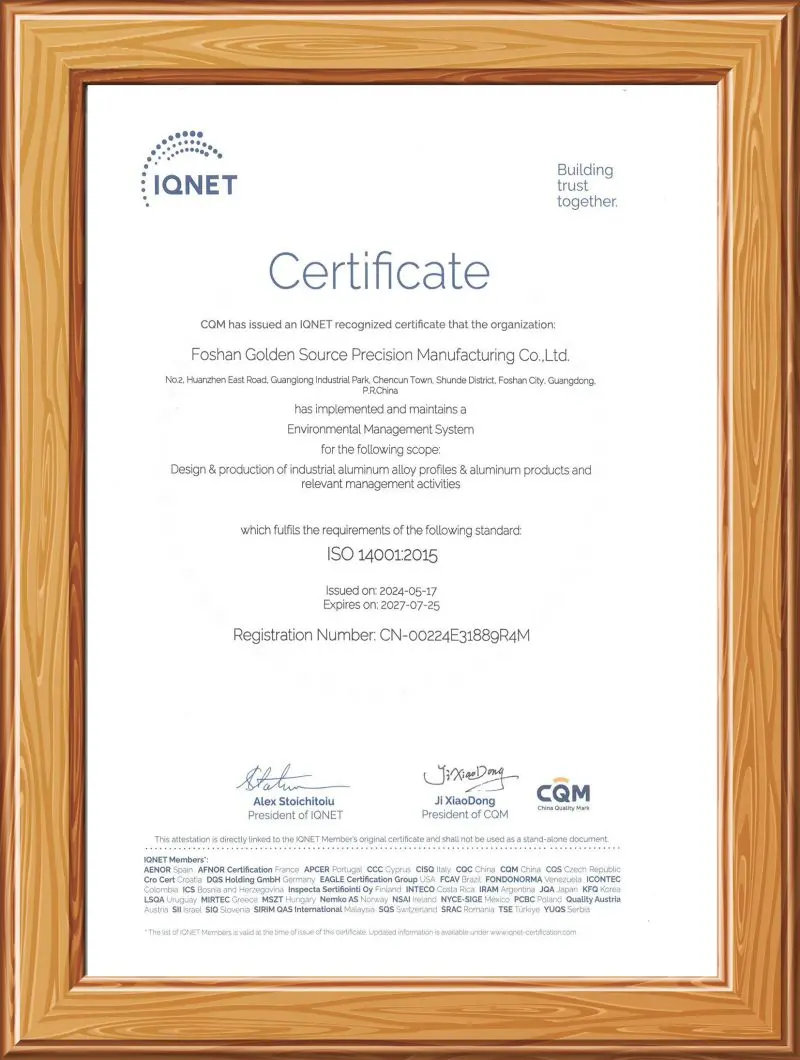
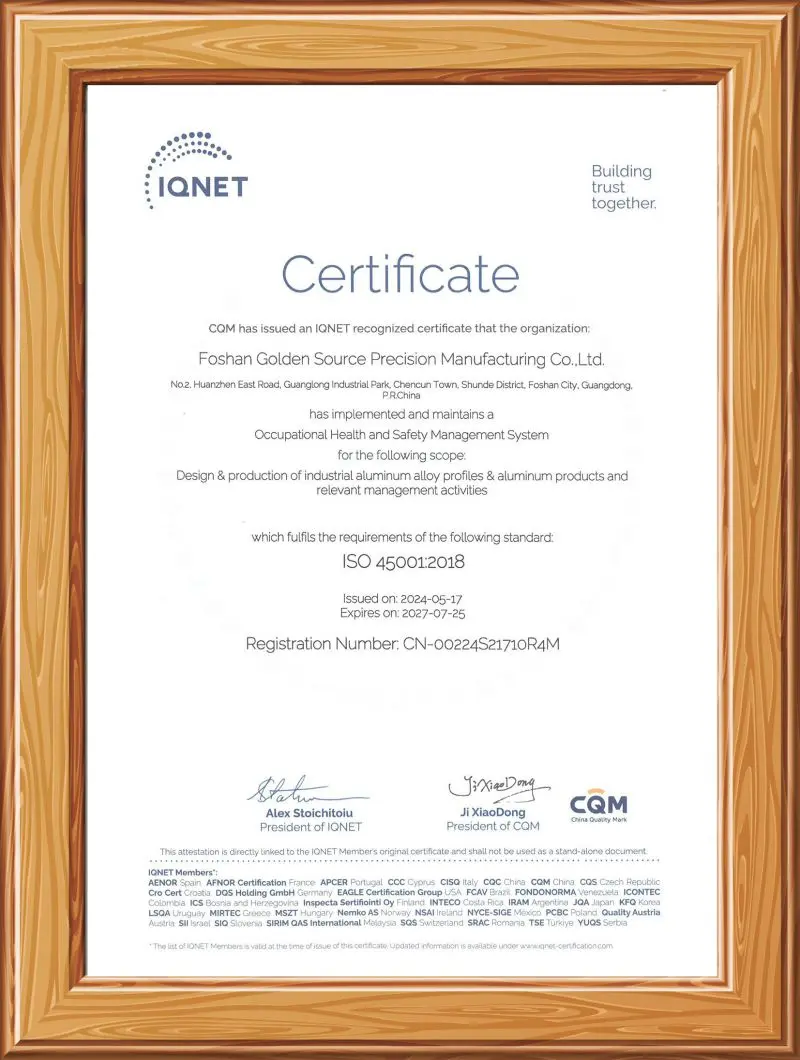
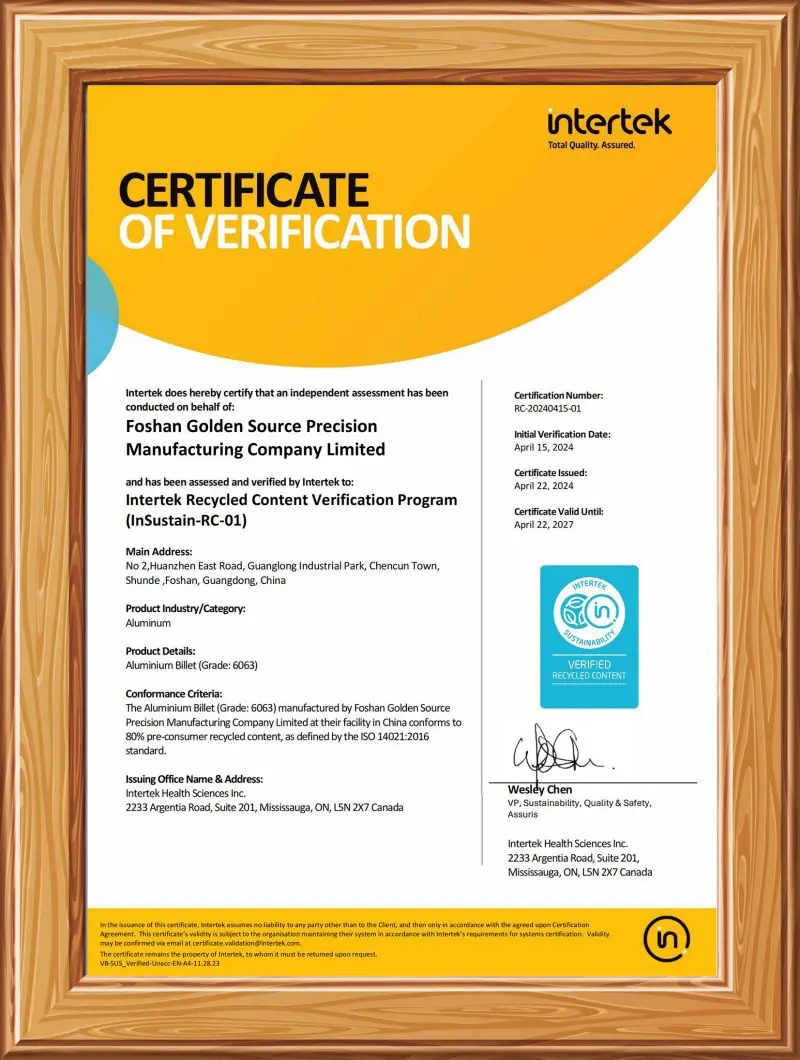
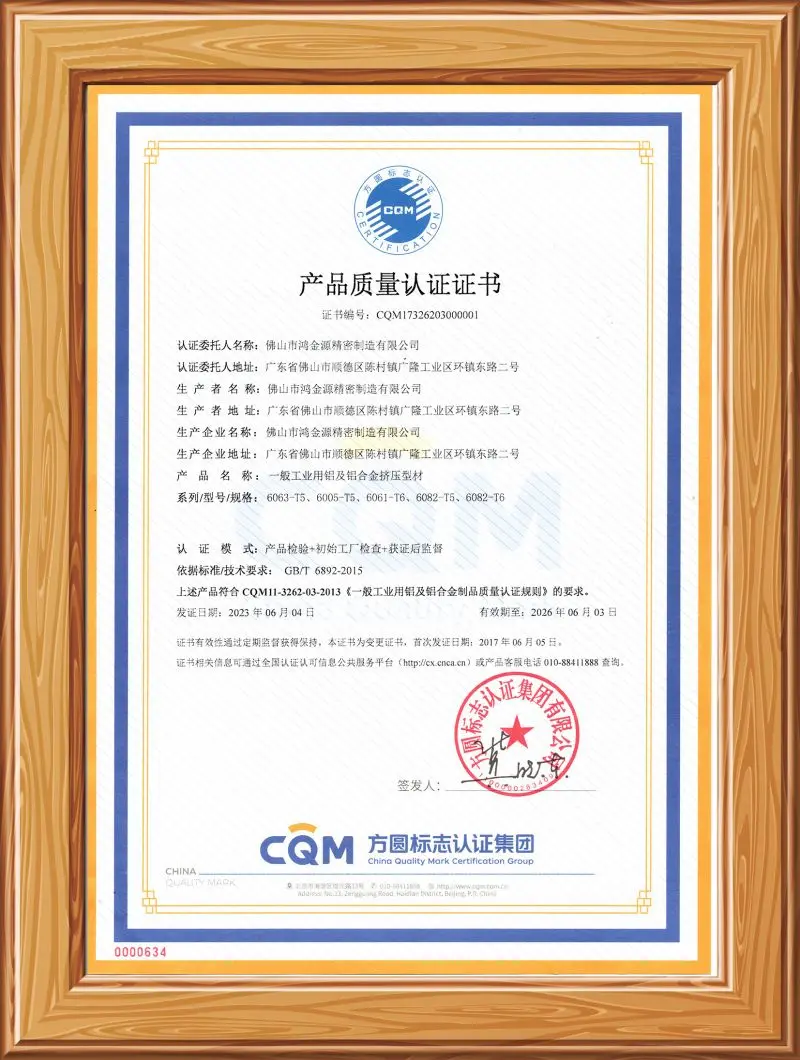
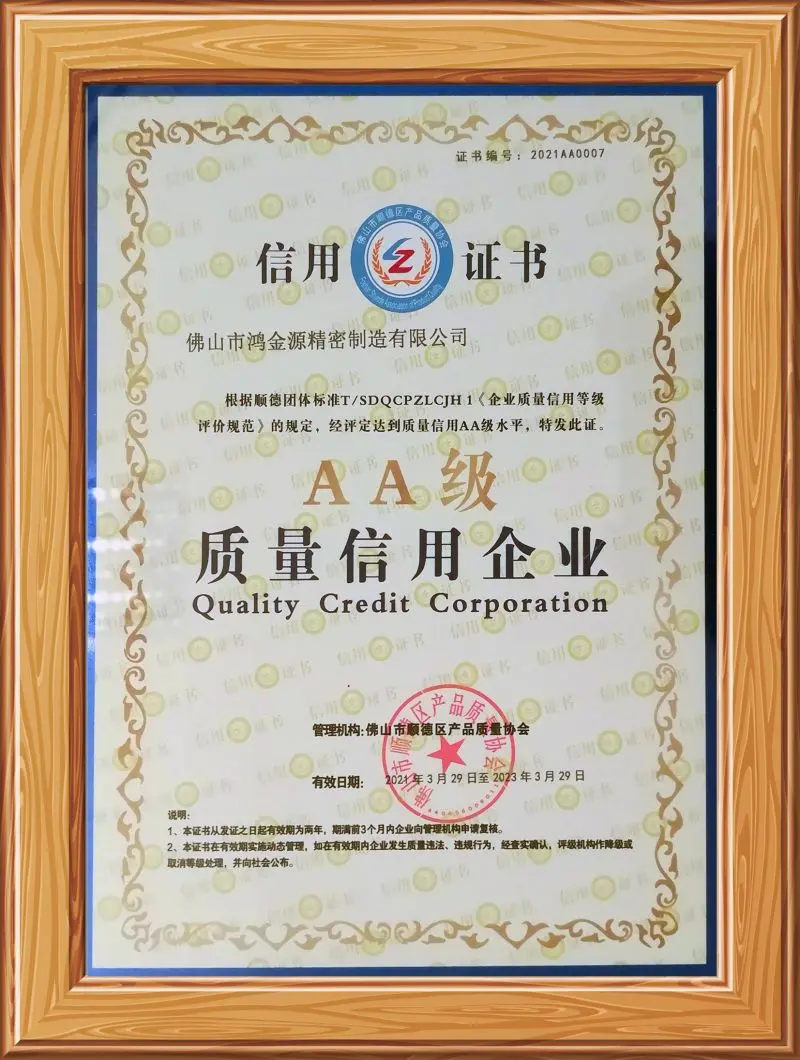
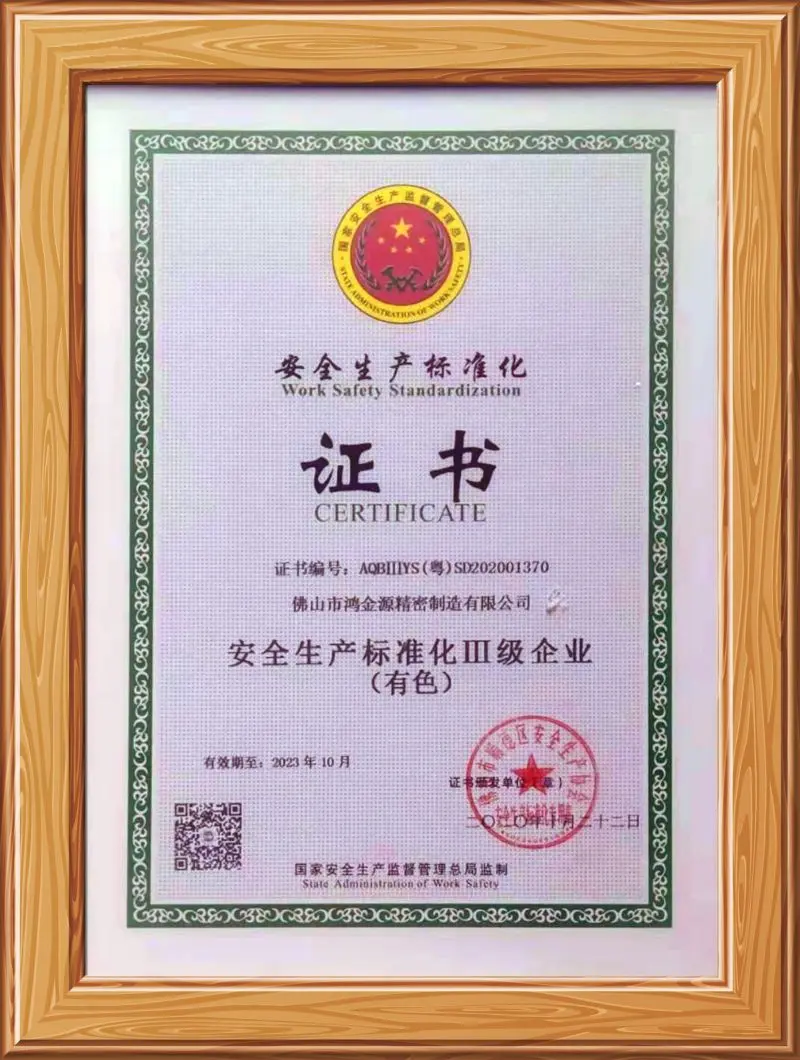
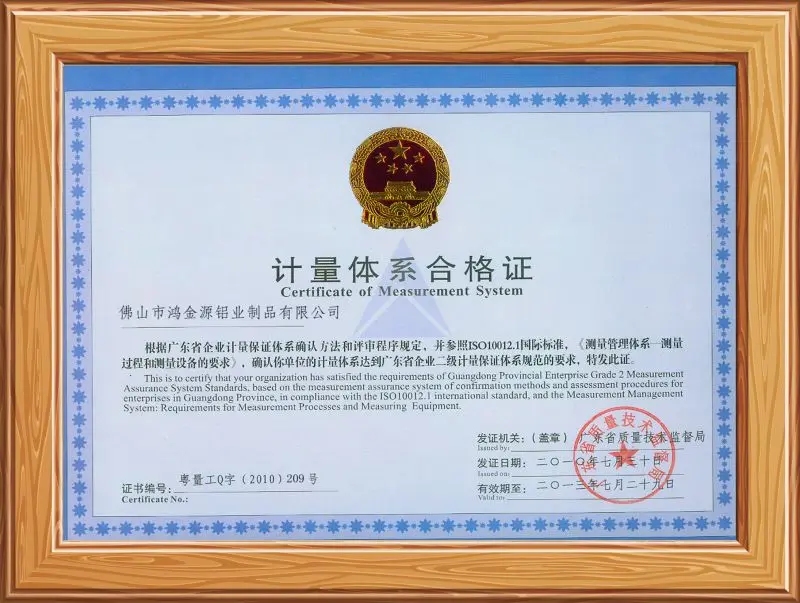
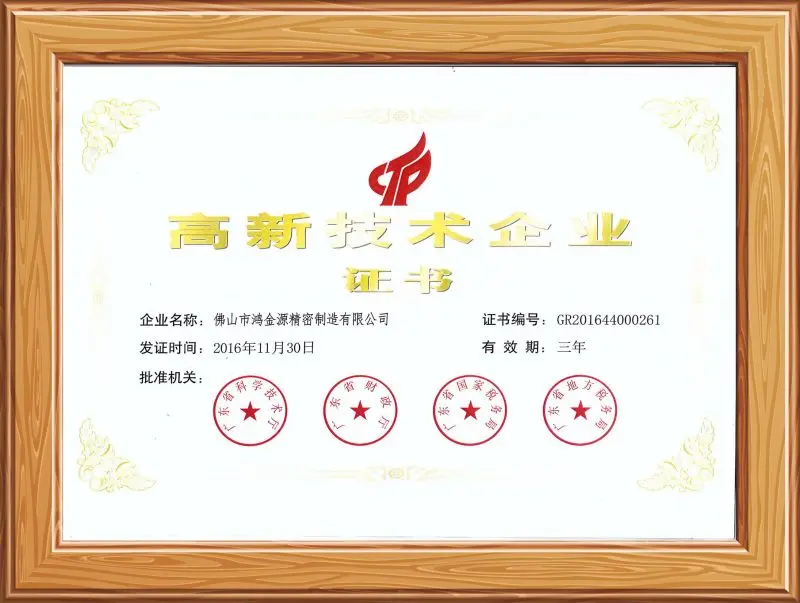
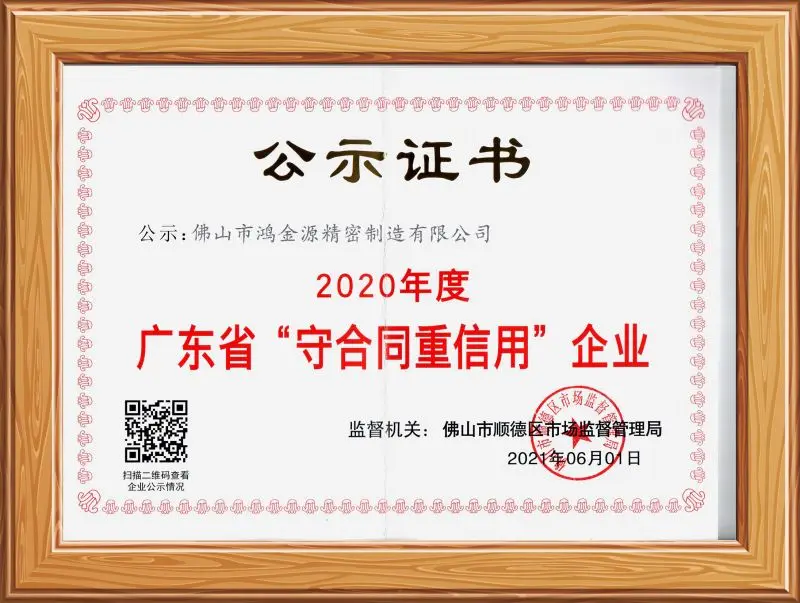
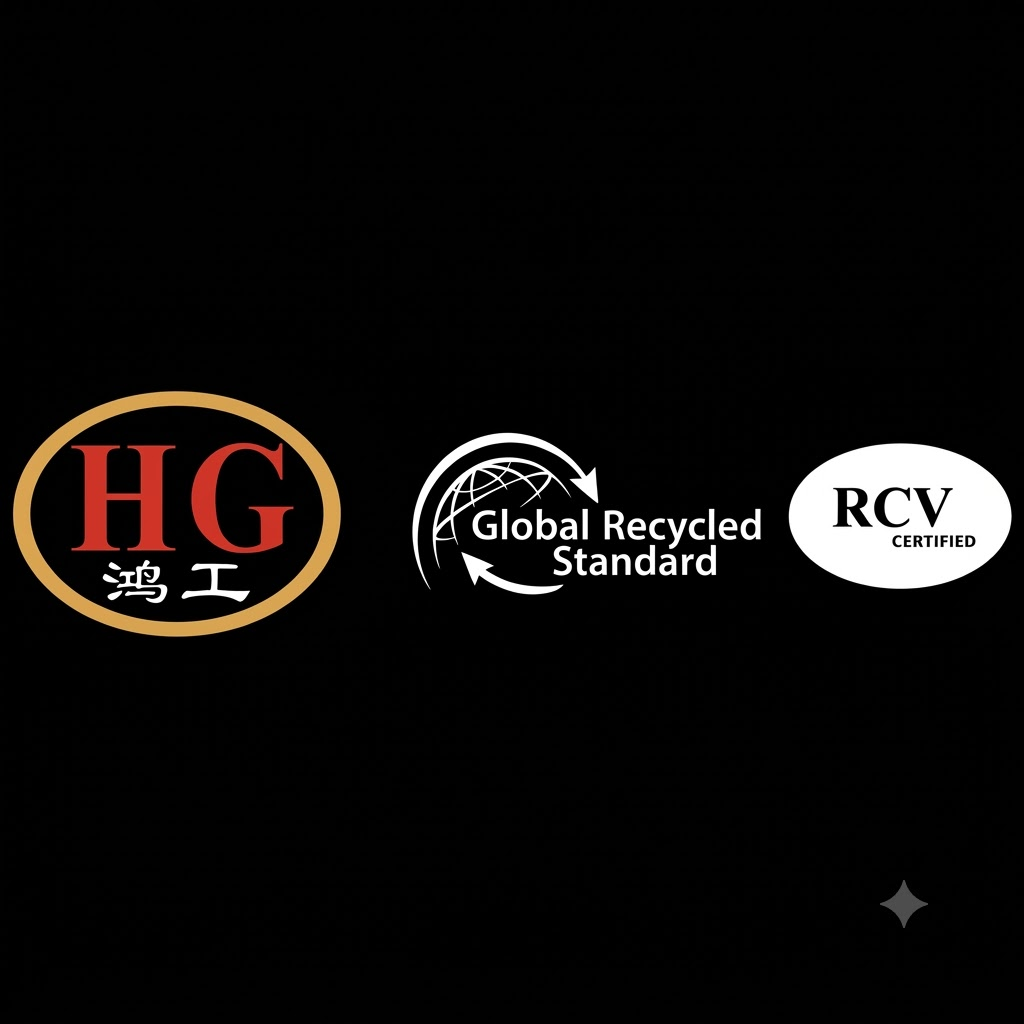
Our quality system is certified under ISO 9001, ISO 14001, and ISO 45001. Furthermore, to address evolving global environmental requirements and strict EU environmental policies, we have acquired newer, advanced certifications, including GRS (Global Recycled Standard) and RCV. This ensures all aluminum components comply with REACH and RoHS regulations, protecting your supply chain from regulatory liabilities.
Detailed technical answers to common queries regarding engineering, testing, and volume production.
Explore our full line of precise OEM components, brackets, hinges, and custom hardware.
 HG Precision