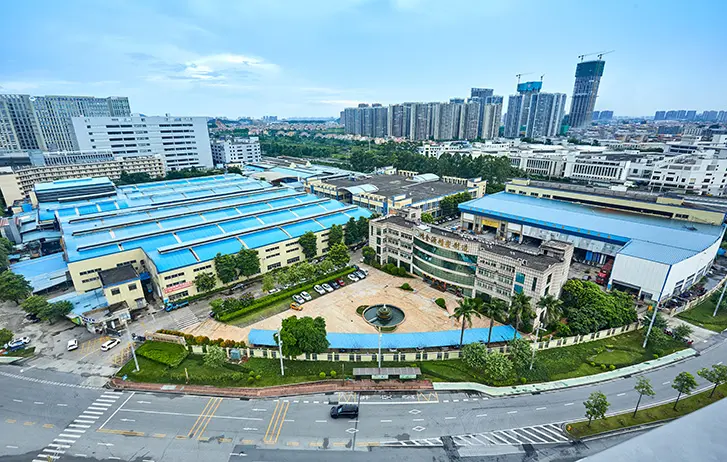
Engineered to precise geometries with industry-leading surface finishes
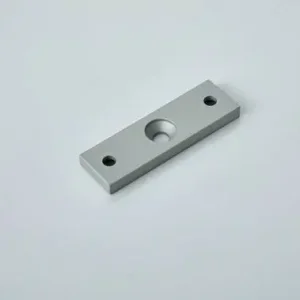
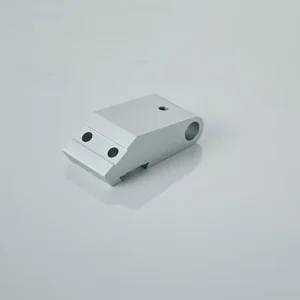
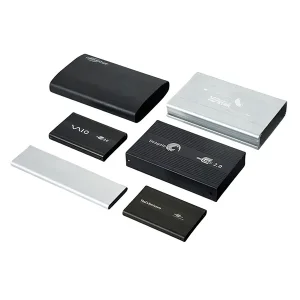
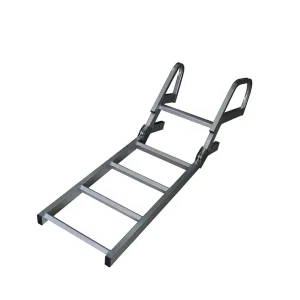
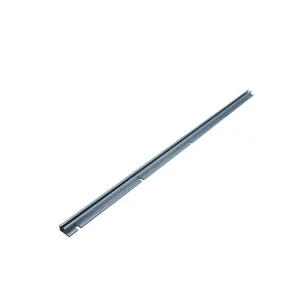
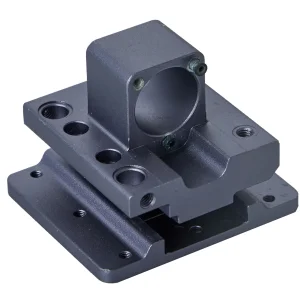
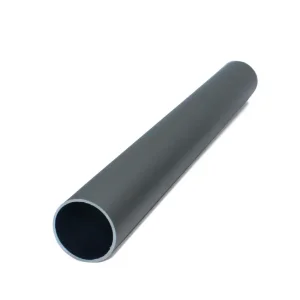
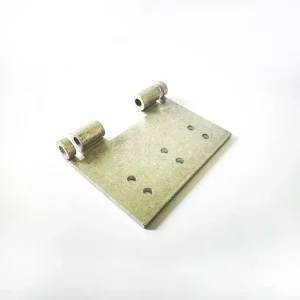
Established in 1991, Foshan Golden Source Precision Manufacturing Co., Ltd. has spent over three decades establishing itself as a premier global manufacturer of high-strength, high-precision customized aluminum profiles and precise machining aluminum parts, welded components, and full-assembly architectural and industrial aluminum systems.
Operating out of a modern, environmentally conscious production base covering an area of over 73,000 square meters, we deliver integrated, one-stop OEM and ODM manufacturing services. Our end-to-end processing ecosystem encompasses alloy casting, mold research & design & structural engineering, aluminum extruding, CNC precision machining, structural welding, final assembly, and highly customized cosmetic surface treatments.
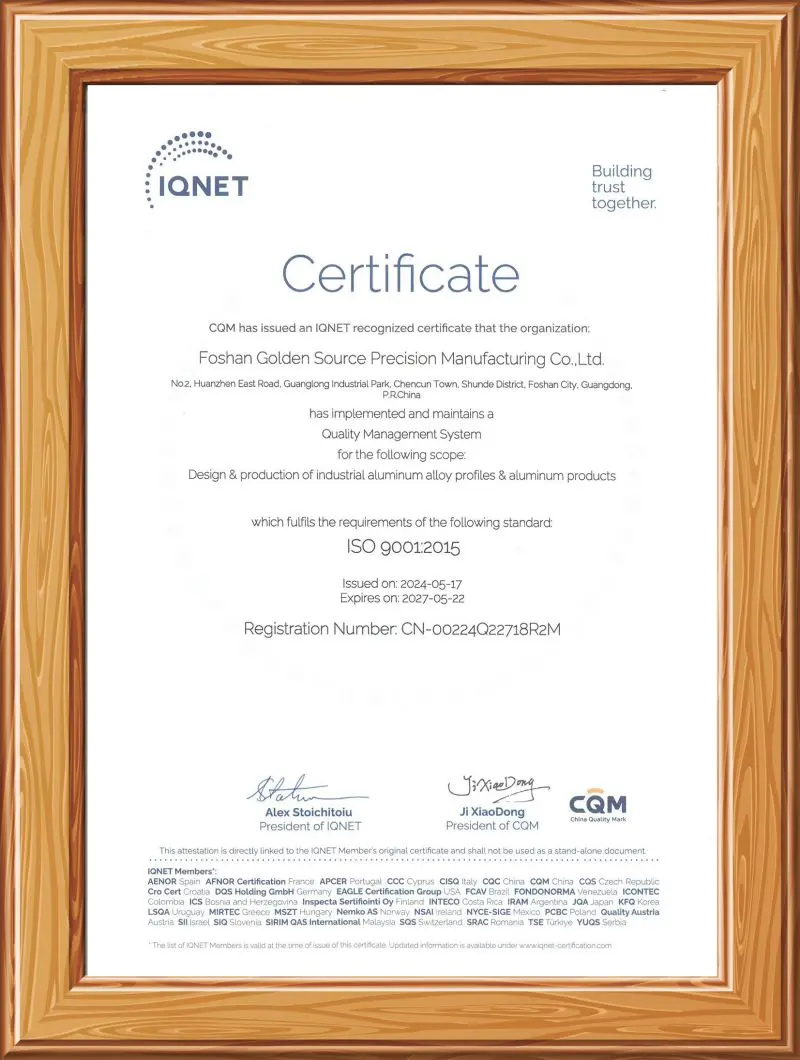
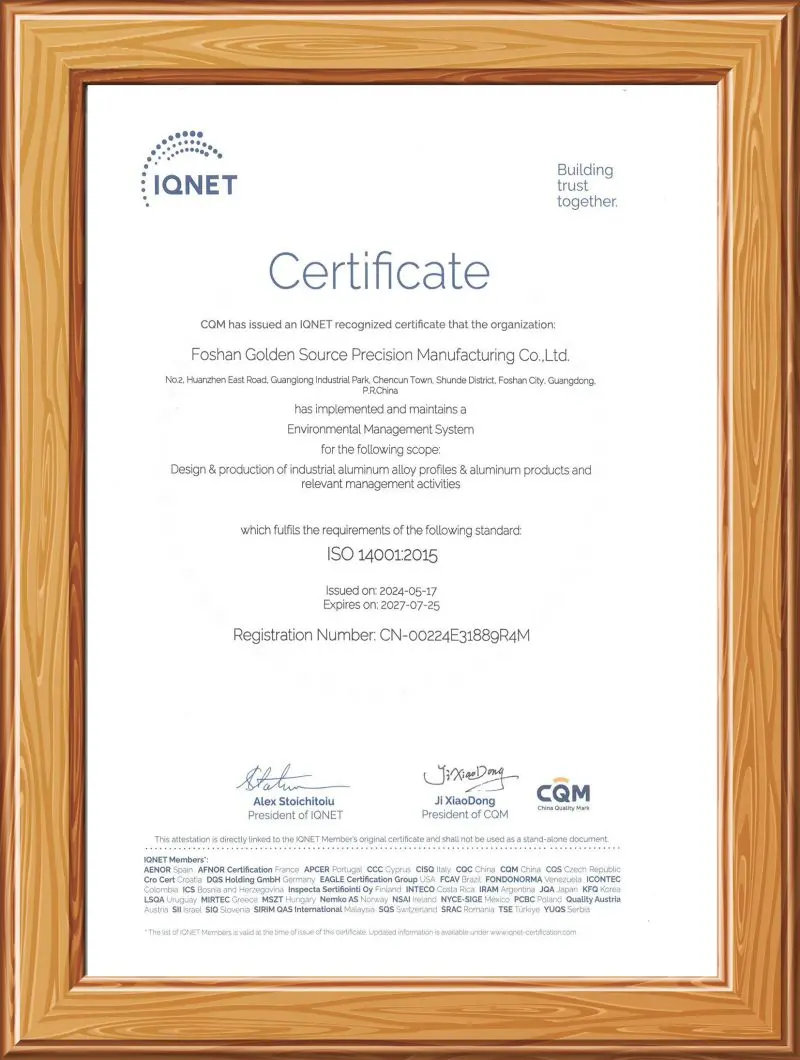
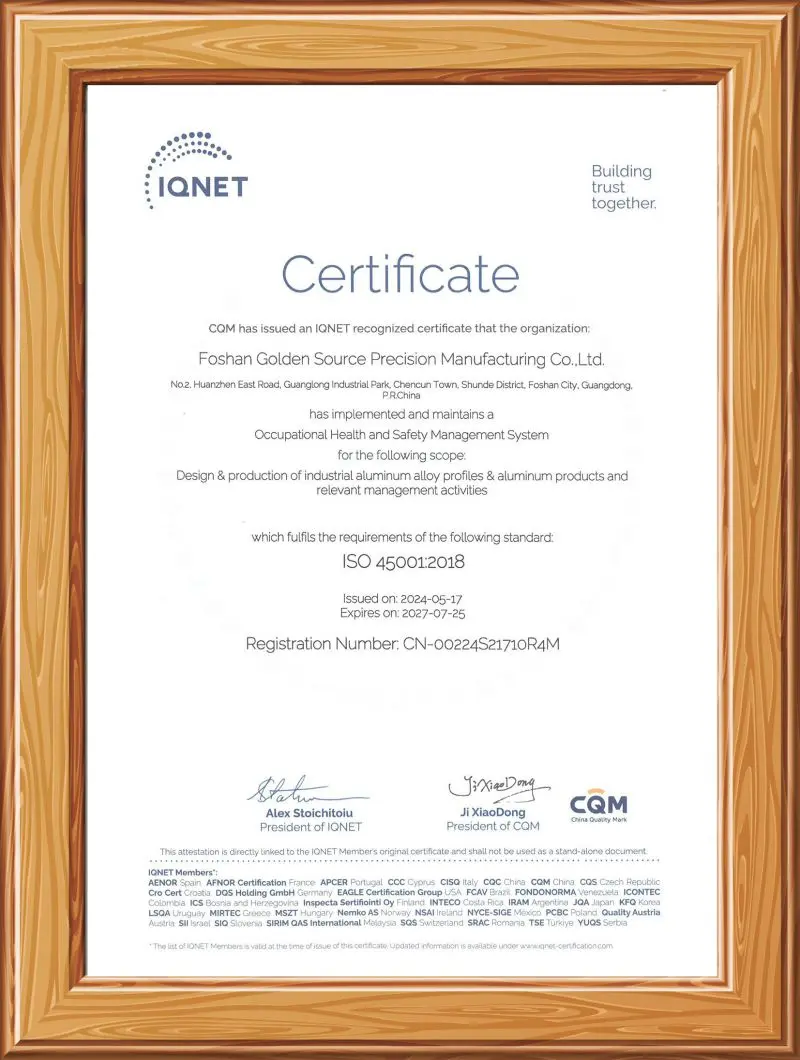
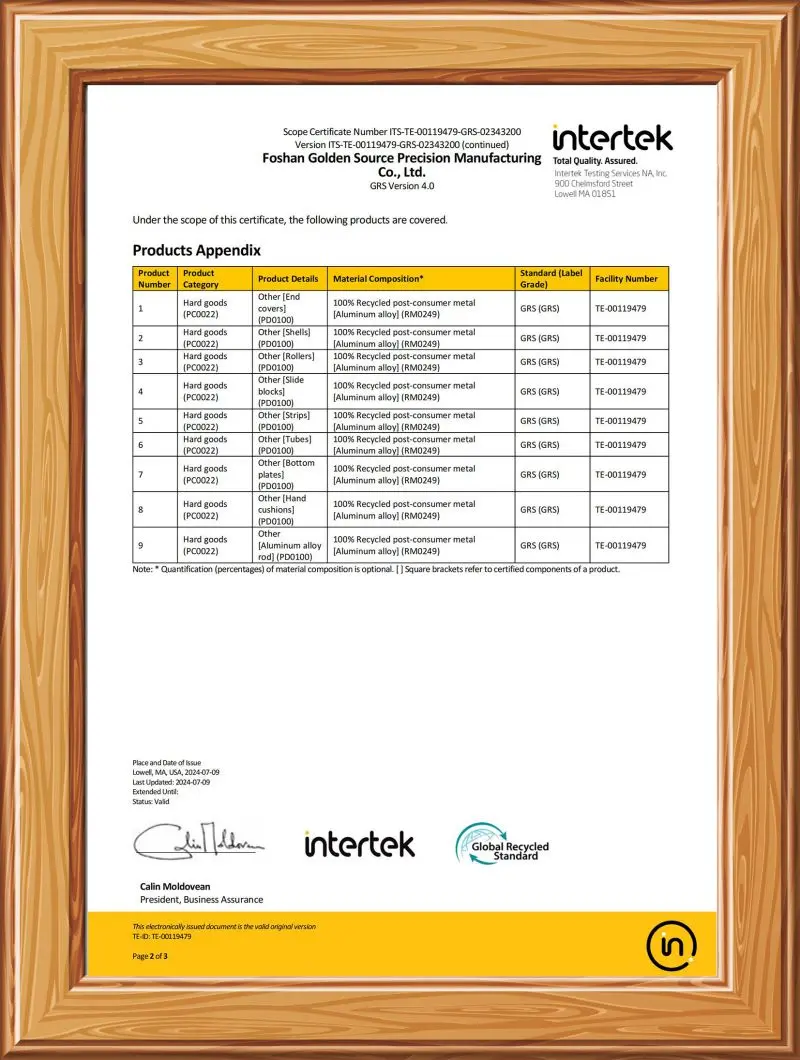
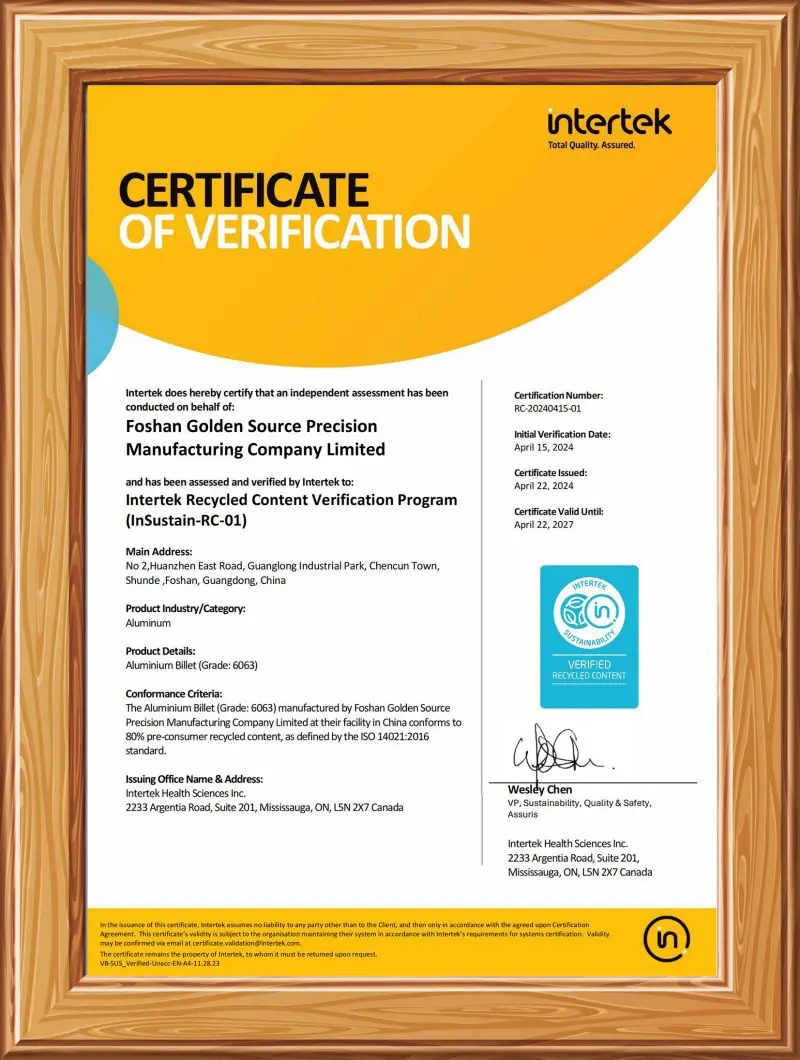
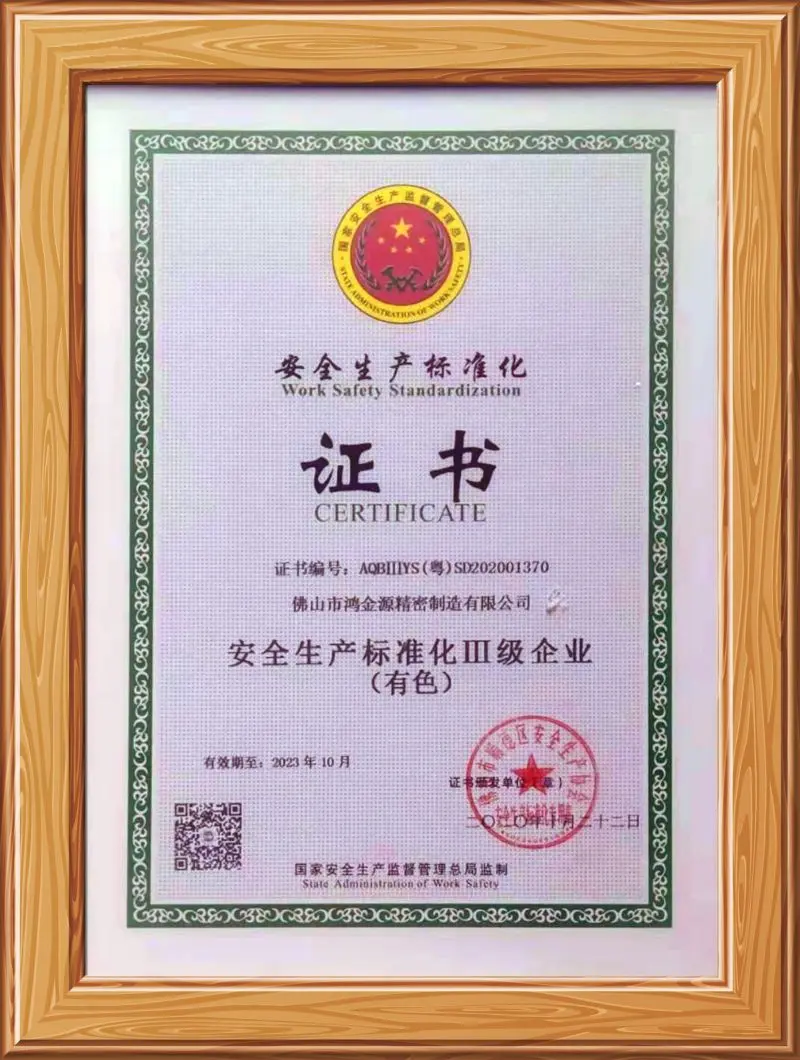
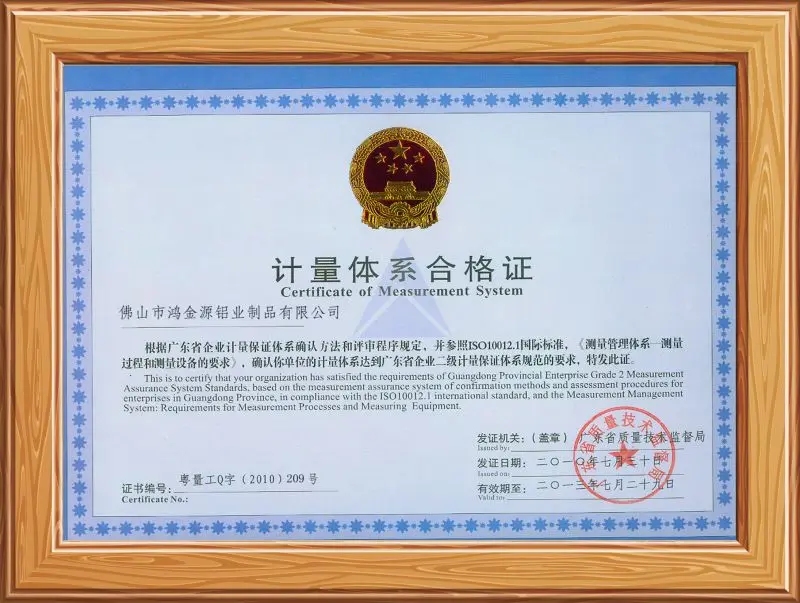
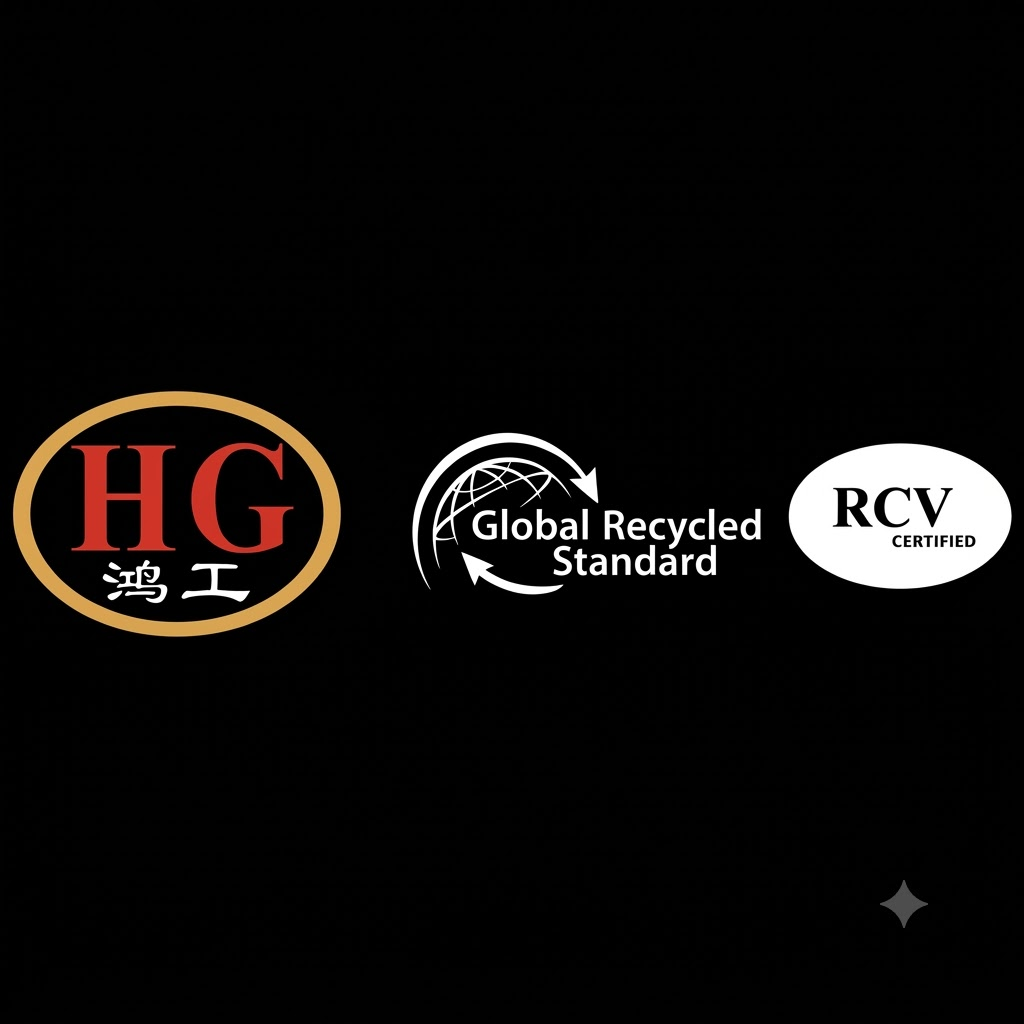
To meet the rigorous compliance standards of modern global enterprises, our facility is strictly certified to ISO9001, ISO14001, and ISO45001. Recognizing the transition towards a circular economy, we have also obtained newer, specialized green standards including GRS (Global Recycled Standard) and RCV certifications. These qualifications guarantee that our manufacturing solutions adhere fully to the environmental protection standards of the European Union's REACH and RoHS regulations.
The Evolution of Custom Extruded Aluminum Parts in Smart Manufacturing
In the contemporary industrial sector, lightweight engineering and material circularity have transitioned from optimization options to strict operational mandates. Aluminum extrusions act as the foundational pillars for structural components, thermal management matrices, and architectural systems across key markets. With the rise of electric vehicles (EVs), next-generation electronics (3C), solar tracker frameworks, and advanced automation, high-performance alloys are increasingly critical.
Historically, manufacturers sourced standard aluminum profiles and performed extensive, high-cost post-extrusion machining. Today, the global commercial standard requires high-precision custom extrusions designed specifically for net-shape or near-net-shape configurations. By limiting raw material waste and reducing intermediate manufacturing steps, companies can lower total production costs and reduce carbon footprints, aligning with the international push for decarbonization.
Selecting the correct chemical composition and temper condition is vital to ensuring structural integrity and optimizing manufacturing costs. Below is a detailed technical reference guide mapping the properties of commonly processed alloys:
| Alloy Series | Common Temper | Tensile Strength (MPa) | Yield Strength (MPa) | Elongation (%) | Primary Industry Applications |
|---|---|---|---|---|---|
| 1XXX Series (e.g. 1060) | H14, H24 | 60 - 100 | 50 - 85 | 10 - 20 | Electrical busbars, heat exchanger foils, chemical vessels. High electrical/thermal conductivity. |
| 3XXX Series (e.g. 3003) | H14, O | 110 - 160 | 80 - 145 | 8 - 15 | Fluid conduits, condenser tubes, general moderate-strength sheet components. |
| 5XXX Series (e.g. 5052) | H32, H34 | 190 - 260 | 130 - 200 | 12 - 20 | Marine grade components, high-corrosion fuel tanks, sheet metal bracket assemblies. |
| 6XXX Series (e.g. 6063) | T5, T6 | 185 - 240 | 145 - 215 | 8 - 12 | Architectural framing, heat sinks, structural doors, hinges, skylight assemblies. Excellent surface finish. |
| 6XXX Series (e.g. 6061) | T6 | 290 - 310 | 240 - 275 | 10 - 15 | Structural frames, heavy machinery components, automotive couplers, precision CNC brackets. |
| 7XXX Series (e.g. 7075) | T6 | 510 - 570 | 430 - 500 | 5 - 10 | Aerospace structures, high-stress defense equipment, automotive bumpers, climbing gears. |
Why Tier-1 Global Procurement Teams Select Foshan Golden Source
We melt and refine our alloys in-house, enabling precise adjustment of the chemical compositions. This ensures optimal physical properties of extrusion profiles and high purity for clean, spot-free anodizing.
Machining and surface treatment are handled entirely in-house. This comprehensive control lowers production costs, improves quality monitoring, and ensures highly competitive unit pricing.
Our integrated layout streamlines transitions from tool engineering to extrusion, CNC machining, surface treatment, and final packaging, significantly reducing lead times.
In the modern manufacturing sector, compliance is critical for market access. Regulatory frameworks like the EU's CBAM (Carbon Border Adjustment Mechanism), REACH, and RoHS require full supply chain transparency.
Our certifications, particularly GRS (Global Recycled Standard) and RCV, reflect our dedication to environmental responsibility. We actively track the percentage of post-consumer and pre-consumer recycled aluminum content in our products. This detailed tracking enables us to supply verified low-carbon aluminum components, helping our international partners meet their corporate ESG goals.
Additionally, our localized service framework provides dedicated technical support for engineering teams in the US, Germany, Japan, and other major industrial markets, ensuring direct communication regarding tolerances, alloy selections, and structural design revisions.
Continuous Innovation in Extreme Tolerance CNC & Smart Extrusion
Expanding the utilization of clean solar energy within our 73,000 sqm production hub. Aiming to increase GRS-certified post-consumer recycled aluminum integration by 40% across basic extruded lines.
Upgrading our multi-axis CNC machining lines with automated tool wear compensation and optical inspection systems. This advancement will secure tighter structural tolerance capabilities of ±0.005mm.
Integrating AI-driven heat flow simulation models directly into the mold R&D phases. This technology minimizes die distortion during heavy-tonnage extrusion runs, maximizing uniformity across custom geometries.
Understanding the Key Cost Factors of Custom Aluminum Extrusion
Developing a transparent pricelist for OEM aluminum components requires assessing several key cost drivers. Our pricing model avoids hidden charges, providing clients with clear and predictable cost calculations.
Cost Calculation Formula:
Based on standard global market exchange rates (LME/SHFE prices). Clients can lock in alloy ingot purchases at strategic times to manage price fluctuations.
One-time tooling costs range from $500 to $2,500 depending on section size and complexity. Tooling costs are often amortized or refunded once order volumes reach specified targets.
Pricing scales based on the cycle time required for milling, tapping, stamping, or turning operations. High-speed multi-station machines help optimize production costs.
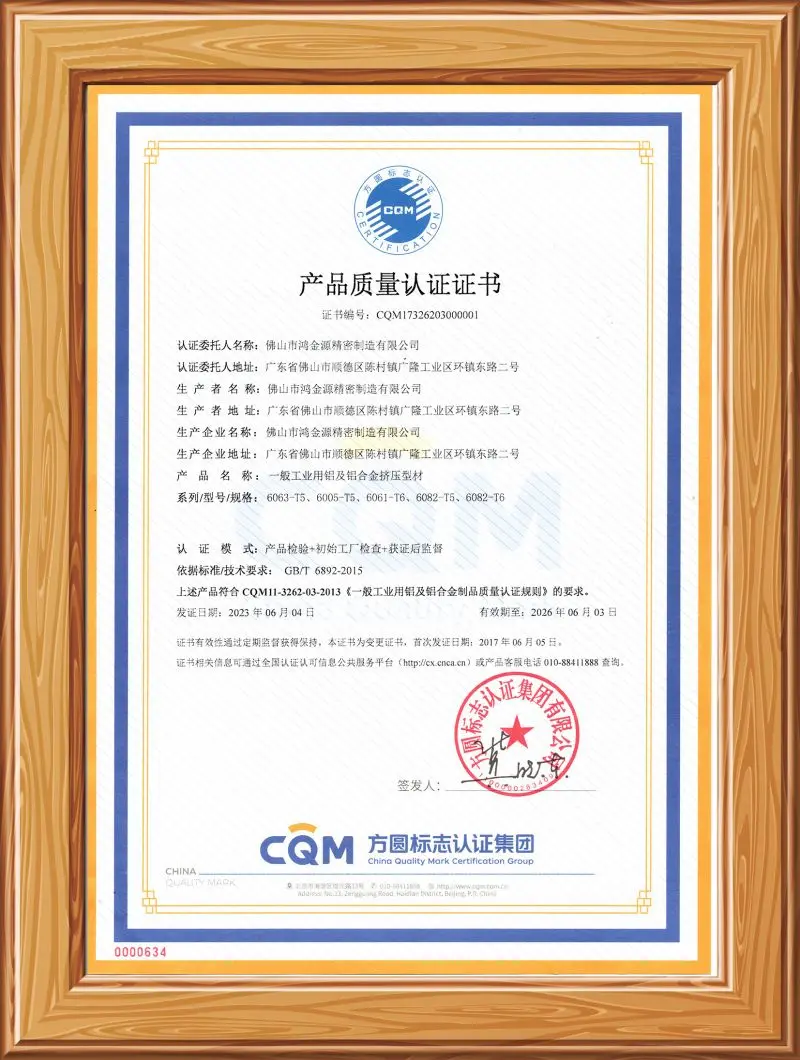
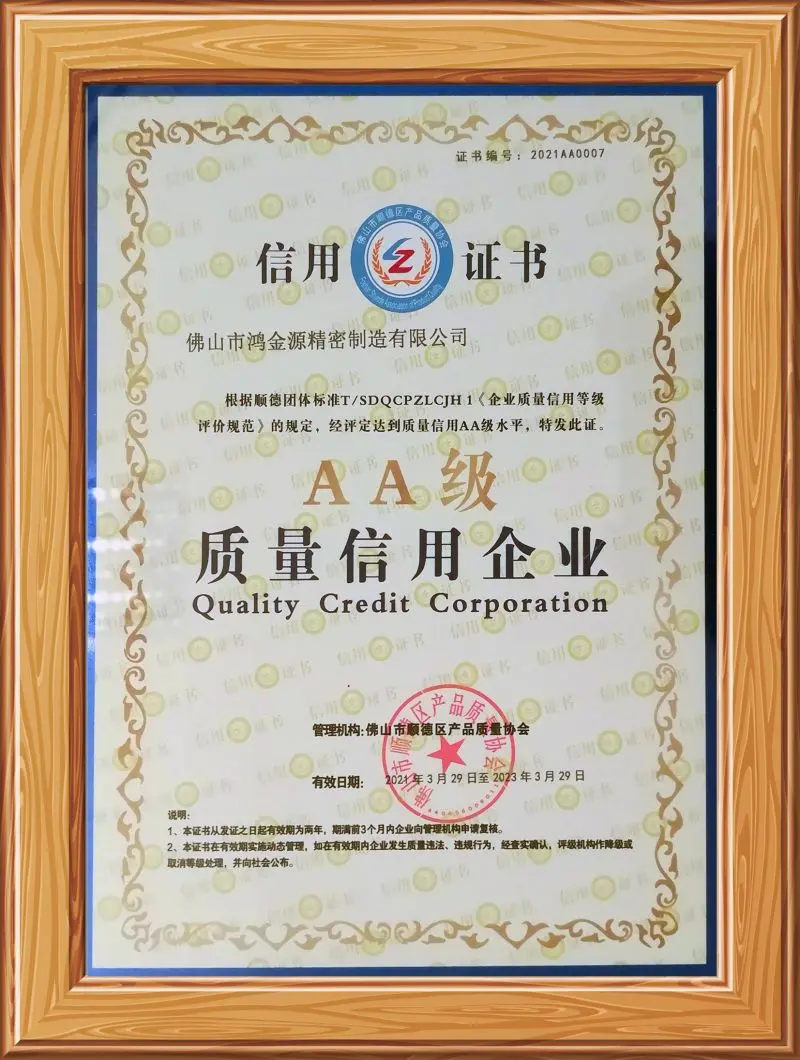
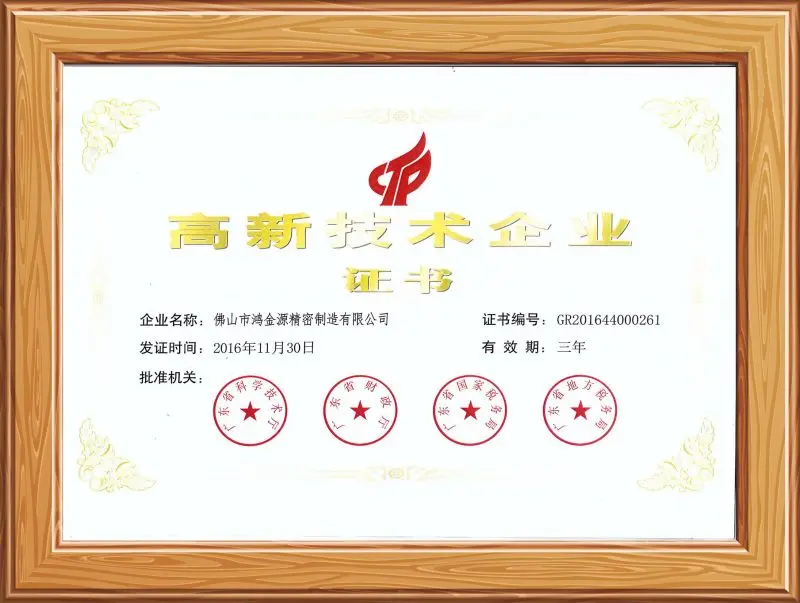
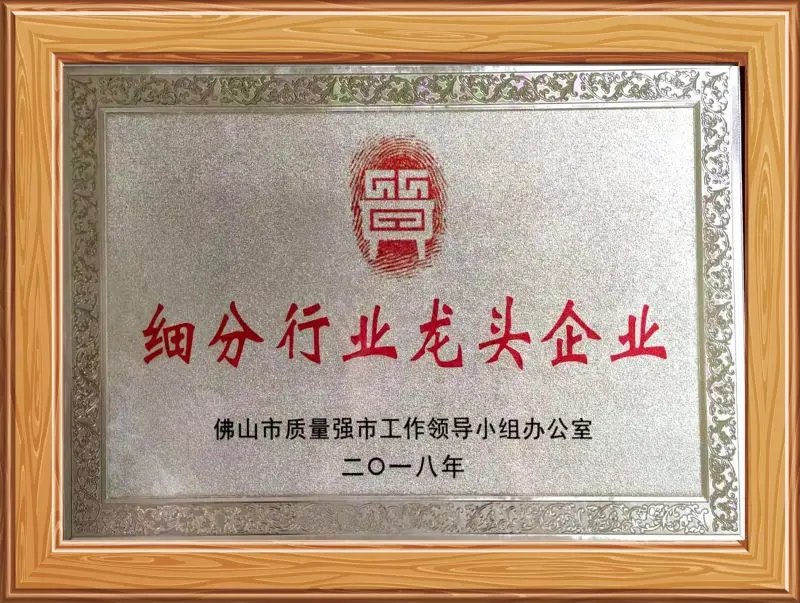
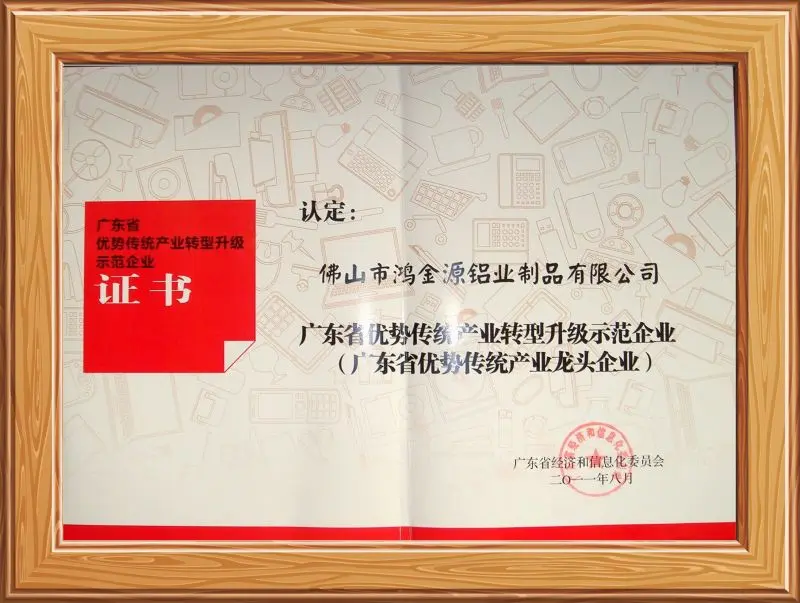
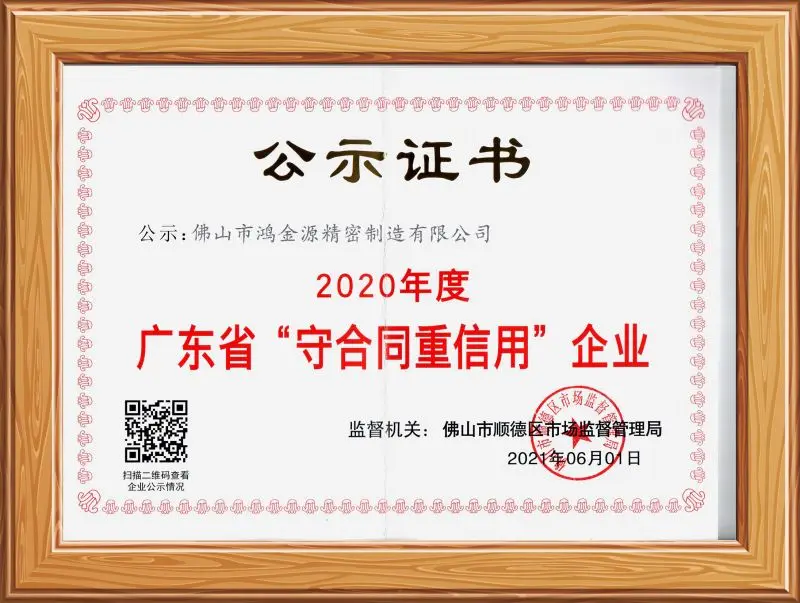
Our official certifications and industry recognition awards
Direct Expert Answers to Assist Procurement and Design Teams
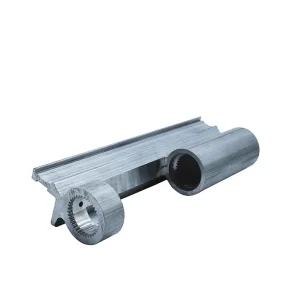
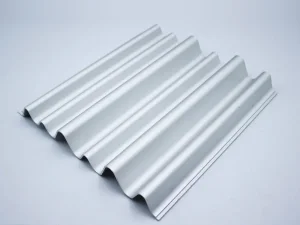
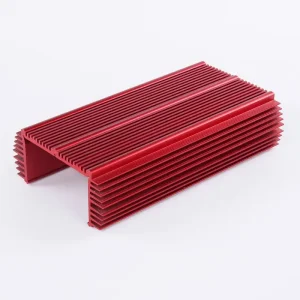
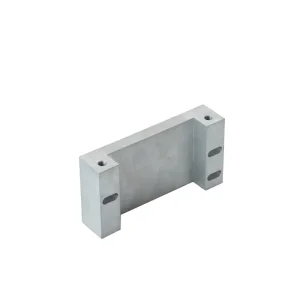
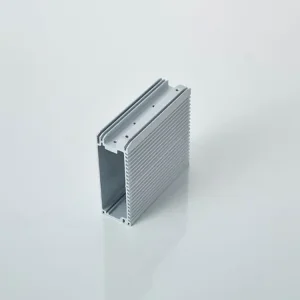
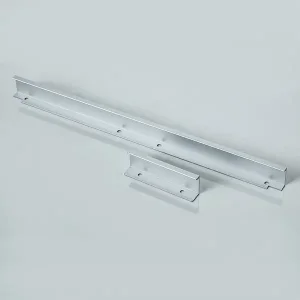
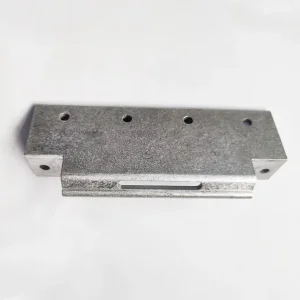
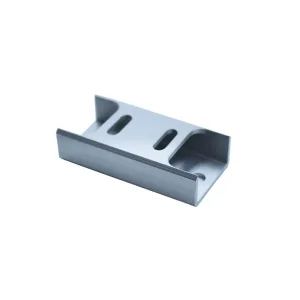
Heavy-duty, functional, and decorative precision components
 HG Precision