OEM CNC Milling Aluminum Parts Manufacturer & Suppliers

Precision Machining Solutions, Advanced Alloy Casting & Vertically Integrated Supply Chains

Institutional Credibility & Vertically Integrated Production

Established in 1991, Foshan Golden Source Precision Manufacturing Co., Ltd has evolved over three decades into a leading professional manufacturer of high-strength, high-precision, customized aluminum profiles and precise machining aluminum parts, welded elements, and fully assembled mechanical configurations. Operating a modern, highly digitized, and ecologically sound production facility spanning over 73,000 square meters, we deliver a seamless, single-source manufacturing workflow designed to reduce Lead Times and supply chain risk for global enterprise partners.

Unlike standard CNC machining job shops, Golden Source integrates the entire production cycle in-house. Our industrial capabilities cover: high-purity alloy casting, advanced mold R&D and tool making, aluminum extrusion, multi-axis CNC milling and turning, automated robotic welding, system assembly, and high-performance surface treatments. This vertical integration allows us to strictly monitor metallurgical purity, maintain extreme dimensional consistency, and provide significant cost efficiencies that are passed directly to our clients.

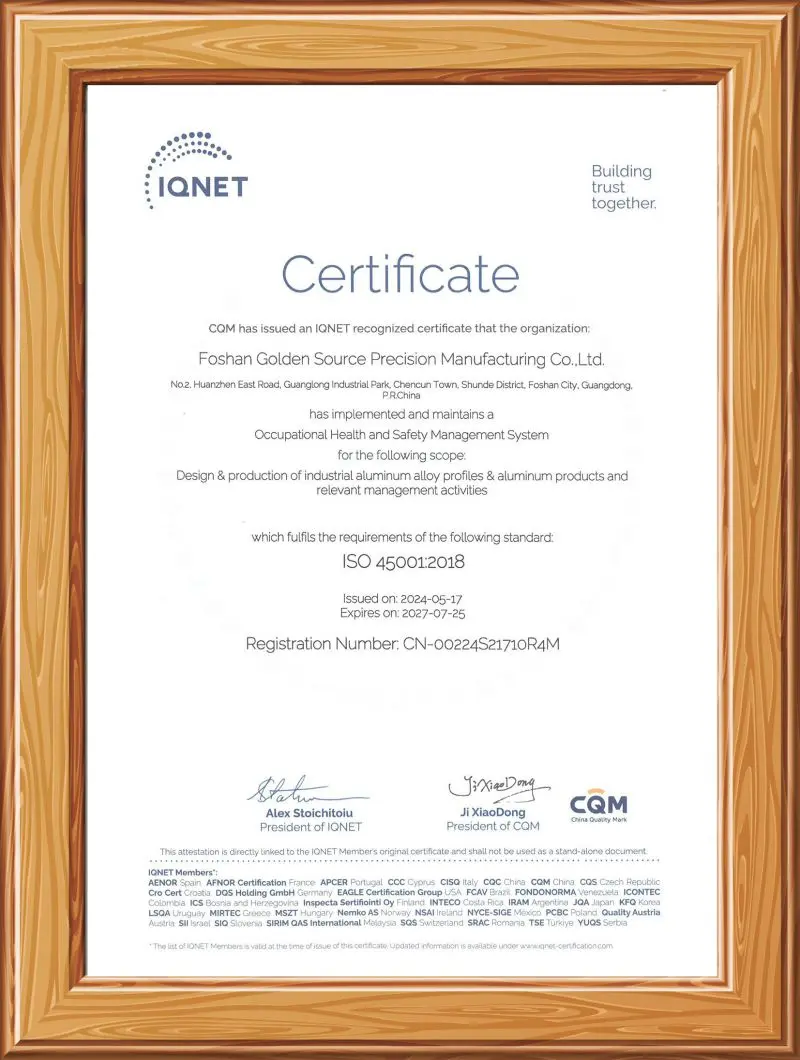
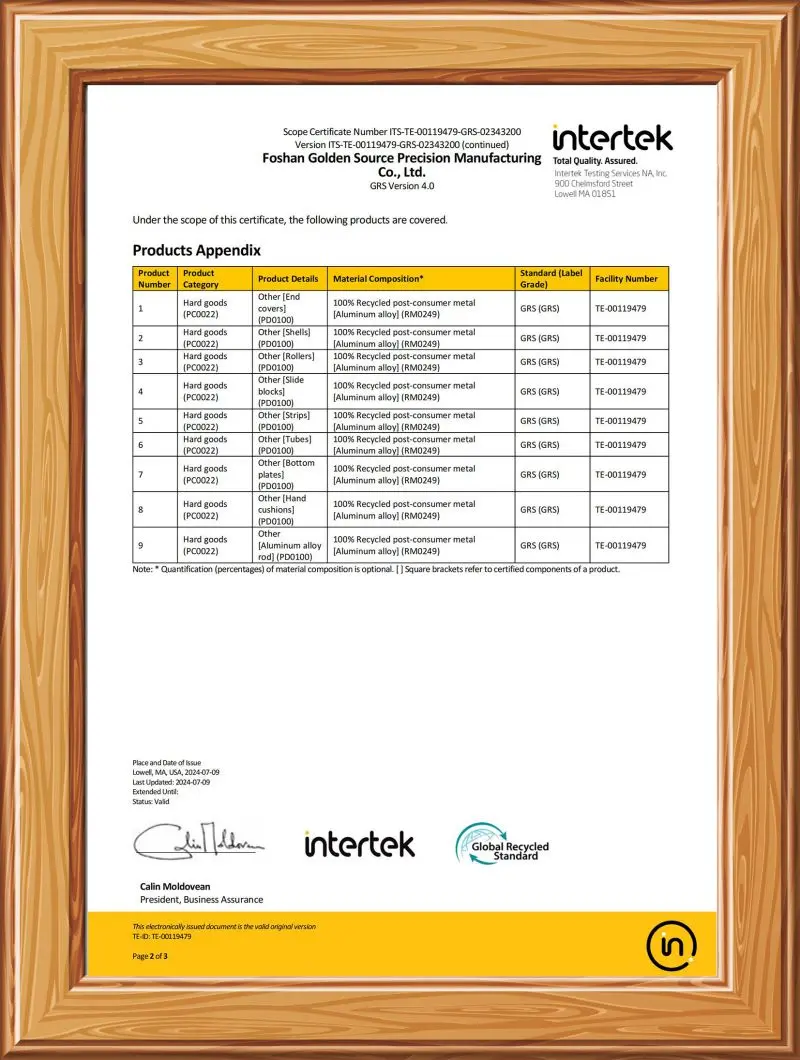
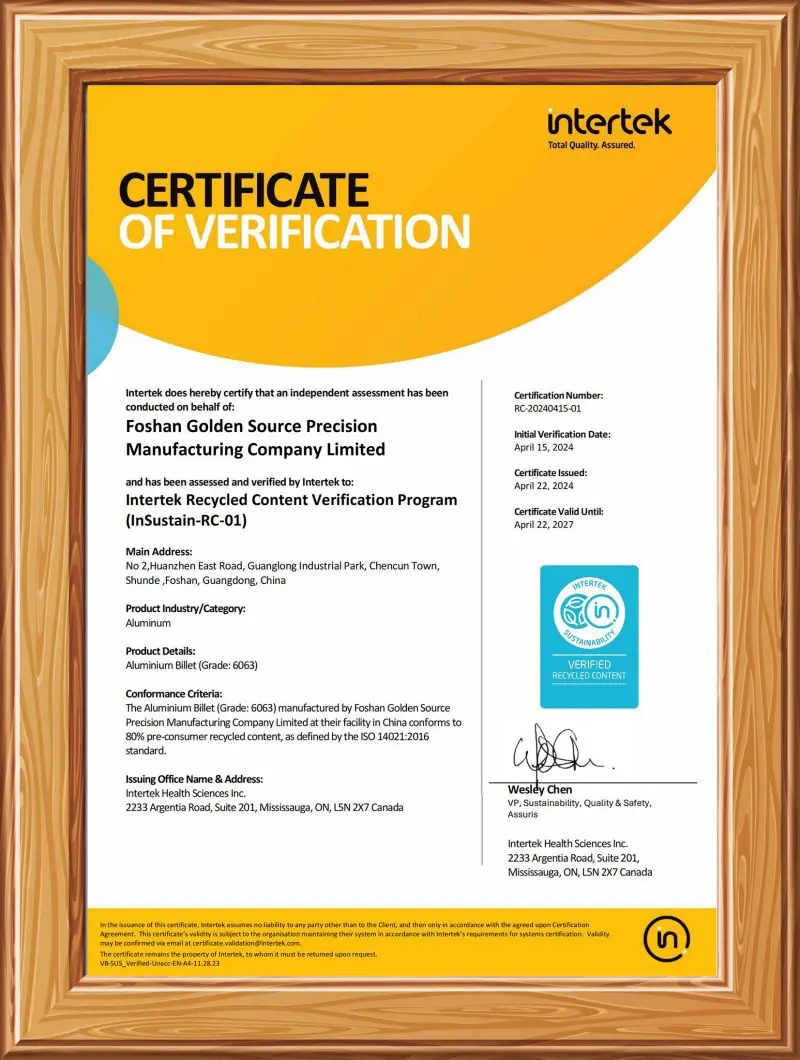
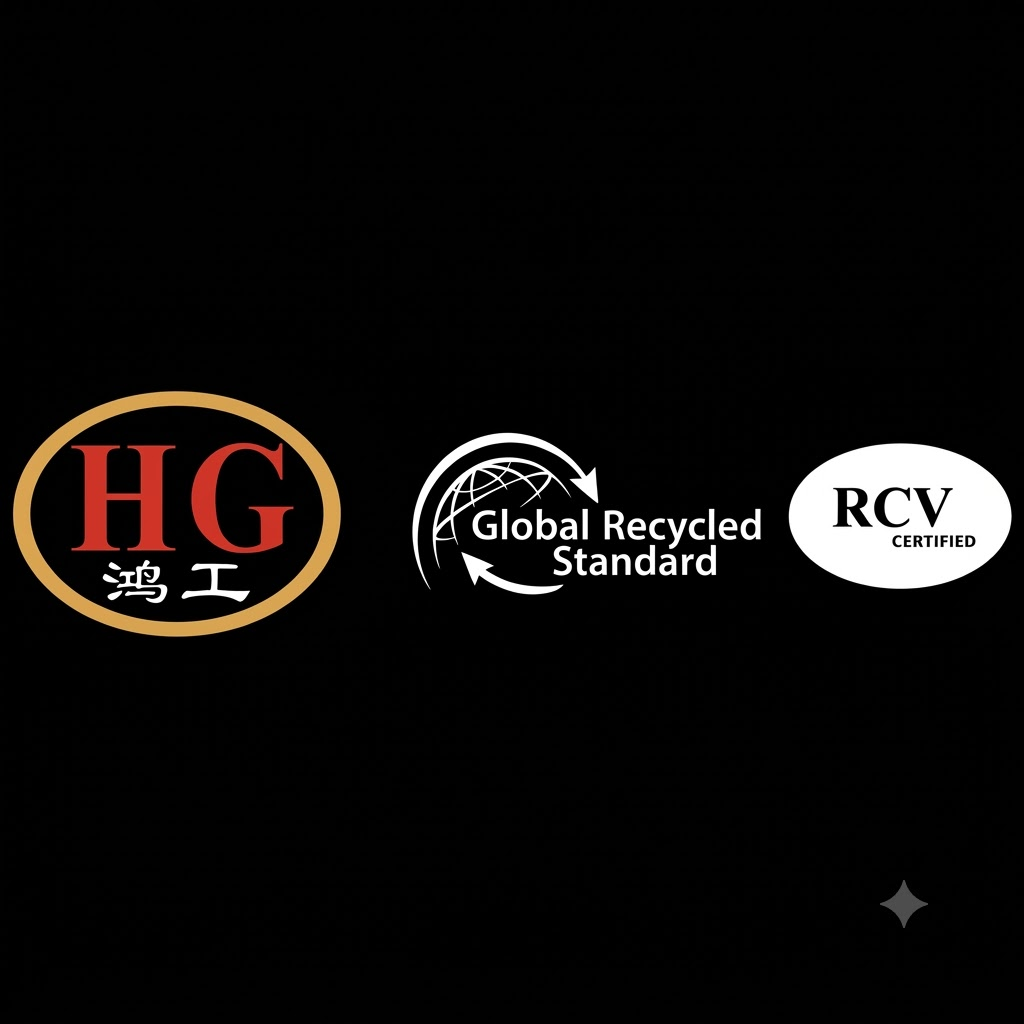
We pride ourselves on strict regulatory alignment. The factory operates under internationally recognized quality, environmental, and occupational safety frameworks, holding certifications for ISO9001, ISO14001, and ISO45001. Additionally, our environmental compliance is validated by RCV and GRS (Global Recycled Standard) certifications, confirming that our processes and products satisfy the stringent regulatory criteria of the EU's REACH and RoHS directives. Our alloy portfolios are extensive, spanning the 1XXX, 3XXX, 5XXX, 6XXX, and 7XXX series, which enables us to supply tailored raw materials optimized for automotive components, high-speed rail, telecom electronics, structural medical gear, and heavy-duty architectural hardware.
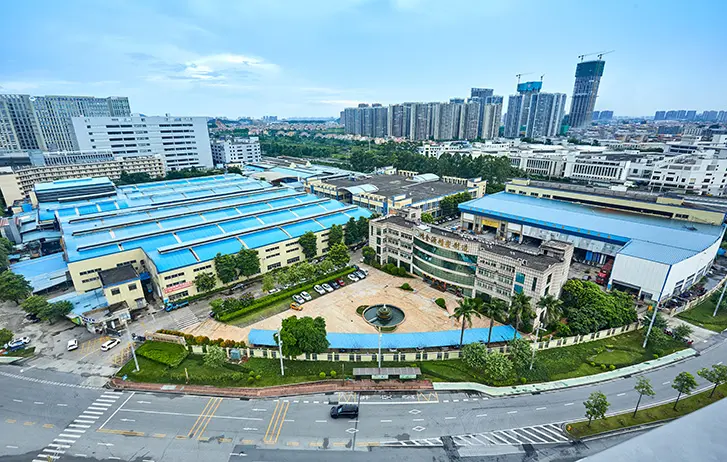
Foshan Golden Source Precision Manufacturing Facility

Key Advantages of Our Integrated Operations

How our upstream metallurgical control and downstream machining services create value for global OEMs

01

Metallurgical Mastery & In-House Casting

We melt and refine our aluminum alloys in-house, enabling us to adjust chemical compositions at the atomic level. This control ensures the mechanical properties of our extruded profiles are optimized, while guaranteeing an ultra-pure alloy substrate. Purity is critical for high-cosmetic, defect-free anodizing finishes, eliminating structural streaks and chemical inconsistencies that degrade standard commercial billets.

02

Superior In-House QC & Cost Efficiency

By executing precise CNC machining and advanced surface finishing inside a single facility, we eliminate middleman logistics and scrap markups. Quality control inspectors trace each production run from raw billet to finished, anodized parts. This integration guarantees superior quality control and lower manufacturing costs. We deliver premium components at competitive price points.

03

Compressed Lead Times & Logistics

Our comprehensive production capabilities significantly accelerate product delivery. Design iterations, tool modification, extrusion tests, precision milling, anodizing, and packaging are completed on a single industrial campus. This streamlined workflow eliminates lead time delays associated with multi-vendor supply chains, helping partners meet tight project deadlines.

China's Manufacturing Ecosystem Advantages in CNC Milling

Why leading global companies source their complex aluminum profiles and precision components from Foshan

The global sourcing landscape demands speed, precision, and financial efficiency. Sourcing CNC milled aluminum parts from South China, particularly the Foshan industrial cluster, offers distinct manufacturing and supply chain advantages:

  • Unmatched Supply Chain Densities: The Foshan region integrates raw bauxite sourcing, specialized alloying agents, tooling designers, auxiliary surface finishers, and logistics networks within a 50km radius. This density allows for rapid sourcing of custom materials and fast turnaround on complex secondary treatments.
  • Advanced CNC Tooling Infrastructure: China's machining infrastructure has transitioned to state-of-the-art multi-axis CNC centers. This tooling enables complex 3D contours, thin-walled heat sinks, and tight-tolerance bores (within ±0.01mm) to be machined efficiently in high volumes.
  • Skilled Manufacturing Engineers: China’s engineering talent pool understands the nuances of aluminum behavior during high-speed machining, including tool wear compensation, clamping deformation prevention, and thermodynamic stabilization. This expertise ensures consistent production quality.
  • Scalable Production Capacities: Chinese manufacturers can seamlessly scale from rapid prototyping runs to high-volume production, adapting to changing demand cycles without compromising accuracy or delivery schedules.

Supply Chain Competitiveness

Factor Standard Sourcing Foshan Integrated
Lead Time 6 - 8 Weeks 2 - 4 Weeks
Tooling Cost High Highly Competitive
Alloy Variety Standard Only 1XXX to 7XXX Series
Compliance Varies by shop ISO, REACH, GRS, RCV

Industry Trends: The Shift Towards Sustainable & High-Precision Machining

How new technologies, regulatory frameworks, and environmental requirements shape modern CNC manufacturing

1. GRS Recycled Aluminum Sourcing

Global environmental mandates and ESG initiatives drive demand for verified post-consumer and industrial recycled aluminum. Achieving Global Recycled Standard (GRS) certification ensures supply chain traceability. Buyers can verify the recycled content of their precision CNC milled parts, reducing their overall scope 3 carbon emissions.

2. High-Density Thermal Management

The expansion of 5G, 6G, IoT, and AI servers requires advanced thermal solutions. Modern CNC milling focuses on thin-fin heat sinks, custom-machined out of 6063-T5 alloys. These designs provide high structural integrity and heat dissipation, keeping optical and processing hardware within safe operating temperatures.

3. Lightweight Structural Engineering

Automotive, aerospace, and portable consumer electronics sectors continue to replace heavier plastics and steel with high-strength aluminum profiles. Heavy-duty structural parts, like chassis brackets, skylight frames, and load-bearing connectors, utilize 6XXX or 7XXX alloys. These parts undergo multi-axis milling to optimize weight-to-strength ratios.

4. Specialized Multi-Process Integration

Machined parts often require complex post-processing. Modern programs combine extrusion with high-speed punching, CNC milling, bending, welding, and surface treatment. Providing these operations under one roof reduces handling damage, optimizes dimensional repeatability, and shortens turnaround times.

1991
Established Year
73,000㎡
Modern Production Base
5+
Global Management Certs
100%
EU REACH Compliance

International Certifications & Awards

Our commitment to quality, environmental safety, and compliance verified by global auditing bodies

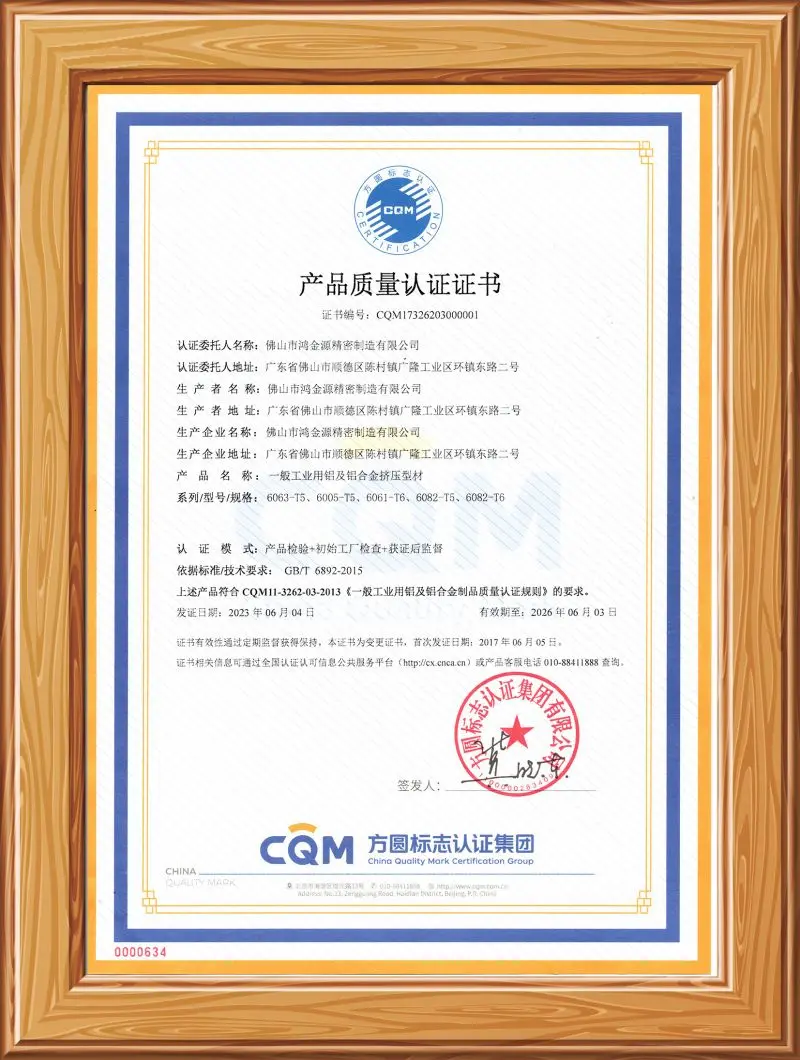
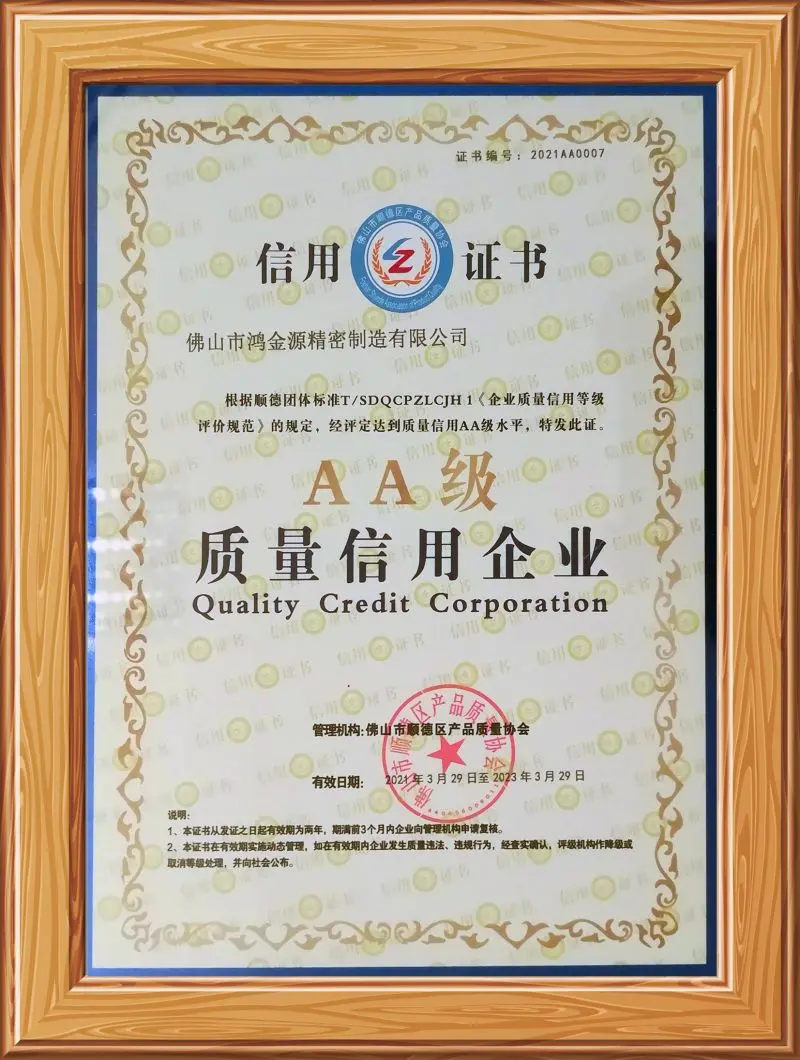
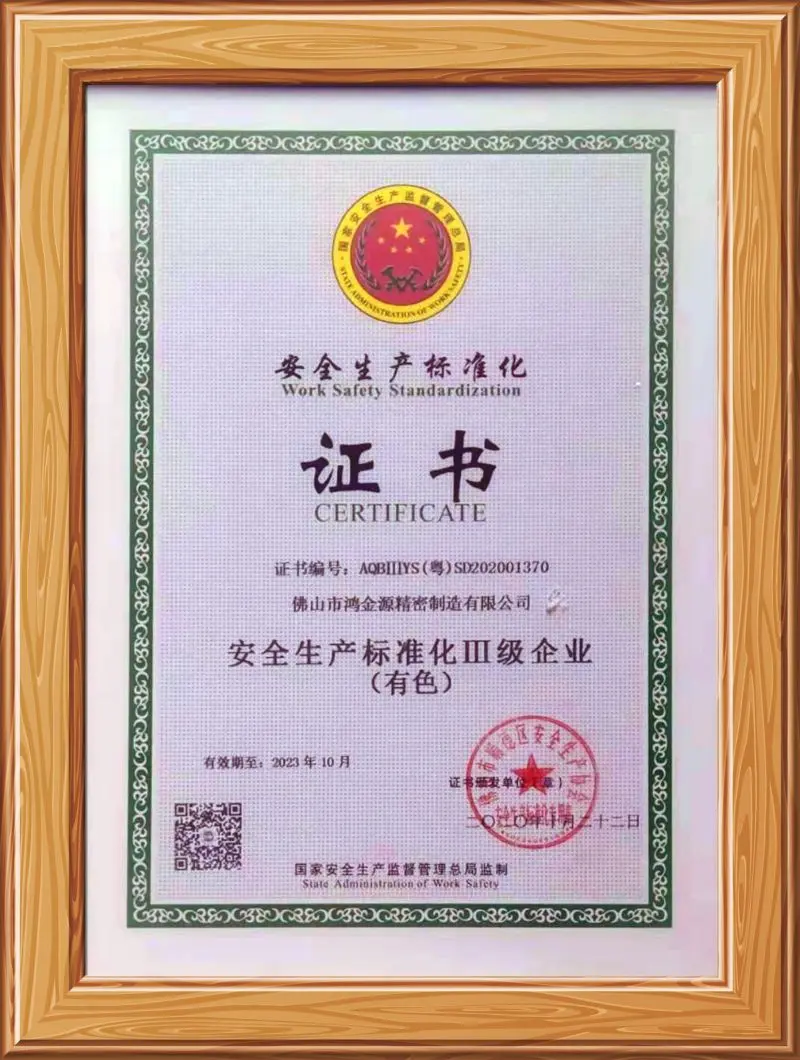
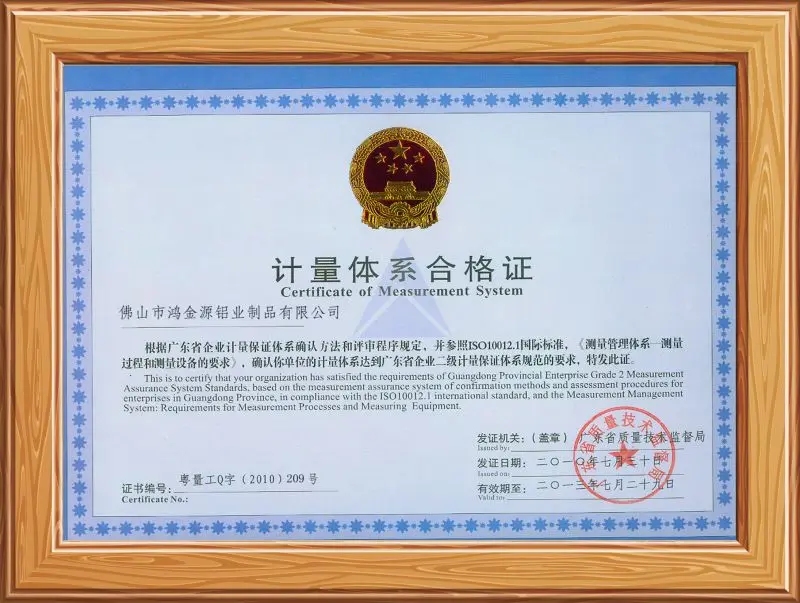
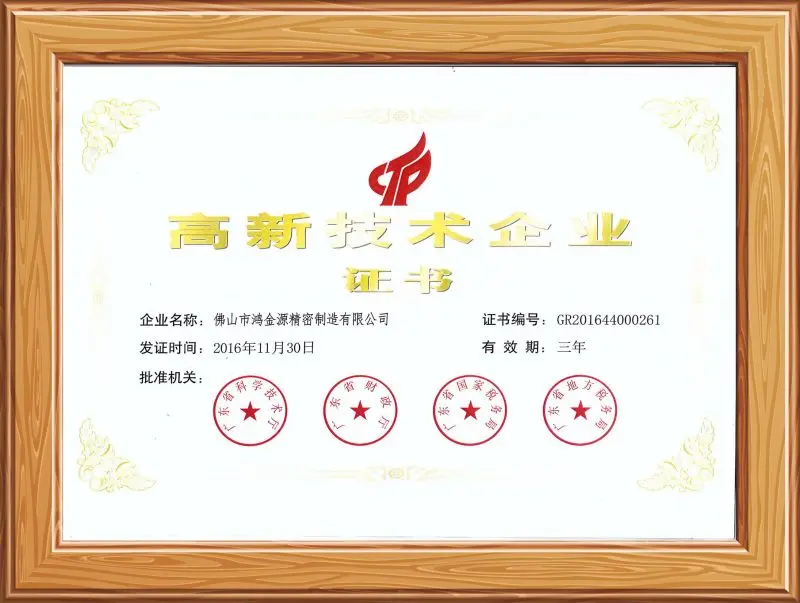
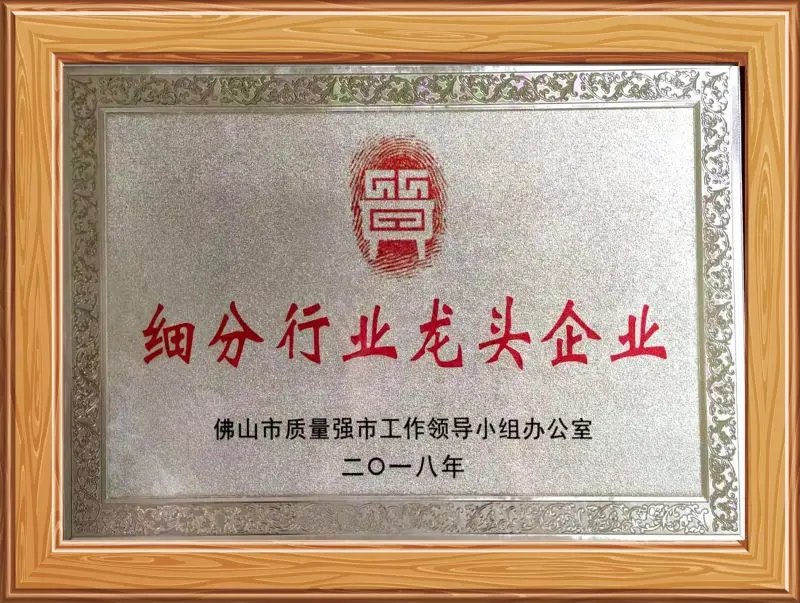
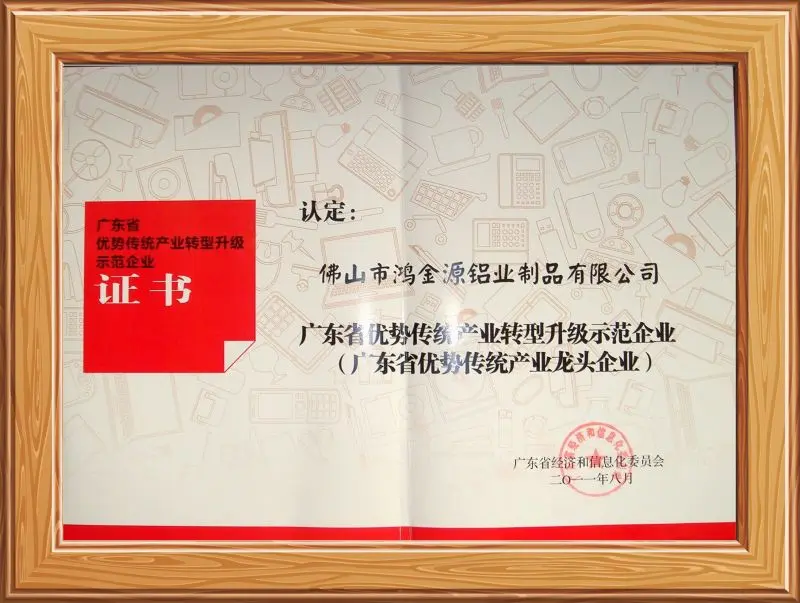
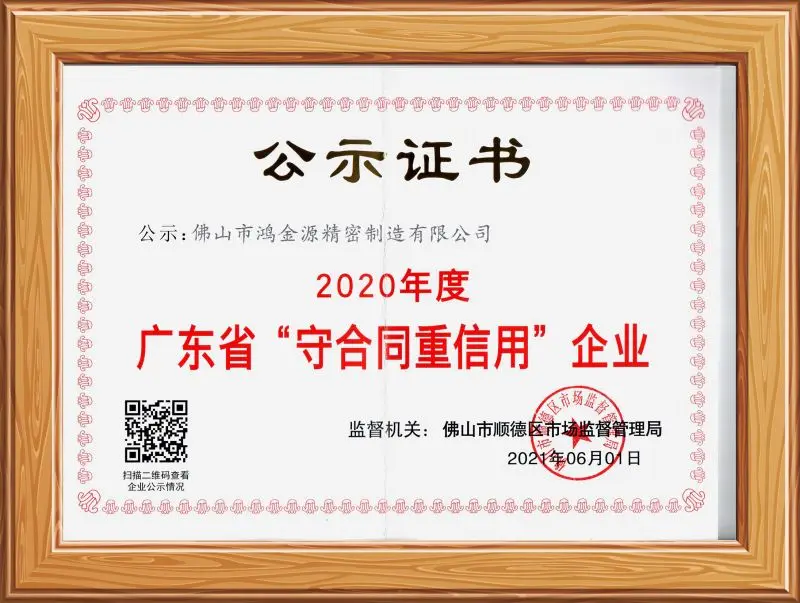
We hold certifications for ISO9001, ISO14001, ISO45001, GRS, and RCV. These credentials verify that our production and quality control workflows satisfy global environmental standards. Our GRS and RCV certifications are tailored to support environmental regulations in EU and North American markets. We have received numerous honors, awards, and certifications recognizing our clean production practices, strong corporate credit, product quality, and industrial technology upgrades from local, municipal, and provincial government bodies.
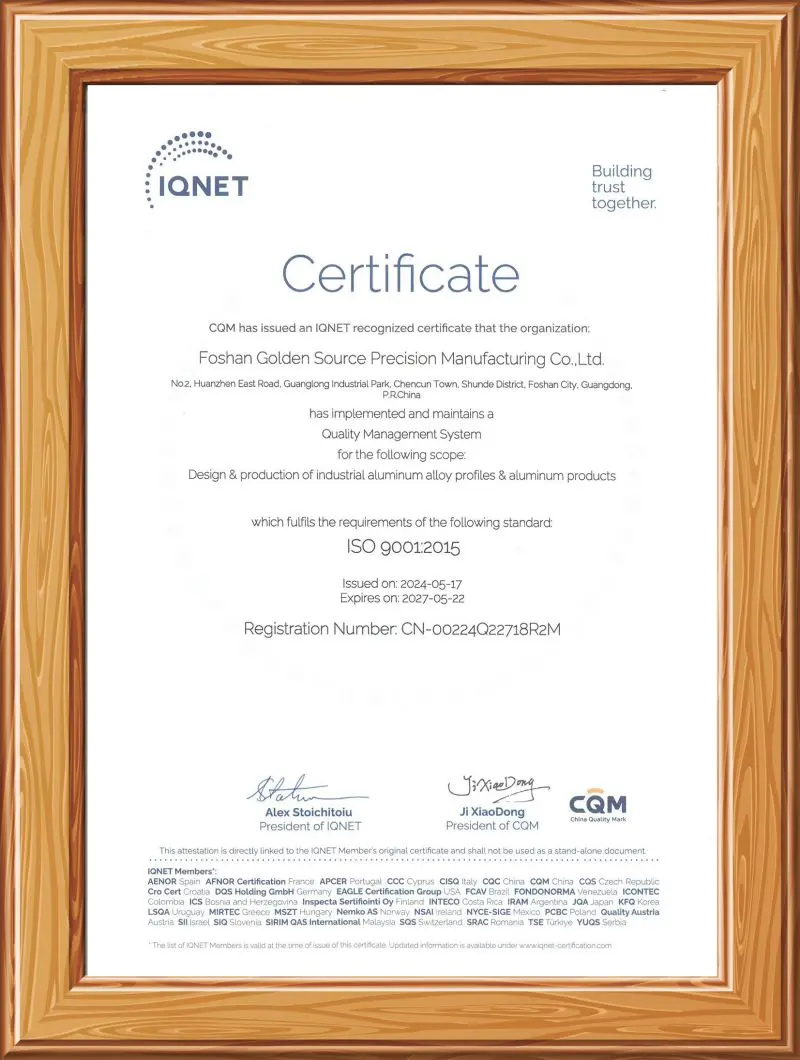
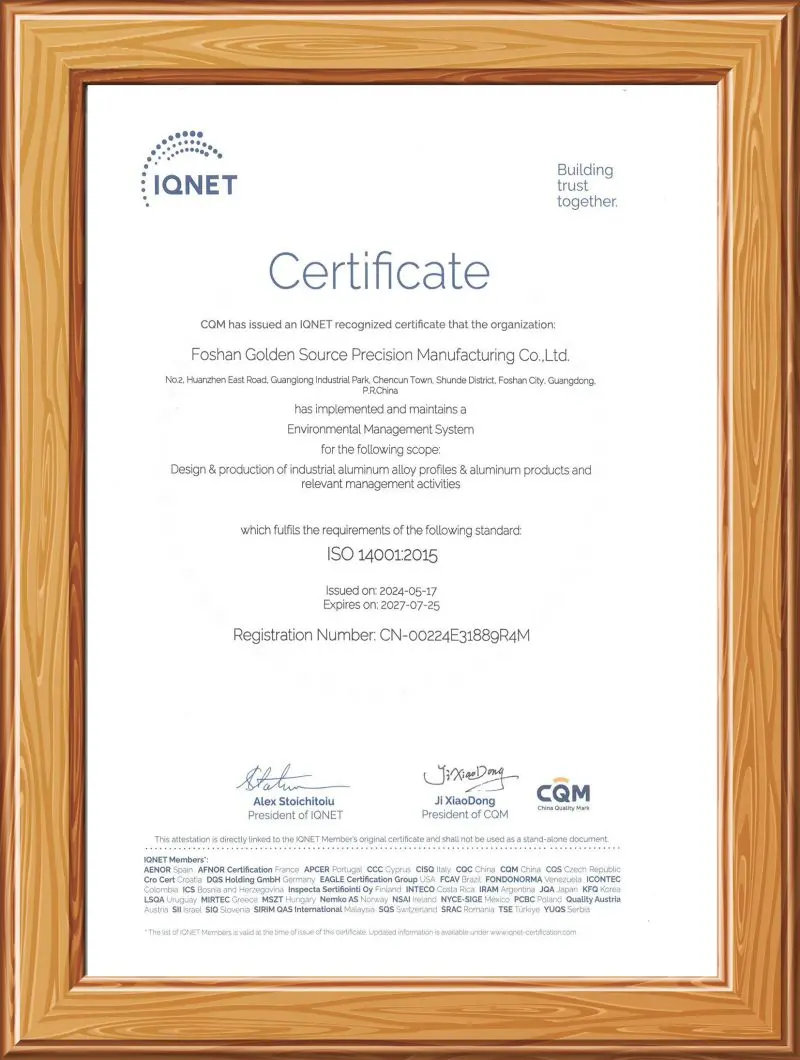
Primary Quality & Compliance Certificates

ISO Certification 1
ISO Certification 2
ISO Certification 3
Quality Standard Audit Certificate 1
Quality Standard Audit Certificate 2
Environmental Standard Audit Certificate
Safety Standard Audit Certificate
Industrial Award Certificate

Corporate Awards & Tech Honors

Government Technology Innovation Award
Top 500 Enterprise Honor Award
Clean Production & Green Energy Award
Provincial Quality Excellence Award
Industrial Upgrading Leadership Award

Localized Application Scenarios & Technical Engineering Case Studies

Reviewing how our custom machining processes support diverse global sectors

Structural Case: 3C & High-Frequency Optical Module Packaging

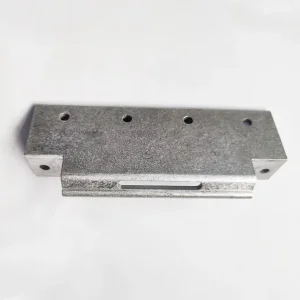
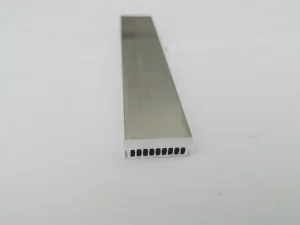
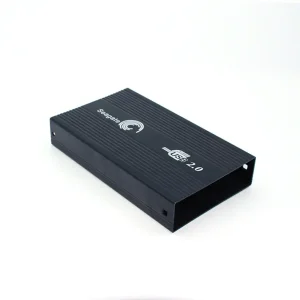
Within the telecom and server sectors, heat dissipation and EMI shielding are critical factors. For optical transceivers and server drives, we utilize 6063-T5 aluminum to extrude and mill heat sinks with thin fins. The mechanical challenge involves milling high-aspect-ratio cooling fins without deformation or wall thinning. By managing tool paths and choosing appropriate cutters, we maintain fin profiles under 0.8mm with high flatness. This precision optimizes thermal performance, while in-house screen printing and precision-machined cases protect sensitive hard disks and optoelectronic sensors.

Key Applications: Heat sinks, hard disk frames, lens holder bars, server housing components.

Mechanical Case: Industrial Hinge Assemblies & Skylights

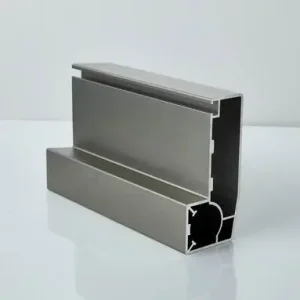
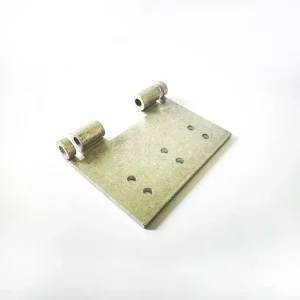
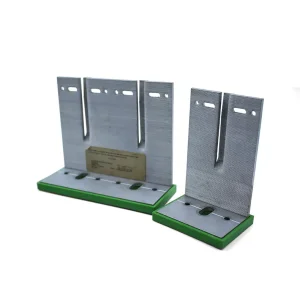
Outdoor structural systems, such as commercial building skylights, demand high load-bearing capacity and corrosion resistance. Our assembled skylight hinges are engineered to resist high wind pressure and cycle wear. These hinges are machined from robust extrusions, and undergo mechanical tumbling or sandblasting to create a uniform finish. By integrating multi-part assemblies with precise clearances, we deliver smooth hinge operations. Anodized surface treatments provide long-term corrosion protection in exposed outdoor environments.

Key Applications: Structural window frames, heavy-duty hinges, glass door connectors, architectural brackets.

Specialized Case: Heavy-Duty Marine Rigging & Outdoor Hardware

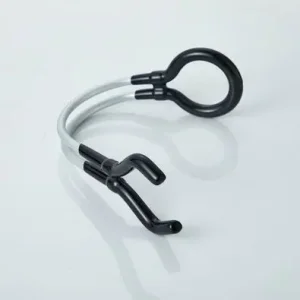
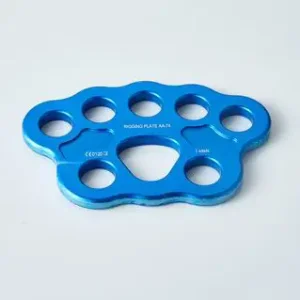
Marine environments expose components to high chloride levels and structural strain. Our marine fishing rod holders are machined from 6063-T5 aluminum and finished with clear anodizing to prevent salt-fog pitting. For climbing gear and heavy-duty load connectors, we source high-strength 7075 alloy. These parts receive specialized blue anodizing, providing wear resistance and high tensile strength to ensure safety during high-stress operations.

Key Applications: Fishing rod holders, rope connectors, climbing accessories, structural boat fittings.

Technical FAQ: OEM CNC Milling Aluminum Parts

Common engineering, procurement, and production questions answered by our technical staff

1. What tolerances can Golden Source maintain for CNC milled aluminum parts?
Our CNC machining centers regularly achieve tolerances down to ±0.01 mm (0.0004 inches) for critical dimensions. For complex geometries, including bore alignments and thin-walled heat sinks, we control variations using multi-axis fixtures and dedicated tooling setups.
2. Why does in-house alloy casting improve surface finishing results?
Extrusion and anodizing quality depend on the purity of the raw aluminum billet. In-house melting and casting allows us to control the chemical compositions of our alloys, minimizing iron, silicon, and copper impurities. This control prevents color spotting, streaking, and haze during sulfuric acid anodizing, ensuring a consistent surface finish.
3. What is the value of GRS (Global Recycled Standard) certification for global buyers?
GRS certification verifies that our aluminum materials contain traced recycled content. This documentation allows automotive, electronics, and consumer brand buyers to calculate their Scope 3 greenhouse gas reductions and satisfy strict European Union ESG supply chain audits.
4. Which aluminum alloy is recommended for structural versus cosmetic parts?
For high-strength structural parts, we recommend 7075-T6 or 6082-T6 due to their high yield strength. For components requiring clean anodized finishes or thin profiles, 6063-T5 and 6061-T6 offer a good balance of machinability, extrudability, and cosmetic quality.
5. What kinds of surface treatments are handled in-house?
We provide a complete range of in-house surface finishes, including: mechanical sandblasting, chemical etching, clear/color anodizing (champagne, bronze, blue, black), mechanical tumbling (trembled finish), powder coating, wet painting, and custom screen printing.
6. How does your one-stop model compress procurement lead times?
In standard supply chains, parts are cast at one facility, extruded at another, shipped to a CNC job shop, and then sent to an anodizing vendor. We execute all these processes on a single industrial site. This vertical integration eliminates transit delays, handling damage, and administrative bottlenecks, reducing overall lead times by up to 40%.
7. Are your aluminum parts REACH and RoHS compliant?
Yes. All our raw aluminum alloys, surface anodizing chemicals, and sealing processes are regularly audited. They comply with EU REACH and RoHS regulations, ensuring they contain no restricted heavy metals or hazardous chemicals.
8. What is the typical lead time for custom tooling and production samples?
For custom profiles, mold design and tool construction takes 10 to 14 days. Extrusion and initial machining samples are delivered within 5 to 7 days after tool approval, allowing for quick validation before volume production begins.