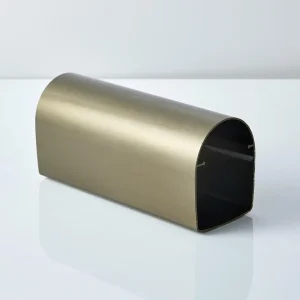
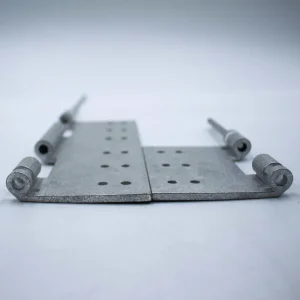
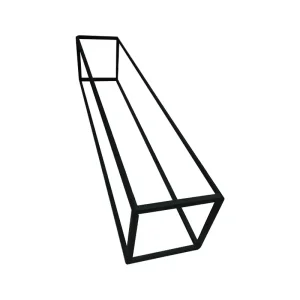
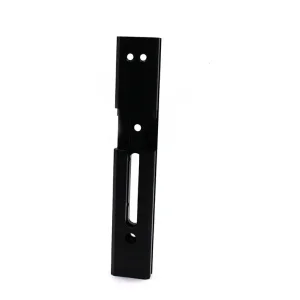
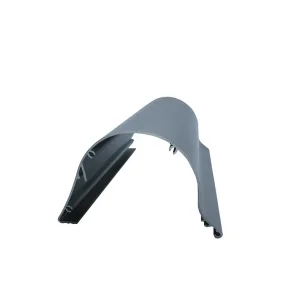
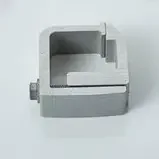
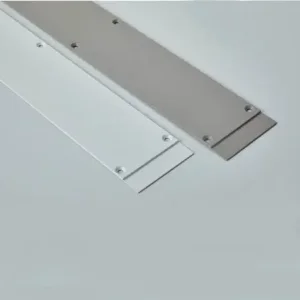
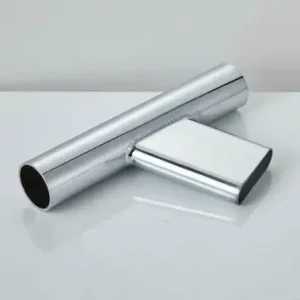
Explore our core selection of custom manufactured hardware, architectural solutions, and heavy-duty structural parts engineered to exact client specifications.
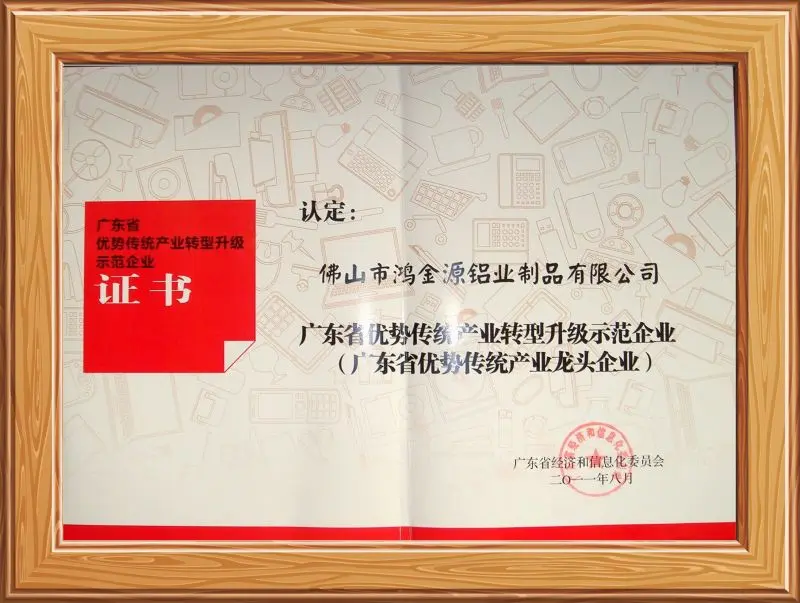
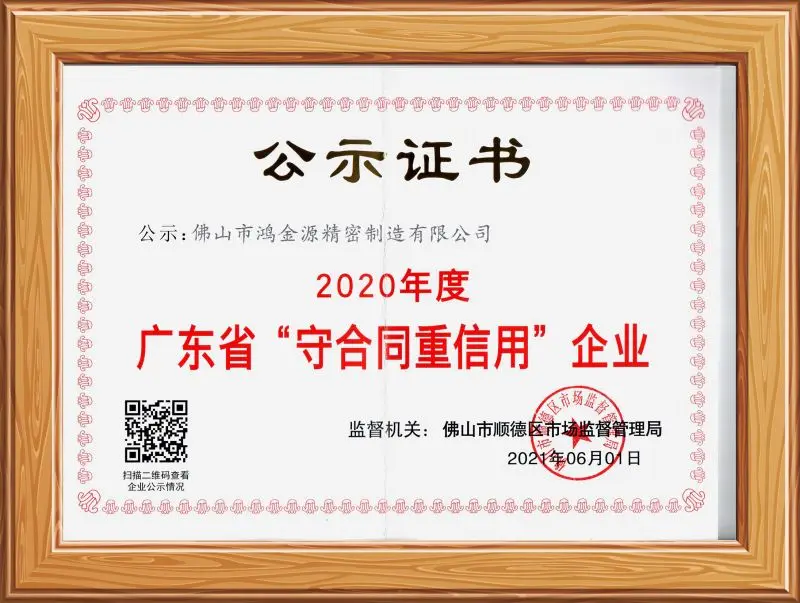
Established in 1991, Foshan Golden Source Precision Manufacturing Co., Ltd is a professional manufacturer of high-strength, high-precision, customized aluminum profiles and precise machining aluminum parts, welded parts, and assembled aluminum products. With a modern and environmentally friendly production base covering an area of over 73,000 square meters, the company offers a true one-stop service model, including alloy casting, mold research & design & building, aluminum extruding, precise machining, welding, assembly, and surface treatment.
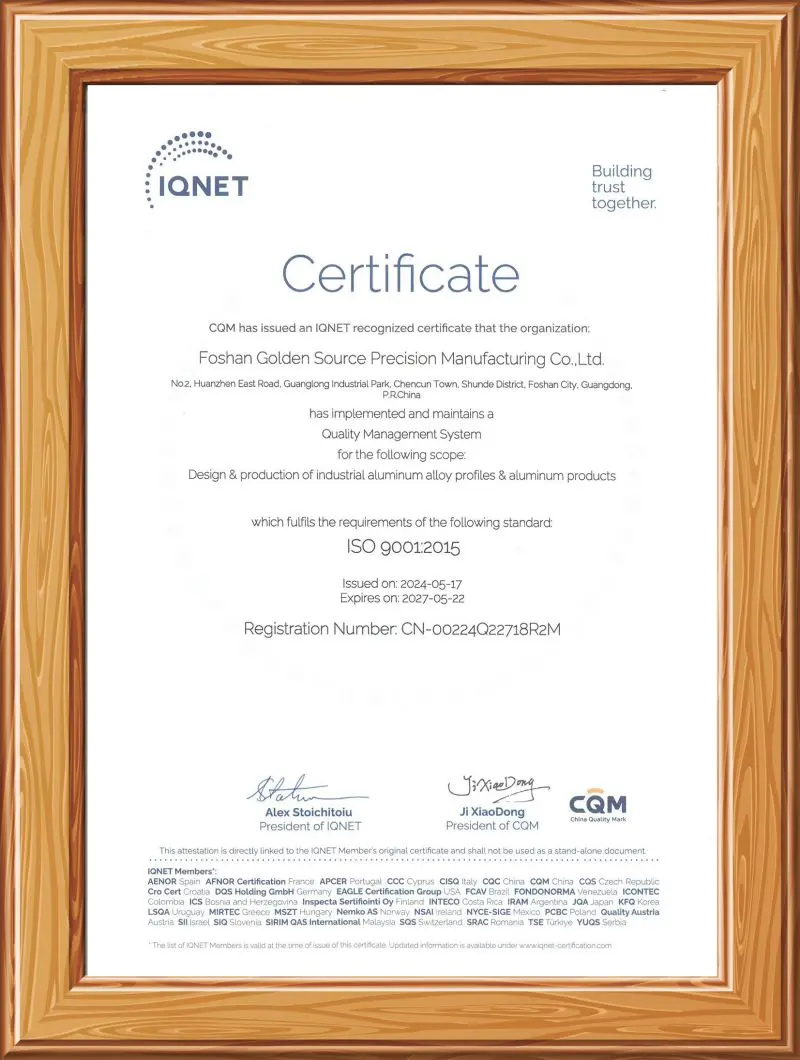
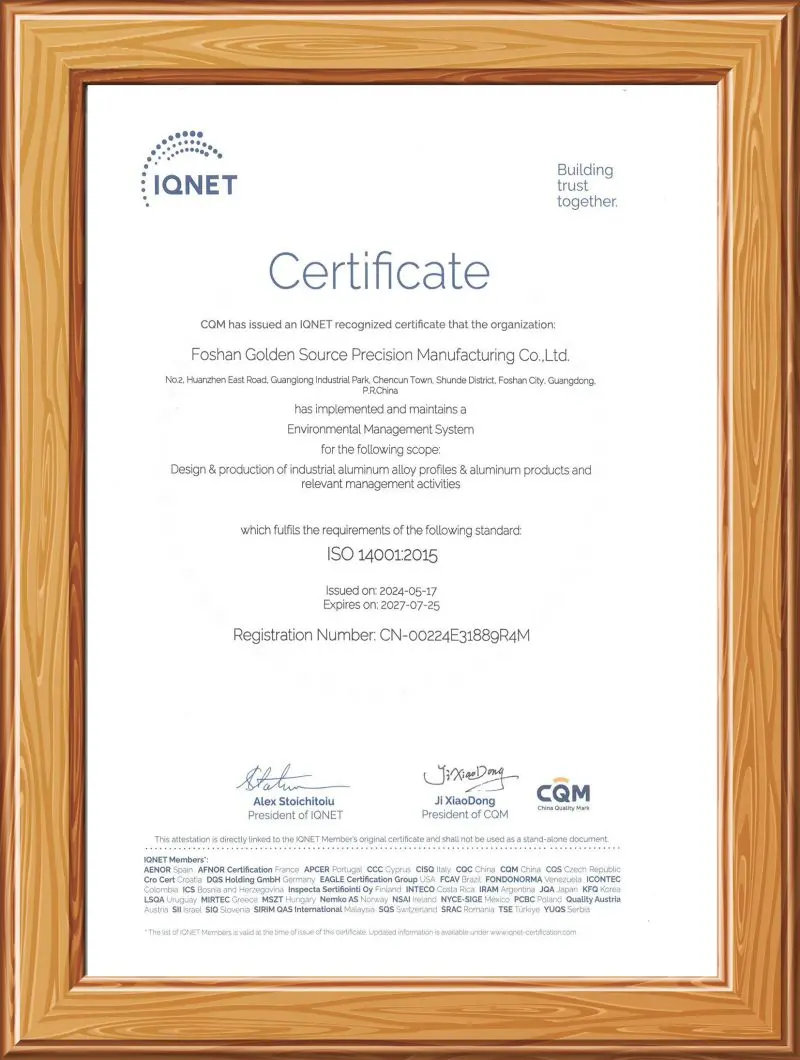
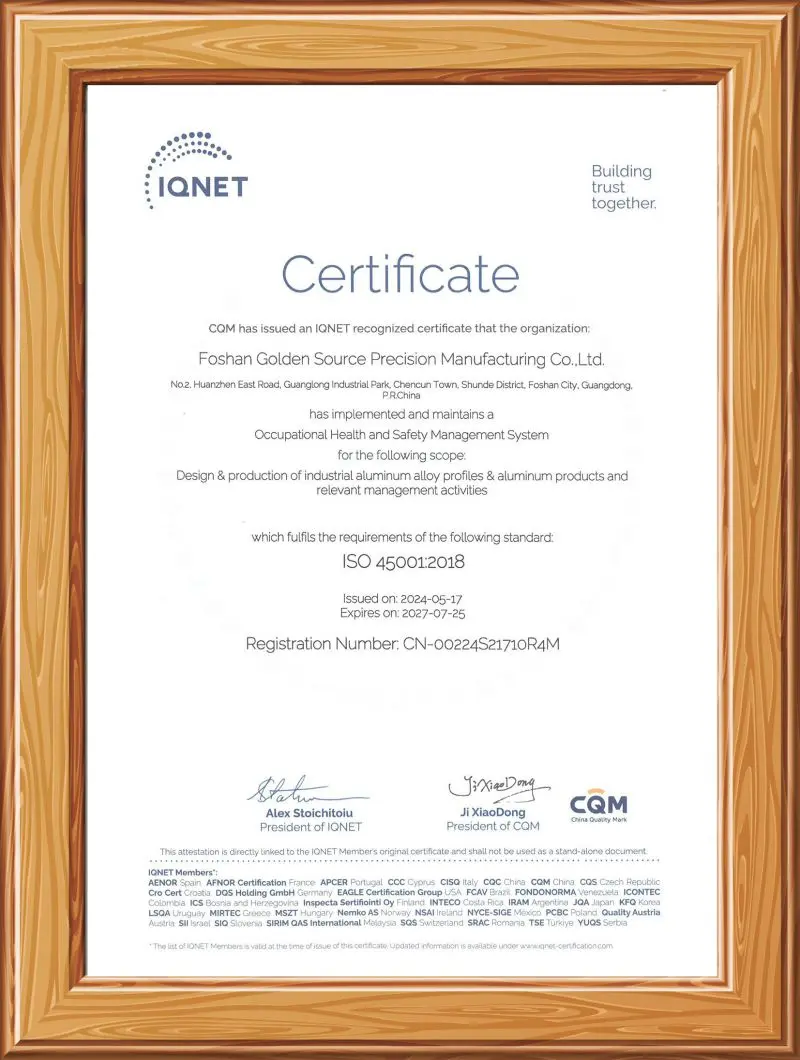
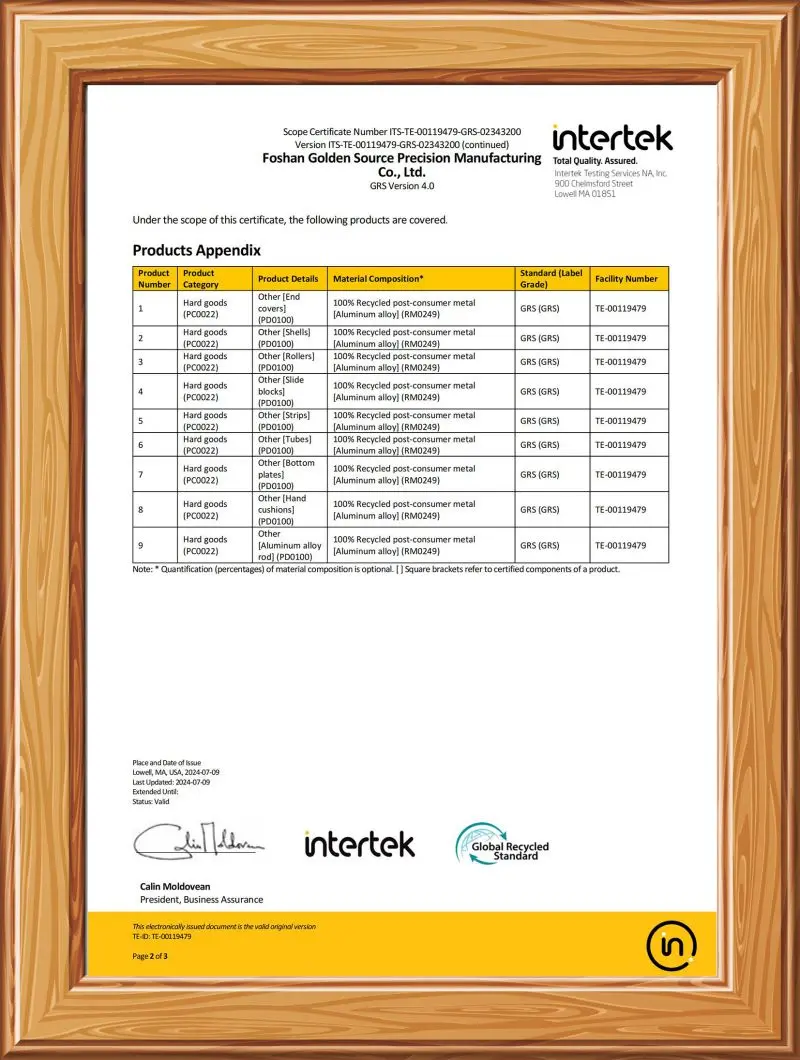
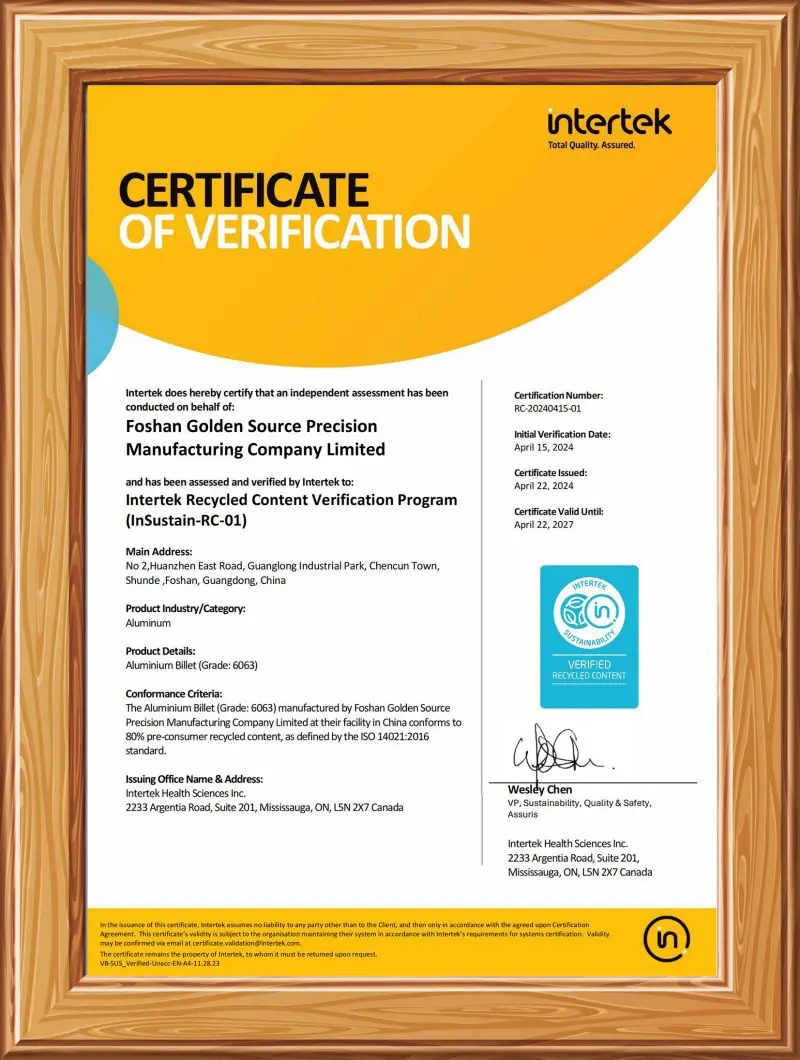
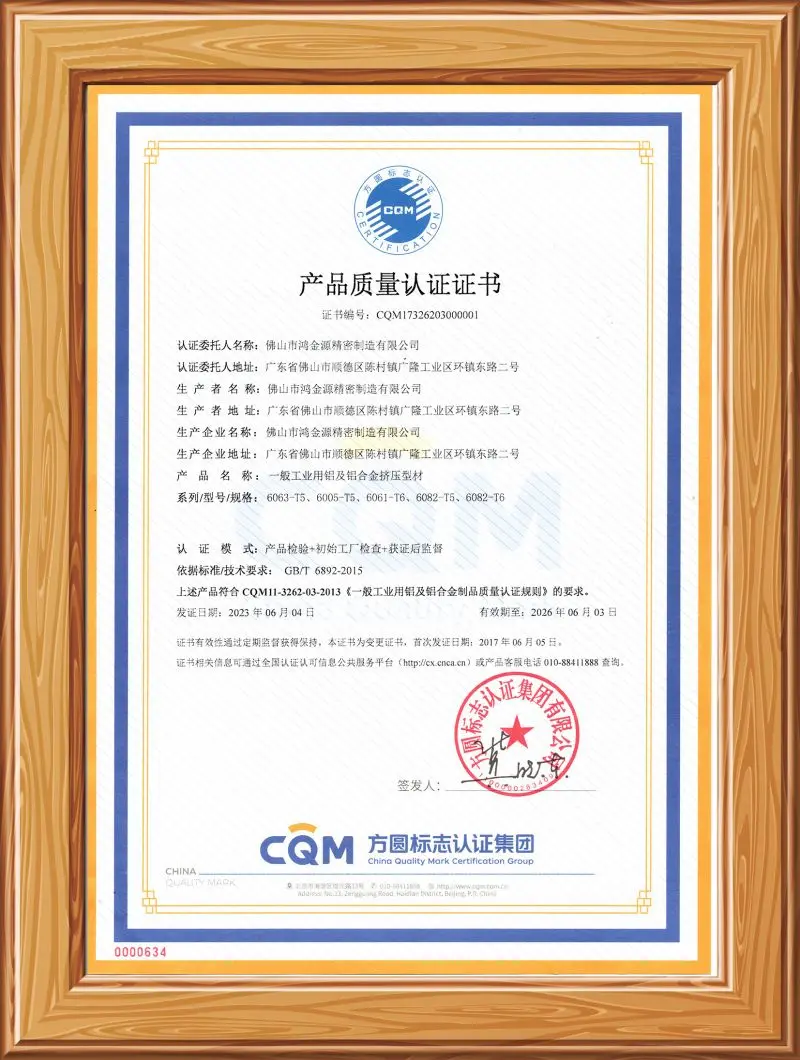
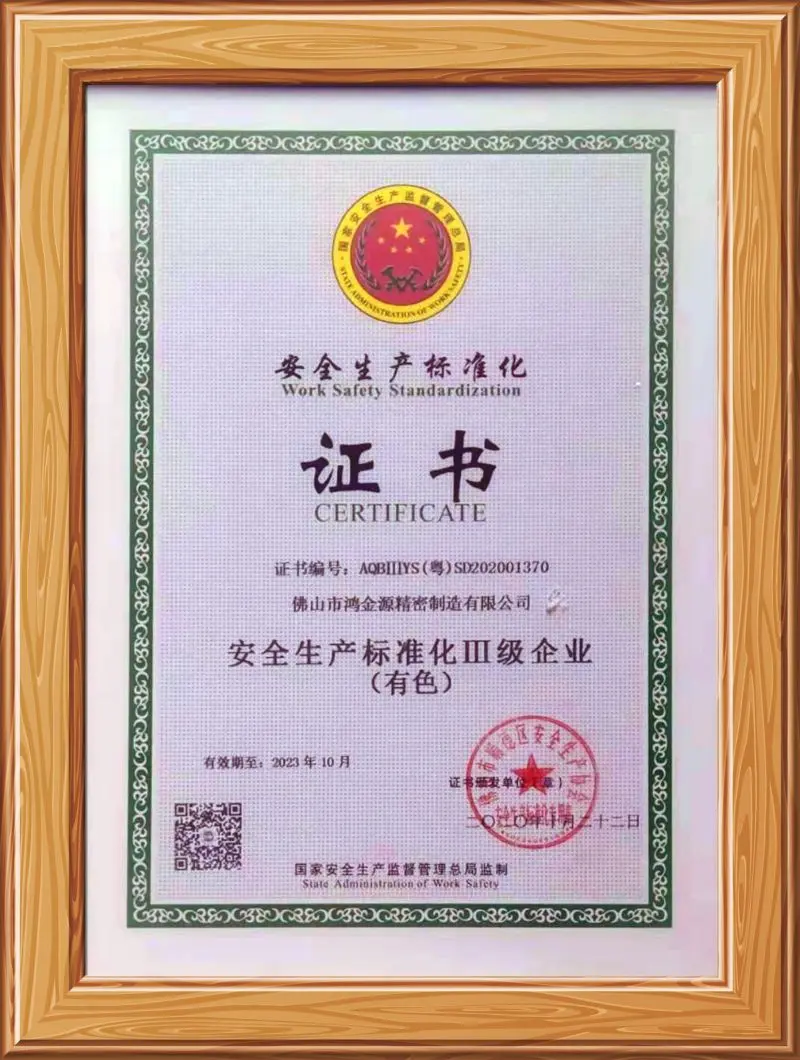
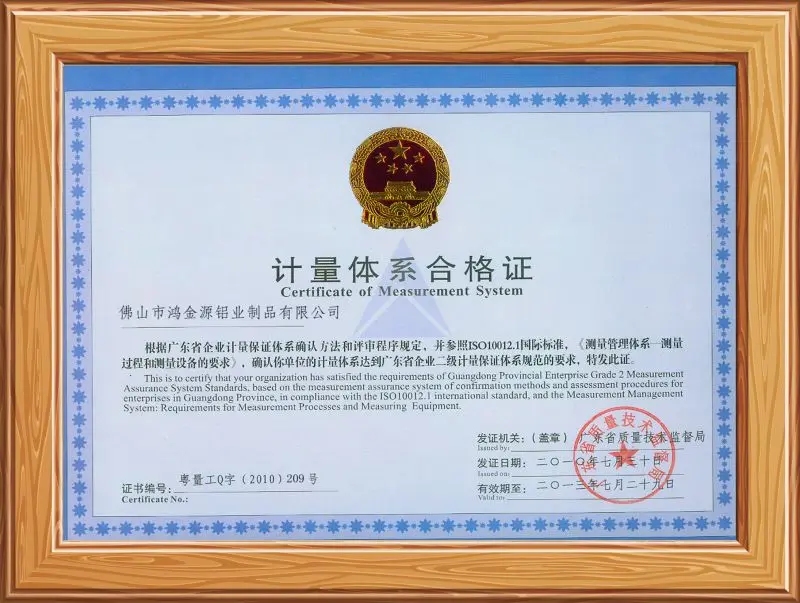
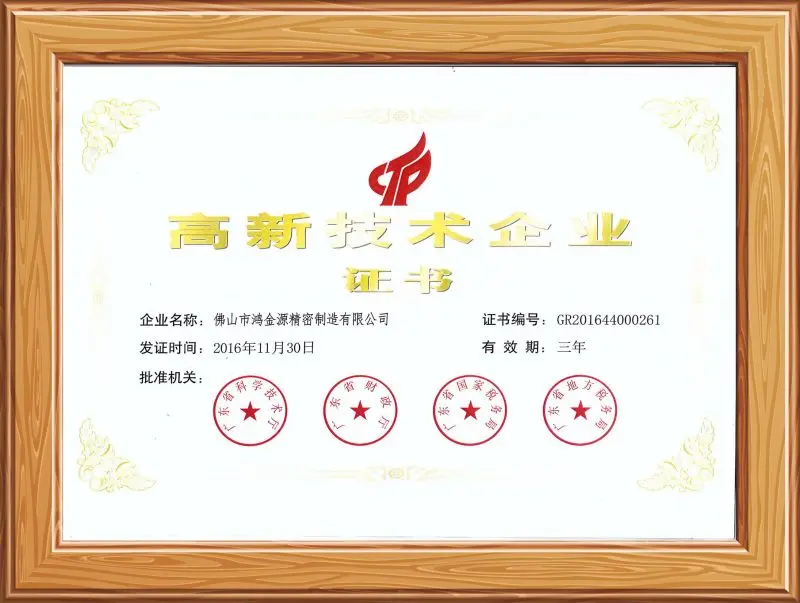
The company holds prestigious global certifications such as ISO9001, ISO14001, ISO45001, RCV, and GRS, ensuring that all physical and chemical processes comply with the rigorous environmental requirements of the EU’s REACH regulation. A wide range of aluminum alloy series are available, including: 1XXX, 3XXX, 5XXX, 6XXX, 7XXX alloy, allowing us to meet different demands of various industries and fields, including hardware tools, 3C products, automobile, railway, furniture, decoration, and outdoor products.
Company Catalogue Download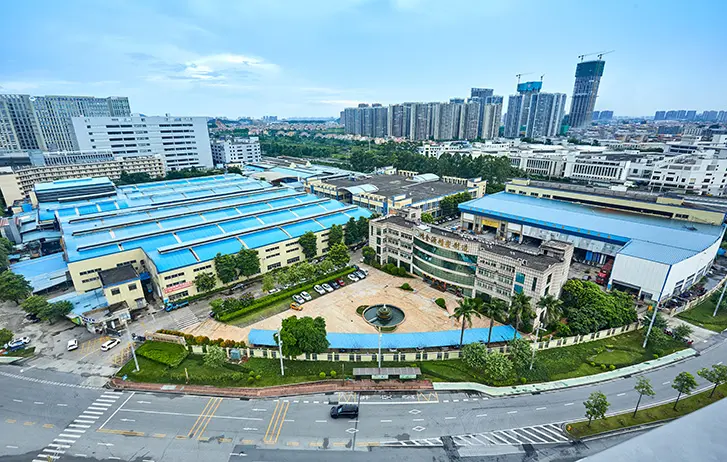
Understanding the micro-trends and structural demands shaping the global aluminum fabrication market.
Global transportation systems are undergoing structural decarbonization. The transition from heavy steel chassis to lightweight, high-tensile extruded and welded aluminum frames directly impacts fuel economy and EV range. Multi-alloy welding methodologies are now foundational for modern electric vehicle (EV) battery enclosures and light rail structural members.
5G expansion and next-generation consumer electronics demand high thermal dissipation materials with complex geometric requirements. By combining CNC precision machining with specialized robotic aluminum welding, manufacturers can build lightweight, hermetically-sealed enclosures with excellent electromagnetic shielding (EMI) properties.
Architectural applications, including curtain walls and structural supports, rely heavily on aluminum’s natural corrosion resistance. The integration of 6XXX series alloys with high-durability welding preserves aesthetic finish stability and structural integrity under high wind loads, which is essential for smart city developments.
How our vertically integrated facility translates to superior physical properties and cost advantages.
We melt and refine the alloy in-house. This allows us to adjust chemical compositions dynamically, controlling elements like iron and silicon to achieve optimized physical properties, exceptional weld puddle fluidity, and high-purity alloy matrixes suitable for premium anodizing.
All core manufacturing stages—extrusion, CNC machining, robotic welding, and electrochemical surface treatment—are kept strictly in-house. This centralized control prevents interfacial damage, controls dimensional deviations, and cuts down on redundant intra-plant transport costs, lowering total unit pricing.
Our true "one-stop" manufacturing environment simplifies communications between design, toolmaking, and production phases. Complex fabrications transition quickly from extrusion to final welding, significantly accelerating speed-to-market compared to fragmented supply networks.
Engineered to adapt to localized environments and specialized regulatory jurisdictions across global markets.
Our 5XXX (such as 5083, 5052) and marine-grade 6XXX (such as 6082-T6) welded aluminum sub-assemblies are tailored for high-salinity, offshore environments. Using optimized TIG/MIG parameters, we prevent grain boundary corrosion and structural failure in structural components like boat hulls, ladder frames, and offshore support systems.
For railway and logistics frameworks deployed in cold regions, we use specialized post-weld thermal and mechanical treatments to maintain toughness. This controls the Heat-Affected Zone (HAZ) properties, ensuring that welded parts retain ductile mechanical profiles and remain reliable in environments as low as -40°C.
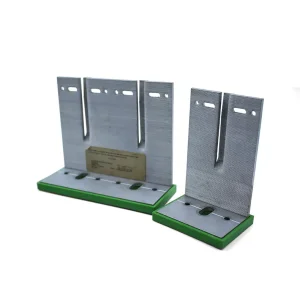
Our heavy-duty brackets and clamps are engineered for high vibration resistance on long-haul transport. Utilizing structural 6061-T6 and 7075-T6 alloys with specialized weld reinforcement profiles, they prevent micro-cracking and fatigue damage under high cyclical dynamic stress.
Aluminum electronics housings require clean, oxide-free welding and precise flatness. We integrate CNC milling with automated TIG welding to construct robust, high-tolerance enclosures that keep water and dust out while maintaining excellent heat dissipation and electromagnetic shielding.
Keeping pace with next-generation manufacturing technology to deliver maximum precision and reliability.
We are expanding the use of Friction Stir Welding (FSW) for our 6XXX and 7XXX series alloys. FSW is a solid-state joining process that joins aluminum below its melting point, preventing typical welding flaws like porosity, hot cracking, and element volatilization. This yields stronger, fatigue-resistant joints ideal for structural applications.
For thick structural plates, we use Laser-MIG hybrid welding. This process combines the deep penetration of a laser with the joint-bridging ability of MIG welding. This achieves fast weld speeds, reduces total heat input, limits thermal distortion, and increases manufacturing throughput.
We use automated optical inspection and digital welding controls to track real-time variables like current, voltage, and shield gas flow. This data-driven quality control helps prevent weld defects and ensures that every batch meets target specification baselines.
Leveraging industrial clustering and vertically integrated production to maximize efficiency and mitigate risk.
Our location in Foshan puts us at the center of the world's largest aluminum fabrication cluster. This proximity grants us rapid access to raw materials, tooling services, specialized hardware, and metallurgical talent, allowing us to absorb market fluctuations and maintain reliable production timelines.
We manage the entire production cycle in-house: Alloy Casting → Mold R&D → Extrusion → CNC Machining → Welding → Surface Finishing. By eliminating third-party sub-contractors, we prevent quality hand-off errors, speed up production, and pass the resulting cost savings directly to our clients.
Ensuring compliance with global quality and environmental standards across all major jurisdictions.
We work to major international design codes, including AWS D1.2 (Structural Welding Code—Aluminum) and EN 15085-2 (Railway Applications). Our engineering team reviews technical drawings to ensure that joint designs, fillet sizes, and tolerances meet target performance criteria.
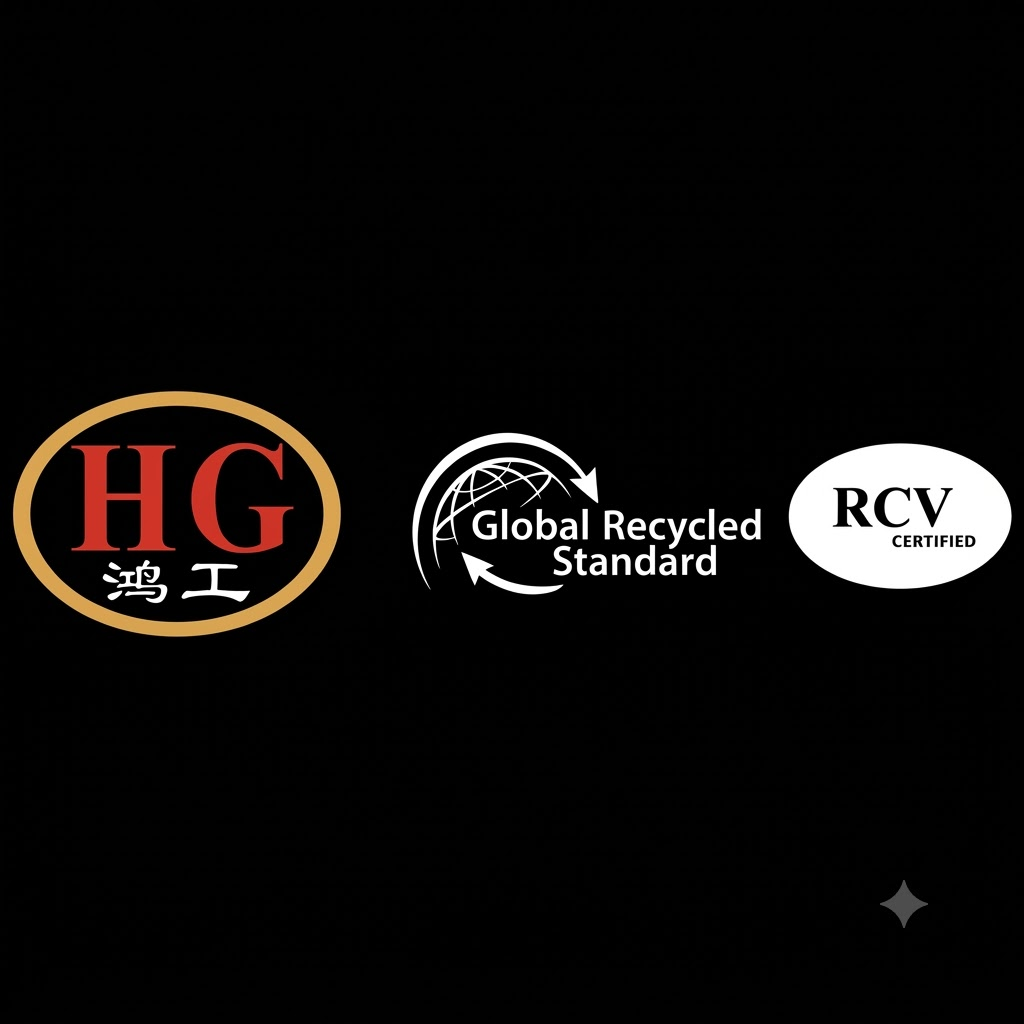
Our GRS (Global Recycled Standard) and RCV certifications demonstrate our commitment to clean production. Our processes comply fully with EU REACH regulations, ensuring our anodized and powder-coated parts are free from hazardous substances and meet strict environmental import requirements.
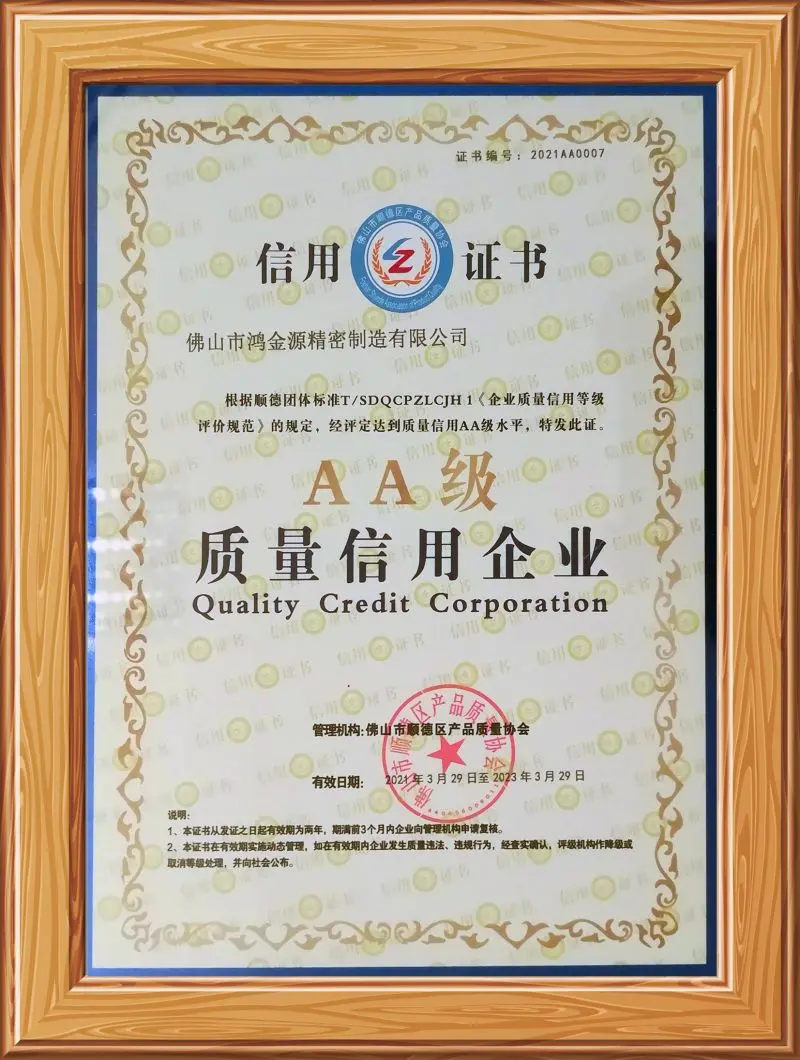
Our management processes are structured around ISO9001:2015, ISO14001:2015, and ISO45001:2018. Every stage of manufacturing, from incoming material inspection to final dimension auditing, is recorded to maintain complete traceability.
Technical insights and solutions from our senior engineering team to help optimize your product design.
Heavy-duty, structural, and decorative custom parts manufactured using precision CNC and structural welding.
 HG Precision