Explore our custom architectural profiles, CNC machined components, and high-performance structural systems designed for rigorous industrial requirements.
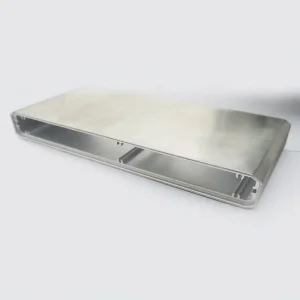
Modern architecture demands high visibility, sleek aesthetics, and uncompromising safety. The Aluminum U Channel Glass Railing sits at the intersection of these goals, providing structural containment for heavy glass balustrades while maintaining minimal visual interference. Selecting the right alloy, profile depth, and extrusion methodology determines whether a structural channel meets local safety codes or fails under high wind and crowd pressures.
This engineering whitepaper outlines the manufacturing pathways, physical alloy characteristics, design considerations, and cost metrics involved when sourcing custom OEM U-channels from Foshan Golden Source. As a leading precision manufacturing partner, we merge materials engineering with state-of-the-art extrusion and CNC tooling to provide industrial solutions worldwide.
Procuring raw aluminum extrusions or finished structural channels requires an understanding of localized compliance standards, raw metal pricing structures, and freight optimization. Project developers face the challenge of securing structural profiles that guarantee stability while remaining within strict budget limitations.
Global procurement teams must consider the following factors when selecting a manufacturer for OEM aluminum channels:
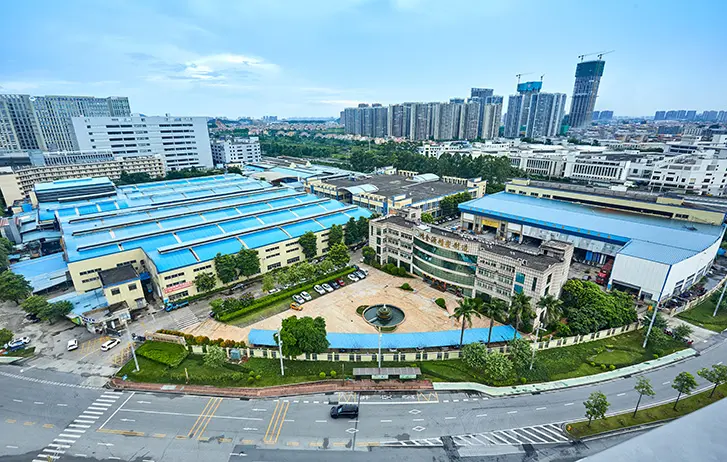
Established in 1991, Foshan Golden Source Precision Manufacturing Co., Ltd. is a professional manufacturer of high-strength, high-precision, customized aluminum profiles and precise machining aluminum parts, welded parts, and assembled aluminum products.
With a modern and environmentally friendly production base covering an area of over 73,000 square meters, the company offers a true one-stop service, including alloy casting, mold research & design & building, aluminum extruding, precise machining, welding, assembly, and surface treatment.
Foshan Golden Source is equipped to handle complex architectural profiles. Our capabilities stretch from standard 1XXX, 3XXX, and 5XXX alloys to highly structural 6XXX and 7XXX alloy series. This allows us to meet the diverse demands of various industries and fields, including hardware tools, 3C products, automobiles, railways, furniture, decoration, and outdoor structural products.
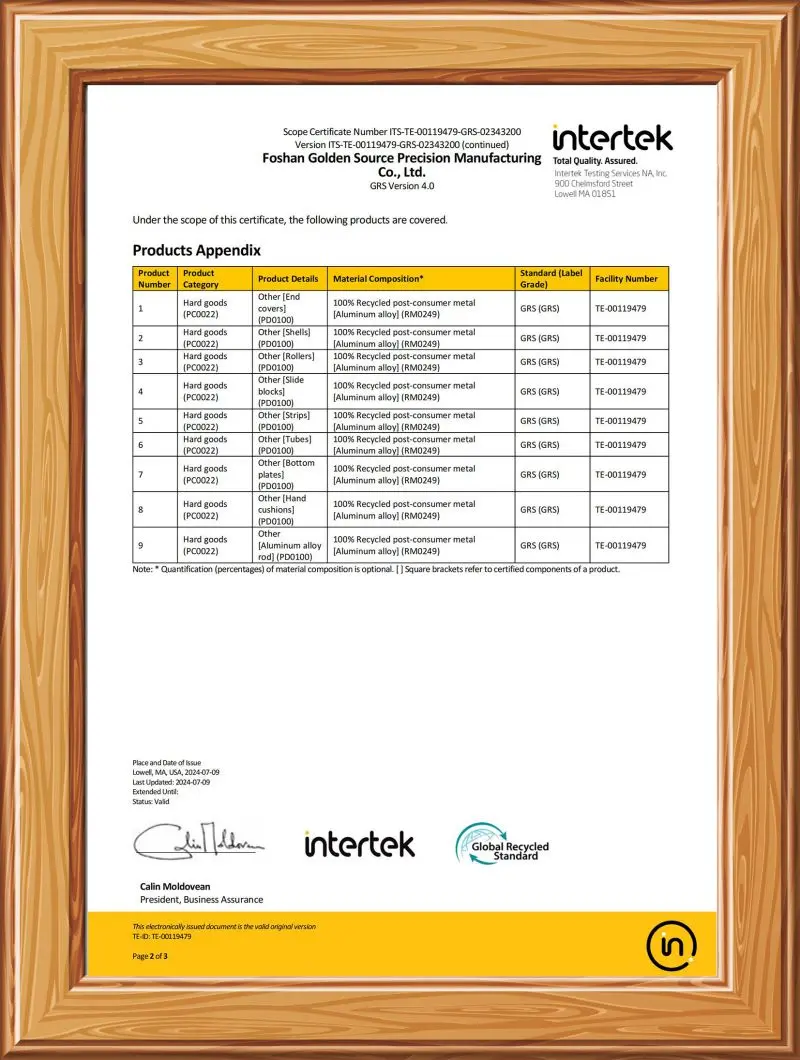
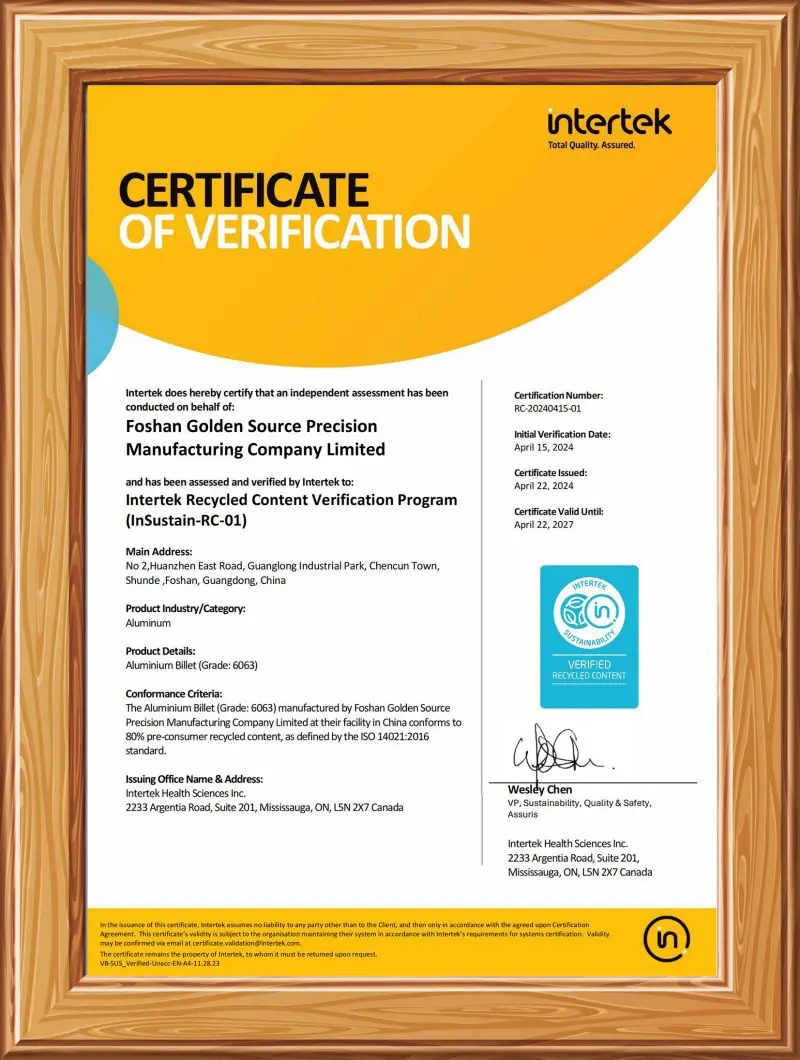
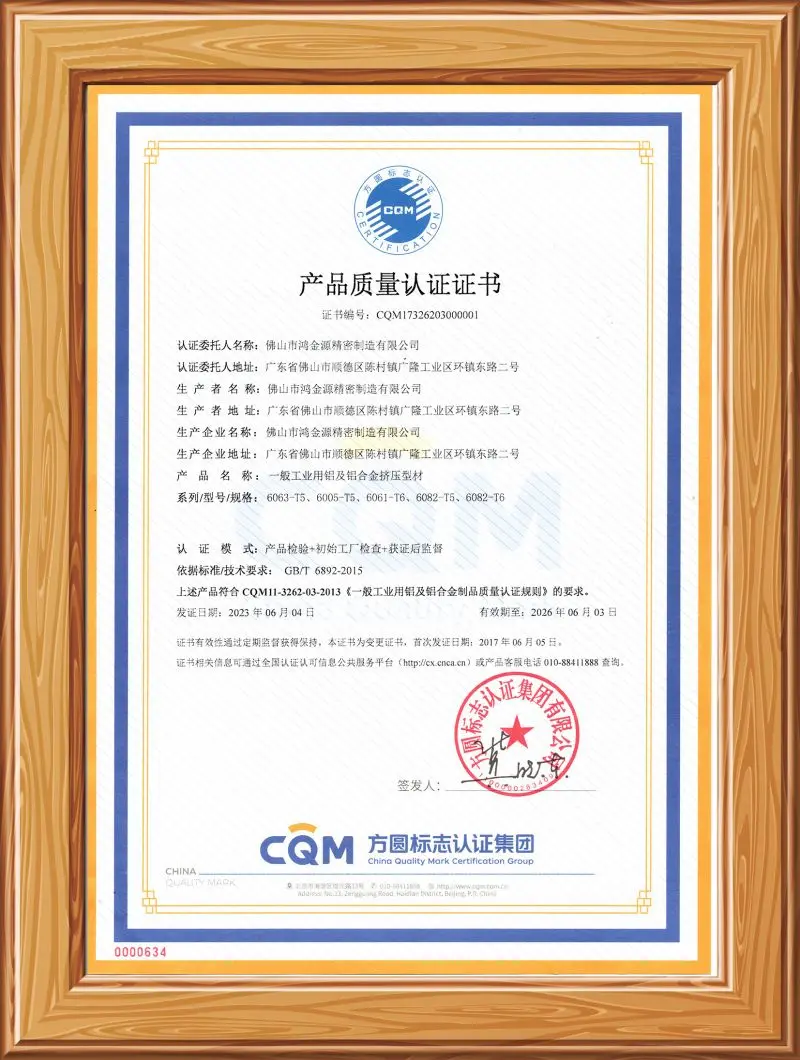
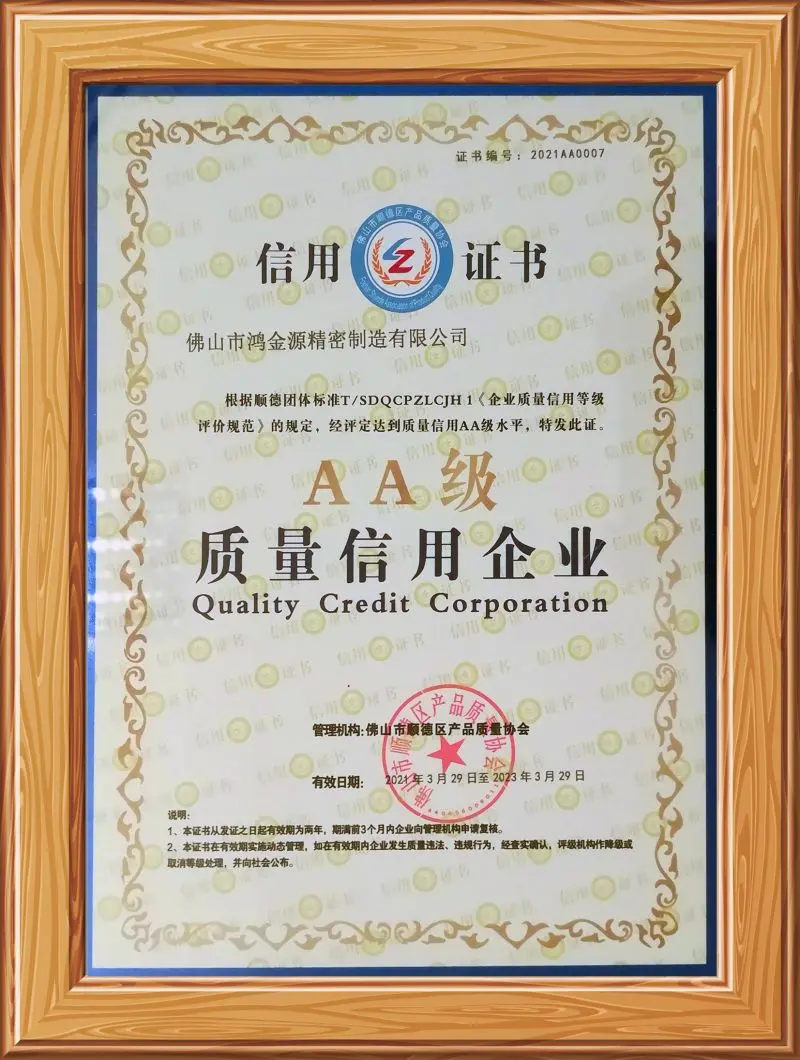
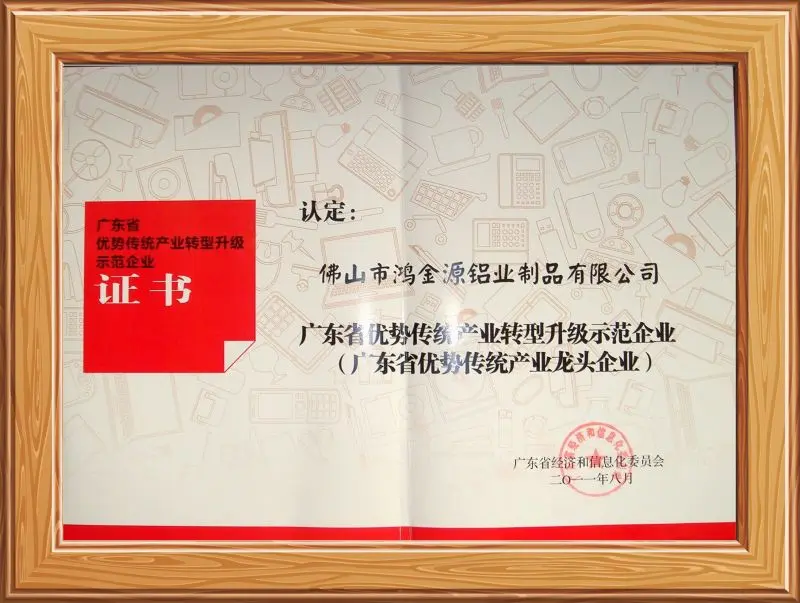
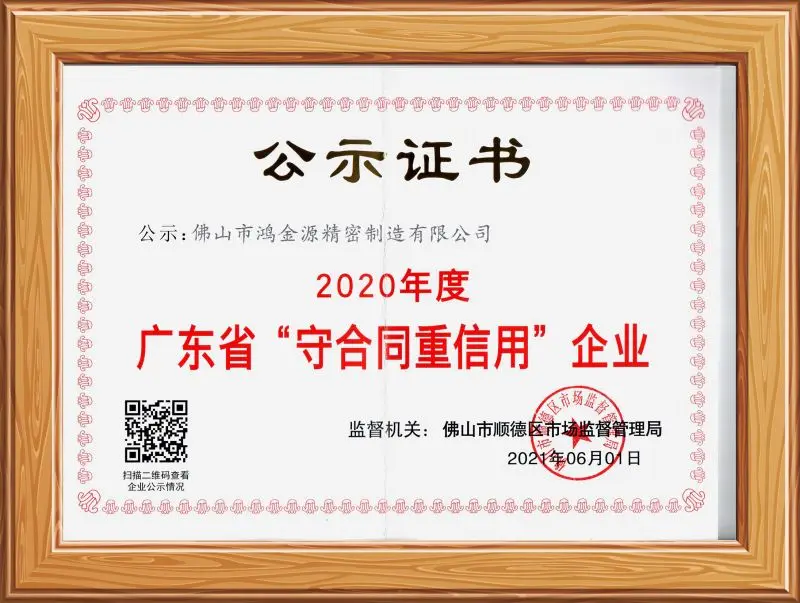
Our commitment to quality control and environmental stewardship is backed by a suite of international certifications. Foshan Golden Source holds certifications such as ISO9001, ISO14001, and ISO45001. We are also among the select manufacturers certified with GRS (Global Recycled Standard) and RCV (Recycled Content Value). These certifications ensure that our structural aluminum meets the strict sustainability guidelines of international developers, complying with environmental requirements such as the EU's REACH regulation and LEED certifications.
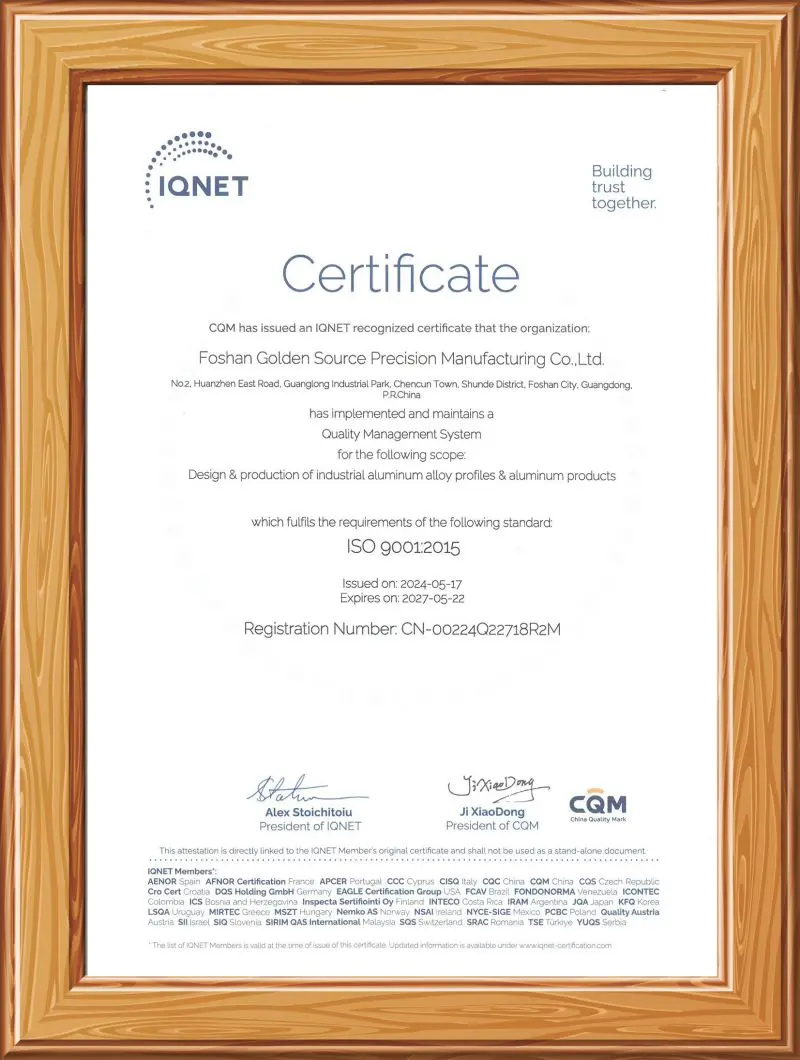
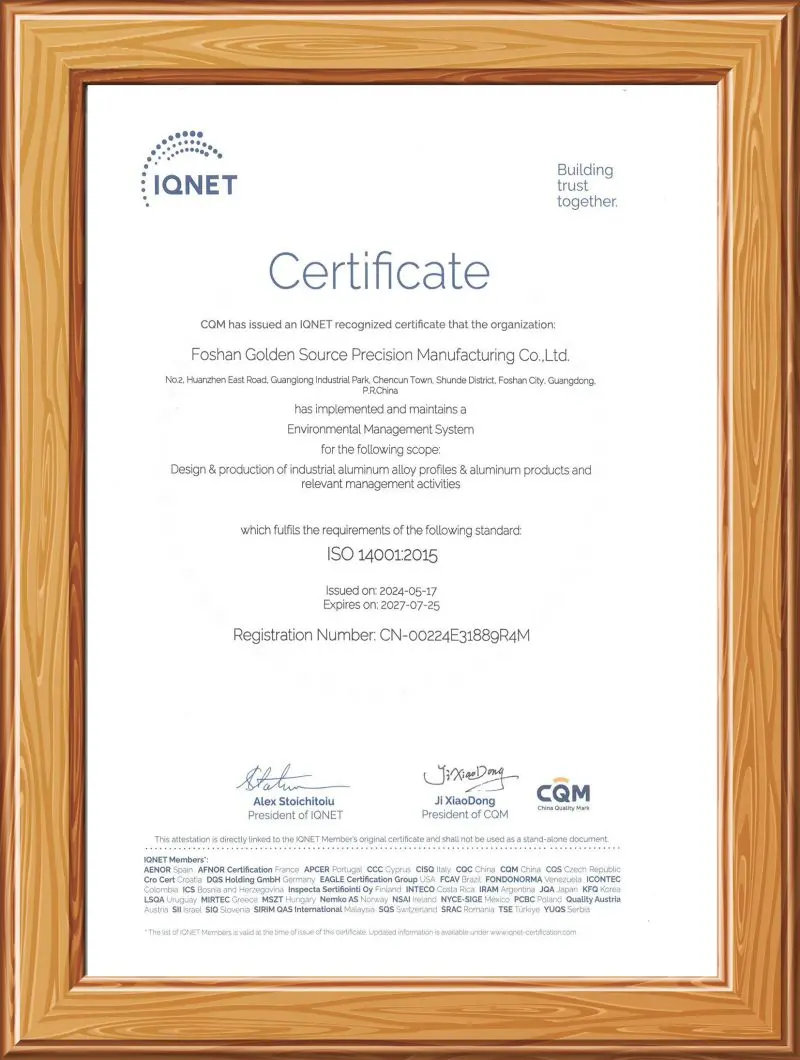
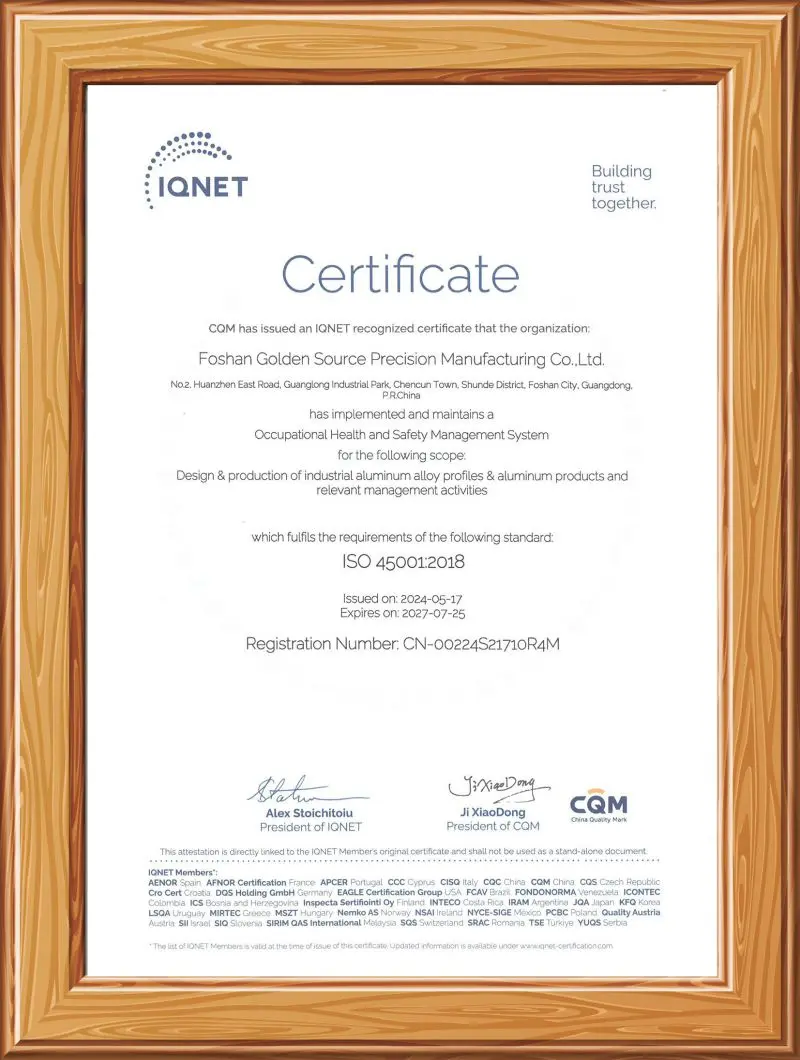
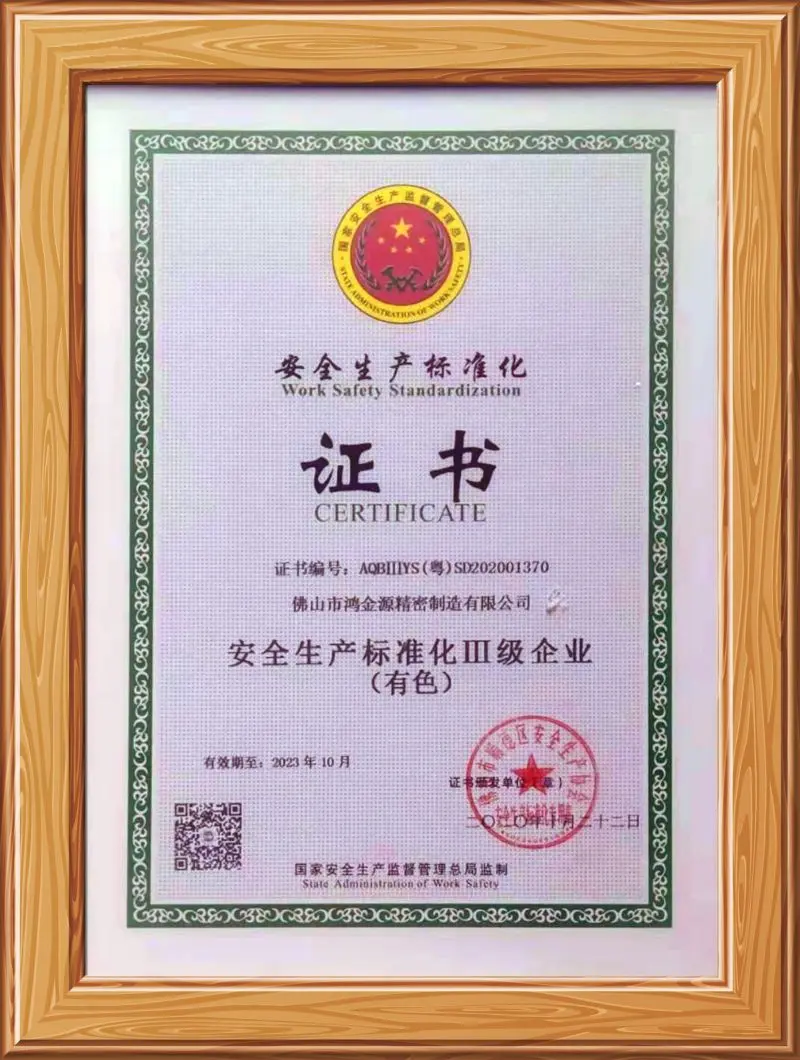
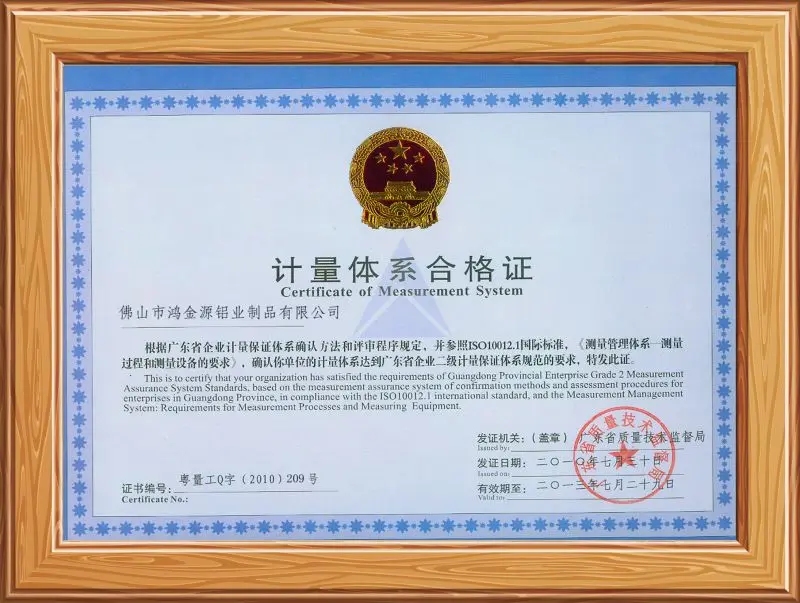
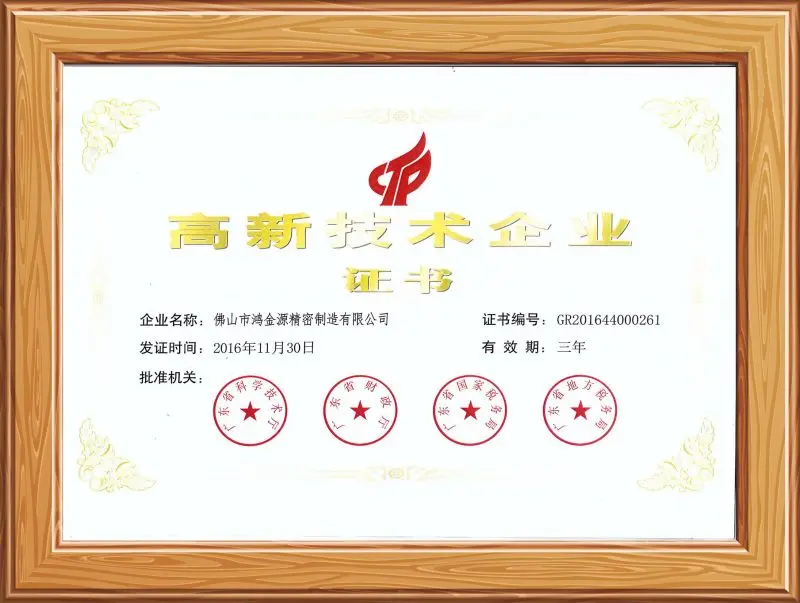
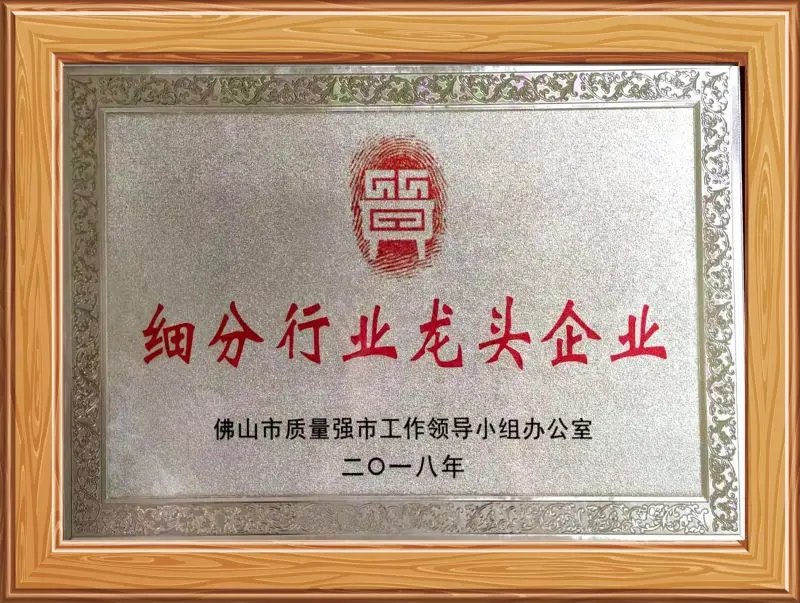
By controlling every step of the production process in-house, we eliminate intermediate costs and ensure reliable quality for every shipment.
We melt and refine our aluminum alloys in-house. This allows us to adjust the chemical composition to achieve optimal mechanical properties and high purity, which is critical for clean, consistent anodizing results.
Extrusion, CNC machining, and surface treatments are performed under one roof. This integrated process enables tight quality control and lowers overall production costs, providing a competitive unit price at a higher quality standard.
Our "one-stop" manufacturing framework simplifies coordination between raw material extrusion and final mechanical treatments, reducing project lead times for international deliveries.
Sourcing aluminum profiles for frameless glass balustrades requires balancing structural flexibility with load resistance. The structural integrity of the channel depends on the selection of the alloy and the heat-treatment process (temper).
The standard materials for structural glass tracks are 6063-T5, 6063-T6, and 6061-T6. Choosing between these profiles depends on your load requirements and structural considerations:
| Alloy & Temper | Yield Strength (MPa) | Tensile Strength (MPa) | Elongation (%) | Primary Application Area |
|---|---|---|---|---|
| 6063-T5 | ≥ 130 | ≥ 160 | ≥ 8 | Residential balustrades, interior partitions, low-wind zones. |
| 6063-T6 | ≥ 170 | ≥ 205 | ≥ 8 | High-rise balconies, commercial handrails, coastal buildings. |
| 6061-T6 | ≥ 240 | ≥ 260 | ≥ 9 | Heavy commercial spaces, stadiums, public transit barriers. |
Under lateral force (such as a wind load or someone leaning against the rail), the glass panel acts as a lever arm transferring load directly into the base aluminum channel. The base of the U-profile experiences significant shear stress. To handle these forces without deformation, our engineering team uses Finite Element Analysis (FEA) to optimize wall thickness. By adding material at high-stress points while keeping non-critical sections lighter, we create profiles that reduce overall weight without sacrificing safety.
How the glass is secured within the aluminum channel is critical for performance, longevity, and ease of installation. Developers typically choose between two main mounting methods:
This approach uses synthetic elastomeric wedges and plastic clamping guides to lock the glass panel in place. The advantages of dry-wedge installations include:
In wet installations, the glass is centered in the channel using temporary spacer blocks, and a non-shrink structural grout is poured into the cavity. This method is often chosen for:
Building codes require different load capacities for glass railings depending on the region and the building's use. Sourcing from a certified manufacturer ensures that the extruded profiles will meet the demands of local building inspections:
Foshan Golden Source conducts internal mechanical testing and material verification to ensure all shipped batches match the specifications outlined in these international standards.
Answers to key technical questions commonly asked by structural engineers, specifiers, and procurement officers.
For commercial applications with heavy foot traffic, we recommend a minimum structural wall thickness of 8.0 mm to 12.0 mm, depending on the glass height and load requirements. Residential interior channels can use a wall thickness of 5.0 mm to 7.0 mm. We can assist with custom structural calculations for your project's specific needs.
The temper determines the yield strength of the material. For example, 6063-T6 offers roughly 30% higher yield strength than 6063-T5. This makes T6 tempers much more resistant to permanent deflection when subjected to high wind gusts, allowing the railing system to bounce back without structural deformation.
For installations near the ocean, we recommend a Class I clear anodized finish with a thickness of 20 to 25 microns, or a high-durability PVDF (Fluorocarbon) coating. These treatments provide excellent resistance to salt spray and atmospheric moisture, passing ASTM B117 salt spray tests for up to 3,000 hours.
Custom extrusion dies are typically designed, cut, and tested within 10 to 14 days. Once the sample profile is approved, production extrusion runs generally take 2 to 3 weeks, depending on the volume and surface treatment required.
Yes. We hold GRS (Global Recycled Standard) and RCV (Recycled Content Value) certifications. These confirm the recycled aluminum content in our products, helping projects qualify for environmental points under programs like LEED or BREEAM.
Explore additional specialized components, hardware, and structural brackets engineered to close tolerances.
 HG Precision