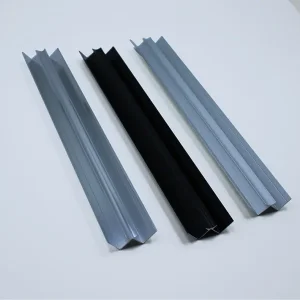
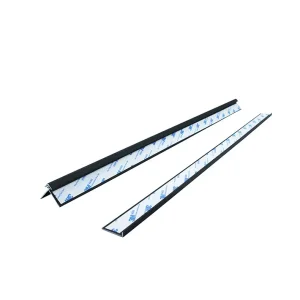
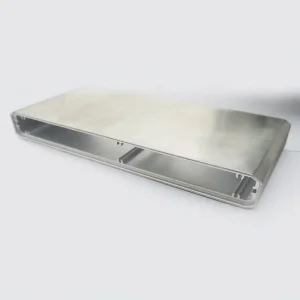
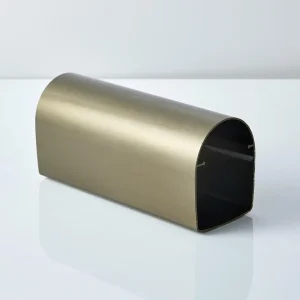
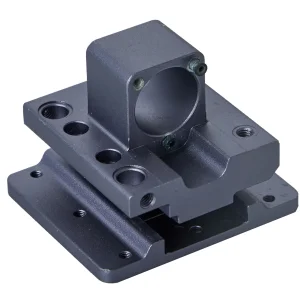
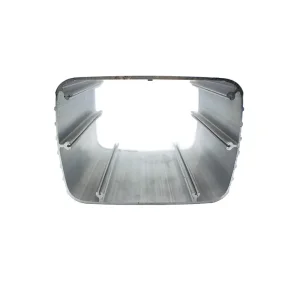
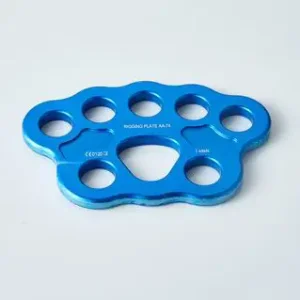
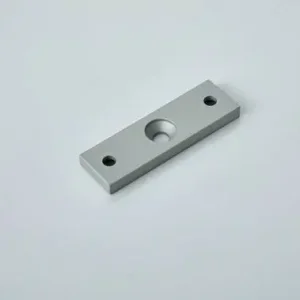
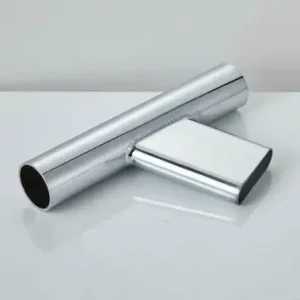
ODM Anodized Aluminum Kit Manufacturers & Products

Precision Extrusion, CNC Machining, and Surface Treatment Solutions for Global Enterprise Procurement

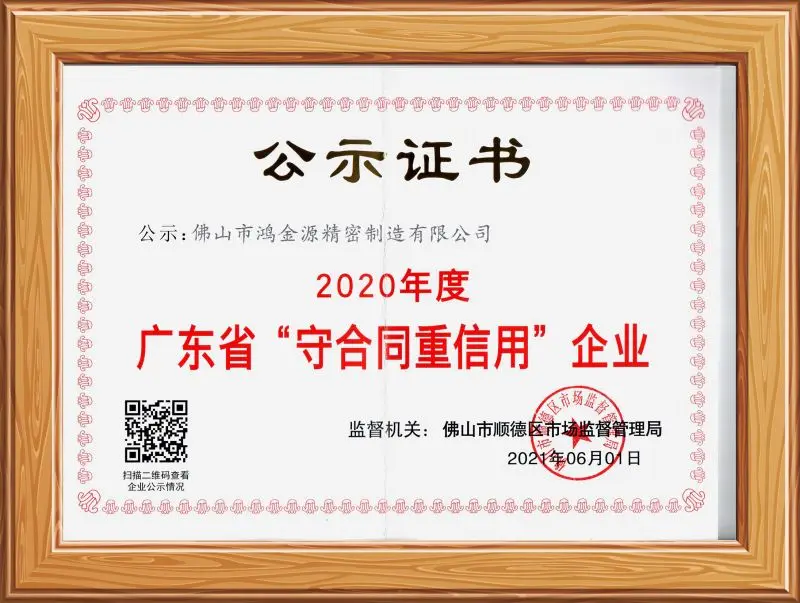
The Core of Precision: Foshan Golden Source

Established in 1991, Foshan Golden Source Precision Manufacturing Co., Ltd stands as a benchmark of precision engineering, supplying customized high-strength, high-precision aluminum profiles and advanced CNC machined components globally. Spanning an expansive, environmentally responsible manufacturing base exceeding 73,000 square meters, we provide a unified, end-to-end manufacturing footprint.

From alloy formulation and in-house smelting to custom die research, precision extrusion, multiaxis CNC machining, automated welding, multi-step assembly, and complex surface treatments, we maintain control over every node of the supply chain. This comprehensive capability ensures that we deliver mechanical and cosmetic consistency while adhering to demanding international specifications.

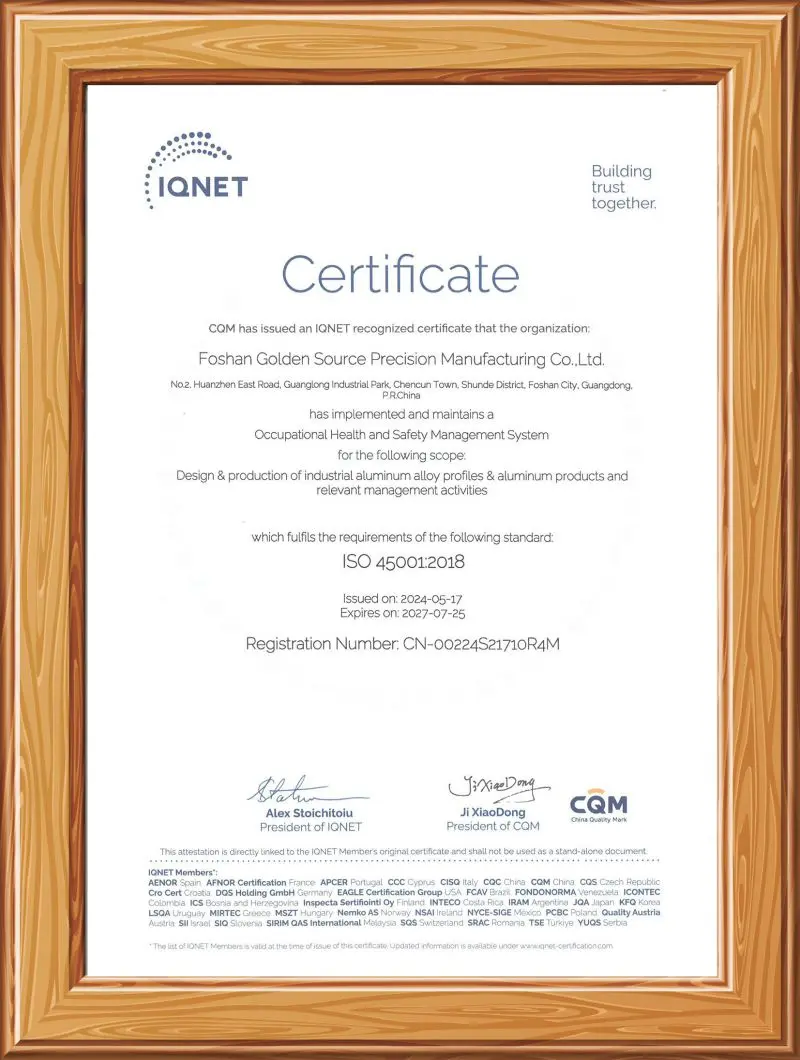
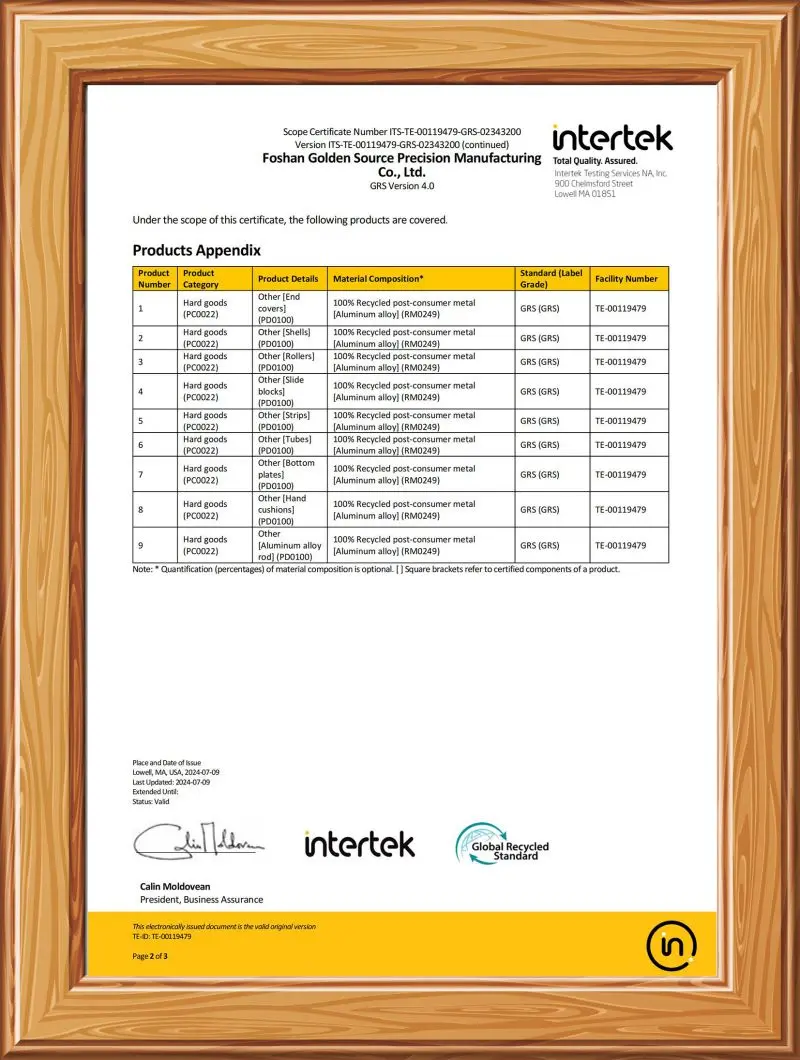
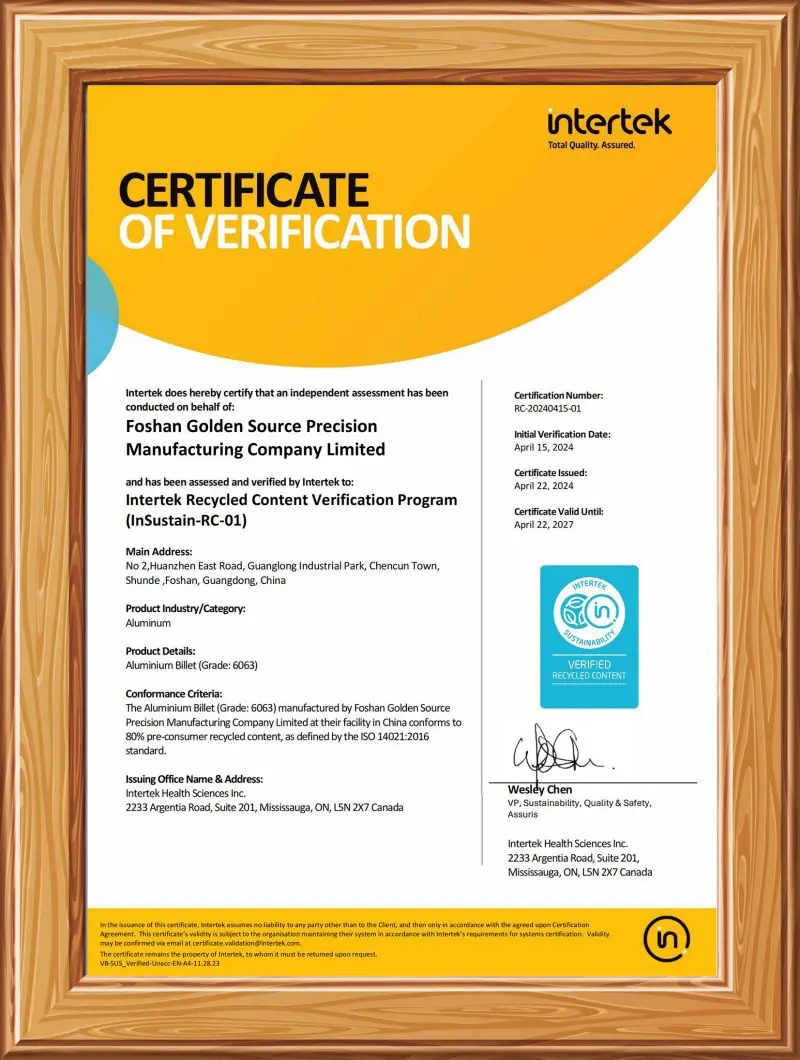
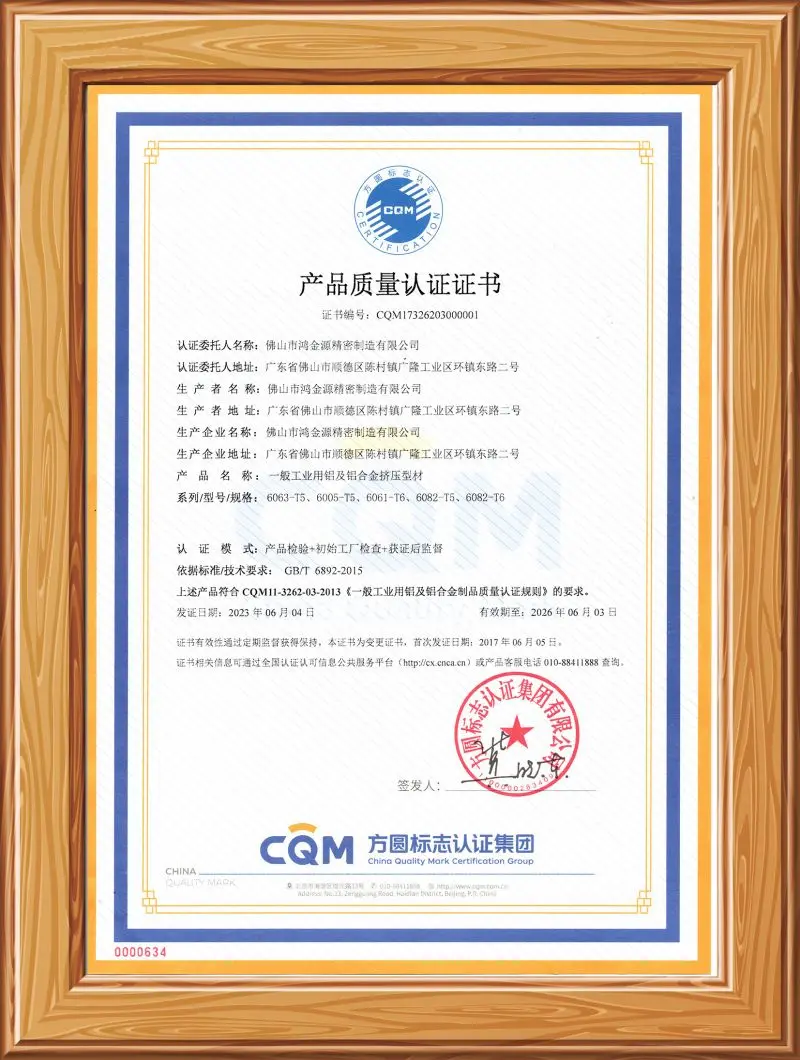
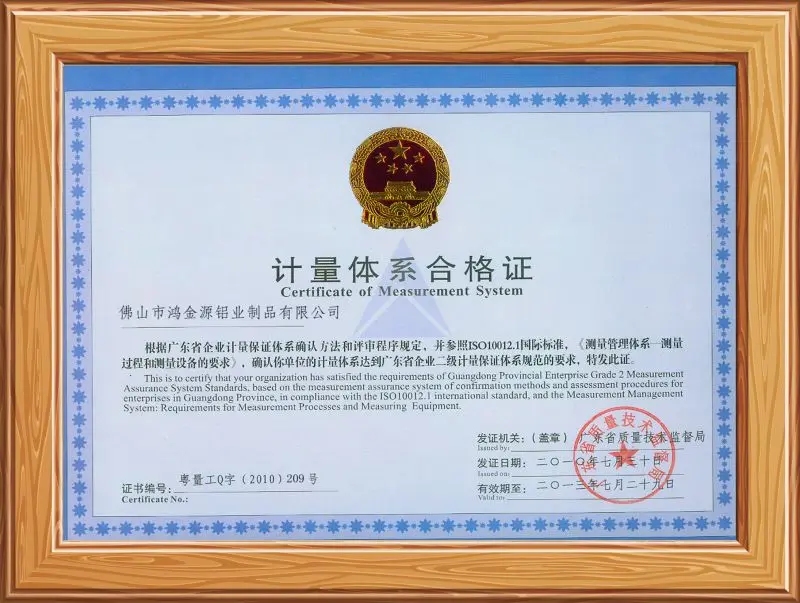
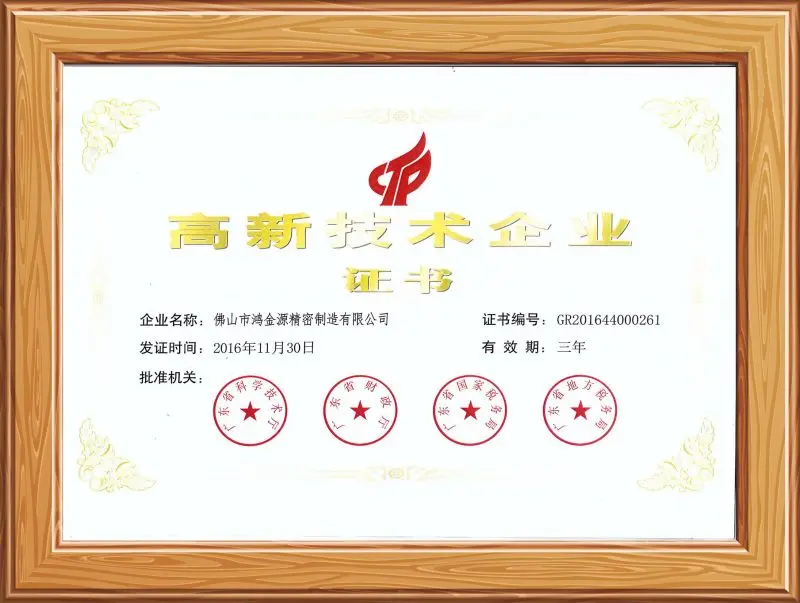
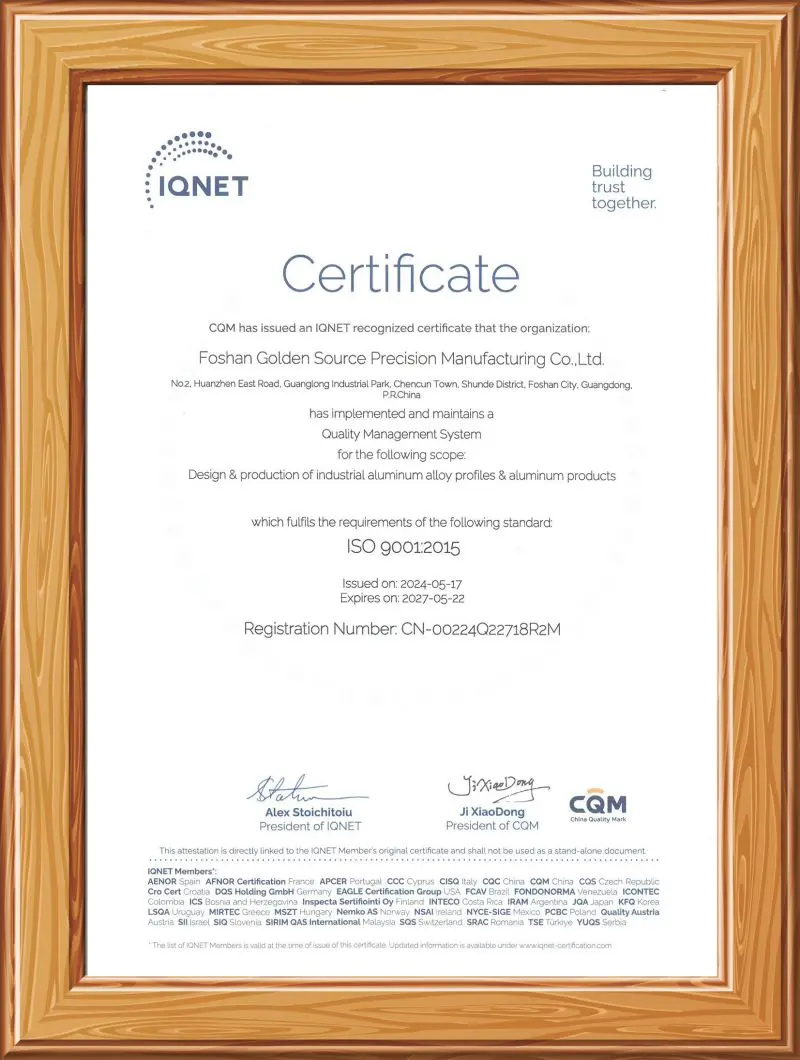
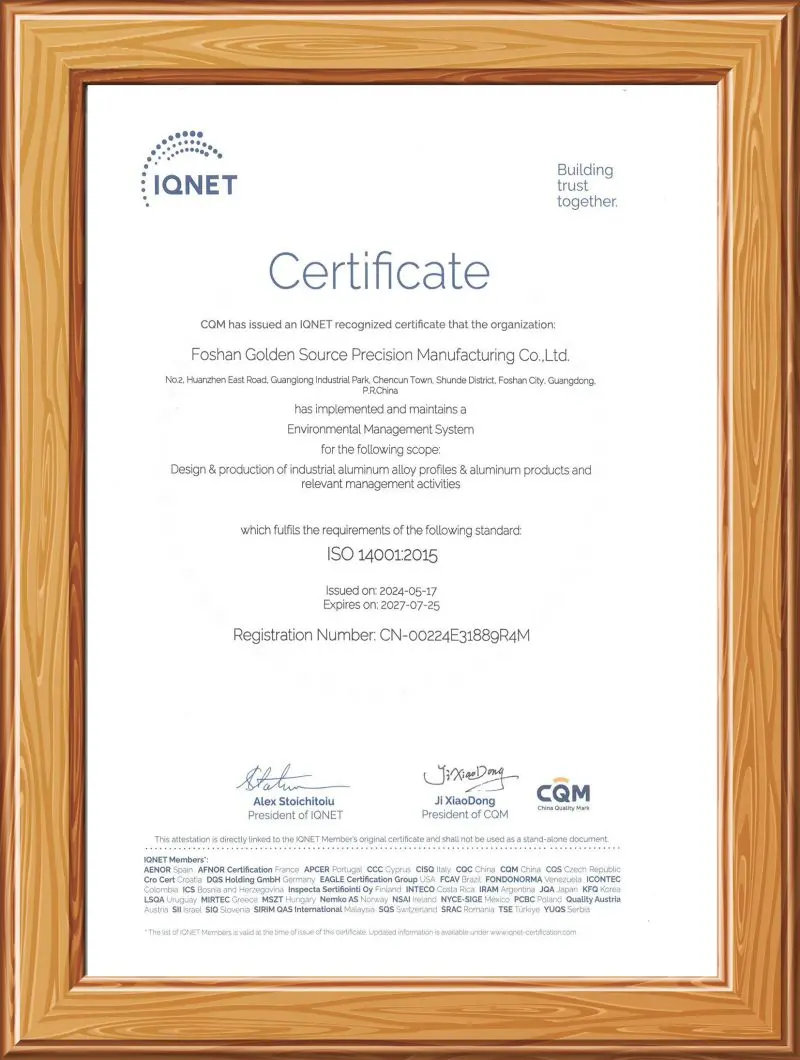
Our facilities carry ISO9001, ISO14001, ISO45001, RCV, and GRS (Global Recycled Standard) certifications. This guarantees that all processes and products comply with strict international ecological frameworks, including the EU’s REACH regulations and RoHS directives.

We work across a diverse spectrum of alloys including 1XXX, 3XXX, 5XXX, 6XXX, and 7XXX series aluminum. This metallurgy range enables us to address structural, thermal, and decorative parameters across diverse markets: consumer electronics, automotive structural parts, railway rolling stock, luxury furniture, architectural systems, and heavy-duty industrial fixtures.
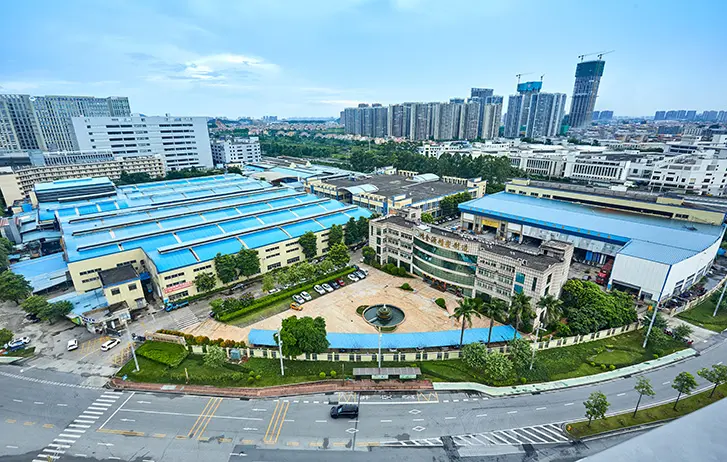
Foshan Golden Source Precision Manufacturing Plant

Explore Our Full Technical Capabilities

Download our technical catalog detailing alloy specs, tolerances, and surface options.

Download Catalog

Why Partner with Chinese Manufacturers for Anodized Aluminum Kits?

Integrating supply chains in South China’s manufacturing clusters yields clear logistical, metallurgical, and economic advantages for international OEMs. Here is how Foshan Golden Source delivers direct value.

In-House Smelting & Alloy Adjustments

By melting and blending alloys in our own casting shop, we optimize composition ratios. This control over trace elements yields structural integrity and prepares the metal for uniform, blemish-free decorative anodizing.

Consolidated Quality & Cost Control

Machining, welding, and surface treatment are executed under a single roof. This vertical workflow eliminates inter-factory freight costs, minimizes handling damage, and maintains tight control over critical tolerances.

Compressed Production Cycles

Our integrated production lines eliminate multi-supplier coordination. This structural speed shortens your time-to-market and ensures reliable production schedules for complex, multi-component assemblies.

1991

Established Year

73k+

Production Area (m²)

1k-7k

Alloy Series Range

100%

REACH & RoHS Compliant

Industry Development & Evolving Market Trends

The global demand for anodized aluminum kits is undergoing a structural transition. Industrial and consumer product designs now prioritize light weighting, recycling efficiency, and thermal management. Historically, sourcing teams procured raw extrusions and managed downstream CNC machining, surface finishing, and assembly through separate providers. This fragmented approach introduced risks: tolerance stack-up issues, color variation across batches, and higher shipping emissions.

The market has shifted toward integrated sub-assemblies—fully finished, structural metal kits ready for immediate line-side installation. By delivering parts complete with gaskets, fasteners, pre-applied adhesives, and protective finishes, manufacturers assume full dimensional responsibility. This integrated model mitigates quality disputes, simplifies global logistics, and optimizes inventory management.

Macro-Level Industry Solutions

Anodized aluminum kits serve critical structural and thermal roles across several key industries:

  • Renewable Energy & Battery Enclosures: Custom extrusions provide structural support and thermal dissipation paths for battery kits used in light electric vehicles (LEVs) and stationary energy storage.
  • Advanced Electronics (3C) & Telecom: High-precision CNC enclosures protect components, shield against electromagnetic interference (EMI), and function as passive heat sinks.
  • Modern Architectural Hardware & Cabinetry: Sleek structural profiles with chemical-resistant anodized finishes meet the aesthetic and durability demands of high-end commercial interiors.
  • Automotive & Logistics: Lightweight chassis connectors, high-strength mounting brackets, and impact-resistant assembly profiles help reduce vehicle weight and improve fuel efficiency.

Metallurgy and Surface Finishing Technology

Selecting the proper alloy and finishing method determines how a component performs in its operating environment:

  • 6063-T5 vs. 6063-T6: 6063-T5 offers excellent extrudability and complex shape capability, making it well-suited for decorative and intricate parts. 6063-T6 undergoes artificial aging to increase yield strength, making it ideal for structural load-bearing components like gate closer profiles.
  • 7075-T6 for Structural Components: Alloyed primarily with zinc, 7075-T6 provides high strength comparable to many steels, making it a reliable choice for high-stress applications such as climbing equipment and structural connectors.
  • Precision Anodizing Control: Anodizing grows a controlled, protective oxide layer directly on the aluminum substrate. By managing parameters like current density, bath temperature, and alloy purity, we produce finishes ranging from clear natural anodizing to custom bronze and sky grey. In-house chemical pre-treatments like sandblasting and acid etching eliminate extrusion lines, ensuring consistent surface textures across production runs.

Our manufacturing lines are audited to satisfy stringent EU and global environmental rules, certified under ISO9001, ISO14001, ISO45001, GRS, and RCV.
Expert Procurement Technical Q&A

Addressing the technical, quality, and supply chain questions of global engineering buyers.

Why is smelting raw aluminum in-house critical for high-grade anodized profiles?
Anodizing highlights surface defects, crystalline structures, and iron impurities. By smelting in-house, we control trace element concentrations, minimizing structural segregation and raw ingot impurities. This internal metallurgical control ensures a consistent anodized finish, free of optical hazing or banding, which is crucial for cosmetic-grade applications.
What are the mechanical and applications differences between 6063-T5 and 6063-T6?
The difference lies in heat treatment. 6063-T5 is cooled directly from extrusion and naturally aged, offering excellent surface quality and complex cross-sections. 6063-T6 undergoes solution heat-treating and artificial aging, raising its yield and tensile strength. We recommend T5 for decorative trim, cabinet components, and standard enclosures, while T6 is selected for load-bearing parts like hydraulic gate closers and heavy mounting systems.
How does Foshan Golden Source ensure compliance with EU REACH and RoHS regulations?
We trace raw materials from source smelting onward, avoiding hazardous chemical inputs. Certified testing laboratories audit our chemistry to confirm that heavy metal content (such as lead, cadmium, and hexavalent chromium) remains well below European limits. Additionally, our RCV and GRS certifications verify the origin and composition of recycled content in our eco-friendly product lines.
What is the typical thickness range and durability of your anodized layers?
We produce anodized layers ranging from 5 to 25 microns depending on the application. Architectural and indoor components generally specify 8 to 12 microns, while outdoor, industrial, or marine components utilize a 15 to 25-micron layer. This thickness ensures resistance to atmospheric corrosion, salt spray, and abrasive wear.
How do you prevent dimensional tolerance issues when joining extrusions with CNC parts?
Because we handle both the extrusion and downstream CNC machining in-house, we design and run tooling to manage tolerance stack-up. We compensate for natural extrusion drift during the CNC machining phase, using custom fixtures and tool path routines to maintain dimensional compatibility across the final kit assembly.
What options are available for custom product branding on aluminum profiles?
We offer multi-color silkscreen printing, precision laser marking, and chemical etching. Laser engraving is typically recommended for anodized surfaces because it vaporizes the oxide film to expose the underlying metal, creating high-contrast, permanent markings that resist wear and solvent exposure.
How does GRS (Global Recycled Standard) certification support corporate ESG goals?
Our GRS certification validates the chain of custody for recycled aluminum content in our products. Sourcing GRS-certified aluminum kits helps procurement teams lower their Scope 3 greenhouse gas emissions, satisfy supply chain transparency mandates, and support corporate environmental, social, and governance (ESG) reporting.