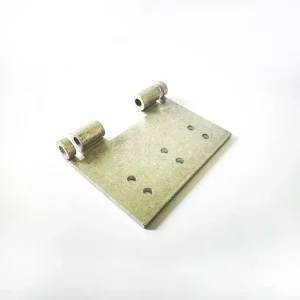
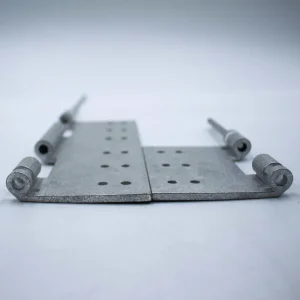
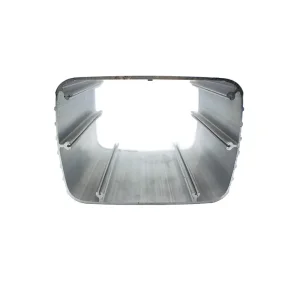
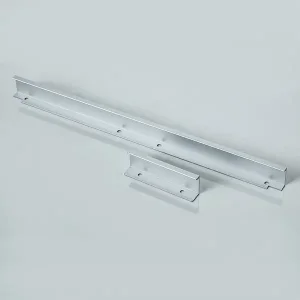
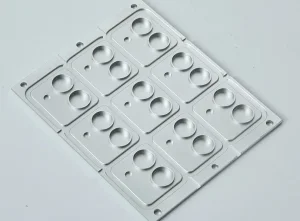
High-precision customized configurations and ODM solutions engineered to exceed rigorous ISO standards across global industrial applications.
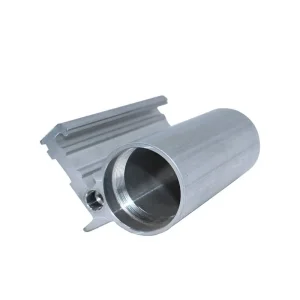
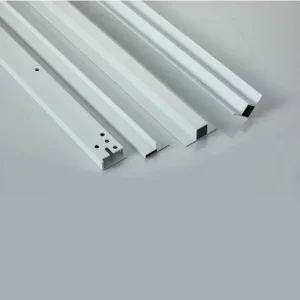
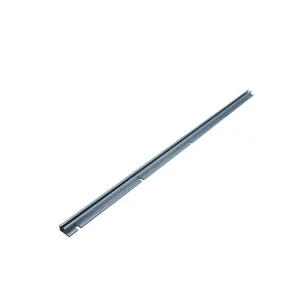
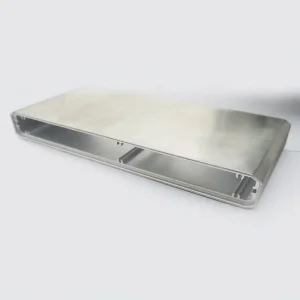
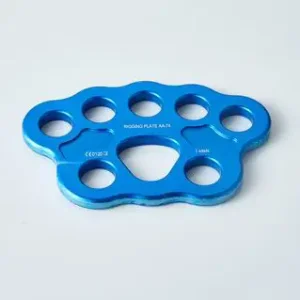

Established in 1991, Foshan Golden Source Precision Manufacturing Co., Ltd stands as a benchmark of precision metal forming and extrusion technology. Over three decades of expansion has culminated in a state-of-the-art, eco-conscious industrial complex encompassing over 73,000 square meters of manufacturing area.
Through our fully integrated vertical setup, we provide an all-inclusive single-source solution. From internal alloy metallurgical blending and custom tool and mold research to precision stamping, deep drawing, CNC machining, welding, and surface treatment, we ensure absolute supply chain visibility.
Download Company Catalogue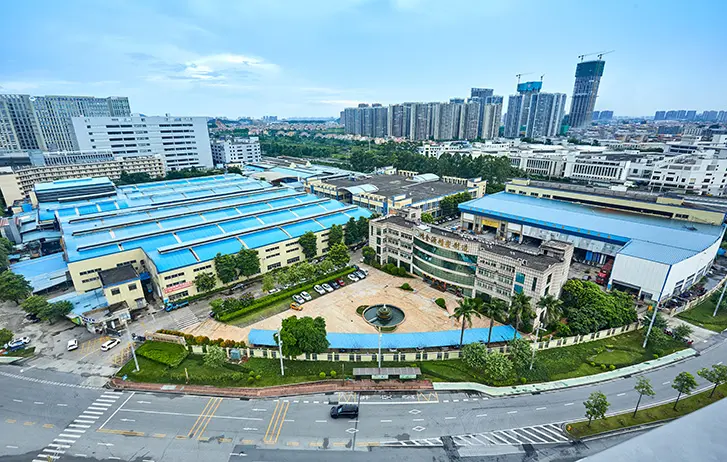
Why leading global OEMs trust Foshan Golden Source to build structural aluminum components with enhanced yield and cost predictability.
We perform casting and alloy composition adjustment in-house. This guarantees optimal anodizing purity, customized grain orientation, and the strict mechanical yield strengths required for precision stamping.
By conducting secondary machining, punching, stamping, and complex anodization/powder coating at one single location, we strip out logistics overheads. The cost benefits are passed directly to our customers.
Our integrated tooling design workshops and proximity to raw material routes mean we can advance from early CAD blueprints to active physical tool validation within weeks, compressing standard lead times by 30%.
As industrial design trends shift towards sustainability, material lightweighting, and structural performance, aluminum stamping is increasingly replacing traditional steel fabrication and complex cast-iron options. The demand is expanding within fields like modern electric vehicle (EV) chassis architectures, aerospace structural frames, next-generation solar energy infrastructure, and consumer computing enclosures.
Industrial scale ODM (Original Design Manufacturer) aluminum stamping requires more than standard high-tonnage presses; it requires precise physical control over the metal’s crystalline structure. Stamping aluminum presents unique tooling challenges compared to steel, such as a narrower processing window, a higher elastic spring-back rate, and the risk of localized material galling. Managing these factors demands an experienced engineering team that can run detailed finite element analysis (FEA) simulations to adjust tool geometries and optimize material flow during production.
Successful ODM aluminum stamping relies heavily on choosing the right raw alloy. Since different alloys respond uniquely to press forming, choosing the correct material chemistry is essential for minimizing micro-cracking and achieving clean, repeatable stampings.
| Alloy Series | Key Properties | Primary Industrial Applications |
|---|---|---|
| 1XXX Series (99.0% Min Purity) | High corrosion resistance, superior thermal/electrical conductivity, high ductility. | Heat exchangers, electrical busbars, chemical containment shielding. |
| 3XXX Series (Al-Mn Alloys) | Moderate mechanical strength, excellent workability, superb atmospheric resistance. | Automotive heat shields, structural brackets, industrial enclosures. |
| 5XXX Series (Al-Mg Alloys) | Excellent weldability, high corrosion resistance in marine environments, medium-to-high strength. | Marine fittings, structural components, pressure vessels, vehicle chassis parts. |
| 6XXX Series (Al-Mg-Si Alloys) | Highly versatile, heat-treatable, outstanding surface finishing, excellent strength. | Structural framing, solar mounts, customized architectural trims, precision hinges. |
| 7XXX Series (Al-Zn Alloys) | Ultra-high strength-to-weight ratio, high yield strength comparable to structural steel. | Aerospace structural ribs, climbing safety systems, critical automotive crash structures. |
Establishing an accurate ODM aluminum stamping pricelist requires understanding the various cost components that make up the final unit price. In high-volume manufacturing, simple per-kilogram estimates rarely cover the full scope of design work, tooling setup, and quality validation. Below are the key cost drivers that shape pricing:
The base cost of the aluminum alloy is tied directly to international metal markets (London Metal Exchange or Shanghai Metal Market). Large-scale manufacturers minimize these fluctuations by sourcing materials locally, using internal smelting systems, and offering transparent indexing pricing formulas to adjust contract rates as material costs shift.
Developing custom progressive dies or transfer tooling represents a significant upfront cost. Sourcing tools from an integrated ODM factory helps reduce these setup expenses. Internal tool design, fabrication, and maintenance teams can lower die creation costs by 40% compared to outsourcing, while also ensuring the tools last for hundreds of thousands of cycles.
Achieving the desired performance requires more than just stamping. Secondary processes like precision CNC machining, punching, deburring, and welding add value to the parts. Surface finishes, including clear or color anodizing, sandblasting, and chemical conversion coatings, must be carefully balanced between their functional protective properties and their impact on unit costs.
For long-term, high-volume production runs, look for partners who can amortize initial tooling and die expenses over the first production year. This approach helps lower upfront capital costs and aligns the interests of the manufacturer and the client from the start.
Sourcing aluminum stampings globally involves managing logistics, raw material supplies, and shipping times. China's Foshan industrial cluster provides a highly integrated ecosystem that helps mitigate these risks. By housing material suppliers, tooling engineers, extrusion operations, and surface finishing facilities close together, the region minimizes the delays common in fragmented supply chains.
Foshan Golden Source uses this integrated environment to source, form, machine, finish, and ship components from a single location. This vertical integration reduces typical transportation lag times, protects delicate parts from shipping damage prior to anodization, and simplifies quality tracking. Global clients can manage their designs under a single Quality Management System (QMS), avoiding the coordination challenges of working with multiple vendors.
Our stamped and extruded components are designed to meet demanding regional and industry standards worldwide:
Looking forward, the aluminum stamping industry is adopting smart manufacturing technologies. High-speed stamping presses are increasingly paired with in-line, AI-driven optical systems to detect surface and dimensional defects in real time. Additionally, the growing focus on circular economies is driving the use of post-consumer recycled alloys, which require specialized manufacturing processes to maintain consistent material properties.
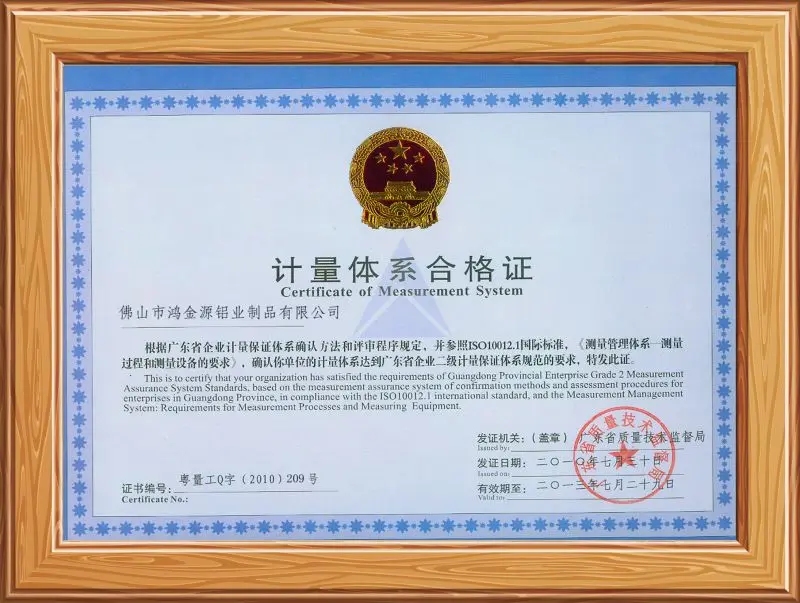
Our systems are audited and certified to comply with rigorous quality and environmental standards, ensuring smooth customs entry and regulatory clearance.
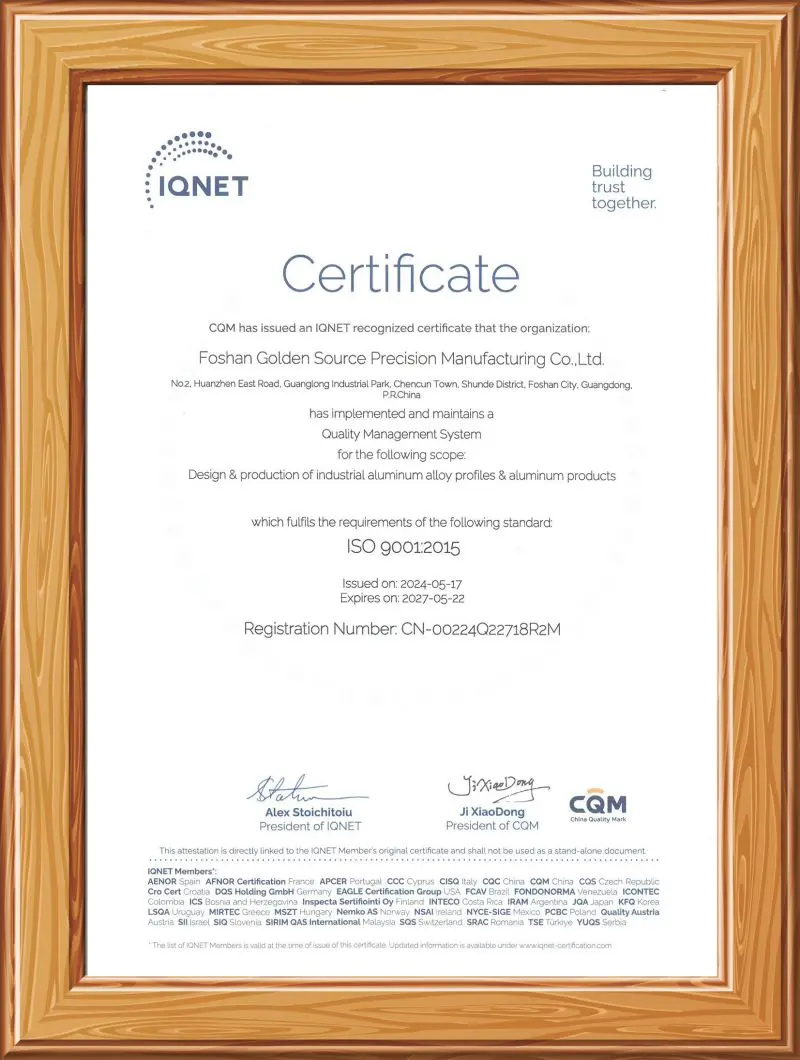
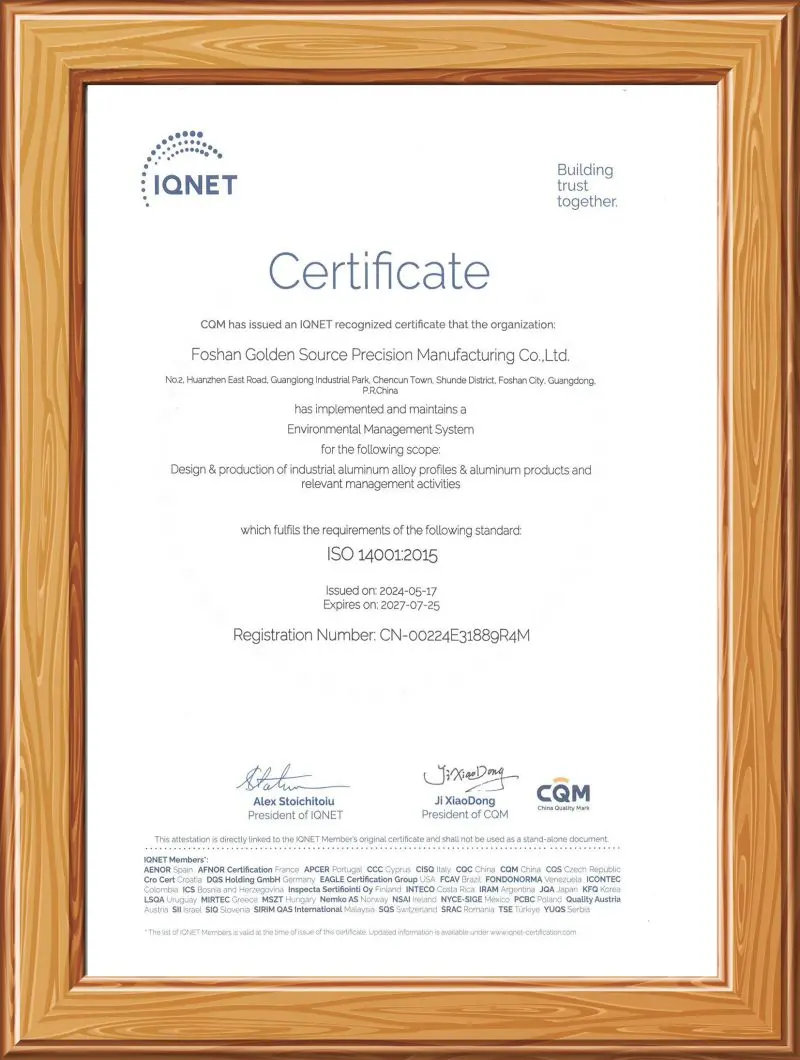
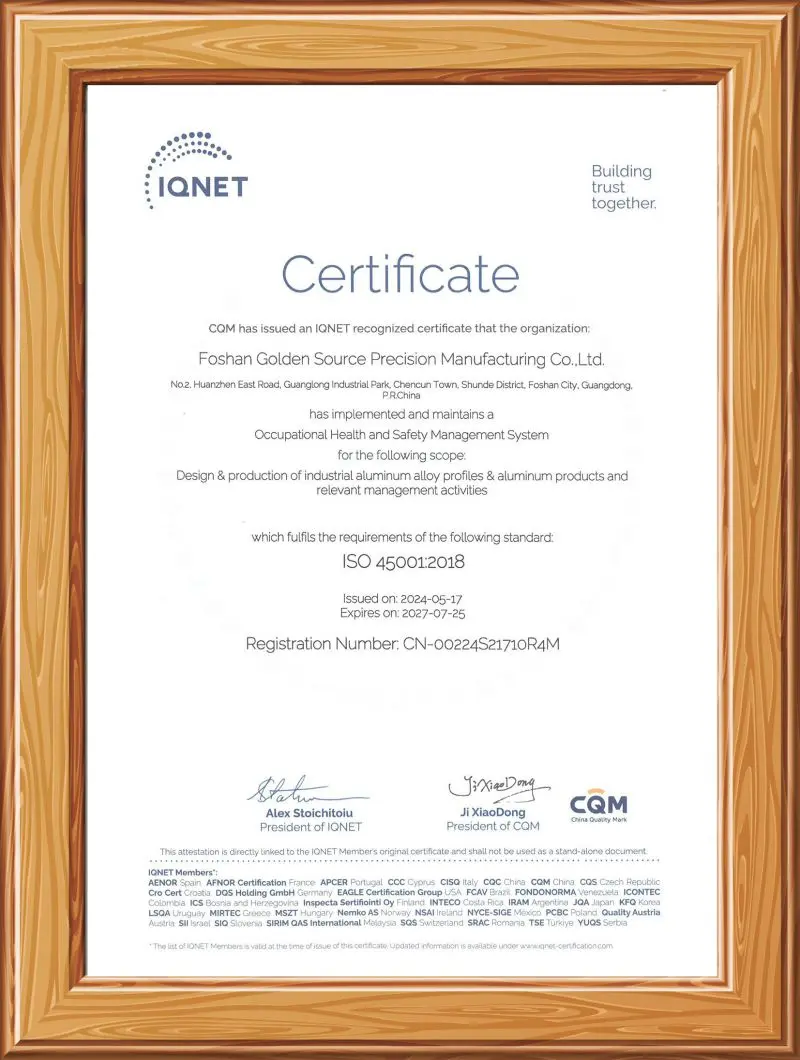
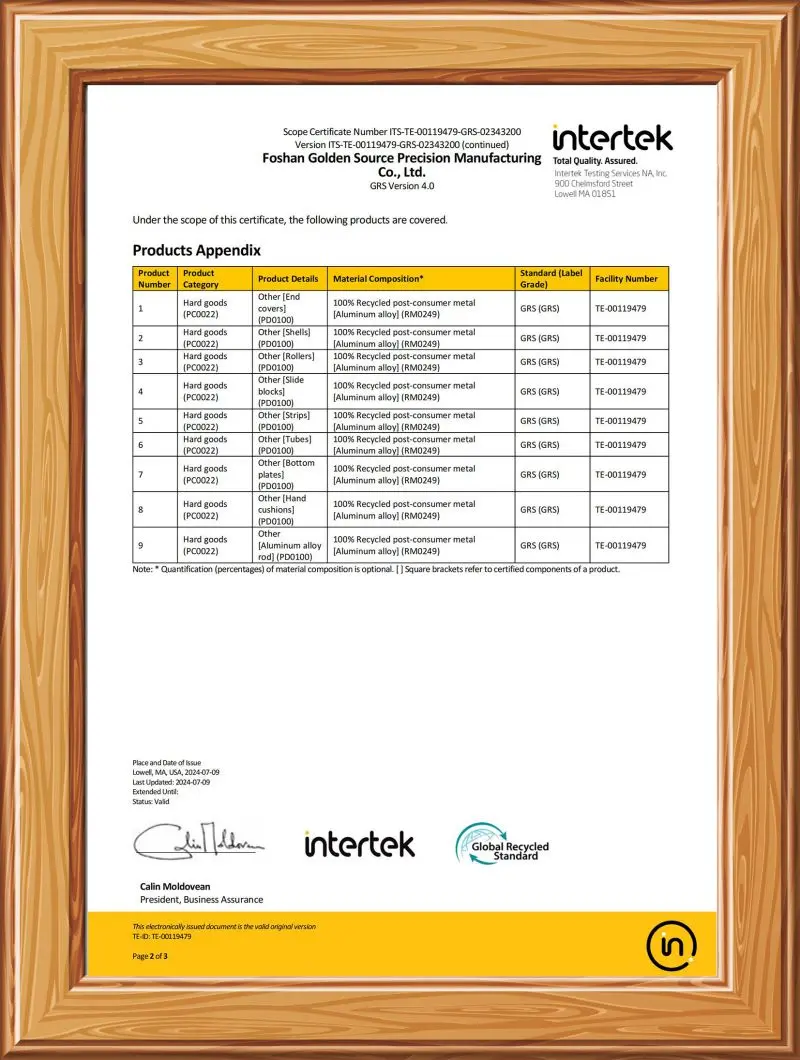
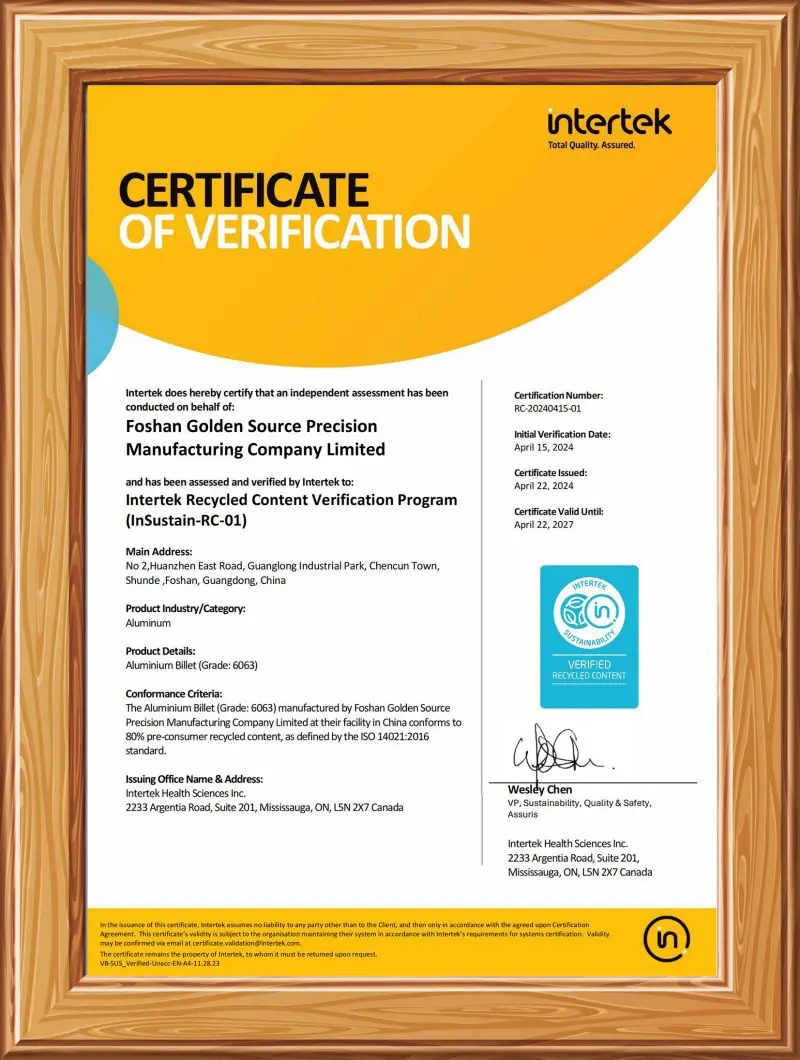
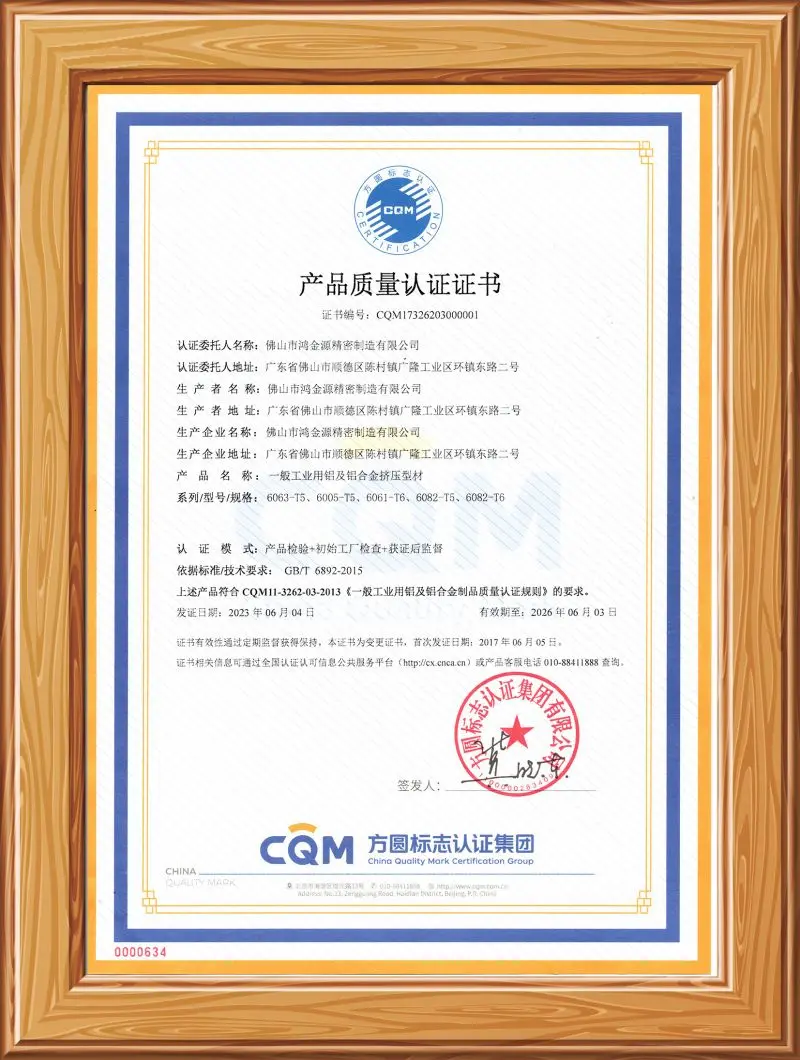
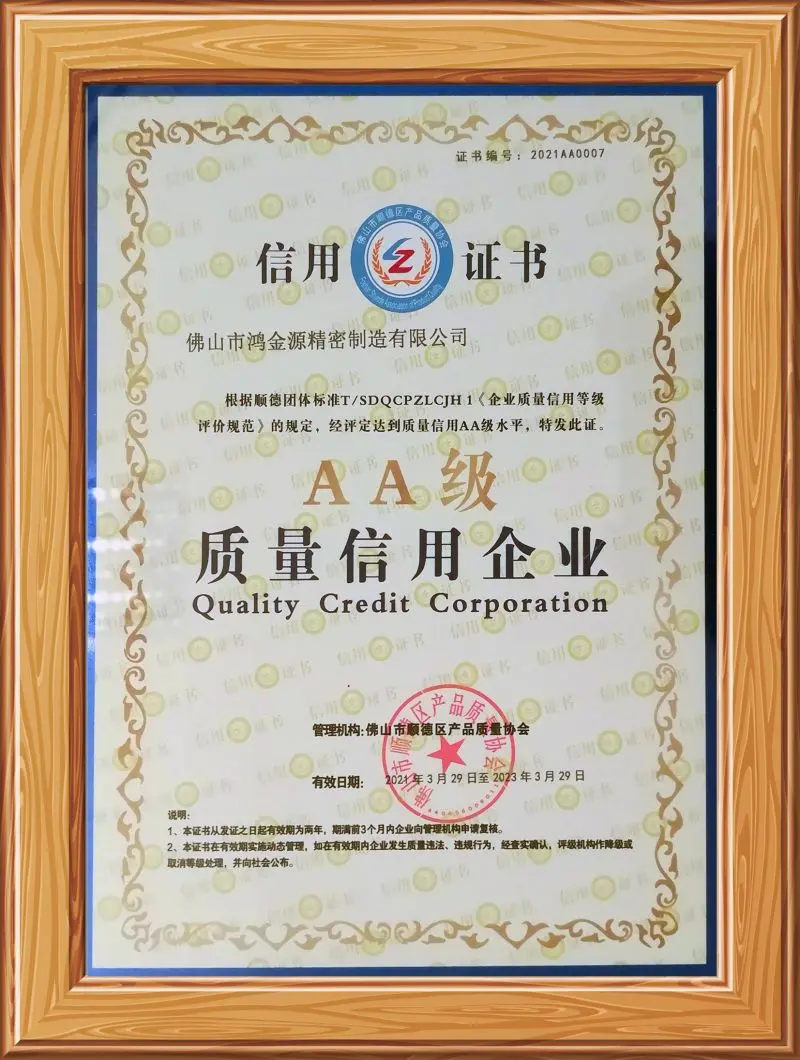
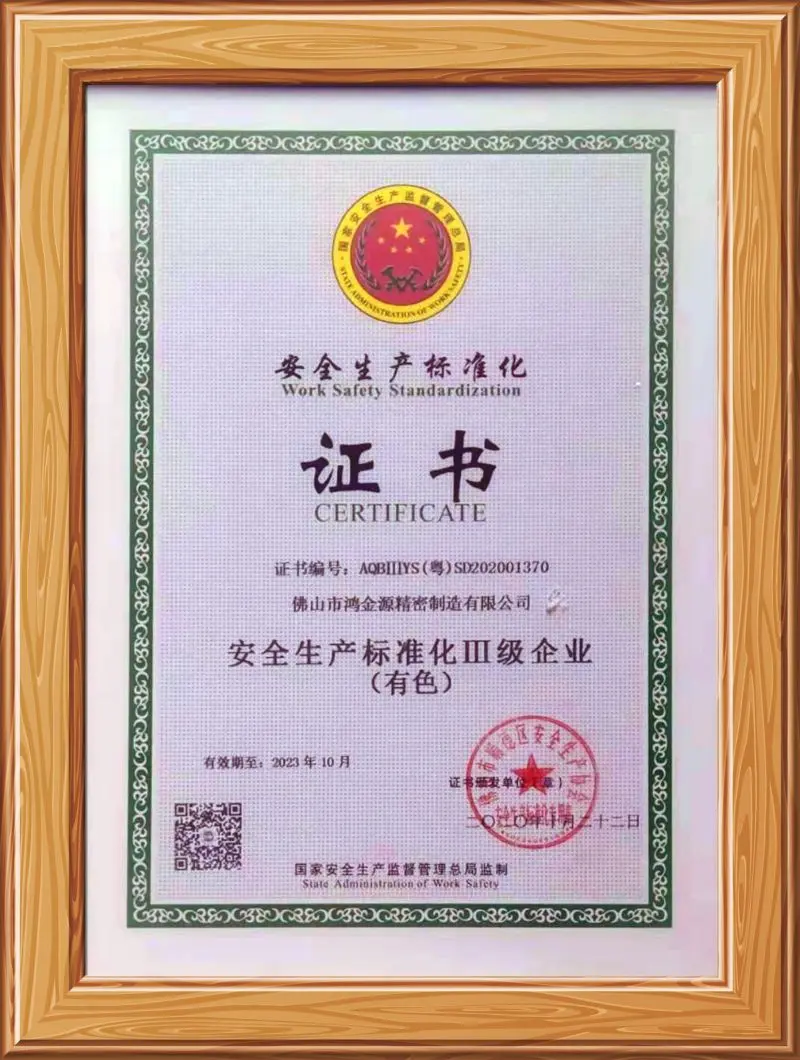
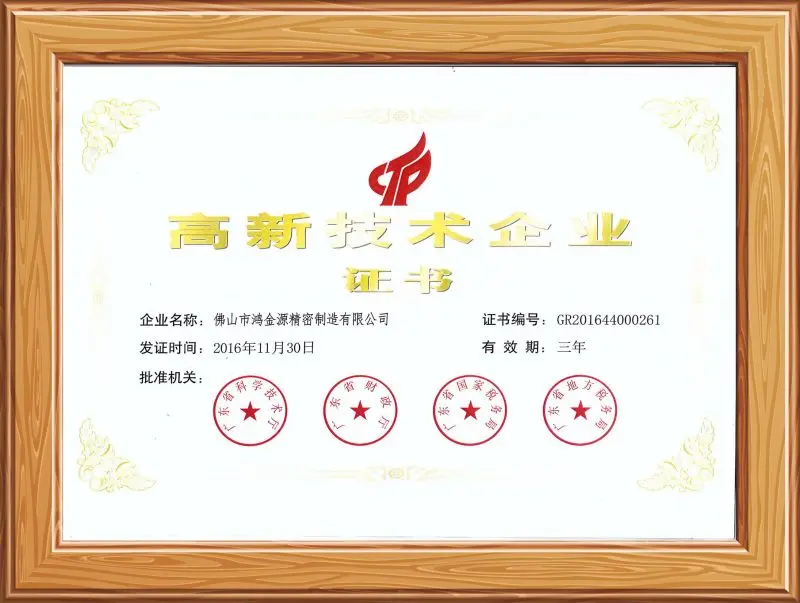
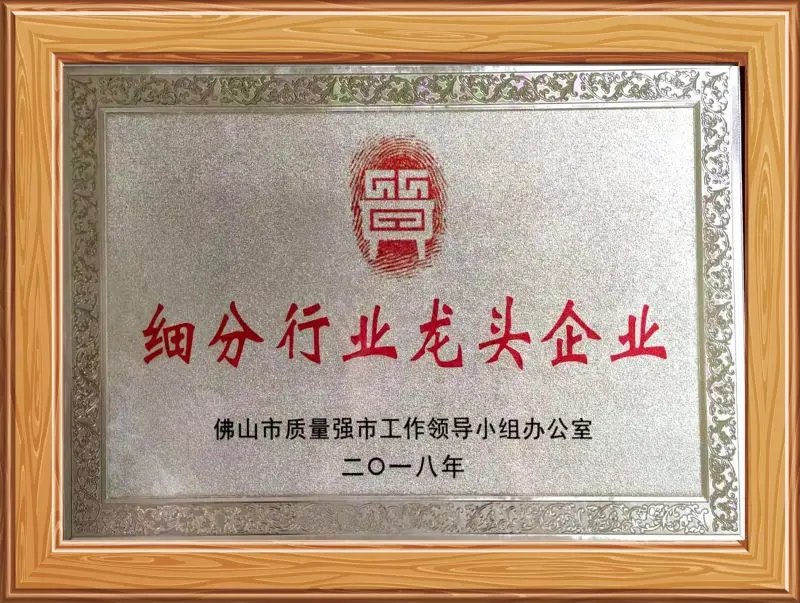
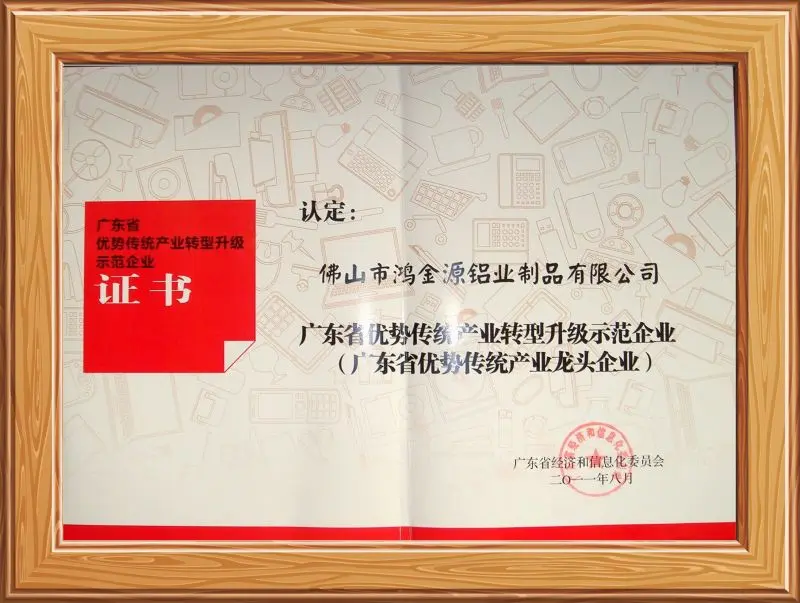
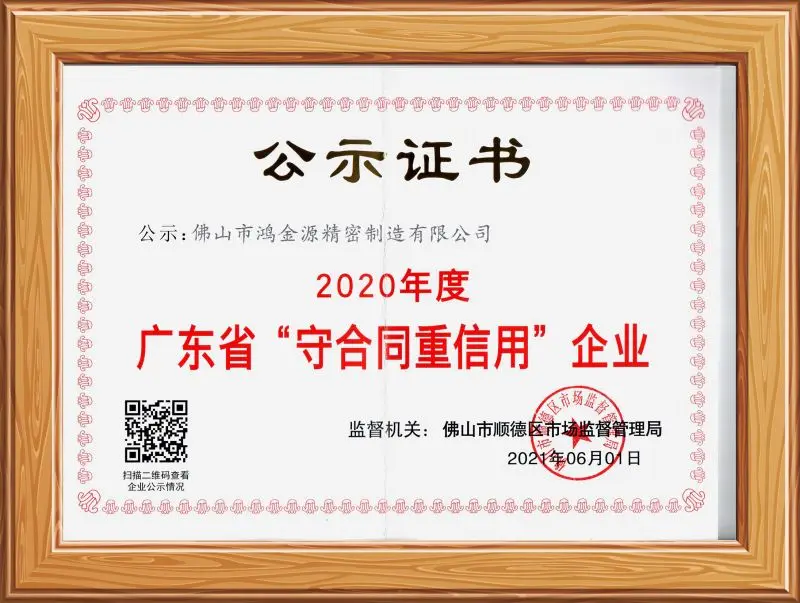
Over 30 years of commitment to clean manufacturing and clean production methodologies, recognized by provincial governments and global OEM partners.
Common questions answered by our engineering and tooling division to help guide your next stamping project.
Pricing is determined by material grade (such as 5052, 6063, or 7075), component complexity, tooling design (progressive die vs. single-stage stamping), production volume, and secondary treatments like CNC machining or anodizing. Working with an integrated partner who manages all these steps in-house helps control costs by eliminating middleman markups.
Aluminum has lower elasticity and higher spring-back tendencies than carbon steel, meaning tool design requires precise radius compensation. In addition, aluminum's lower thermal thresholds require specialized lubricants and tailored tool coatings to prevent galling and ensure clean surface finishes.
We provide a variety of in-house surface treatments, including clear, color, and hard-coat anodization, architectural-grade powder coating, sandblasting, chemical mechanical polishing, and chromate conversion coatings. Anodizing is especially effective for improving corrosion resistance, surface hardness, and electrical insulation.
Our facilities hold ISO9001 (Quality), ISO14001 (Environment), and ISO45001 (Safety) certifications. We also maintain Global Recycled Standard (GRS) and Recycled Content Verification (RCV) approvals. This ensures all raw materials conform to European REACH and RoHS environmental standards, simplifying customs clearance.
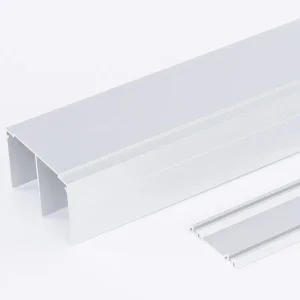
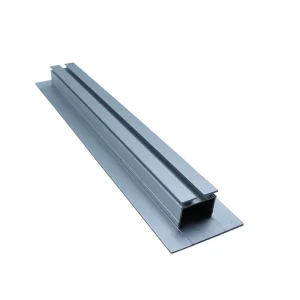
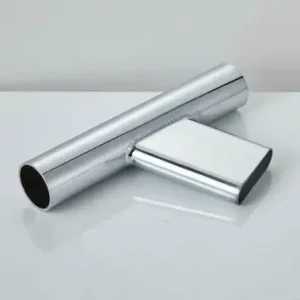
Explore our specialized architectural hardware, heavy solar framing, and precision component interfaces.
 HG Precision