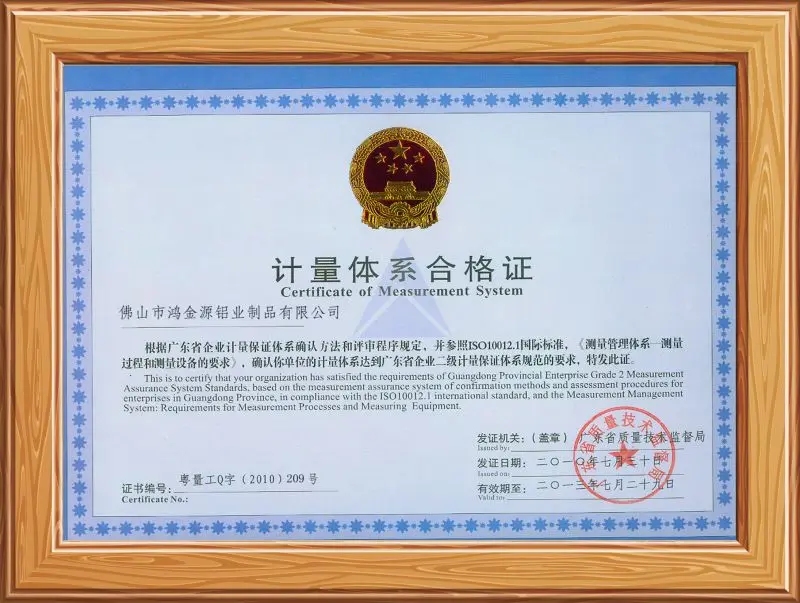
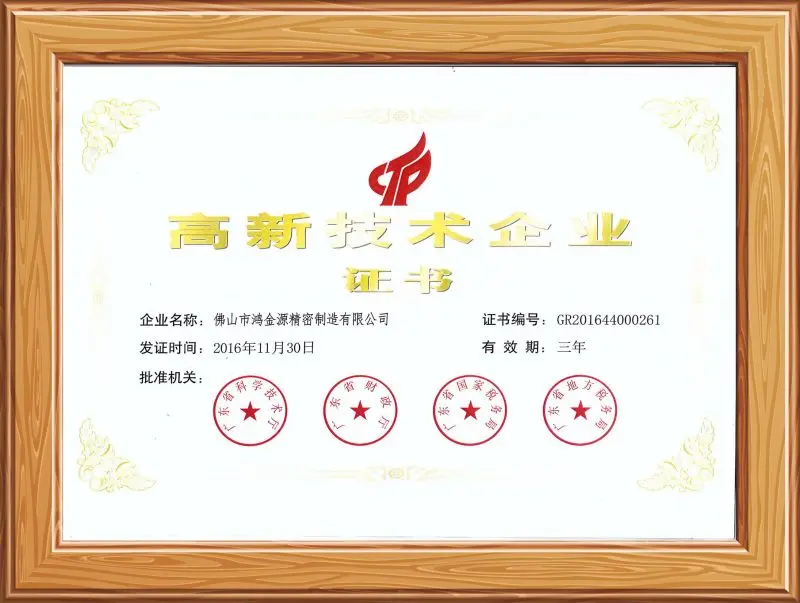
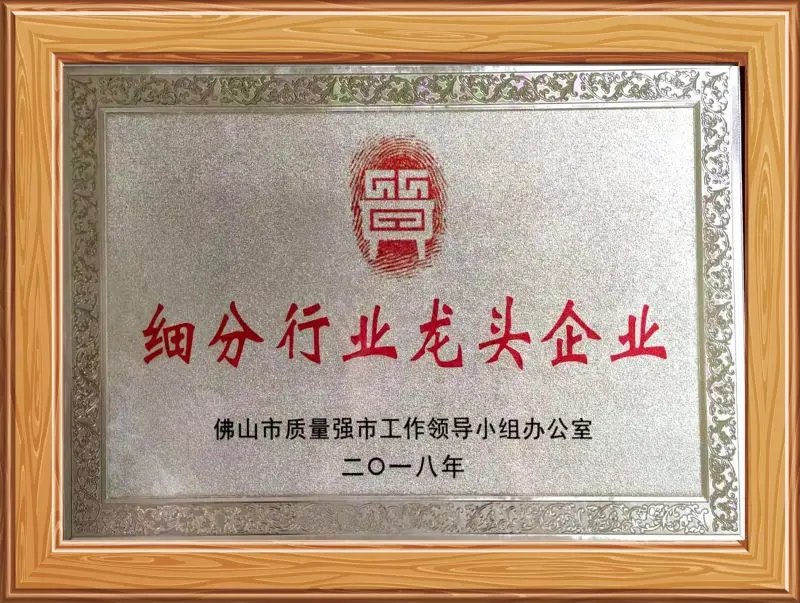
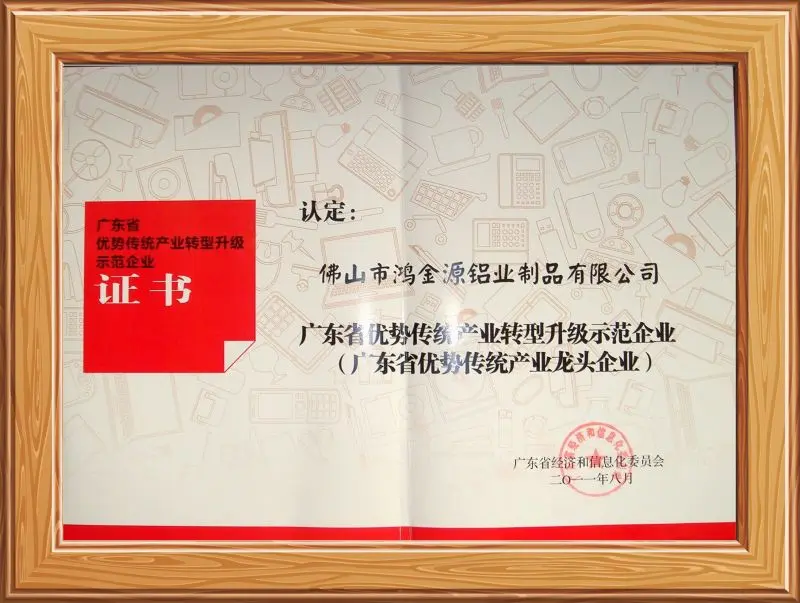
 HG Precision
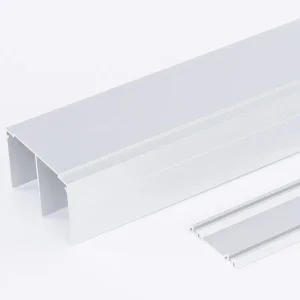
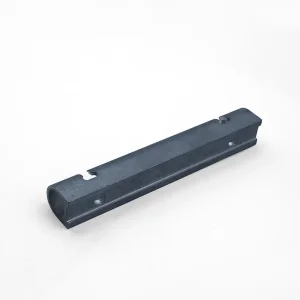
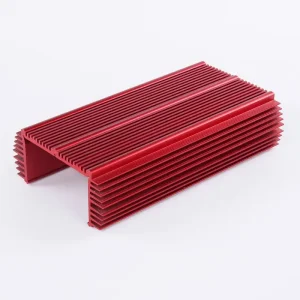
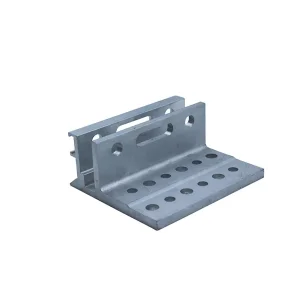
The Engineering Paradigm of Aluminum Profiles for Glass Integration
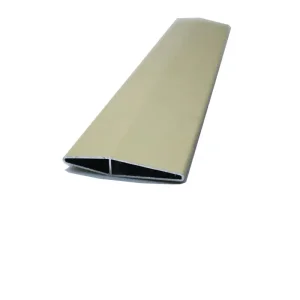
In modern architecture and industrial design, the fusion of glass elements with structural aluminum profiles has evolved from simple framing to a core engineering discipline. Original Design Manufacturing (ODM) has emerged as the critical mechanism for glass manufacturers and global distributors seeking highly tailored, load-bearing, and aesthetically superior framing systems. Because glass is isotropic yet brittle, the supporting aluminum substructure must possess precise deflection parameters, thermal mitigation characteristics, and exact dimensional tolerances to ensure system longevity and human safety.
1. Global Industrial Landscape: The Push for Structural Glass Systems
Globally, the architectural and building skin industries are undergoing massive transitions driven by carbon-neutral mandates and structural transparency trends. Traditional steel curtain wall framing has largely been replaced by high-strength aluminum alloys (predominantly 6000 and 7000 series) due to their superior strength-to-weight ratio, corrosion resistance, and extrusion design flexibility.
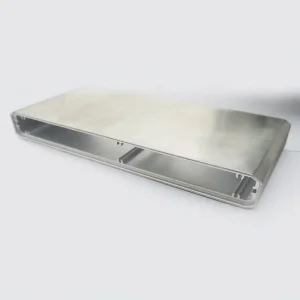
Aluminum profiles designed for glass integrations must satisfy strict international building codes (such as ASTM, EN, and GB standards). Today's commercial towers demand unitized curtain wall systems that absorb seismic energy, resist dynamic wind pressures, and offer thermal breaks to minimize U-factor values. By designing custom internal geometries via ODM workflows, engineers can place additional structural metal exactly where the structural stress vectors occur, minimizing overall material weight while maximizing moment of inertia.
Seismic and Wind Load Mitigation
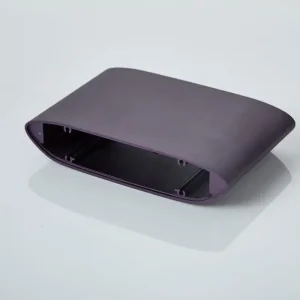
ODM profiles designed with custom multi-cavity chambers exhibit enhanced torsional rigidity, ensuring structural safety even under extreme weather pressures.
Thermal Performance & Isolators
Integrating customized polyolefin or polyamide thermal barriers directly into extruded channels restricts thermal bridging in extreme climates.
Aesthetic Profile Customization
Ultra-thin sightlines combined with hidden structural glazing grooves support clean, continuous glass facades without bulky visual lines.
2. Localized Application Scenarios
Depending on the geographic region, aluminum profiles face varying performance and compliance criteria:
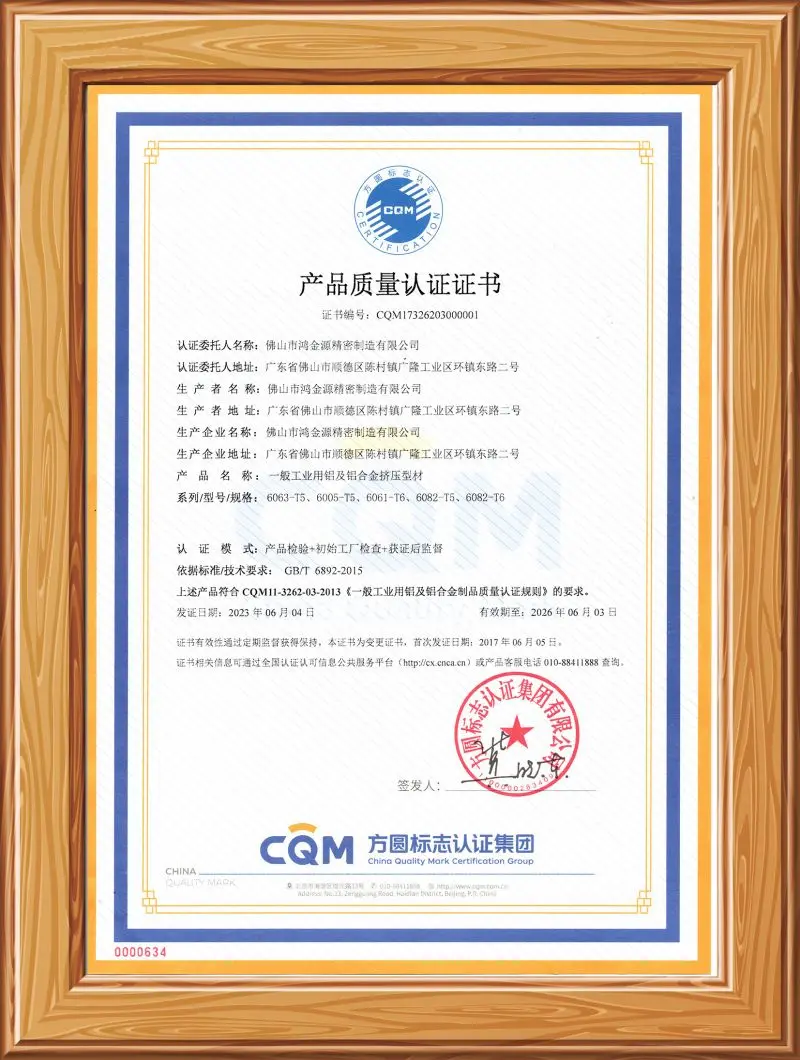
- North America (US & Canada): Focuses heavily on ASTM testing for air infiltration, water penetration, and thermal resistance (NFRC ratings). Wind-load resistance is paramount in hurricane-prone zones like Florida, necessitating high-temper alloys (e.g., 6063-T6 or 6061-T6) with deep glazing pockets.
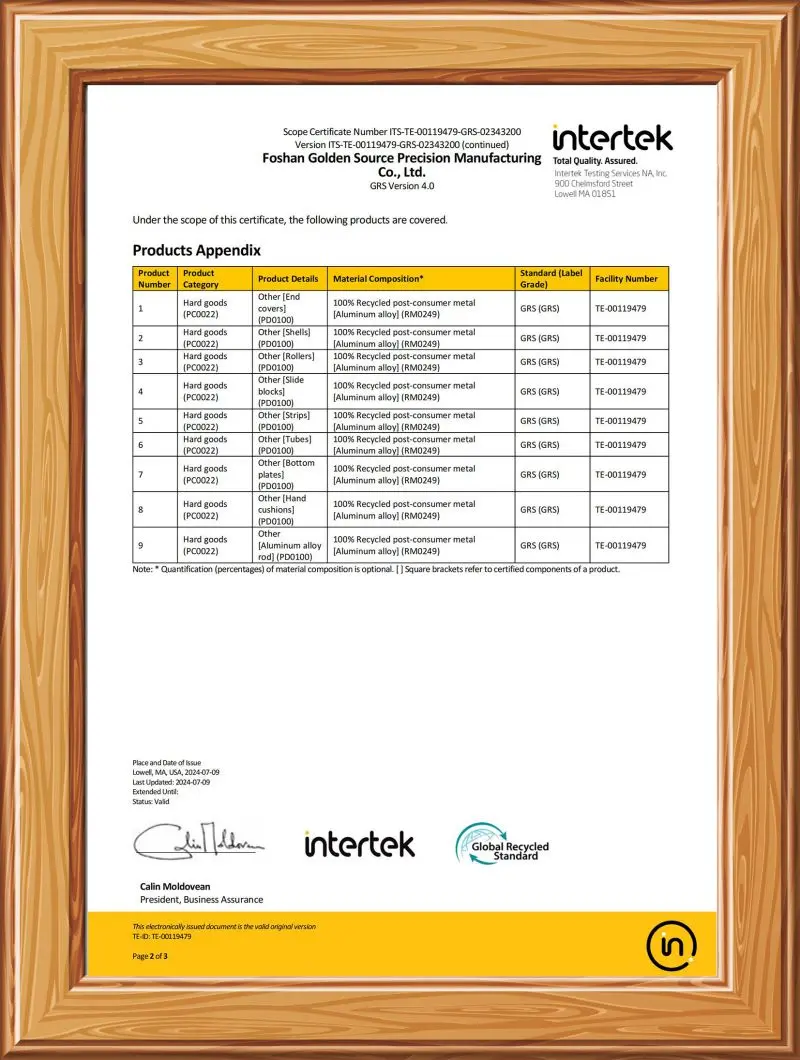
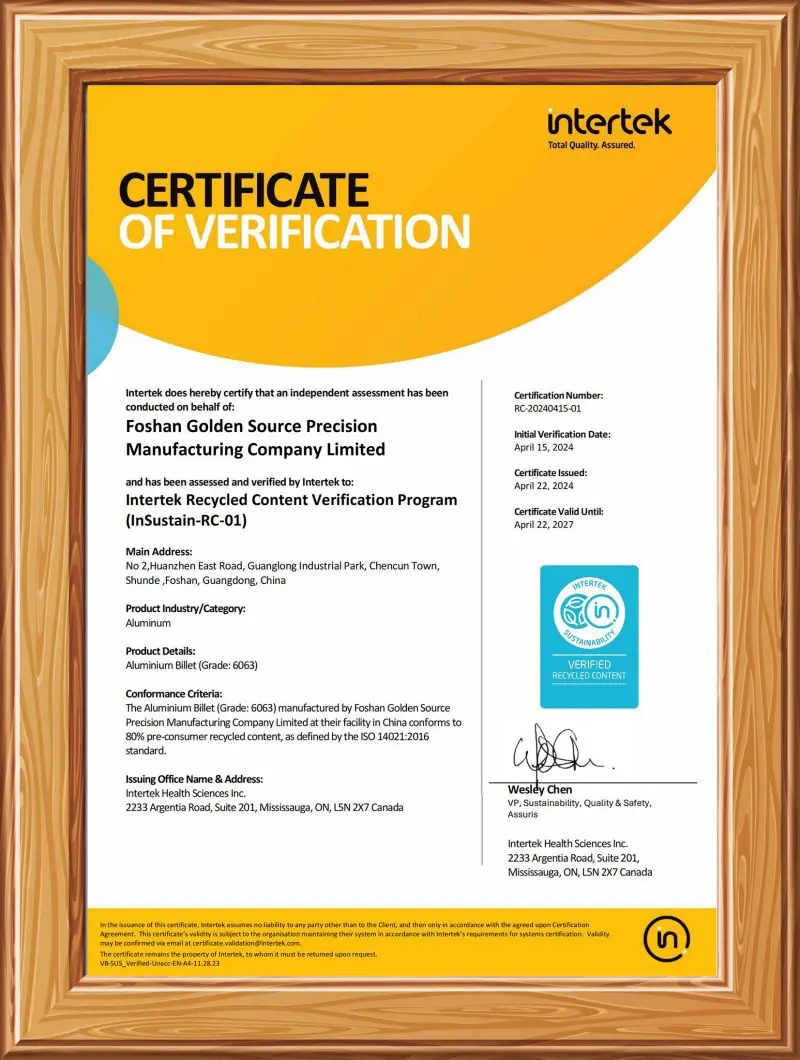
- European Union: Strictly governed by Eurocodes and sustainability requirements. The integration of Recycled Content Verification (RCV) and Global Recycled Standard (GRS) certified aluminum is a primary procurement criterion to satisfy Embodied Carbon limits.
- Middle East & Tropical Regions: High-UV exposure and aggressive airborne salt spray require advanced anodized finishes (typically Class I, >18 microns) or specialized PVDF powder coatings to prevent surface chalking, degradation, and pitting corrosion.
3. Technical Roadmap: Metallurgy, CNC Machining, and Surface Finishing
The manufacturing process of high-performance glass-framing aluminum profiles involves a precise technological sequence:
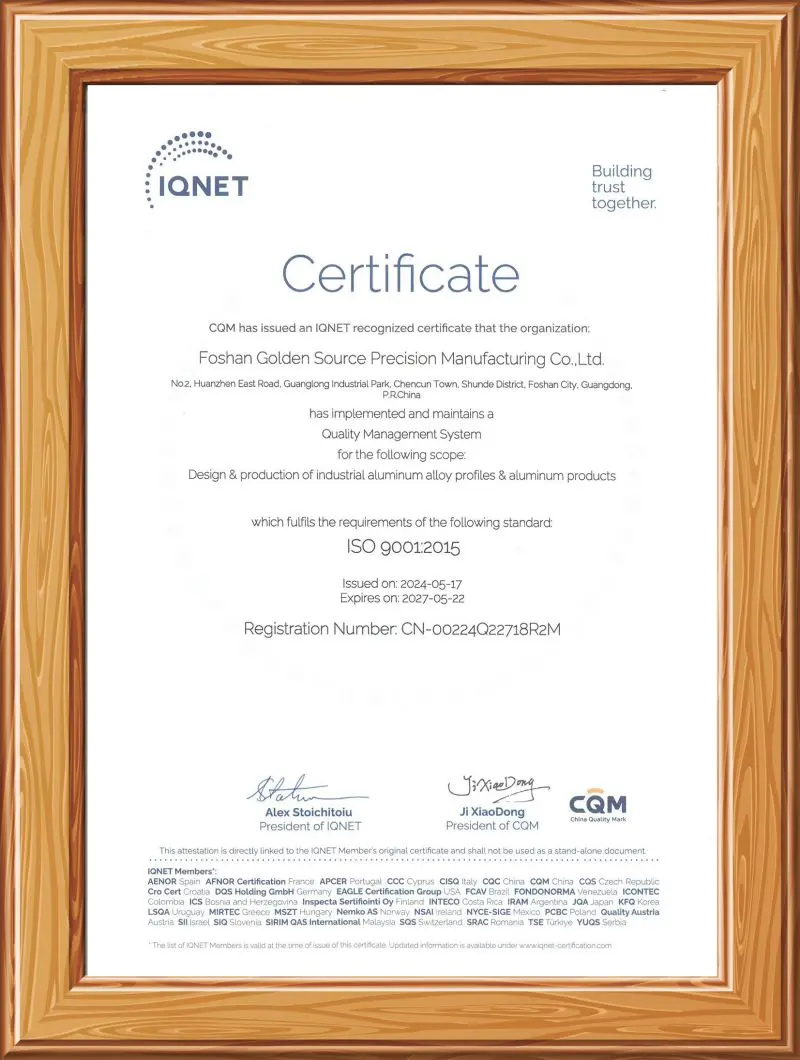
Step A: In-House Alloy Formulation: Extrusion begins with the billet. At Foshan Golden Source, we melt and cast aluminum in-house, enabling precise control over alloy components (Mg, Si, Fe, Mn). By minimizing trace impurities, we guarantee uniform recrystallization during extrusion and prevent visual streak defects during clear anodizing.
Step B: Finite Element Analysis (FEA) & Die Design: Custom profiles require proprietary die tooling. Through simulation software, extrusion pressures and material flow patterns are optimized to eliminate weld-line weaknesses in hollow profiles.
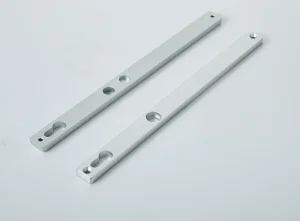
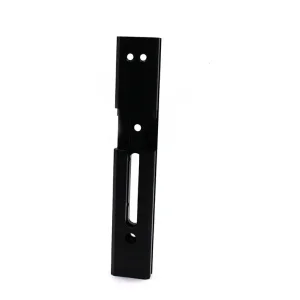
Step C: High-Precision CNC Machining: Modern glass assemblies require integrated gaskets, drainage weep holes, and mechanical joint prep. Multi-axis CNC milling machines process the profiles with tolerances within ±0.05mm, ensuring seamless alignment on-site.
Step D: Advanced Surface Protection: Whether the project requires sandblasted satin anodizing, thick powder coating, or mechanical trembling finishes, in-house chemical processing lines provide long-term protection against atmospheric corrosion.
4. China's Supply Chain Resilience: The Foshan Synergy
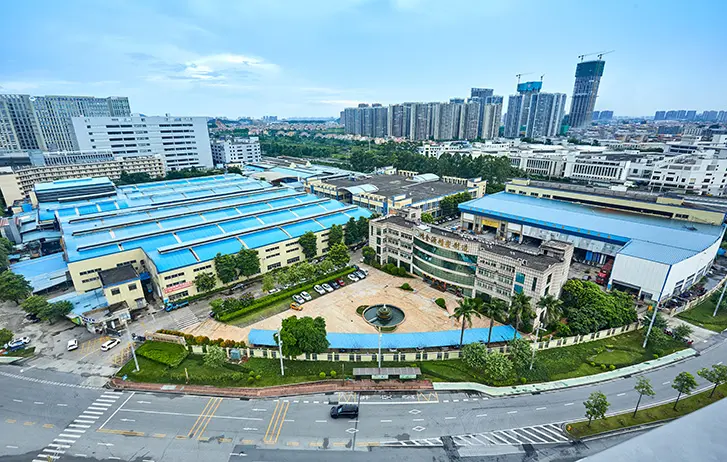
Foshan is recognized globally as the premier cluster for aluminum extrusion and precision manufacturing. Producing custom profiles here leverages an established ecosystem that spans raw smelting material suppliers, high-tech die fabricators, and specialized surface treatment specialists. Foshan Golden Source combines this local synergy with vertical integration. By performing casting, extrusion, machining, and surface treatments within our own facility, we insulate global buyers from typical supply chain disruptions, coordinate seamless quality control, and decrease overall transit lead times.