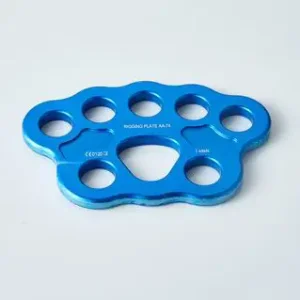
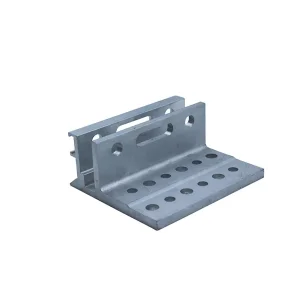
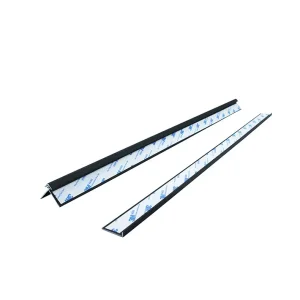
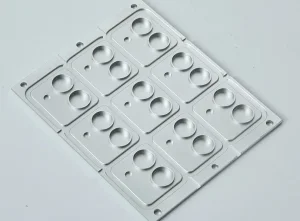
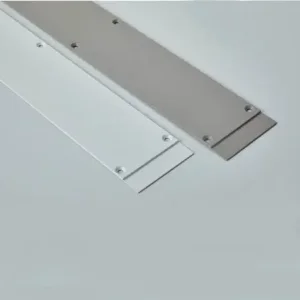
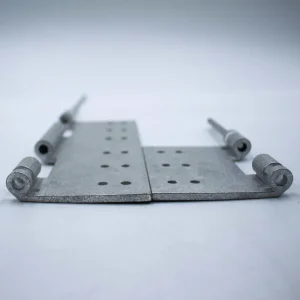
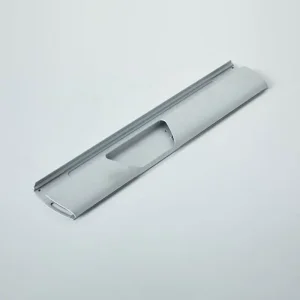
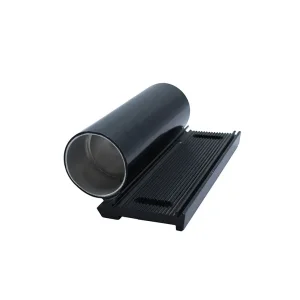
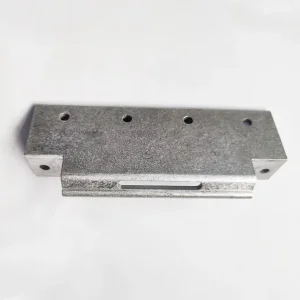
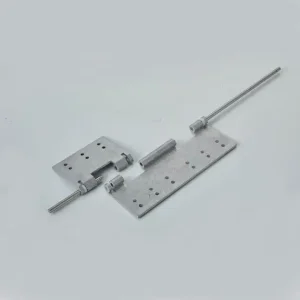
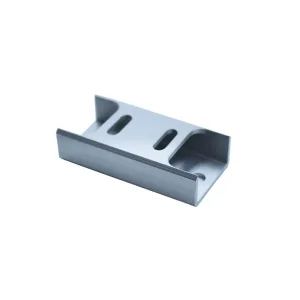
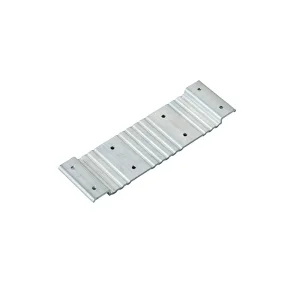
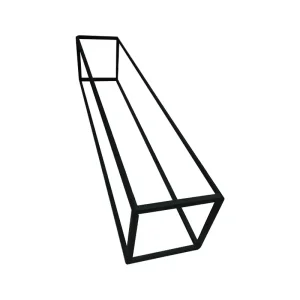
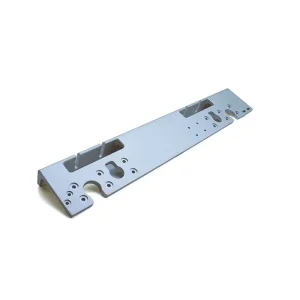
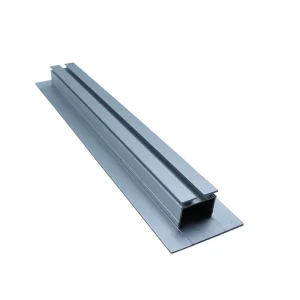
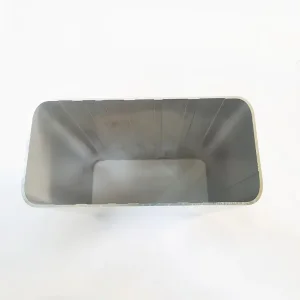
Explore our advanced components spanning safety connectors, structural cabinets, automated gate dynamics, and bespoke consumer 3C hardware solutions.
Foshan Golden Source Precision Manufacturing Co., Ltd, established in 1991, is a professional manufacturer of high-strength, high-precision, customized aluminum profiles and precise machining aluminum parts, welded parts, and assembled aluminum products. With a modern and environmentally friendly production base covering an area of over 73,000 square meters, the company offers one-stop service, including alloy casting, mold research & design & building, aluminum extruding, precise machining, welding, assembly and surface treatment.
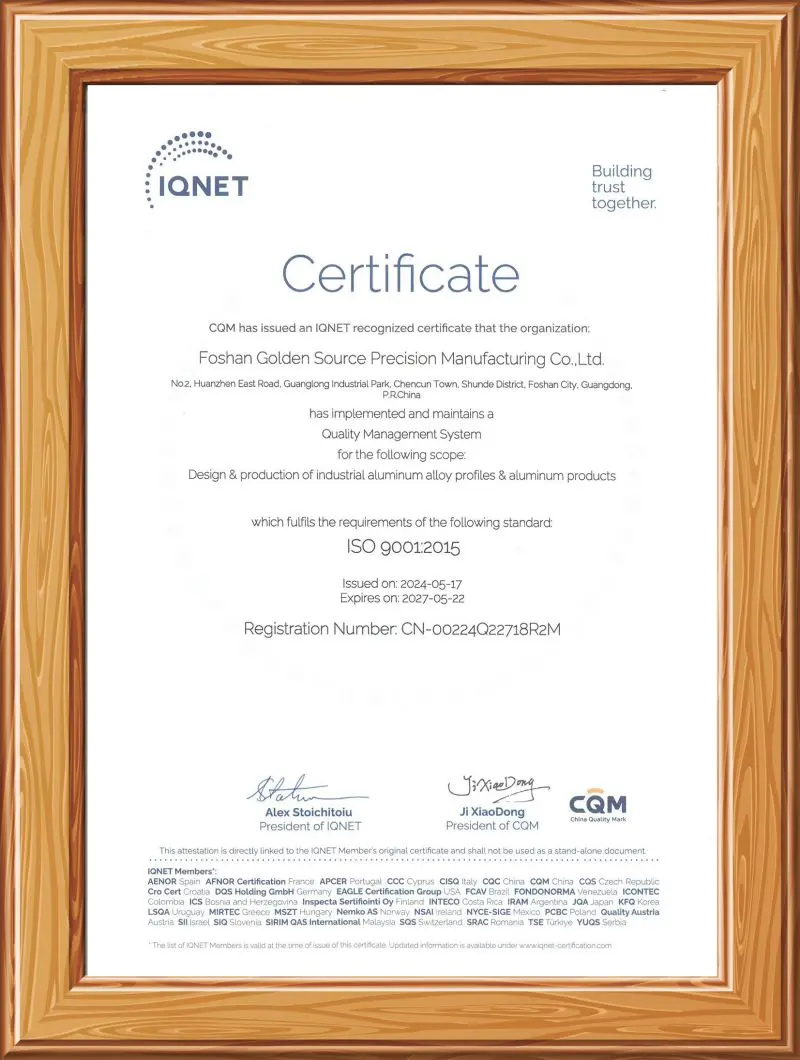
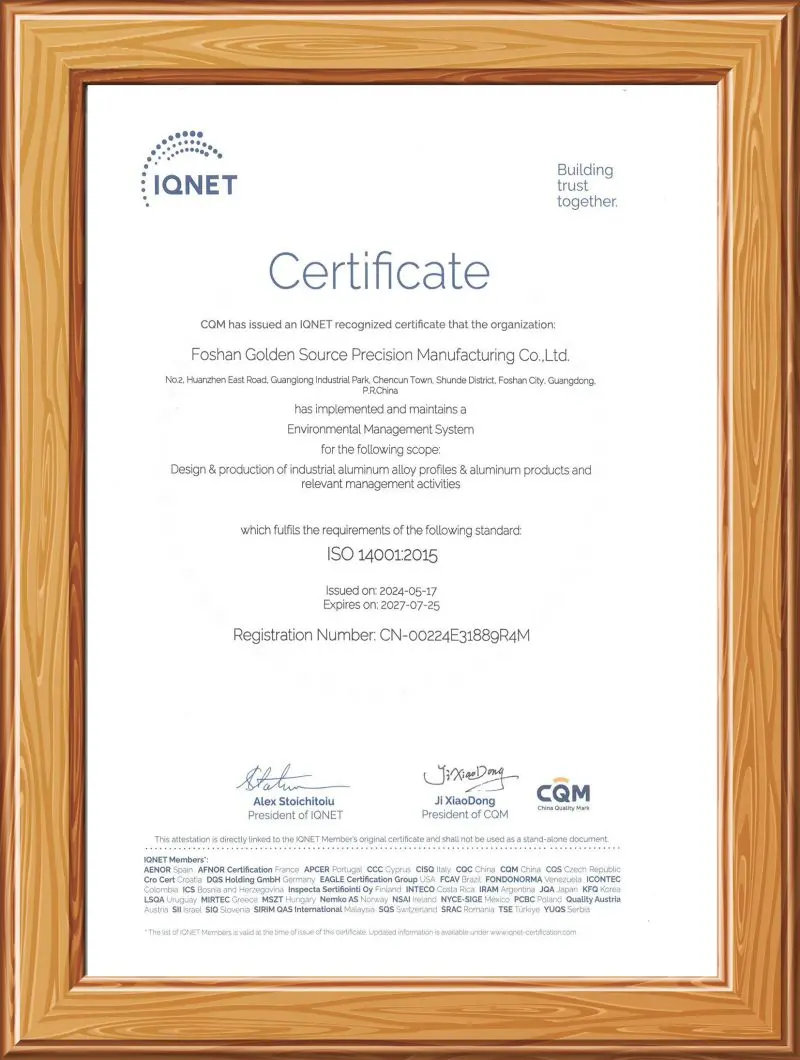
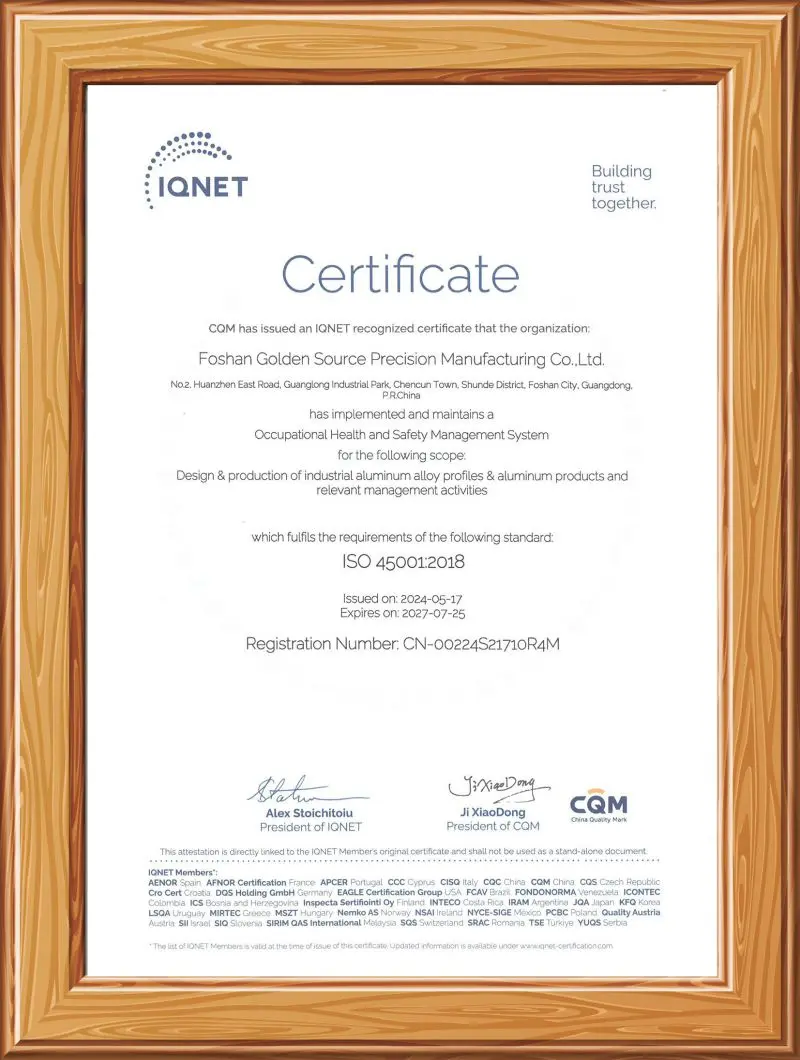
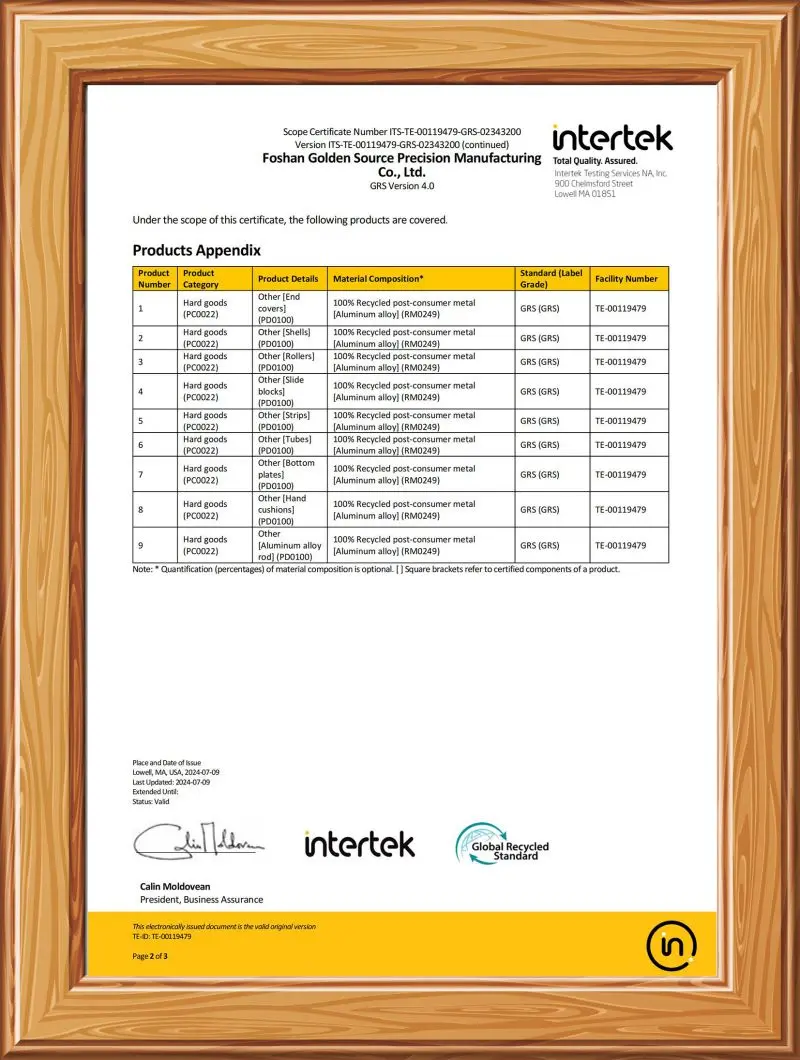
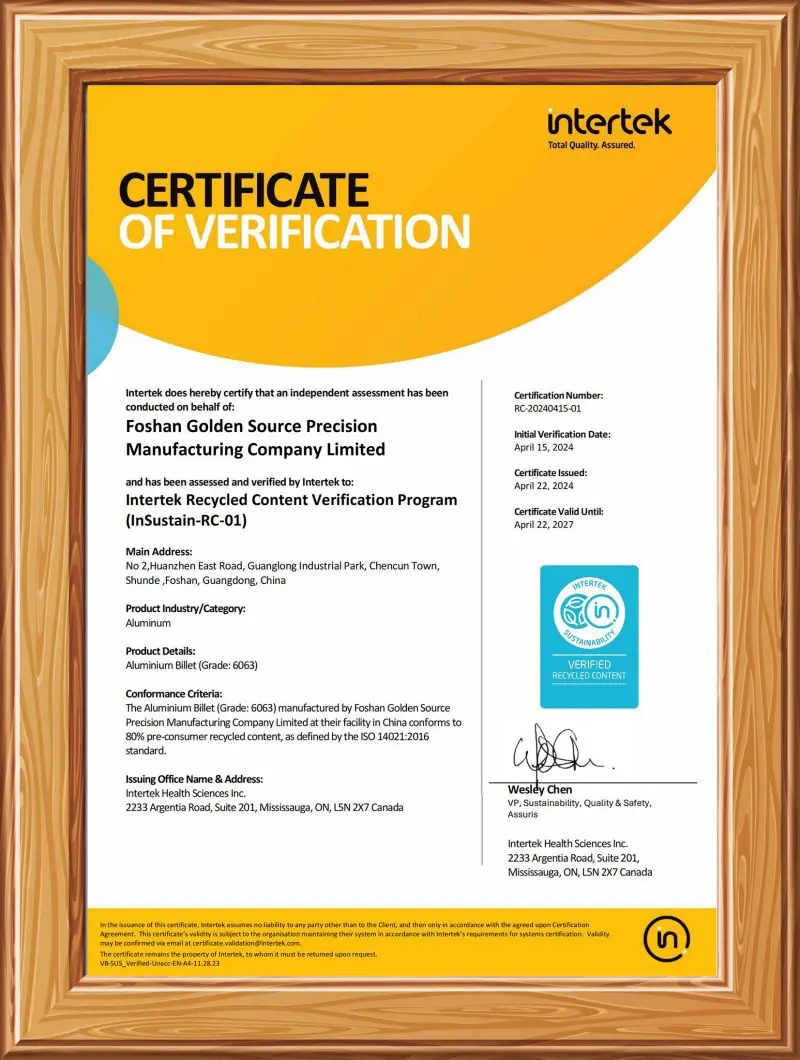
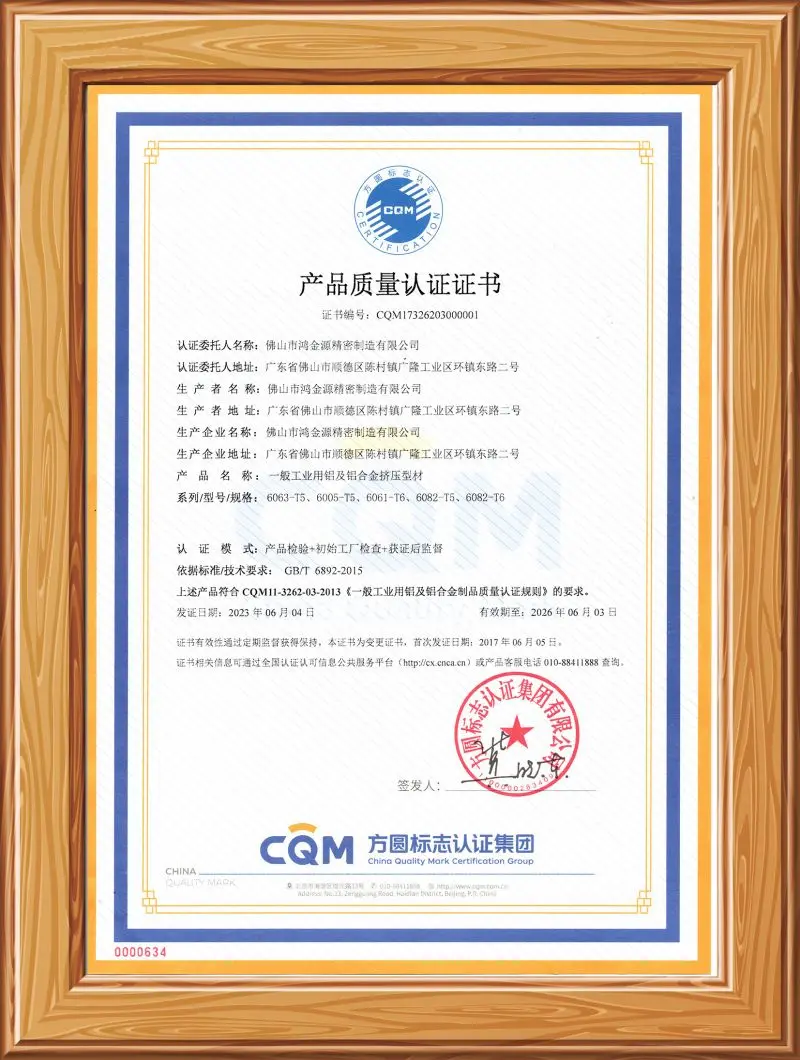
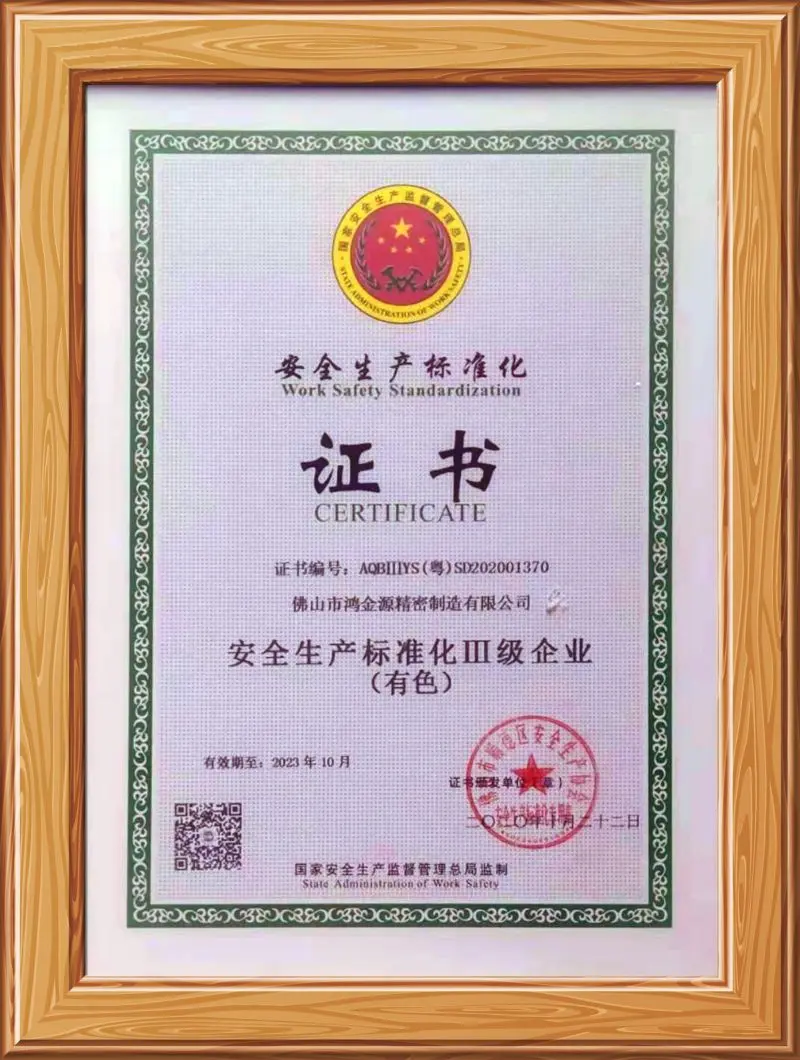
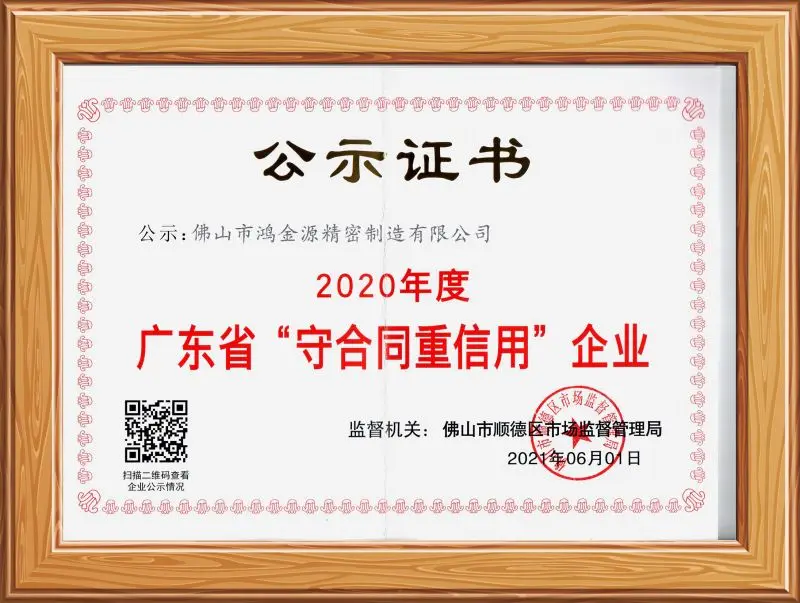
Our state-of-the-art foundry allows for the physical tailoring of raw alloy melts to precise specifications. Catering to critical applications in hardware tools, 3C electronics, railway transit, automotive frames, and structural furniture, our company holds certifications such as ISO9001, ISO14001, ISO45001, RCV, and GRS. This ensures that all components satisfy the environmental and safety standards required by the EU’s REACH regulations.
Company Catalogue Download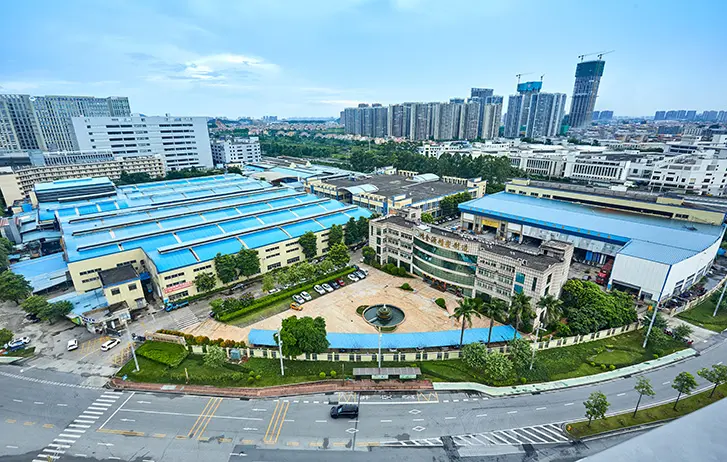
We melt the alloy in-house so that we can adjust the compositions to achieve the best physical properties of extrusion profiles, ensuring optimal purity of the alloy for high-quality anodizing.
Machining and surface treatment are done in-house, enabling superior quality control and saving production costs. This guarantees that our quality is significantly superior to competitors at comparable price tiers.
Our fully integrated, "One-stop" manufacturing capacity minimizes external dependencies, allowing us to supply components faster, reduce risk, and streamline logistics.
Aluminum heatsink enclosures play a dual structural and functional role in modern electronics. With the density of transistors rising and the deployment of high-power hardware in dense packages (such as 5G base stations, EV inverters, and high-frequency IoT gateways), passive cooling is critical. The design of an ODM enclosure must optimize convective and conductive heat transfer. This requires selection of the correct alloy and structural profile.
Conductive heat transfer is governed by Fourier’s Law, which states that the rate of heat transfer through a material is proportional to its cross-sectional area and thermal conductivity, and inversely proportional to the thickness of the path. Aluminum alloys present the optimal balance of high thermal conductivity, low weight, and ease of extrusion. In passive cooling enclosures, the geometry of the fins (height, thickness, and spacing) must be calculated to maximize surface area without choking natural air convection.
| Alloy Series | Primary Elements | Thermal Conductivity (W/m·K) | Tensile Strength (MPa) | Key Applications & Machining Properties |
|---|---|---|---|---|
| 1XXX Series | 99.0% Min. Aluminum | 220 - 240 | 70 - 150 | Reflector sheets, highly conductive low-stress busbars. Excellent corrosion resistance. |
| 3XXX Series | Manganese (Mn) | 160 - 190 | 110 - 260 | Heat exchangers, general sheet metal cabinets. Good formability and corrosion resistance. |
| 5XXX Series | Magnesium (Mg) | 120 - 155 | 170 - 350 | Marine enclosures, structural brackets, high vibration resistance requirements. |
| 6XXX Series (T5/T6) | Silicon & Magnesium | 170 - 210 | 180 - 310 | Industry standard for extruded heatsink enclosures. Excellent mechanical properties. |
| 7XXX Series | Zinc (Zn) | 130 - 160 | 480 - 620 | Aerospace structural brackets, heavy-duty climbing gear, high-impact electronics protection. |
For high-performance enclosures, 6063 and 6061 alloys dominate the market. While 6063 provides a superior finish and higher thermal conductivity, 6061 provides higher tensile strength and yield stress. This is crucial for applications that experience dynamic physical loads, such as rail transport assemblies or high-impact industrial tools.
Developing a pricing model for custom ODM aluminum enclosures requires an understanding of several cost drivers. Industrial projects typically use a cost-plus formula based on the London Metal Exchange (LME) or Shanghai Metal Market (SMM) aluminum ingot indices. This is combined with extrusion processing fees, machining costs, and surface finishes.
Determined by net weight plus process waste rate (typically 5-15% depending on extrusion profile complexity). Raw price tracks daily global metal indices.
One-time engineering cost for custom steel extrusion dies. Varies by profile size (e.g., standard small profiles start around $500, larger structural dies can exceed $3,500).
Covers high-precision milling, drilling, tapping, and countersinking. Cost is directly proportional to CNC machine run time (cycles/second).
Anodizing (Type II/III, thickness from 5µm to 25µm), bead blasting, chemical conversion coatings, and powder coating are priced per square meter or unit weight.
| Enclosure Class | Typical Dimension (mm) | Extrusion Tooling Cost | Est. Price Tier (FOB China) | Recommended Surface Finish |
|---|---|---|---|---|
| Micro IoT / Sensor Box | 50 x 30 x 20 | $450 - $700 | $1.80 - $3.50 / Unit | Sandblasting 120# + Clear Anodize 10µm |
| Medium Power Device Housing | 150 x 100 x 50 | $800 - $1,500 | $5.50 - $12.00 / Unit | Color Anodizing (Black/Silver) 15µm |
| High-Power Industrial Inverter | 350 x 220 x 120 | $1,800 - $3,000 | $22.00 - $55.00 / Unit | Anodizing 20µm + Localized CNC Milling (Masked) |
| EV Controller / Heavy Structural | 600 x 400 x 250 | $3,500 - $6,000 | $95.00 - $210.00 / Unit | High Durability Powder Coat / Corrosion Resistant |
*Disclaimer: The prices above represent estimate ranges. Accurate quotations are provided upon submitting your 3D CAD models (STEP/IGS format) and structural specifications.
Bespoke heatsink enclosures must be tailored to the environmental demands of their local environments. Here are typical use-cases where specialized engineering satisfies localized requirements:
In cold, high-latitude regions (e.g., Northern Europe and Canada), enclosures require custom-engineered 6063-T5 profile structures that prevent condensation buildup. High-thickness powder coatings protect against road-salt spray and heavy snow accumulation.
Designed for public transit infrastructure in urban areas. These components demand 6063-T6 alloy with sandblasting and clear anodizing to withstand high mechanical fatigue, millions of opening cycles, and stringent safety checks.
Deployed in high-temperature environments (e.g., desert solar parks in Australia or the US Southwest). The enclosures require optimized convective fin structures with high-emissivity anodizing to maximize heat radiation under ambient temperatures exceeding 45°C.
As silicon chips push performance limits, modern enclosure designs are changing. The future of high-power thermal enclosures lies in combining different cooling methods:
Rather than relying solely on external air convection fins, modern enclosures are incorporating internal cooling channels directly within the extruded frame. These liquid cooling loops are designed to manage heat loads exceeding 1000W in electric vehicle powertrains.
By combining high-conductivity vapor chambers with extruded aluminum enclosures, we achieve efficient heat spreading. This layout prevents localized hot-spots directly beneath high-performance computing modules.
Driven by strict international environmental regulations, industrial supply chains are transitioning to green, low-carbon aluminum. Utilizing GRS-certified recycled aluminum cuts carbon footprints by up to 80% compared to primary aluminum smelting.
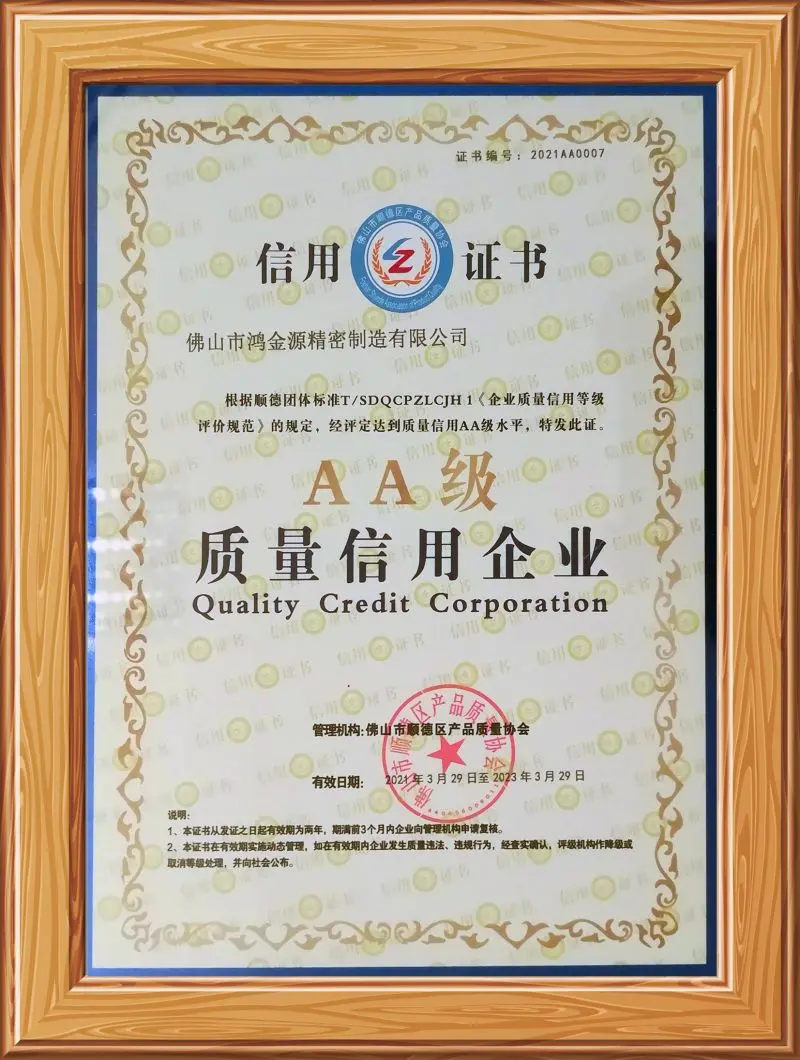
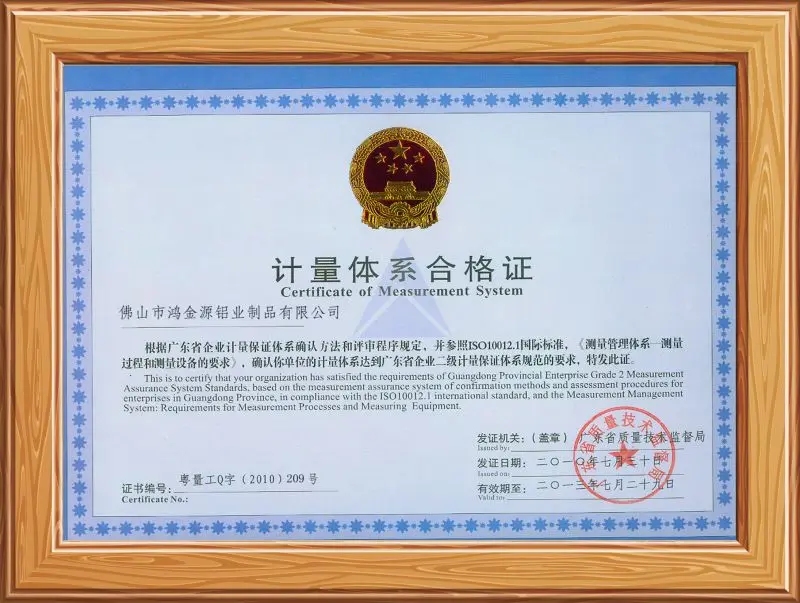
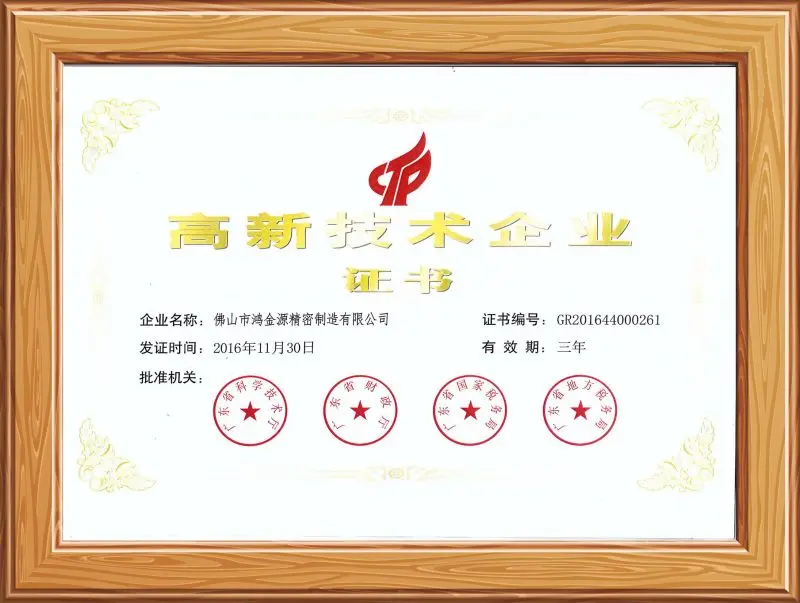
Foshan Golden Source operates under strict quality, environmental, and safety management structures. We hold certifications including ISO9001, ISO14001, and ISO45001. In response to European and North American environmental rules (such as REACH and RoHS), we have obtained GRS (Global Recycled Standard) and RCV certifications. These verify the ecological compliance and traceability of our raw materials.
Review detailed technical answers regarding design, manufacturing limits, costs, and environmental compliance for custom aluminum enclosures.
Design and fabrication of steel extrusion dies typically require 10 to 15 days, depending on the complexity of the profiles. Once the mold is verified, sample extrusion and precise CNC machining take an additional 7 to 10 days. Mass production begins immediately upon receiving sample approval.
Anodization is beneficial for passive cooling. A dark anodized surface increases the thermal emissivity coefficient to approximately 0.85-0.90, compared to approximately 0.05 for raw aluminum. This significantly improves radiation heat transfer. However, the anodized layer introduces a minor conductive resistance, meaning interface contact points for heat sources must be CNC milled clean (bare metal) for thermal compound application.
GRS (Global Recycled Standard) and RCV certify that the aluminum used contains a verified percentage of recycled content. This minimizes carbon footprints, helping EU buyers comply with strict environmental regulations and potential CBAM carbon taxes when importing into the EU.
Yes. Because we melt and cast the aluminum alloy billets in our own foundry, we can adjust trace element compositions (such as Mg, Si, Fe, and Mn) to optimize properties like flexibility, grain structure, and anodizing quality.
Browse our structural components, metro train door assemblies, bicycle battery casings, and precision home storage profiles.
 HG Precision