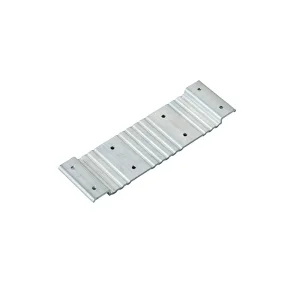
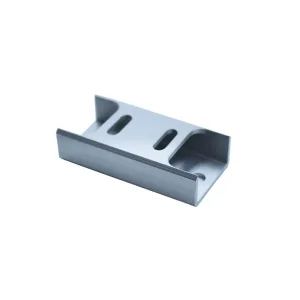
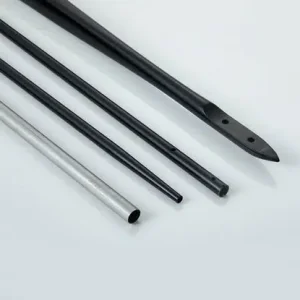
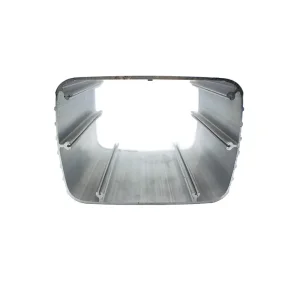
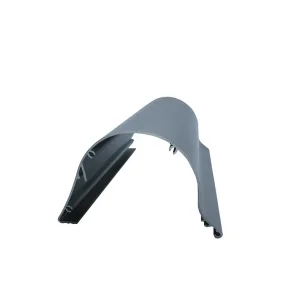
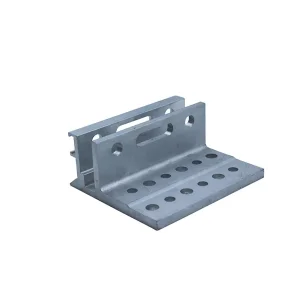
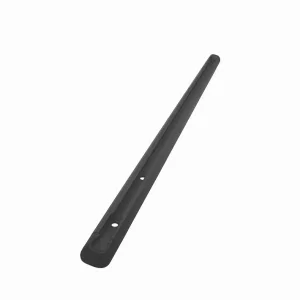
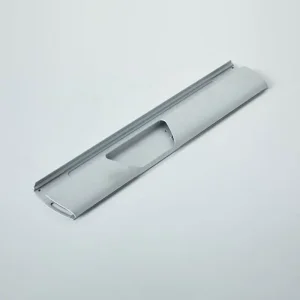
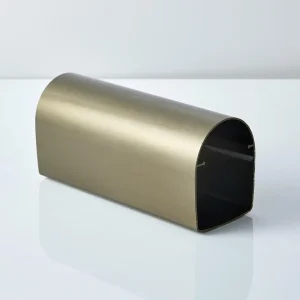
Engineered to satisfy rigorous automotive tolerances, structural durability, and high-quality surface requirements.
Established
Production Base
In-House Foundry
EU Compliant
Engineering insights into the manufacturing, metallurgical optimization, and application of high-precision truck bed side rail systems.
In the automotive aftermarket and original equipment manufacturing (OEM) sectors, tonneau cover rails act as the structural framework for light-duty pickup truck bed utility systems. More than simple mounting tracks, these side rails hold roll-up, folding, or retractable bed covers, establishing weather-tight seals, accommodating dynamic mechanical loads, and maintaining dimensional stability under severe environmental stress. Constructing these components requires high-performance materials, precise extrusion techniques, and reliable surface finishing to ensure long-term durability on the road.
Critical Performance Rule: A side rail system must resist up to 150 lbs of lateral tension under highway speeds without permanent deflection, and maintain absolute dimensional straightness within 0.5 mm per meter.
The global tonneau cover market is undergoing a significant transition, driven by the growth of electric utility vehicles and high-end consumer pickup trucks. Modern engineering requirements focus on several key developments:
Foshan Golden Source Precision Manufacturing Co., Ltd., established in 1991, provides vertical manufacturing integration designed to meet demanding B2B automotive specifications. Producing high-quality tonneau cover rails requires careful control over the entire supply chain: from casting raw billets to machining, surface treatment, and sub-assembly.
Our in-house foundry allows us to control the chemical composition of raw aluminum billets. For structural tonneau rails, we control iron (Fe), silicon (Si), and magnesium (Mg) levels to prevent structural grain variation, helping to eliminate surface streaks and blemishes during subsequent anodizing stages.
A comparison of structural alloys used in the production of tonneau cover side rails.
| Alloy & Temper | Tensile Yield Strength | Ultimate Strength | Elongation (%) | Primary Application Profile |
|---|---|---|---|---|
| 6063-T5 | ≥ 110 MPa | ≥ 150 MPa | ≥ 8% | Standard folding covers; balanced extrusion speed and good surface aesthetics. |
| 6063-T6 | ≥ 170 MPa | ≥ 215 MPa | ≥ 8% | Heavy-duty retractable rails and integrated accessory track profiles. |
| 6061-T6 | ≥ 240 MPa | ≥ 260 MPa | ≥ 10% | High-stress structural clamp brackets and heavy cargo utility mounts. |
| 7075-T6 | ≥ 500 MPa | ≥ 570 MPa | ≥ 7% | Impact-resistant structural locks and high-performance mechanical components. |
Leveraging over three decades of precision engineering to deliver high-quality, customized industrial aluminum solutions.
Foshan Golden Source Precision Manufacturing Co., Ltd, established in 1991, is a professional manufacturer of high-strength, high-precision, customized aluminum profiles and precise machining aluminum parts, welded parts, and assembled aluminum products.
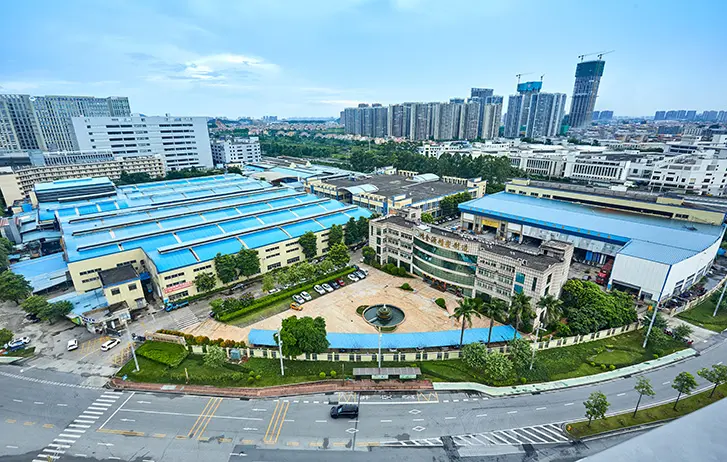
With a modern and environmentally friendly production base covering an area of over 73,000 square meters, the company offers one-stop service, including alloy casting, mold research & design & building, aluminum extruding, precise machining, welding, assembly, and surface treatment.
We work with a wide range of aluminum alloy series, including 1XXX, 3XXX, 5XXX, 6XXX, and 7XXX alloy, allowing us to meet the specific requirements of various demanding industries such as hardware tools, 3C products, automobiles, railways, furniture, decoration, and outdoor products.
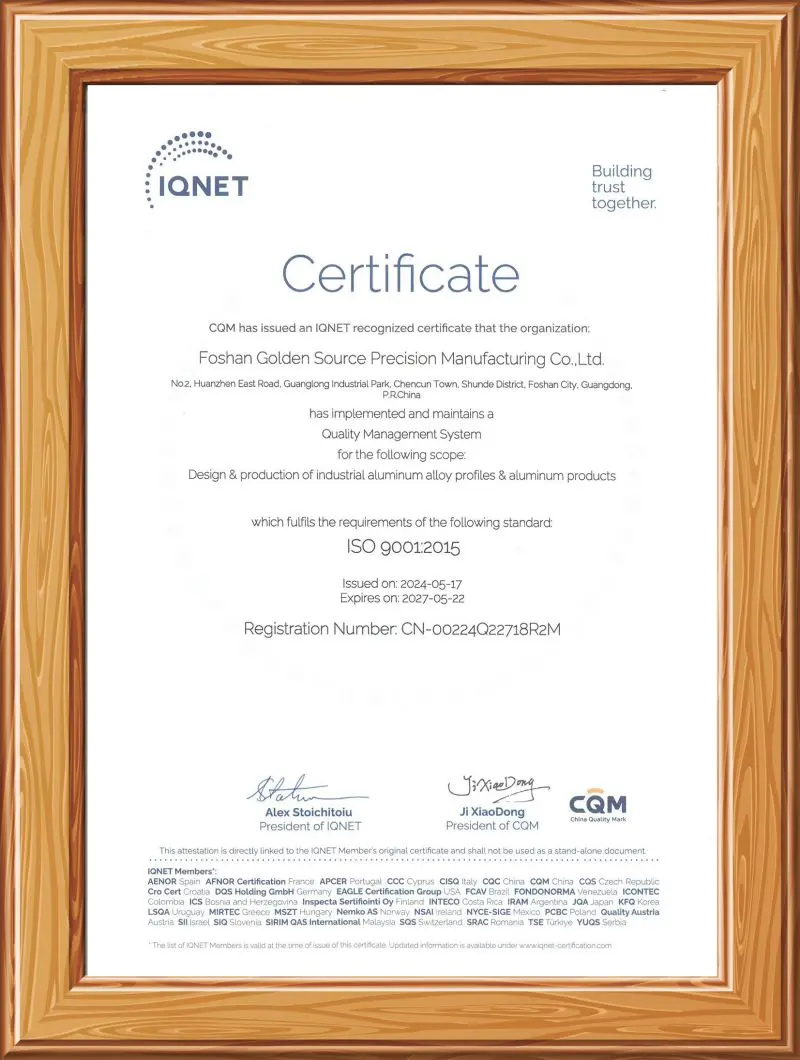
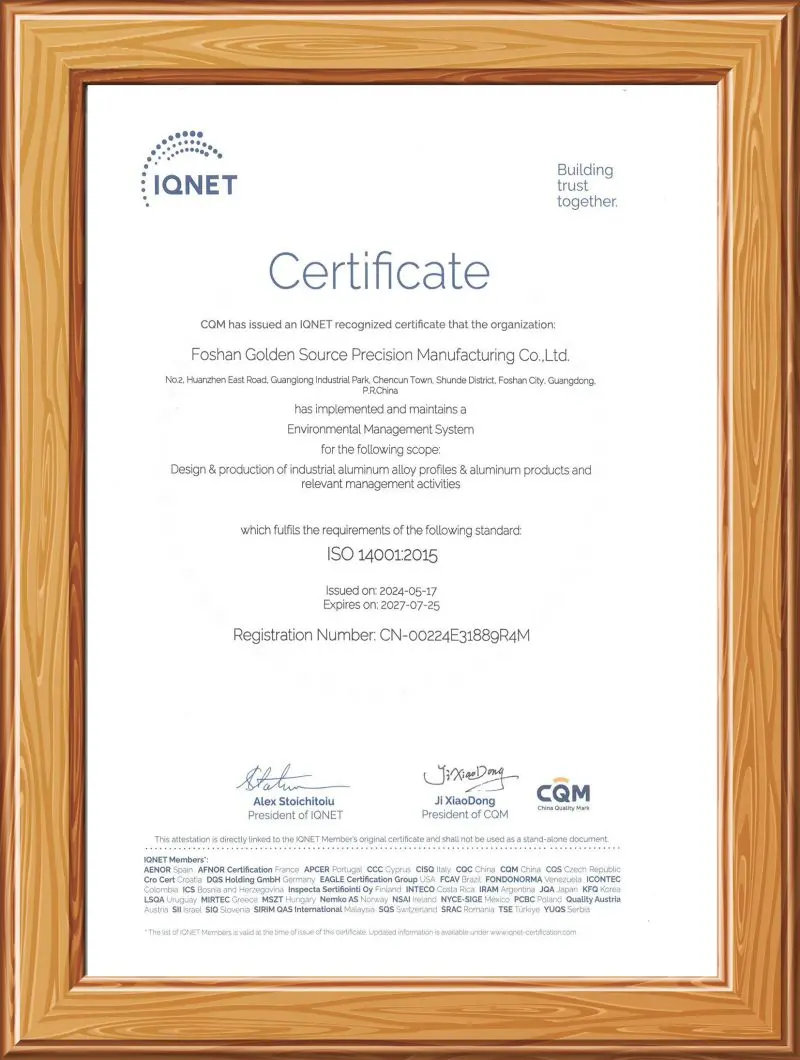
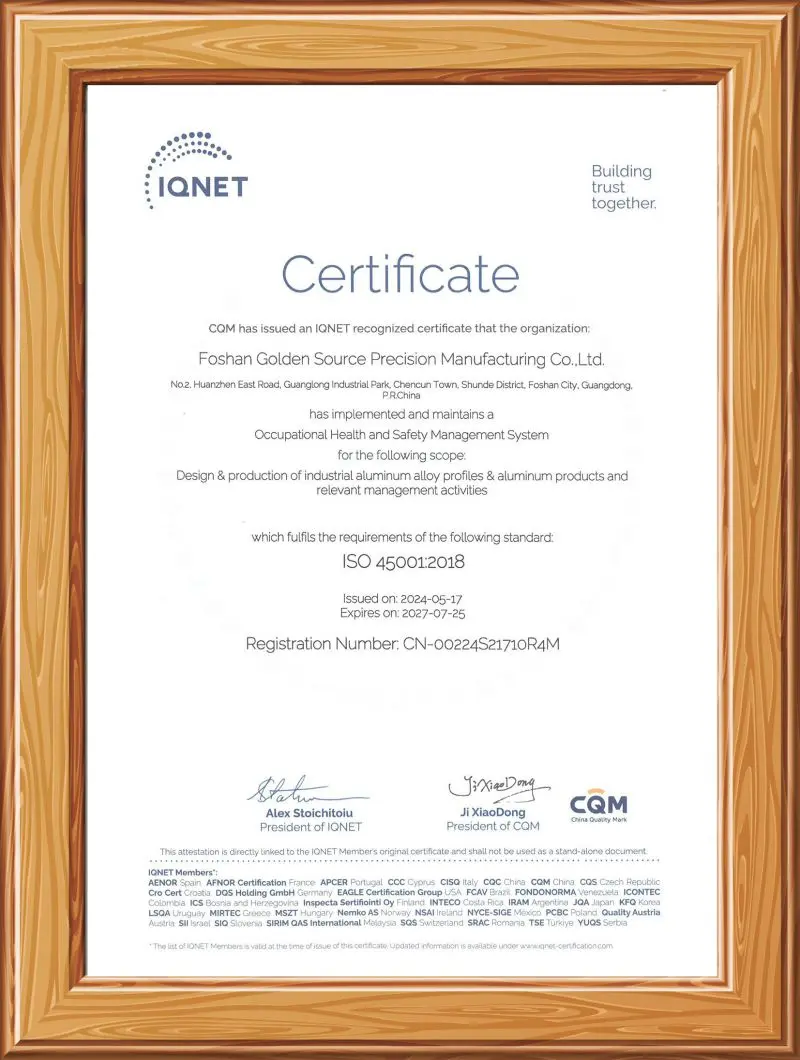
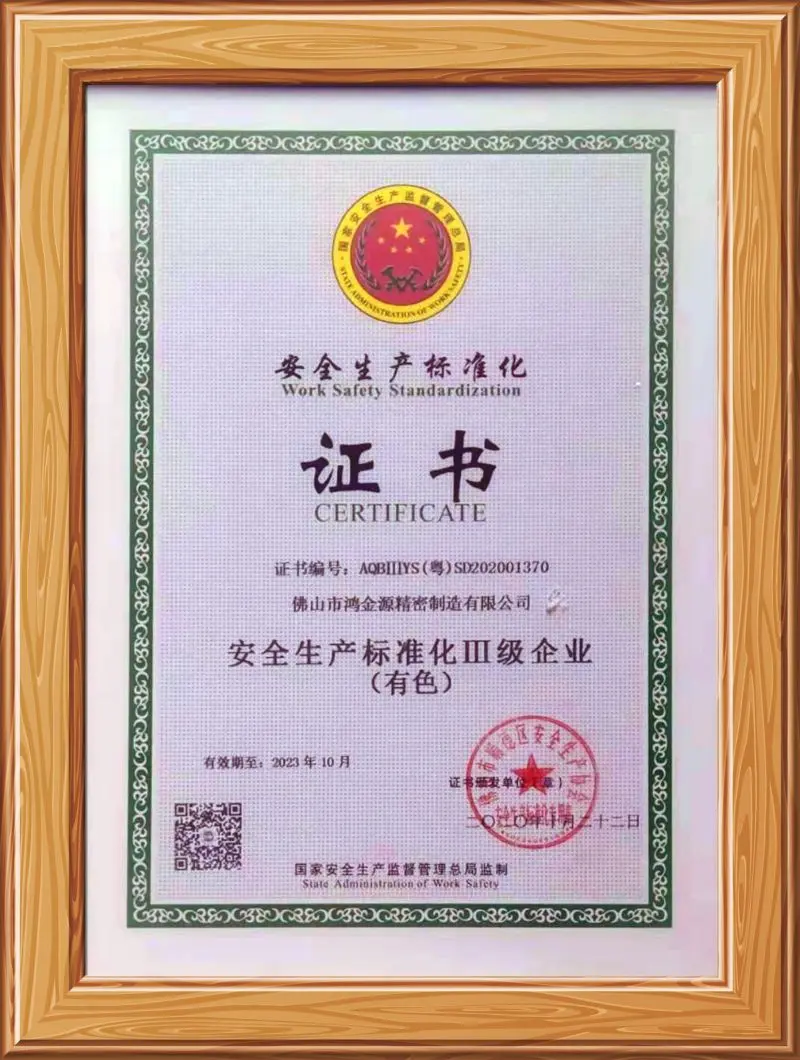
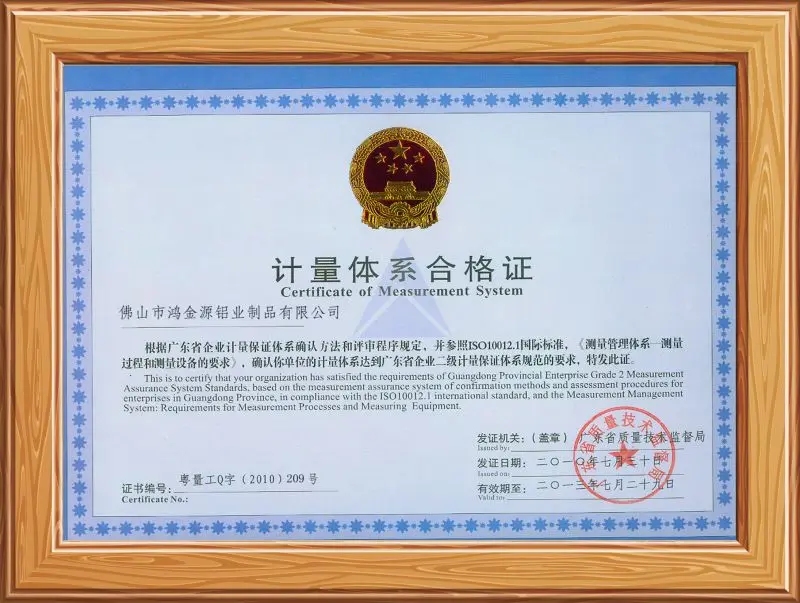
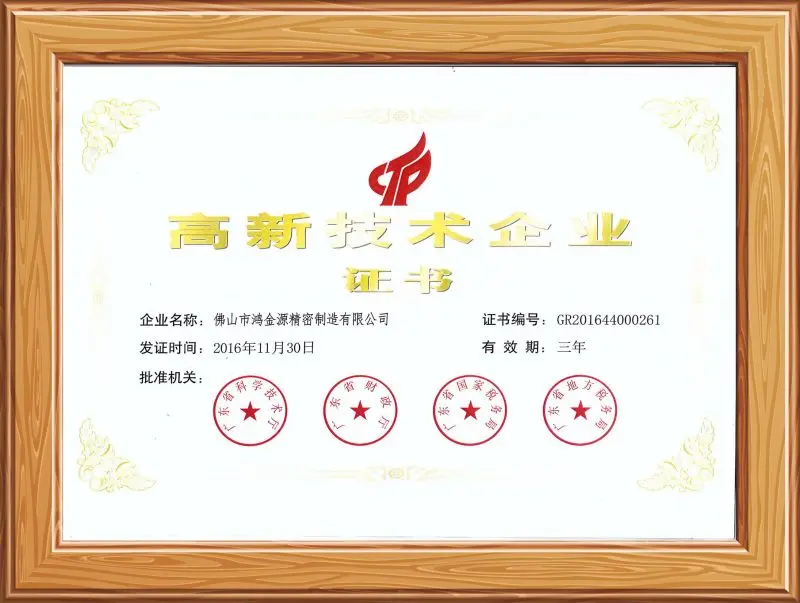
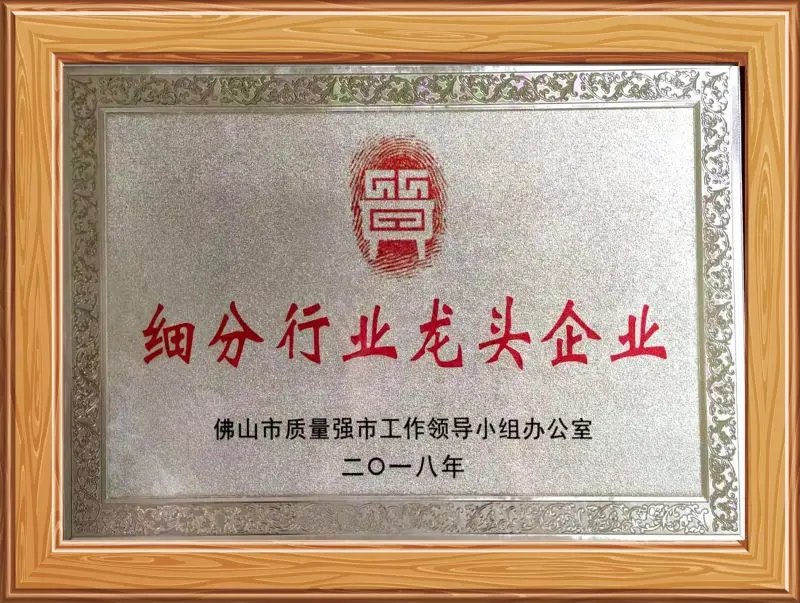
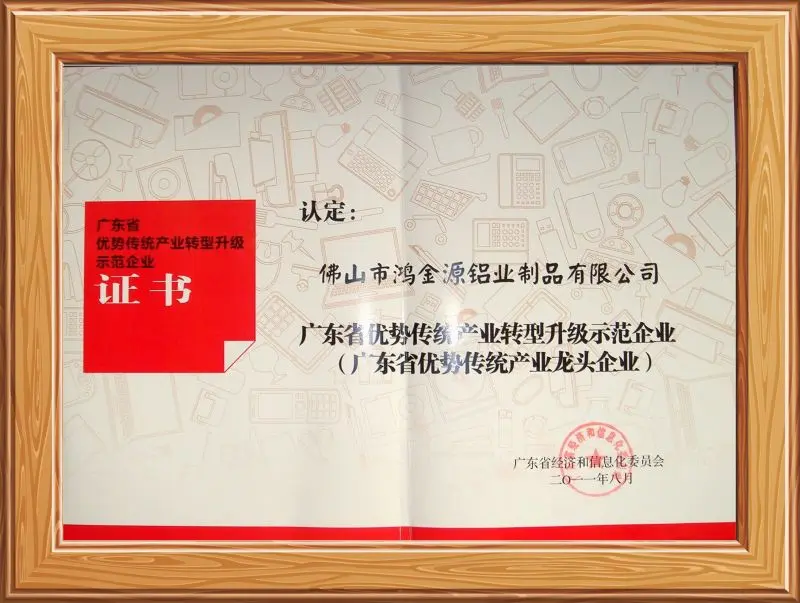
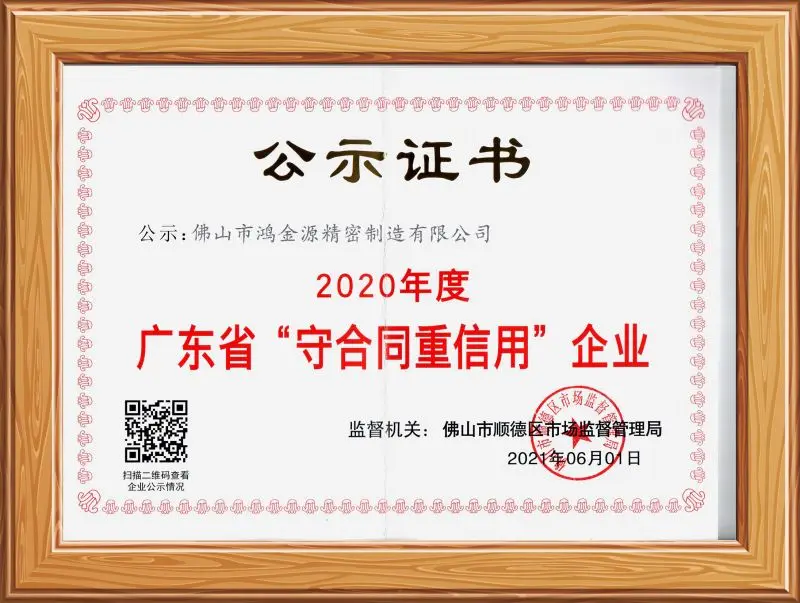
Our products comply with the environmental requirements of the EU's REACH regulation, supported by certifications including ISO9001, ISO14001, ISO45001, RCV, and GRS.
We melt the alloy in-house so that we can adjust the chemical compositions to achieve optimal physical properties for our extrusion profiles. This process ensures high purity of the alloy, which is essential for high-quality anodizing and surface finishes.
All machining and surface treatment stages are completed in-house, enabling tight quality control and reducing production costs. This approach keeps the unit price competitive while maintaining superior structural and aesthetic quality.
Our integrated "One-Stop" manufacturing capacity reduces hand-offs between third parties, resulting in shorter production lead times and faster, more reliable delivery schedules for global projects.
We maintain certified compliance with global standards, including ISO9001, ISO14001, ISO45001, GRS, and RCV certifications, supporting environmentally compliant processes for EU and North American markets.
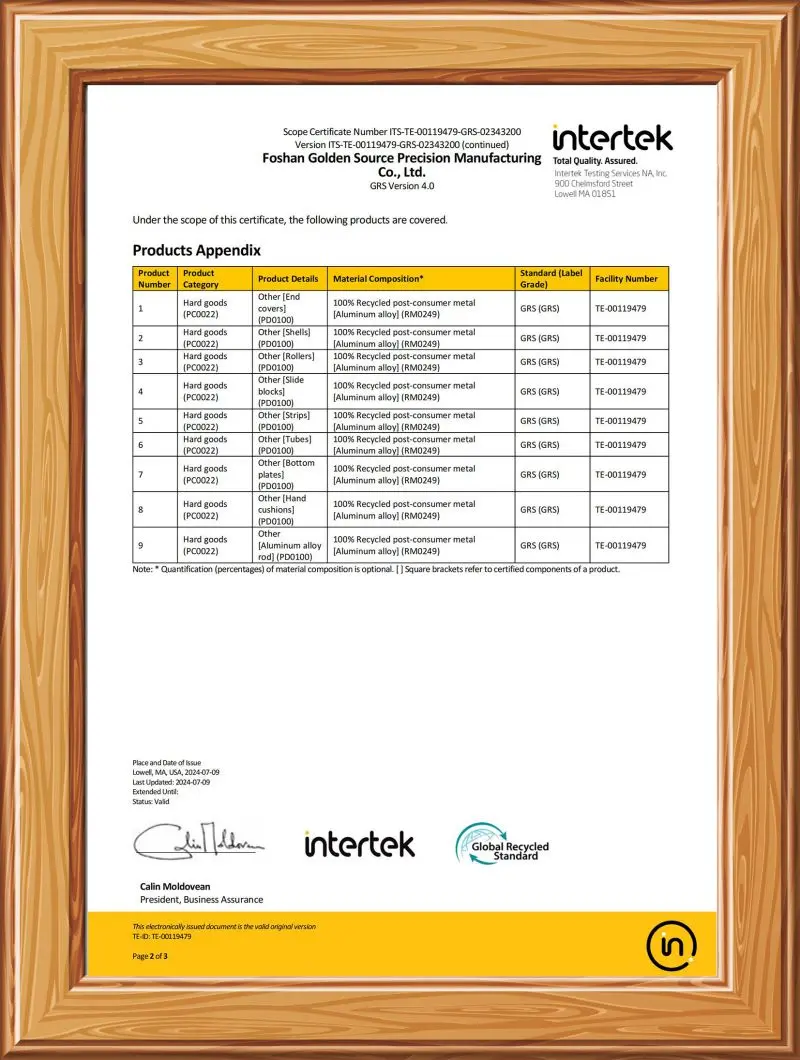
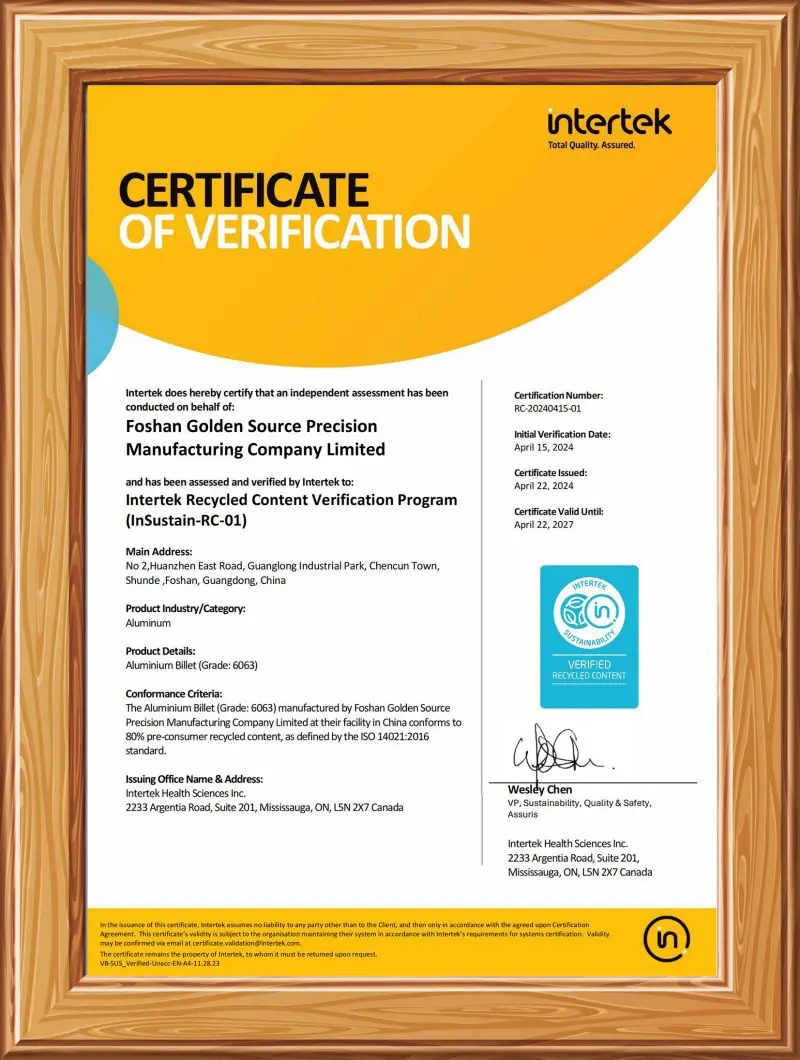
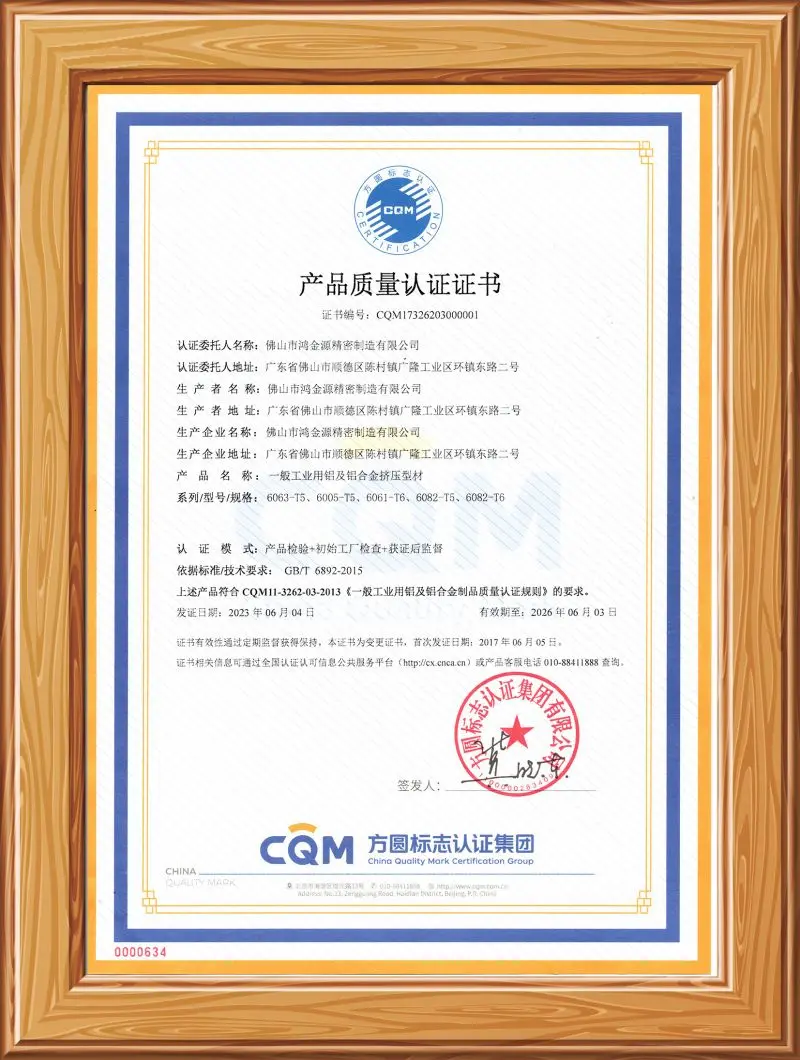
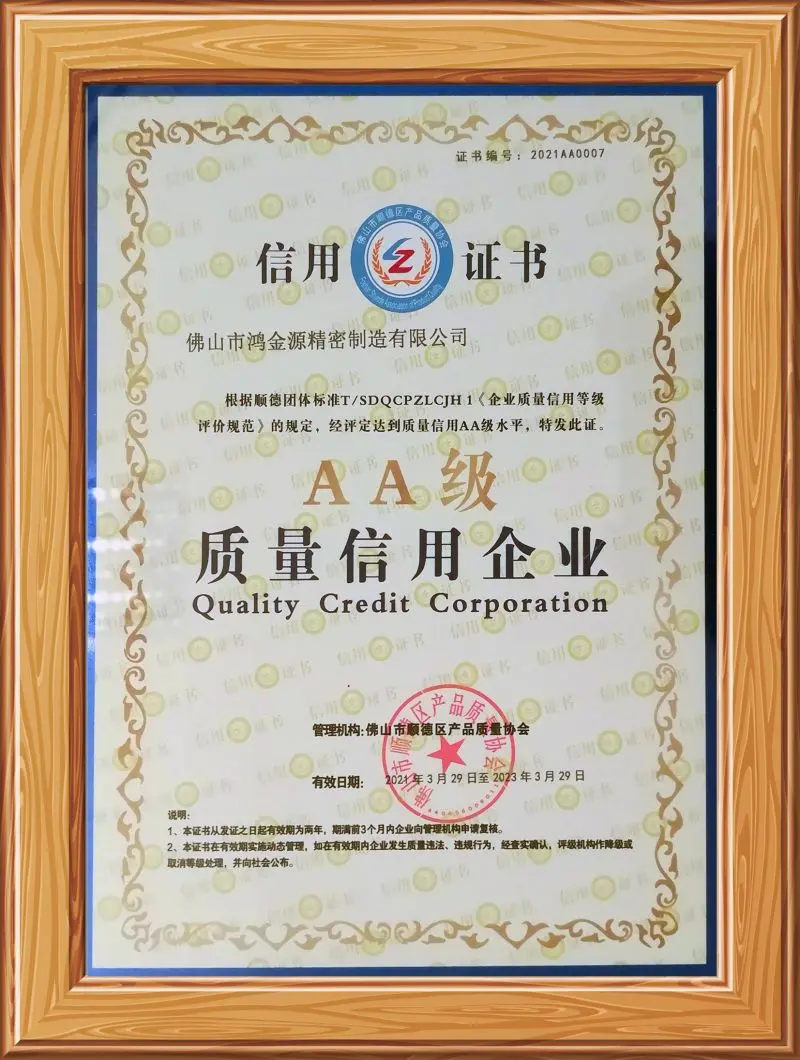
Critical design steps and validation standards required for heavy-duty B2B side rail manufacturing.
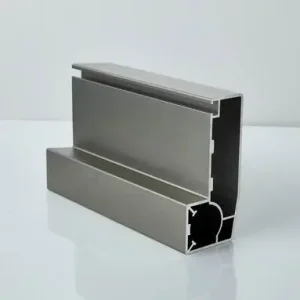
During the design phase, tonneau cover side rails undergo Finite Element Analysis (FEA) to simulate aerodynamic drag, cargo weight, and off-road vibration. For heavy-duty racks and overlanding accessories, rails must support high static weight loads. Our extrusion designs incorporate internal reinforcing webs at key pressure points to prevent wall deformation or twisting under high load conditions.
Due to exposure to road salt, UV radiation, and moisture, aluminum tonneau cover rails require a durable protective surface treatment. We provide specialized in-house surface treatments designed to meet global standards:
Answers to common technical and metallurgical questions regarding aluminum tonneau cover rails.
Our standard manufacturing processes achieve a straightness tolerance of within 0.5 mm per meter, exceeding ASTM B221 and EN 755-9 specifications. Tight tolerance control is necessary to prevent latch binding and ensure smooth operation on retractable or folding tonneau covers.
Controlling the alloy chemistry during casting allows us to manage impurities like iron and silicon. This step prevents surface streaks, micro-cracks, and grain variations, which improves the cosmetic appearance and structural consistency of the anodized finish.
For applications exposed to road salts, chemicals, and UV light, we recommend either a Class I clear/black anodized finish (≥ 18 µm) or an architectural-grade TGIC powder coating. Both treatments are designed to withstand over 1,000 hours of ASTM B117 salt spray testing without bubbling or peeling.
Yes. Our materials and manufacturing processes comply with EU REACH and RoHS environmental standards. We maintain GRS (Global Recycled Standard) and RCV certifications, helping our partners meet their scope-3 carbon reduction goals.
Additional custom-machined products engineered for industrial, structural, and outdoor applications.
 HG Precision