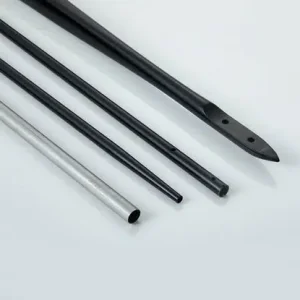
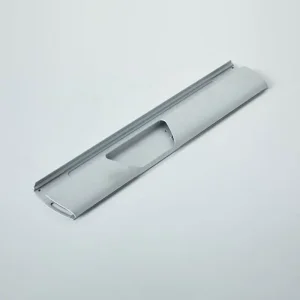
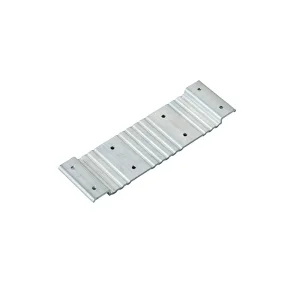
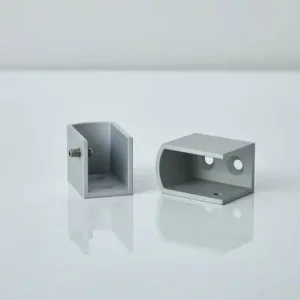
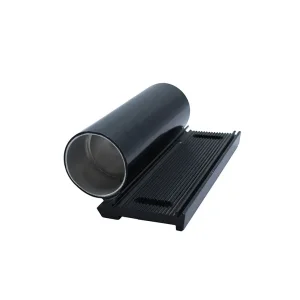
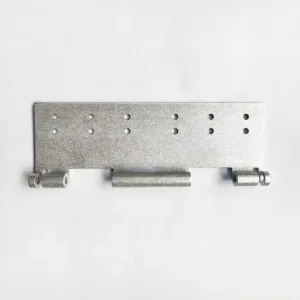
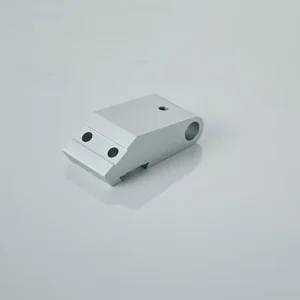
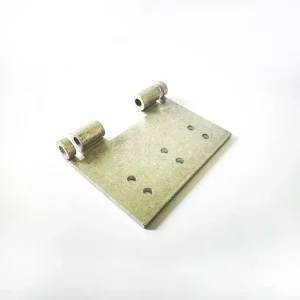
Explore our range of premium custom components, featuring 7075 climbing poles, custom anodized mouse components, electronic self-walking luggage parts, and architectural door clamps.
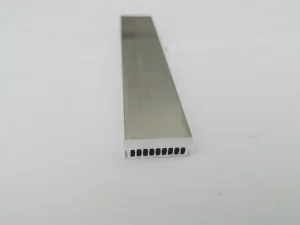
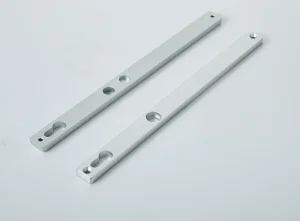
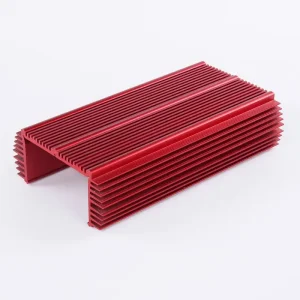
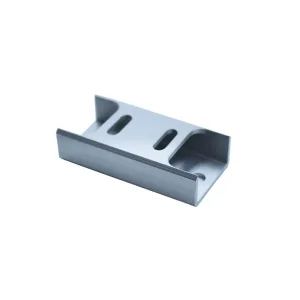
In modern manufacturing, lightweighting has transitioned from a design choice to a critical requirement. High-precision anodized aluminum tubes represent the perfect union of structural optimization and environmental resiliency.
Globally, industrial demand is shifting rapidly towards high-strength, treated structural tubes. Standard mill finish profiles are increasingly being replaced by custom anodized variations. By growing a controlled, oxide film layer through electrochemical anodization (typically ranging from 10 to 25 microns for standard uses, and upwards of 50 microns for hardcoat), manufacturers dramatically enhance surface hardness, heat dissipation, and corrosion protection.
This technical development has transformed industries such as Electric Vehicle (EV) infrastructure, renewable energy racking, modern optical transmission networks, and high-performance outdoor sporting gear. High-purity alloy compositions enable precise mechanical machining before final anodization, ensuring tolerance matching across critical structural systems.
The next decade of anodized aluminum tubing points towards strict metallurgical control, green chemistry, and hyper-precise geometric compliance.
Advanced metallurgical formulation allows exact adjustment of Silicon, Magnesium, and Iron within in-house smelting furnaces. This minimizes surface impurities and ensures flawless anodized visual consistency across large batches.
Strict compliance with EU REACH and RoHS regulations is driving the elimination of heavy metal sealants. Implementing low-temperature, nickel-free chemical sealers ensures non-toxic, highly reliable, and recyclable product lifecycles.
With aerospace and automated optical components requiring ultra-tight clearances, CNC post-anodizing tolerance controls must hit the sub-micron level. Our vertical integration guarantees structural integrity before chemical immersion.
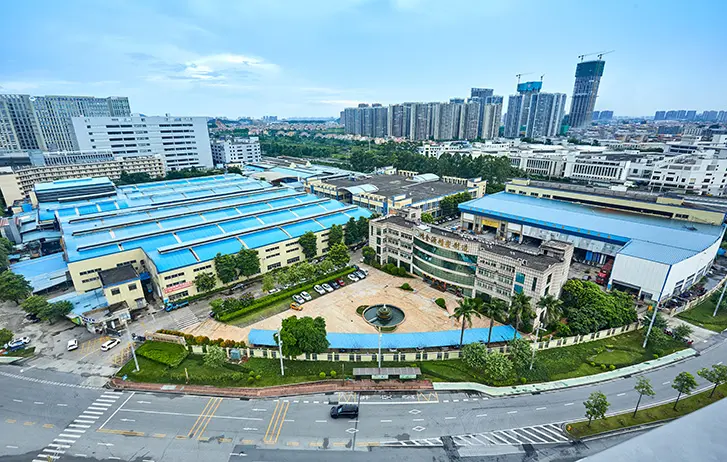
Established in 1991, Foshan Golden Source Precision Manufacturing Co., Ltd is an industry leader in high-strength, high-precision, customized aluminum profiles and precisely machined aluminum components, welded sub-assemblies, and finished structural assemblies.
Spanning over a modern, environmentally sound production footprint of 73,000 square meters, our vertical manufacturing ecosystem covers the entire supply chain. Our in-house processes include alloy casting, mold research & design, precision extrusion, CNC machining, stamping, robotic welding, final assemblies, and state-of-the-art chemical surface treatment. By bypassing middle-tier subcontractors, we maintain absolute control over structural tolerances and anodizing quality, reducing lead times and ensuring competitive unit pricing.
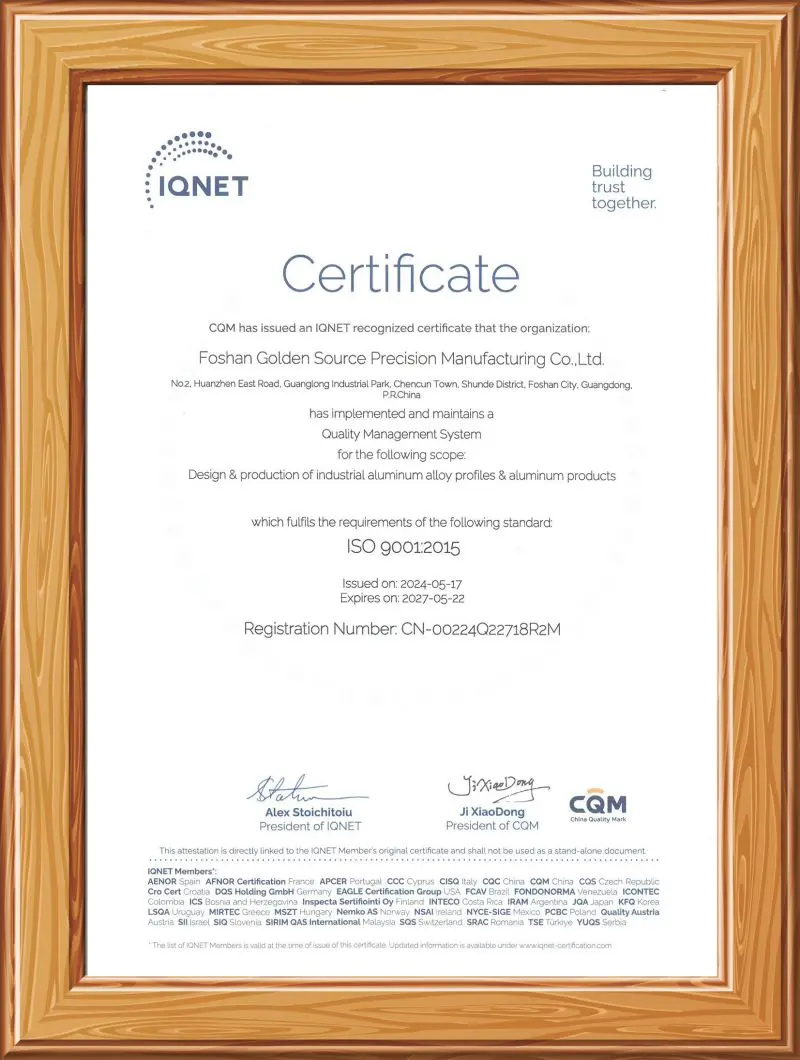
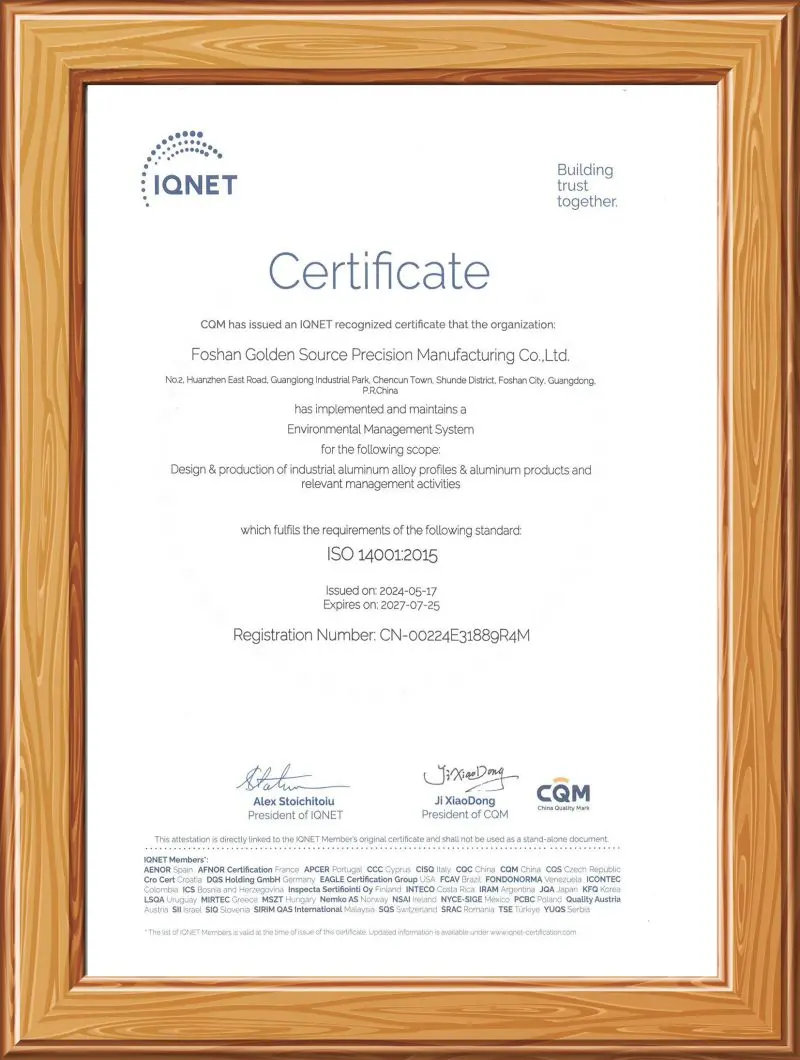
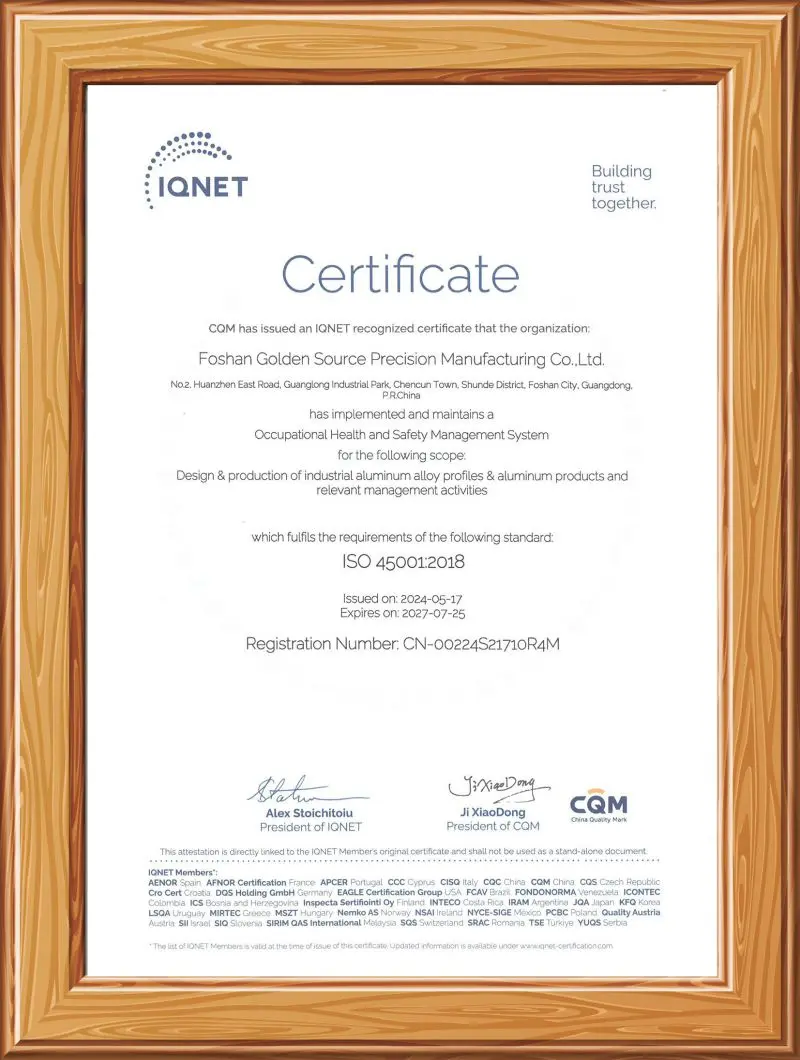
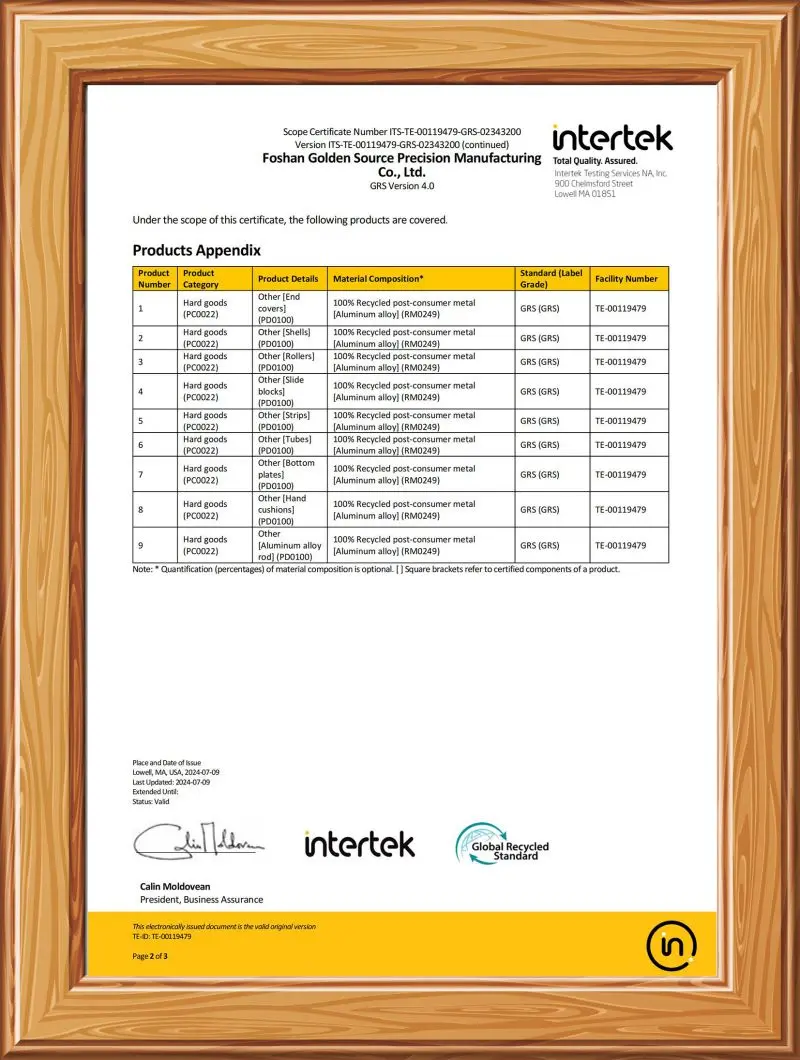
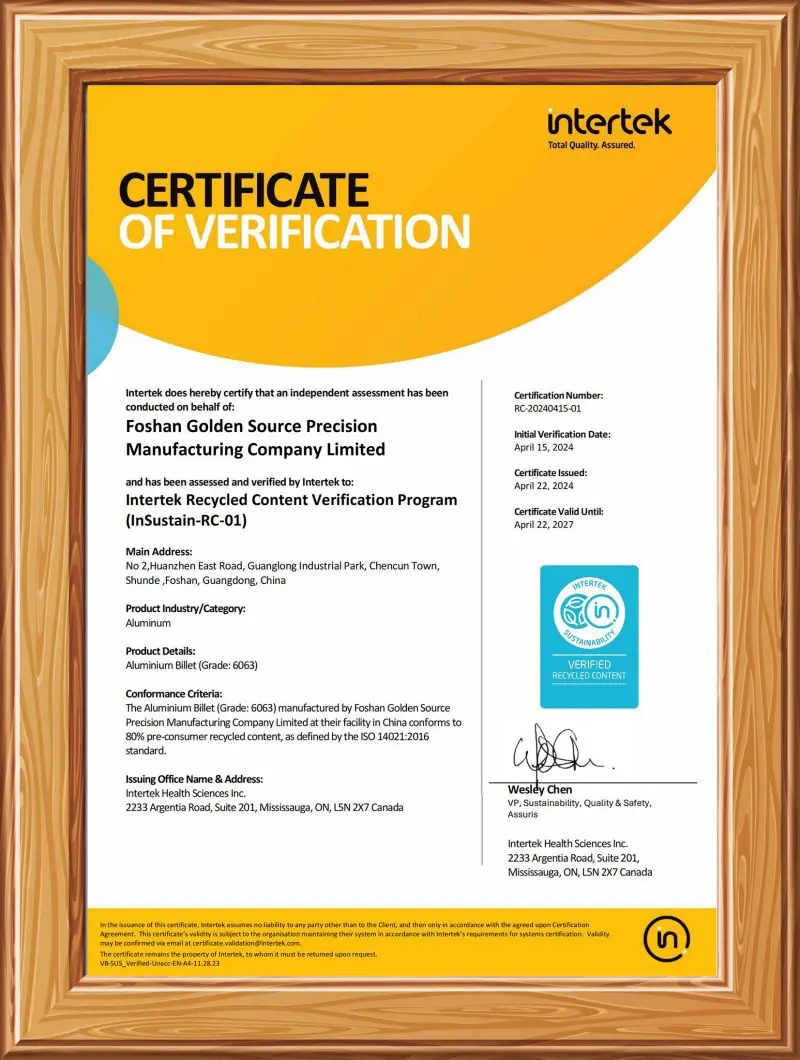
Our certifications—including ISO9001, ISO14001, ISO45001, and the new GRS (Global Recycled Standard) and RCV—guarantee that every anodized aluminum tube we produce respects strict global environmental guidelines, ensuring seamless integration into EU, North American, and Asian industrial markets.
We optimize every step of the extrusion and anodization process to offer superior value compared to standard processing plants.
We melt and cast the alloy in-house, enabling us to adjust chemical compositions to achieve optimal physical properties. This guarantees the highest alloy purity required for a consistent, blemish-free anodized finish.
Machining and surface treatment are handled entirely in-house. This centralized control reduces production costs and ensures rigorous quality oversight, translating to lower unit costs and superior finishes at any price point.
Our "one-stop" manufacturing process eliminates logistics bottlenecks and transit delays between third-party subcontractors, allowing us to rapidly design, extrude, machine, and ship custom orders globally.
From structural rail components to modern consumer electronics, anodized aluminum provides key mechanical and surface performance benefits across distinct industries.
For mass transit systems like metro train door mechanisms, wear resistance is a key design criterion. Anodized 6063-T6 profiles, prepared with sandblasting, provide a hard barrier layer that withstands mechanical friction and resists degradation in high-humidity station environments.
In consumer electronics and premium travel goods, aesthetics must match mechanical durability. Our satin-anodized keyboard enclosures, silver roller mouse boxes, and sandblasted luggage frames combine high structural strength with a scratch-resistant finish.
Curtain walls, skylight hinges, and heavy-duty gate mechanisms require reliable weather resistance. Anodized finishes protect structural members from wind loads, UV radiation, and acid rain, eliminating the risk of blistering or peeling associated with standard organic coatings.
For high-stress outdoor equipment, such as trekking and climbing poles, we utilize 7075-T6 alloy tubes. This provides an excellent strength-to-weight ratio, while the anodized surface prevents galvanic corrosion and maintains mechanical reliability under extreme loads.
Find technical insights regarding anodized aluminum alloy performance, manufacturing limits, and processing choices.
6061 aluminum alloy offers higher tensile strength and structural integrity, making it ideal for load-bearing applications like gate closers and connector blocks. 6063 provides a superior surface finish, making it the preferred choice for detailed architectural elements, electronic housings, and decorative trim. 6063 responds exceptionally well to clear and colored anodizing, yielding a highly uniform metallic appearance.
Anodizing is an electrochemical process that converts the base metal into a structured aluminum oxide film. Impurities or structural defects in the alloy, such as uneven iron or silicon distribution, can lead to dark streaks or cloudy zones in the oxide layer. By casting our alloys in-house, we control composition limits beyond standard commercial grades, ensuring a clean, uniform anodized finish.
For architectural and moderate outdoor exposure, an oxide layer thickness of Class I (18μm / 0.7 mil minimum) is standard. For harsh marine, chemical, or high-wear industrial environments, we recommend a Type III Hardcoat anodize, which provides a layer thickness of 50μm (2.0 mil) or greater to ensure long-term wear and corrosion protection.
Our facilities hold ISO14001 and ISO45001 certifications. Crucially, we maintain RCV and GRS (Global Recycled Standard) certifications, which verify our use of recycled materials. Our anodized profiles are fully compliant with EU REACH and RoHS environmental directives.
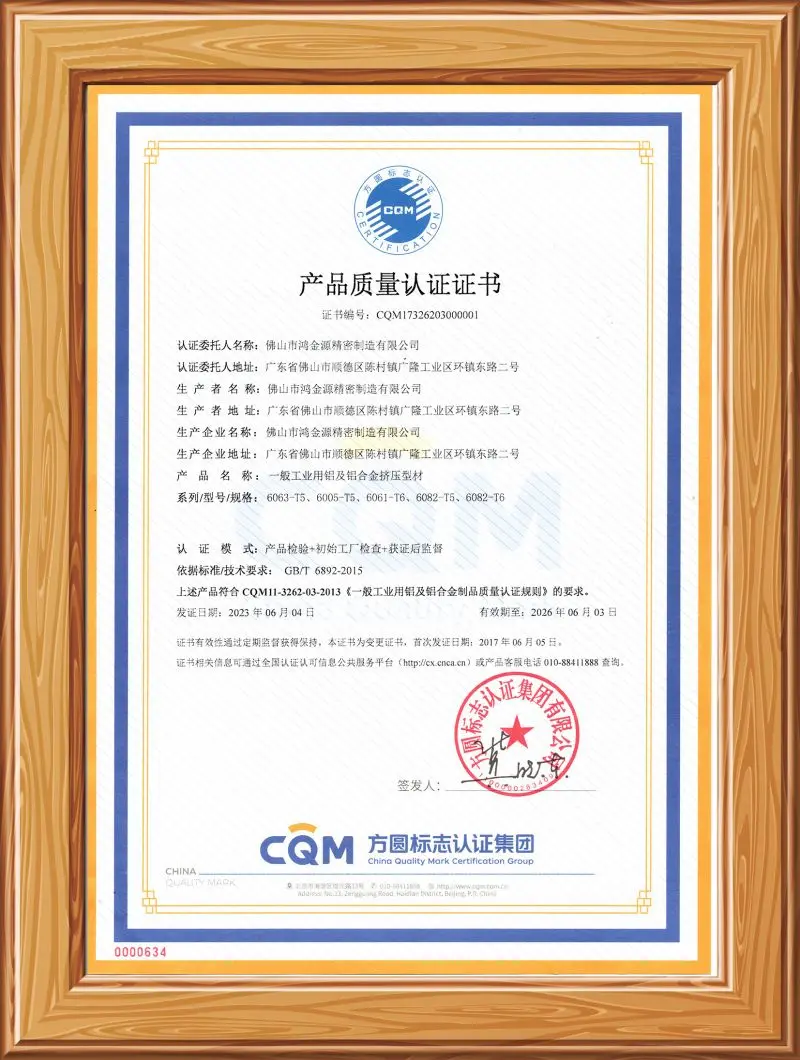
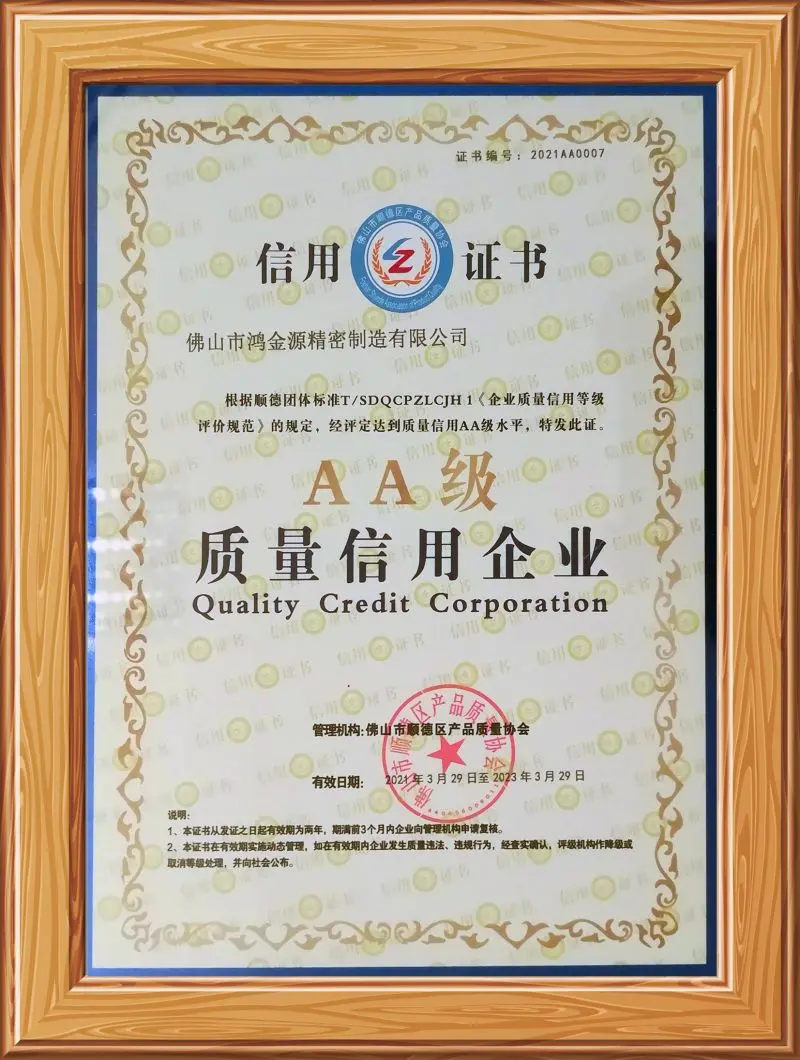
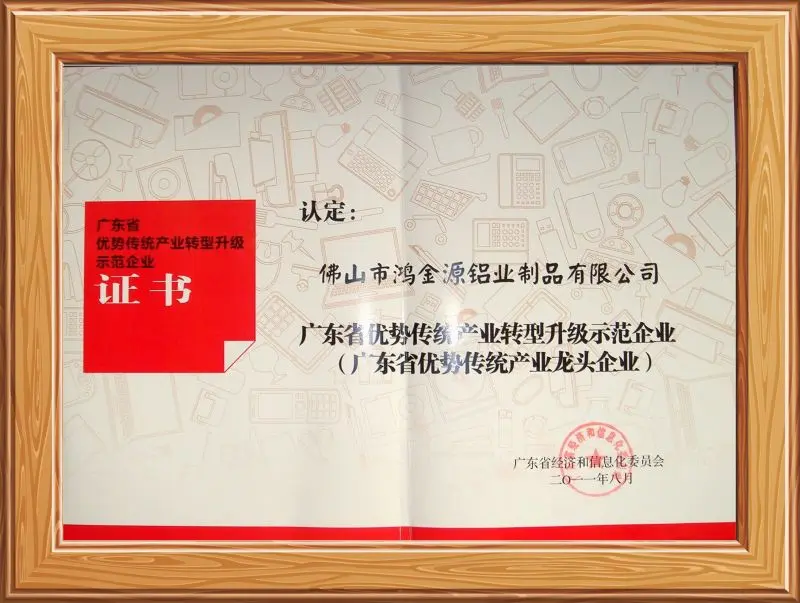
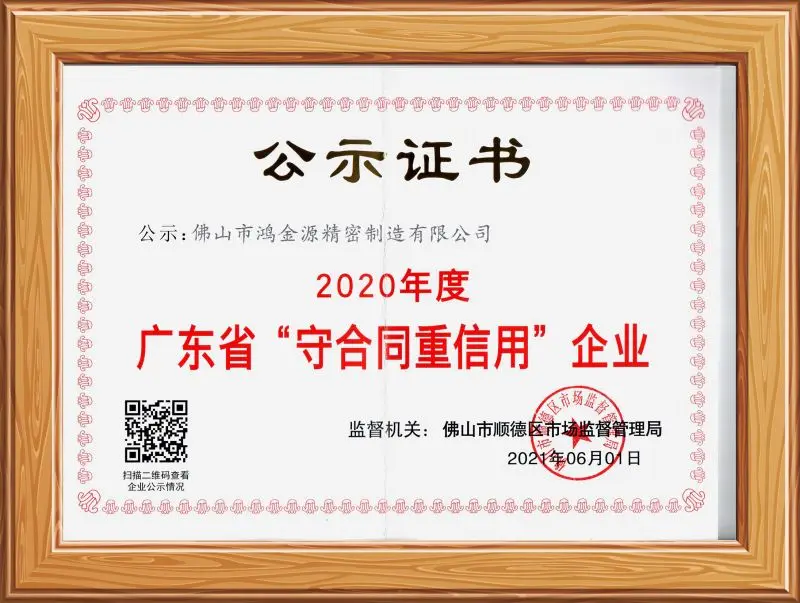
Foshan Golden Source operates under strict quality, environmental, and occupational safety frameworks, supported by provincial and national industry recognitions.
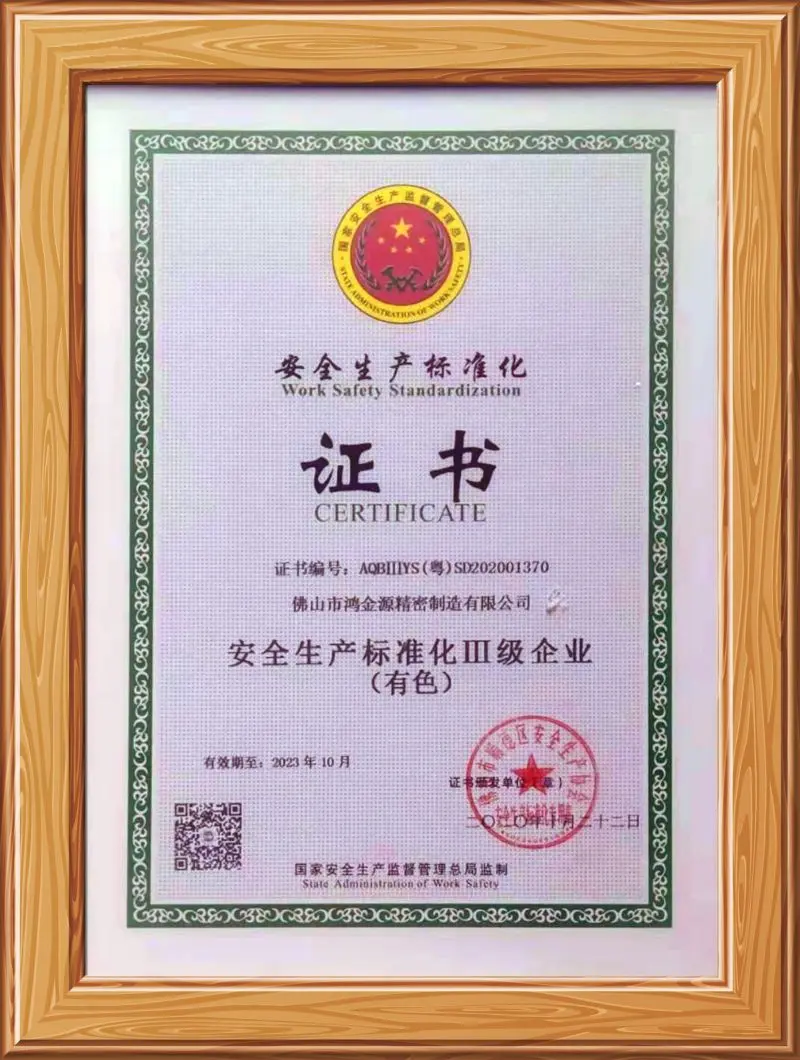
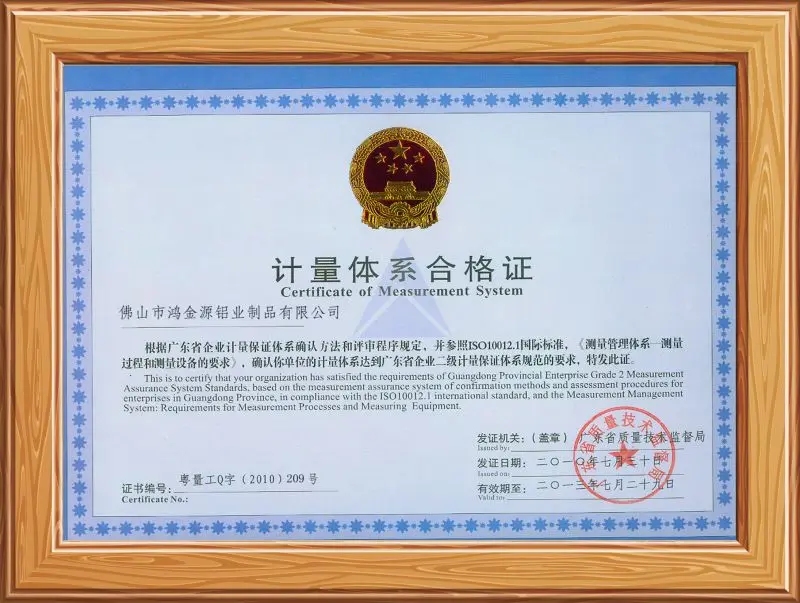
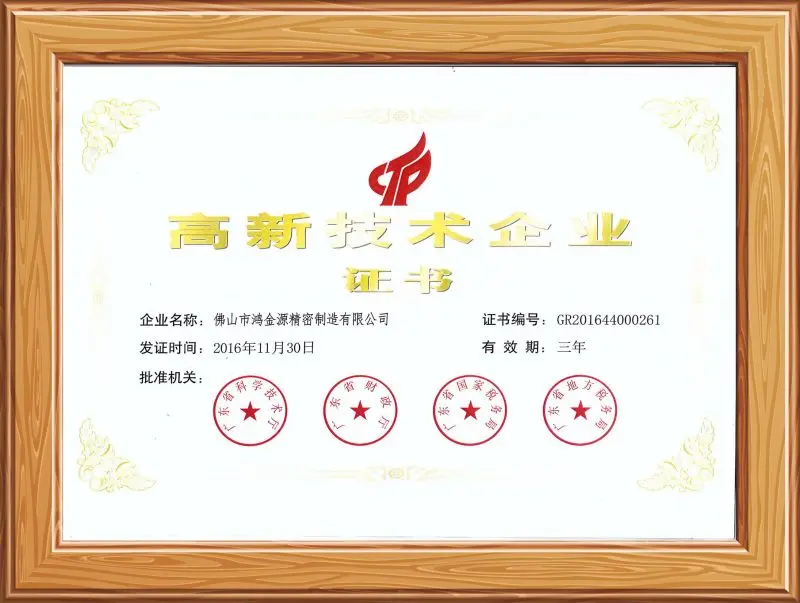
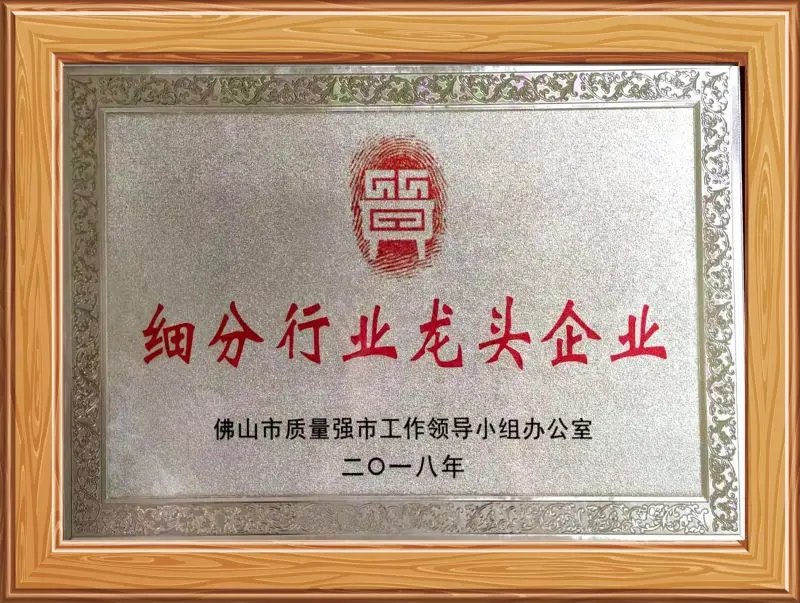
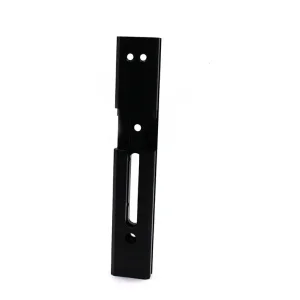
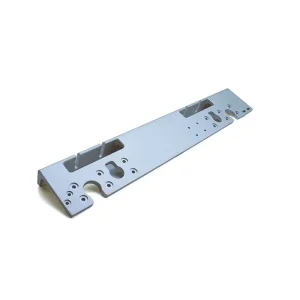
From custom gate locks to metro doors and architectural curtain wall profiles, explore our high-tolerance, specialized anodized components.
 HG Precision