In modern industrial engineering, the demand for lightweight, high-strength structures has driven a monumental shift from traditional steel frameworks toward advanced aluminum alloy systems. Aluminum's inherent characteristics—excellent strength-to-weight ratio, exceptional corrosion resistance, high thermal conductivity, and complete recyclability—make it the material of choice for aerospace, automotive, railway, green energy, and high-end consumer electronics. However, the unique material characteristics of aluminum present complex metallurgical hurdles in fabrication, specifically in precision welding. Achieving flawless welded configurations requires not just mechanical expertise, but deep metallurgical integrity and state-of-the-art process controls.
Historically, welding aluminum has posed engineering challenges such as thermal distortion, oxide layer contamination, porosity formation, and heat-affected zone (HAZ) softening. Today, leading manufacturers utilize sophisticated techniques like Gas Tungsten Arc Welding (GTAW/TIG), Gas Metal Arc Welding (GMAW/MIG), and Friction Stir Welding (FSW). By strictly controlling heat inputs, shielding gas purities, and profile tolerances, precision fabricators deliver structural integrity that meets stringent international safety and performance criteria. As global markets transition toward carbon neutrality and smart urbanization, high-precision aluminum welding fabrication stands at the absolute center of advanced engineering.
Procurement departments in global industrial hubs—ranging from North America and the European Union to highly developed Asian economies—face multifaceted challenges when securing aluminum fabrication supply chains. Factors such as raw material cost volatility, geo-economic tariffs, strict regulatory standards (RoHS, REACH, and GRS), and shipping logistics require partnering with highly competent and certified manufacturers. Reliability is no longer judged solely by the unit cost, but by the supplier's capacity to minimize defect rates, offer design-for-manufacturing (DFM) support, and maintain total transparency in their environmental footprint.
For high-end structural and decorative applications, material cleanliness and trace-alloy consistency are critical. When sourcing profiles for aerospace or consumer electronic cases, the alloy compositions (1XXX, 3XXX, 5XXX, 6XXX, and 7XXX series) must be controlled to the decimal level. Suppliers who lack in-house melting and extrusion capabilities often struggle with batch-to-batch variation, leading to failures during structural welding or anodizing. By integrating in-house melting, casting, extrusion, precise machining, and surface treatments, forward-looking suppliers significantly mitigate these supply chain disruptions, allowing global enterprises to optimize inventory turns and achieve cost stability.
The paradigm of Chinese manufacturing has undergone an epochal transformation, evolving from labor-intensive assembly to technology-driven Factory 4.0 ecosystems. This evolution is characterized by the implementation of automated CNC machining lines, robotic welding stations, intelligent multi-axis extrusion systems, and real-time digital quality monitoring. In the context of aluminum welding and fabrication, these smart technologies ensure that tight tolerances (+/-0.02mm) are consistently maintained, eliminating human error and significantly optimizing throughput speeds.
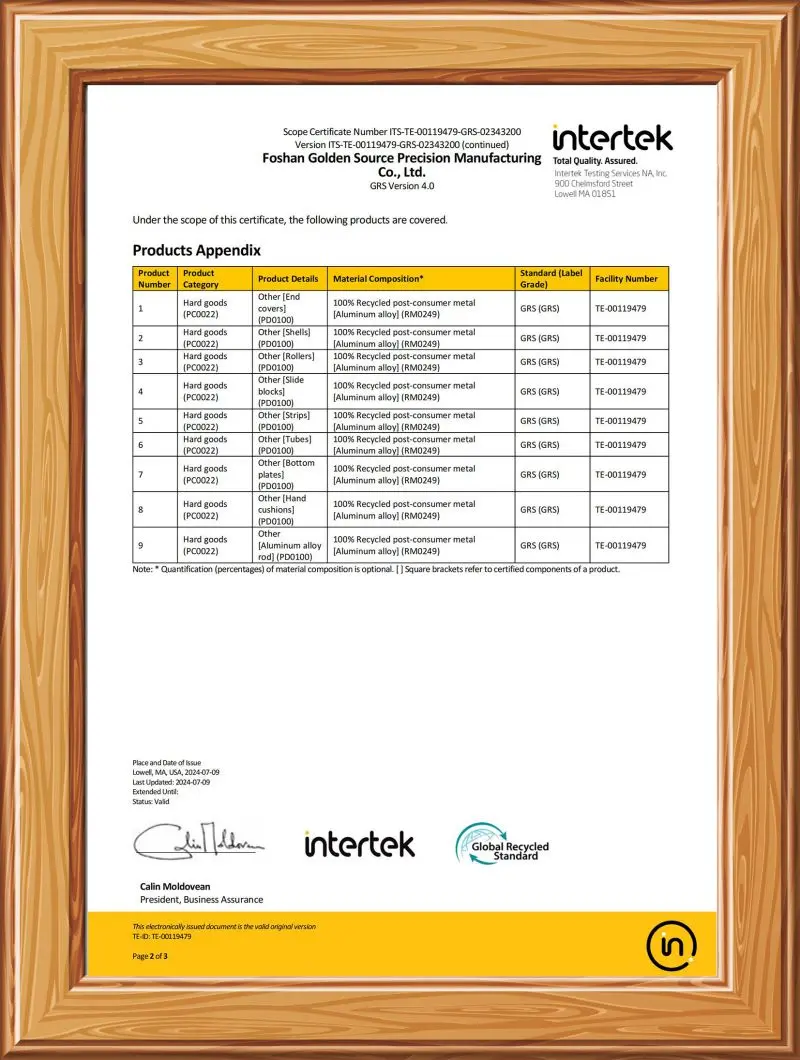
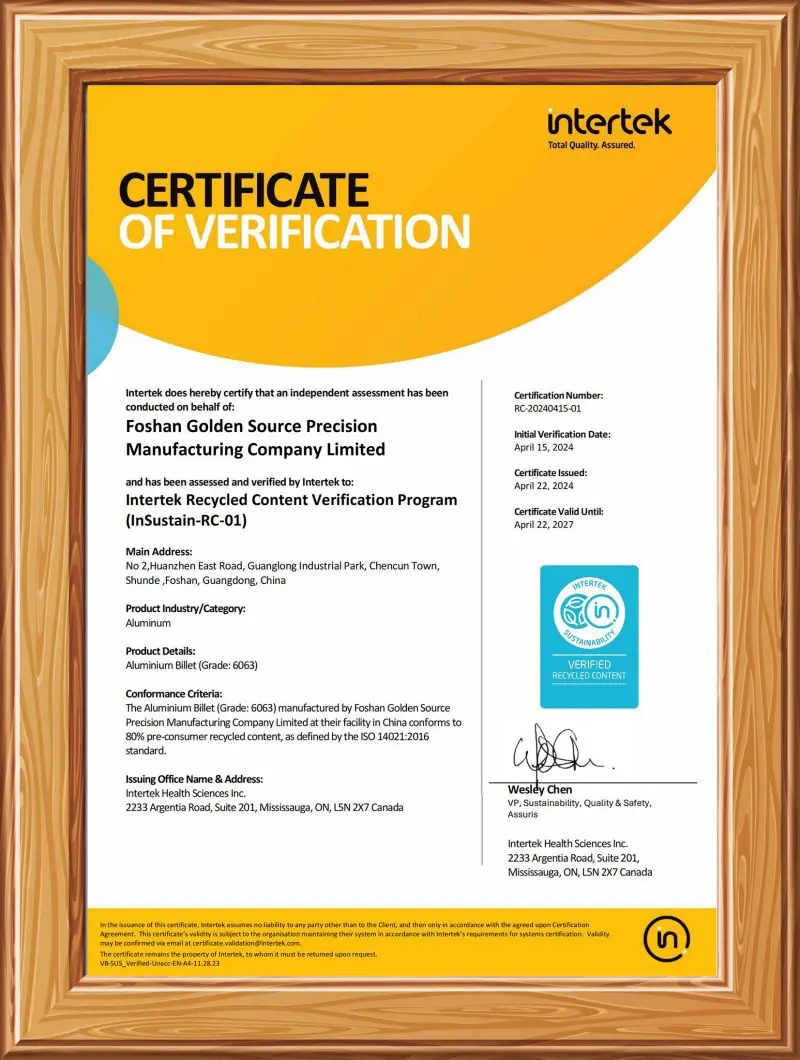
Beyond automation, sustainability has become the absolute core of industrial competence. The European Union's Carbon Border Adjustment Mechanism (CBAM) and global corporate ESG mandates require suppliers to lower carbon footprints across the production lifecycle. Leading Chinese manufacturers are investing heavily in renewable energy integration, internal scrap recycling programs, and advanced waste filtration systems. Holding advanced environmental credentials like the Global Recycled Standard (GRS) and RCV certifications, these modern facilities support international clients in satisfying strict environmental regulations, transforming their manufacturing partnerships from traditional purchasing transactions into joint sustainability ventures.
Established in 1991, Foshan Golden Source Precision Manufacturing Co., Ltd is a highly professional manufacturer of high-strength, high-precision, customized aluminum profiles, precise machining aluminum components, structural welded parts, and fully assembled aluminum solutions. Operating from a modern, state-of-the-art, and environmentally compliant production base spanning over 73,000 square meters, we deliver an end-to-end "one-stop" manufacturing environment.
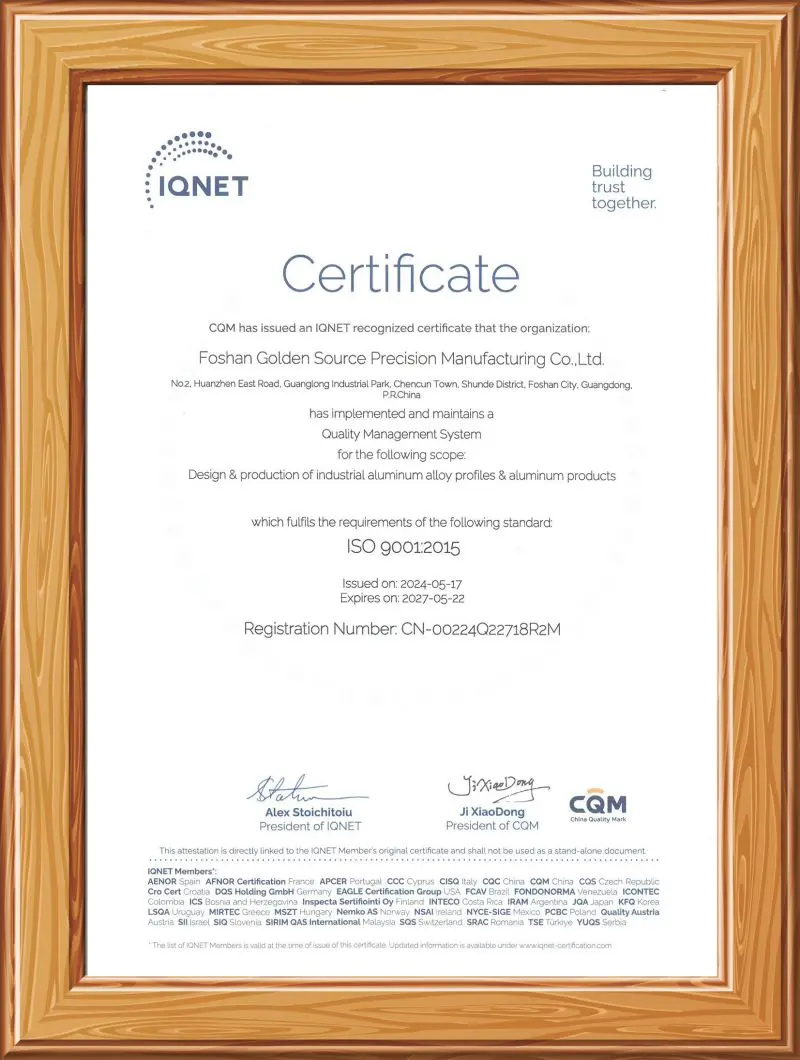
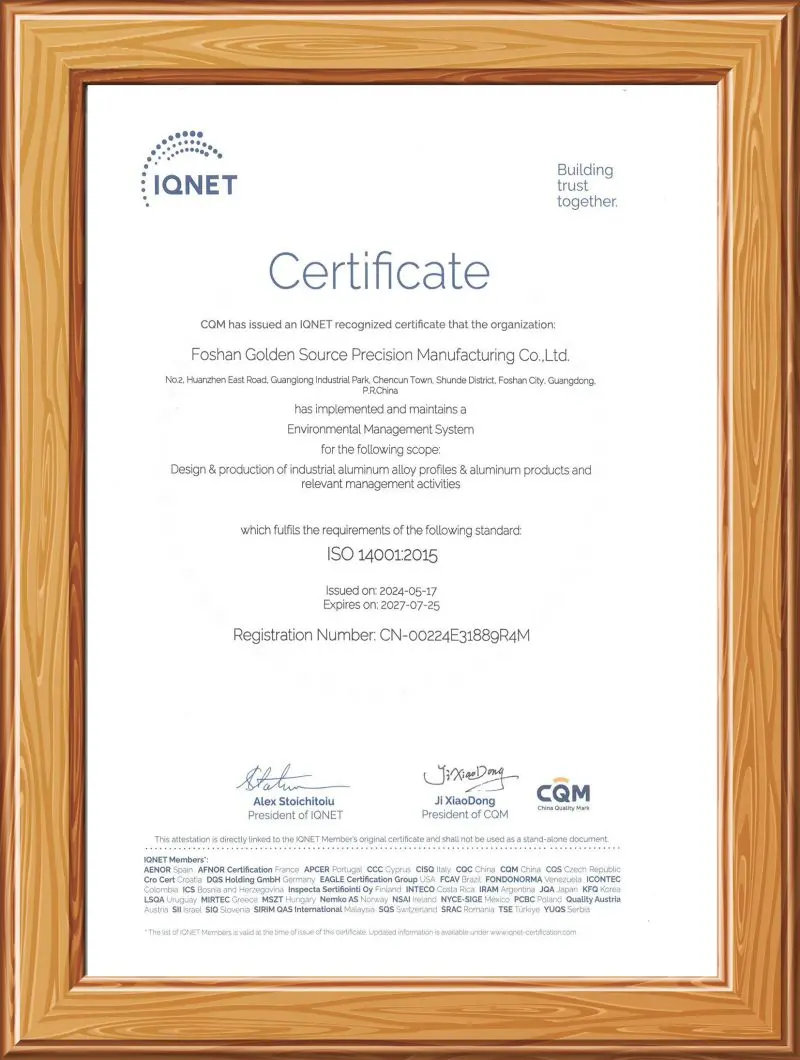
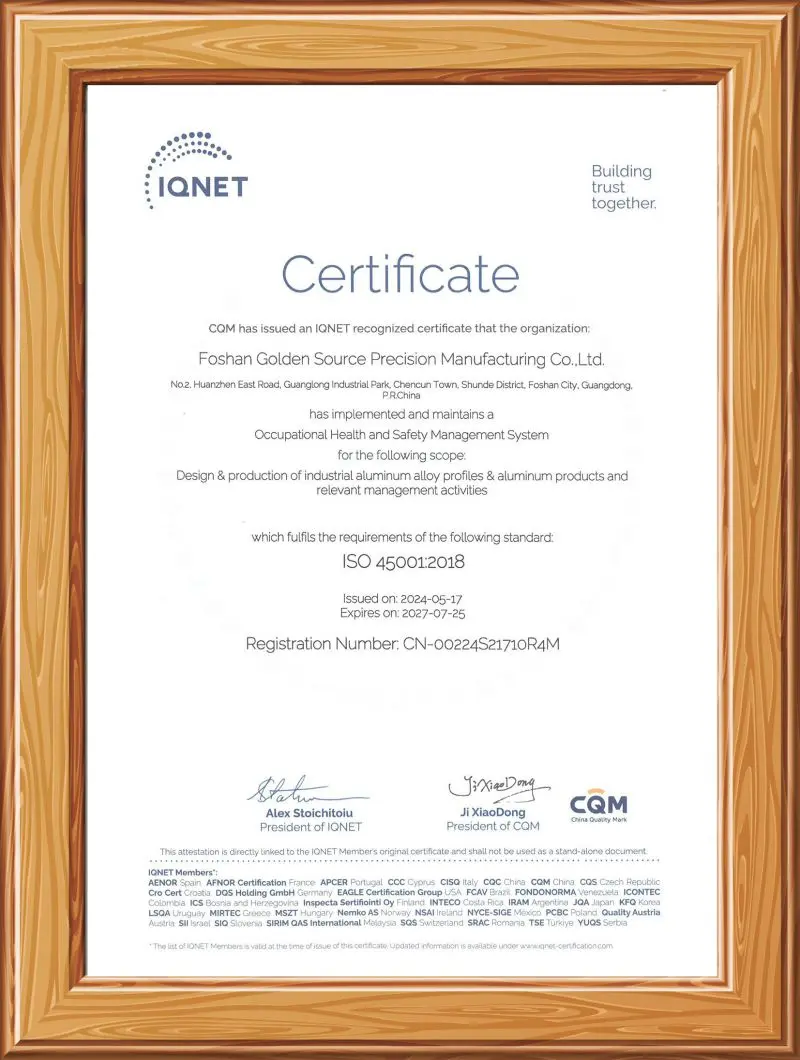
Our capabilities range from alloy casting, mold research & design & building, to aluminum extruding, precise CNC machining, welding, surface finishing, and assembly. To ensure global market access and quality reliability, our processes are certified under ISO9001, ISO14001, ISO45001, RCV, and GRS, guaranteeing that all extruded and fabricated products fully comply with the stringent environmental guidelines of the EU's REACH regulation.
We work with an extensive selection of aluminum alloy series—including 1XXX, 3XXX, 5XXX, 6XXX, and 7XXX—enabling us to serve crucial industries such as high-performance hardware tools, 3C consumer electronics, automotive manufacturing, heavy railway transit, high-end furniture, home decoration, and marine or outdoor equipment.
Company Catalogue Download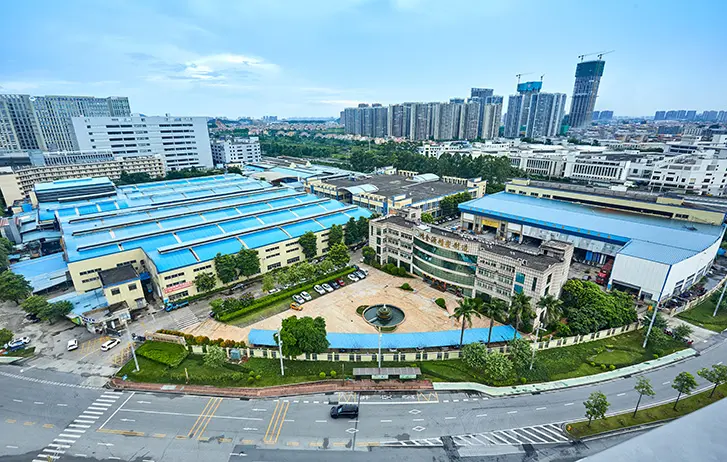
We melt and cast our alloys in-house. This allows our metallurgical engineers to adjust alloy compositions to achieve optimal physical and mechanical properties, ensuring structural strength and high-purity profiles ideal for premium anodizing.
All precise machining and complex surface treatments are performed inside our own facility. This vertical integration guarantees rigid quality controls, minimizes transport handling defects, and lowers overall production costs—passing the savings directly to you.
Our integrated "one-stop" production lines eliminate external bottlenecks. By managing raw materials, tooling, extrusion, machining, welding, and shipping in a single flow, we dramatically shorten lead times for global projects.
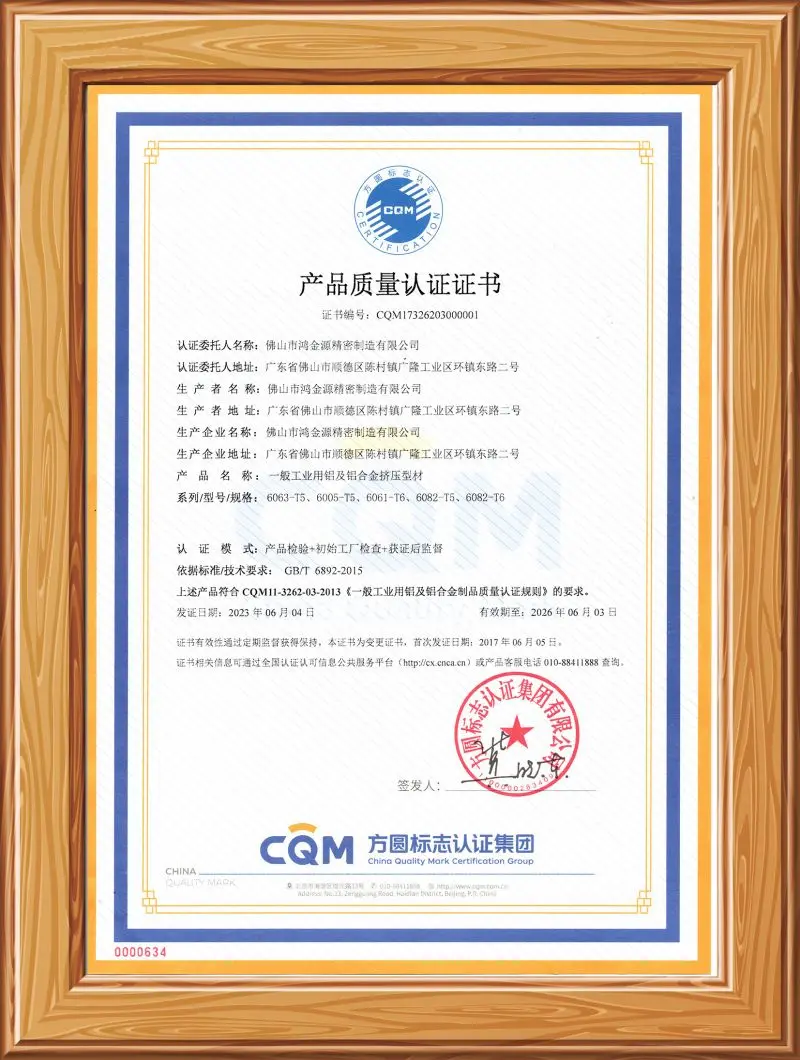
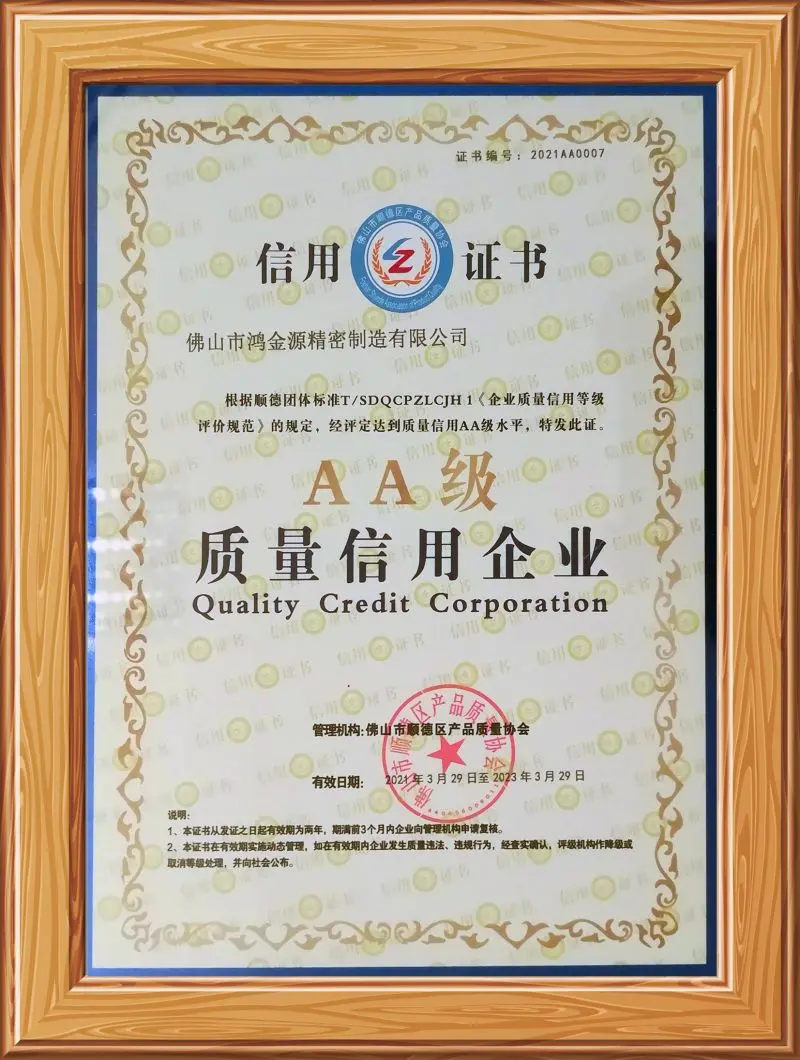
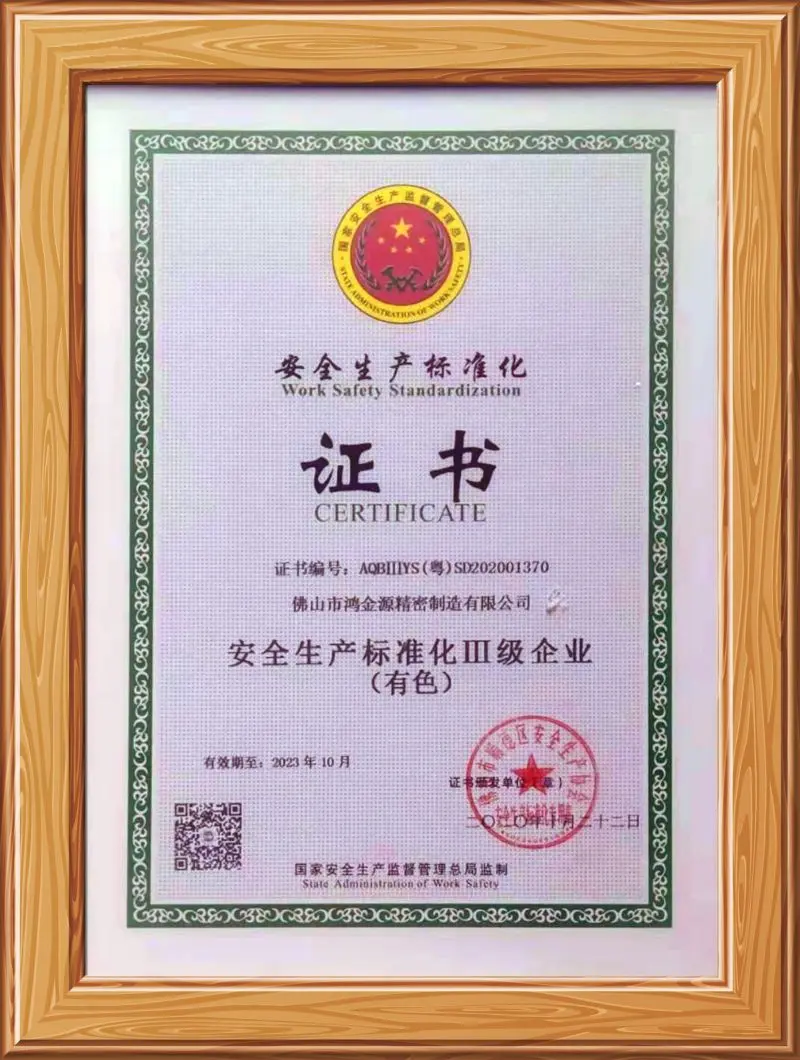
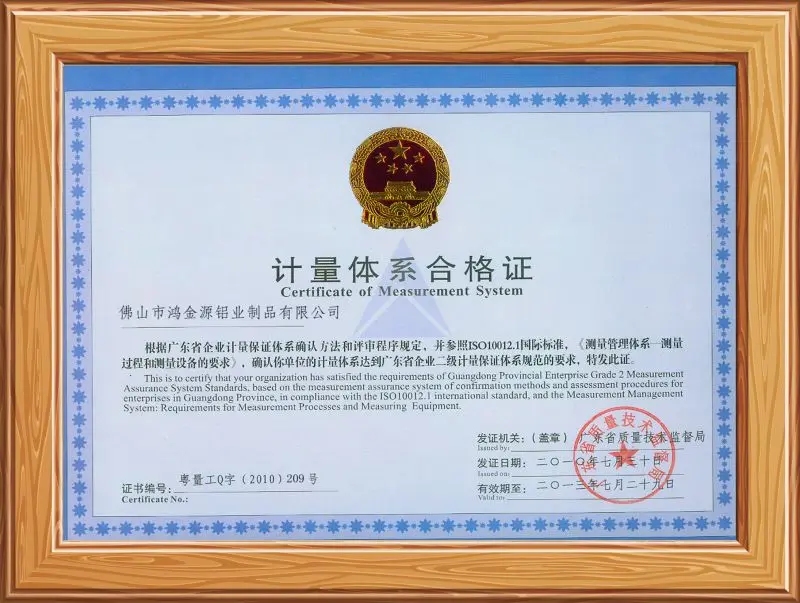
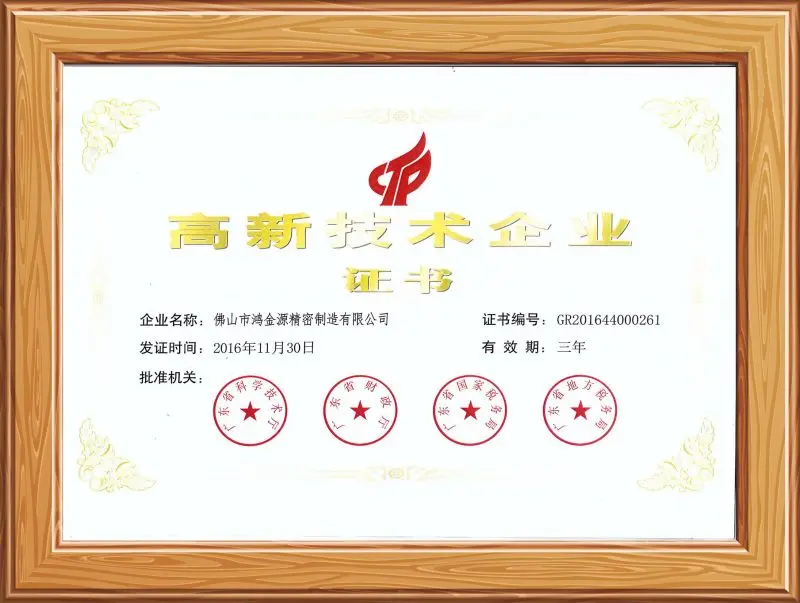
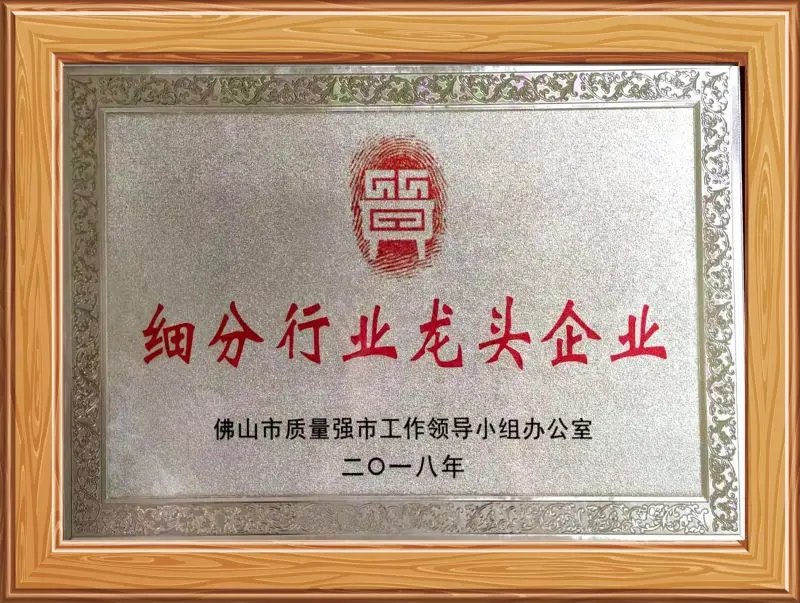
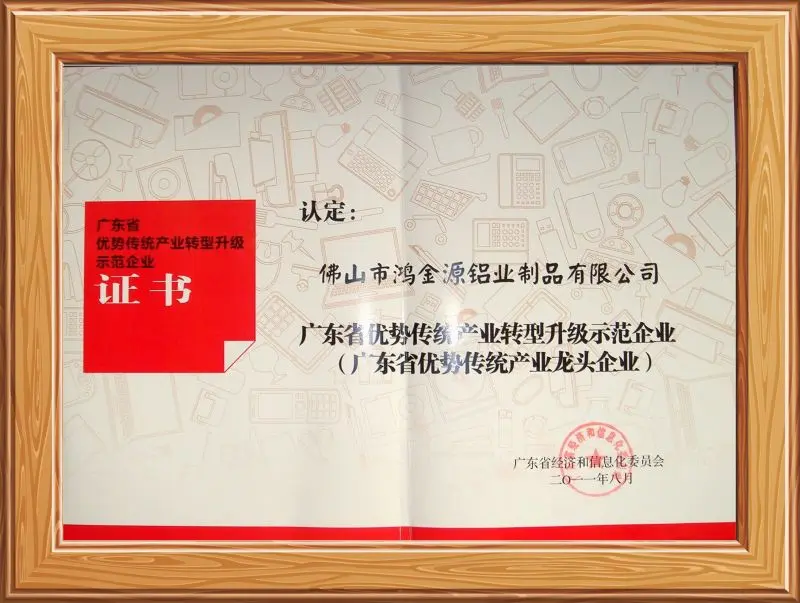
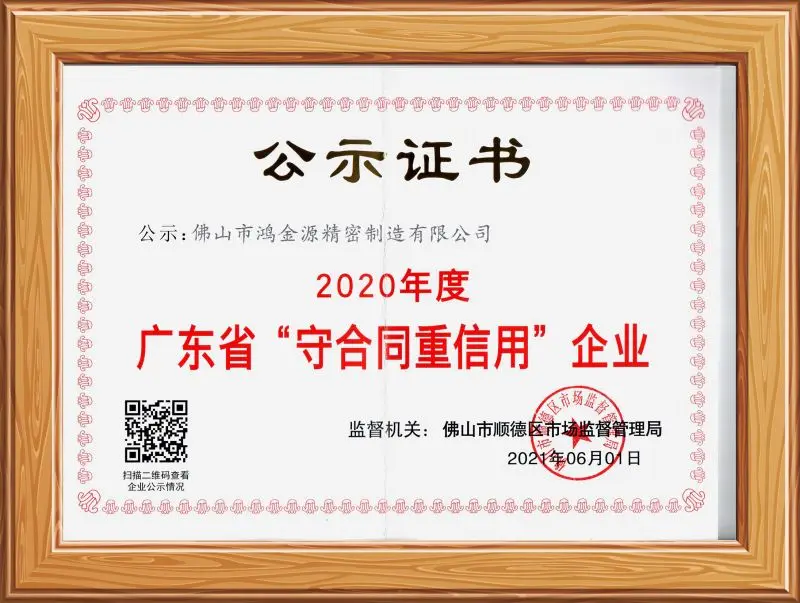
Our facilities hold ISO9001, ISO14001, ISO45001, GRS, and RCV certifications. Crucially, GRS and RCV are new credentials demonstrating compliance with advanced recycling and environmental requirements of the EU and North American markets. We have received numerous honors for green manufacturing, strong corporate credit, and industrial innovation from regional and national government bodies.
High-quality aluminum fabrication and welding are utilized across numerous industrial, commercial, and structural applications. Below are the key sectors leveraging these components to optimize weight, strength, and life cycle costs:
As the automotive sector transitions to electric powertrains, aluminum components are essential for range extension and weight reduction. Specially designed extrusions, such as 6063-T5/T6 alloy profiles, are widely used for protective electric battery enclosures. These profiles require absolute structural integrity, high impact resistance, and flawless continuous seal welding to protect lithium-ion cell matrices from external elements, moisture, and road hazards.
Modern passenger and cargo rail networks rely heavily on extruded and welded structures. Due to long service life demands, aluminum structural profiles are used for roof panels, side walls, and chassis frames. Specialized welding processes are required to withstand continuous dynamic stress, vibration, and environmental exposure while preventing fatigue failures.
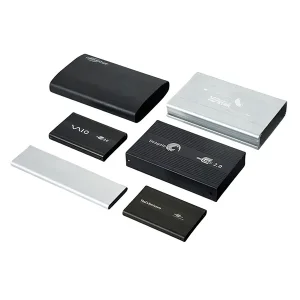
For consumer electronics, medical equipment, and high-performance optical housings, surface quality and dimensional accuracy are critical. Advanced CNC machining, coupled with precise micro-welding, produces high-tolerance housings for laser printers, optical sensors, and smartphone components. Surface treatments like sandblasting and clear/color anodizing provide robust protection against scratches and corrosion.
Corrosive marine environments require the use of high-strength, salt-water resistant alloys, particularly the 5XXX and 6XXX aluminum series. Typical assemblies include structural components for cargo ships, marine gangways, and helipads. Implementing strict GMAW/TIG processes prevents structural micro-porosity and ensures long-term reliability in salt-laden coastal conditions.
Pricing is calculated based on three primary factors: current raw aluminum ingot spot prices (market rates), manufacturing complexity (molding, extrusion run time, CNC machining steps, total welding length), and surface finishing specifications (anodizing thickness, powder coating, sandblasting). Volume discounts apply to production orders due to optimized setup and tooling processes.
By melting and casting aluminum billets in-house, we control trace chemical element additions. Standard commercial billets often contain impurities that lead to porosity during welding or discoloration during anodization. In-house casting ensures consistent metallurgical profiles, optimizing structural strength and surface finishes.
To export to European markets, materials must comply with REACH and RoHS chemical standards. Additionally, manufacturing partners should hold ISO9001 and ISO14001 certifications. For sustainability-driven supply chains, holding Global Recycled Standard (GRS) and RCV credentials is increasingly essential to verify material circularity and lower carbon footprints.
Unlike steel, aluminum rapidly dissipates heat and forms a surface oxide layer. Correct joint configurations (e.g., V-butt, bevel, or lap joints) are essential to ensure full penetration without burning through the base metal. Design-for-Manufacturing (DFM) reviews assess thickness, alloy type, and filler metal options to prevent weld-zone cracking and maximize tensile performance.
 HG Precision