Explore our top-tier precision-engineered products, representing the absolute limits of durability, geometry, and surface integrity.
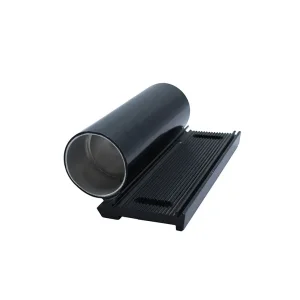
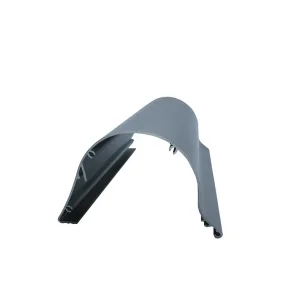
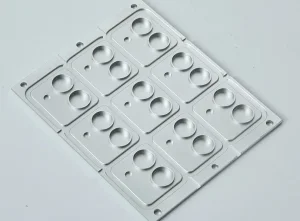
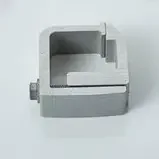
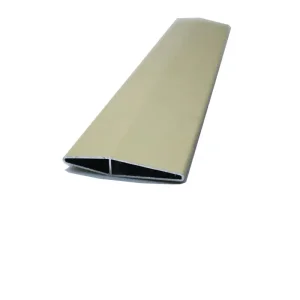
Modern architecture and industrial interior design demand structural components that harmonize load-bearing capacities with sleek, minimalist designs. Aluminum sliding door tracks have emerged as the standard solution for residential, commercial, and industrial space utilization. The selection of materials, manufacturing processes, and factory systems determines the mechanical reliability, surface aesthetics, and lifetime duration of these tracks.
Standard aluminum extrusions often suffer from impurity concentrations that compromise the longevity of hard-coat anodizing. When raw alloy ingredients are blended, minor fluctuations in iron, silicon, or magnesium ratios can cause structural deflection or uneven surface texturing. Advanced manufacturing entities mitigate these issues by utilizing in-house alloy melting. This capacity allows precision configuration adjustments to ensure high-purity billets ideal for heavy-duty structural profiles.
| Alloy Grade | Temper State | Yield Strength (MPa) | Key Applications | Surface Treatments |
|---|---|---|---|---|
| 6063 | T5 / T6 | 110 - 170 | Residential partitions, sliding mirror doors, interior wardrobes | Clear Anodizing, Sandblasting, Powder Coating |
| 6061 | T6 | 240 - 270 | Heavy-duty sliding gates, architectural external doors | Hard-coat Anodizing, Bright Chrome Plating |
| 6082 | T6 | 250 - 310 | Industrial hangar track assemblies, high load structures | Heavy-gauge Powder Coating |
Aluminum tracks must support high-frequency wheel travel without surface deterioration. Proper surface finish selection is crucial:
Foshan Golden Source Precision Manufacturing Co., Ltd, established in 1991, is a professional manufacturer of high-strength, high-precision, customized aluminum profiles and precise machining aluminum parts, welded parts, and assembled aluminum products. With a modern and environmentally friendly production base covering an area of over 73,000 square meters, the company offers one-stop service, including alloy casting, mold research & design & building, aluminum extruding, precise machining, welding, assembly and surface treatment.
We work with a comprehensive spectrum of structural materials, featuring 1XXX, 3XXX, 5XXX, 6XXX, and 7XXX alloy series. This extensive metallurgical scope allows us to serve diverse vertical sectors including: architectural structures, precise machine components, automotive frames, heavy-duty electronics (3C products), railway systems, premium furniture design, and rugged outdoor equipment.
Discover the engineering benefits of sourcing direct from an integrated, high-precision extrusion plant.
We melt the alloy in-house, enabling us to adjust compositional elements to maximize physical performance. This custom process optimizes tensile strengths and guarantees high purity for superior anodizing results.
By executing machining and complex surface finishes under one roof, we eliminate extra logistical handoffs, lowering unit production costs while providing superior surface quality and dimensional control.
Our comprehensive "One-Stop" manufacturing pipeline enables fast turnarounds. We streamline the path from engineering drawings and tool manufacturing directly to final extrusion and shipment.
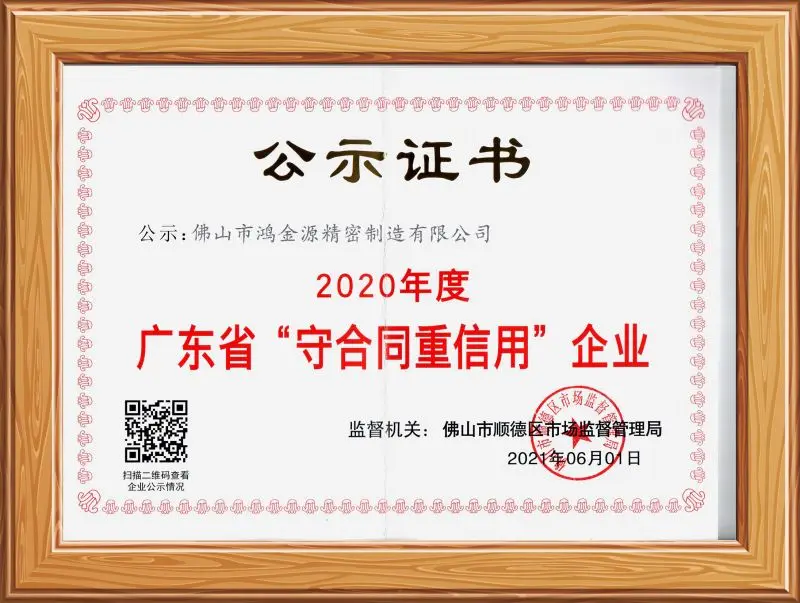
Our commitment to precision engineering, ecological responsibility, and clean production technologies is recognized by leading compliance registries.
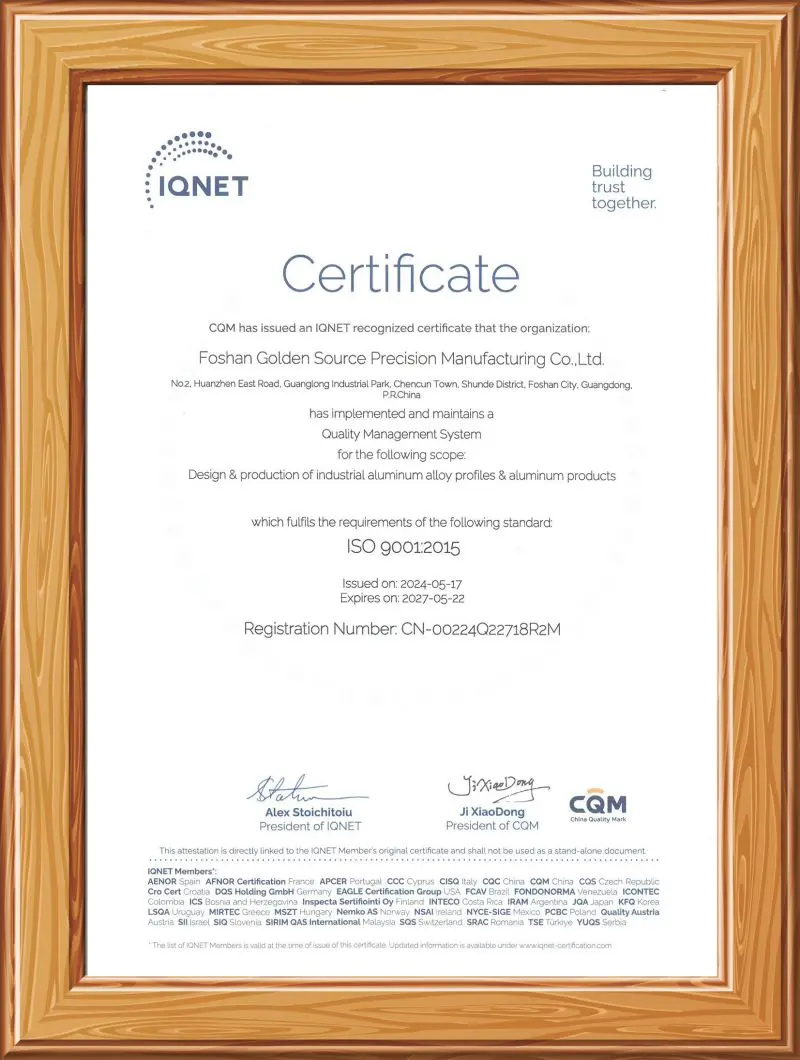
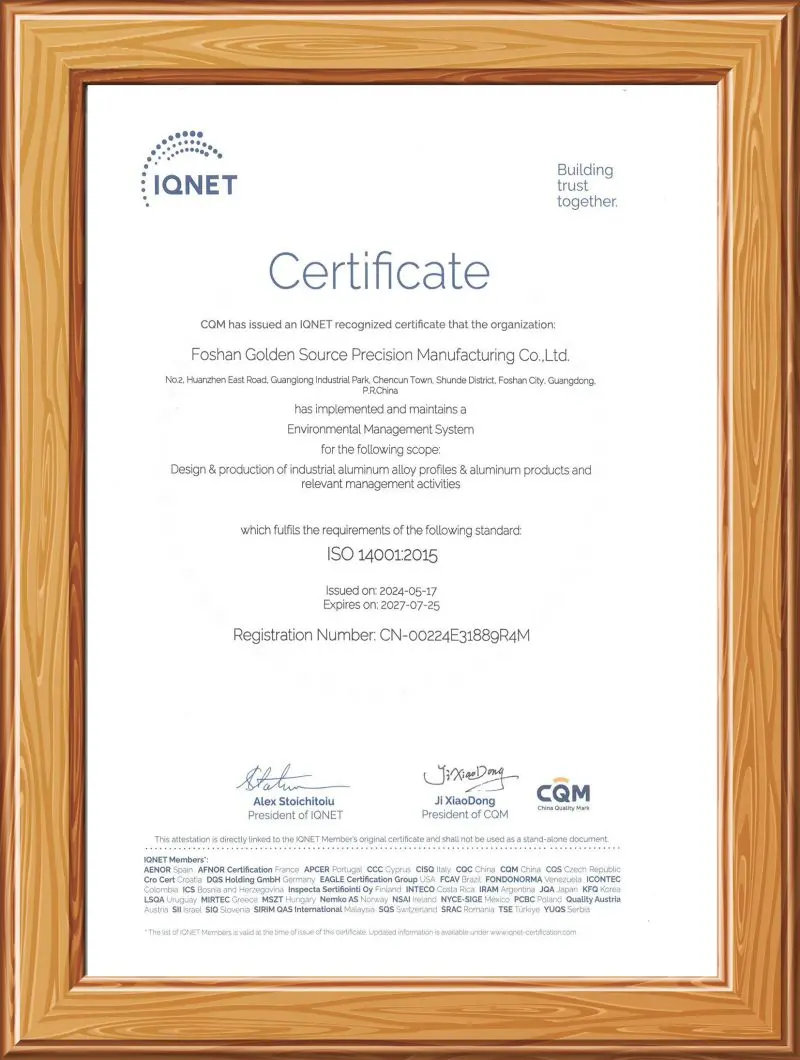
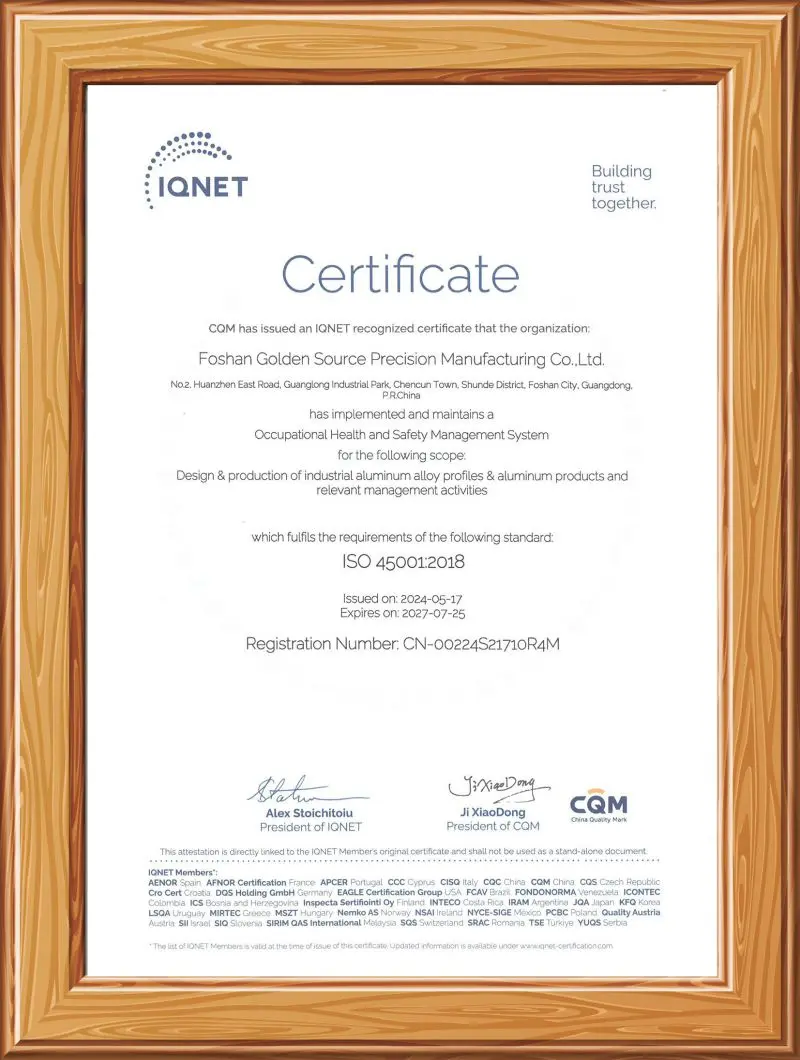
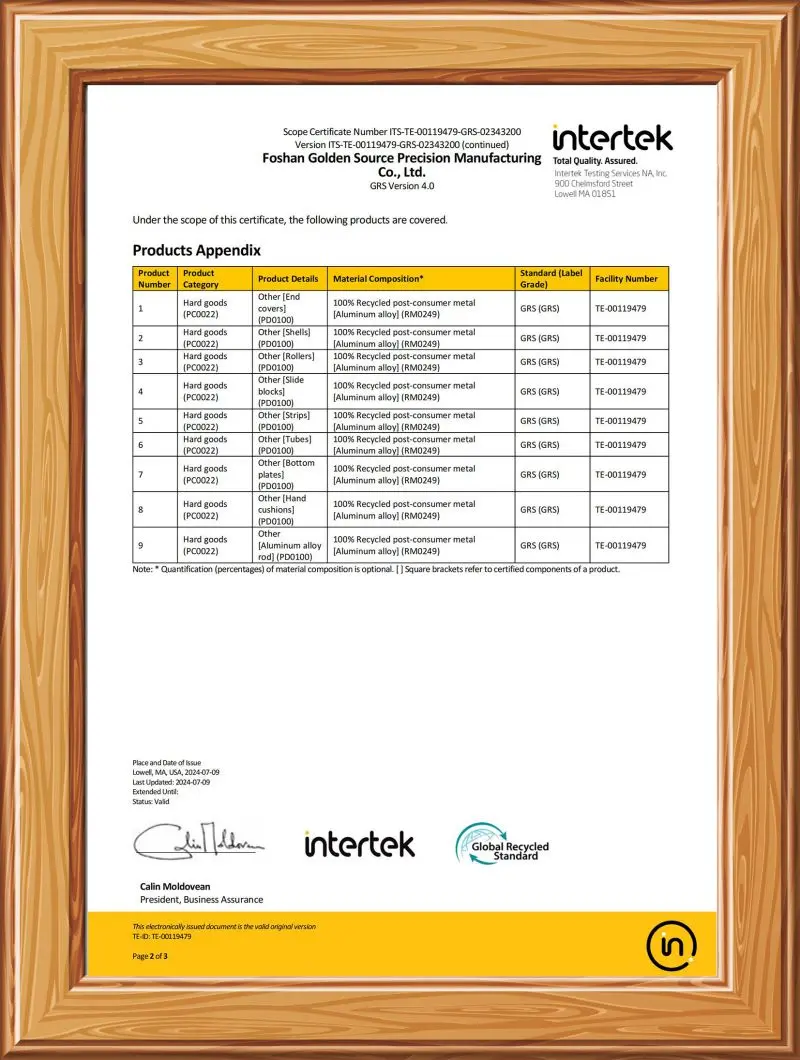
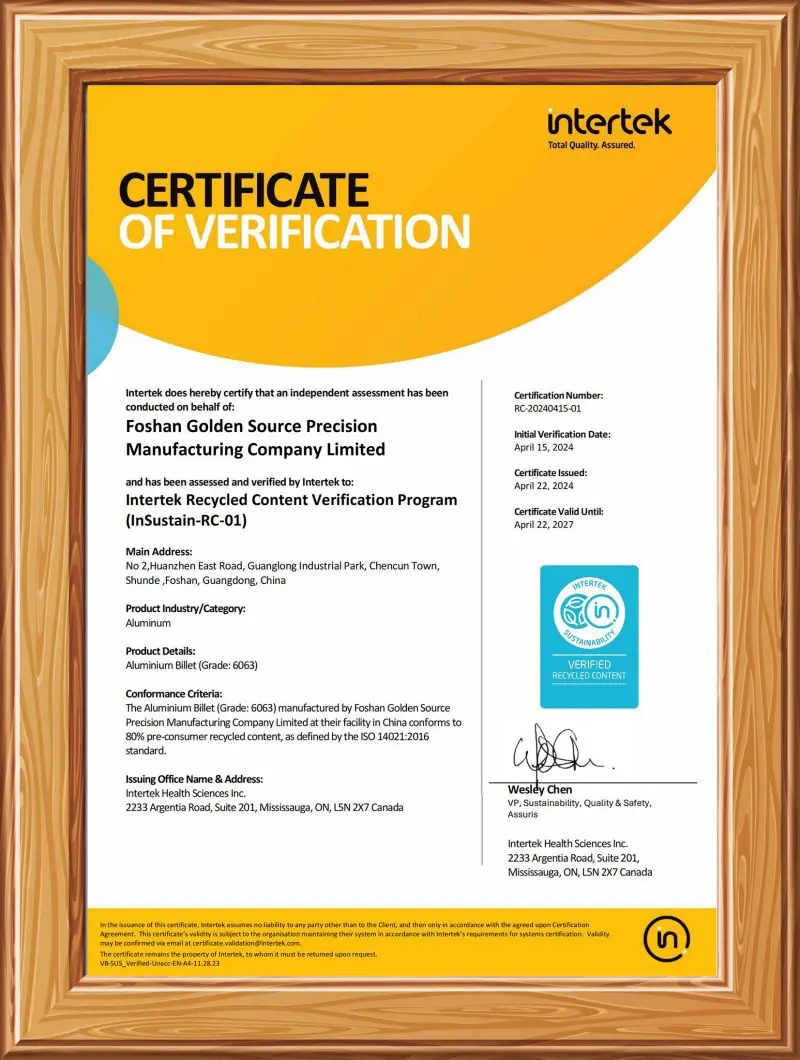
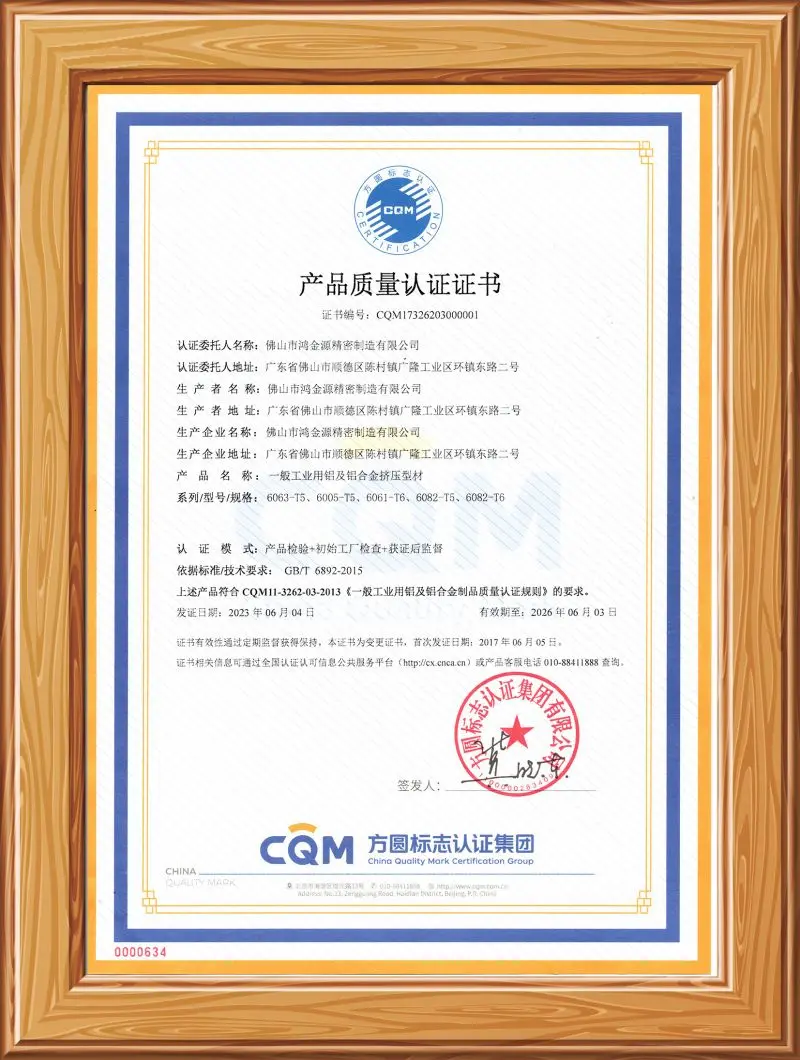
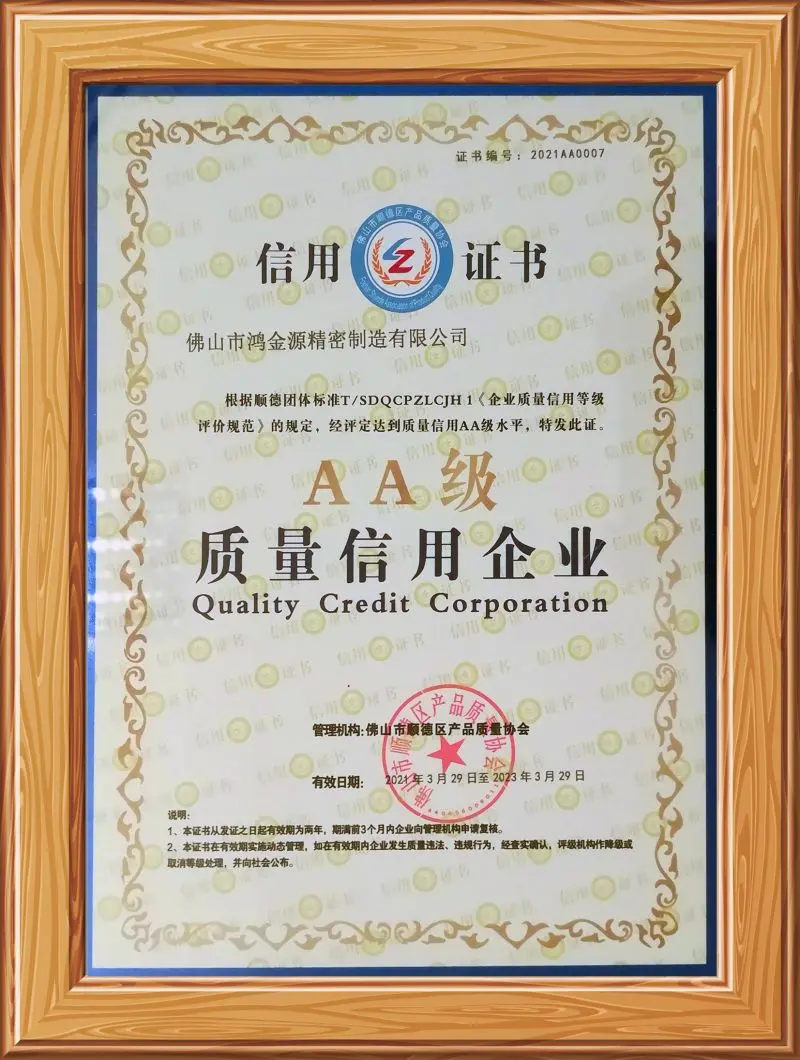
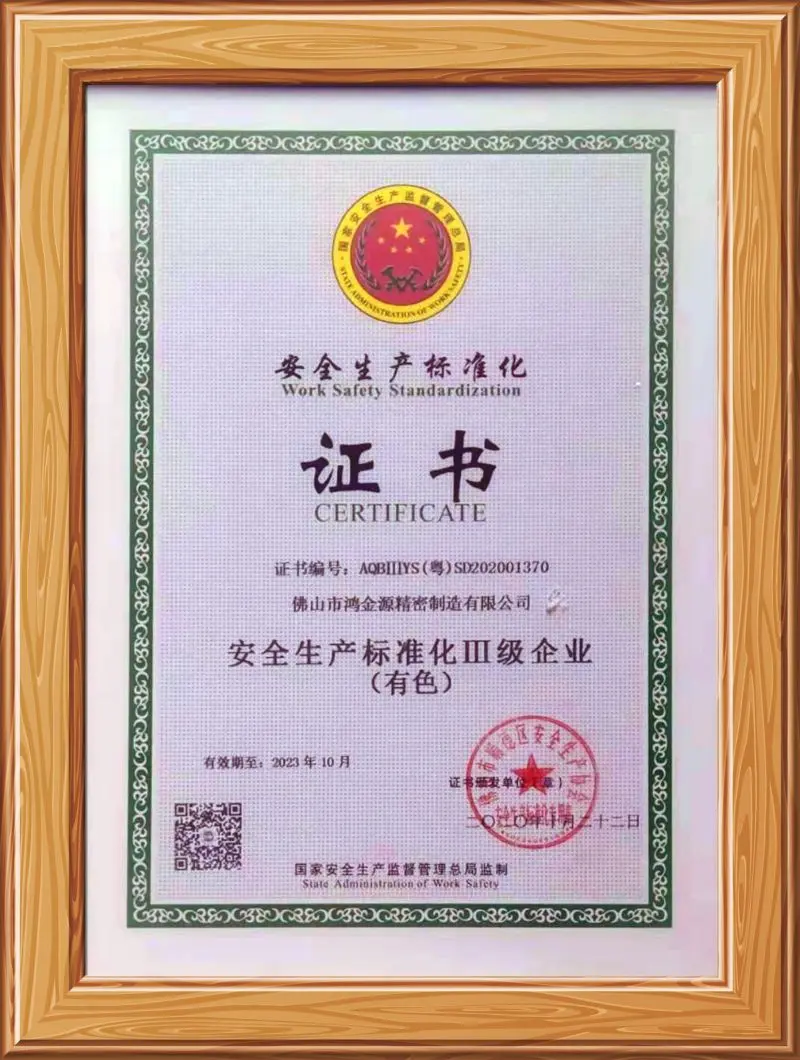
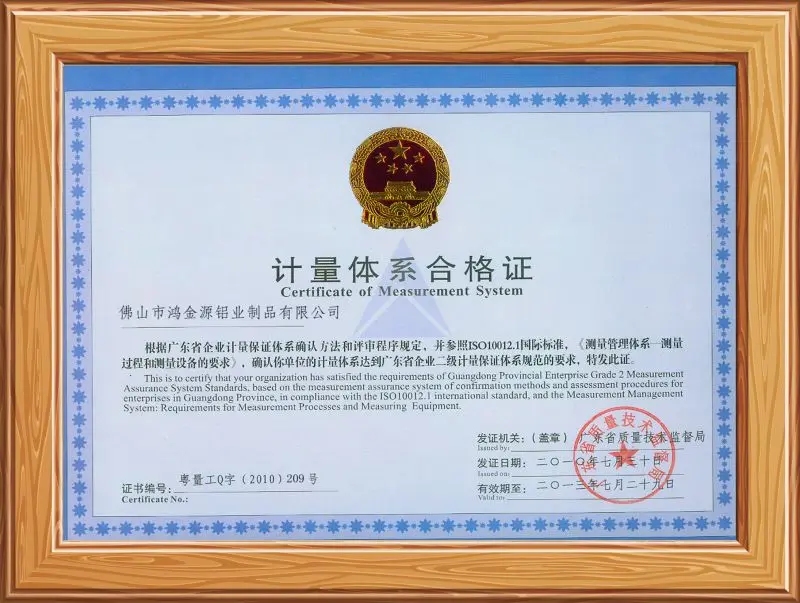
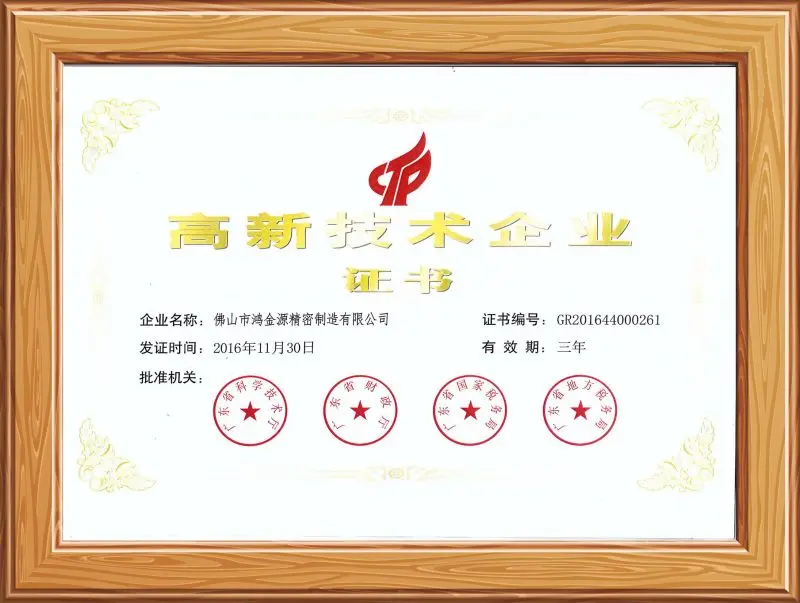
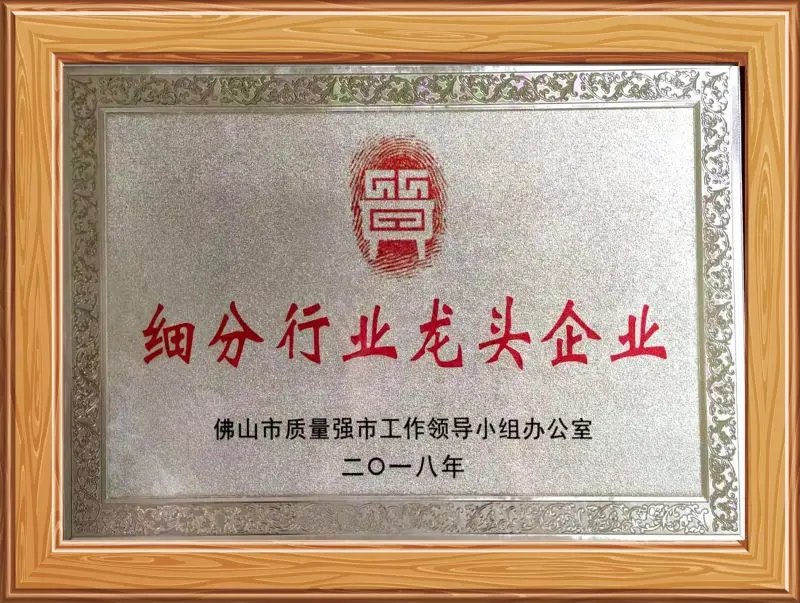
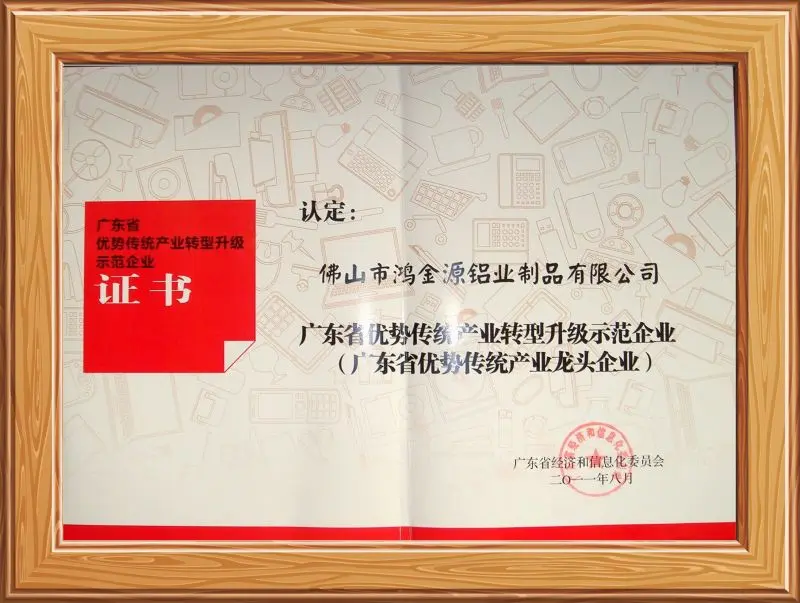
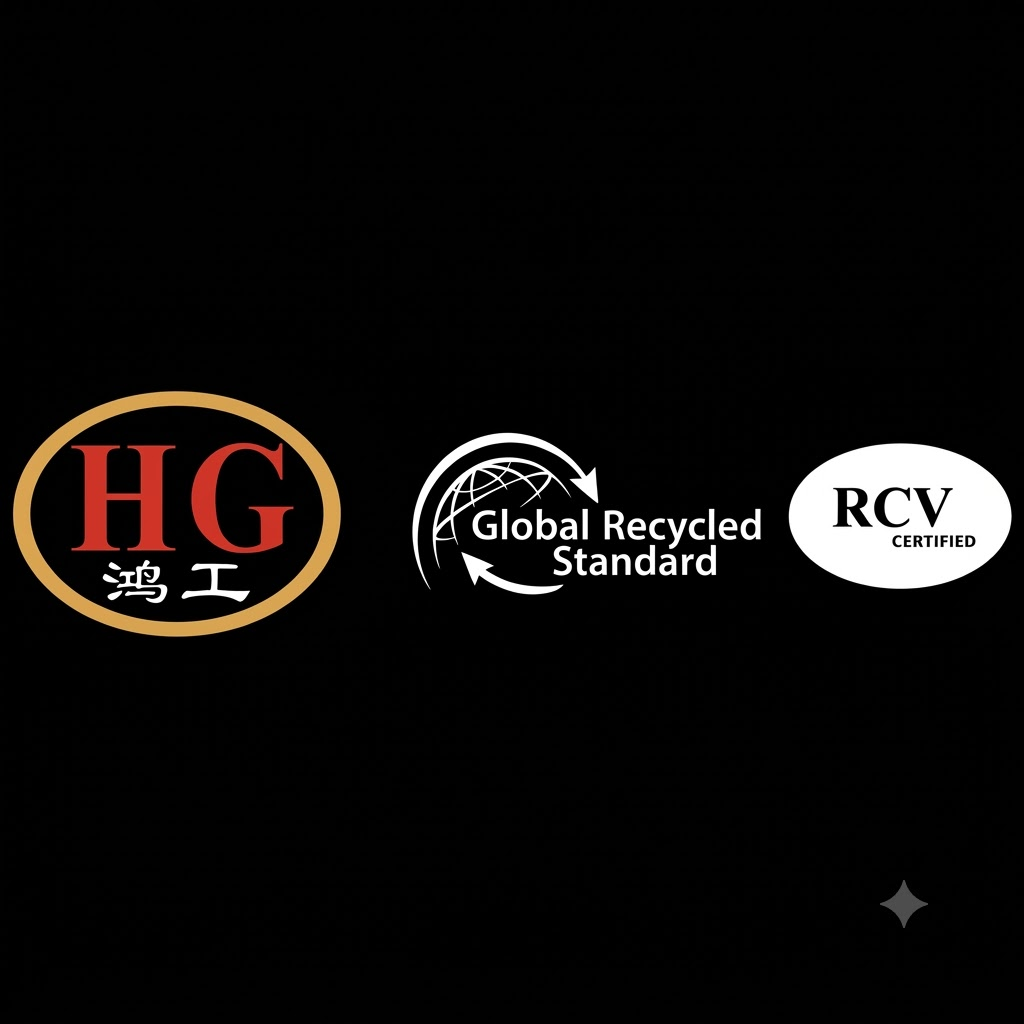
Our facility is ISO9001, ISO14001, 45001, GRS, and RCV certified. The GRS (Global Recycled Standard) and RCV certificates confirm our alignment with rigorous modern environmental regulations, especially those in the EU market. We also hold honors and certificates for clean production, solid credit ratings, industry upgrading, and technology leadership awarded by local and regional government agencies.
China, particularly the Southern industrial hub of Foshan, remains the global epicenter for precision aluminum extrusions. This dominance is built on comprehensive supply chain networks. Sourcing from this region offers key operational advantages:
The global construction and architectural sectors are shifting toward green building certifications (such as LEED and BREEAM). In response, aluminum factories are upgrading their processes:
Industry-focused answers to technical and logistical questions commonly raised by architectural specifiers, procurement managers, and developers.
Explore our wider range of custom industrial extrusions and precision hardware components.
 HG Precision