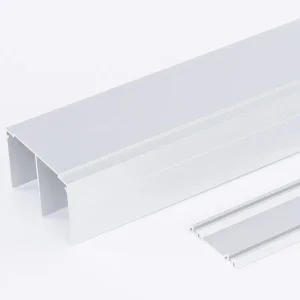
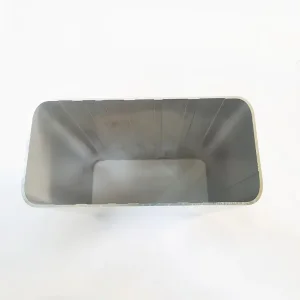
Explore our highly integrated engineering solutions. Factory-direct wholesale manufacturing with strict ISO compliance.
In modern industrial, commercial, and automotive logistics operations, loading and unloading systems serve as critical transit points. Among these, high-quality aluminum ramps for cars stand out as indispensable utility items. Traditionally, steel ramps were widely implemented due to their load tolerance; however, their excessive weight posed severe handling issues, elevated workplace injuries, and reduced shipping efficiency. The introduction of structural aluminum alloys transformed the automotive loading segment. Aluminum combines extreme tensile yield strength with lightweight properties, offering an unparalleled strength-to-weight ratio that optimizes supply chain velocity and ensures workplace safety standards are met.
A SEO & Structural Perspective: For businesses seeking aluminum ramp factories and dynamic quotes, the choice of materials dictates the overall longevity. Automotive structures command strict adherence to yield load factors. Custom-designed extrusion profiles in 6061-T6 and 6063-T6 alloys act as the foundational pillars for engineering structural integrity, presenting optimized load distribution even when exposed to severe cyclic stress.
The global shift toward high-performance aluminum vehicle loading systems is not merely a material replacement trend; it is a fundamental shift in macro-engineering. Structural aluminum components resist atmospheric oxidation without requiring intensive chemical treatments. In addition, their high ductility allows engineers to design complex, custom profiles with integrated anti-slip traction treads, reinforcing structural ribs, and modular connections directly within the extrusion die. This level of optimization drastically minimizes post-extrusion assembly costs, presenting an immediate capital advantage to procurement directors looking for commercial quotes.
The global market for aluminum automotive loading systems is experiencing high growth rates, driven by the expansion of the e-commerce sector, high-performance automotive distribution networks, and the transition toward electric vehicles (EVs). According to industrial transport data, modern EVs weigh approximately 20% to 30% more than their conventional internal combustion engine (ICE) counterparts due to heavy floor-mounted lithium-ion battery packs. This increased weight load directly mandates a redesign of ramp systems, forcing logistics operators to source custom aluminum loading ramps with higher load configurations.
Consequently, factories are adopting advanced metallurgical processes to engineer next-generation alloys. The development of high-strength structural profiles, such as modified 6000-series alloys, allows manufacturers to keep weights down while supporting vehicles weighing up to 10 tons. Simultaneously, digital modeling systems, including finite element analysis (FEA), are utilized at the design stage to locate structural stress hotspots and optimize the distribution of loading profiles, ensuring safety margins of up to 200% above standard ratings.
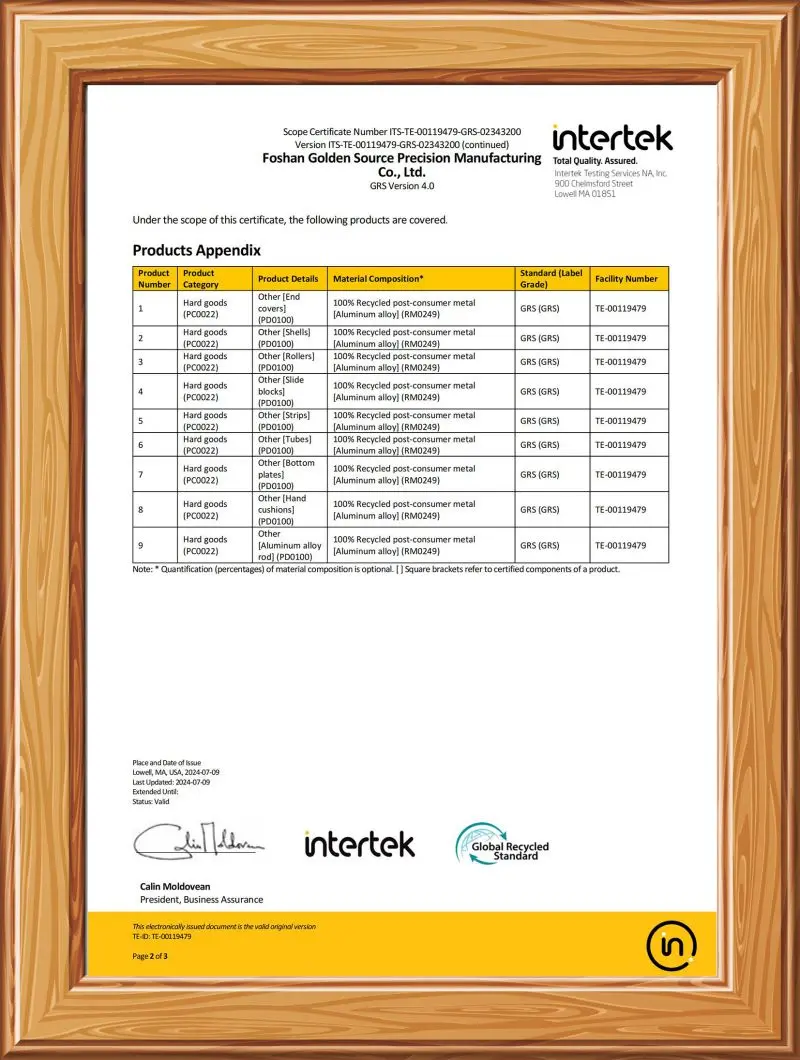
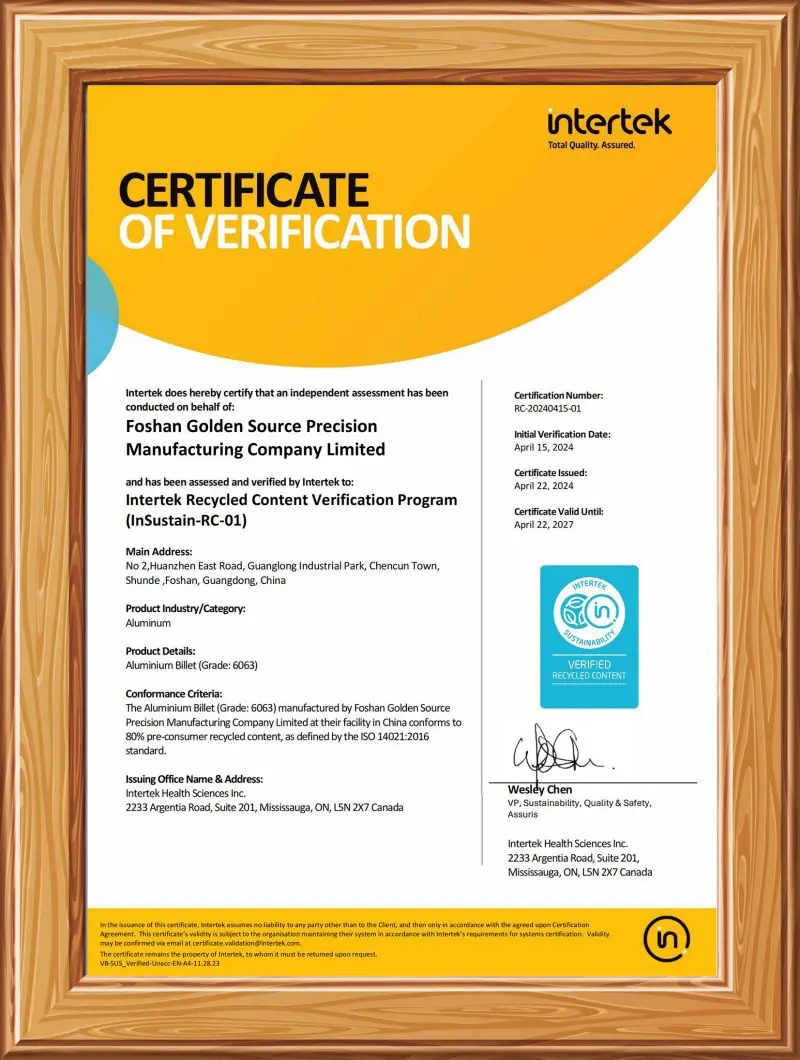
Another major trend driving global procurement is circular economics. Major industrial markets, particularly the European Union, are implementing stringent carbon footprint disclosures. In this context, aluminum shines because of its high recyclability. Using secondary aluminum alloys reduces carbon footprint profiles by up to 95% compared to primary smelting. Aluminum ramp manufacturers who possess GRS (Global Recycled Standard) and RCV (Recycled Content Verification) certificates gain an immediate competitive advantage in securing long-term government and corporate enterprise contracts.
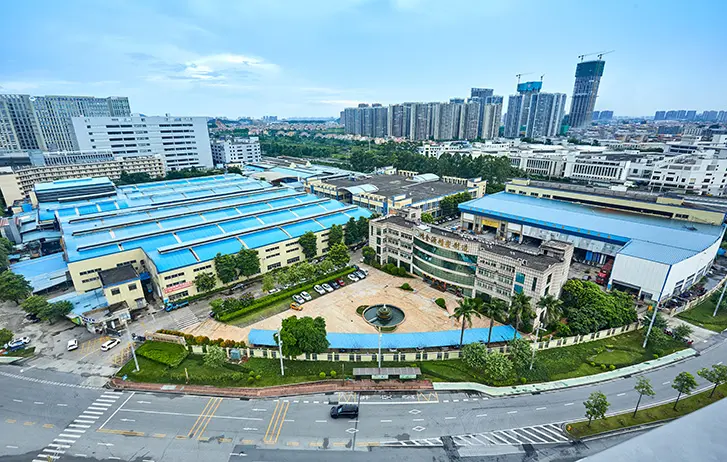
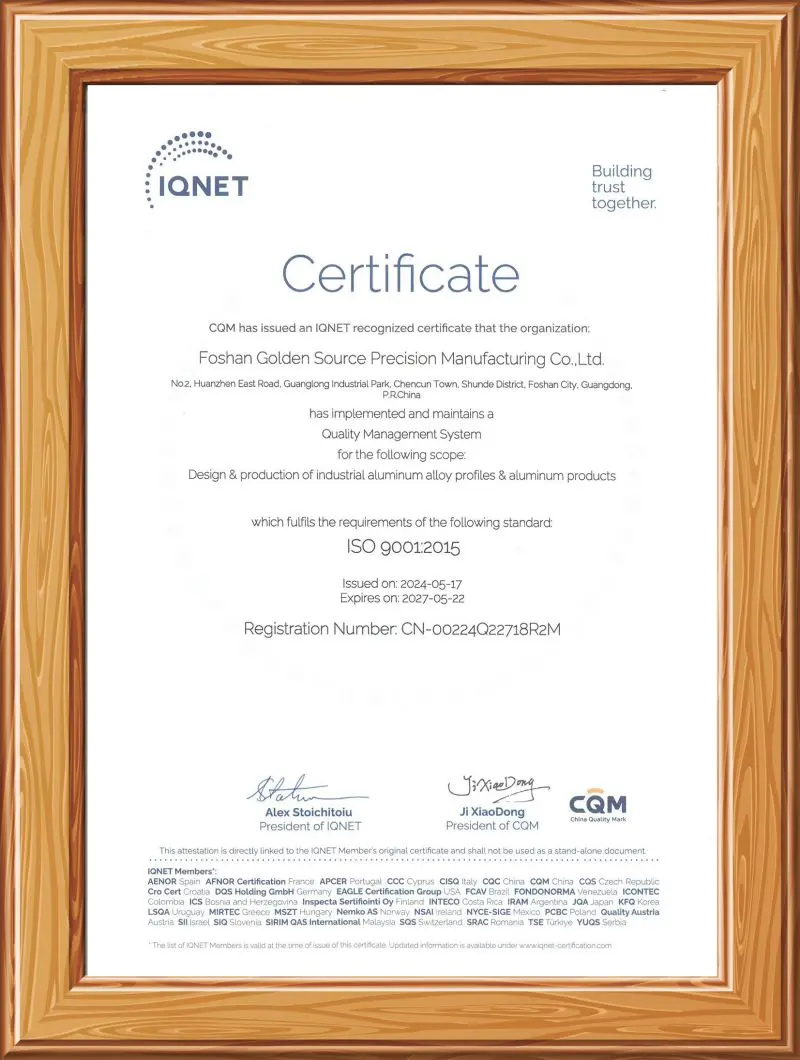
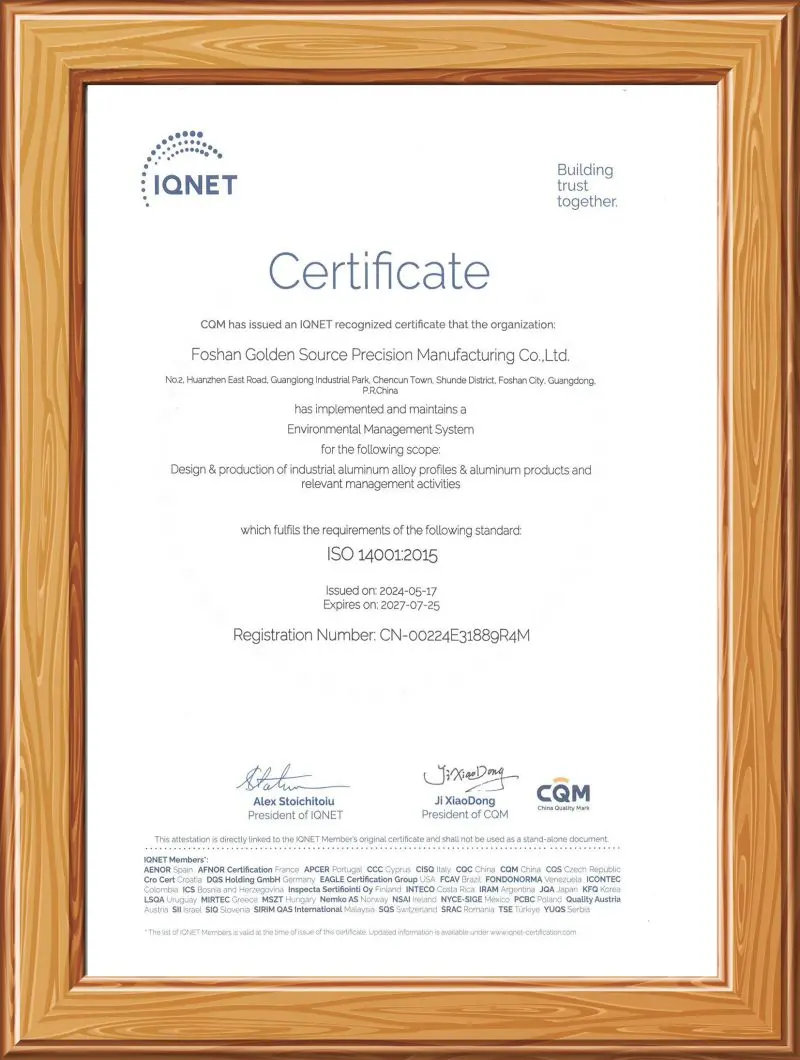
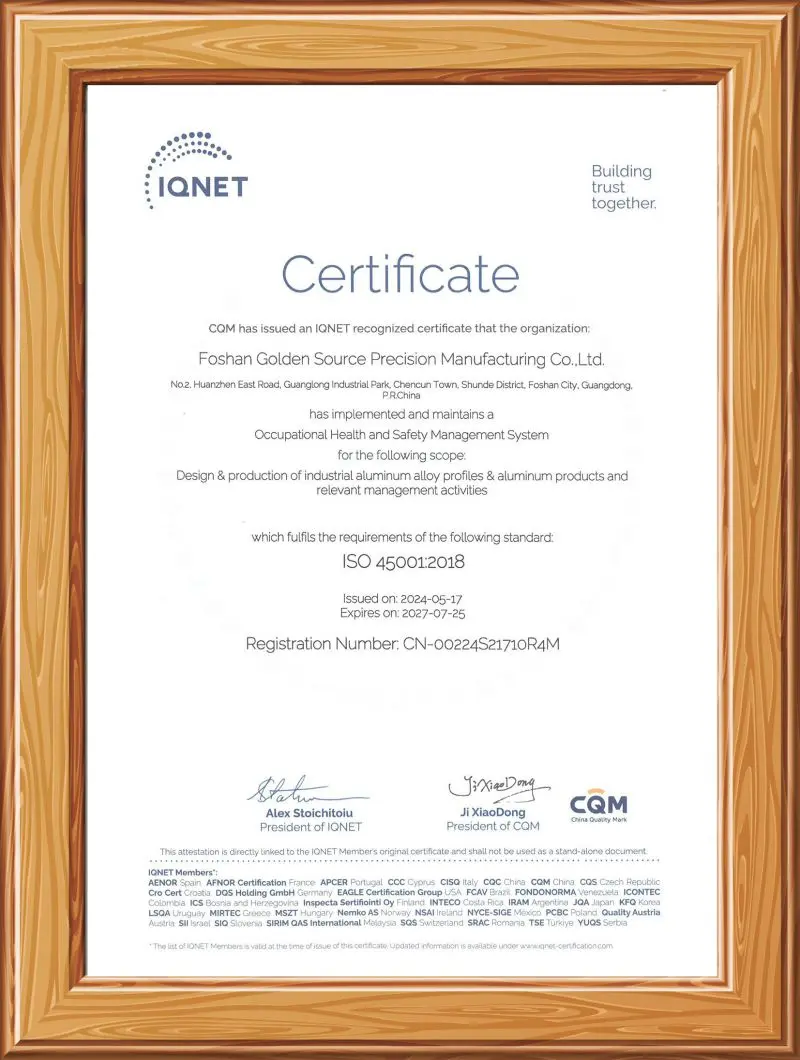
The company holds certifications such as ISO9001, ISO14001, ISO45001, RCV, and GRS, ensuring that its products comply with the environmental requirements of the EU’s REACH regulation. A wide range of aluminum alloy series are available, including: 1XXX, 3XXX, 5XXX, 6XXX, 7XXX alloy, which allow us to meet different demands of various industries and fields, including hardware tools, 3C products, automobile, railway, furniture, decoration, and outdoor products.
We melt the alloy in-house so that we can adjust the compositions to achieve the best physical properties of extrusion profiles, ensuring the best purity of alloy for high-quality anodizing.
Machining and surface treatment are done in-house for better quality control and saving production costs, meaning our quality will be superior even at competitive rates.
Our completely integrated "One-stop" manufacturing capacity eliminates reliance on secondary vendors, resulting in vastly reduced delivery timelines to our global customers.
Download our complete material specification catalogs, detailing precision extruded shapes, aluminum ramps capabilities, and alloy certification parameters.
Download CatalogueIn structural profile manufacturing, choosing the correct alloy dictates the load limits. For vehicle loading ramps, the main aluminum grades utilized are 6061-T6 and 6063-T6. Standard 6061-T6 contains magnesium and silicon as its primary alloying elements, offering tensile strengths up to 310 MPa. This makes it the ideal candidate for heavy-duty structural frames. 6063-T6, while slightly lower in tensile strength, offers excellent surface properties, corrosion resistance, and extrusion performance, which is ideal for modular guide rails, side curbs, and interlocking slip-resistant traction boards.
The manufacturing process at Golden Source utilizes precise chemical monitoring. By melting the alloy in our own casting plant, we refine trace element compositions (such as keeping iron elements below 0.35% to prevent structural brittleness). This ensures optimal ductility, allowing the extrusion profiles to absorb high kinetic shocks without structural cracking. The profiles undergo a heat-treating precipitation hardening (T5 or T6 tempering) immediately after extrusion to secure the desired yield strength profile.
| Alloy & Temper | Tensile Strength (MPa) | Yield Strength (MPa) | Elongation (%) | Primary Applications |
|---|---|---|---|---|
| 6061-T6 | 310 | 276 | 12% | Main load-bearing frames, heavy transport ramps |
| 6063-T6 | 240 | 214 | 8% | Modular locking slats, non-slip tread plates |
| 6063-T5 | 186 | 145 | 12% | Sliding systems, complex framing structures |
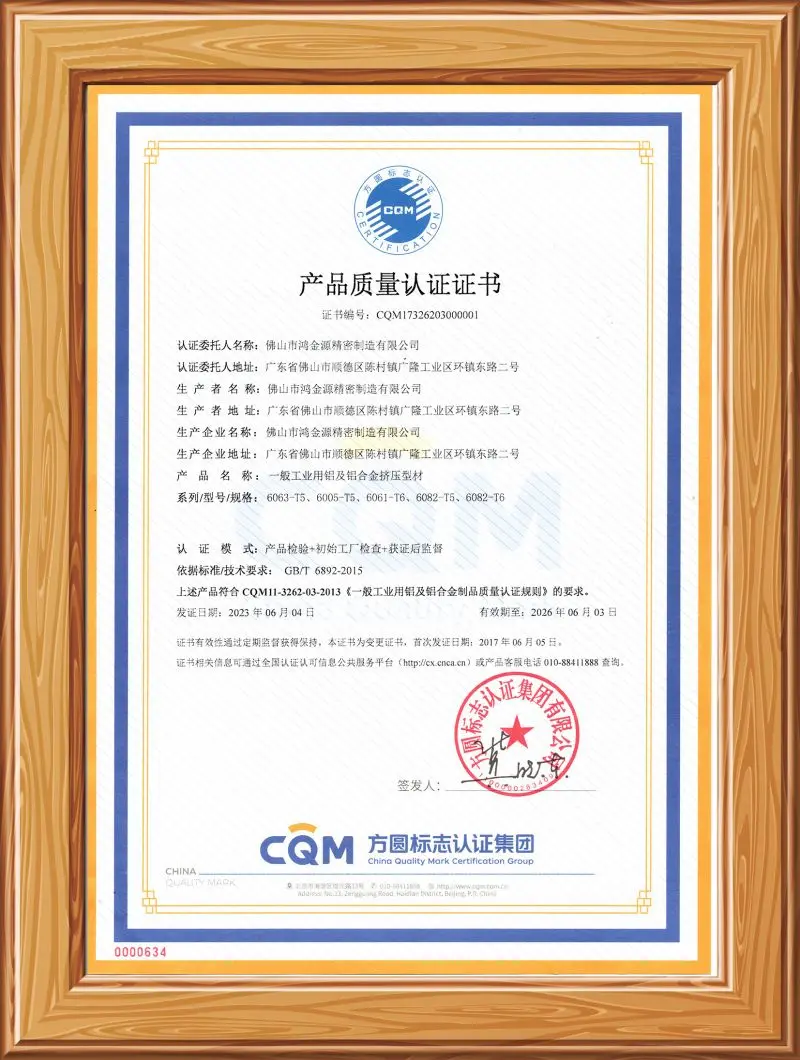
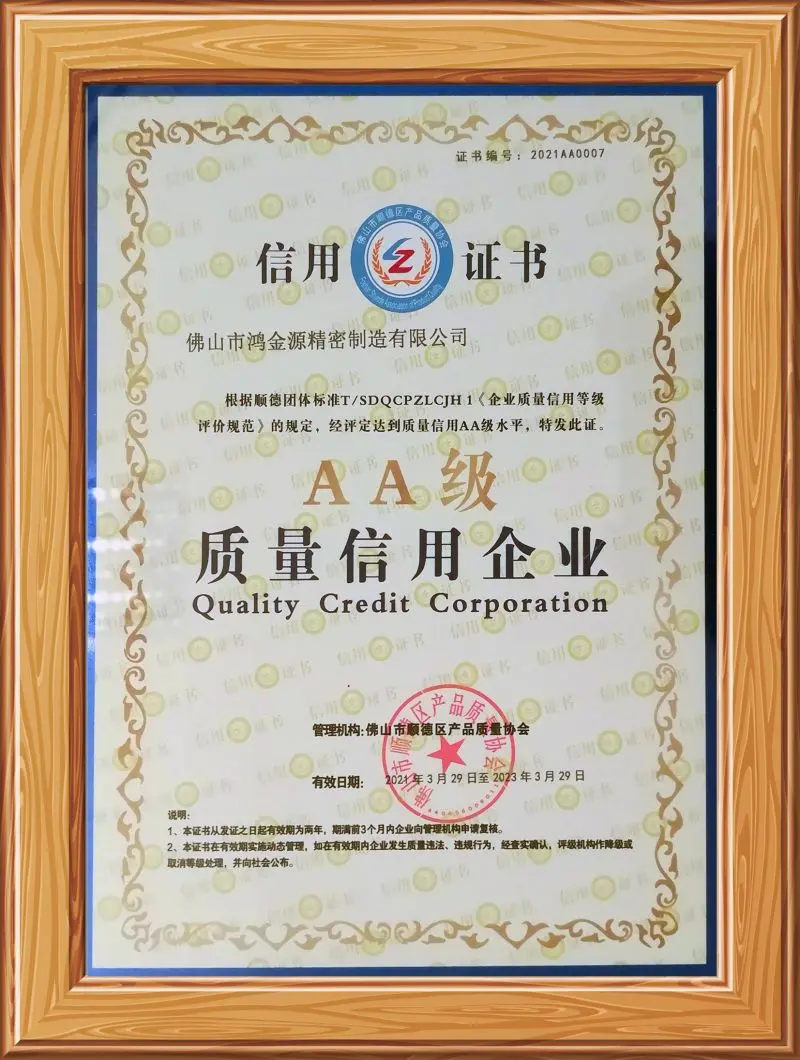
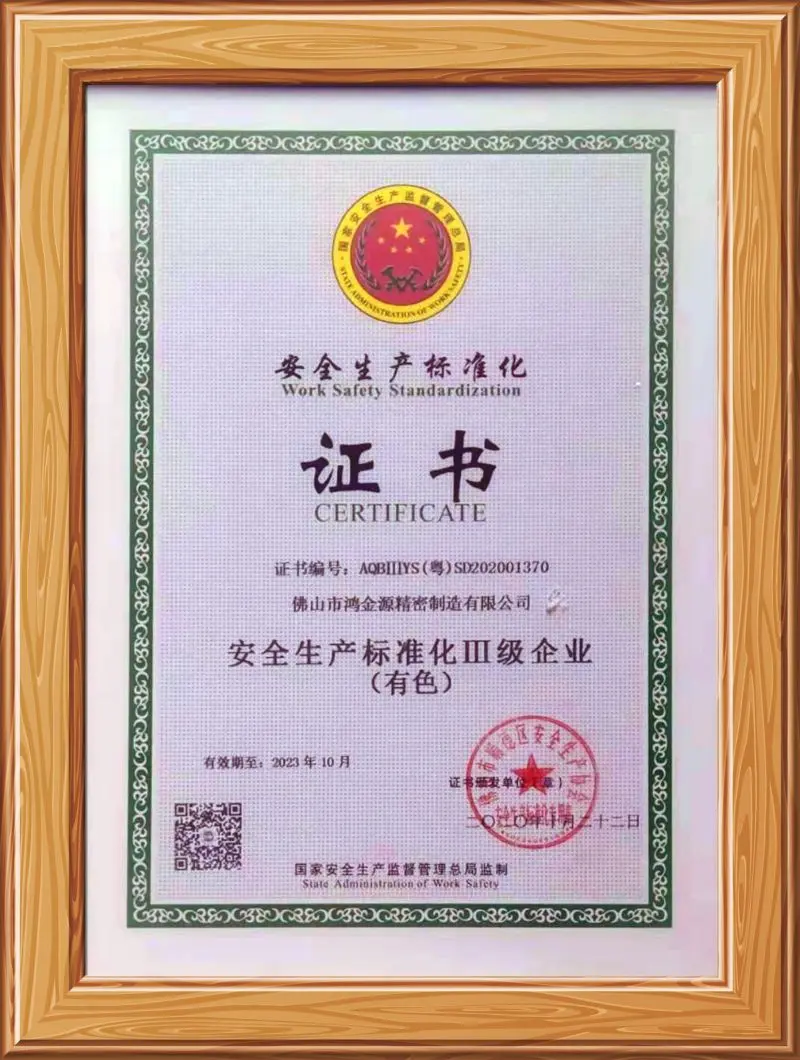
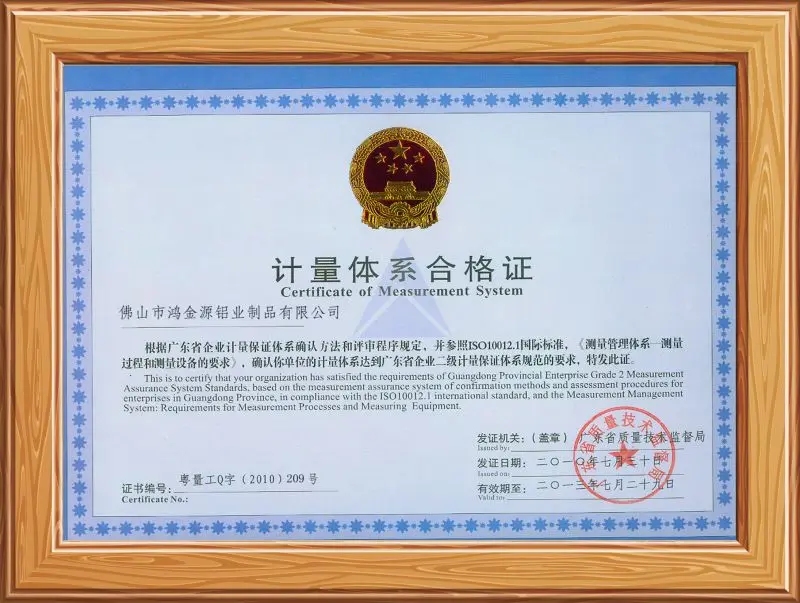
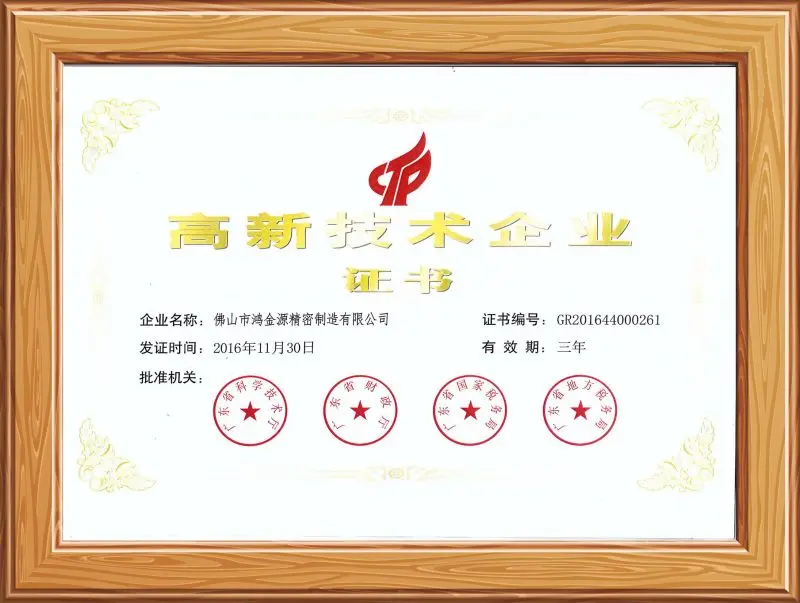
At Foshan Golden Source, quality is backed by certified verification. We are fully accredited with ISO9001, ISO14001, and ISO45001 standards. Meeting environmental guidelines is a priority for our global partners. To satisfy stringent EU regulations, we have secured new certifications including GRS (Global Recycled Standard) and RCV (Recycled Content Verification). In addition, we are recognized for clean production, good credit, and technical leadership across several provincial and national bodies.



Here are key technical answers related to mechanical performance, quotes, and custom configurations for aluminum ramps.
6000-series aluminum alloys (specifically 6061-T6 and 6063-T6) weigh approximately 60% less than equivalent steel structures while maintaining equivalent structural yield limits. This weight reduction reduces handling injuries, speeds up setup times, and lowers the deadweight on vehicle transport trucks, improving fuel efficiency. Furthermore, aluminum's natural oxide layer offers superior corrosion resistance, eliminating the need for periodic zinc hot-dip coatings.
Load limits are determined using finite element analysis (FEA) and dynamic stress simulations. We calculate the maximum bending moment (M = PL/4 for point load conditions, where P is wheel load and L is span length). Most industrial aluminum vehicle ramps are built with a safety factor of 2.0 to 3.0 relative to the yield strength limit, ensuring safe operations even under unexpected dynamic loading stresses.
We provide multiple non-slip treatments, including co-extruded serrated tracks, punched traction holes, grit-epoxy coatings, and heavy sandblast-anodized surfaces. The co-extruded serrated patterns offer permanent traction that does not peel or wear down over time, even under harsh rain, mud, or snow exposure.
GRS (Global Recycled Standard) and RCV (Recycled Content Verification) confirm that our factory processes and tracks recycled aluminum alloys. For multinational corporations bound by ESG mandates or European import taxes, buying GRS-certified aluminum products demonstrates compliance with green sourcing, helping to avoid regulatory penalties and reducing their overall supply chain carbon footprint.
To request a custom quote, submit your design drawings (DWG/STEP format) indicating your structural alloy preference, required mechanical properties, and surface finish. Our in-house mold and metallurgical department will analyze the design and provide a production quote within 48 hours.
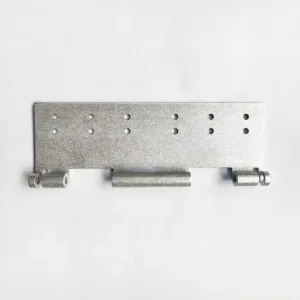
Explore our complete manufacturing portfolio, featuring high-tolerance machined extrusions, welded structural components, and custom hardware brackets.
 HG Precision