Explore our specialized production capabilities, custom aluminum components, and precision CNC assemblies designed for extreme operational environments.
Modern heat exchange systems require extreme durability, high heat conductivity, and lightweight characteristics. In automotive engineering, aerospace applications, and HVAC units, aluminum radiator tubes serve as the critical conduit for high-efficiency heat dissipation. By selecting specialized alloys such as the 3XXX and 6XXX series, manufacturers can optimize fluid dynamics, corrosion resistance, and structural integrity under high pressure.
Understanding the micro-structure and metallurgical composition of these tubes is vital. In-house melting and extrusion casting permit targeted alloying. Integrating minor adjustments in Manganese (Mn) and Magnesium (Mg) concentrations significantly affects long-term corrosion resistances, which is essential to prevent micro-pitting in environments exposed to moisture and road salts.
Technical Whitepaper PDFDeploying advanced alloy chemistry and high-precision profile geometries to resolve complex industrial cooling challenges.
Under heavy drive-cycle conditions, battery modules generate substantial thermal energy. High-precision extruded flat multi-port aluminum tubes (microchannel tubes) ensure uniform temperature distribution, avoiding thermal runaway in electric vehicles (EVs) and hybrid power systems.
Replacing traditional round copper tubes with microchannel aluminum radiator tubes increases surface-area contact, leading to up to 30% reduction in refrigerant charge and substantially improved coefficient of performance (COP) ratings for commercial cooling systems.
For trains, construction equipment, and high-horsepower utility machinery, structural integrity under high vibration is paramount. Heavy-duty 6XXX and custom 7XXX alloys are formulated to offer superior yield strength and resistance to fatigue cracking.
Decarbonization, circular economy regulations, and supply chain transparency are reshaping the global aluminum market.
In response to international trade dynamics and global net-zero carbon initiatives, high-precision thermal systems must conform to strict environmental criteria. Specifically, the European Union's Carbon Border Adjustment Mechanism (CBAM) and strict local recycling policies are demanding audited carbon footprints from materials suppliers.
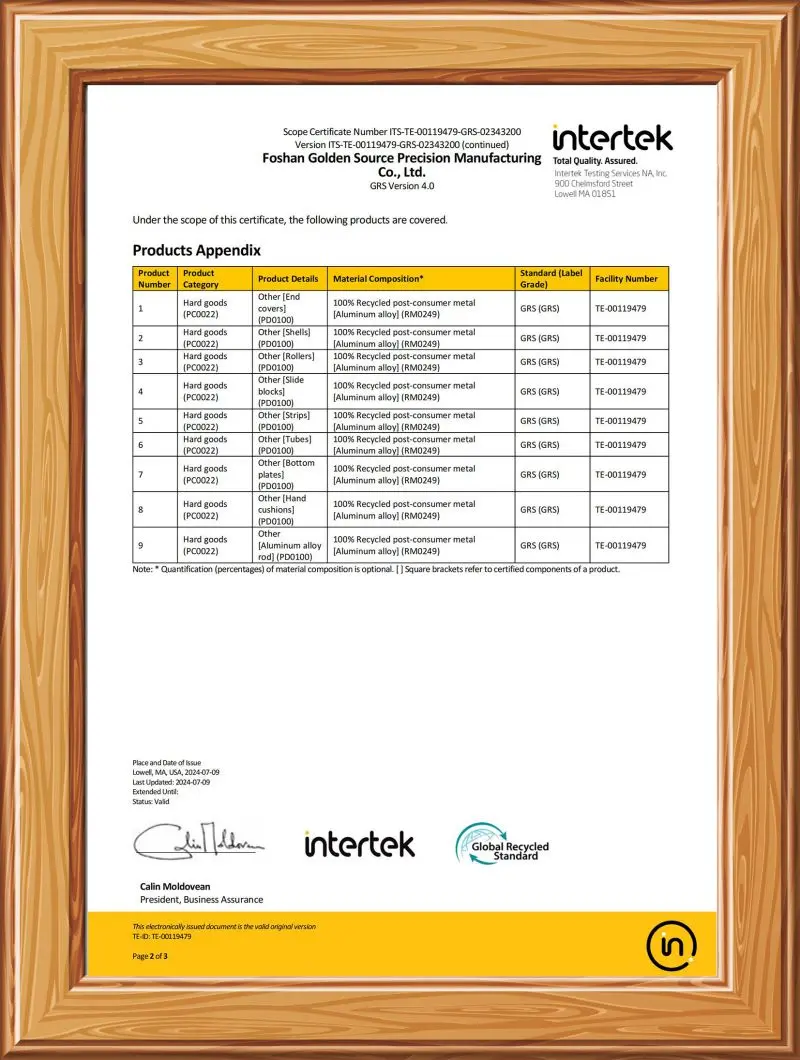
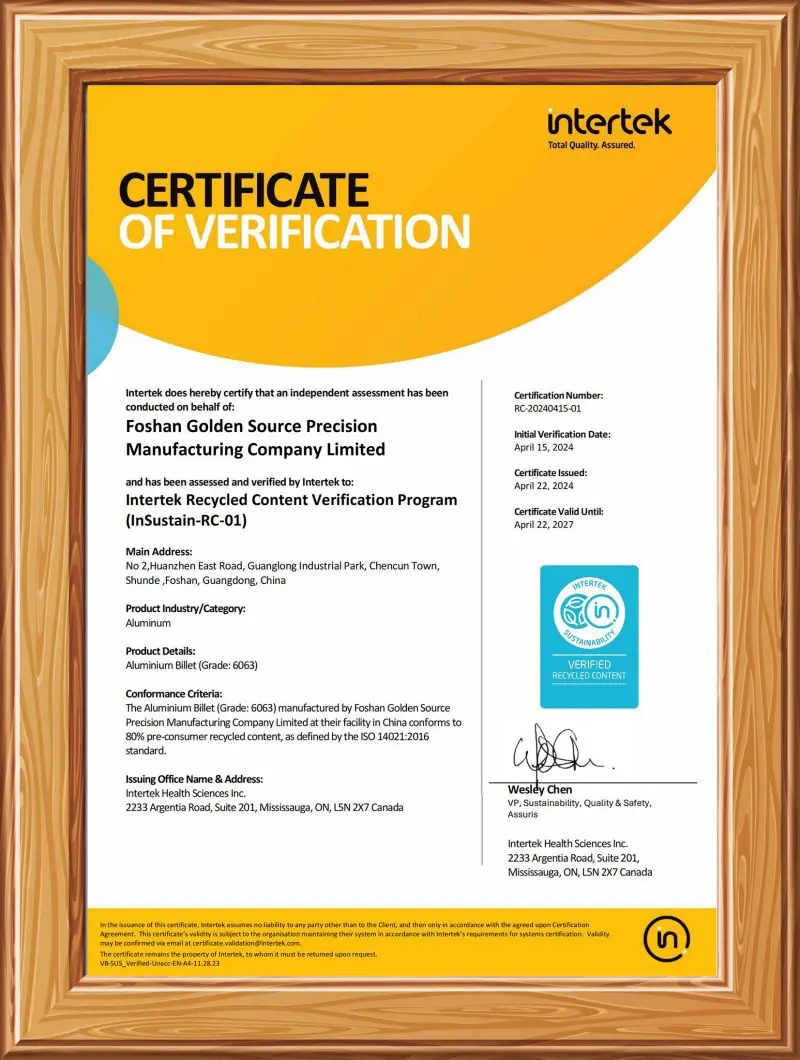
Our commitment to sustainability is demonstrated by our GRS (Global Recycled Standard) and RCV (Recycled Content Verification) certifications. By processing pre-consumer and post-consumer aluminum scrap back into standard-grade alloys within our own casting systems, we enable global buyers to significantly minimize Scope 3 greenhouse gas emissions. Furthermore, compliance with the EU's REACH regulations ensures our products contain no hazardous materials, protecting human health and simplified import validation in destination markets.
A unified, one-stop processing ecosystem executing design, metallurgy, extrusion, and CNC finishing.
Why global sourcing procurement leads choose Foshan Golden Source for aluminum components.
We melt and refine our alloys in-house. This capability allows us to make micro-adjustments to chemical composition, achieving structural yields and optimized surface conditions for clear, colored, or satin anodizing.
Machining and surface finishing are completed entirely within our factory boundaries. This consolidated production line reduces logistical overhead and allows us to provide high quality at competitive unit prices.
Our integrated vertical manufacturing model—from raw billet to final packaged component—minimizes lead times and speeds up global supply chain transitions.
Pioneering tomorrow’s ultra-performance thermal materials today.
As operating temperatures in power electronics rise, next-generation cooling systems must evolve. Our engineering group is pursuing two primary pathways:
Validated compliance with international environmental, quality, and workplace safety standards.
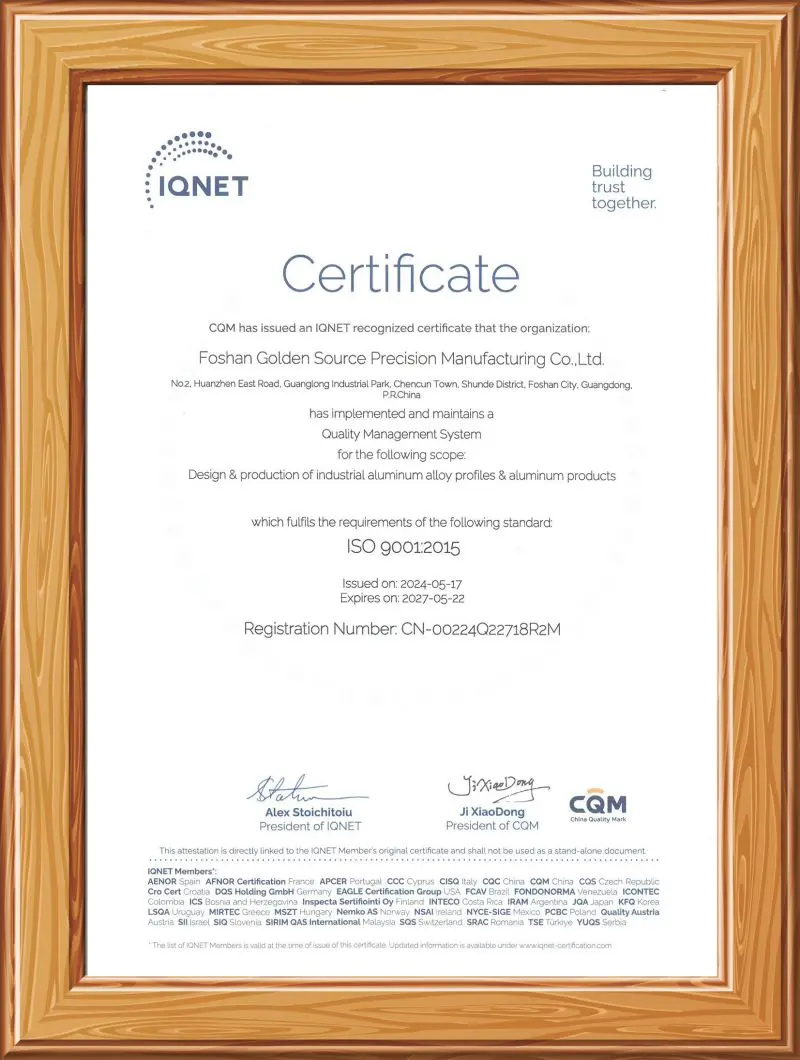
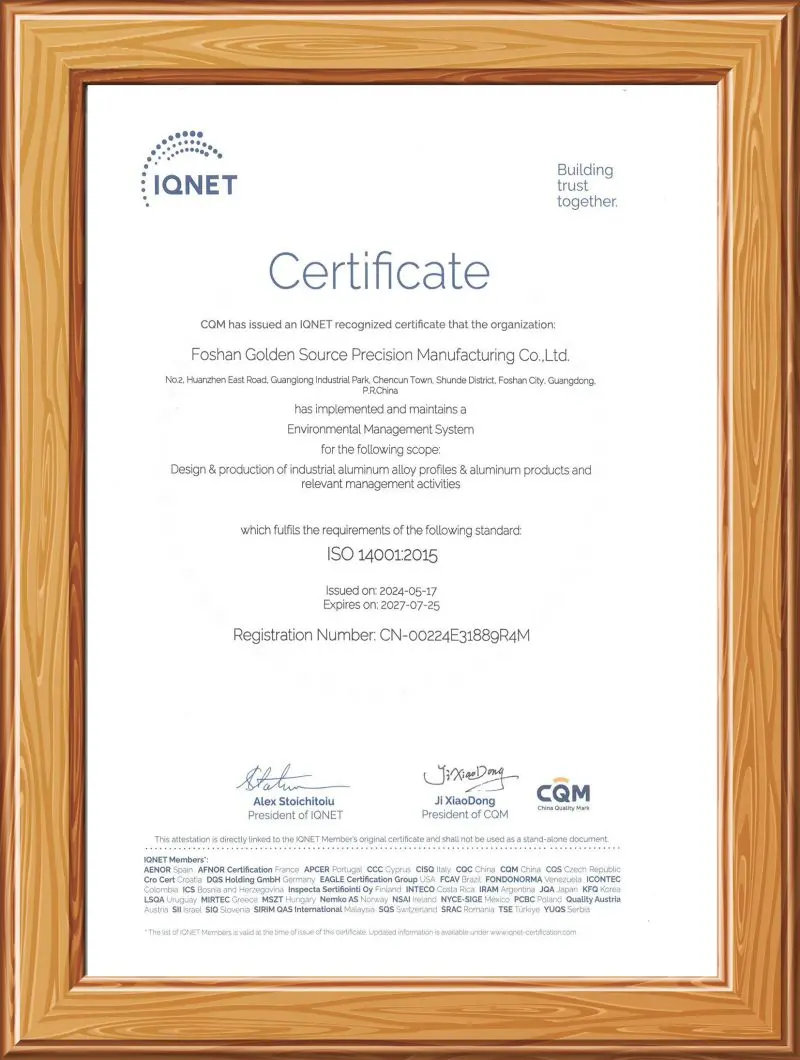
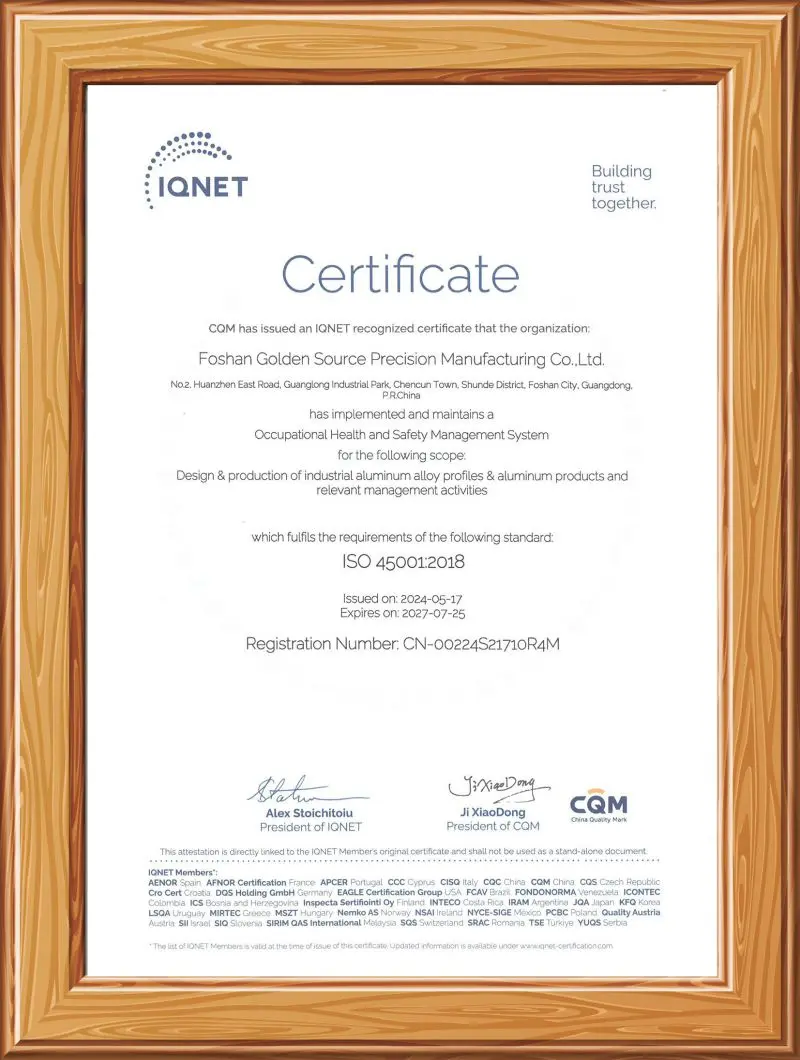
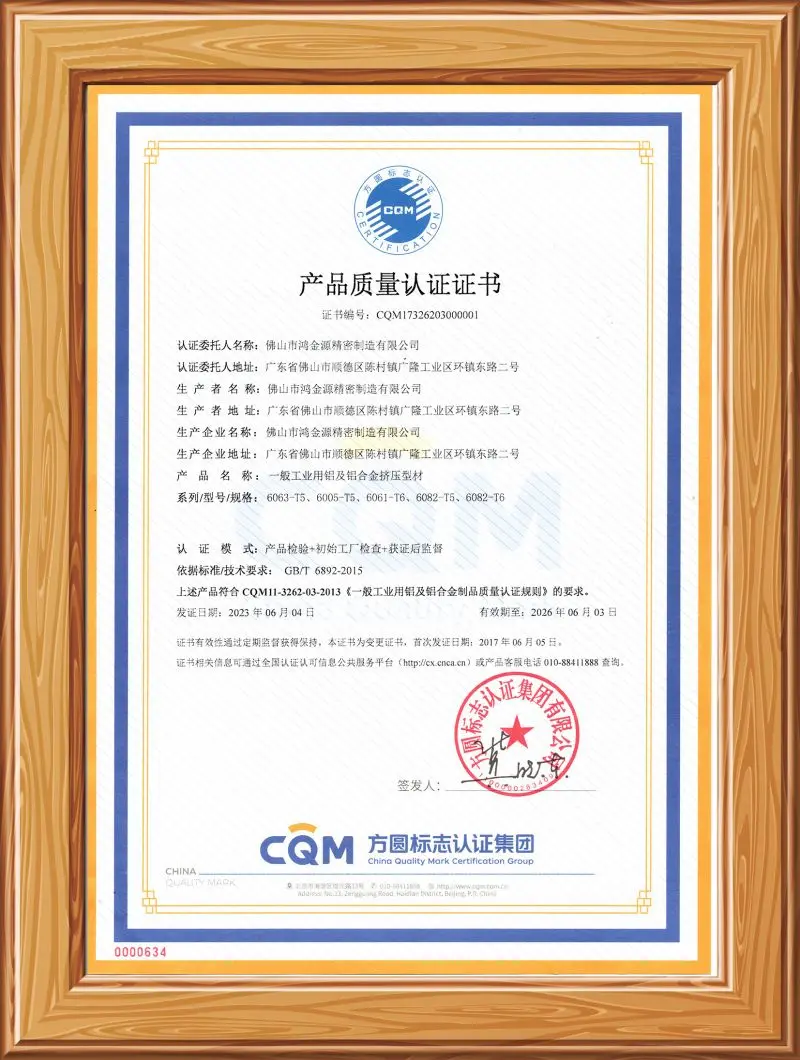
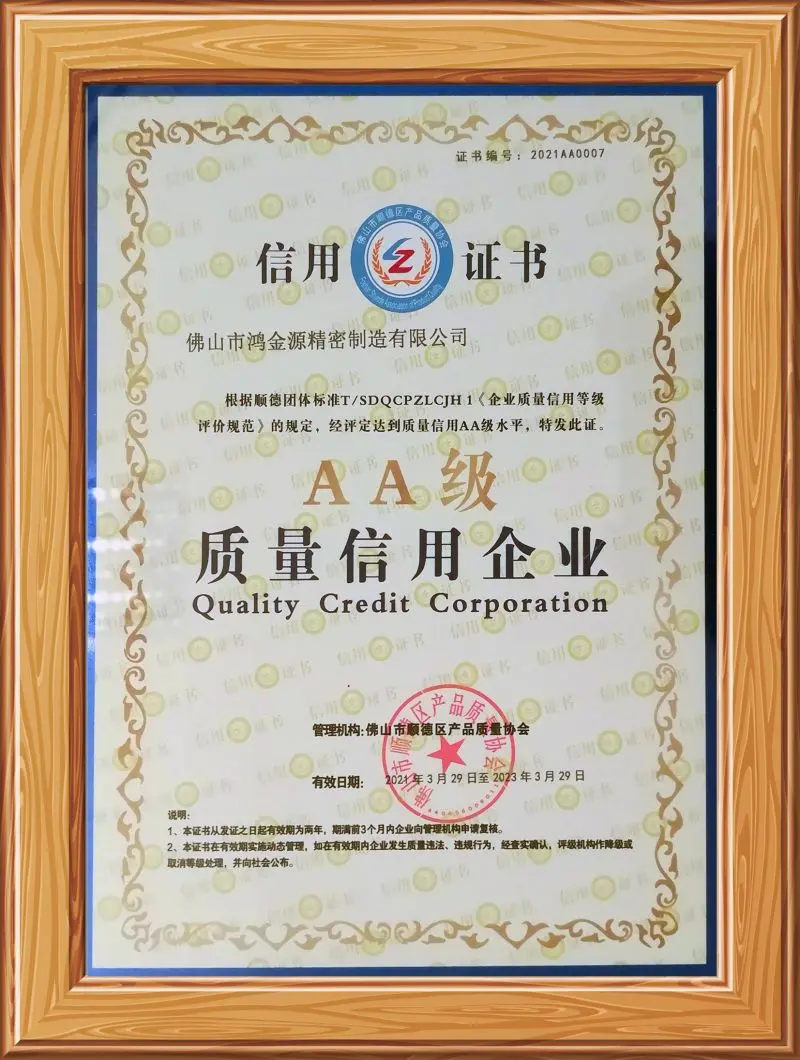
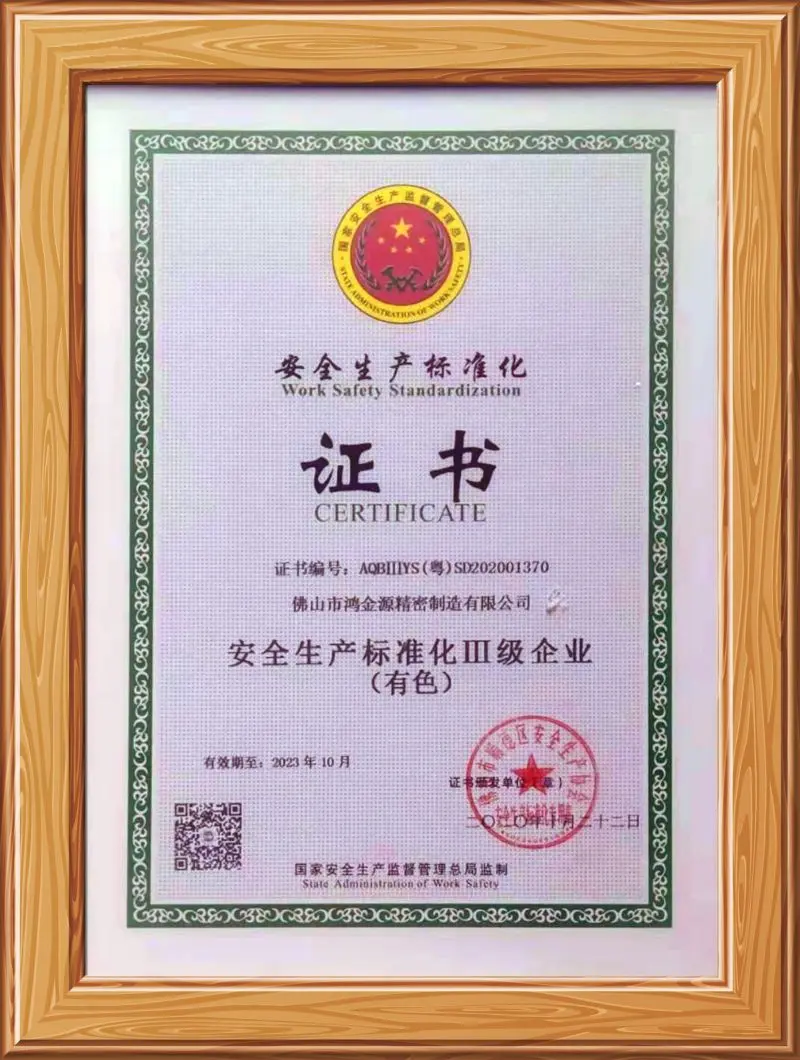
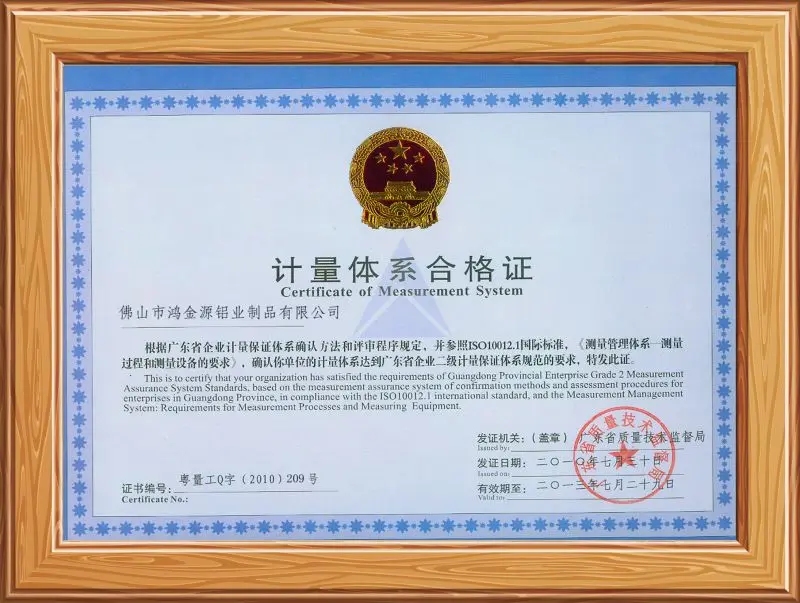
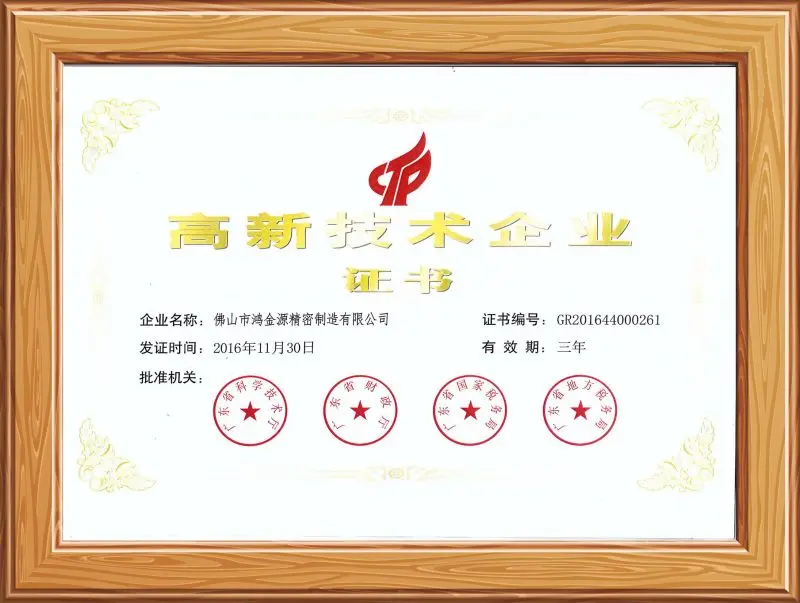
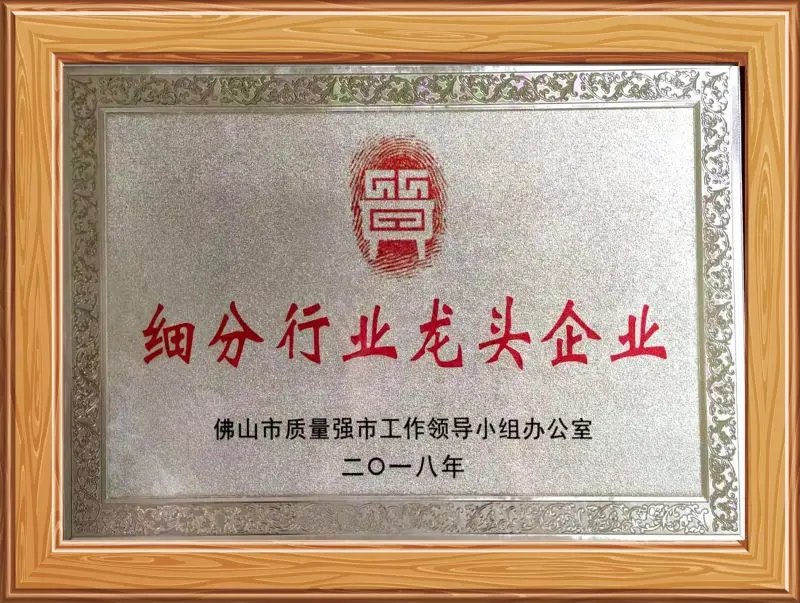
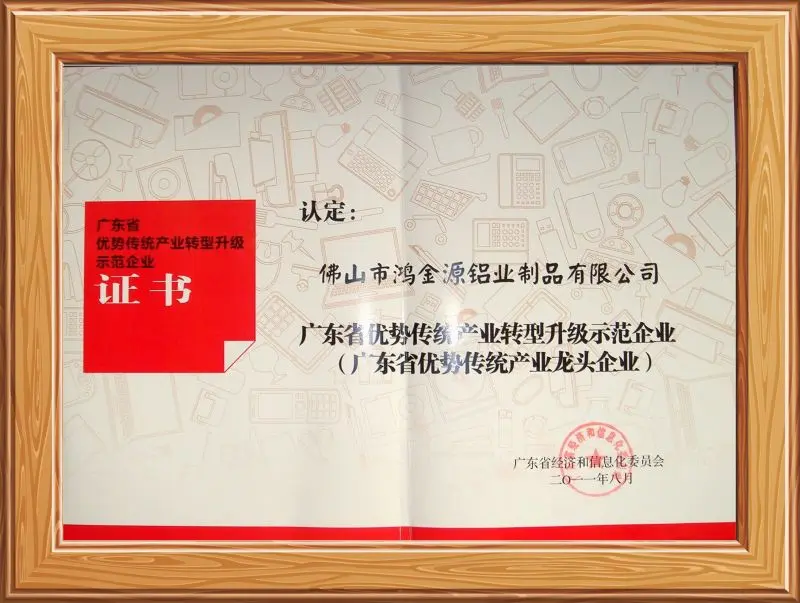
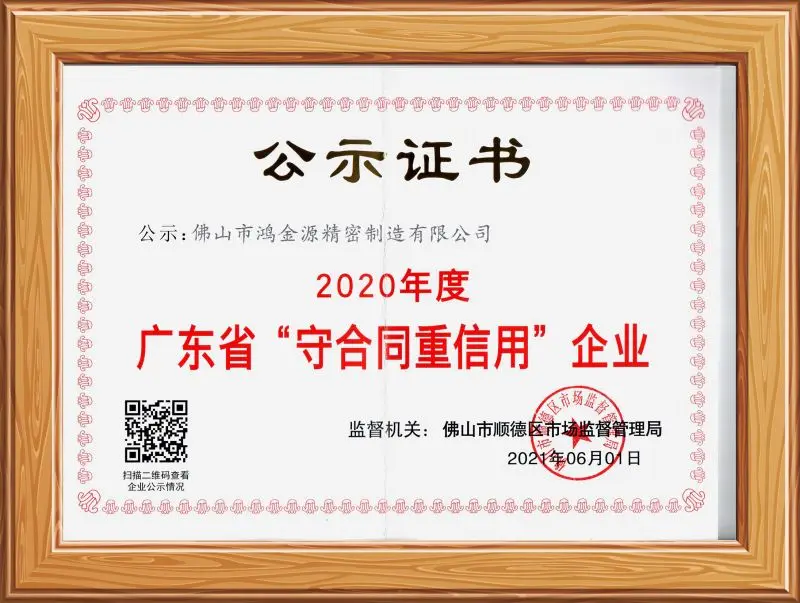
We maintain certifications in ISO9001, ISO14001, ISO45001, GRS, and RCV. These structural protocols reflect our clean production methodologies, financial creditworthiness, quality compliance, and regional industrial development awards. Some of our key audited documents are highlighted below:
Essential purchasing information regarding pricing models, tolerances, and design capabilities.
1. How are Aluminum Radiator Tube pricelists and quotes calculated? +
2. What dimensional tolerances can Foshan Golden Source achieve? +
3. Can you manufacture custom alloys to improve anti-corrosion behavior? +
4. What quality tests are carried out on cooling tubes before shipment? +
5. How does environmental compliance affect export orders to Europe? +
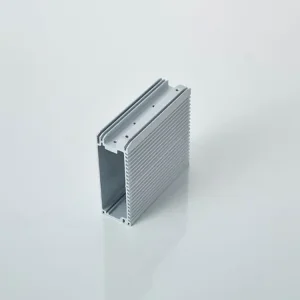
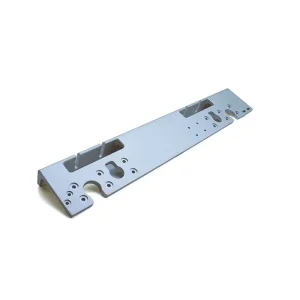
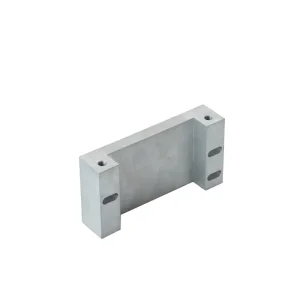
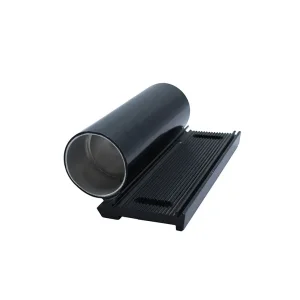
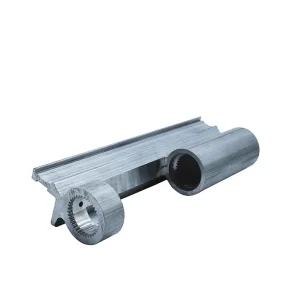
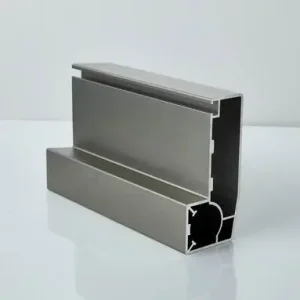
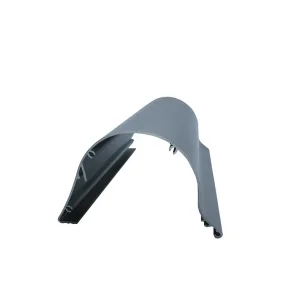
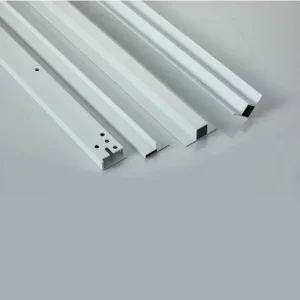
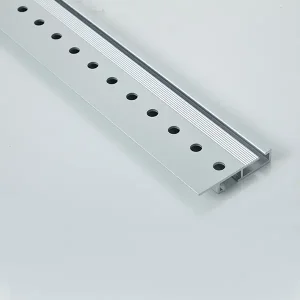
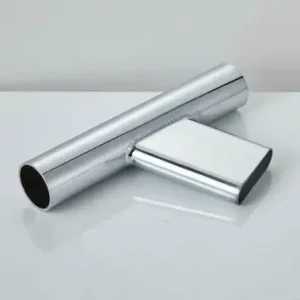
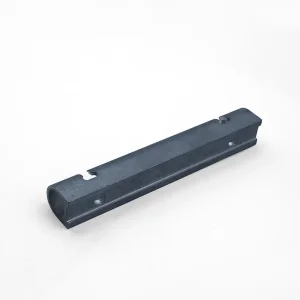
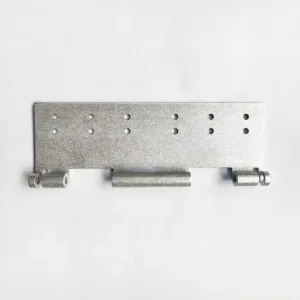
A selection of our custom structural profiles, CNC machined components, and surface-treated assemblies.
 HG Precision