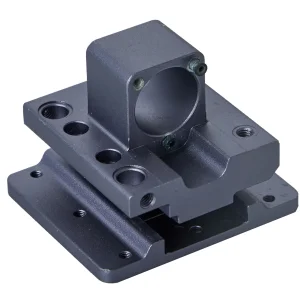
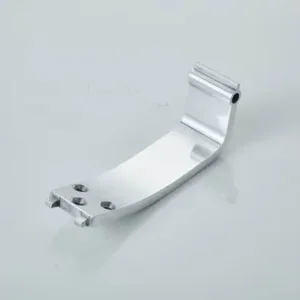
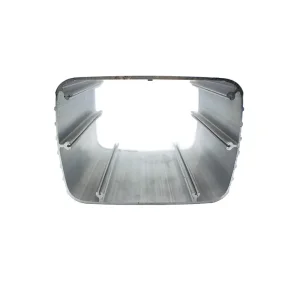
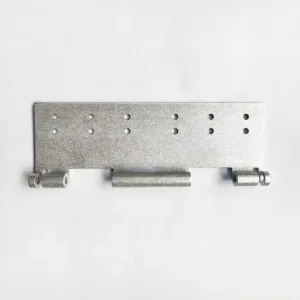
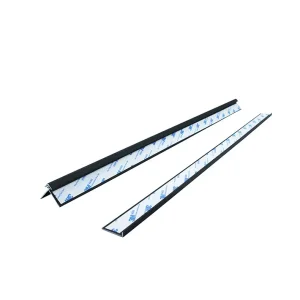
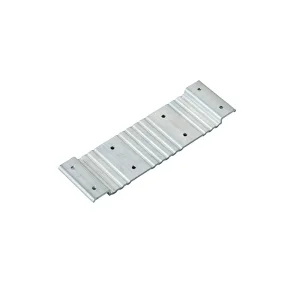
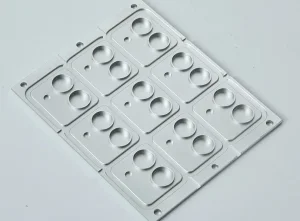
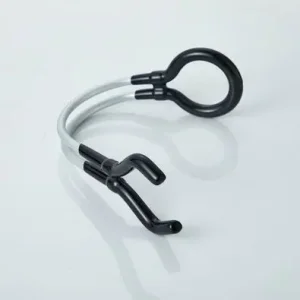
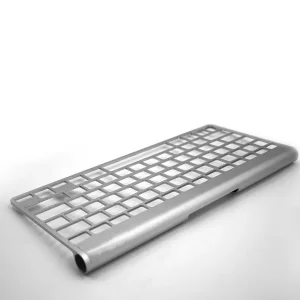
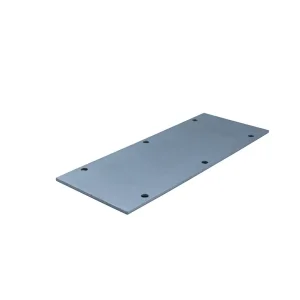
In the structural design and thermal management of modern lighting configurations, precision-engineered aluminum light profiles serve as the foundation of energy efficiency and structural stability. These components are not merely housings; they function as critical thermal paths that directly influence the lumen output, efficiency, and lifespan of high-density LED arrays. By utilizing premium alloys, such as 6063-T5 and 6061-T6, and employing highly controlled extrusion processes, industrial designers can achieve structural load-bearing capacity alongside optimized heat dissipation.
This comprehensive technical whitepaper explores the macro-economic pricing variables, manufacturing specifications, structural alloy certifications, and application profiles of premium aluminum light profiles. Whether you are managing complex commercial interior installations, architectural facades, or heavy mechanical assemblies, our solutions leverage decades of alloy casting, precision CNC machining, and surface finishes to deliver unmatched quality.
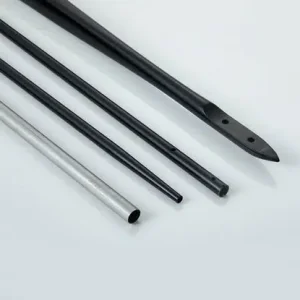
Aluminum profiles have evolved beyond conventional decorative moldings to become essential components across various macro industries. In structural engineering, cleanrooms, data centers, and advanced transportation infrastructure, the mechanical characteristics of high-strength profiles enable high-load configurations with minimal physical weight. The choice of specific alloys directly dictates structural resilience and resistance to degradation under environmental stress.
From architectural linear profiles to custom solutions, engineering teams must evaluate three core performance parameters:
The demand for high-precision aluminum profiles is growing due to rising sustainability standards and green building initiatives worldwide. Driven by policies such as the EU's Corporate Sustainability Due Diligence Directive (CSDDD) and North America's Leadership in Energy and Environmental Design (LEED) certification, architectural and construction firms are replacing traditional materials with lightweight, recyclable, and highly durable aluminum structures.
Furthermore, standardizing aluminum alloys like 6063-T5 or 7075-T6 for high-stress applications requires supply chains that offer both custom fabrication and strict compliance. From industrial automation systems to smart municipal LED lighting fixtures, selecting the right manufacturing partner depends on key factor controls: reliable metallurgy, structural surface treatment control, and certified recycled material options like the Global Recycled Standard (GRS) to navigate dynamic import and carbon compliance regulations.
By melting alloys in-house, we adjust chemical compositions to optimize physical properties, ensuring high alloy purity for high-spec anodizing and structural durability.
Processing raw extrusions, precision CNC machining, and surface finishes under one roof reduces potential points of failure, ensuring tighter quality control and lower costs.
Our complete raw-to-finish production workflow minimizes transit delays, ensuring reliable delivery schedules even during periods of high global demand.
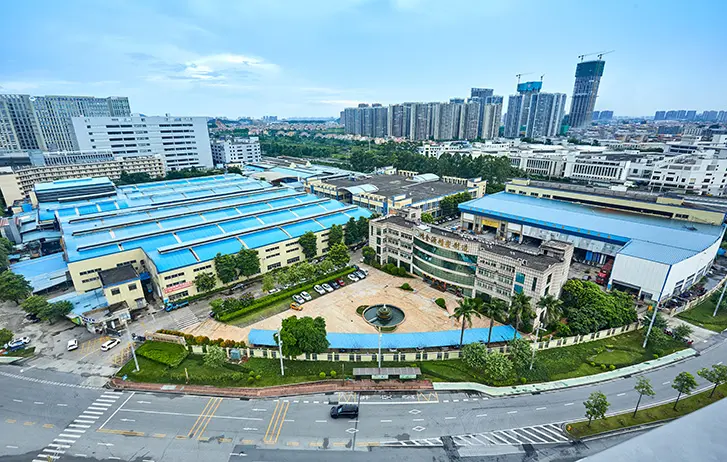
Established in 1991, Foshan Golden Source Precision Manufacturing Co., Ltd has grown into a leading manufacturer of high-strength, high-precision, customized aluminum profiles, precise machining parts, welded structures, and integrated assemblies. Operating a modern, environmentally responsible production base covering over 73,000 square meters, we provide a complete, one-stop service: from custom alloy casting, die research, design, and mold construction, to high-tonnage extrusion, CNC machining, welding, surface finishing, and assembly.
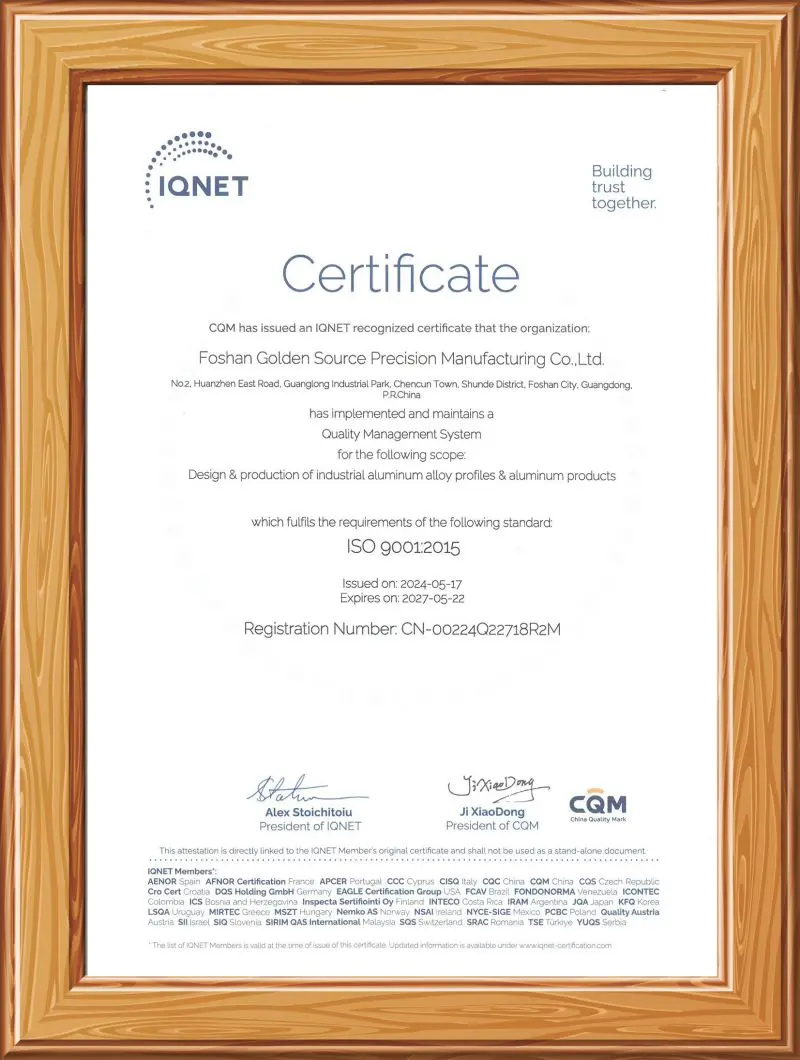
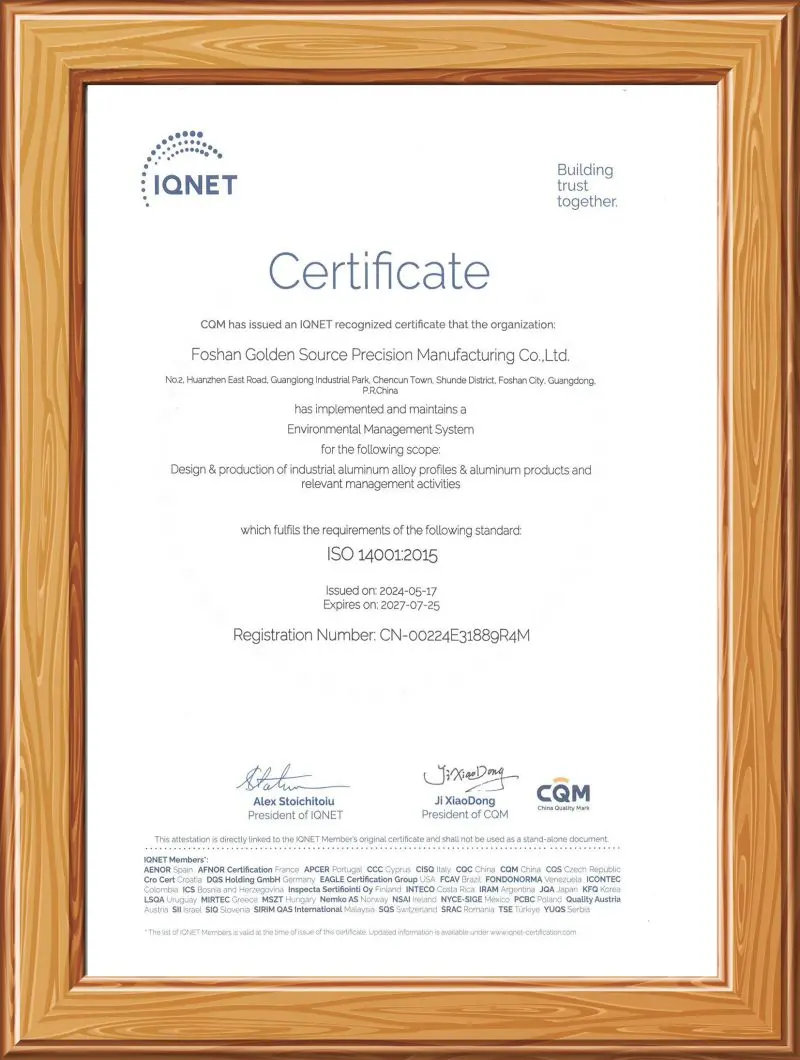
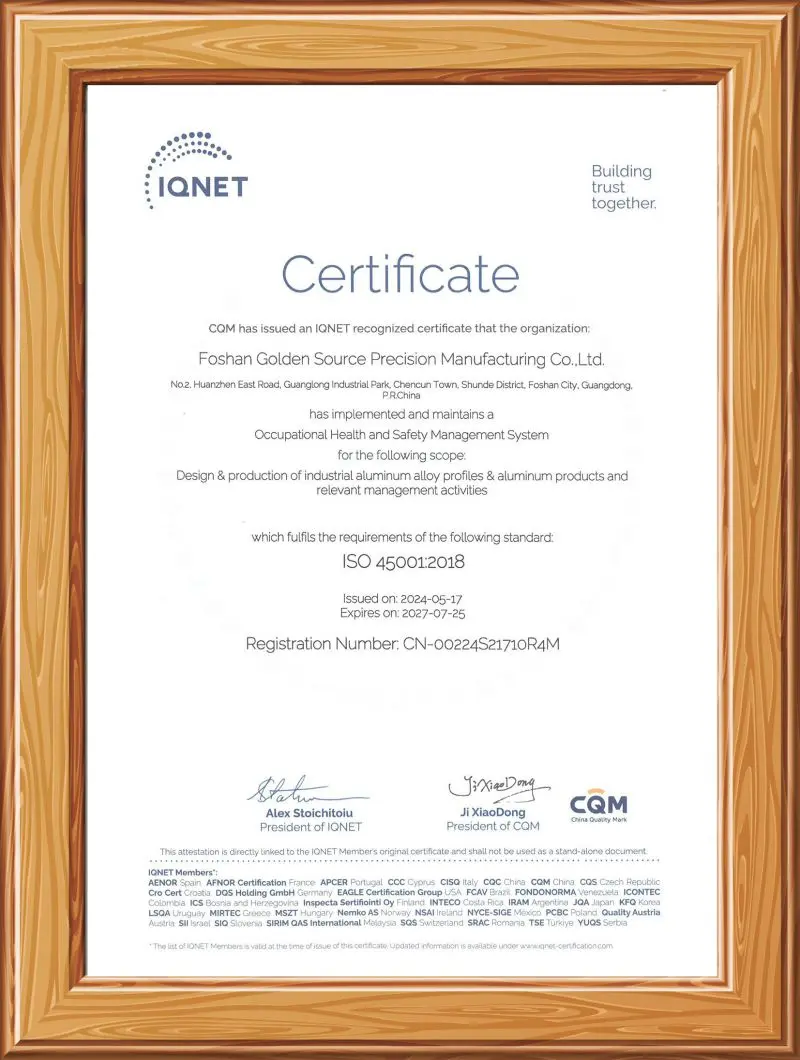
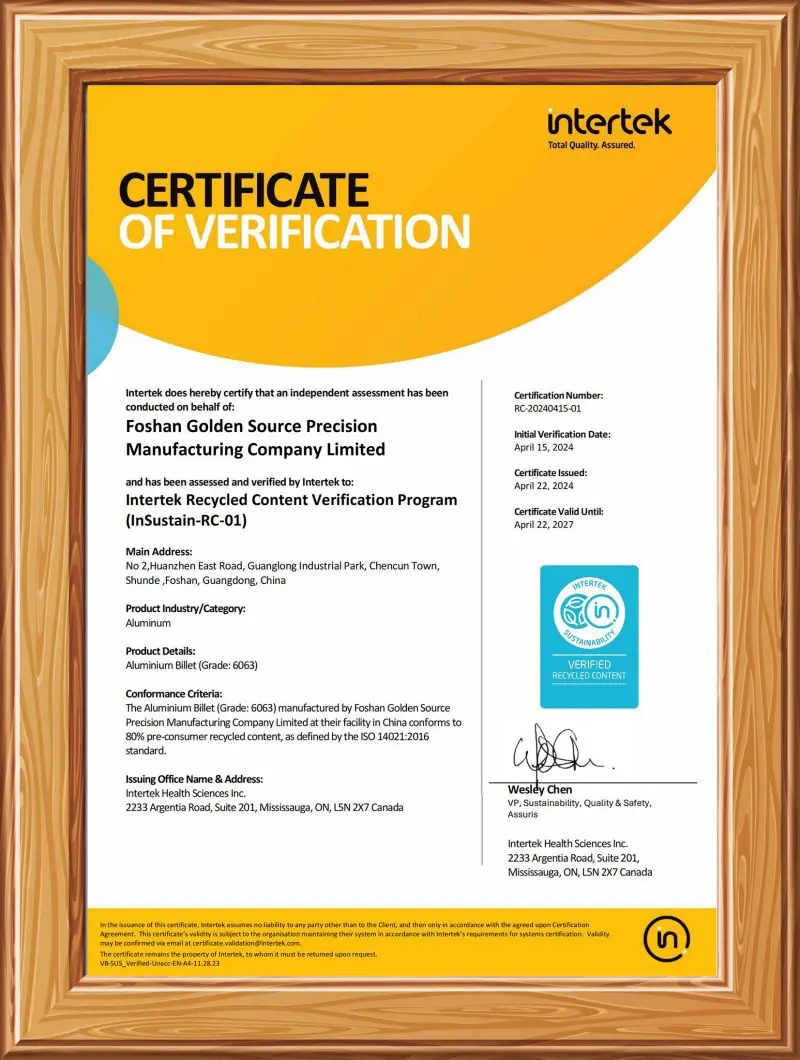
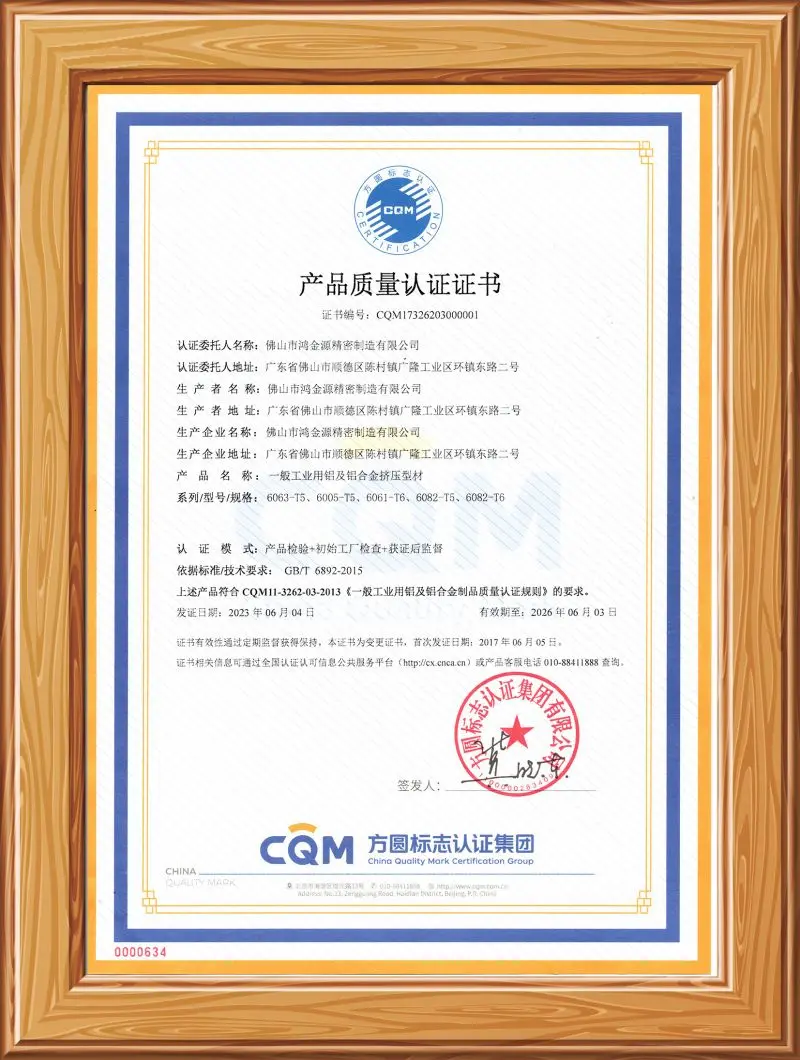
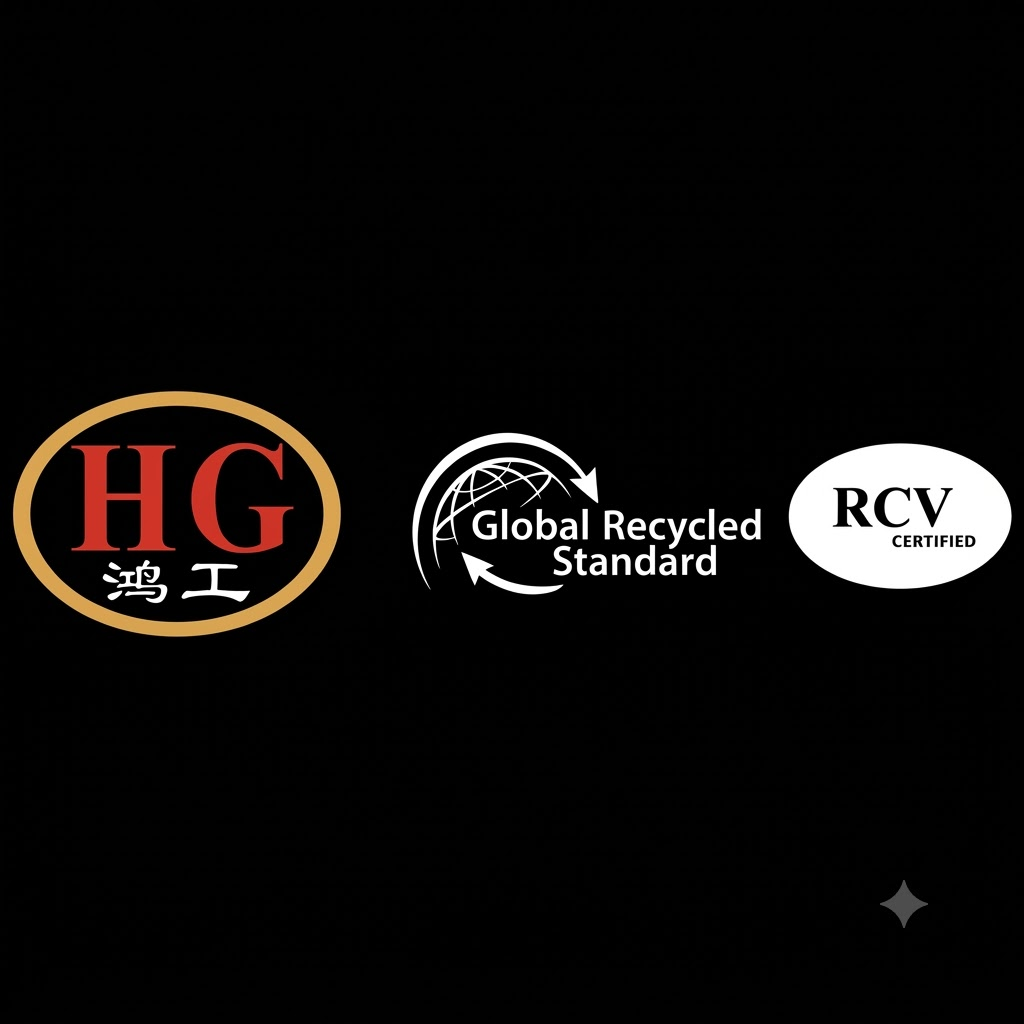
We supply a wide range of alloy series—including 1XXX, 3XXX, 5XXX, 6XXX, and 7XXX—allowing us to meet the specialized demands of diverse sectors, including hardware tools, 3C electronics, automotive systems, railway infrastructure, furniture, architectural decoration, and outdoor gear. Our facilities operate under strict certifications, including ISO9001, ISO14001, ISO45001, RCV, and GRS (Global Recycled Standard), ensuring full compliance with international environmental standards, including the EU’s REACH regulations.
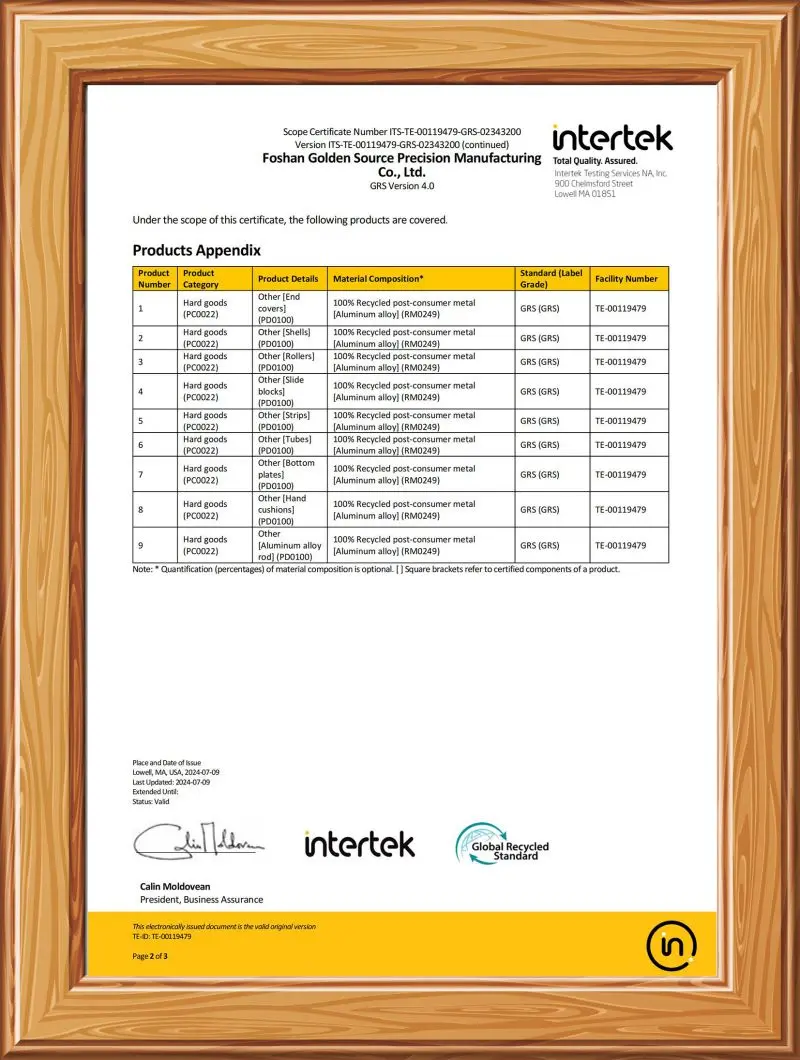
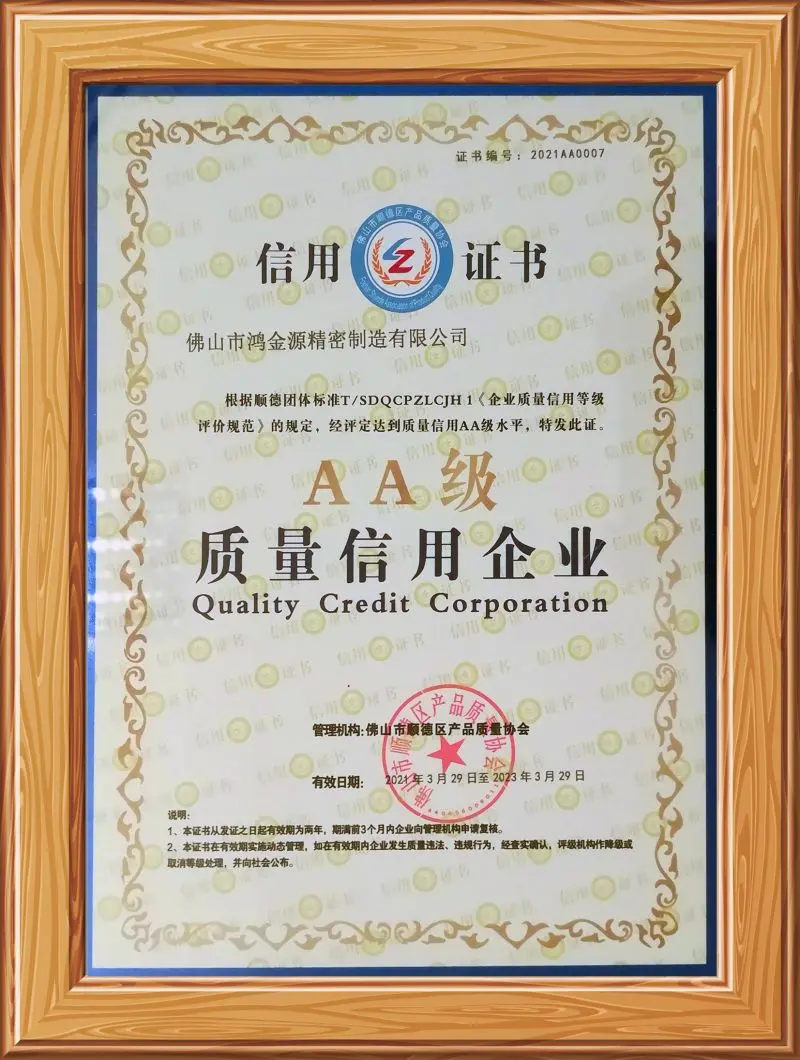
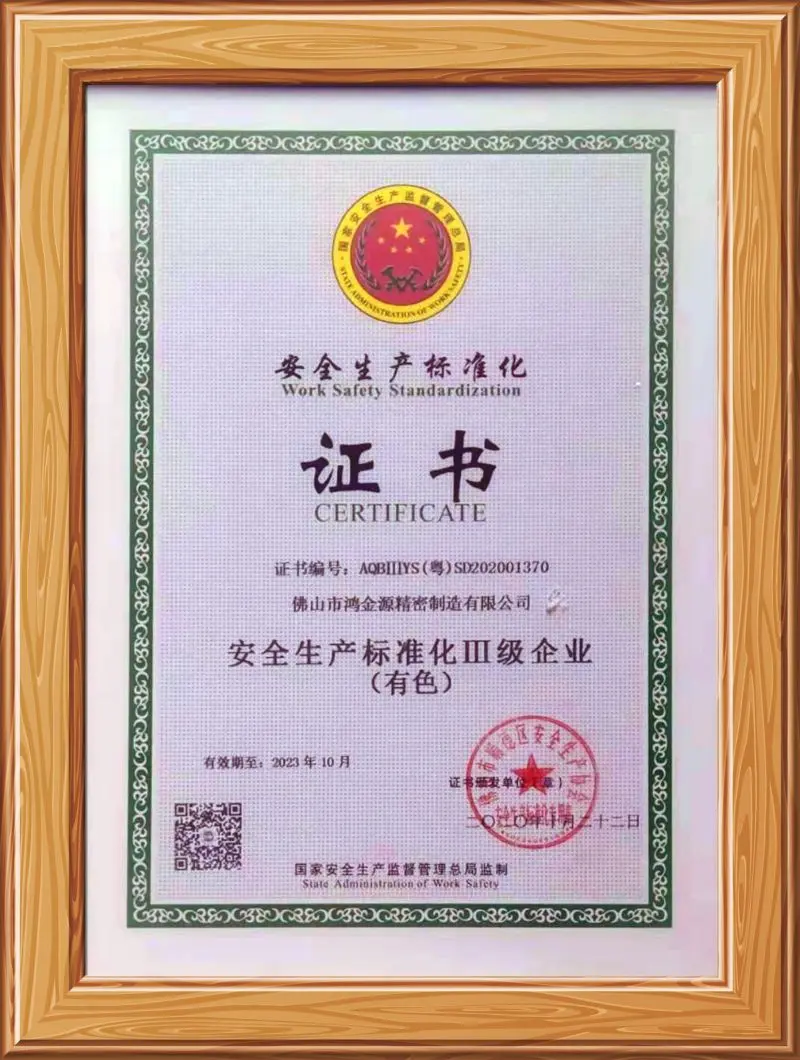
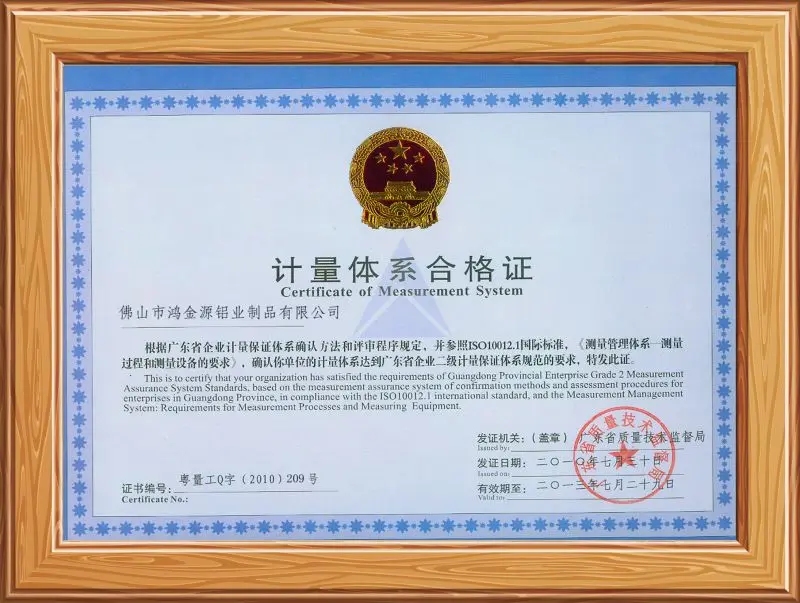
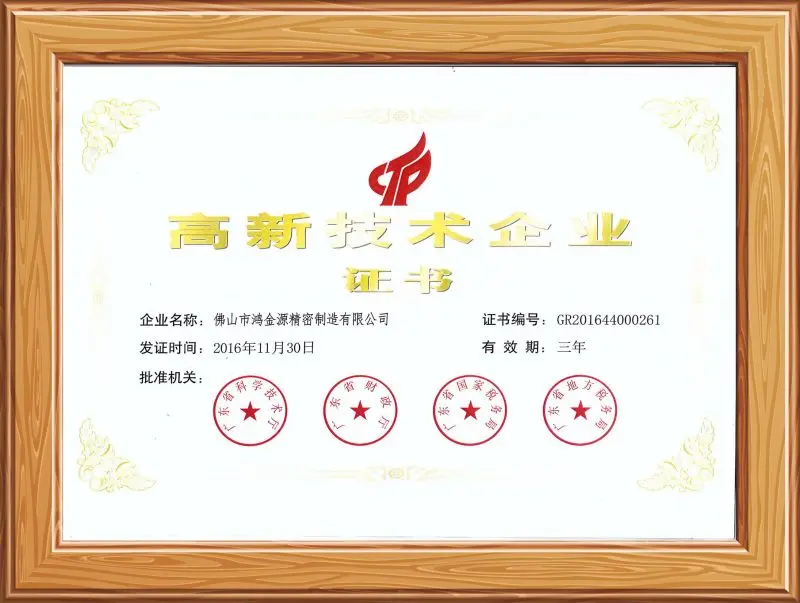
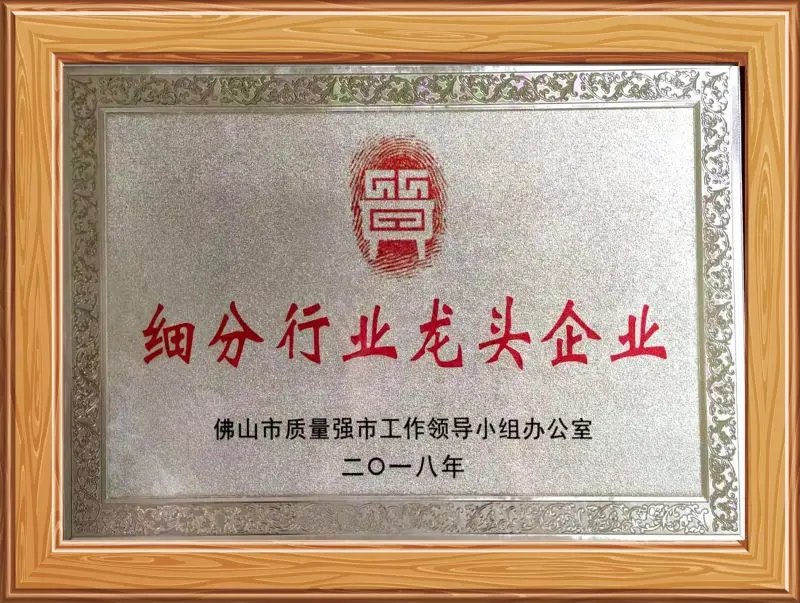
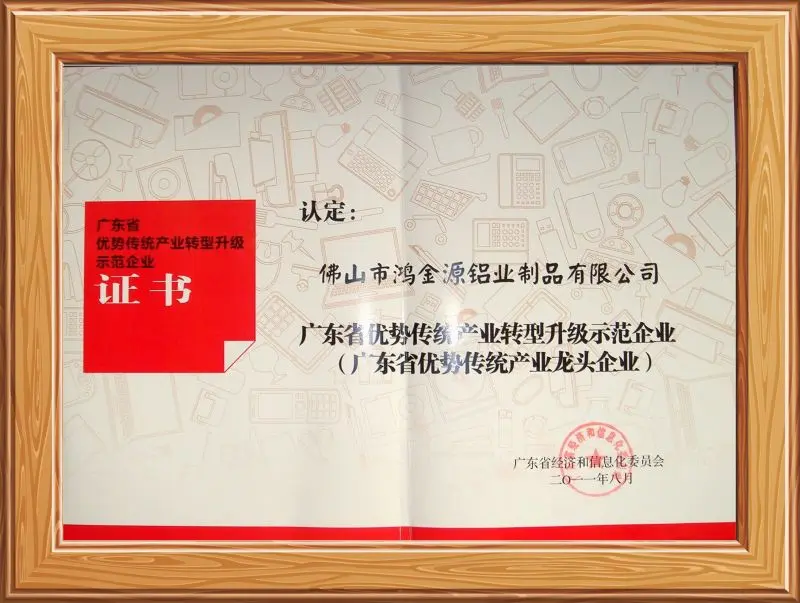
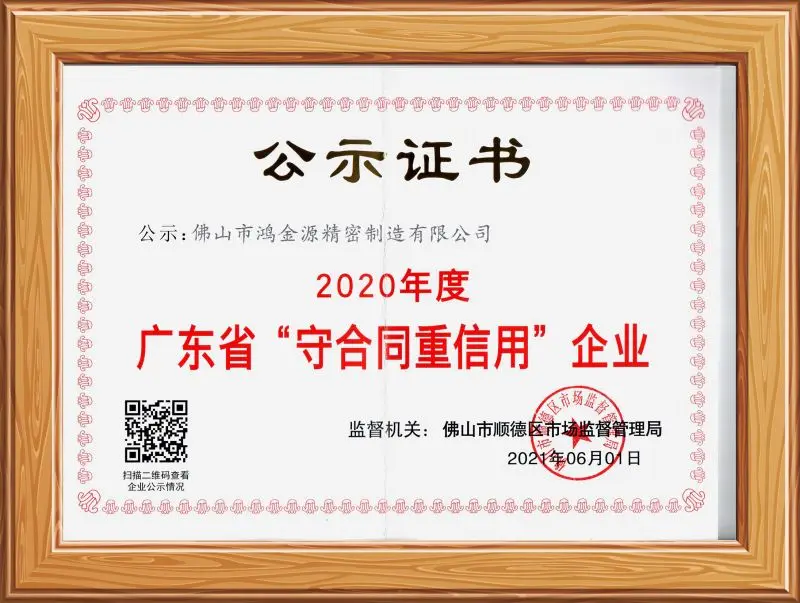
Our GRS (Global Recycled Standard) and RCV certifications demonstrate our commitment to meeting strict environmental regulations in the EU and North America. Below is a selection of our typical certifications, highlighting our adherence to quality, clean production, and regulatory compliance.
Acquiring industrial custom aluminum extrusions requires understanding the raw, processing, and finishing cost factors that determine the final unit price. Rather than fixed rates, pricing is calculated using a dynamic formula based on weight, extrusion speed, structural complexity, and customized surface processes. This ensures fair, volume-adjusted pricing.
The standard industry pricing structure is defined as follows:
| Alloy Type | Common Standard Tempered State | Primary Mechanical Strengths | Average Price Indicator Level | Ideal Application Environment |
|---|---|---|---|---|
| 6063 Alloy | T5 / T6 | High corrosion resistance, excellent extrusion finishes, medium strength. | Base Processing Index | Architectural LED Light Channels, Floor Board Trims, Frames |
| 6061 Alloy | T6 | High structural load capacity, excellent weldability. | Base Index + 8-12% | High-Load Hinge Systems, Automotive Structural Parts, Connector Blocks |
| 7075 Alloy | T6 | Ultra-high yield strength, high fatigue resistance. | Base Index + 35-45% | Aerospace Components, Hiking/Climbing Gear, Stress Holders |
| 1XXX / 3XXX | H14 / H18 | Excellent ductility, high electrical conductivity, highly formable. | Base Index - 5% | Thermal Heat Sinks, Conductive Terminals, Basic Foil Components |
Navigating varying regional standards is critical for international supply chains. A precision part manufactured in Asia must meet the structural and environmental regulations of the destination market, whether that is North America, Europe, or the Asia-Pacific region. Our production lines are calibrated to meet and exceed key regional benchmarks:
All architectural light profiles and structural profiles conform to EN 755 (machined aluminum profiles and tubes tolerances) and EN 12020 (high-precision profiles). In-house finishes meet the strict requirements of Qualanod and Qualicoat specifications.
Extrusions meet ASTM B221 standards for aluminum-alloy extruded bars, rods, wire, profiles, and tubes. Hardness checks are verified in-house on Webster and Vickers scales to ensure compliance with structural design safety margins.
Our GRS (Global Recycled Standard) certification ensures supply-chain traceability for post-consumer recycled aluminum, helping clients meet environmental goals, reduce carbon footprints, and comply with EU REACH and RoHS regulations.
As smart building automation systems and mini-LED displays become more common, the technical demands on lighting profiles are shifting. Future lighting channels must support more compact profiles while offering increased heat-dissipation performance. To address these trends, our research and development teams focus on key areas:
 HG Precision