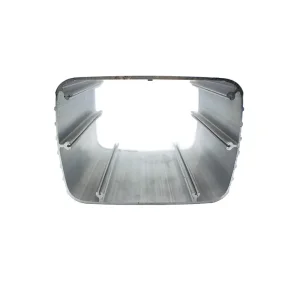
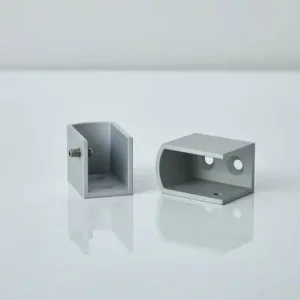
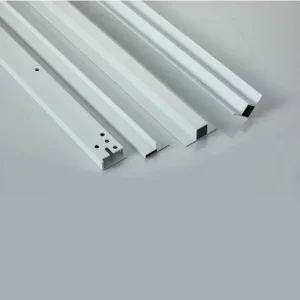
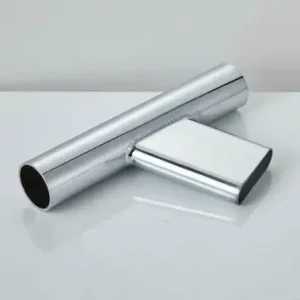
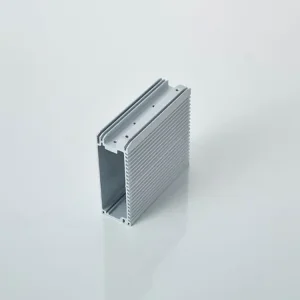
Modern industrial automation, solar infrastructure, and electric mobility call for structurally versatile materials that eliminate the labor costs, thermal distortions, and rigidity limits of traditional welded steel. High-precision structural T-slot aluminum extrusions have become the backbone of modern engineering.
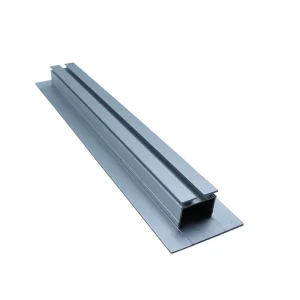
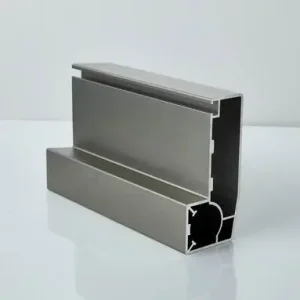
T-slot profiles are engineered with dedicated linear channels along their length, allowing engineers to construct modular mechanical systems without the need for custom welding or machining. However, the performance of these profiles depends heavily on the alloy formulation, die design precision, and surface finish thickness.
For custom engineering and high-load assembly systems, mass-produced off-the-shelf structural elements often fail to meet exact tolerances. This is where customized structural extrusions, produced under strict process controls, provide significant value in mechanical durability and structural stability.
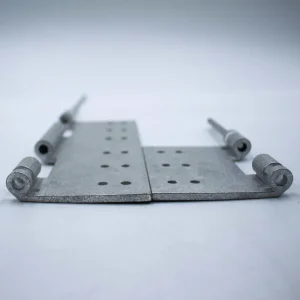
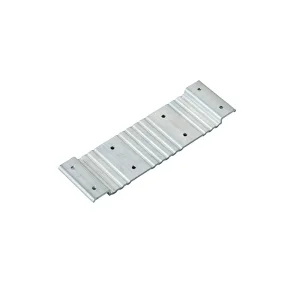
T-slot channels integrate seamlessly with drop-in fasteners, brackets, and structural plates, allowing fast assembly and reconfiguration on production lines.
Global procurement teams face complex supply chain dynamics. In regions like North America and the European Union, standard structural profiles are no longer evaluated solely on per-ton pricing. Modern purchasing decisions prioritize:
Foshan Golden Source Precision Manufacturing Co., Ltd supports international supply chains by utilizing an integrated Factory 4.0 manufacturing framework. Unlike factories that rely on outsourced billets or regional surface treatment plants, we manage the entire production cycle in-house:
From alloy formulation melting and custom die design to multi-axis CNC machining, robotic welding, and automated anodizing lines. This vertical integration keeps quality consistent, reduces transit wear between facilities, and helps lower the overall cost of the finished parts.
| Alloy Series | Common Temper | Tensile Strength (MPa) | Yield Strength (MPa) | Primary Industrial Use Cases |
|---|---|---|---|---|
| 6063 Series | T5 / T6 | 150 - 220 | 110 - 170 | Architectural frames, kitchen cabinet panels, standard modular T-slot profiles, LED mounts. |
| 6061 Series | T6 | 260 - 310 | 240 - 275 | High-stress structural frames, transportation structures, marine hardware, heavy machinery framing. |
| 7075 Series | T6 | 510 - 570 | 430 - 500 | Aerospace structures, high-strength clamps, specialized military components, highly-stressed tooling fixtures. |
| 5XXX / 3XXX | H32 / H38 | 170 - 260 | 90 - 200 | Corrosive environments, marine brackets, sheet-structural components, process engineering systems. |
Established in 1991, Foshan Golden Source Precision Manufacturing Co., Ltd is a professional manufacturer of high-strength, high-precision, customized aluminum profiles and precise machining aluminum parts, welded parts, and assembled aluminum products.
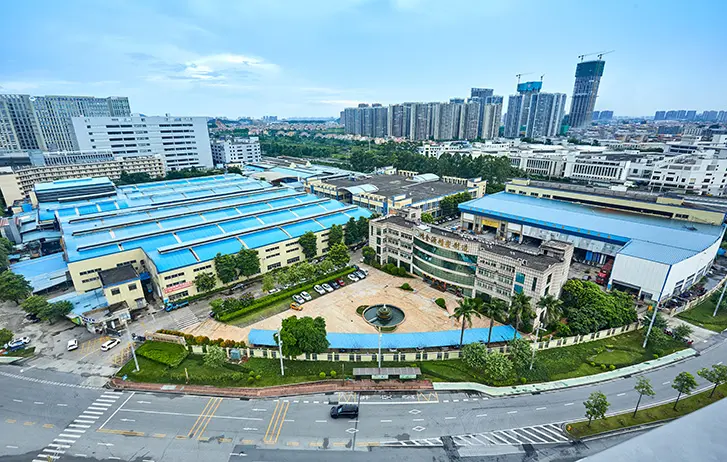
With a modern and environmentally friendly production base covering an area of over 73,000 square meters, the company offers a comprehensive one-stop service. This includes alloy casting, mold research, design & building, aluminum extruding, precise machining, welding, assembly, and surface treatment.
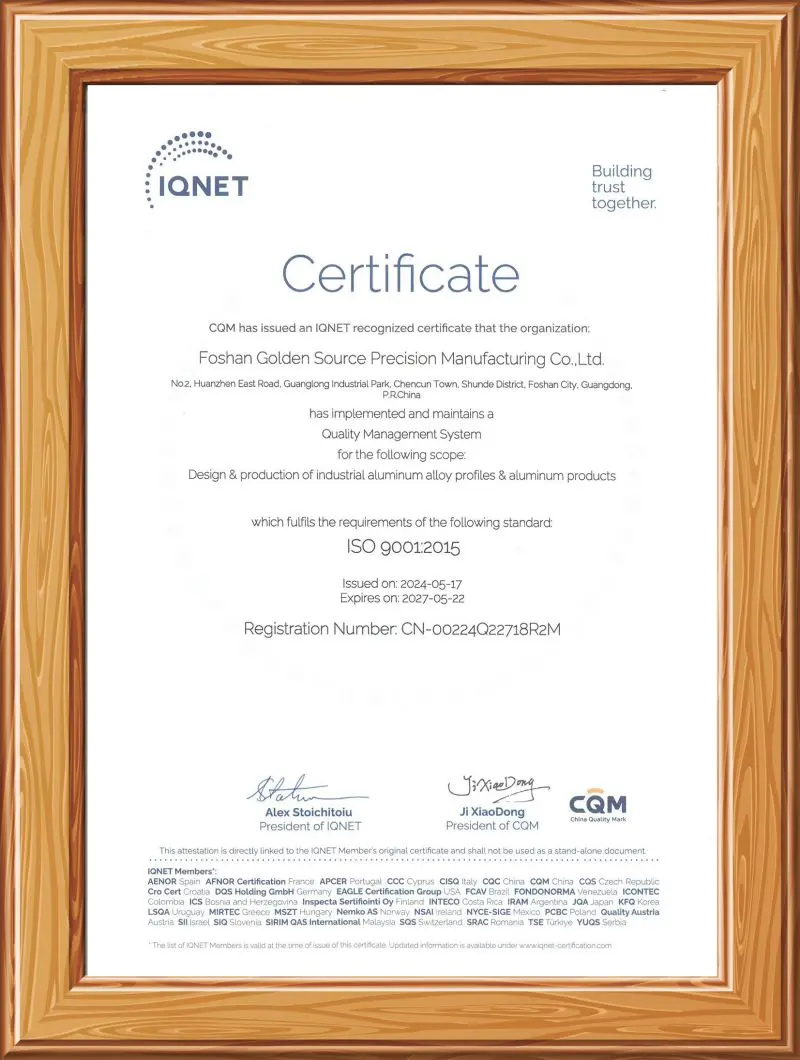
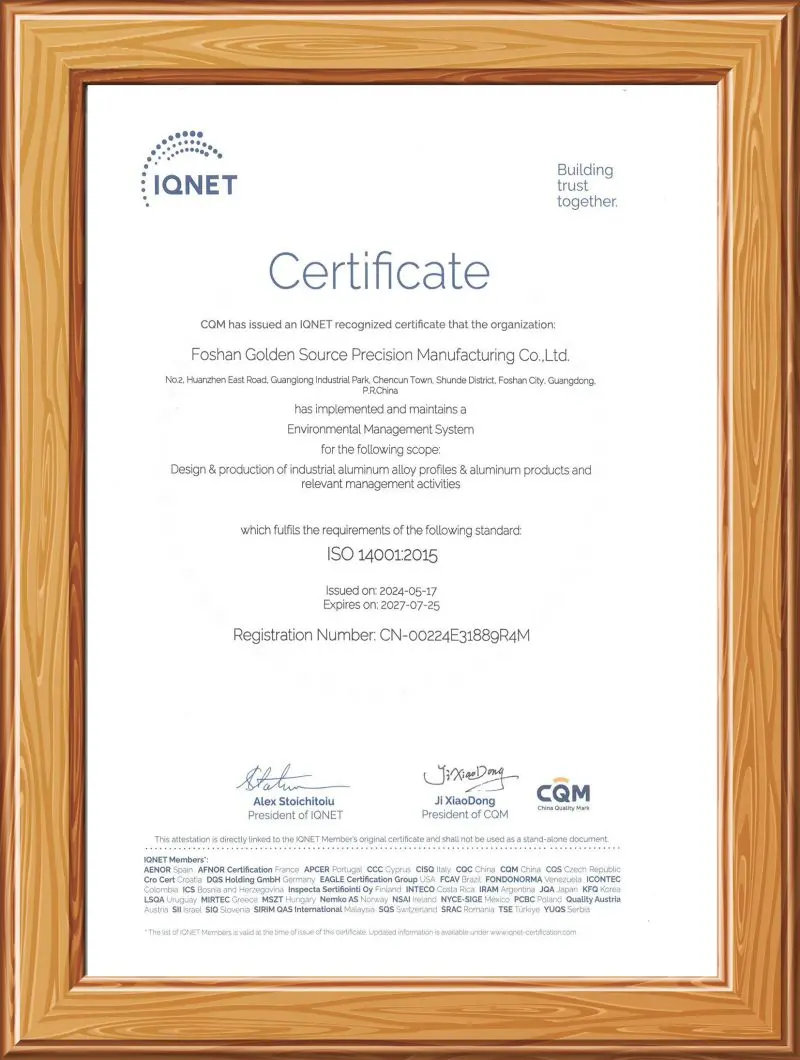
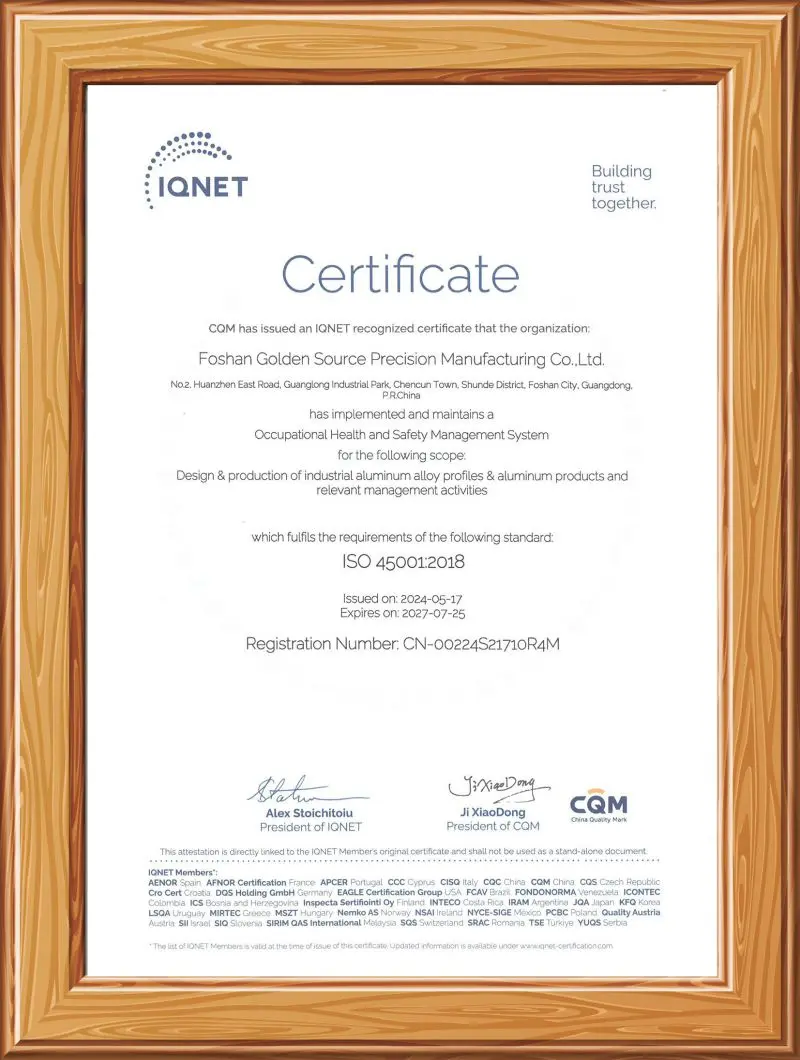
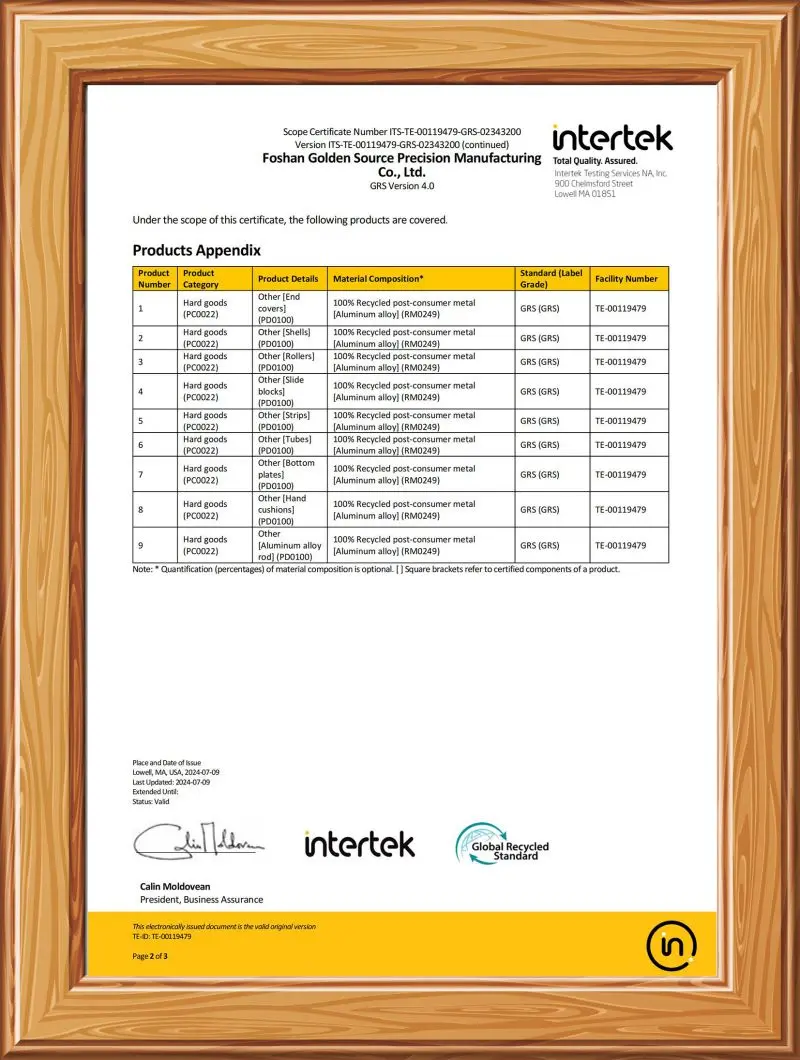
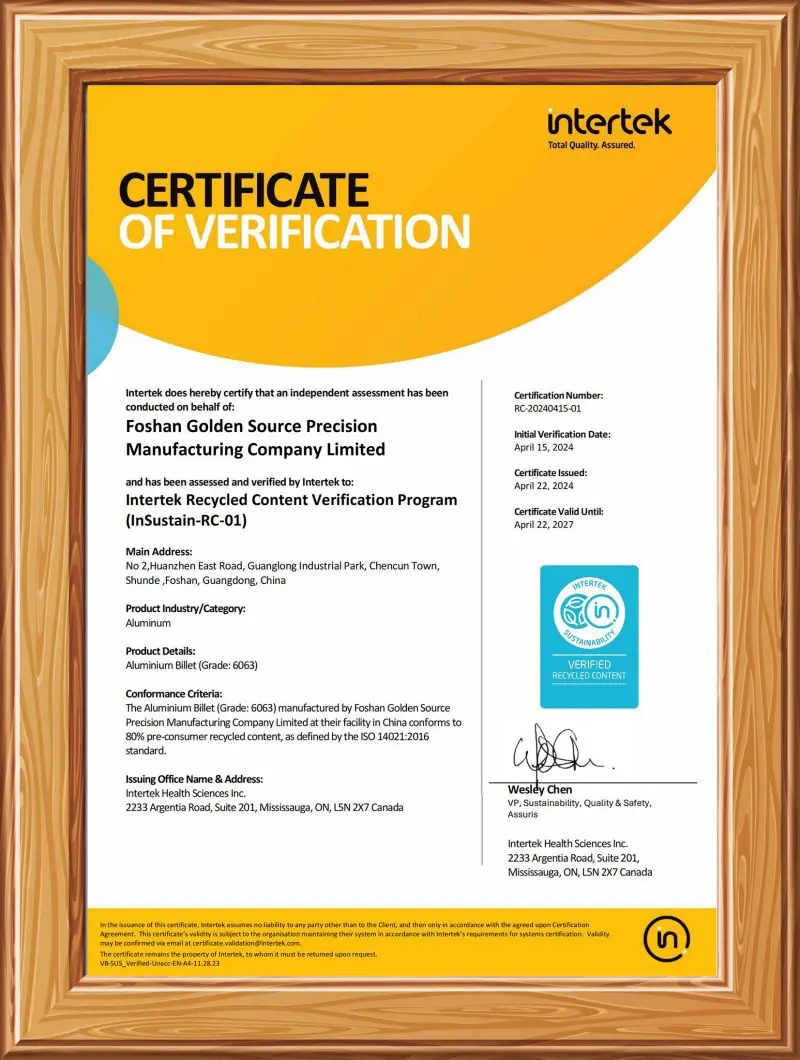
The company holds certifications such as ISO9001, ISO14001, ISO45001, RCV, and GRS, ensuring that its products comply with the environmental requirements of the EU’s REACH regulation. A wide range of aluminum alloy series are available, including: 1XXX, 3XXX, 5XXX, 6XXX, and 7XXX alloys, which allow us to meet different demands of various industries and fields, including hardware tools, 3C products, automobiles, railways, furniture, decoration, and outdoor products.
We melt and cast the alloy in-house, allowing us to adjust compositions for optimal mechanical properties and metal purity. This level of control is essential for high-quality anodizing and structural performance.
CNC machining and surface treatments are completed in-house, which supports quality control and helps manage production costs. Our integrated process allows us to offer competitive pricing while maintaining high dimensional tolerances.
Our integrated manufacturing capacity minimizes transit times between casting, extrusion, precision machining, and surface coating, supporting faster overall delivery times to our customers.
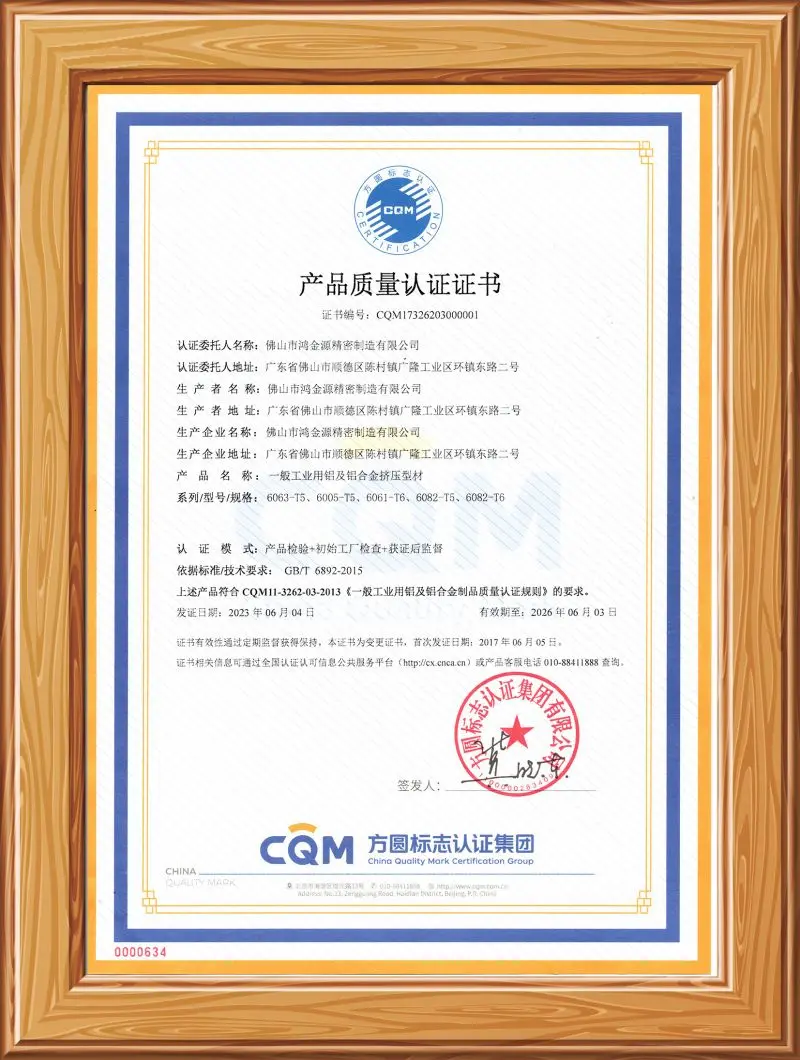
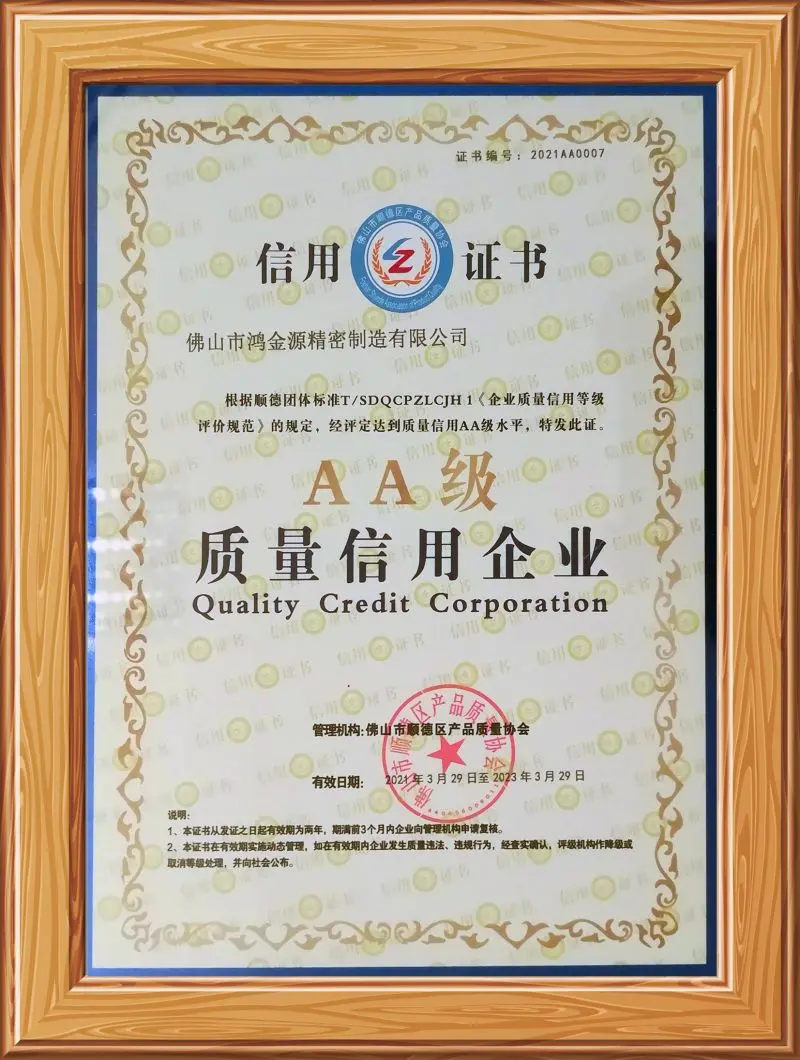
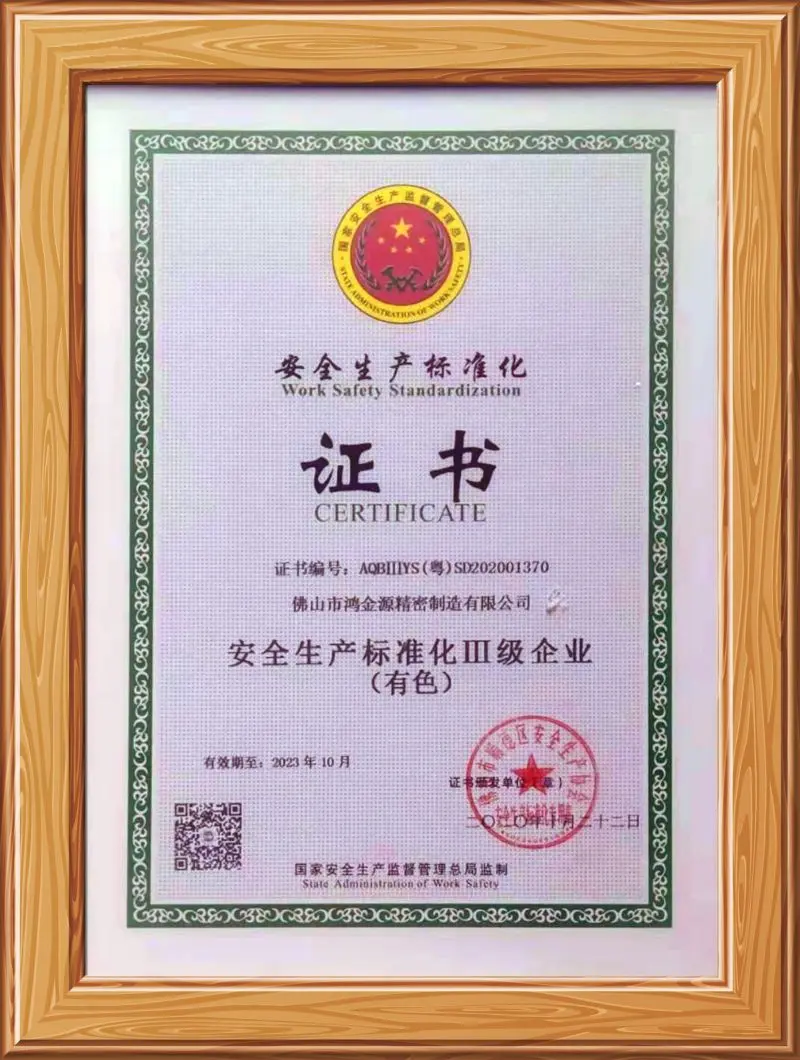
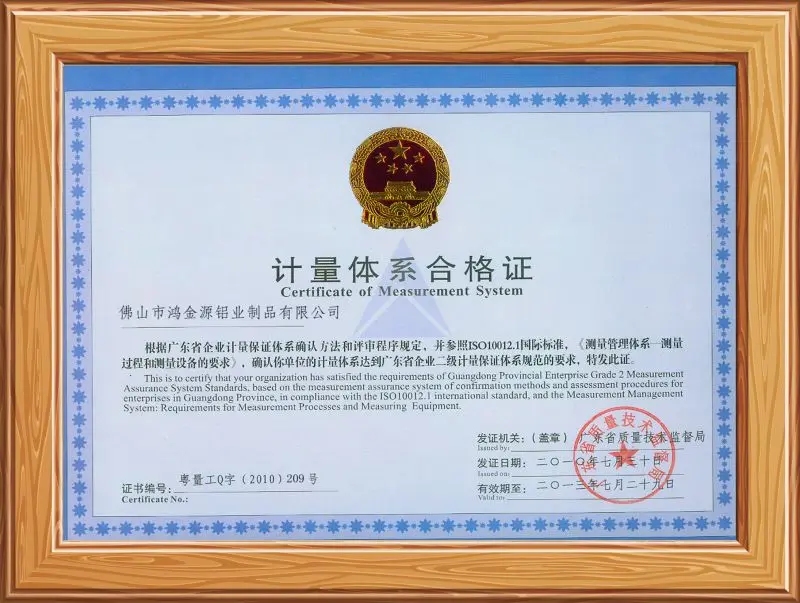
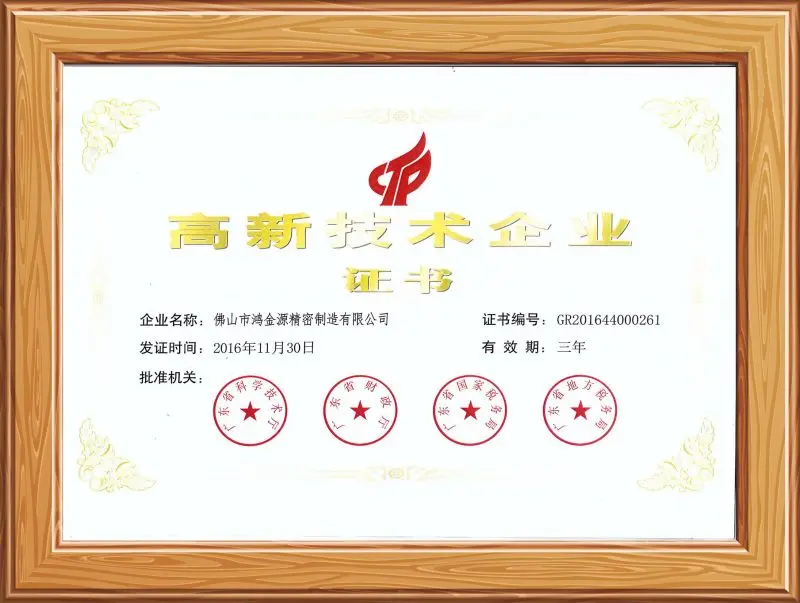
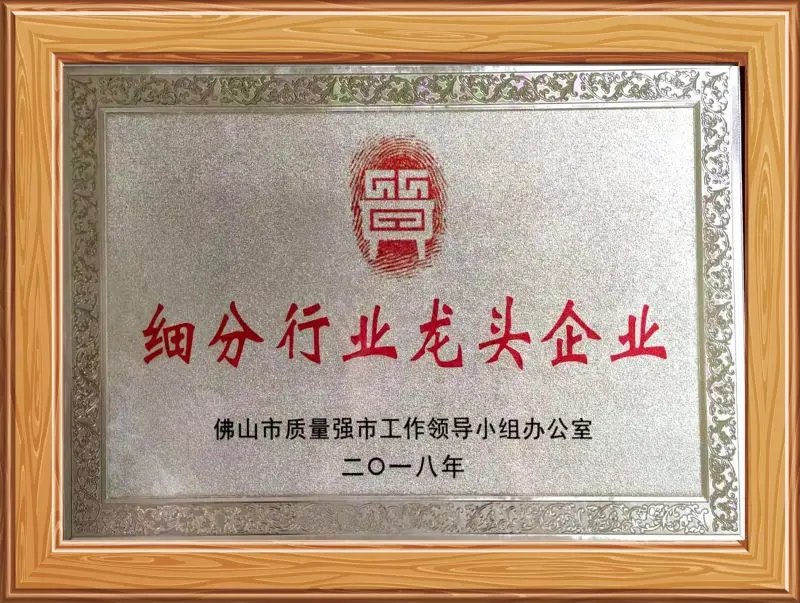
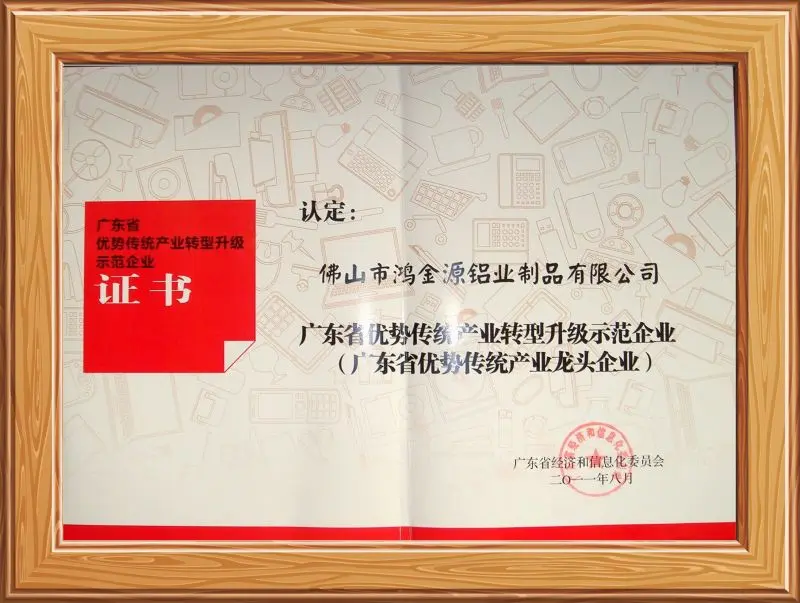
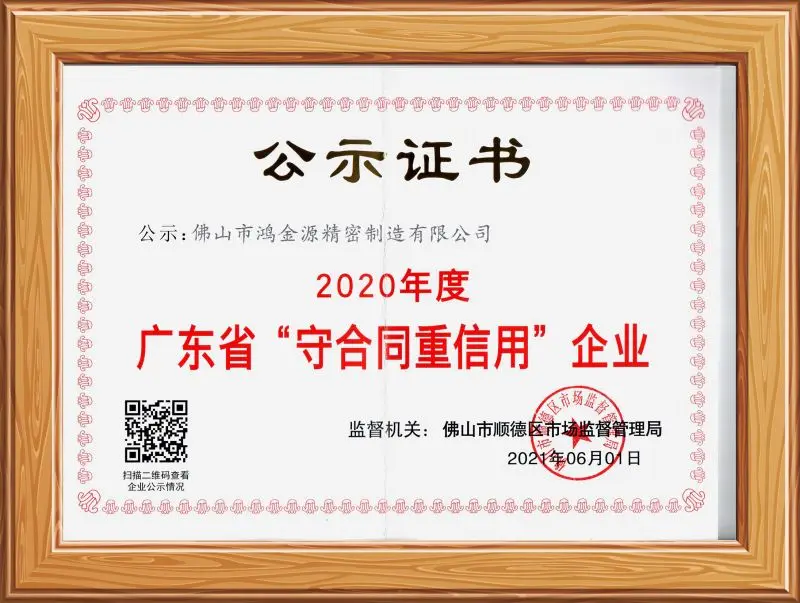
ISO9001, ISO14001, 45001, GRS, and RCV certified. The GRS and RCV certifications verify environmental compliance and meet current European environmental regulations. We have also received awards and honors for clean production, credit rating, and technology development from municipal, provincial, and national government organizations. Some of our key certificates are shown below:
For standard extrusions, we follow EN 755-9 specifications. For high-precision requirements, we can align production with the EN 12020-2 standard, maintaining cross-sectional dimensional tolerances as tight as ±0.15mm and flatness control down to ±0.1mm, depending on the profile shape and design complexity.
By managing the melting process in-house, we can control the chemistry of the alloy. We reduce impurity content (such as excess iron, copper, or zinc) below standard limits. This control improves mechanical properties and helps achieve a consistent surface finish during clear and color anodizing.
The Global Recycled Standard (GRS) and Recycled Content Verification (RCV) provide third-party verification of the recycled content in our aluminum extrusions. This documentation is used by buyers to support environmental declarations, meet carbon boundary regulations, and comply with EU REACH requirements.
For outdoor or high-moisture environments, we suggest architectural-grade powder coating (tested for salt spray resistance up to 1000 hours) or a hard-coat clear anodizing process with a minimum thickness of 15 microns. This thickness helps protect the aluminum profile from atmospheric corrosion and wear.
 HG Precision