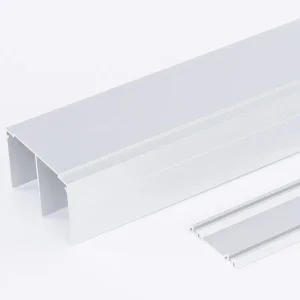
Explore our premium range of CNC-machined, extruded, and surface-treated aluminum parts designed for structural integrity and high aesthetic fidelity.
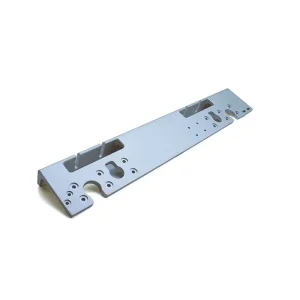
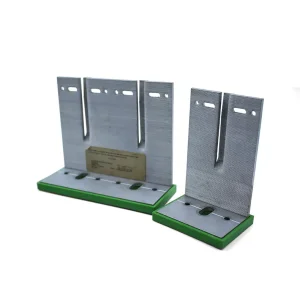
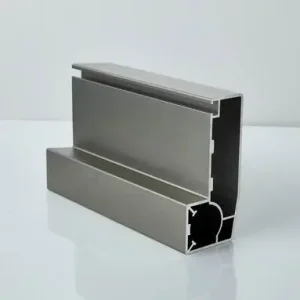
The global manufacturing ecosystem is witnessing an unprecedented transition toward lightweight, structurally optimized materials. Aluminum alloys—valued for their exceptional strength-to-weight ratio, native corrosion resistance, high thermal conductivity, and infinite recyclability—have transitioned from simple raw materials to structural foundations in advanced engineering. High-precision CNC machining is the definitive mechanism that enables these alloys to satisfy the micron-level tolerance specifications demanded by high-velocity aerospace systems, automotive electrification, high-speed rail lines, and miniaturized consumer electronics.
As micro-tolerances (+/- 0.005mm) become standard in multi-axis machining, the reliance on advanced CAD/CAM processes, thermal compensation systems during milling, and raw material purity has accelerated. Leading industrial nations are decoupling their supply chains from raw extrusion processes, opting instead for integrated suppliers capable of executing casting, extrusion, precision machining, and chemical surface passivation under a single quality control loop. This reduces spatial transport deformation, optimizes microstructural integrity, and drastically decreases the lead-time variance of critical mechanical assemblies.
From an optimization perspective, several macro trends are transforming the industry:
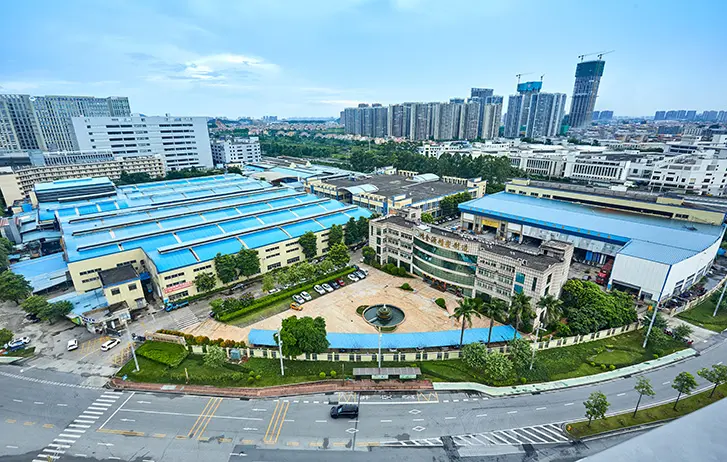
Established in 1991, Foshan Golden Source Precision Manufacturing Co., Ltd has cemented its authority as an industry-leading, professional manufacturer of high-strength, high-precision, customized aluminum profiles and precise machining aluminum components, welded structural assemblies, and multi-component assembled systems.
Spanning a state-of-the-art, ecologically optimized production complex covering over 73,000 square meters, our facilities represent the pinnacle of integrated manufacturing. Unlike traditional job shops, we deploy a true one-stop industrial service loop designed to eliminate supply chain friction:
A granular look at the mechanical configurations, chemistry modifications, and tolerances driving high-performance aluminum components.
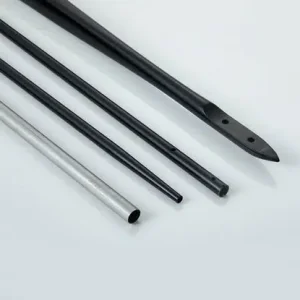
Whether utilizing the extreme tensile strength of the copper-rich 7075 series for structural climbing poles, the exceptional balance of corrosion resistance and formability found in the magnesium-silicon-based 6XXX series, or the electrical conductivity of the 1XXX/3XXX series, we guarantee chemically validated inputs directly from our casting shop.
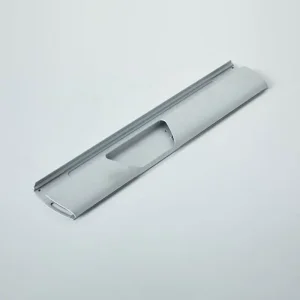
Aluminum exhibits isotropic mechanical changes when subjected to extreme heat during standard machining. Our CNC programming uses multi-stage toolpaths combined with localized flood coolant systems to control residual stress, ensuring zero bowing or dimensional drift on critical parts like large-format mirror frames and sliding door rails.
Equipped with state-of-the-art metrology labs housing Coordinate Measuring Machines (CMM), optical comparators, and digital thickness gauges, our engineering team monitors tolerances at every stage. From extrusion die rheology to post-anodizing thread integrity, every component is traced and logged.
In response to the global pressure for net-zero carbon footprints, our technical roadmap focuses heavily on secondary aluminum refinement and chemical energy reduction. Modern automotive structures and smart appliance housings require alloys with increased post-consumer content. Traditionally, recycled aluminum suffered from iron and silicon contamination, which compromised anodizing quality, yielding cloudy finishes. Our R&D department has successfully formulated specialized casting flux recipes that isolate tramp elements, delivering a raw billet structure with optical anodizing clarity comparable to virgin alloy.
Concurrently, we are transitioning our CNC milling centers to dynamic high-efficiency trochoidal toolpaths. This strategy minimizes tool radial engagement, reduces local friction heating, and increases overall tool life by 300%. This translates directly into lower part costs and superior surface finish consistency across mass production runs.
Engineered solutions tailored to the stringent environmental, structural, and performance constraints of diverse global markets.
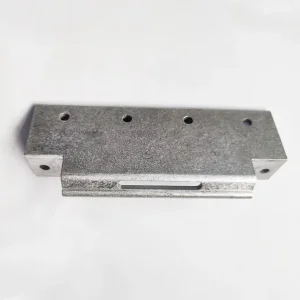
Our CNC-machined structural parts (e.g., hanging kits for metro train doors in 6063-T6 alloy) meet strict high-speed rail safety metrics. These parts offer high fatigue limits, precise hole alignments for smooth rail motion, and strict chemical salt-spray resistance via high-thickness clear anodization.
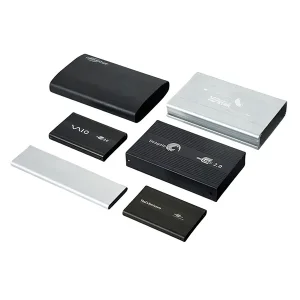
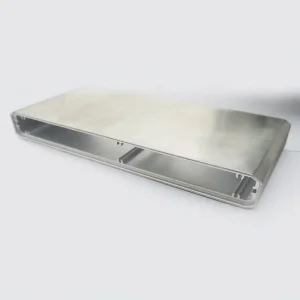
From CNC-milled aluminum roller mouse boxes to micro-tolerance cases for laser printers and external hard drive enclosures, we supply parts with excellent cosmetic finishes (including sandblasted champagne, silver, and custom colored anodizing) and electromagnetic shielding (EMI) properties.
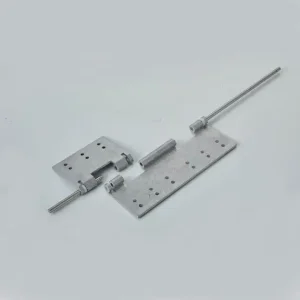
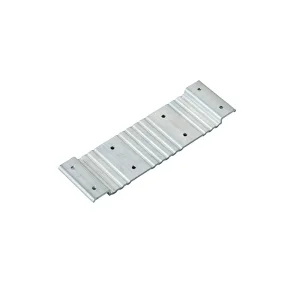
Heavy-duty window frames, structural curtain wall angle brackets, skylight hinges, and glass door profiles for premium shower rooms. These applications require strict dimensional stability over long spans and durable mechanical joints that withstand high load cycles.
Meeting the strict environmental and quality governance requirements of international supply chains.
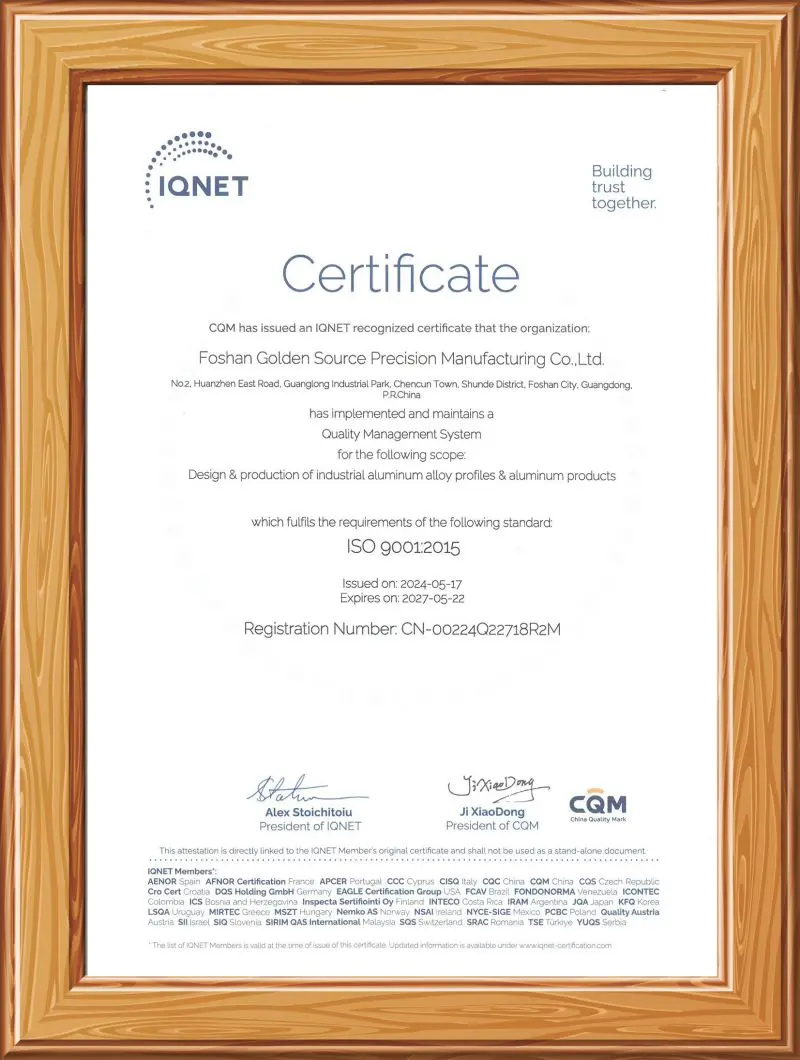
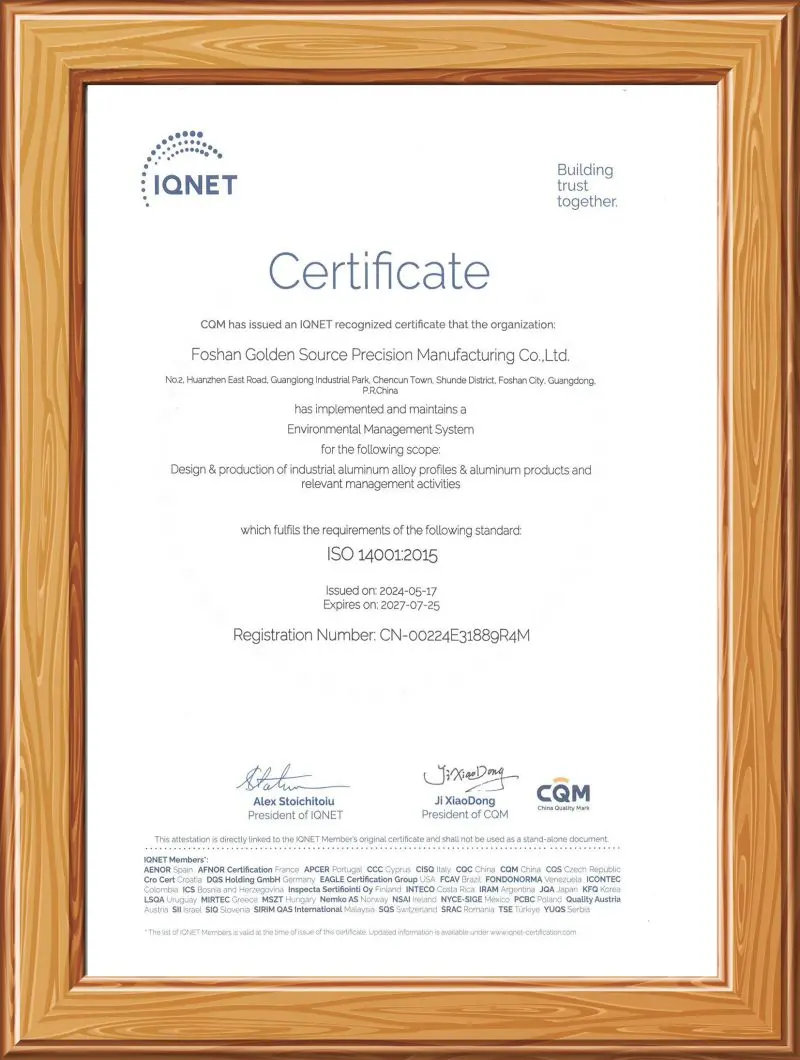
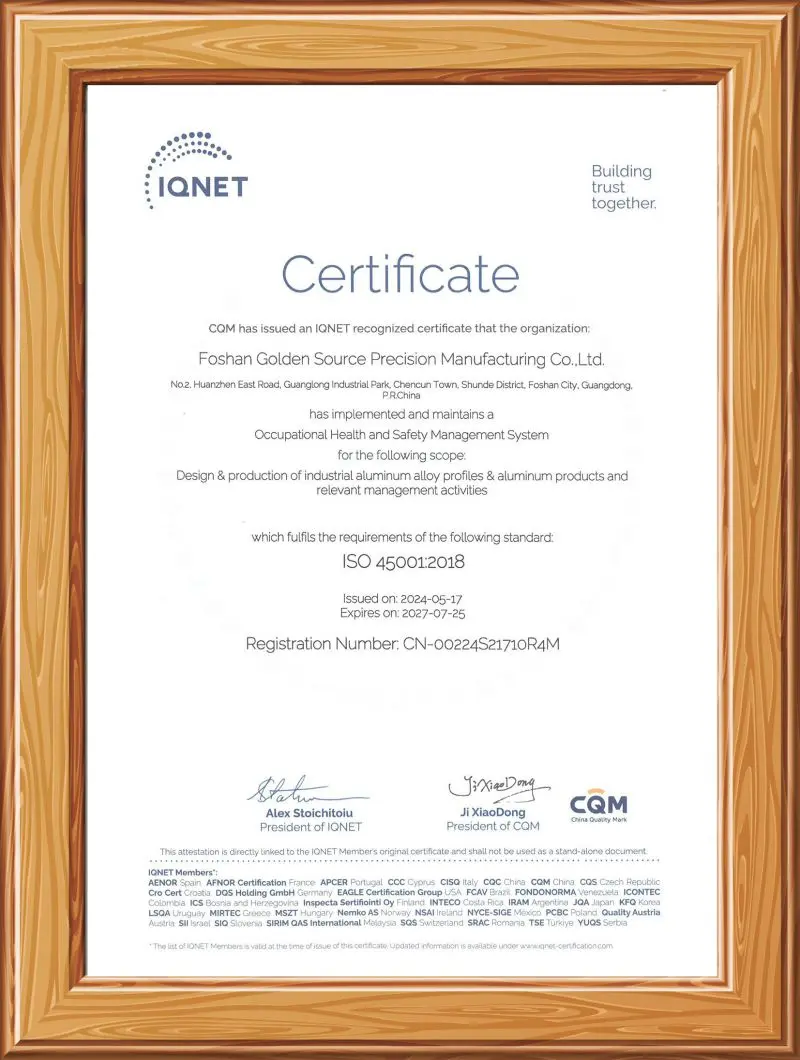
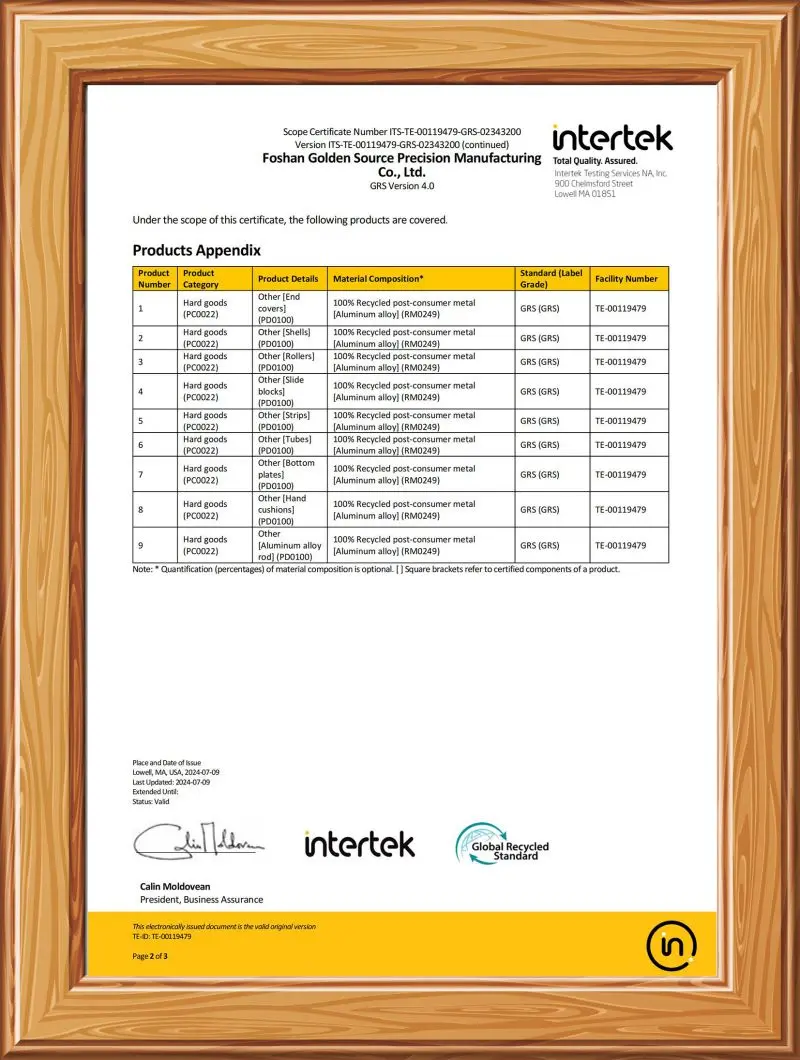
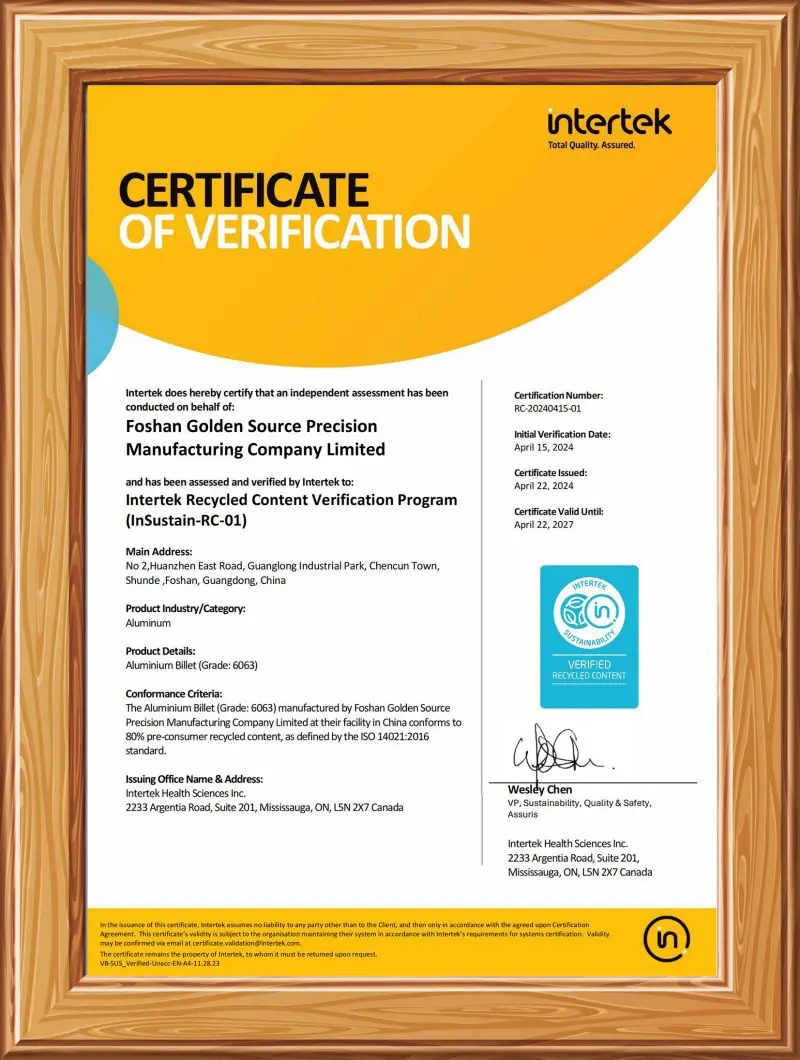
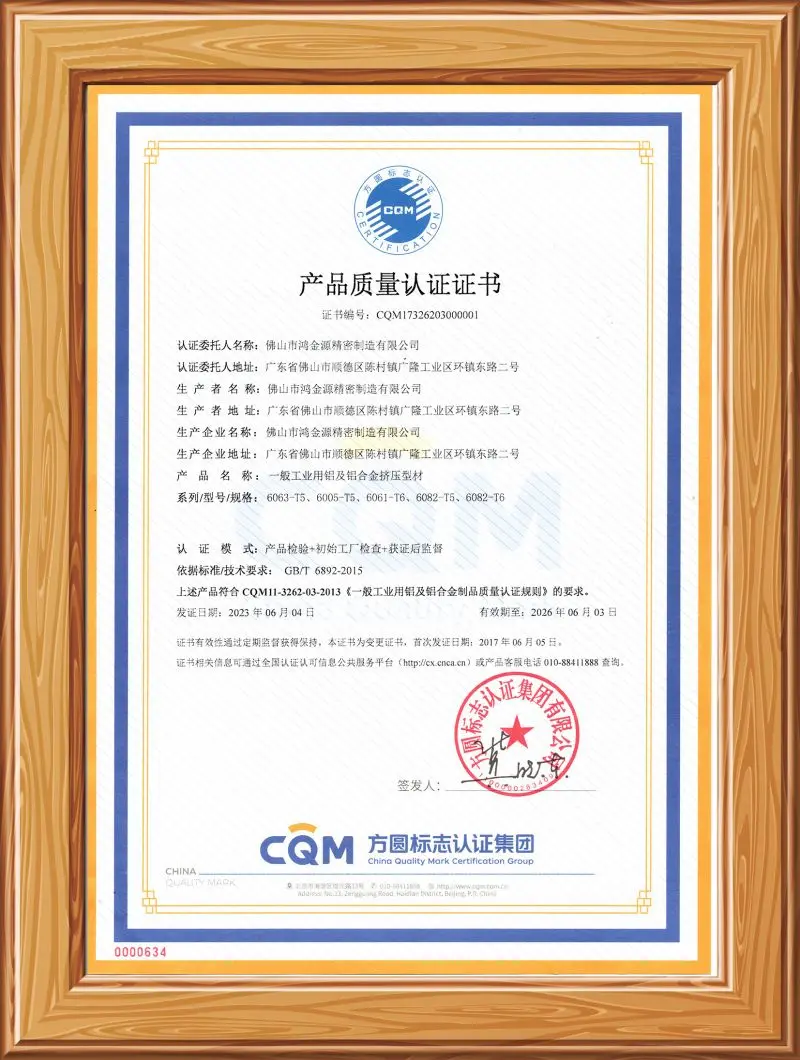
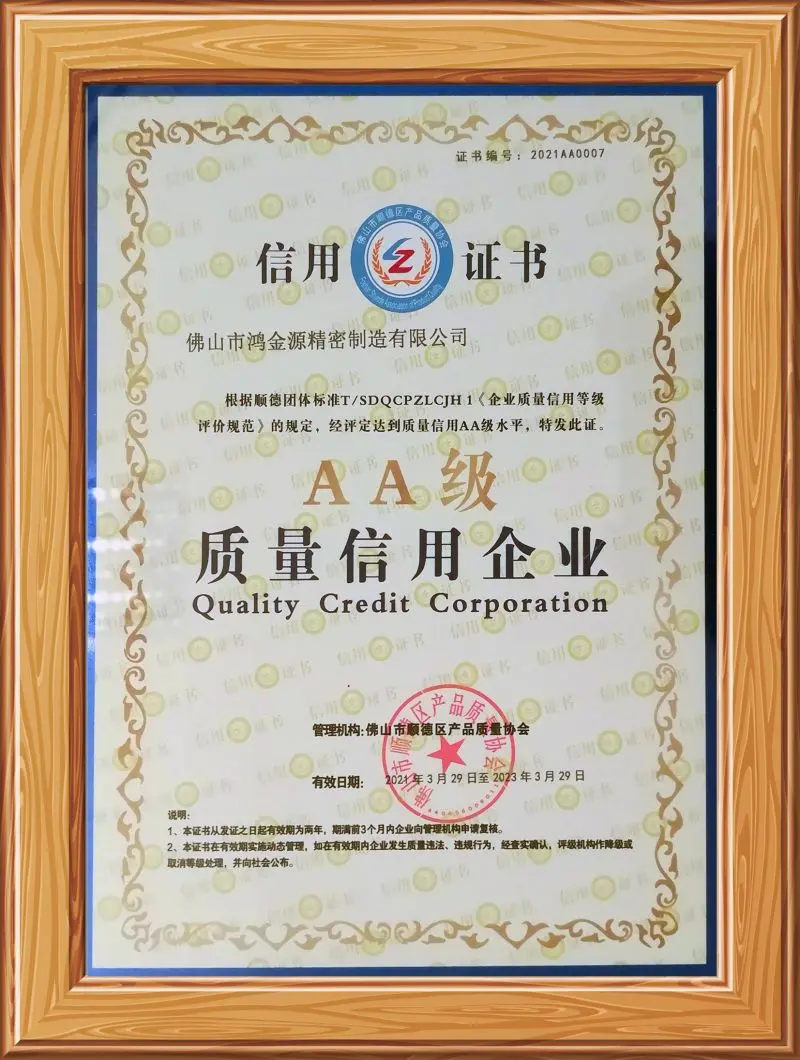
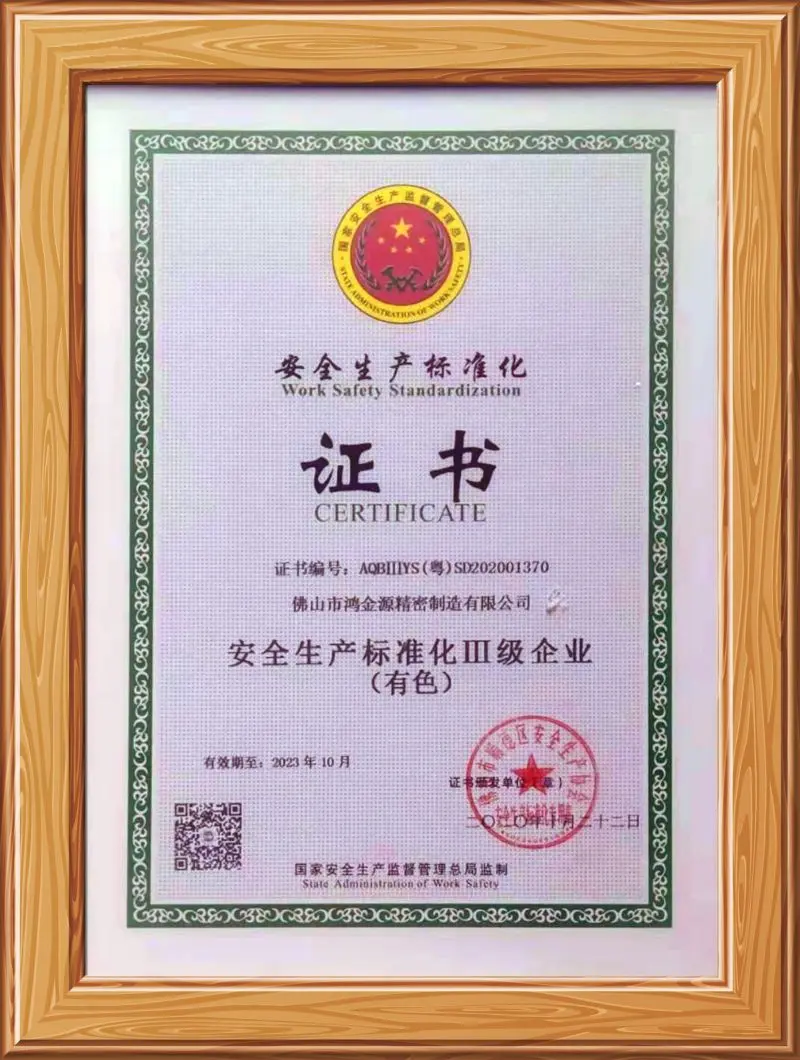
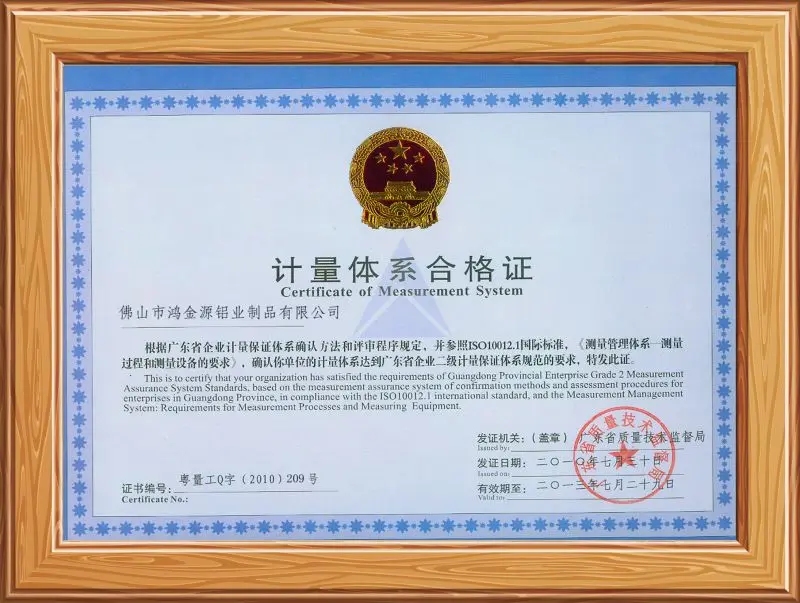
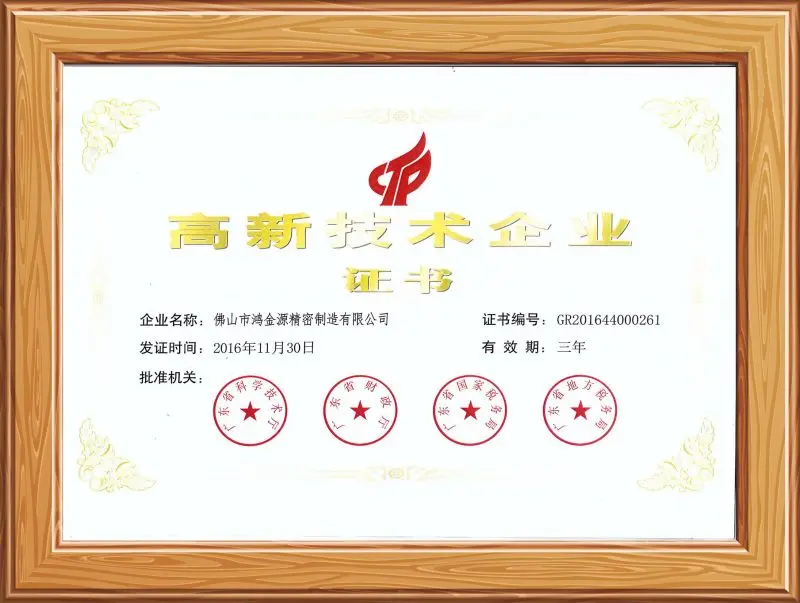
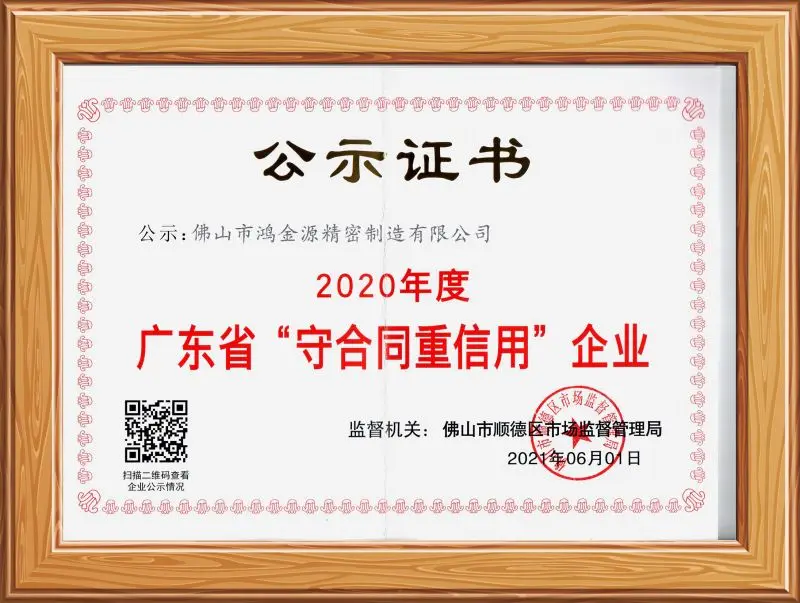
Our quality system is verified across key regulatory disciplines. We hold active certifications for ISO9001 (Quality Management System), ISO14001 (Environmental Management System), and ISO45001 (Occupational Health & Safety). Crucially, to meet the European Union's updated chemical safety and circular usage protocols, we are certified under both GRS (Global Recycled Standard) and RCV (Recycled Content Value). This guarantees that all inputs comply fully with EU REACH and RoHS regulations.
Direct technical answers from our Senior Metallurgical & Quality Control Director.
For standard production runs, we maintain linear tolerances of ±0.02 mm. Depending on geometry and feature requirements (such as bearing bores or locating pins), we can achieve precision down to ±0.005 mm using advanced jig fixtures, temperature-compensated spindle modules, and high-quality carbide tooling.
In-house casting allows us to control the chemical trace elements (like iron and silicon levels) of our billets. This prevents micro-cracking and ensures uniform grain flow during extrusion, resulting in a predictable yield strength. It also guarantees a uniform surface structure that responds well to cosmetic anodizing, while eliminating external billet transport costs.
The Global Recycled Standard (GRS) and Recycled Content Value (RCV) verify the percentage of recycled aluminum used in our alloys. This helps international buyers meet scope 3 carbon reduction targets, qualify for green building projects, and comply with EU REACH regulations.
For structural outdoor applications (like curtain walls or skylight hinges), we recommend high-thickness clear or bronze hard anodizing (15-25 microns) to resist UV degradation and moisture. For consumer electronics (such as mouse boxes or printer frames), we suggest fine glass bead blasting followed by decorative anodizing (8-12 microns), which delivers a premium matte finish while maintaining electrical grounding properties.
Optimize your project's supply chain, material performance, and cost structure. Contact our technical team today for a comprehensive feasibility and design-for-manufacturability (DFM) review.
Request an Engineering QuotationDiscover more of our specialized manufacturing offerings, developed for high-end applications worldwide.
 HG Precision