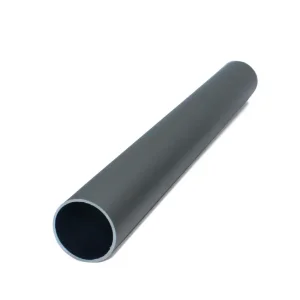
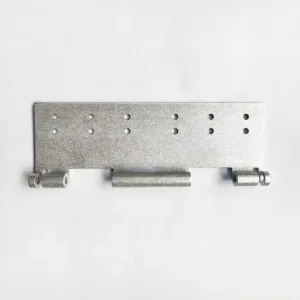
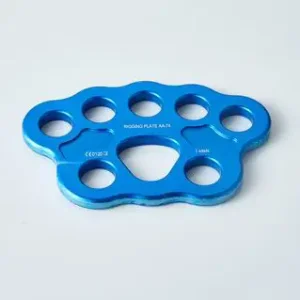
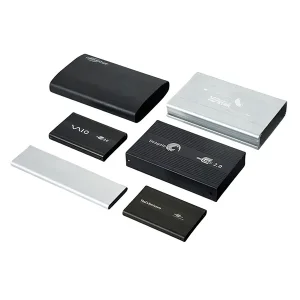
High-precision aluminum custom profiles and structural sub-assemblies for modern doors, enclosures, and structural fittings.
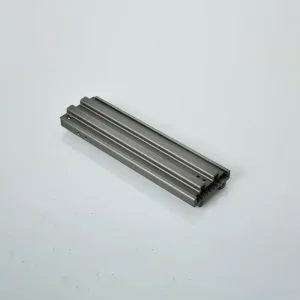
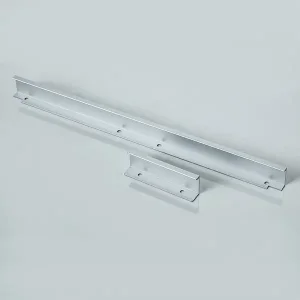
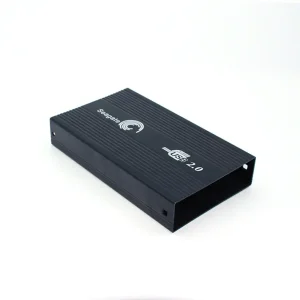
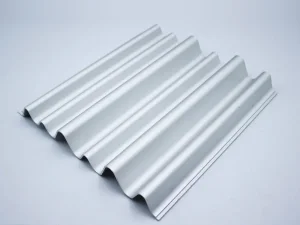
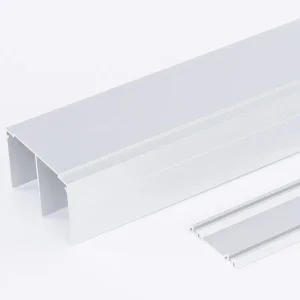
The global construction and architectural hardware landscapes are undergoing a profound transformation. Driven by stringent international energy efficiency targets, structural performance demands, and the rapid rise of modern minimalist aesthetics, custom door aluminum profiles have evolved from simple aesthetic cladding into critical structural and functional engineering components. Today's commercial buildings, high-end residential estates, and industrial complexes demand door frame designs that incorporate complex thermal break technologies, acoustic barriers, and integrated smart lock channels, while maintaining low carbon footprints.
For procurement officers, structural designers, and developers, choosing the right manufacturing partner involves analyzing capabilities far beyond simple extrusion presses. High-performance aluminum profiles must satisfy strict material parameters, mechanical behaviors, and surface coatings to prevent degradation in harsh coastal environments or under heavy structural load. This whitepaper analyzes the engineering design frameworks, alloy selection strategies, and advanced manufacturing processes essential for developing robust aluminum door assemblies.
Foshan Golden Source Precision Manufacturing Co., Ltd, established in 1991, is a professional manufacturer of high-strength, high-precision, customized aluminum profiles and precise machining aluminum parts, welded parts, and assembled aluminum products.
With a modern and environmentally friendly production base covering an area of over 73,000 square meters, the company offers a comprehensive one-stop service, including alloy casting, mold research & design & building, aluminum extruding, precise machining, welding, assembly, and surface treatment.
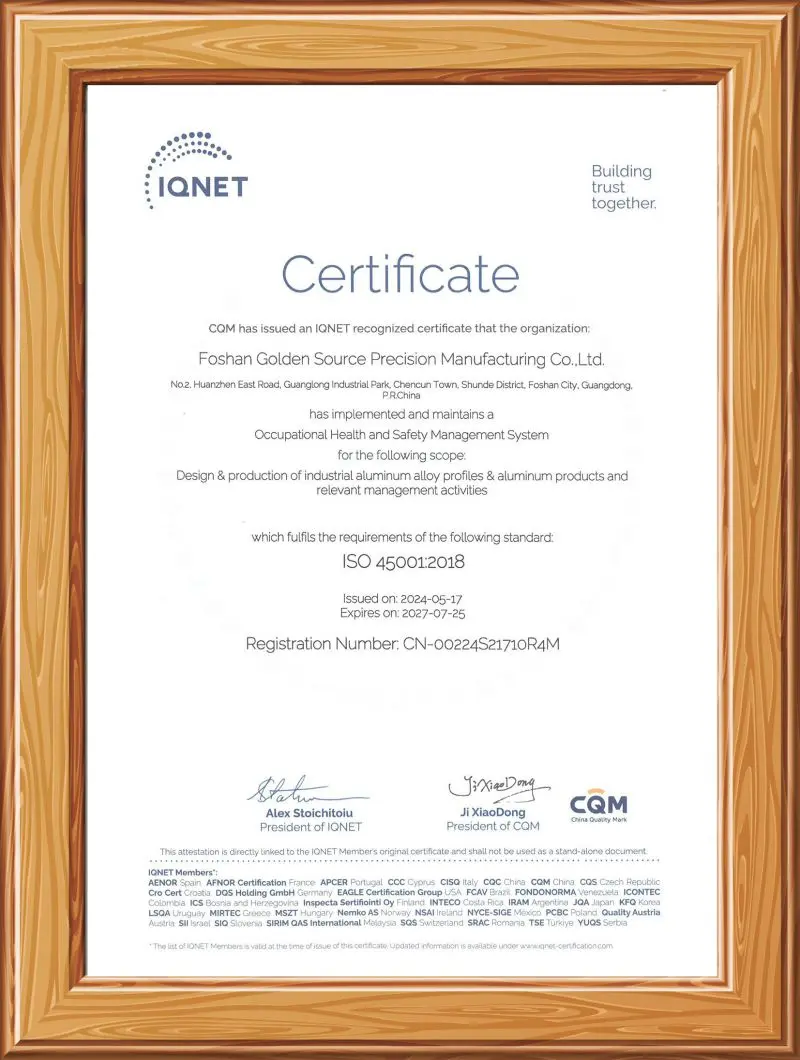
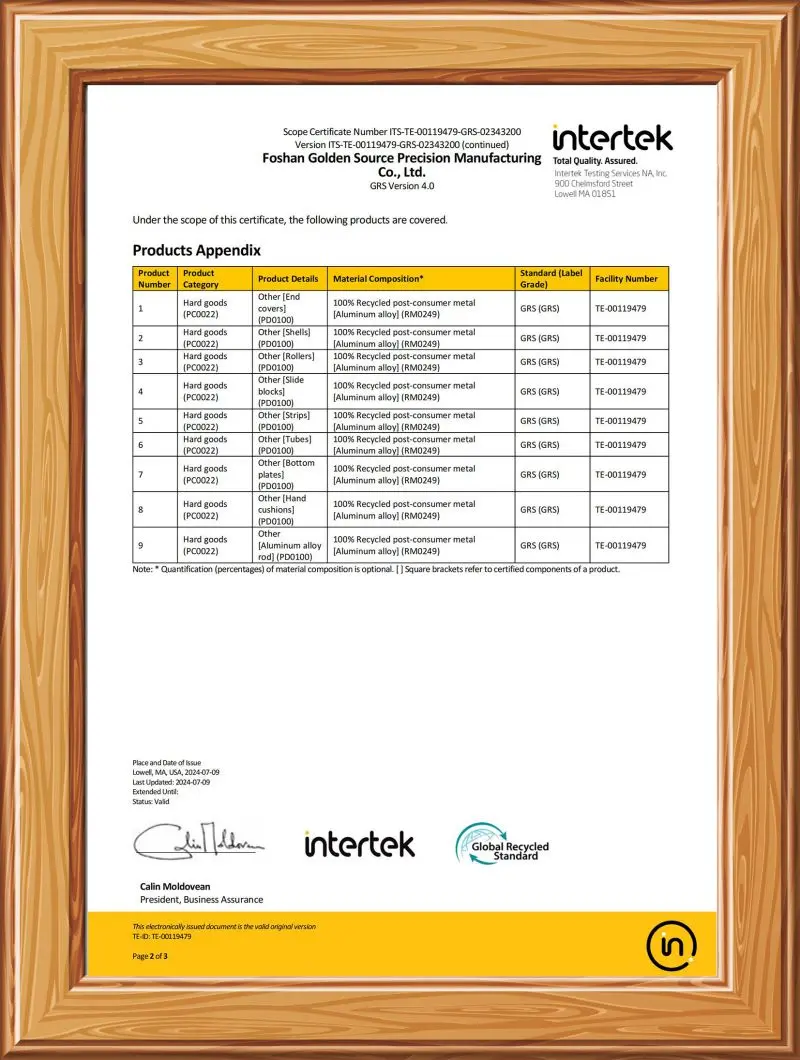
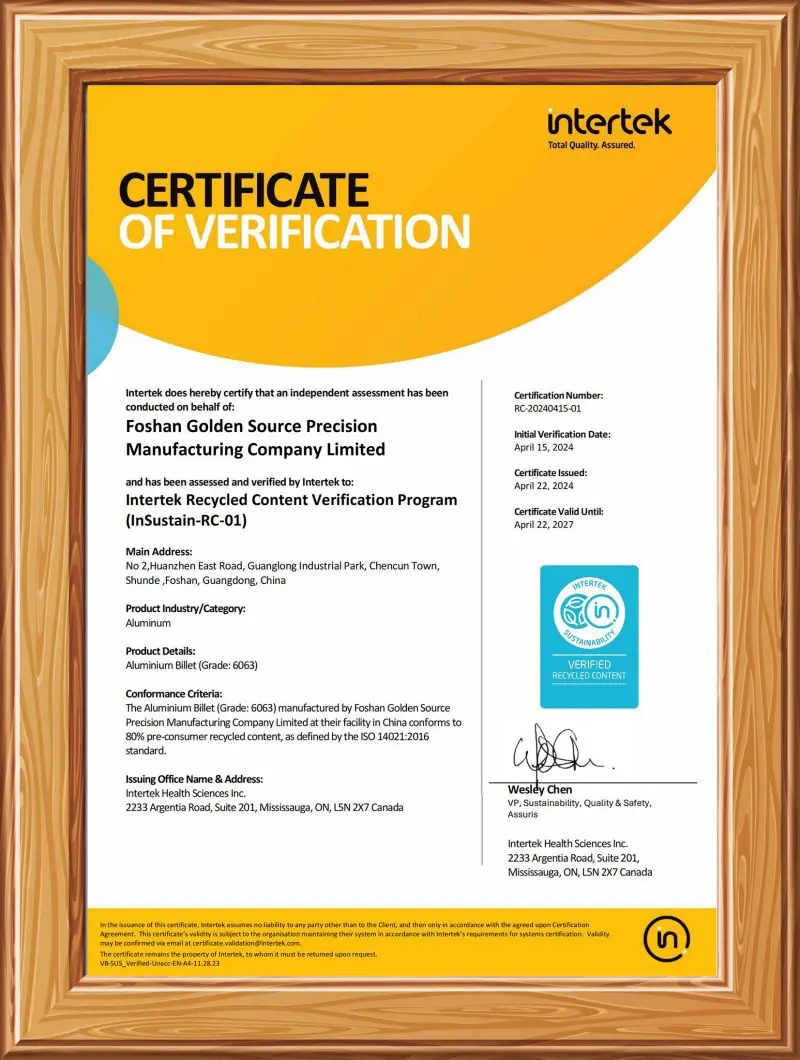
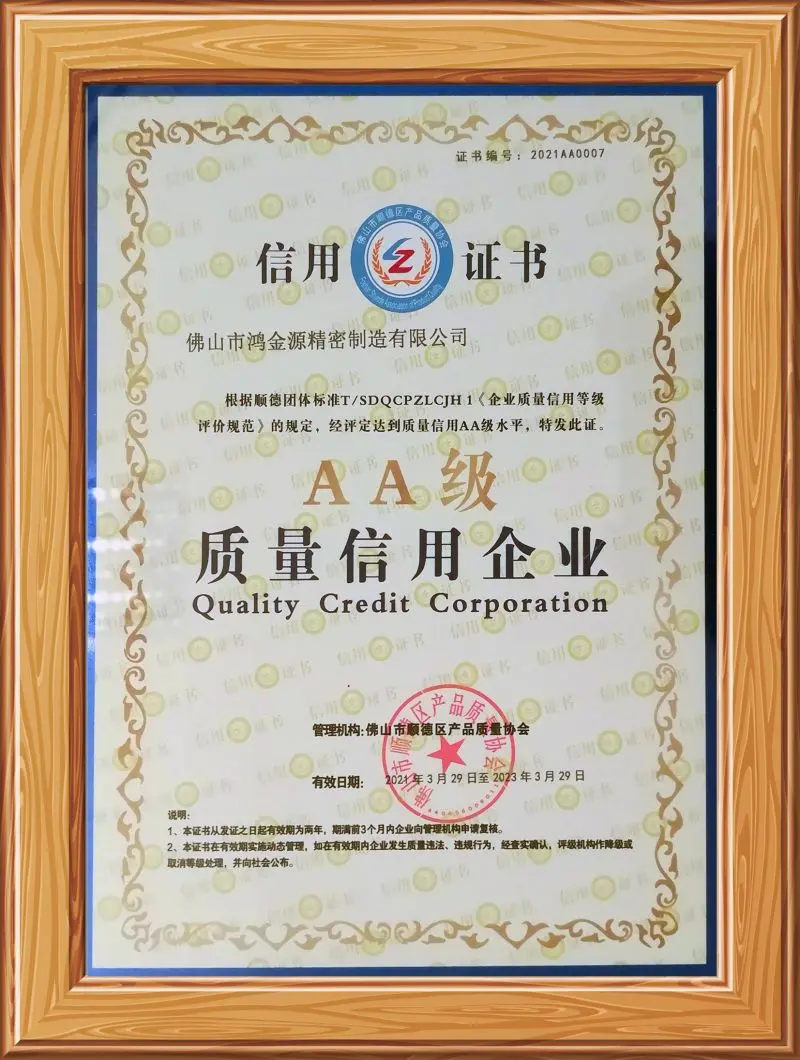
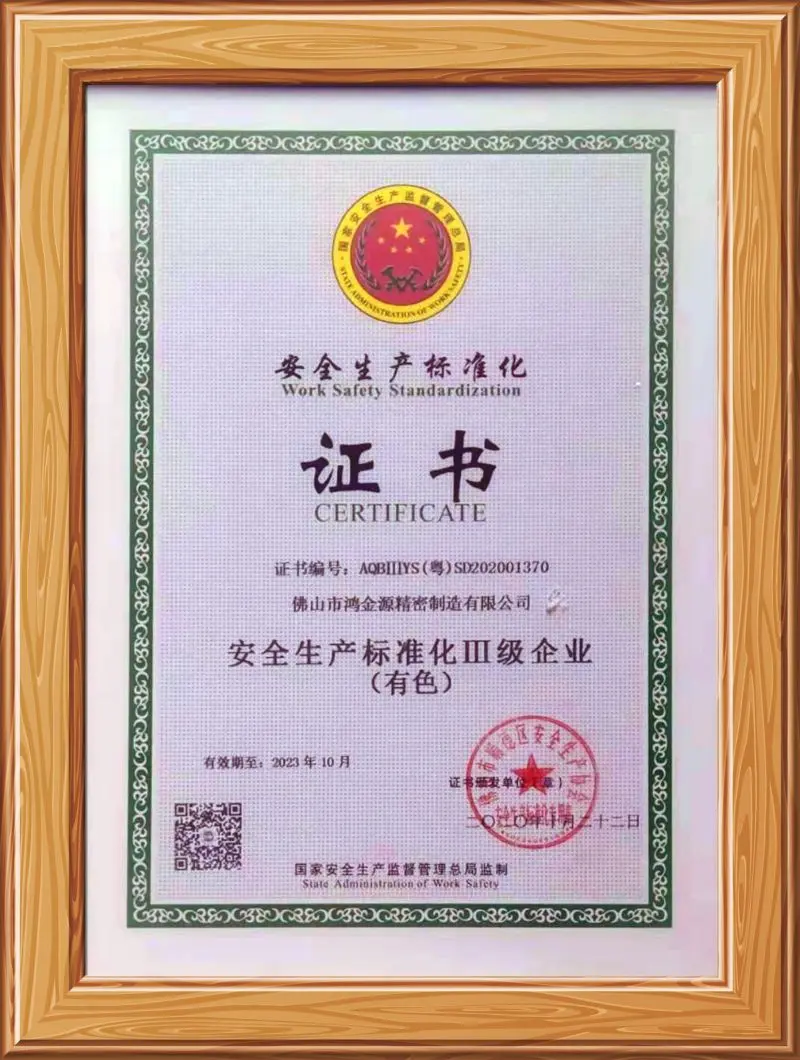
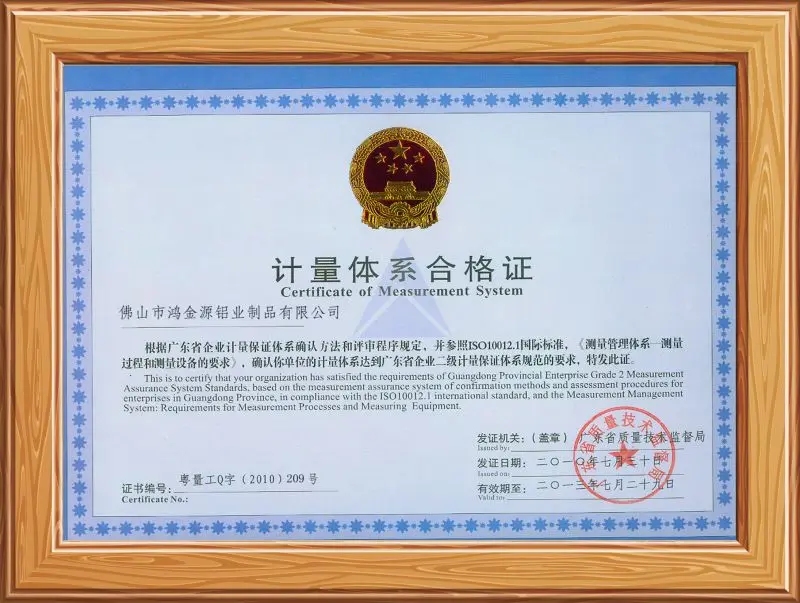
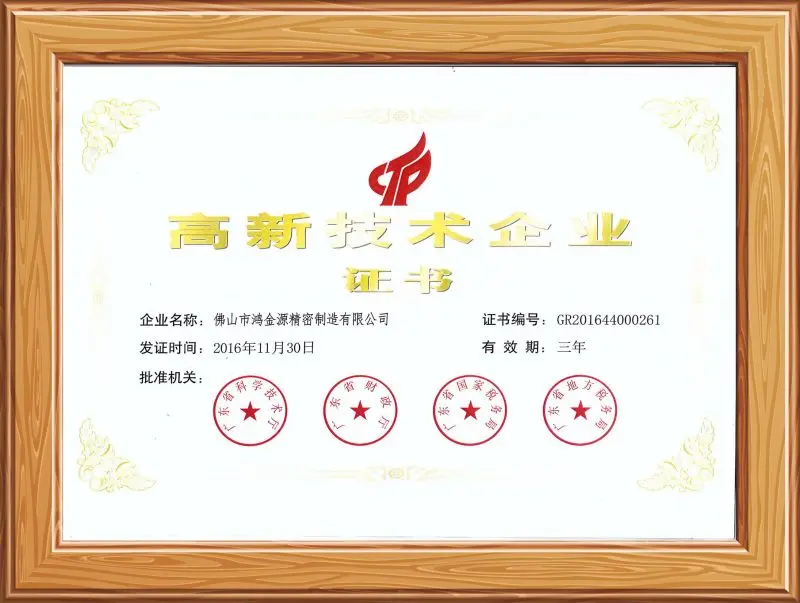
The company holds certifications such as ISO9001, ISO14001, ISO45001, RCV, and GRS, ensuring that its products comply with the environmental requirements of the EU’s REACH regulation. A wide range of aluminum alloy series are available, including: 1XXX, 3XXX, 5XXX, 6XXX, 7XXX alloy, which allow us to meet different demands of various industries and fields, including hardware tools, 3C products, automobile, railway, furniture, decoration, and outdoor products.
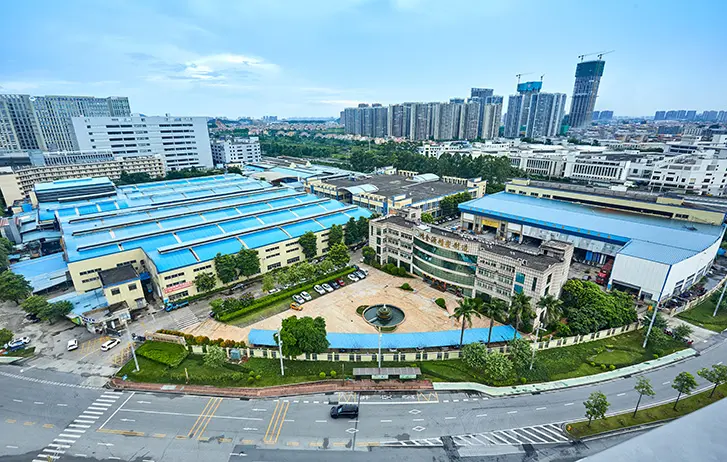
How Foshan Golden Source delivers superior mechanical performance and design precision to the global market.
We melt and refine the alloy in-house, enabling us to adjust chemical compositions to achieve the best physical properties of extrusion profiles. This precise metallurgical control yields high purity alloys that perform excellently during high-quality anodizing and surface finishing processes.
With precise CNC machining, component welding, and advanced surface finishing done completely in-house, we eliminate outsourced supply chain risks. Even when matched against competitive pricing, our centralized processing ensures superior dimensional tolerances and surface finishes.
Our unified "One-stop" manufacturing workflow shortens lead times, moving projects quickly from raw ingot through precision tooling design to completed, custom-surface-finished structural profiles.
Selecting the optimal aluminum alloy is crucial for long-term structural integrity and performance. Different architectural components require distinct mechanical properties. Our engineering team specializes in tailoring chemistry within the following families:
The gold standard for architectural door extrusions. Offers excellent surface finish characteristics, high corrosion resistance, and good workability. Commonly heat-treated to T5 or T6 tempers to achieve optimal yield strength.
Optimized for heavy-duty structural frames, hinges, and industrial door assemblies. Provides significantly higher tensile strength and yield point than 6063, making it ideal for structural connector blocks and structural load-bearing tracks.
Utilized in highly stressed security fixtures, connector clips, and precision outdoor accessories. 7075-T6 offers high mechanical yield strength, comparable to many structural steels, but with the lightweight benefits of aluminum.
During the extrusion process, grain boundary control is critical. Our in-house casting facilities utilize electromagnetic stirring and advanced degassing systems to reduce trace impurities. This process prevents surface defects during subsequent anodizing treatments, such as *sky grey*, *bronze*, or *clear anodizing*, and minimizes surface micro-tears during high-speed extrusion cycles.
Answering the complex demands of commercial real estate developers, window/door fabricators, and hardware OEMs.
International environmental regulations now require building products to carry verified carbon footprints. With our GRS (Global Recycled Standard) certification, we process post-consumer and industrial aluminum scrap back into structural-grade alloys. This path allows global buyers to lower their Scope 3 greenhouse gas emissions without sacrificing physical property specifications.
To reduce thermal conduction through exterior doors, we manufacture custom profiles designed for high-density polyurethane thermal break insertion. These composite profiles drastically lower heat transfer coefficient values, helping buildings satisfy LEED certification standards and local building energy codes.
Doors exposed to ocean spray or atmospheric pollutants require specialized protection. Our chemical anodizing and powder-coating technologies produce oxide layers thicker than 15-20 microns. These coatings resist pitting, UV degradation, and fading, ensuring the structural profiles remain functionally and visually sound for decades.
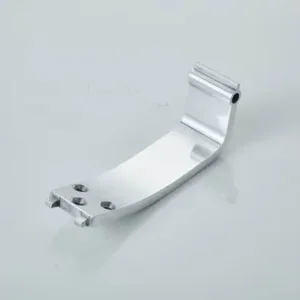
Standard raw profiles require downstream machining, which increases manufacturing costs. We supply prefabricated profiles featuring CNC milled lock pockets, wire channels, and hinge recesses. By shipping fully machined, installation-ready profiles, we lower on-site assembly costs for door manufacturers.
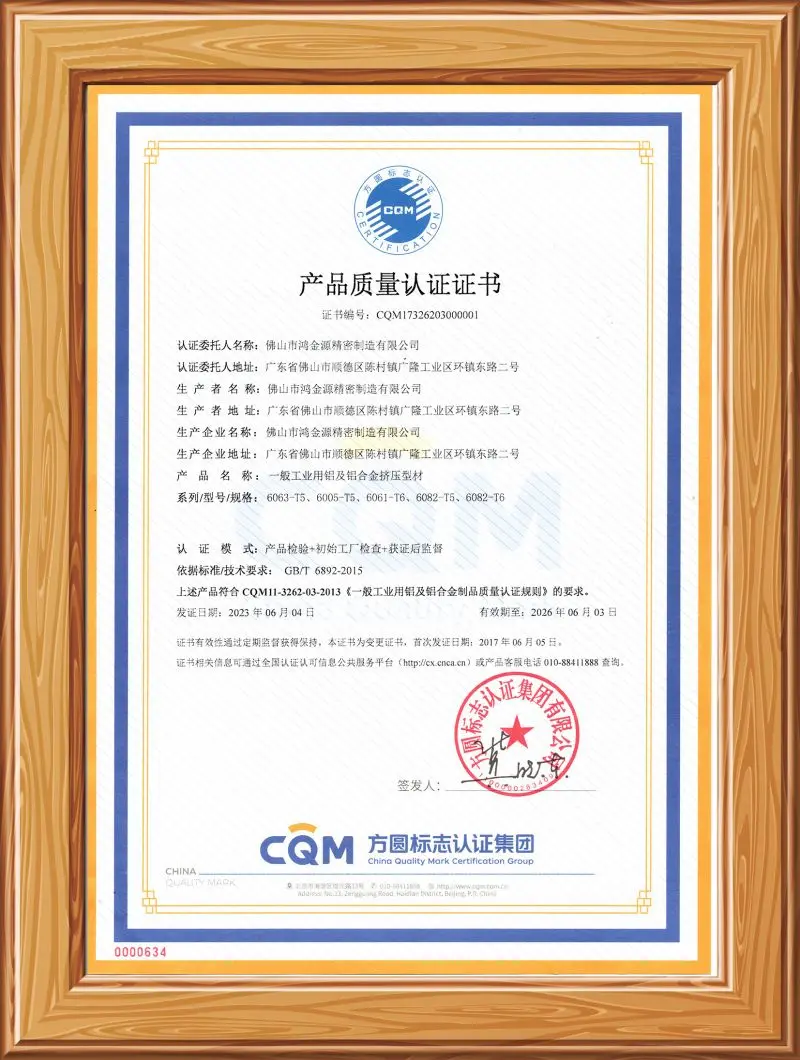
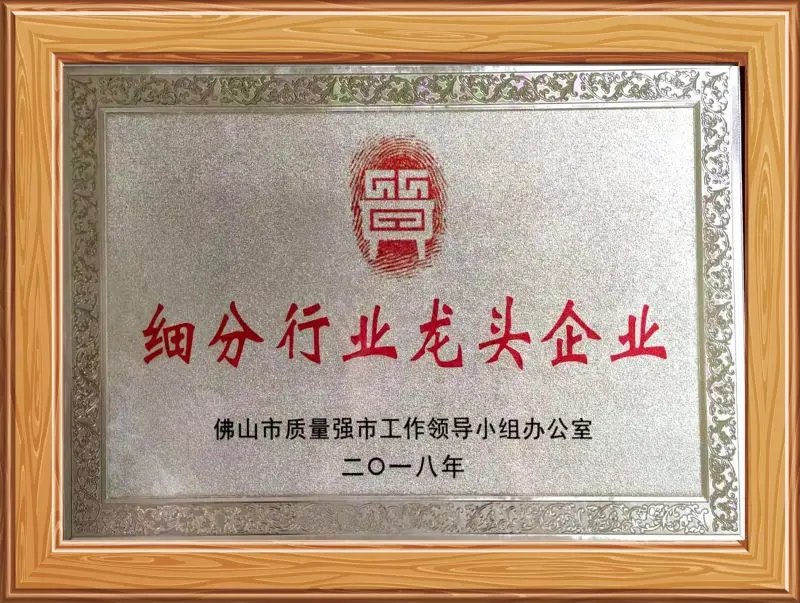
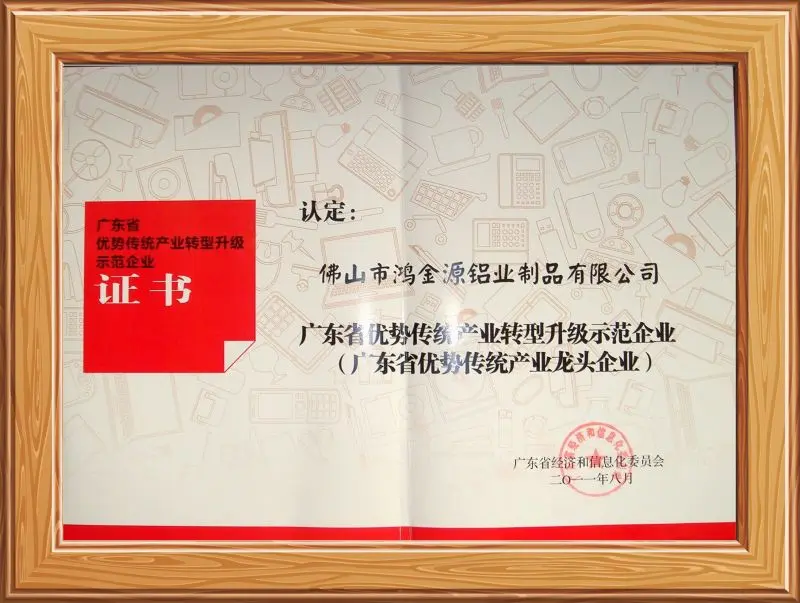
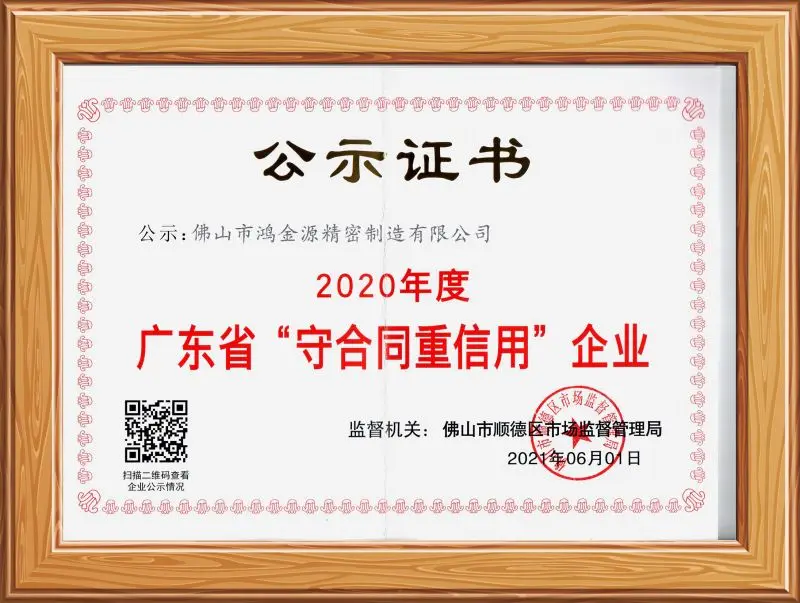
Foshan Golden Source meets global environmental and quality management standards, including ISO 9001, ISO 14001, ISO 45001, GRS, and RCV certifications.
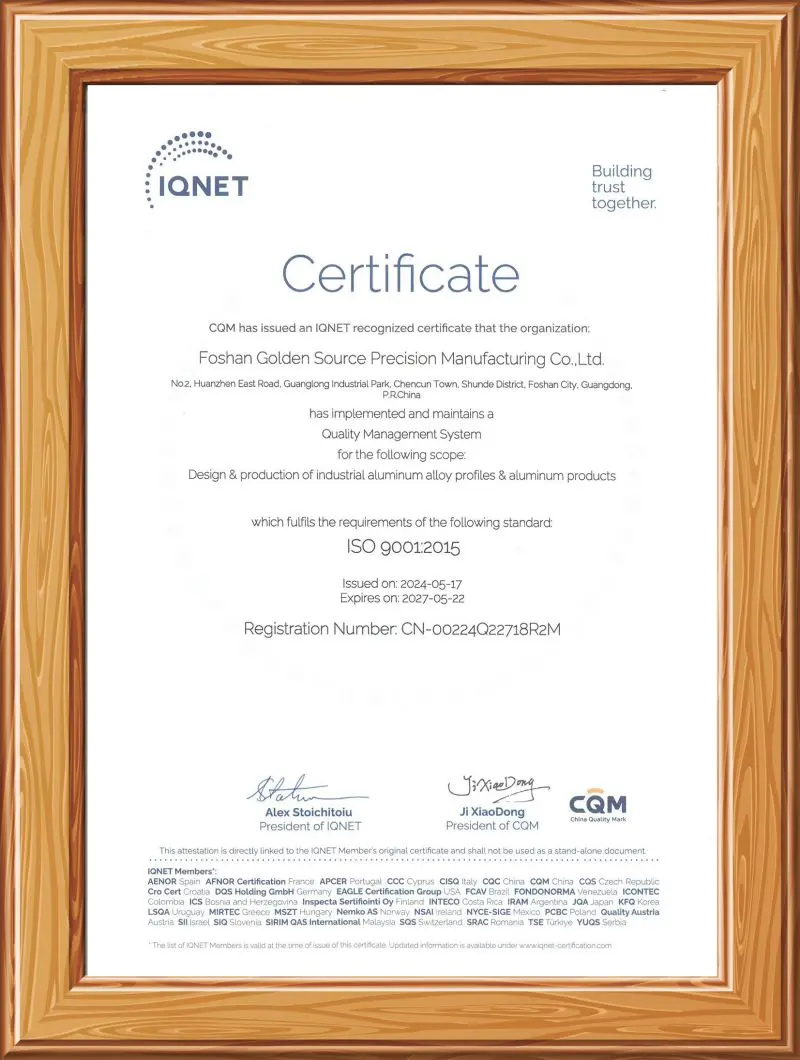
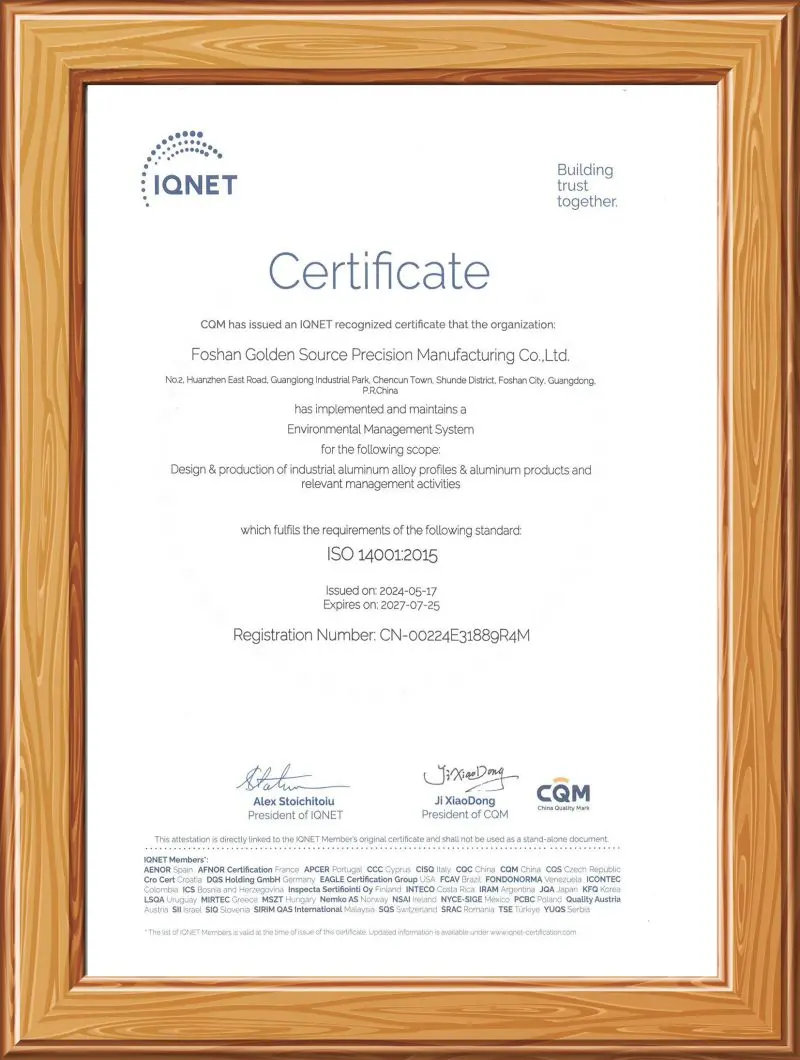
As architectural requirements evolve towards zero-energy buildings (ZEB) and smarter living, the requirements for custom door extrusions continue to rise. Our strategic engineering development plans target key improvements in several core processing areas:
Technical answers to key structural design and procurement questions.
6063-T5 provides an outstanding balance of mechanical properties and surface finish. It extrudes cleanly, enabling complex hollow shapes, and is ideal for clear, bronze, or colored anodizing. 6061-T6 alloy delivers higher yield and tensile strengths but is harder to extrude in complex, thin-walled shapes. It is usually reserved for structural connectors, structural hinges, and internal locking frames where load-bearing capacity is the main requirement.
GRS (Global Recycled Standard) and RCV (Recycled Content Verification) confirm that our manufacturing process tracks and incorporates recycled material. This documentation allows developers to secure LEED MR credits, satisfy environmental regulations, and lower the embodied carbon footprint of the project.
For coastal environments, we recommend a Class I anodized finish with a minimum film thickness of 15 to 25 microns (0.7 mil or higher). This protective layer prevents filiform and pitting corrosion caused by atmospheric chlorides and salt spray.
Yes. Our in-house mold research and manufacturing division designs complex extrusion dies. We optimize structural ribbing within the hollow cavities to increase twist resistance and structural stability without adding unnecessary weight to the profile.
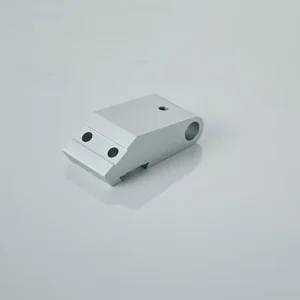
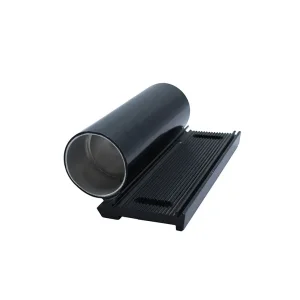
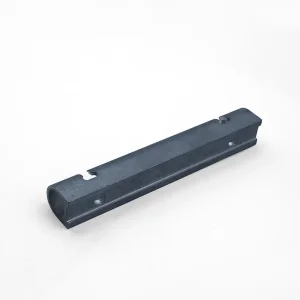
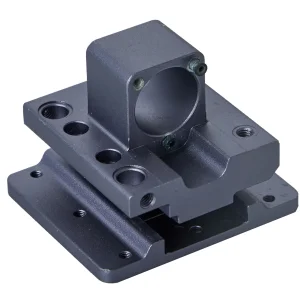
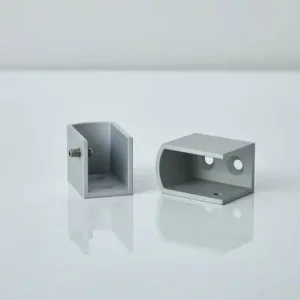
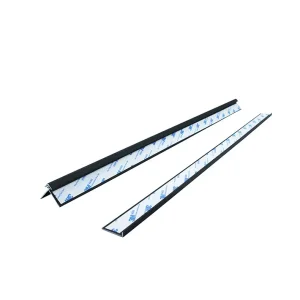
Explore our precise CNC machined parts, structural connector blocks, and finished aluminum profiles.
 HG Precision