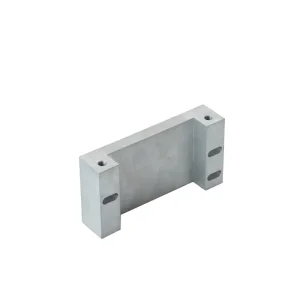
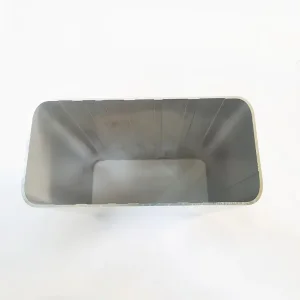
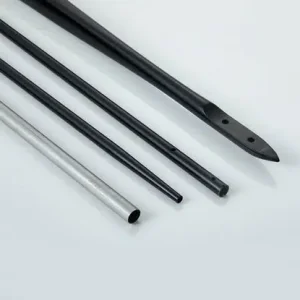
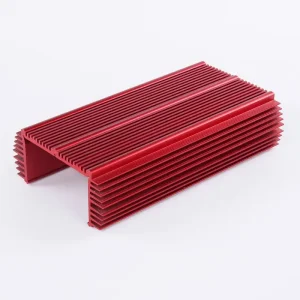
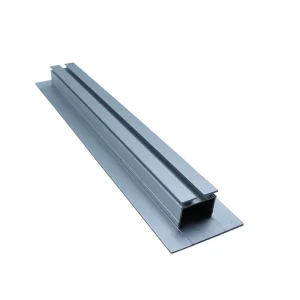
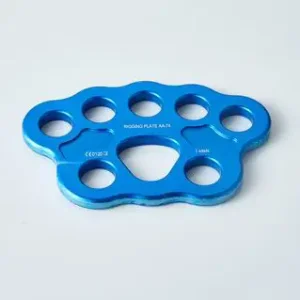
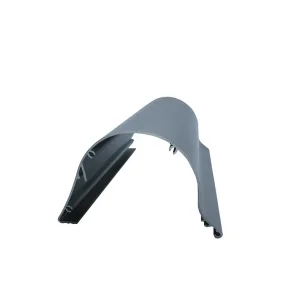
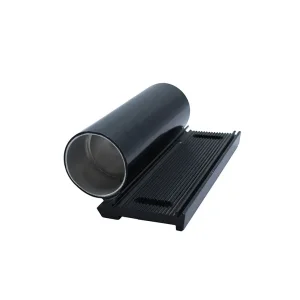
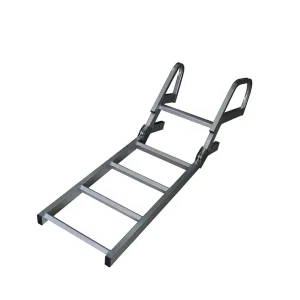
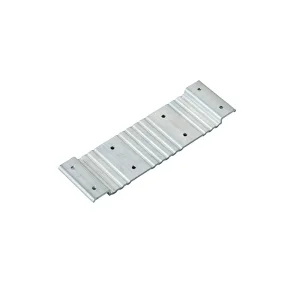
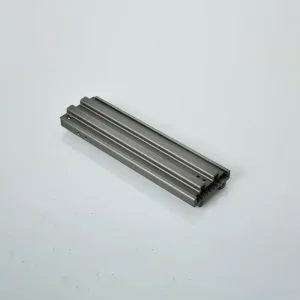
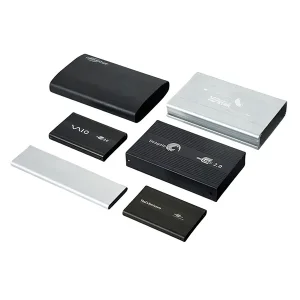
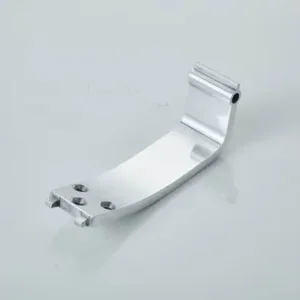
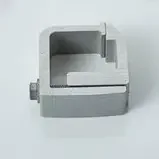
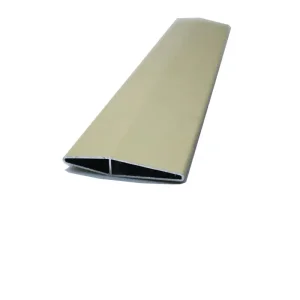
Explore our core custom industrial manufacturing and precision-machined portfolio engineered for structural load and aesthetics.
Foshan Golden Source Precision Manufacturing Co., Ltd., established in 1991, has evolved into a premier manufacturer specializing in high-strength, high-precision customized aluminum profiles, structural components, and precision CNC parts. For more than three decades, we have partnered with global contractors, architects, developers, and distributors to engineer and deliver modular, structural-grade aluminum railing systems for residential and commercial decks.
Spanning a state-of-the-art, eco-conscious manufacturing facility of over 73,000 square meters, we control the entire lifecycle of our production. From raw alloy chemical composition modification during casting to advanced structural mold engineering, precise CNC milling, complex welding configurations, structural assembly, and high-durability surface coatings, our one-stop integration guarantees unparalleled product consistency and cost efficiency.
Holding globally recognized standards such as ISO9001, ISO14001, ISO45001, RCV, and GRS (Global Recycled Standard), we are committed to sustainable engineering. Our products align strictly with the strict requirements of EU REACH regulations, guaranteeing clean metallurgy free from hazardous contaminants.
Company Catalogue Download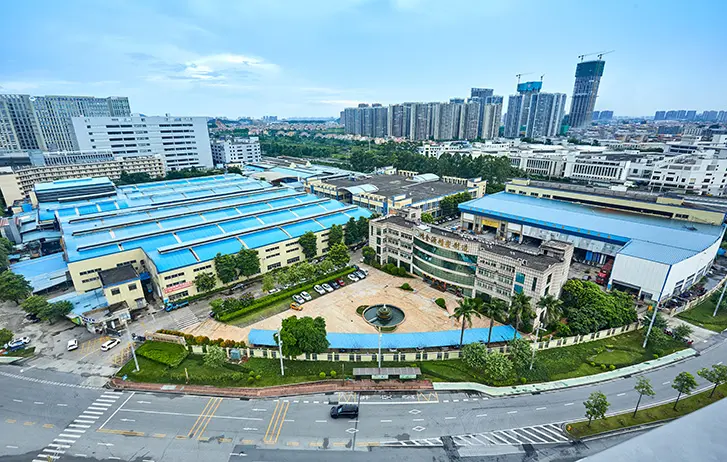
By keeping every critical process in-house, we eliminate external logistical lags, guarantee chemical purity, and optimize B2B pricing margins.
We melt the alloy in-house, allowing us to adjust compositions for optimal mechanical attributes and purity, crucial for structural integrity and high-quality anodizing.
Precision machining, structural welding, and advanced surface finishing are kept strictly in-house, saving margin costs and guaranteeing structural consistency.
Our integrated manufacturing line shortens standard B2B production cycles, offering reliable lead times from mold design to final container loading.
A B2B technical exploration of metallurgy, loading parameters, compliance standards, and modern manufacturing paradigms.
The architectural landscape is experiencing a paradigm shift towards low-maintenance, high-durability, and environmentally sustainable materials. Modern custom deck railing design is no longer just decorative; it is a critical structural element that must withstand severe weather, marine salt spray, and physical load stresses over decades. The roadmap for aluminum deck railing focuses heavily on two technological fronts: advanced alloy composition and high-performance surface modifications.
In terms of finishing technologies, we are transiting toward hybrid powder coatings and micro-arc oxidation (MAO). Standard powder coating, while effective, can degrade under constant UV exposure. Our upcoming research path includes the adoption of fluoropolymer powder coatings that offer high solar resistance and prevent color fading or chalking for over 25 years. This technical leap ensures that custom deck installations in high-UV and coastal zones remain structurally sound and visually immaculate without requiring constant repaint cycles.
Aluminum's mechanical parameters are governed by its metallurgical composition and heat treatment. As an experienced custom aluminum deck railing factory, we process multiple alloy grades to meet specific architectural needs:
| Alloy & Temper | Yield Strength (MPa) | Tensile Strength (MPa) | Elongation (%) | Primary Railing Application |
|---|---|---|---|---|
| 6063-T5 | 145 | 185 | 8 | Standard Balusters, Decorative Profiles, Caps |
| 6063-T6 | 214 | 241 | 12 | Heavy-Duty Balusters, Mid-Rails, Post Liners |
| 6061-T6 | 276 | 310 | 17 | Primary Structural Posts, Load-Bearing Base Plates |
| 7075-T6 | 503 | 572 | 11 | High-Stress Mechanical Anchors & Connector Joints |
Using in-house melting, we eliminate scrap impurities that cause voids during extrusion. Extruding profiles for structural handrails requires precise management of the extrusion speed and quenching temperature. Post-extrusion artificial aging (t6 tempering) is tightly monitored to ensure Mg₂Si (magnesium silicide) precipitates uniformly across the aluminum matrix, maximizing tensile yield without making the material brittle.
Modern development requires diverse structural railing profiles that suit varied environmental and structural conditions:
The B2B sourcing model requires reliability, cost predictability, and consistent quality. Located in Foshan, the global hub for aluminum extrusion, Foshan Golden Source integrates Factory 4.0 automation methodologies:
Our CAD/CAM tooling design uses numerical simulation to predict metal flow behavior during extrusion. This shortens custom profile development cycles from weeks to days. Automated extrusion lines maintain constant pressure and temperature, reducing dimensional variation to fractions of a millimeter.
By integrating precision CNC milling, robotic welding, surface finishing, and custom pre-assembly in a single facility, we eliminate intermediate transport phases. This vertical structure saves up to 20% in production costs and keeps your supply chain insulated from logistics shocks.
Building codes govern architectural installations. We assist developers with engineering calculations, CAD layouts, and regulatory compliance documents:
Verified compliance with international environmental directives and rigorous structural performance criteria.
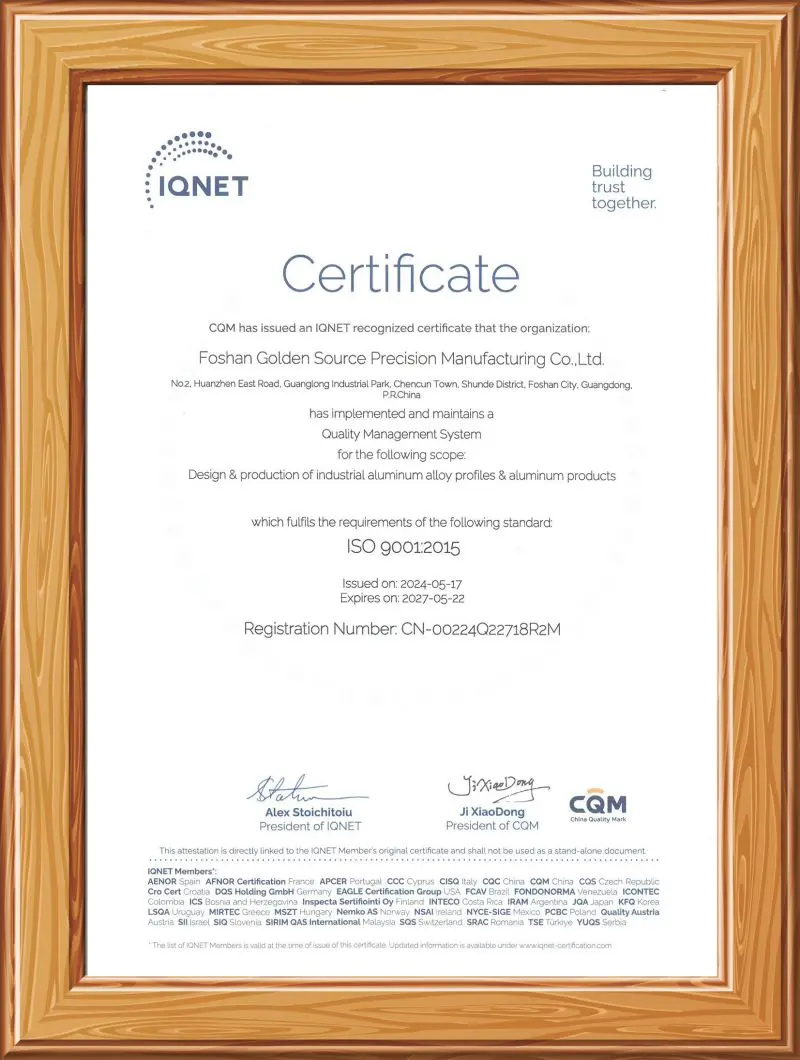
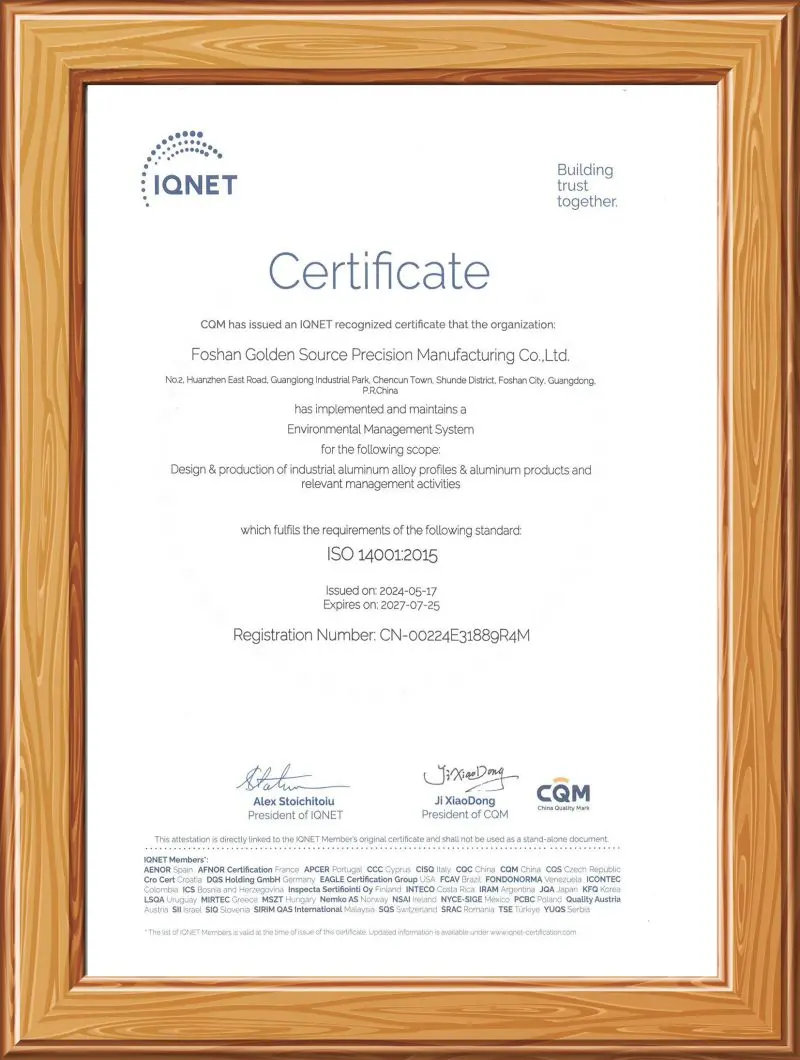
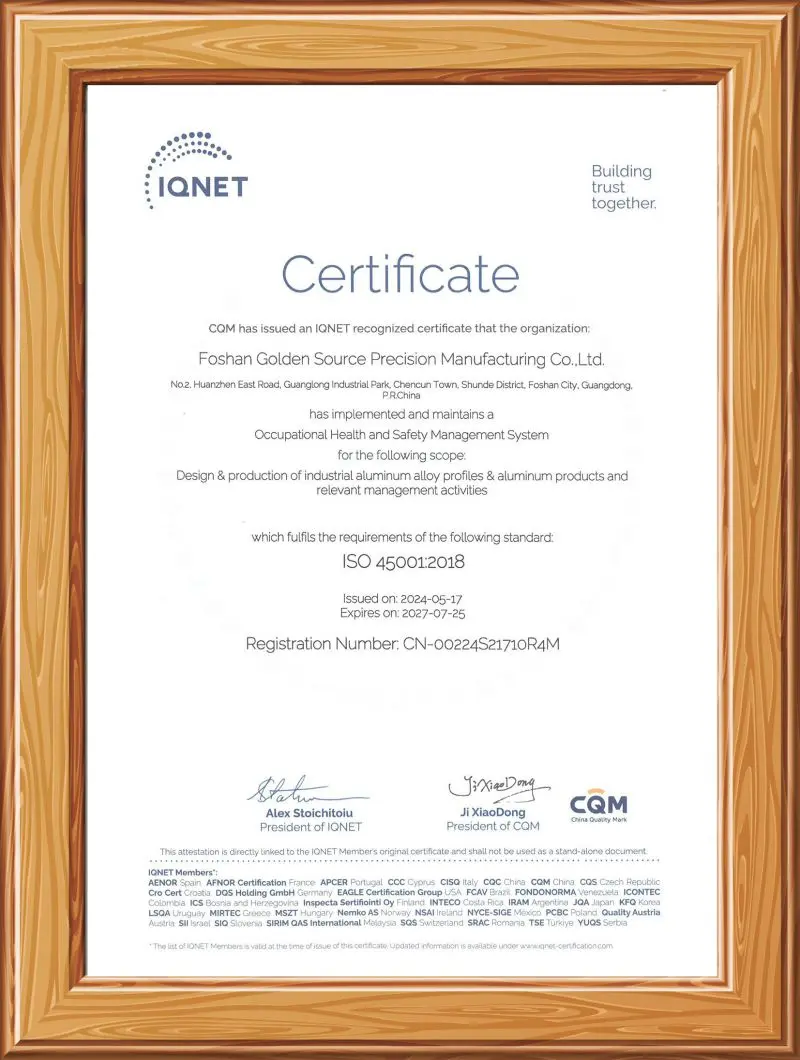
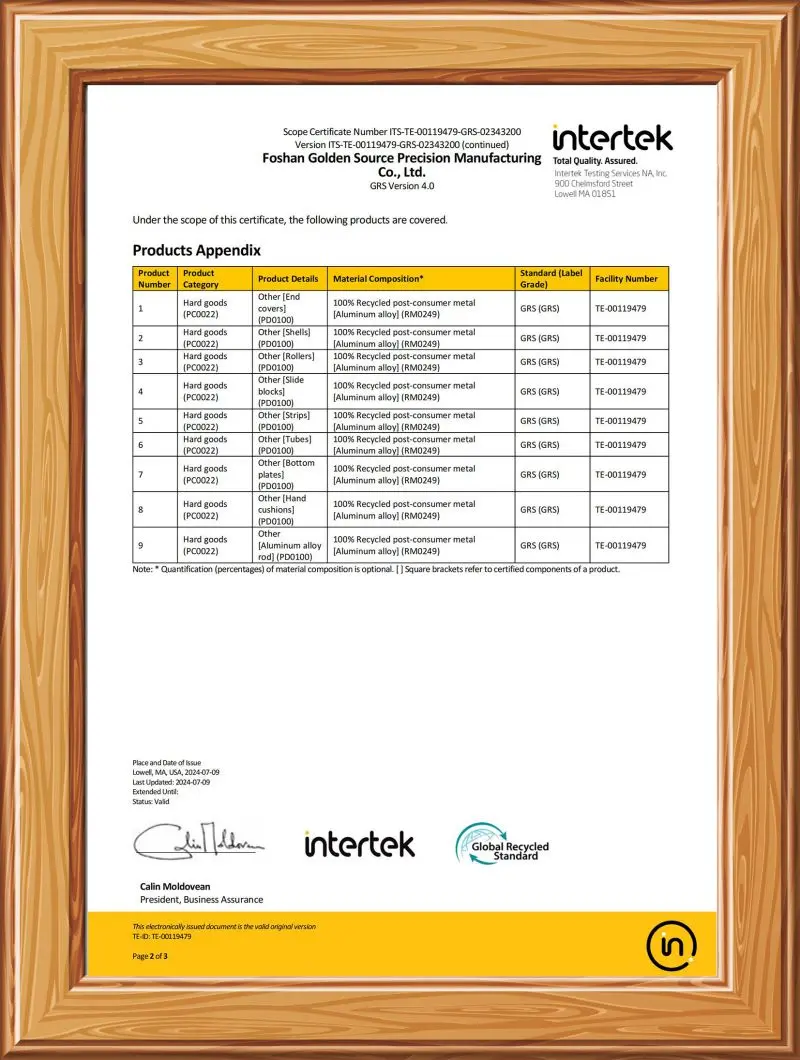
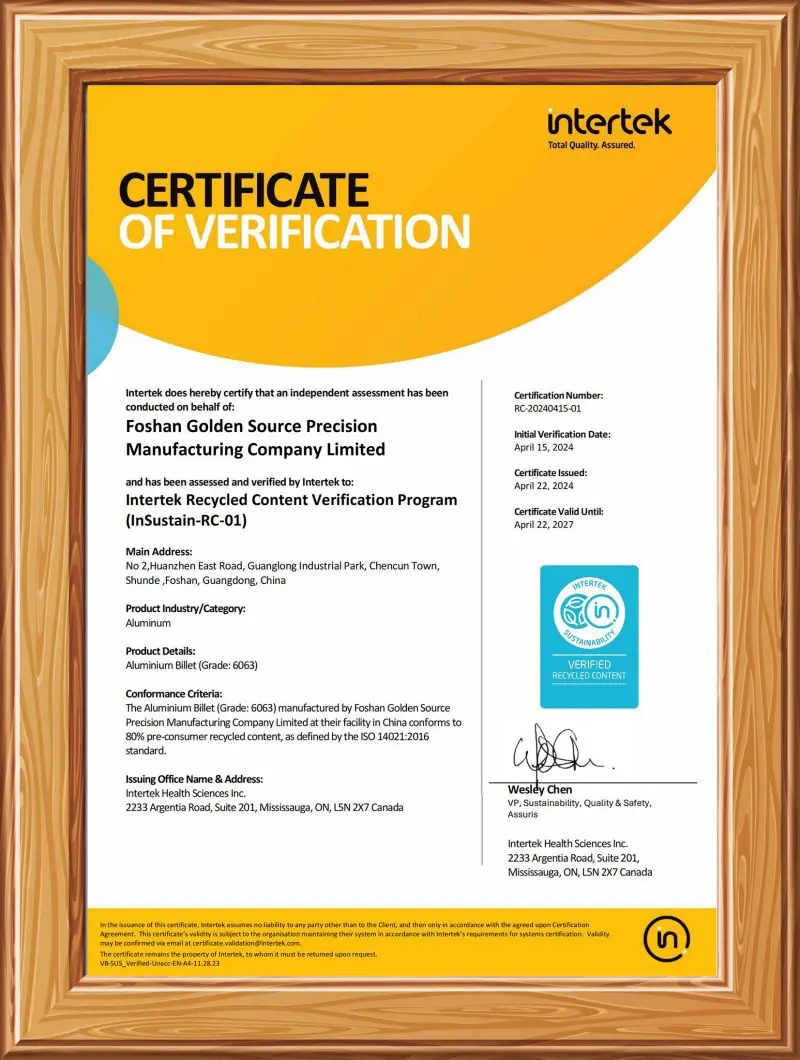
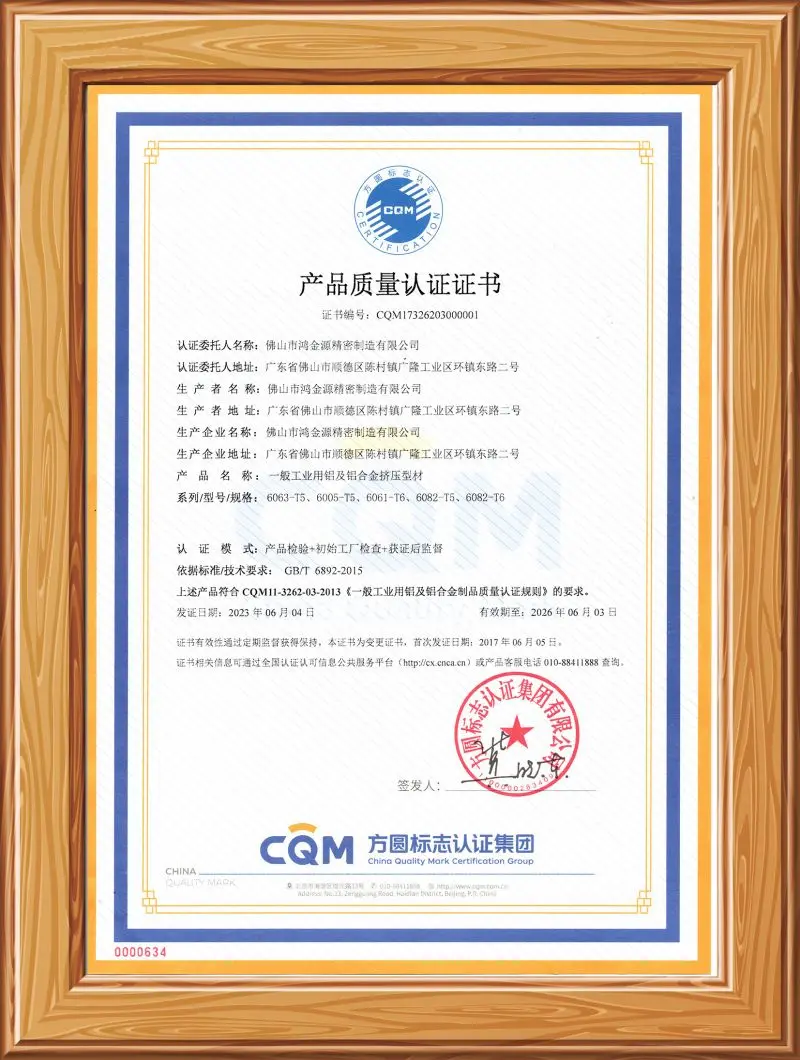
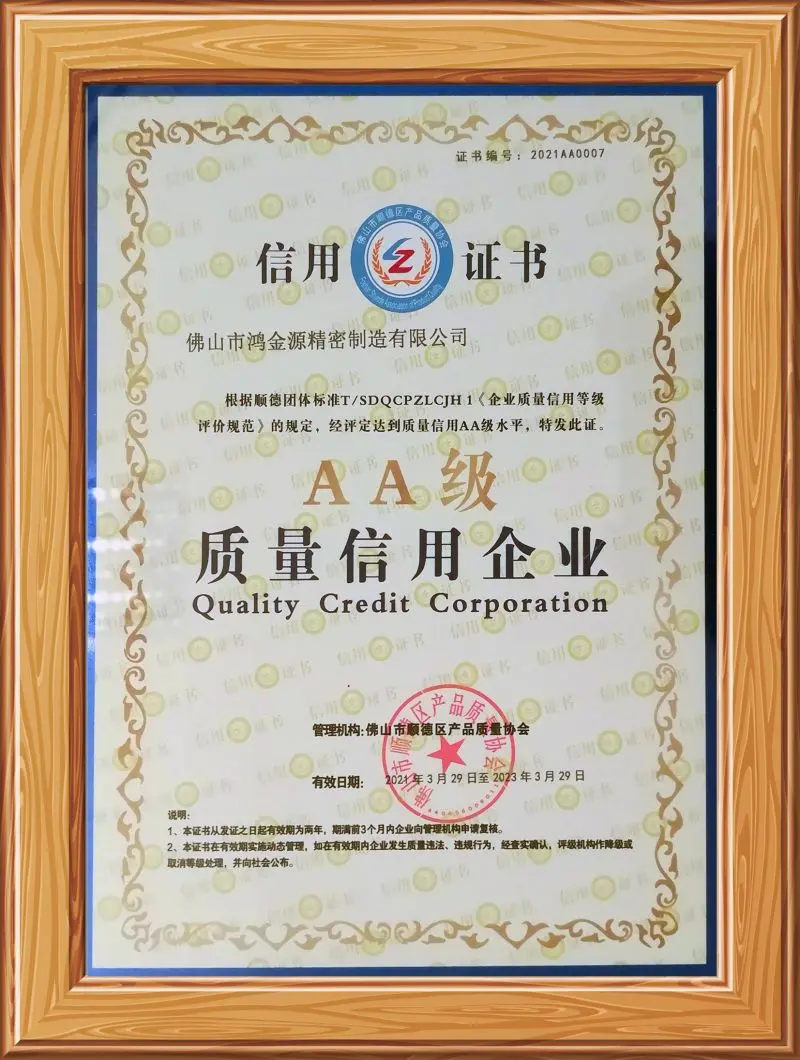
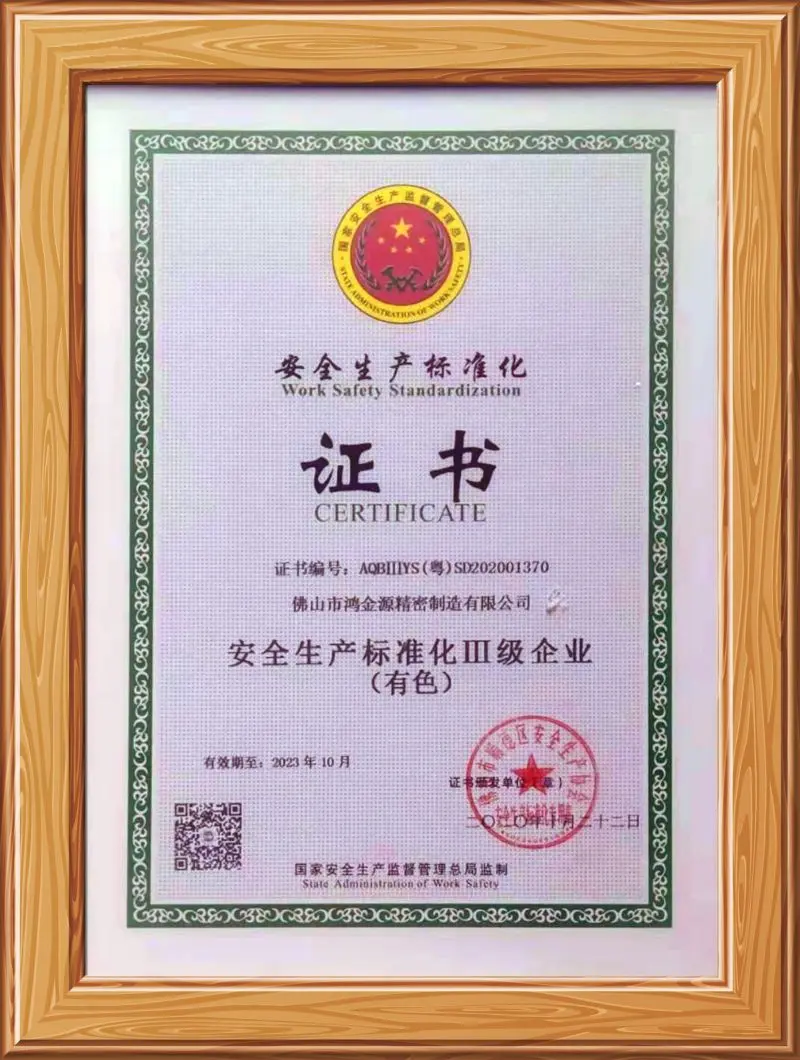
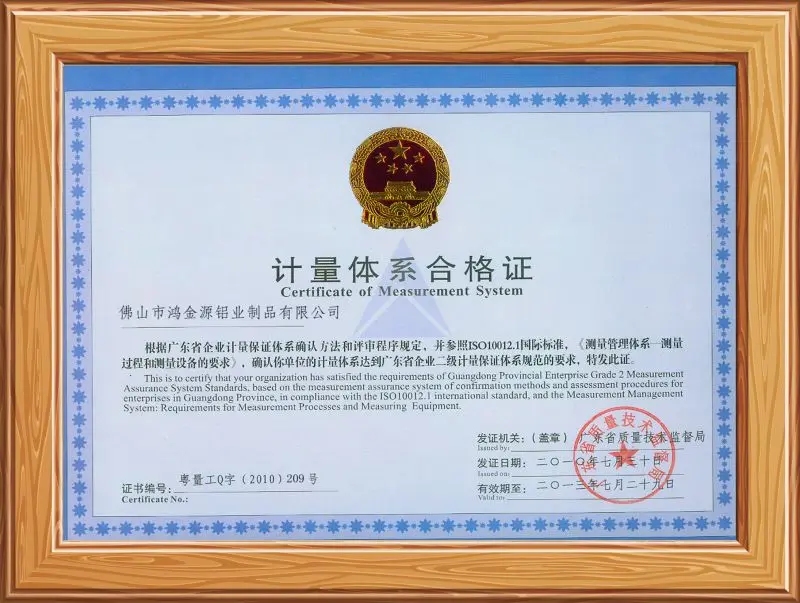
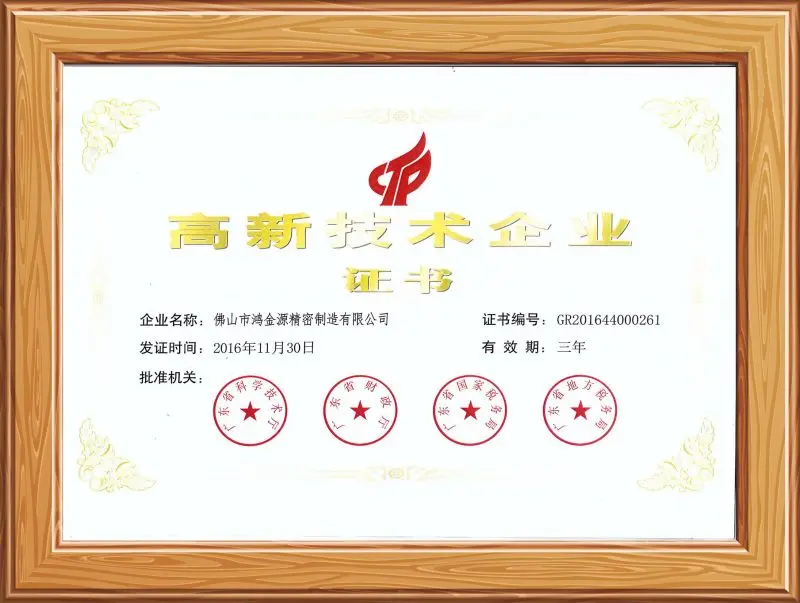
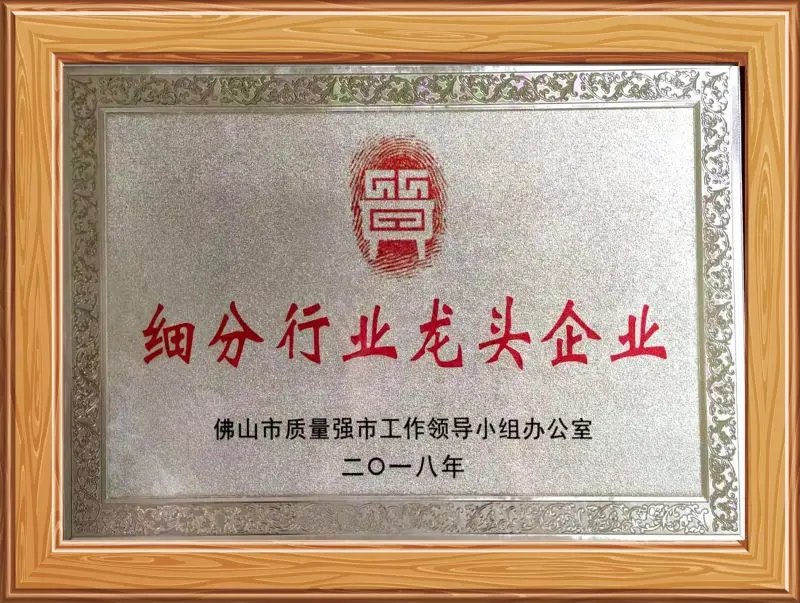
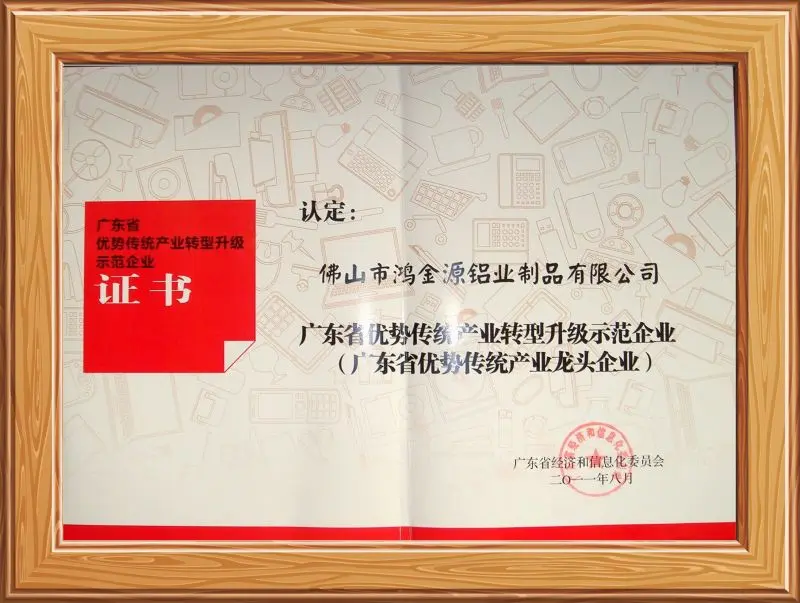
Recognitions representing our manufacturing excellence, green clean production, and advanced technological upgrades.
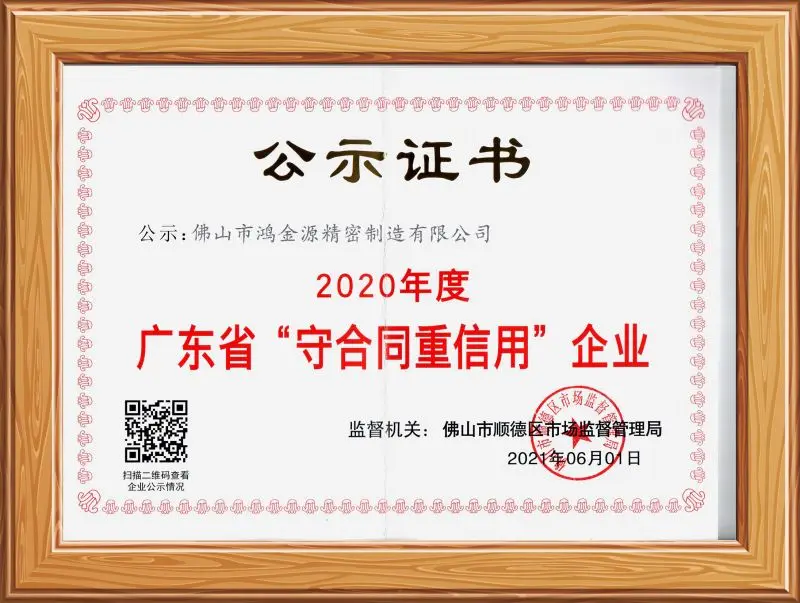
Sourcing customized aluminum systems requires attention to technical and logistical details. Standardized specifications minimize communication loops:
1. Detail Alloys Clearly: Specify alloys like 6063-T6 for high-load railings and 6061-T6 for heavy structural posts. Custom profiles should include detailed drawings and structural loads.
2. Finish Quality Matters: Request AAMA 2604 or 2605 specification certifications for architectural coatings. Anodized coatings should specify thickness class requirements.
3. Demand Certifications: Require traceable chemical and mechanical testing results. Verified environmental sheets like REACH and GRS help clear customs and qualify for green builds.
Technical answers for architects, structural engineers, and commercial B2B procurement partners.
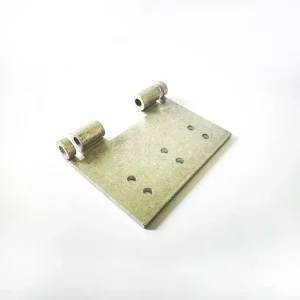
Custom-machined and specialized profiles for marine, structural, and heavy industrial applications.
 HG Precision