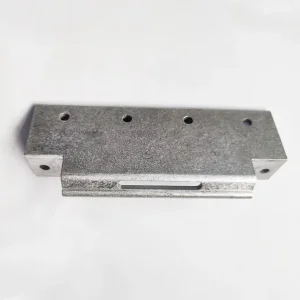
Discover our custom-engineered high-precision extruded profiles, certified to global quality standards.
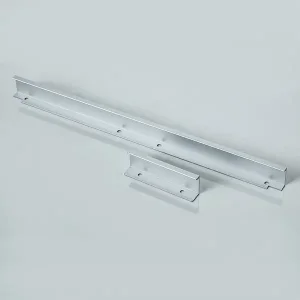
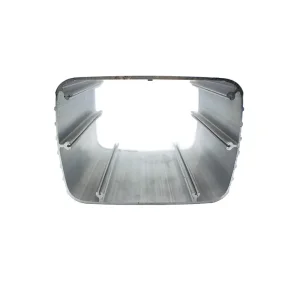
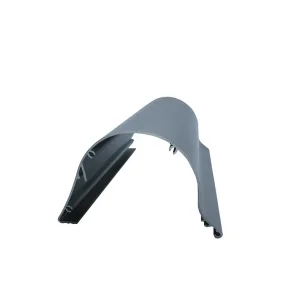
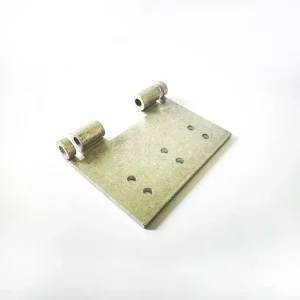
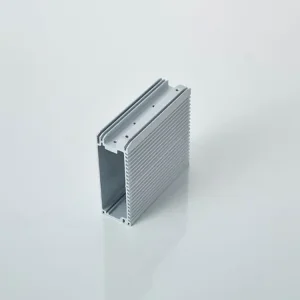
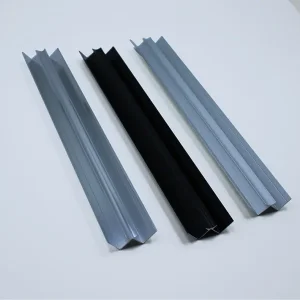
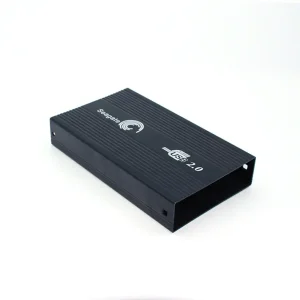
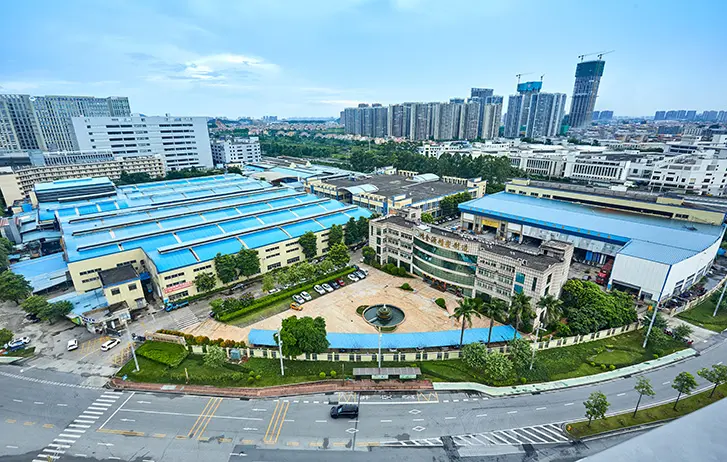
Foshan Golden Source Precision Manufacturing Co., Ltd, established in 1991, has spent over three decades building an elite reputation as a premier high-strength, high-precision custom aluminum profiles and machined parts manufacturer. Underpinning this longevity is our expansive 73,000 square meter modern, eco-friendly manufacturing hub, optimized for fully vertical integration.
We pride ourselves on offering an absolute one-stop OEM/ODM manufacturing chain. This encompassing pipeline incorporates premium raw alloy casting, dedicated mold research, design and tooling production, heavy-duty profile extrusion, state-of-the-art CNC precision machining, structural welding, final product assembly, and custom industrial surface treatment. This complete ownership over production enables unparalleled quality safeguards and significant cost containment for our global clients.
Why leading global automotive and electronics brands depend on our manufacturing infrastructure.
We melt and formulate our alloys entirely in-house. This allows us to adjust chemical compositions on the fly to maximize mechanical tensile yield strengths, elongation capacity, and optimize billet purity for superior surface anodizing finishes.
Advanced mechanical milling, multi-axis CNC drilling, clean-room assembly, and precision surface treatments are executed under one roof. Our closed-loop quality checking protocol ensures that defect ratios remain far below industry baselines, passing cost savings to our clients.
Eliminating third-party transit dependencies within the manufacturing stages speeds up our cycle by 25–40%. From initial die-design approval to extrusion, CNC machining, post-processing, and dispatch, your product goes through a unified, optimized manufacturing stream.
Select the optimal chemical and structural properties for your high-performance applications.
Industrial applications present diverse demands for physical properties. Whether you require high structural load tolerance, high heat dissipation profiles, or decorative surface finishes, we supply customized compositions across all primary alloys:
| Alloy Grade | Primary Additives | Tensile Strength (MPa) | Key Feature / Application |
|---|---|---|---|
| 6063-T5 | Mg (0.45-0.9%), Si (0.2-0.6%) | ≥ 160 | Complex geometries, smooth anodized architectural finishes. |
| 6061-T6 | Mg (0.8-1.2%), Si (0.4-0.8%) | ≥ 260 | Heavy-duty structures, high mechanical shear thresholds. |
| 6082-T6 | Mn (0.4-1.0%), Si (0.7-1.3%) | ≥ 290 | Dynamic automotive frames, high corrosion stress tolerances. |
| 7075-T6 | Zn (5.1-6.1%), Mg (2.1-2.9%) | ≥ 540 | Ultra-high-strength structural frames and defense tooling. |
A look into our vertically integrated manufacturing facility located in Foshan, China.
We run dedicated structural FEA (Finite Element Analysis) simulations during the tooling engineering phase. This optimizes the fluid dynamics of the molten aluminum as it passes through the die, preventing extrusion defects, maintaining wall consistency, and prolonging tool life.
Equipped with 3-axis, 4-axis, and 5-axis vertical machining centers. We execute high-precision cutting, deep drilling, counter-boring, face milling, and tapping to tolerances as close as ±0.01 mm, catering to intricate 3C device enclosures and structural components.
Features automated chemical treatment wells for matte sandblasting, acid polishing, mechanical brushing, natural silver anodizing, clear/colored sealing, and electro-powder coating. All surface finishes undergo rigorous salt-spray and cross-hatch adhesion testing.
Customized profile manufacturing tailored to the stringent standards of diverse international sectors.
We design and manufacture lightweight structural components, crash management blocks, battery tray frames, and acoustic trim profiles in high-toughness 6XXX and 7XXX alloys, helping OEMs meet critical vehicle safety and efficiency metrics.
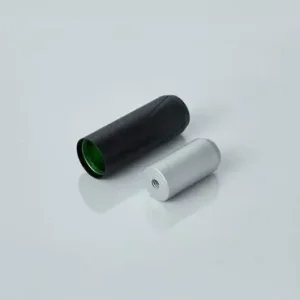
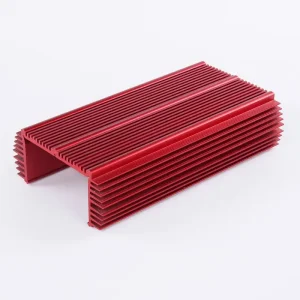
From hard disk housing to heat-dissipating covers for high-end amplifiers and specialized active noise cancellation acoustic housings. We focus on high thermal conductivity, EMI shielding, and flawless cosmetic surface requirements.
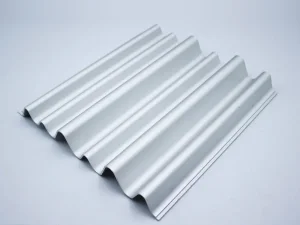
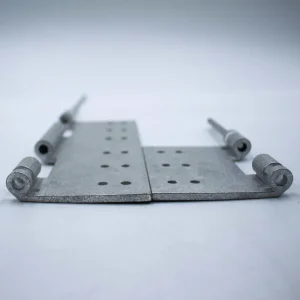
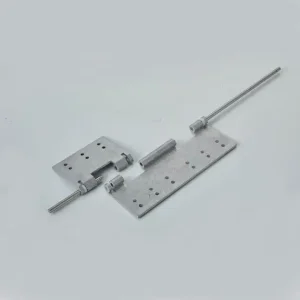
Providing high-end cabinet frames, structural wave boards, glass door connectors, and heavy-duty skylight hinges. We apply precise tolerances to ensure ease of field assembly and robust load capacities.
Our long-term development roadmap centers on sustainable metallurgical development. We are continuously improving our processing techniques to reduce energy consumption during alloy casting, aligning with global green manufacturing standards.
Low-Carbon Aluminum Alloys: By introducing automated scrap sorters, we can melt high-purity recycled aluminum into new billets while maintaining equivalent mechanical properties. This significantly reduces scope 3 carbon emissions for global consumer electronics and automotive buyers.
Micro-alloying Techniques: Our R&D division is focused on micro-alloying mechanisms—specifically optimizing levels of trace titanium, zirconium, and chromium. This optimizes recrystallization temperatures, enhancing both structural longevity and surface finish uniformity during anodization.
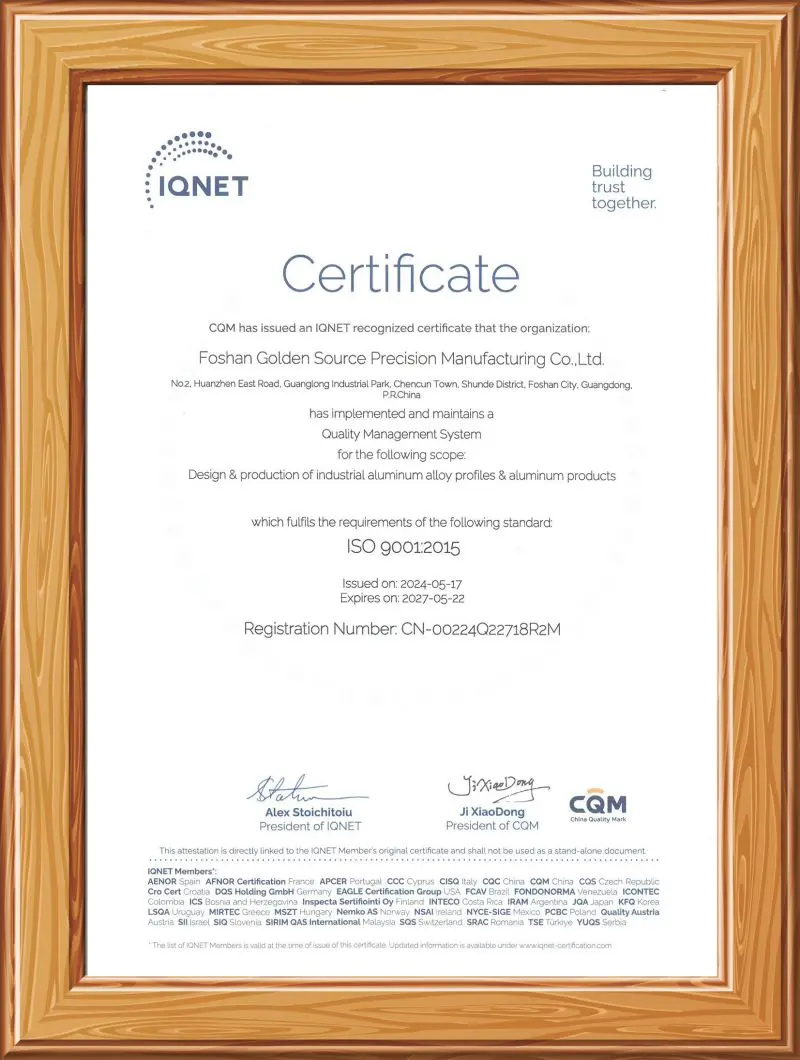
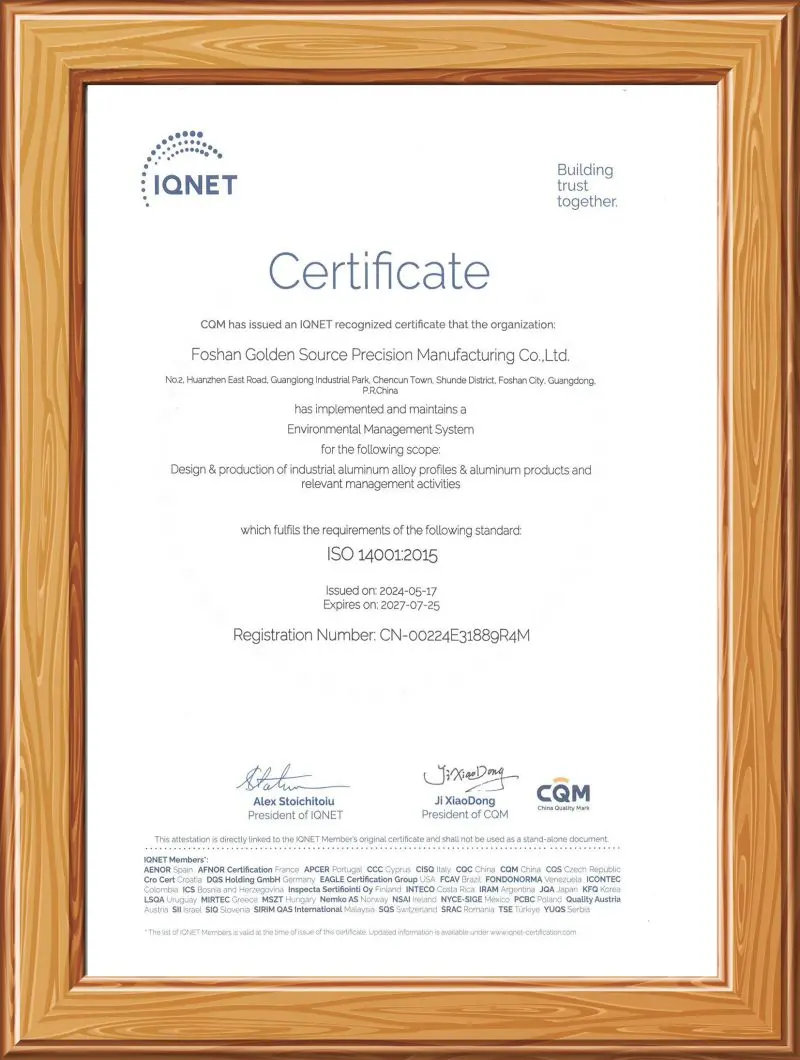
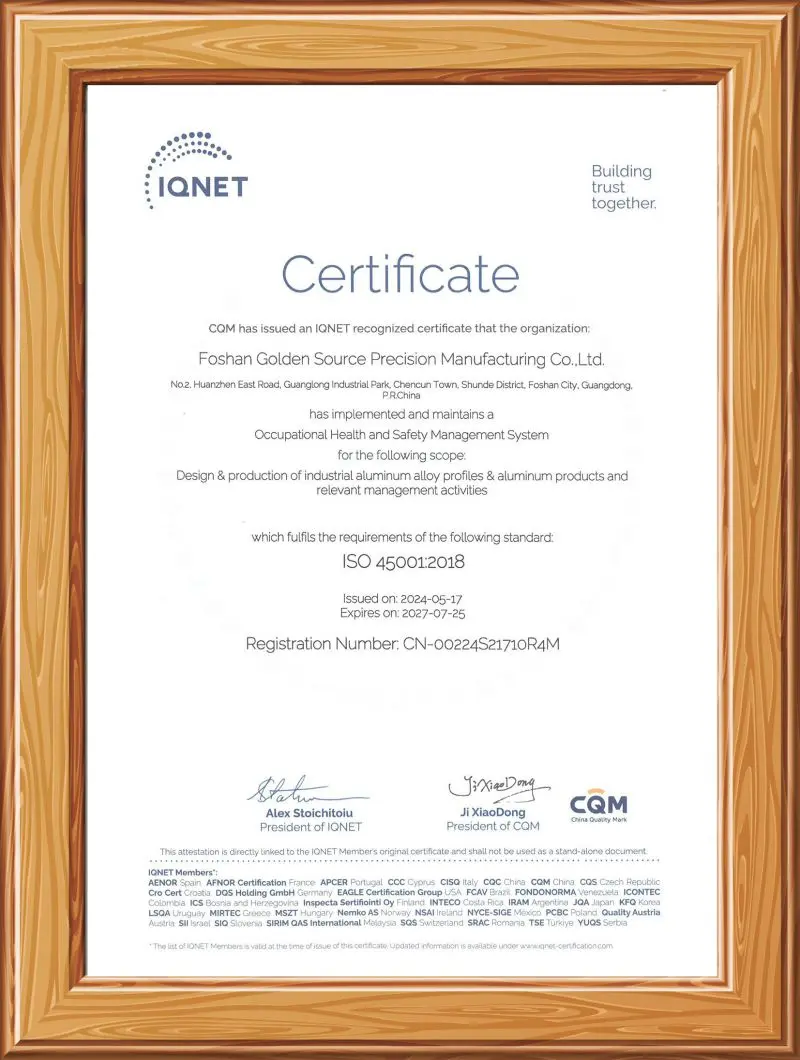
Verified manufacturing processes that meet international trade and environmental regulations.
We run a certified integrated management structure. Our facilities strictly monitor air emissions, wastewater treatment, and shop floor safety, helping customers build secure, compliant supply chains.
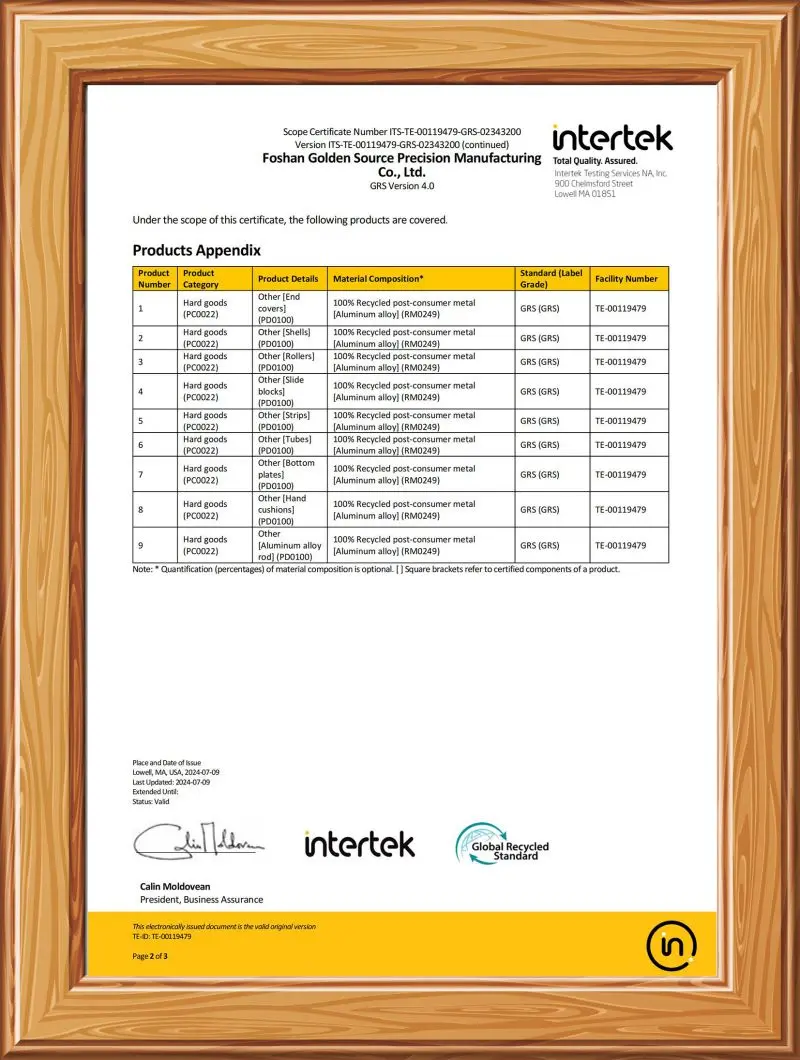
Our Global Recycled Standard (GRS) and RCV certifications verify the traceability and percentage of recycled aluminum content in our products. This supports compliance with EU and global environmental rules.
All extruded components are chemically analyzed to ensure complete compliance with EU REACH and RoHS regulations. We verify that our products are free of restricted hazardous substances.
Understanding how we calculate custom extrusion prices to ensure commercial transparency.
We work with global procurement teams to establish transparent, index-linked pricing structures. Our custom aluminum profiles are priced using a clear formula:
Unit Price (per Kg) = Aluminum Ingot Price (LME/SMM Index) + Fabrication Processing Fee
Fabrication Processing Fee: This cost is based on profile complexity, tooling wear rates, production speed, CNC machining steps (e.g., cutting, milling, tapping), and surface finish requirements (such as anodizing, powder coating, or polishing).
Tooling Cost Amortization: Tooling costs can be amortized and refunded to the client once procurement volumes reach predetermined milestones, reducing initial setup costs for long-term programs.
Answers to common technical questions from buyers and product engineers.
A: Our standard extrusion tolerances follow GB/T 14846 and EN 755-9. For high-precision machined profiles, our multi-axis CNC centers can achieve tolerances of ±0.01 mm for key dimensions, depending on part geometry.
A: Yes. Because we melt and cast our raw billets in-house, we can adjust magnesium, silicon, and iron levels to optimize the material for specific mechanical properties or high-quality decorative anodizing.
A: We conduct cross-hatch tape adhesion tests, film thickness measurements, and neutral salt spray testing (up to 1,000 hours based on finish spec) to verify corrosion resistance and paint adhesion.
A: These certifications verify that our raw materials contain a certified percentage of recycled content. This helps customers meet sustainability requirements and comply with environmental regulations like REACH and RoHS.
Explore our technical components designed for structural applications, automotive systems, and custom construction projects.
 HG Precision