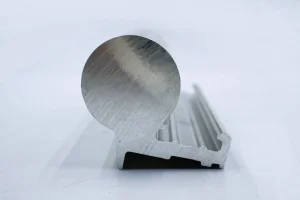
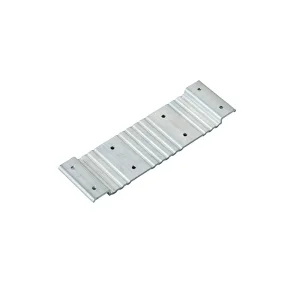
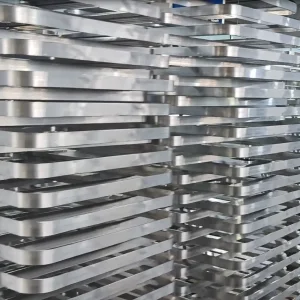
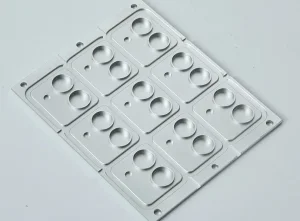
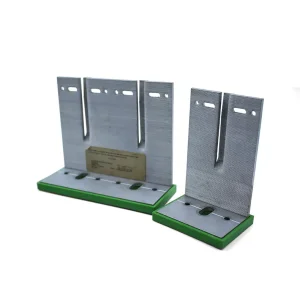
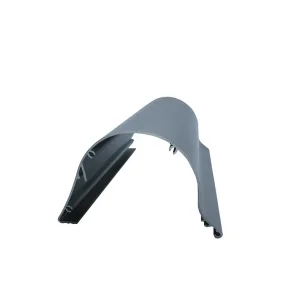
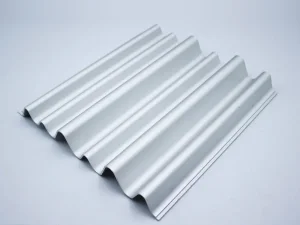
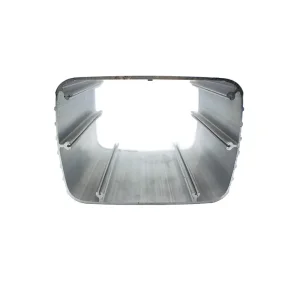
Explore our premium selection of engineered aluminum parts, custom-molded to exact mechanical specifications and superior surface tolerances.
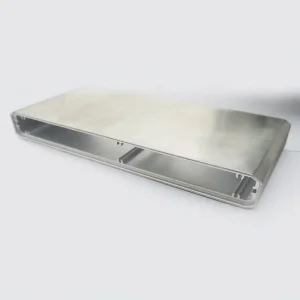
In modern manufacturing, aluminum is no longer treated as a simple commodity metal. The global industrial shift towards lightweight structural designs, energy efficiency, and high electrical conductivity has positioned custom aluminum alloys at the core of material sciences. Industries ranging from automotive structural components to micro-precision consumer electronics (3C) require specific alloy modifications to withstand distinct physical stresses, corrosive atmospheric conditions, and strict cosmetic standards.
Standard stock alloys frequently fail to deliver the ideal balance of yield strength, anodizing performance, and extrudability. As an industry-leading partner, Foshan Golden Source Precision Manufacturing Co., Ltd resolves this challenge through in-house custom formulation, direct metallurgical adjustment, and precise temperature-controlled tempering profiles.
Foshan Golden Source Precision Manufacturing Co., Ltd: Your Trusted OEM/ODM One-Stop Partner
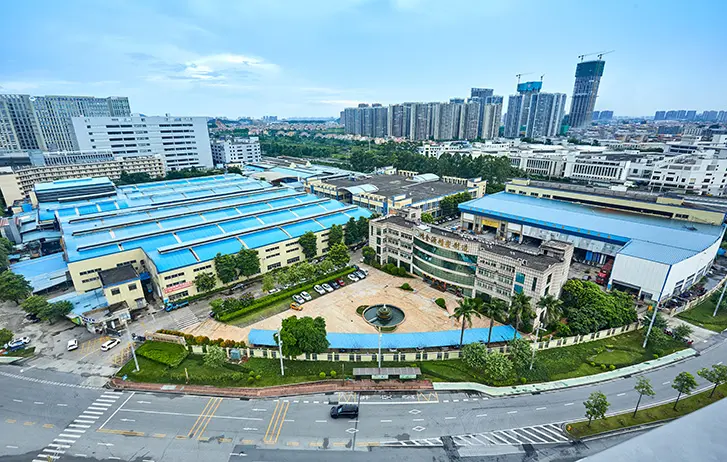
Founded in 1991, Foshan Golden Source Precision Manufacturing Co., Ltd has established a prominent reputation as a leading manufacturer of high-strength, high-precision custom aluminum profiles, structural frames, and complex CNC machined components. Operating a state-of-the-art, eco-friendly production facility that spans more than 73,000 square meters, the company maintains complete control over the entire production cycle.
Our fully integrated production processes include custom alloy casting, in-house mold R&D and precision mold building, heavy-duty aluminum extrusion, multi-axis CNC machining, structural welding (TIG/MIG), assembly, and advanced chemical surface treatments (sandblasting, mechanical mirror polishing, chemical etching, and multi-color anodizing). By managing all steps internally, we eliminate third-party delays, guarantee superior quality metrics, and significantly reduce operational overhead—savings we pass directly to our global customers.
We melt and alloy in-house, enabling us to adjust chemical compositions dynamically. This allows us to achieve structural integrity and purity profiles optimized for high-demand anodized cosmetic finishes.
Equipped with modern multi-axis CNC machining, milling, stamping, and cutting systems, we easily maintain tolerances as tight as ±0.02 mm for intricate components.
Our in-house capabilities include sandblasting, mechanical mirror polishing, chemical polishing, and multi-color anodizing. This guarantees consistent aesthetics and outstanding corrosion protection.
Tailoring chemical composition and heat treatment states (T4, T5, T6) to deliver targeted mechanical performance.
Selecting the ideal aluminum series is crucial to balancing strength, weight, machinability, corrosion resistance, and cost. Below is the metallurgical profile of the primary alloy families engineered at our casting facilities:
| Alloy Series | Primary Alloying Elements | Key Mechanical Attributes | Typical Industrial Applications |
|---|---|---|---|
| 1XXX Series (e.g., 1050, 1060) | Pure Aluminum (≥99.0%) | Superior electrical & thermal conductivity, excellent corrosion resistance. Highly ductile. | Electrical bus bars, heat sinks, chemical vessels, and capacitor shells. |
| 3XXX Series (e.g., 3003, 3105) | Manganese (Mn) | Moderate strength, excellent workability, great corrosion resistance. Non-heat treatable. | Heat exchangers, automotive cooling tubes, chemical piping, and general sheet metal. |
| 5XXX Series (e.g., 5052, 5754) | Magnesium (Mg) | High tensile strength, outstanding weldability, superior marine atmosphere corrosion resistance. | Marine structural parts, truck mounting frames, fuel tanks, and heavy-duty chassis components. |
| 6XXX Series (e.g., 6061, 6063) | Magnesium & Silicon (Mg-Si) | Heat-treatable. Excellent balance of strength, structural extrudability, and superior anodizing quality. | Gate closer hinges, 3C device frames, precision printer housings, and window skylights. |
| 7XXX Series (e.g., 7075) | Zinc (Zn) | Ultra-high tensile yield strength, excellent fatigue resistance. Hard structural alloy. | Aerospace fittings, high-stress defense equipment, structural brackets, and mountain bike frames. |
Why global OEMs partner with Foshan Golden Source to mitigate international supply chain risks.
Operating out of Foshan, Guangdong—the world's most concentrated cluster for aluminum extrusion and precision tooling—Foshan Golden Source is deeply integrated into an unparalleled industrial network. This structural advantage gives us direct access to high-purity primary ingots, specialized tooling components, and local shipping infrastructure.
By consolidating alloy casting, die R&D, extrusion, and multi-axis CNC machining under one roof, we eliminate intermediate transit times, reduce carbon emissions, and guarantee quick turnaround times for custom tooling and high-volume runs.
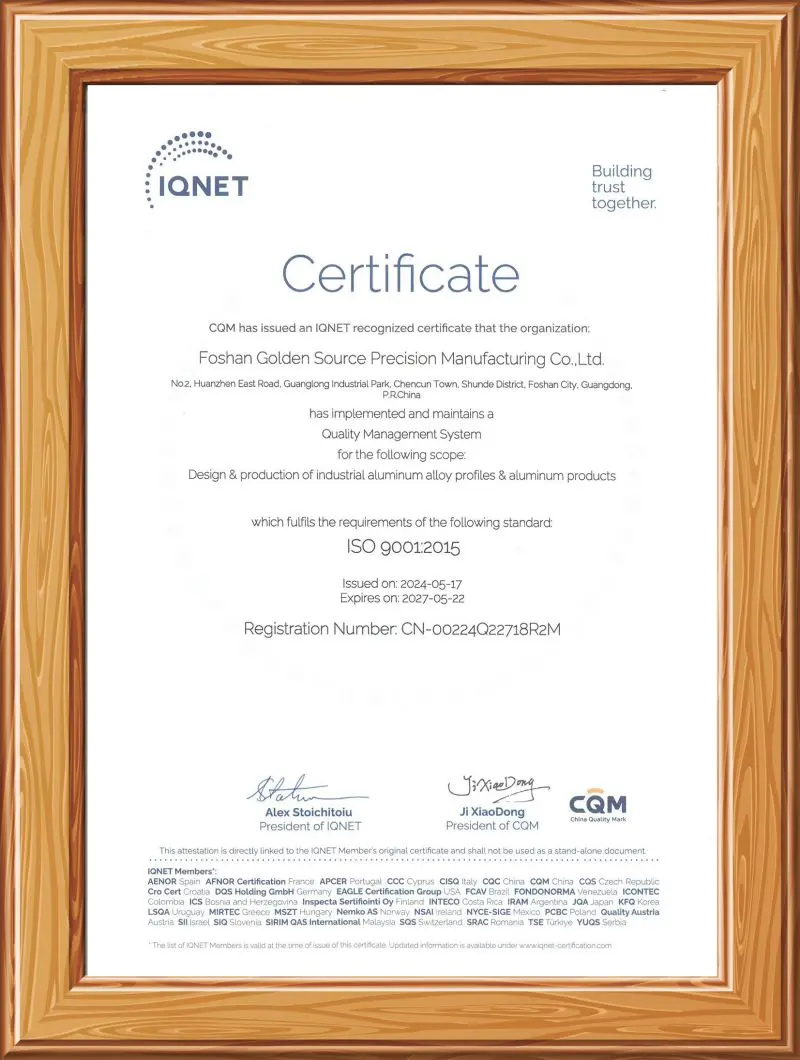
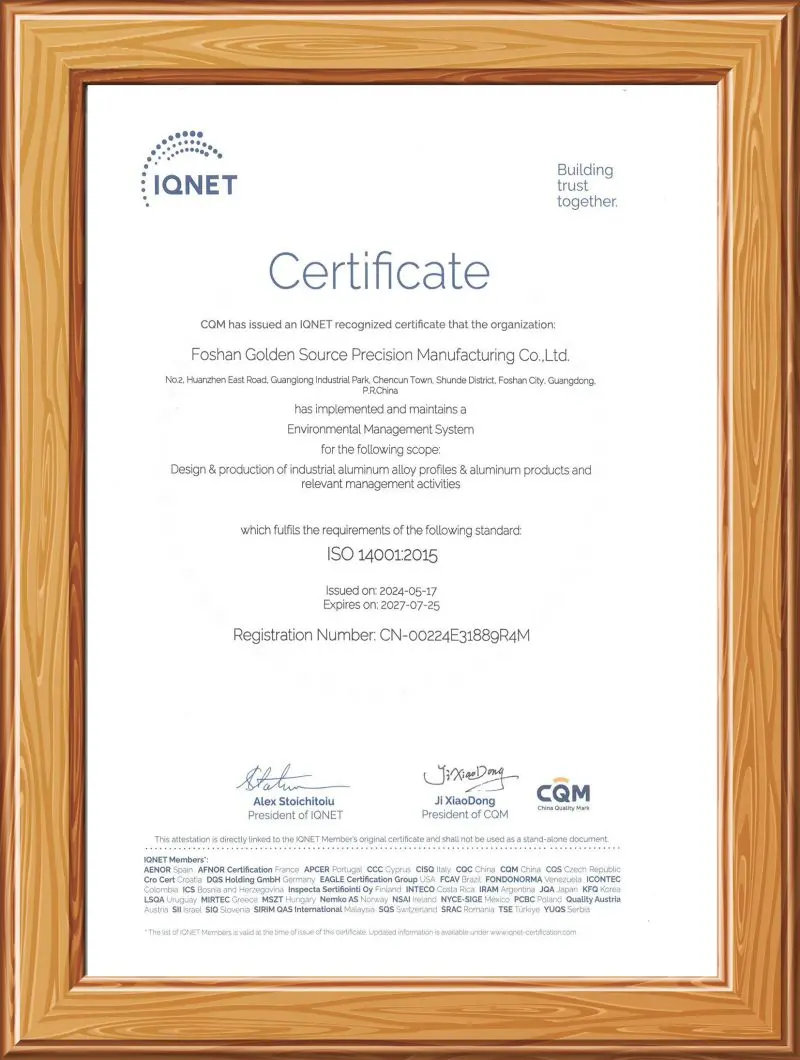
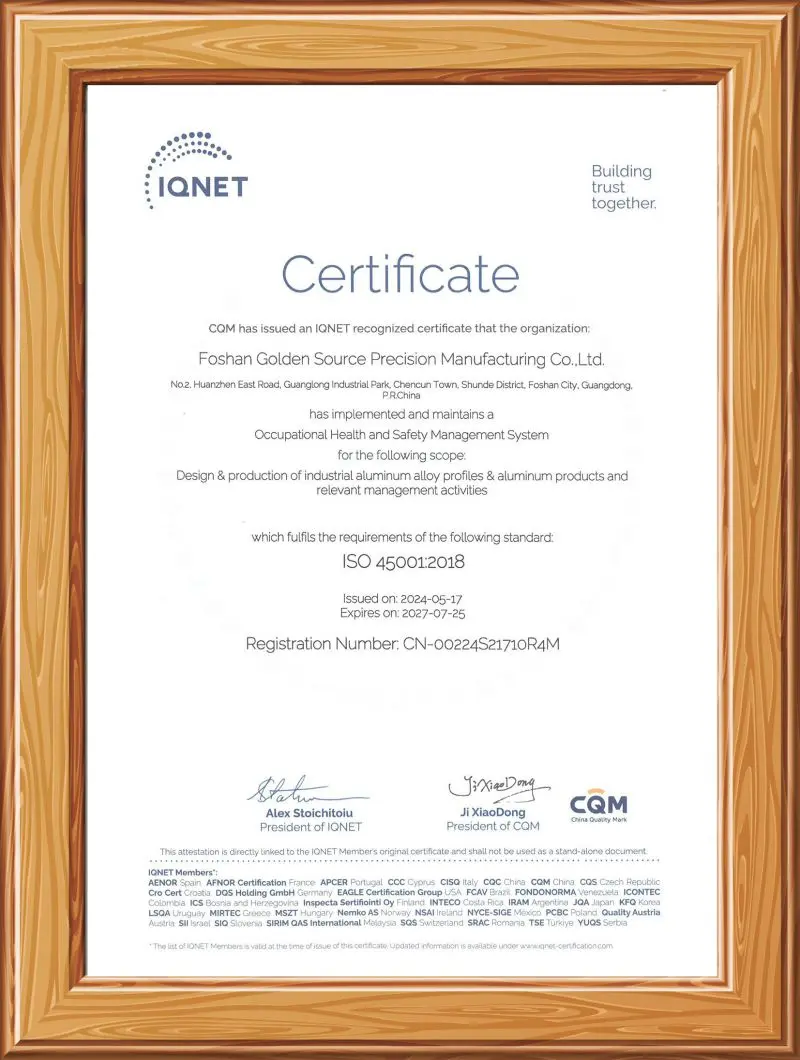
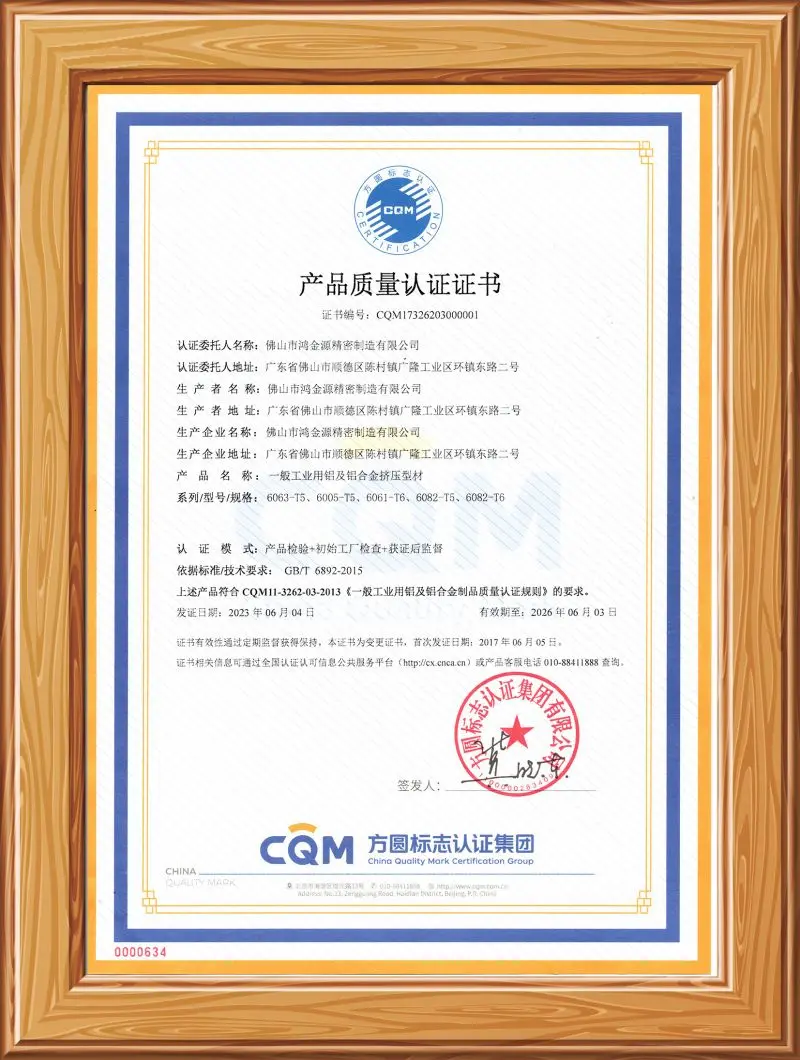
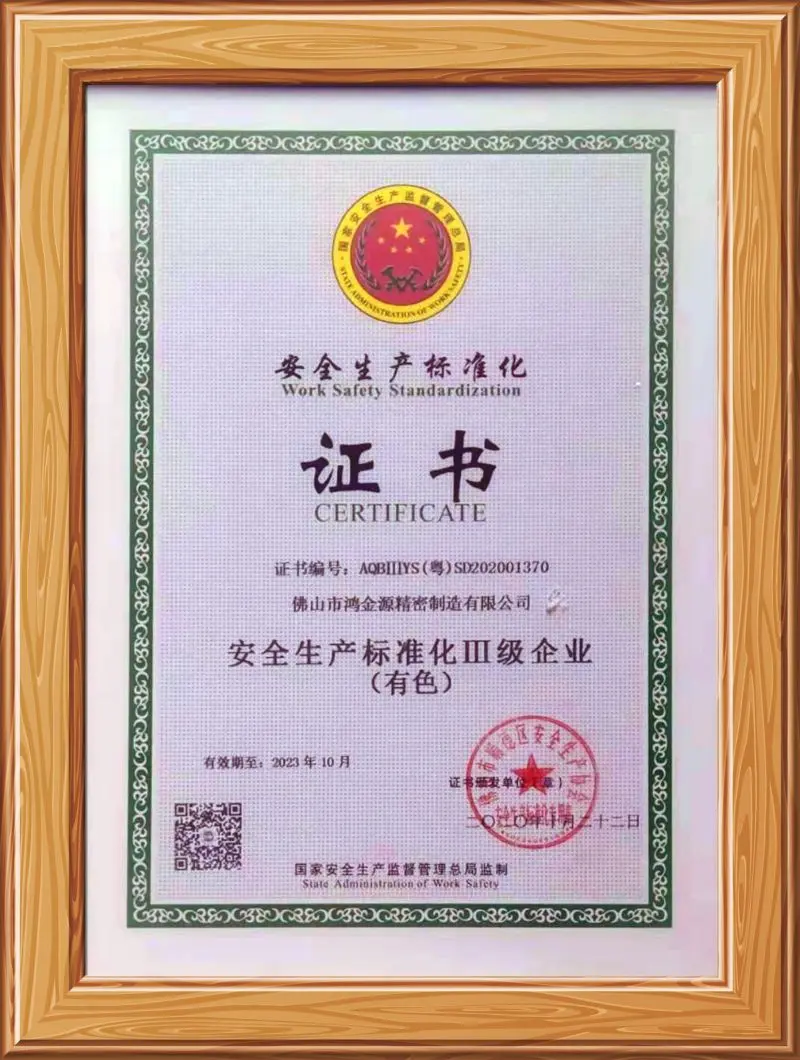
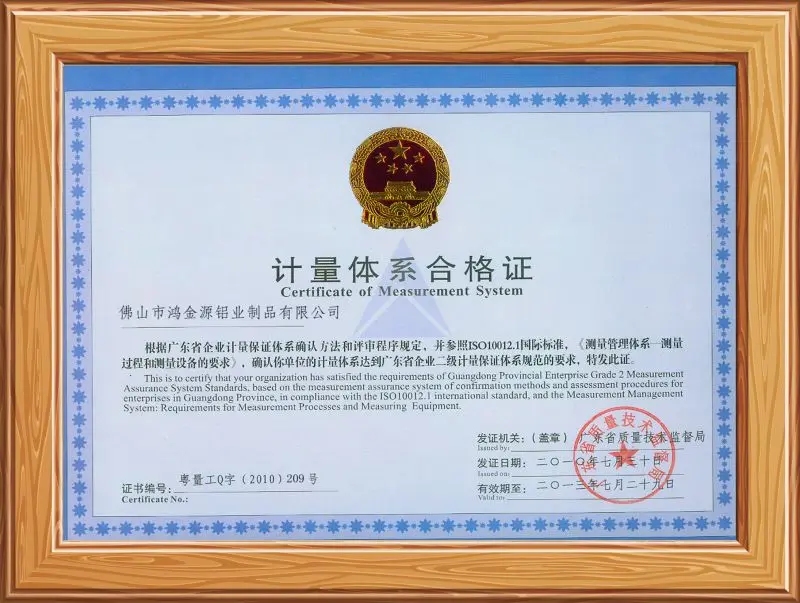
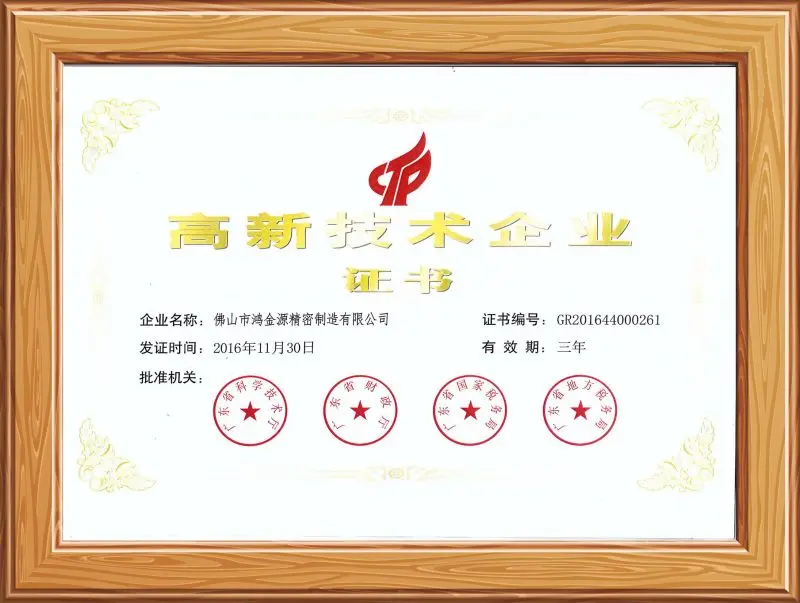
International markets require strict compliance with environmental regulations. Foshan Golden Source is fully certified in ISO9001, ISO14001, and ISO45001.
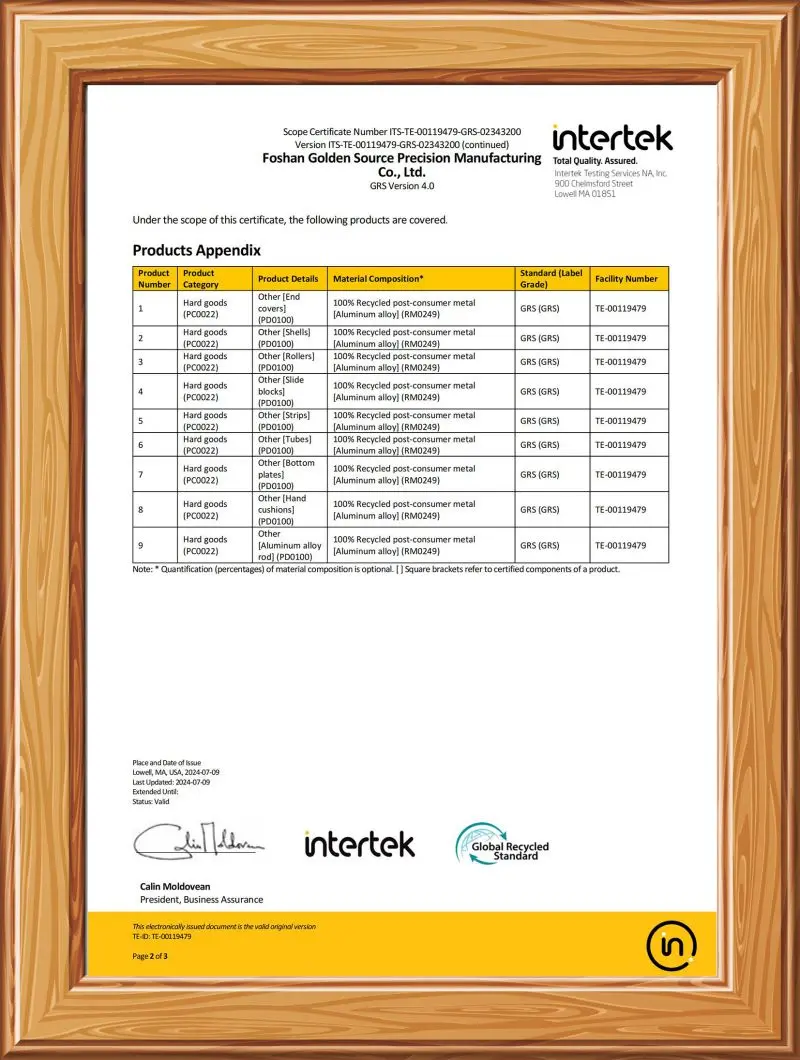
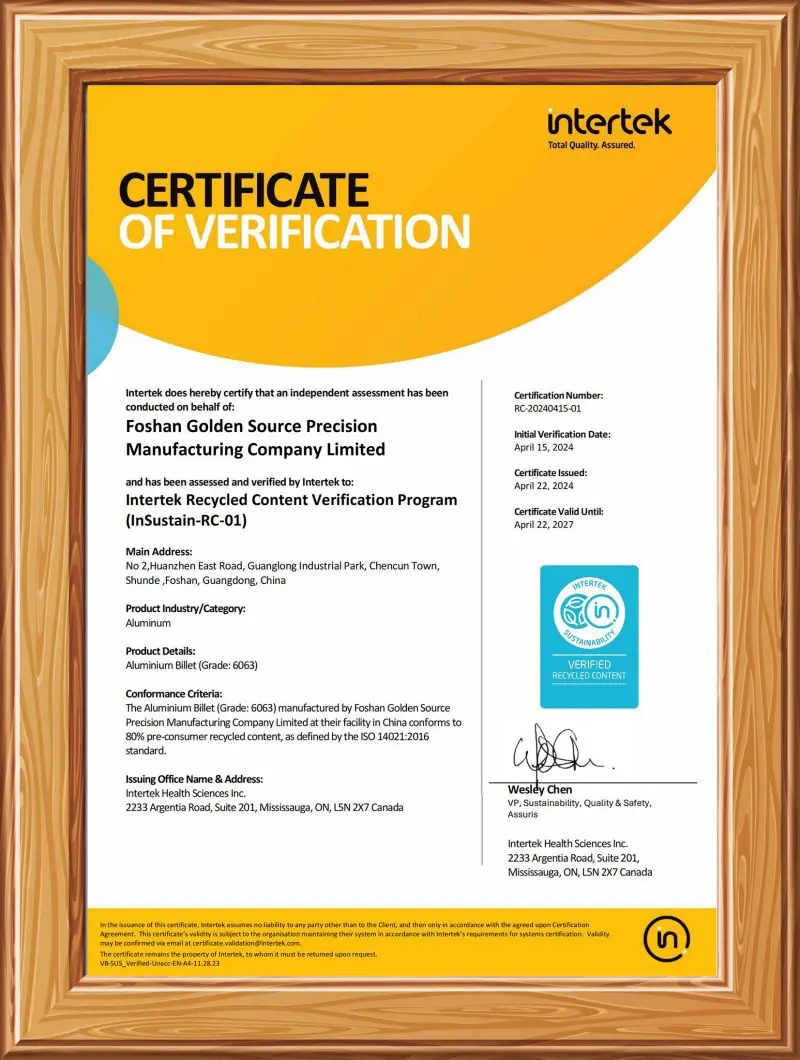
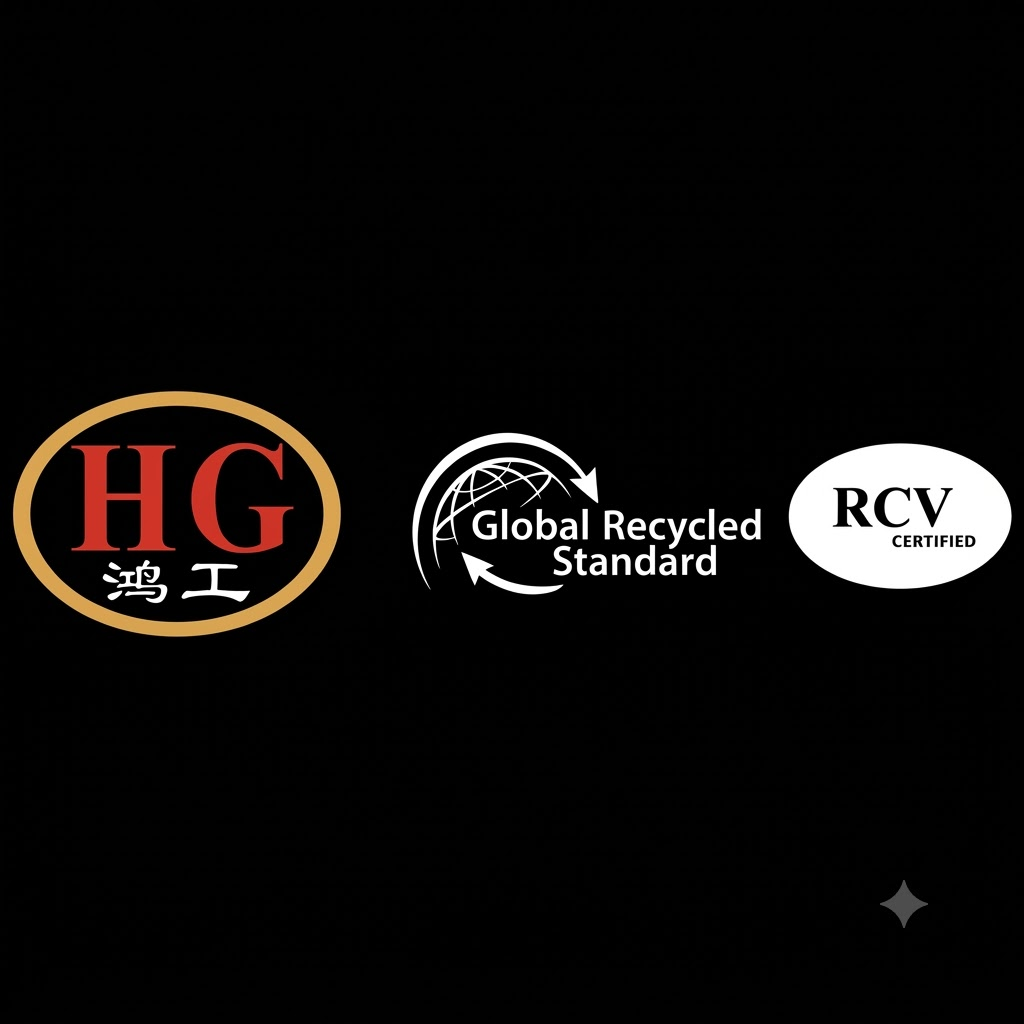
Importantly, we hold modern GRS (Global Recycled Standard) and RCV certifications. This guarantees that our recycled content and material lifecycles comply fully with the European Union's strict REACH and RoHS regulations. This ensures our global buyers face zero regulatory hurdles during customs clearance and ESG auditing.
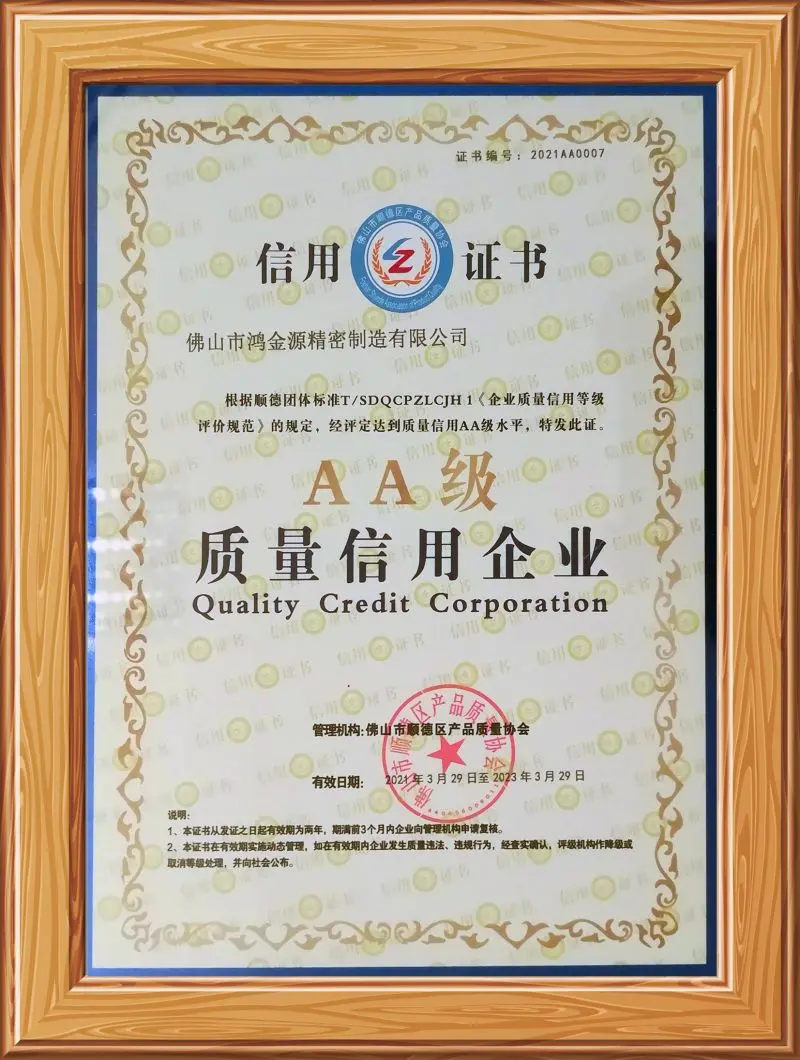
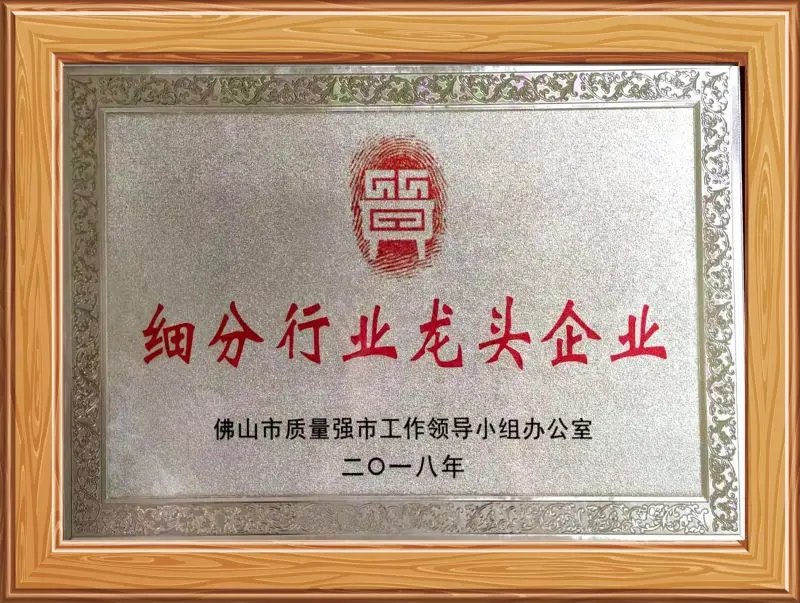
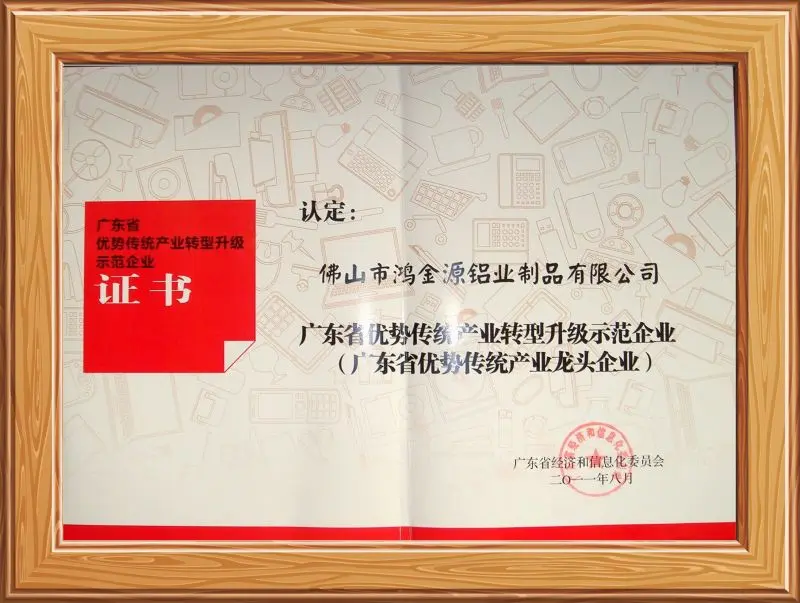
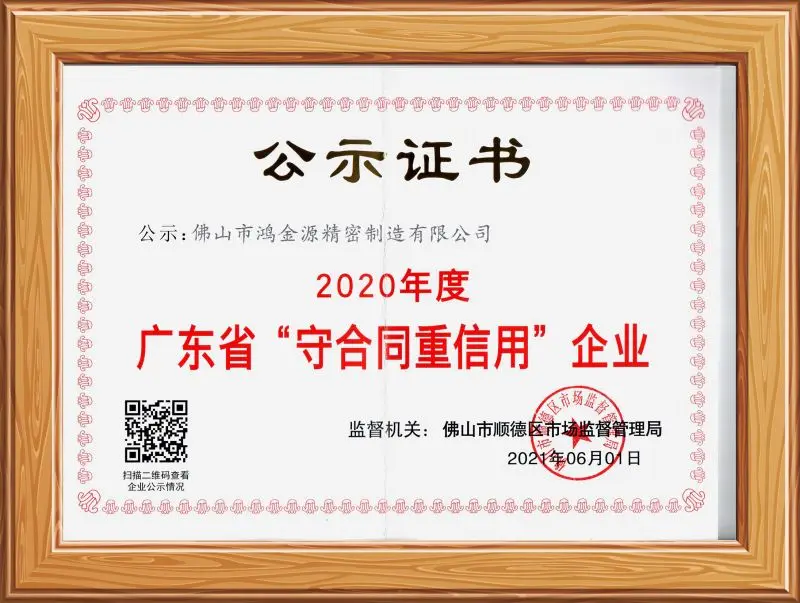
Demonstrated commitment to international quality, environmental health, and circular economy standards.
Critical metallurgical and manufacturing questions answered by our engineering directors.
Discover more examples of our customized structural angles, mirror finishes, and battery housings built for international industries.
 HG Precision