High-performance CNC-machined and extruded aluminum components engineered to withstand rigorous daily rail transit operations.

Nagoya, the capital of Aichi Prefecture, stands as the heavy-manufacturing epicenter of Japan. Historically famous as the headquarters of the automotive powerhouse Toyota Group, the region is equally critical to the development of next-generation railway networks. Nagoya is the operational hub of the Central Japan Railway Company (JR Central), which runs the world-famous Tokaido Shinkansen. It is also the testbed and primary staging ground for the Chuo Shinkansen, which will deploy the revolutionary L0 Series Superconducting Maglev (SCMAGLEV), designed to run at operating speeds exceeding 500 km/h.
For regional procurement managers and system builders looking for a customized railway manufacturer, sourcing parts that adhere to Japanese and international precision standards is crucial. Lightweighting is the primary objective of modern railway rolling stock, reducing energy expenditure while preserving structural dynamics.
Within Nagoya’s transport network—consisting of the Nagoya Municipal Subway (Higashiyama, Meijo, and Sakura-dori lines), Meitetsu Lines, and Kintetsu Lines—there is an active demand for durable infrastructure refits. This includes interior systems such as high-strength sliding door kits, lightweight brackets for digital communication devices, structural framing, and external decorative curtain walls designed for modern transit terminals. Choosing the right metallurgical engineering partner translates directly into improved service life and reduced maintenance cycles.
The global railway market is undergoing a rapid transition towards zero-emission operations. Regulatory frameworks in Europe and East Asia are penalizing heavy rolling stock designs that consume excessive electrical power. According to the International Union of Railways (UIC), minimizing weight by replacing steel components with specialized high-strength aluminum alloys (specifically the 6XXX and 7XXX series) is the single most effective way to lower energy usage. The key trends shaping the modern rail components supply chain include:
| Alloy Series | Common Application in Rail Systems | Tensile Strength (MPa) | Key Performance Features |
|---|---|---|---|
| 6063-T6 | Metro Door hanging systems, seat frames, trim profiles | ≥ 215 | Excellent surface finish, high corrosion resistance, highly machinable. |
| 6061-T6 | Structural connector blocks, chassis mounts, heavy-duty brackets | ≥ 290 | High mechanical strength, excellent weldability, and structural durability. |
| 6063-T5 | Heat-dissipating housing covers, interior cabin panels | ≥ 150 | High thermal conductivity, optimized for precision extrusion cross-sections. |
Foshan Golden Source Precision Manufacturing Co., Ltd, established in 1991, is a professional manufacturer of high-strength, high-precision, customized aluminum profiles and precise machining aluminum parts, welded parts, and assembled aluminum products. With a modern and environmentally friendly production base covering an area of over 73,000 square meters, the company offers a comprehensive, one-stop service, including alloy casting, mold research & design & building, aluminum extruding, precise machining, welding, assembly and surface treatment.
The company holds certifications such as ISO9001, ISO14001, ISO45001, RCV, and GRS, ensuring that its products comply with the environmental requirements of the EU’s REACH regulation. A wide range of aluminum alloy series are available, including: 1XXX, 3XXX, 5XXX, 6XXX, 7XXX alloy, which allow us to meet different demands of various industries and fields, including hardware tools, 3C products, automobile, railway, furniture, decoration, and outdoor products.
Our commitment to excellence makes us a premier manufacturing and quoting partner for the Nagoya municipal grid and global logistics systems. By controlling the production flow from raw billets to anodized surface treatments, we maintain quality standards that exceed traditional sub-contractor abilities.

Access our detailed metallurgical specifications, dimensional tolerance data, and machine capacity logs to see how we fulfill requirements for the Japanese transit sector.
Company catalogue downloadWhy railway system suppliers trust Foshan Golden Source to handle their customized aluminum component fabrication.
We melt the alloy in-house so that we can adjust the compositions to achieve the best physical properties of extrusion profiles, and the best purity of alloy for high-quality anodizing.
Machining and surface treatment are done in-house for better quality control and saving production costs so that the unit price for the product will be lower. Even if the same price as other factories, our quality will be much superior.
"One-stop" manufacturing capacity will provide faster delivery to customers, minimizing downtime and optimizing supply chains.
ISO9001, ISO14001, 45001, GRS, RCV certified. Especially, GRS and RCV are very new certifications, which are to meet the environmental regulations from EU. And we also have a lot of awards, honors & certificates on clean production, good credit, superior quality, industry transforming & upgrading, leading positions, top 500 enterprise honor, technology company from District government, municipal government, Provincial government, Central government and other organizations or customers. Here only show some typical certificates...


For custom quotes in the Nagoya metropolitan sector, aluminum components must handle distinct physical stress vectors, chemical exposures, and visual standards:
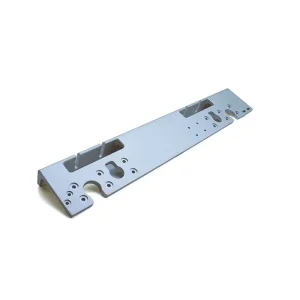
Automatic sliding doors for the Nagoya Subway system require lightweight components to operate efficiently during peak traffic. Our 6063-T6 CNC-machined sliding kit accessories provide the ideal structural balance, while glass bead sandblasting and clear anodization prevent finger-mark staining and surface deterioration over millions of duty cycles.
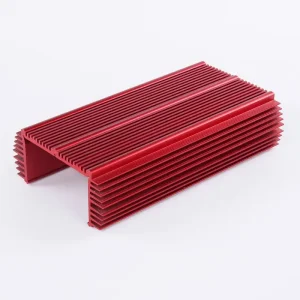
Thermal regulation is critical for station signaling systems. Our customized, red-anodized 6063-T5 heat-dissipating covers protect sensitive amplifiers from dust and weather while preventing heat buildup, ensuring continuous operation on both passenger lines and freight networks.
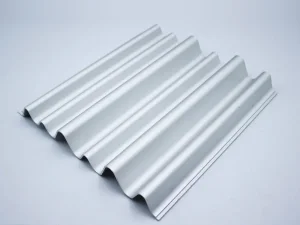
Nagoya Station and surrounding hubs use architectural aluminum profiles for ceiling and wall paneling. Our high-quality wave board profiles provide structural stability and architectural flexibility, showing that our capabilities extend beyond the interior of the rail cars.
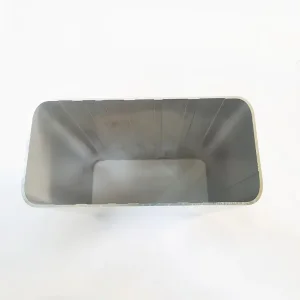
As cities integrate first-mile/last-mile options, battery case profiles extruded from 6061-T6 alloy offer shock protection and structural weather-sealing, supporting green transit goals.
Select from our certified list of precision structural elements and customized fittings. Contact us directly for a comprehensive quote for your Nagoya layout.
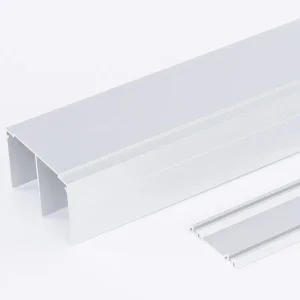
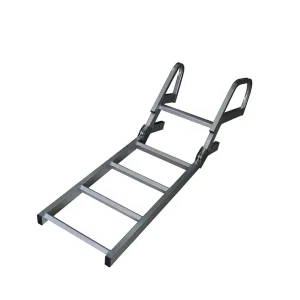
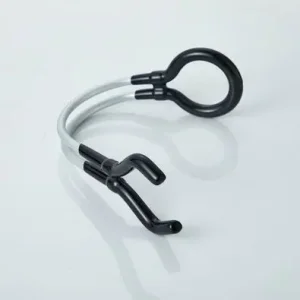
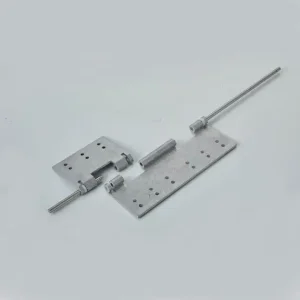
We maintain total compatibility and design support for all structural systems, including skylight mechanisms and bracket arrays.
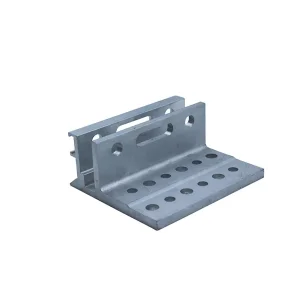
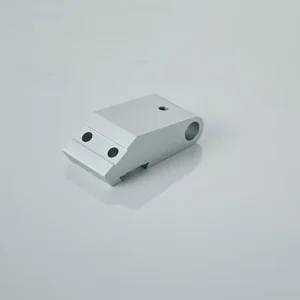
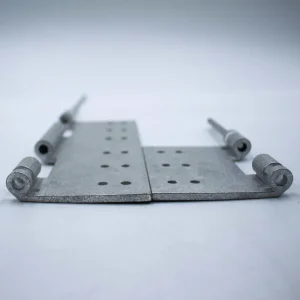
In railway manufacturing, structural profiles must perform under high dynamic stress. The integration of 6XXX and 7XXX series alloys has changed modern transit car engineering. Below is our engineering roadmap for components destined for high-performance networks:
Traditional manufacturing often relies on external, standard-grade billet suppliers, which can lead to trace impurities that reduce corrosion resistance and strength. By melting alloys in-house, we control composition down to fractions of a percent. Adding grain refiners like Titanium-Boron (TiB2) produces a fine, uniform structure in the casting phase, preventing micro-cracking during deep extrusion processes.
Our heavy extrusion presses push alloy through custom steel dies designed by our engineers. To achieve the T6 temper parameter, we use multi-zone water and air quenching at the press exit. This locks the alloying elements in a solid solution. The profiles are then artificially aged in industrial ovens to distribute strengthening precipitates evenly throughout the metal matrix.
Extrusion provides the profile, but precision machining delivers the tolerances required by rail engineers. Using our multi-axis CNC machining centers, we perform milling, drilling, and tapping on components up to several meters in length. This ensures mating surface tolerances remain within ±0.05 mm, which is critical for door systems and structural mounts.
Answers to common engineering and logistical questions for transit projects in Nagoya and surrounding regions.
Whether you are refitting existing rolling stock or drafting blueprints for new lines in Nagoya, our engineering team can provide precise metallurgical quotes tailored to your specifications.
 HG Precision