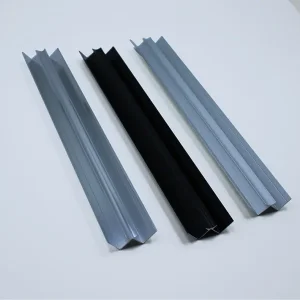
High-performance custom aluminum frameworks optimized for Tokyo's cutting-edge commercial properties and luxury residential fittings.
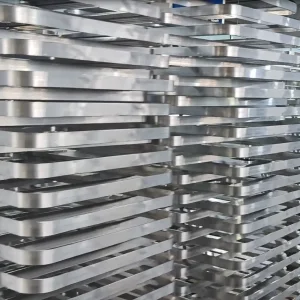
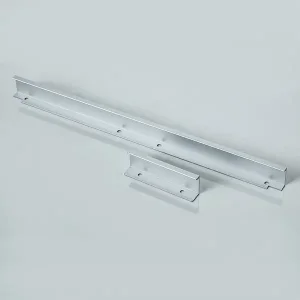
Tokyo is globally recognized as the epicentre of minimalist interior design, space optimization, and sustainable architecture. From the luxury boutique stores of Ginza to high-density smart residential units in Minato-ku, the demand for high-strength, structural metal profiles has surged dramatically. Wood materials are increasingly integrated with anodized aluminum alloys, allowing builders to achieve structural strength with exceptionally thin wall footprints.
For global procurement managers supplying the Japanese market, maintaining compliance with Japanese Industrial Standards (JIS) and local green certification demands is critical. The convergence of strict fireproofing regulations, seismic safety performance, and the Japanese philosophy of "Monozukuri" (meticulous craftsmanship) dictates that interior profiles are built to extremely tight tolerances, often below ±0.05mm.
This is where precision engineering meets global volume manufacturing. Integrating high-performance aluminum extrusions (alloys ranging from 6063-T5 to high-tensile 6061-T6 and 7075 series) guarantees the longevity, load-bearing capacities, and visual perfection that Tokyo developers expect.
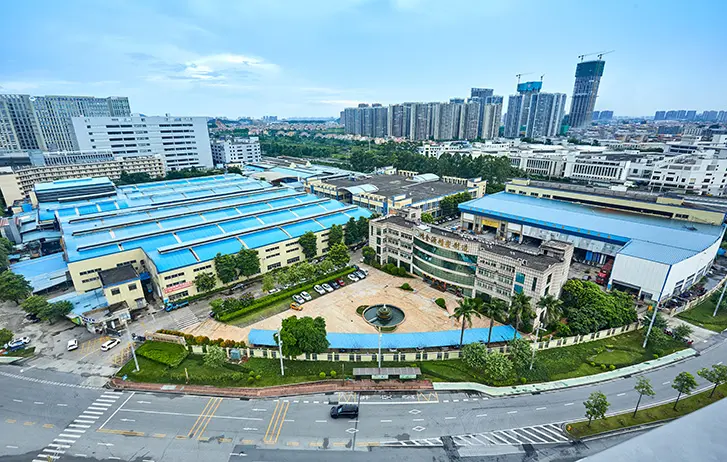
Established in 1991, we represent a premium class of manufacturing that bridges the Chinese supply chain advantage with global quality expectations. Spanning over 73,000 square meters, our facility provides integrated, raw-material-to-finished-product engineering.
How our manufacturing infrastructure enables Japanese developers and global OEM partners to secure unbeatable market dynamics.
Unlike secondary processors, we melt raw primary aluminum ingots in-house. We carefully adjust copper, zinc, magnesium, and silicon elements to guarantee deep chemical balance. This guarantees that finished parts achieve exceptional mechanical properties and flawless structural stability for heavy-duty Tokyo architectural installations.
Our integrated manufacturing cycle handles extrusion, custom heat treatment (tempering), CNC milling, and complex surface finishing inside one controlled factory perimeter. This system completely removes extra transit costs and ensures every single profile is inspected according to rigorous internal QA/QC standards.
Due to Foshan’s proximity to global shipping networks and deep-sea ports, we facilitate rapid shipping directly to Tokyo Bay ports (Tokyo, Yokohama). Our localized customer dispatch coordinates direct delivery workflows, keeping high-rise commercial construction jobsites precisely on track.
We maintain top-tier environmental, safety, and operational standards to align with Japan's green procurement policies.
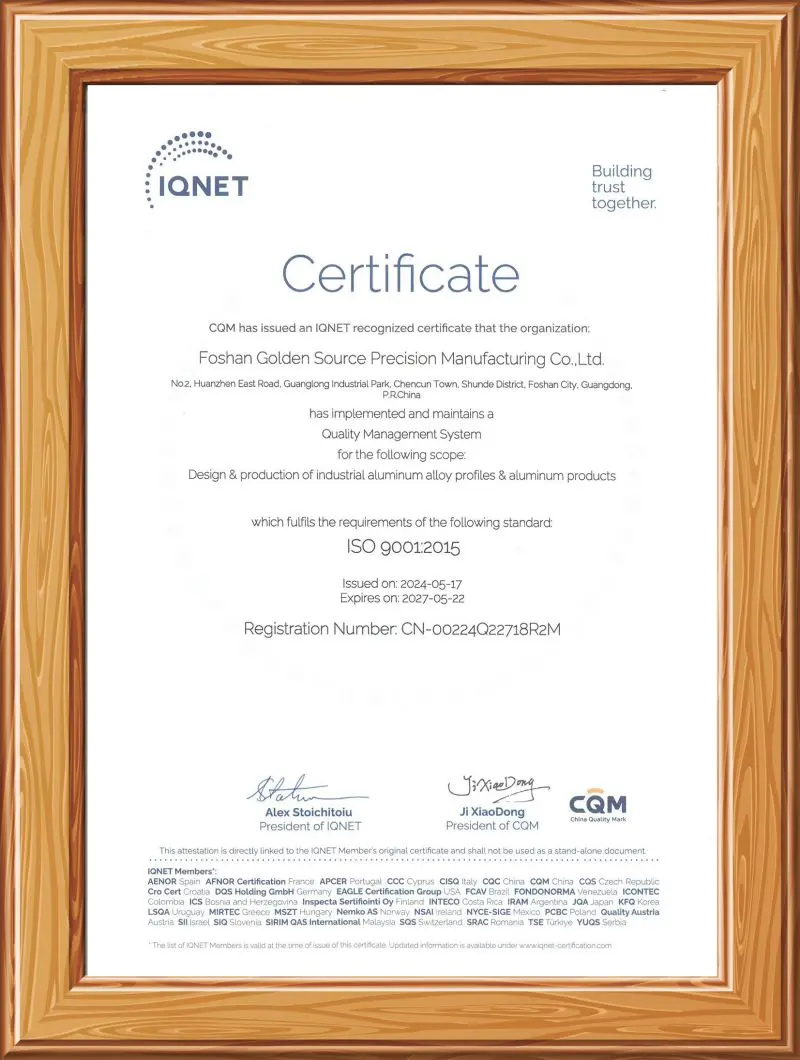
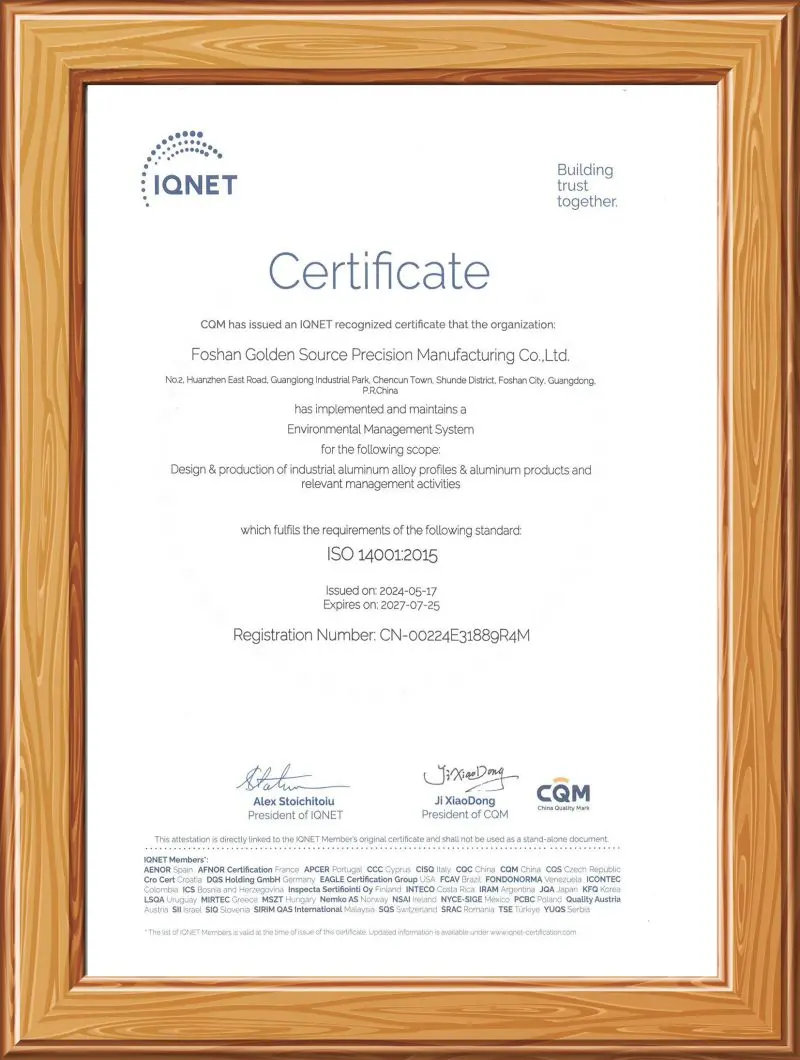
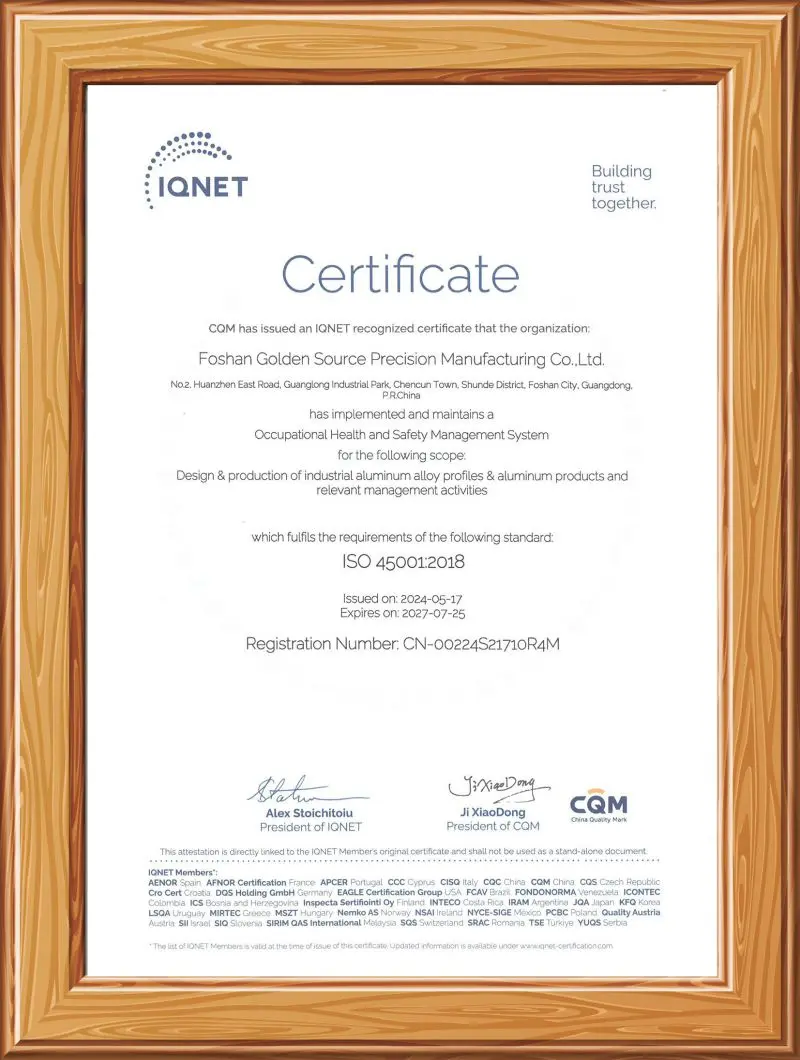
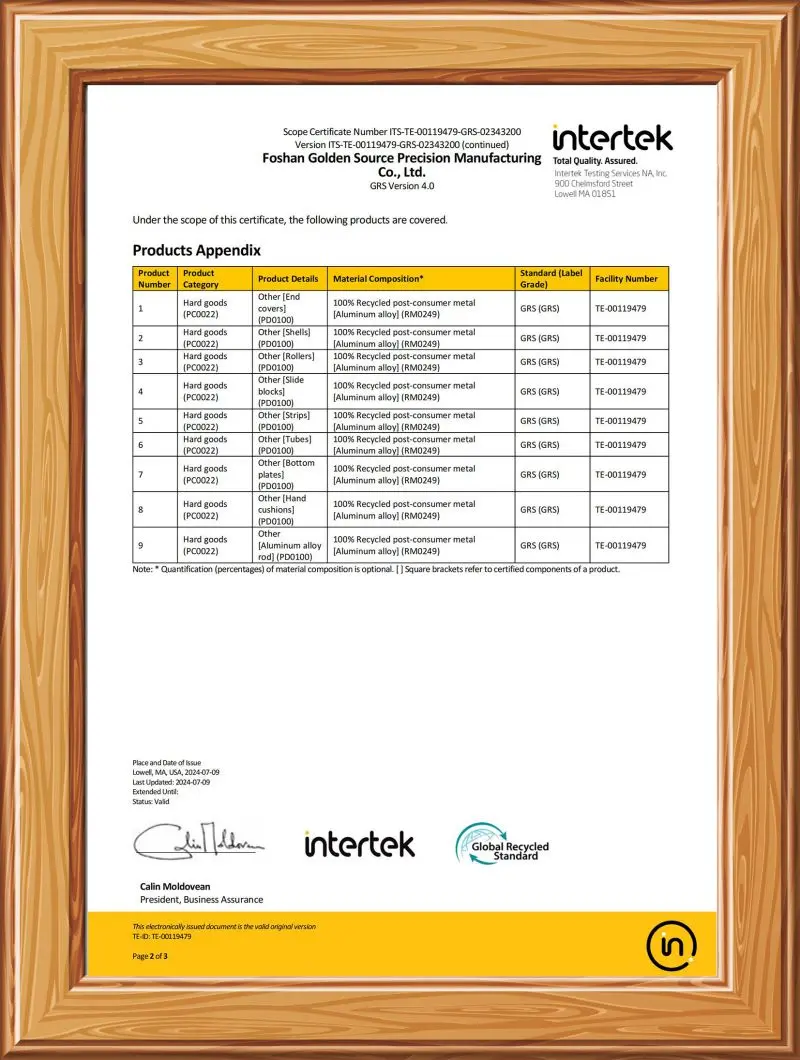
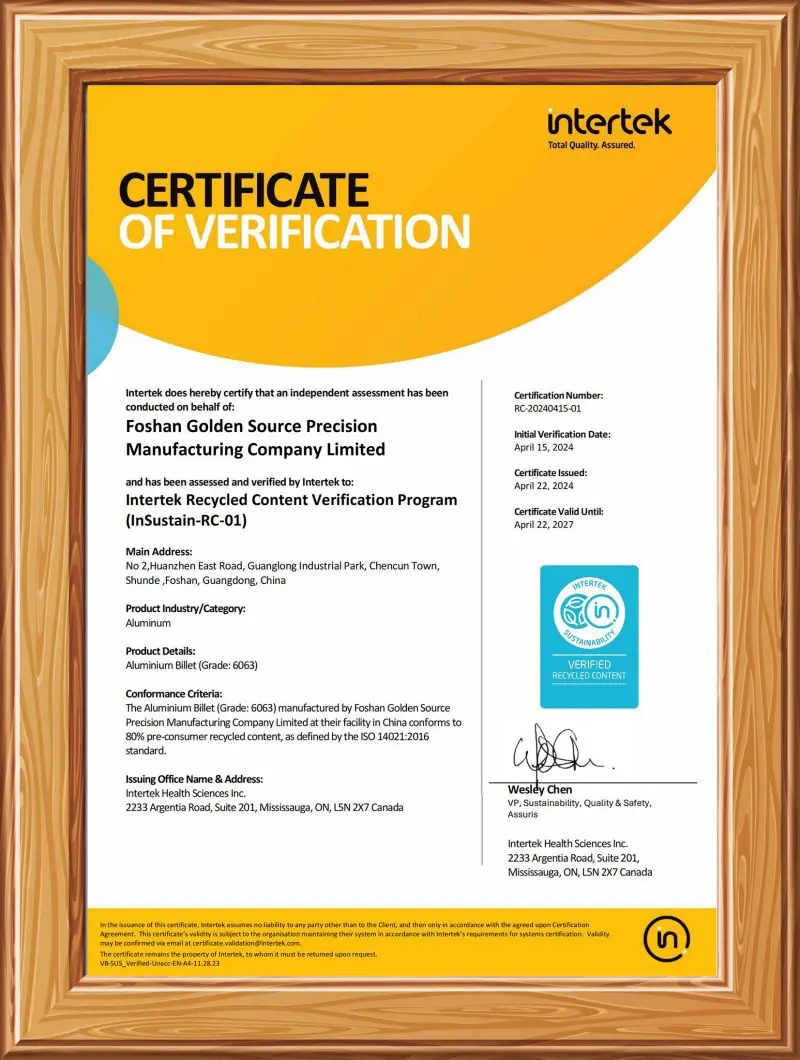
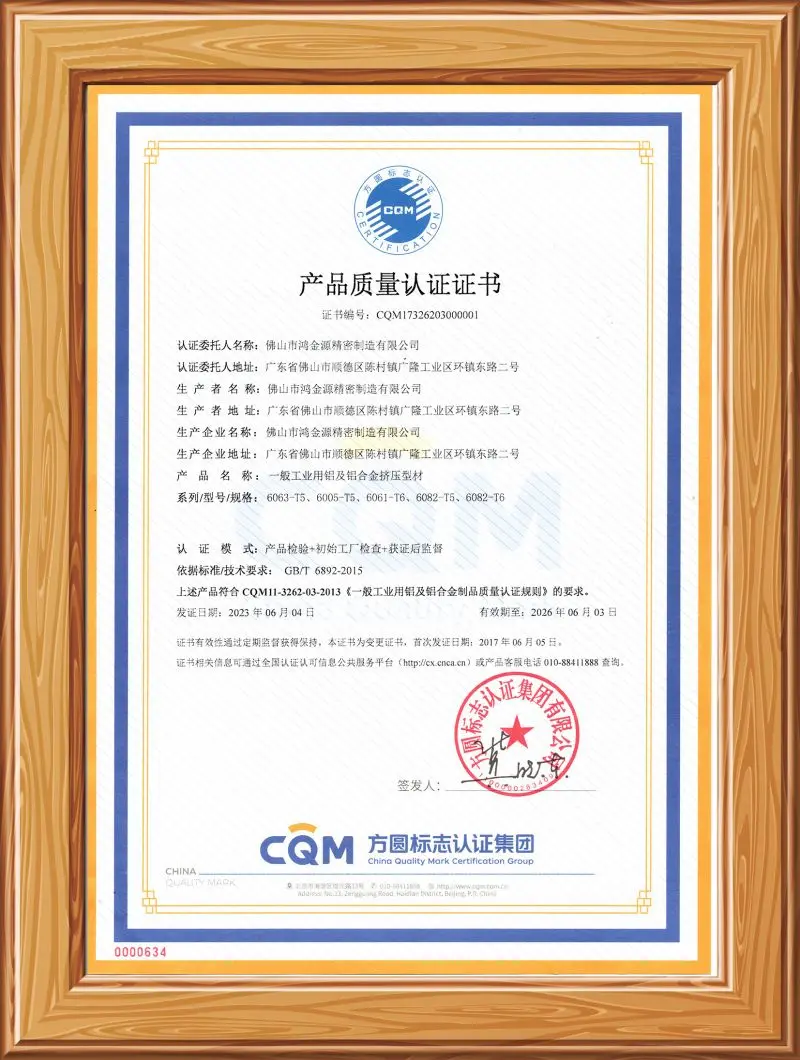
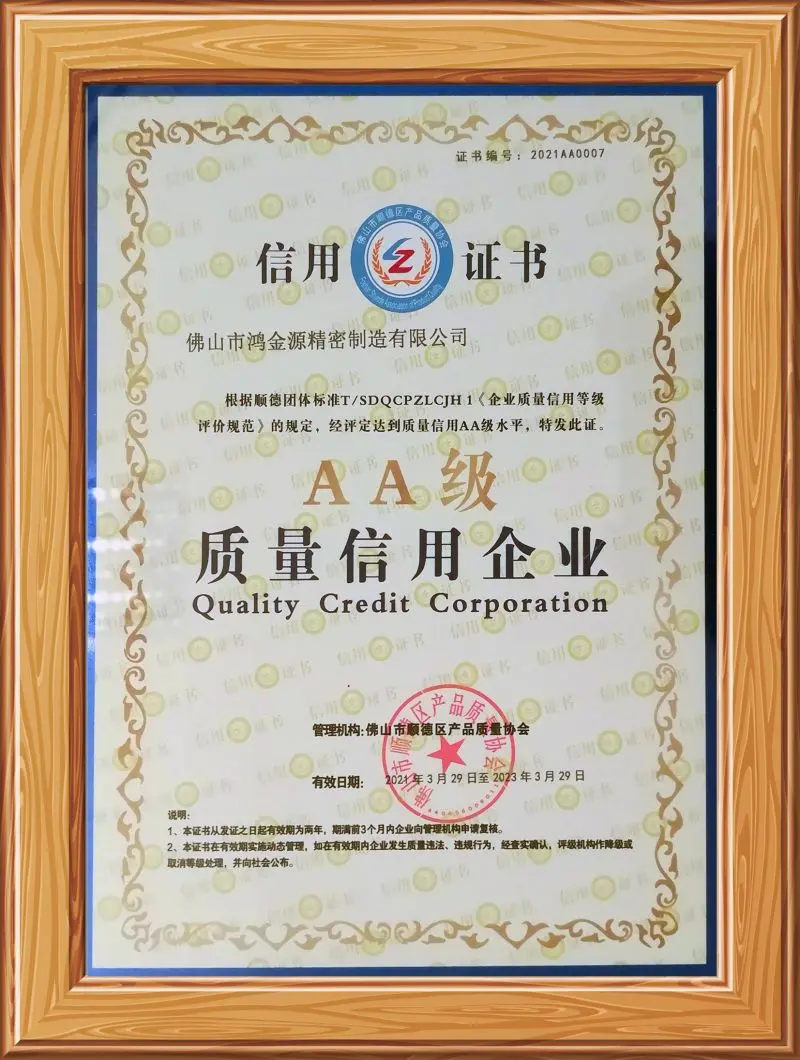
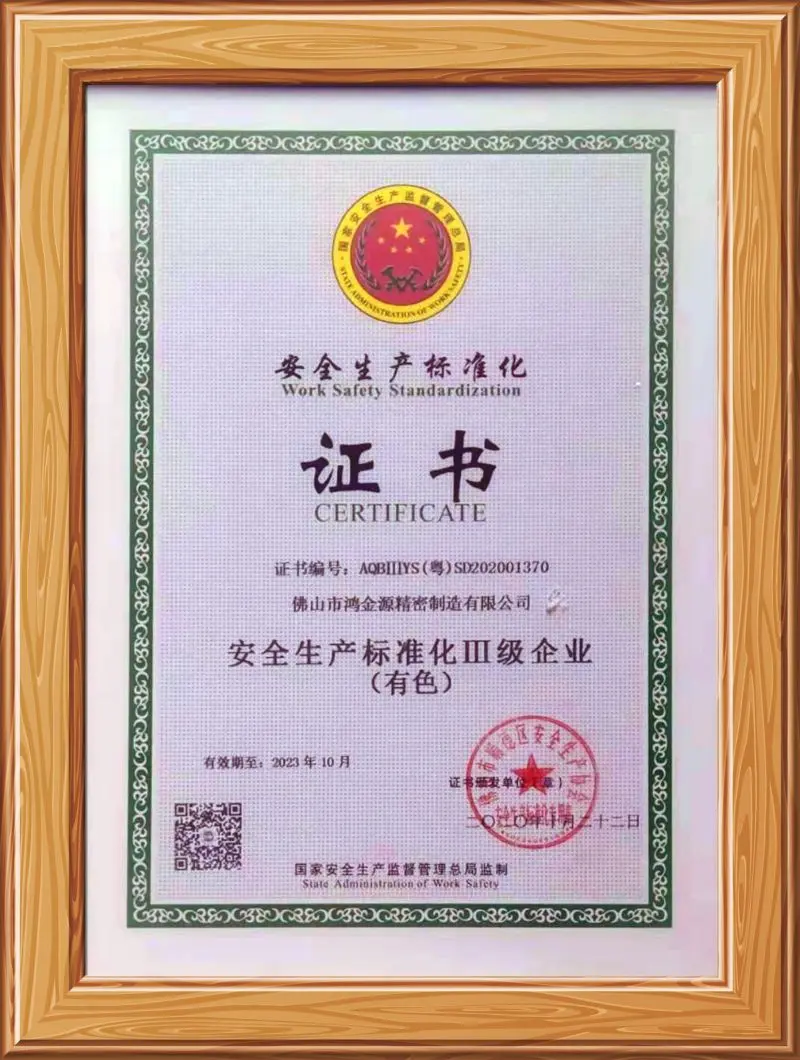
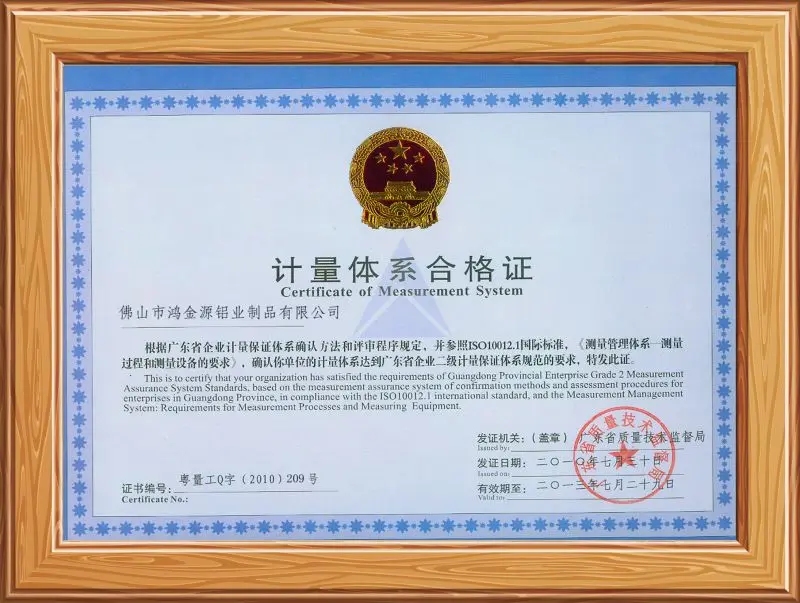
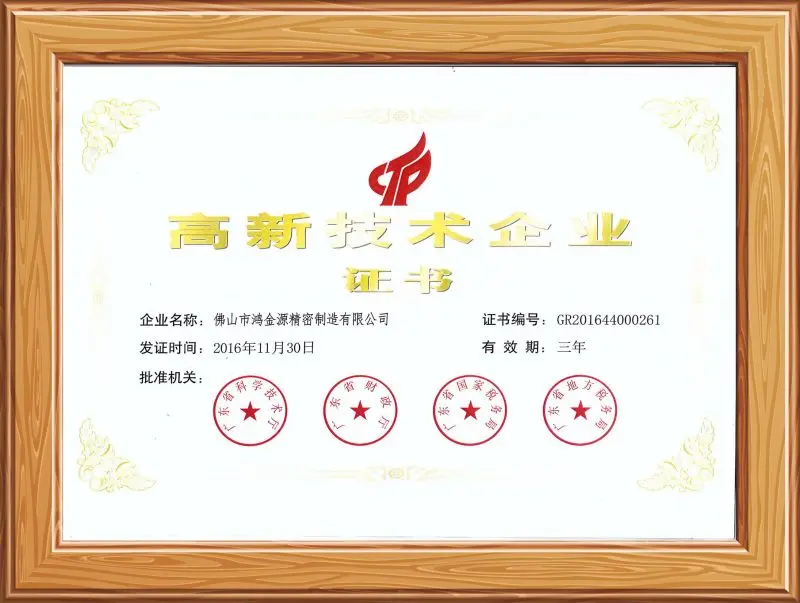
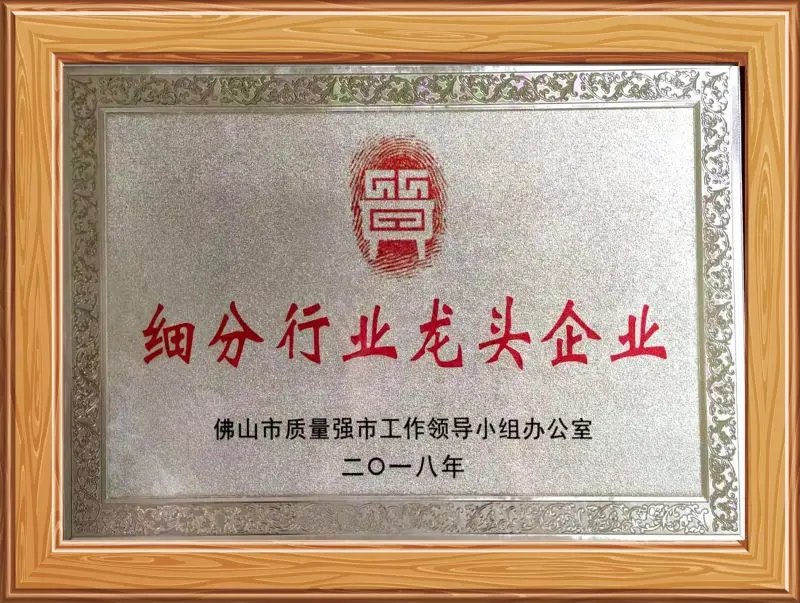
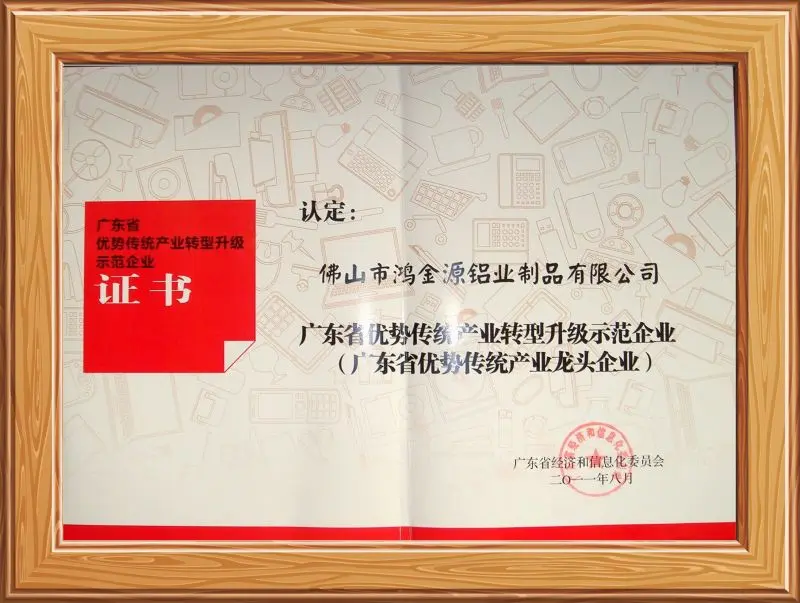
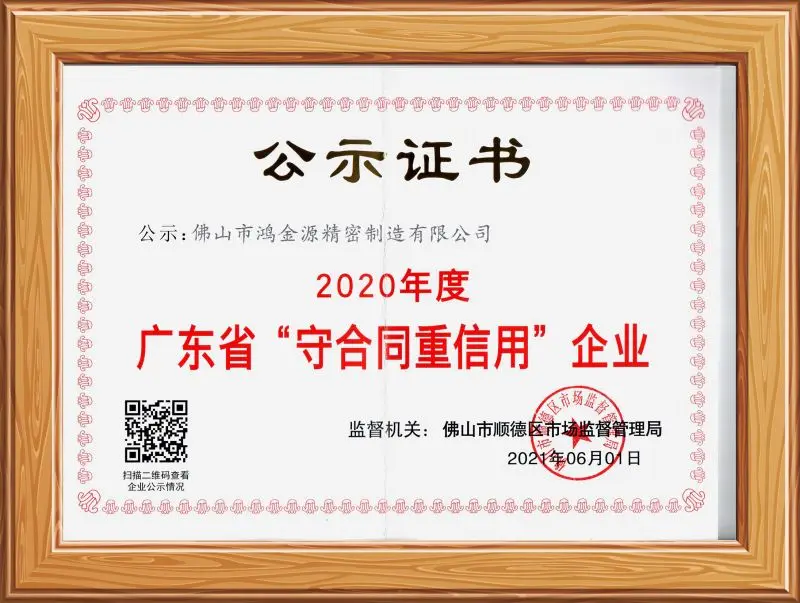
Our operation is proudly accredited with ISO9001 (Quality Management), ISO14001 (Environmental Management), and ISO45001 (Occupational Safety) certifications. Furthermore, our newer GRS (Global Recycled Standard) and RCV certifications guarantee that our manufacturing processes satisfy strict criteria for recycled content tracing and environmental compliance across the EU and APAC markets.
An analysis of why contemporary interior designers and builders are pivoting towards aluminum-extruded structures.
In Tokyo's competitive luxury retail and high-density residential sectors, spatial designers face a difficult puzzle: maximizing structural integrity while working within strict weight and profile size boundaries. Traditional steel is structurally sound but heavy and prone to moisture-induced degradation, whereas plastic lacks the tensile properties needed for high-traffic environments. High-precision engineered aluminum alloys (specifically 6XXX series formulations containing silicon and magnesium) address this gap.
Furthermore, the rapid rise of IoT-enabled furniture and prefabricated modular construction calls for integrated cavities within structural frame profiles. These hidden channels house internal cabling, LED driver controllers, and wireless connectivity arrays directly inside structural doorframes, baseboards, and cabinet systems. This integration creates a clean aesthetic while allowing for easy maintenance access.
Sustainable development goals also drive current sourcing trends. Forward-looking real estate projects, such as urban redevelopment initiatives in Shibuya, prioritize suppliers who can document their material origins. Implementing certified post-industrial recycled aluminum profiles directly aligns with global decarbonization goals, ensuring developments earn highly valued CASBEE (Comprehensive Assessment System for Built Environment Efficiency) rating points.
From modular luxury kitchens to heavy-duty building access mechanisms, precision aluminum plays a central role.
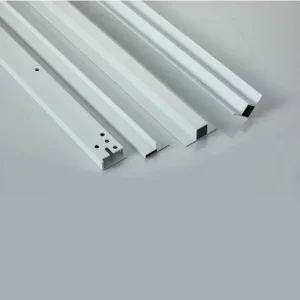
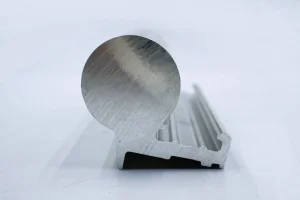
Integrating powder-coated aluminum framing structures (such as 6063-T5 alloy profiles) provides a moisture-proof, non-combustible frame for custom cabinetry, outperforming traditional particleboard in high-humidity climates.
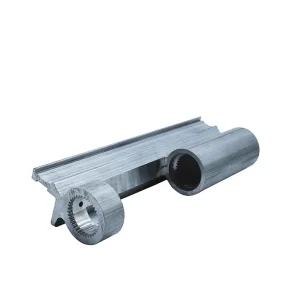
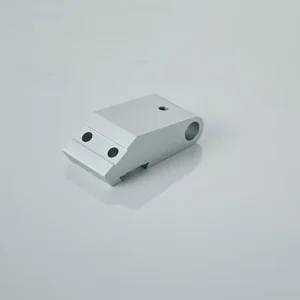
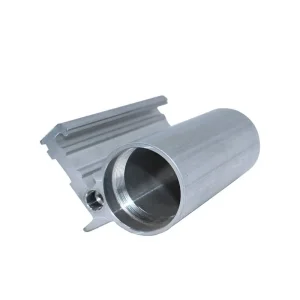
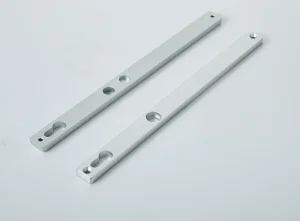
High-strength 6061-T6 alloy components, precision machined on multi-axis CNC routers, provide the tight tolerances needed for modern commercial door control enclosures, hydraulic hinge brackets, and arm assemblies.
Ultra-slim glass panels, mounted in micro-width anodized aluminum track profiles, maximize interior light transfer across premium corporate workspaces, supporting dynamic modern layout concepts.
Answers to common structural engineering, procurement logistics, and international custom fabrication questions.
We use primary aluminum ingots and alloy elements (Mg, Si, Cu) in controlled batches. This allows our products to meet or exceed JIS H 4100 structural specifications. We provide complete physical testing reports, including chemical analysis and tensile yield strength, for every production batch.
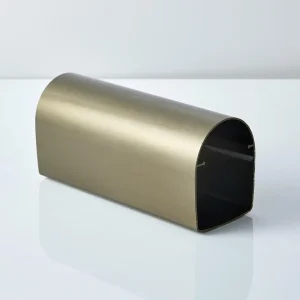
Yes. Our fully integrated surface treatment facility offers specialized sandblasting, acid matte etching, clear anodizing, bronze/champagne anodizing, and custom electrostatic powder coating. This ensures complete color match uniformity across large product batches.
We handle the entire mold lifecycle in-house, from structural CAD/CAM modeling to manufacturing the extrusion dies. This vertical integration keeps development costs low and allows us to deliver initial prototype samples within 10 to 15 working days.
We produce high-fatigue hydraulic parts using structural 6061-T6 aluminum. Every part undergoes ultrasonic structural scanning, coordinate measuring machine (CMM) dimensional verification, and pressure sealing tests to guarantee reliable operation over thousands of cycles.
We provide complete material traceability documentation, including chemical composition sheets and ROHS/REACH compliance files. Our GRS (Global Recycled Standard) certification also allows developers to satisfy green building standards like CASBEE and LEED.
We pack profiles in protective PE film, heavy-duty craft paper, and custom wooden crates or steel frames to prevent transit damage. We coordinate sea freight directly to Tokyo Bay or air cargo to Narita and Haneda airports for urgent jobsite requirements.
Full technical specifications, OEM drawings, and custom lengths are available upon request.
 HG Precision