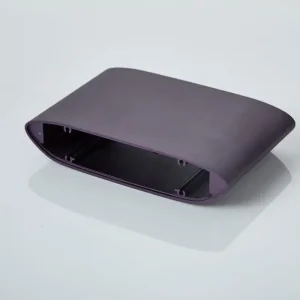
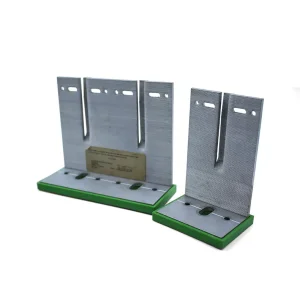
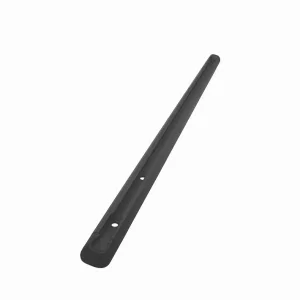
Explore our latest high-performance custom extruded profiles, precision CNC casings, and complex structural parts manufactured at our state-of-the-art facility.
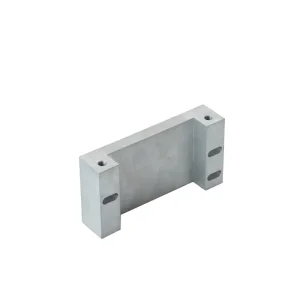
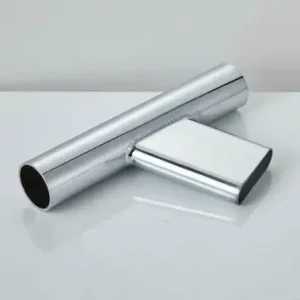
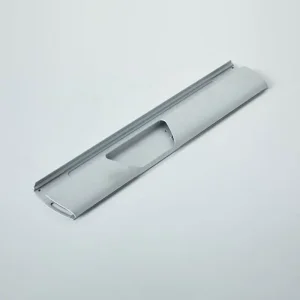
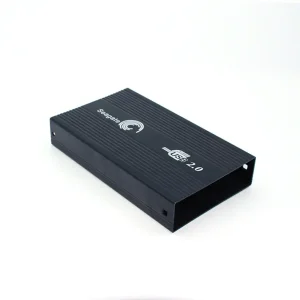
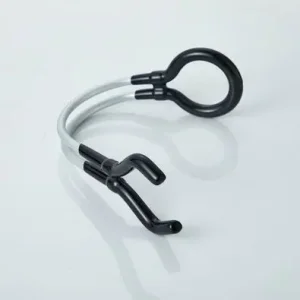
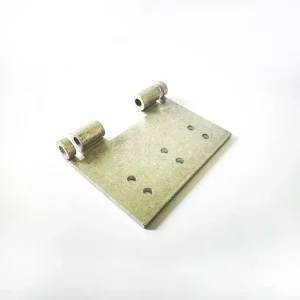
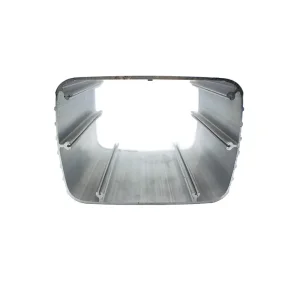
Established in 1991, Foshan Golden Source Precision Manufacturing Co., Ltd. has evolved into a premier Tier-1 manufacturer specializing in high-strength, high-precision customized aluminum profiles, structural components, and custom enclosures. Operating out of a state-of-the-art, ecologically optimized 73,000 square meter industrial park, we maintain full vertical integration. Our comprehensive ecosystem encompasses in-house raw material formulation, alloy smelting, custom tool/die design and fabrication, advanced aluminum extrusion, multi-axis CNC machining, structural welding, component assembly, and premium electrochemical surface finishing.
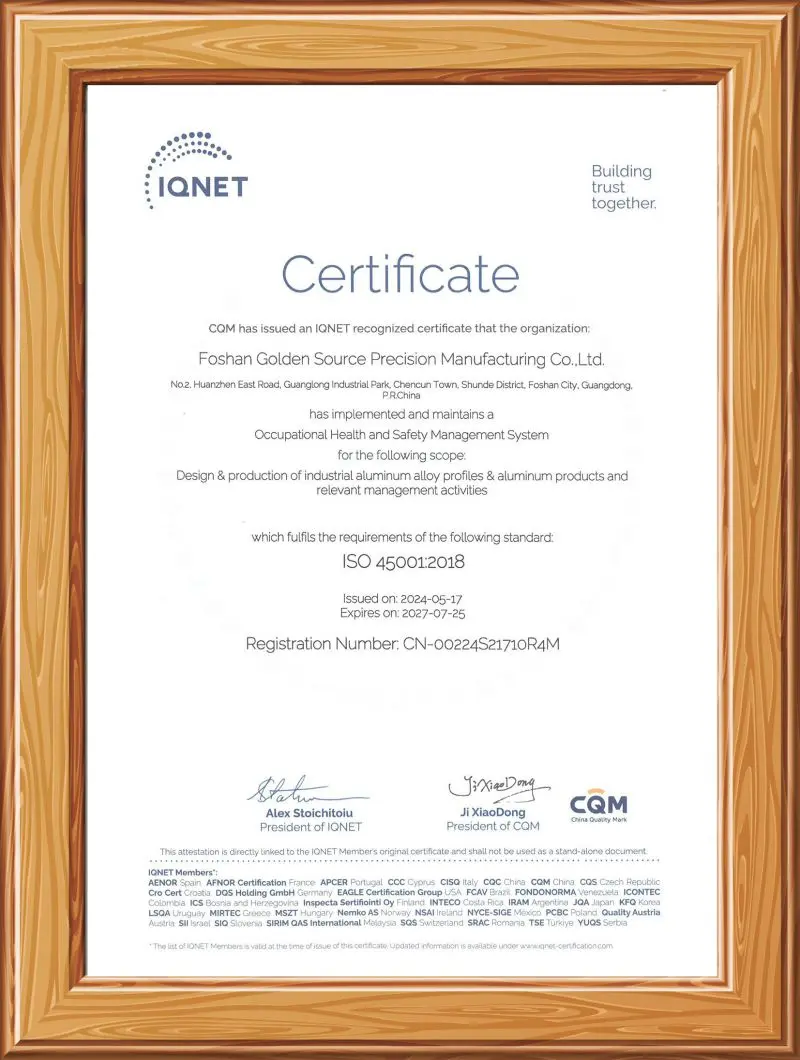
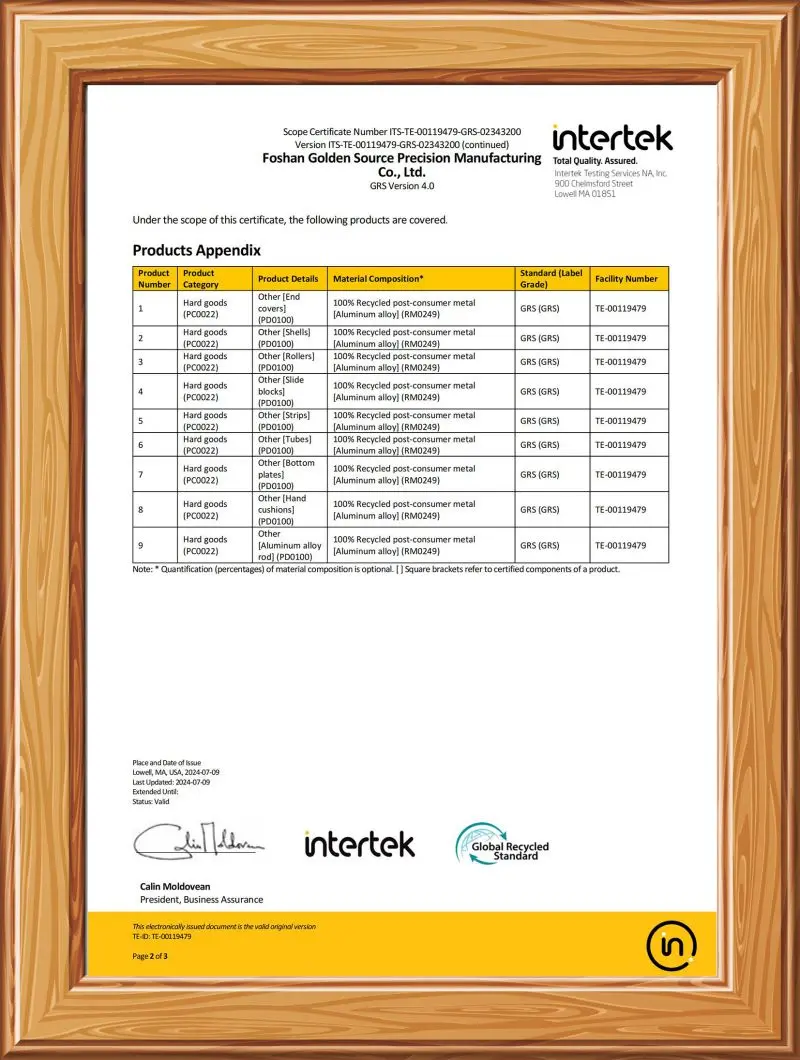
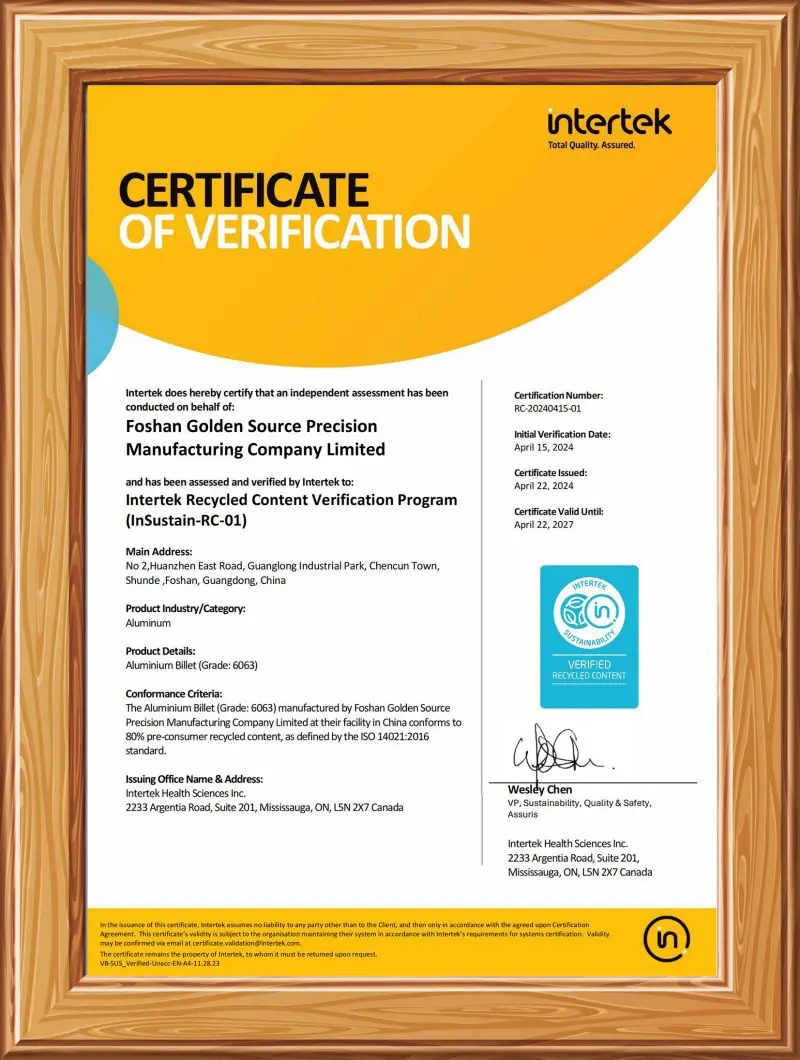
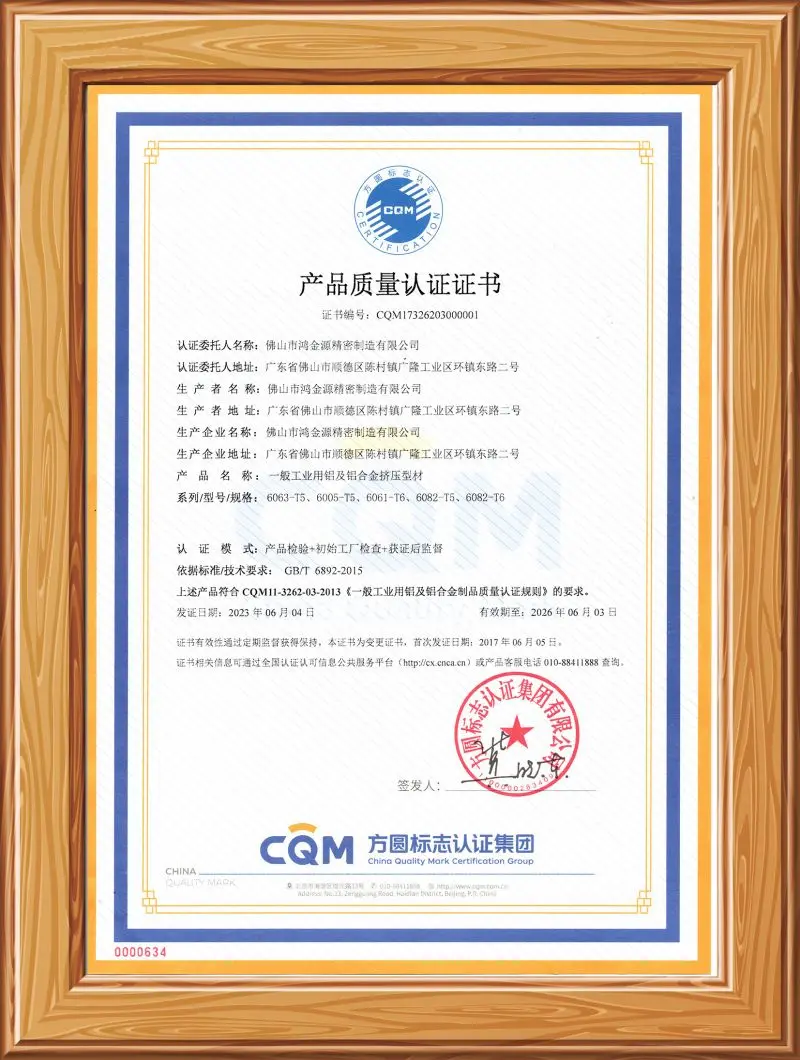
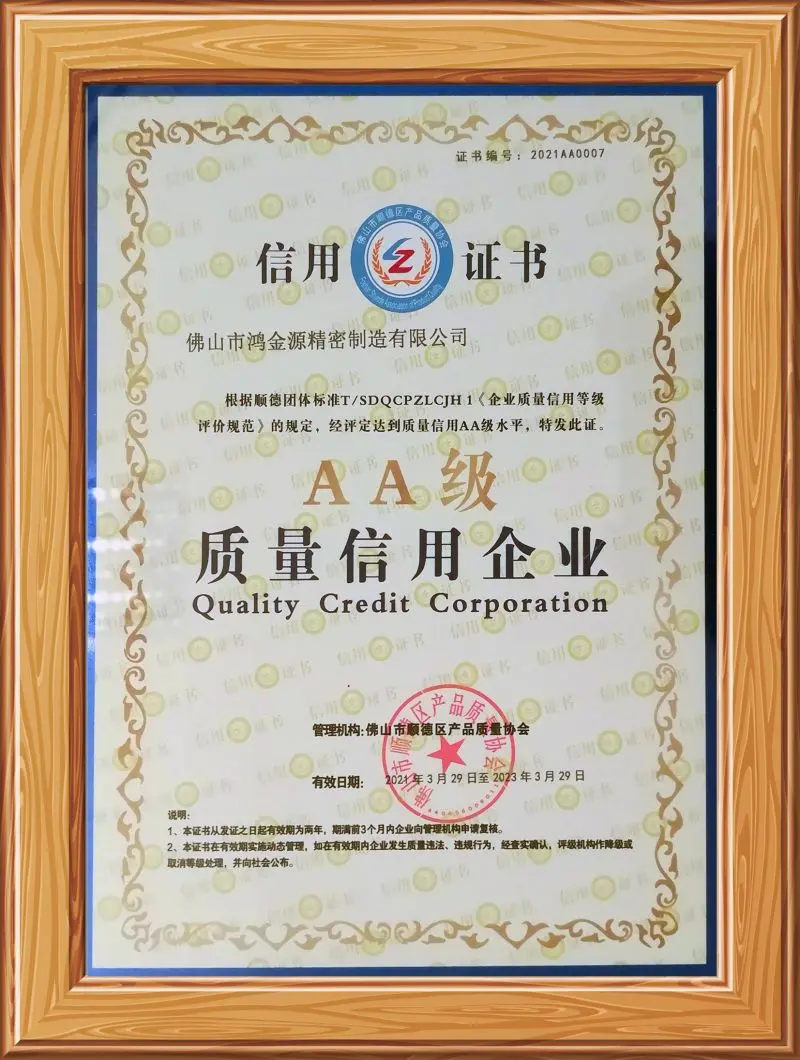
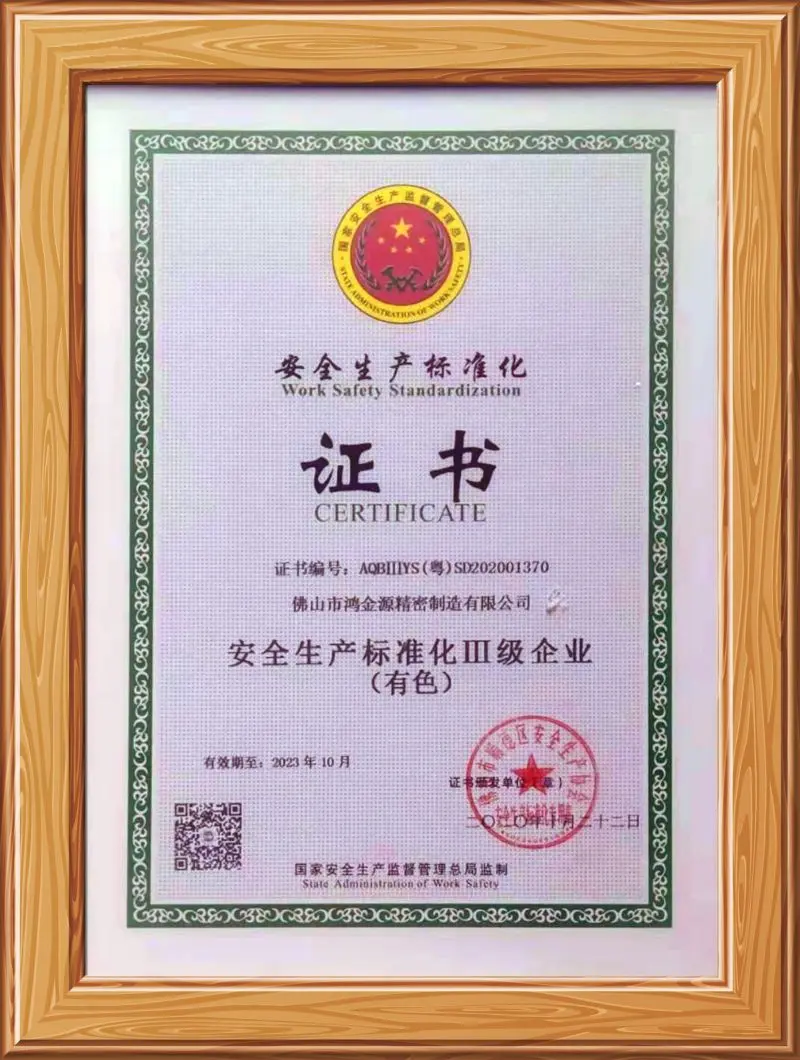
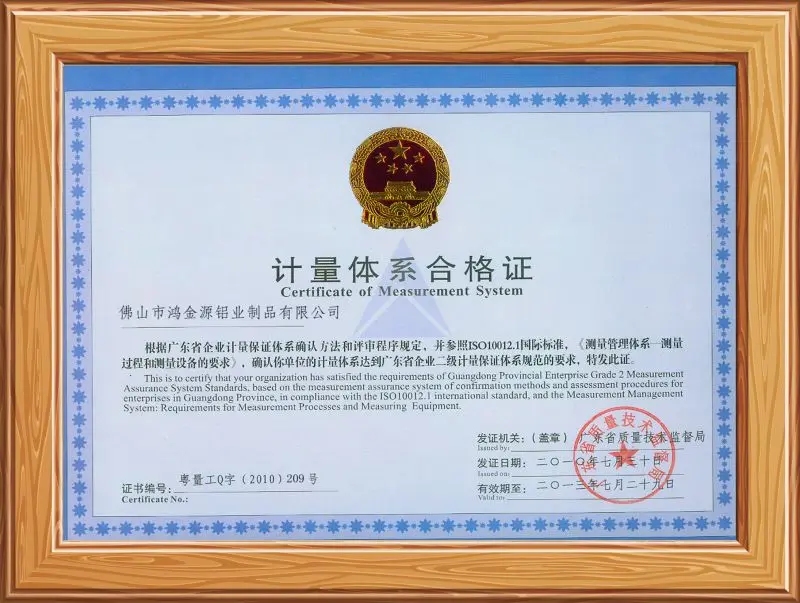
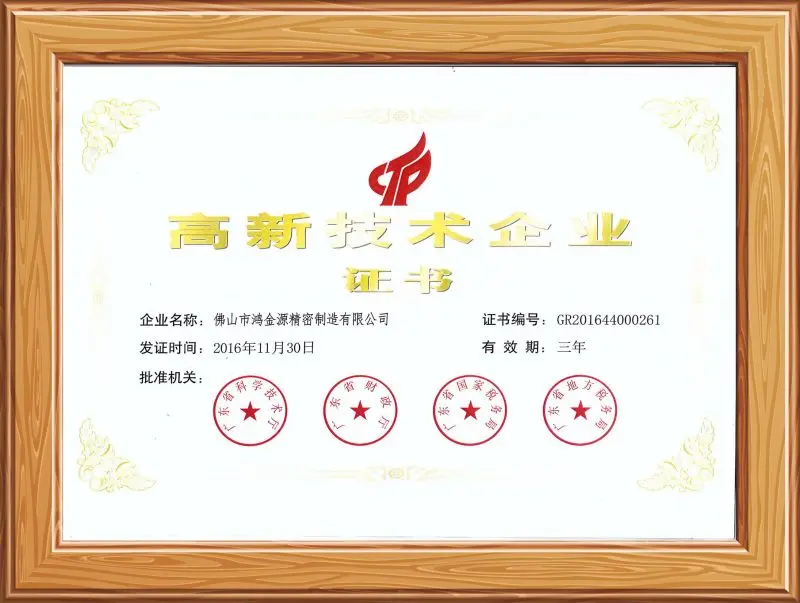
Our commitment to engineering integrity is backed by a robust suite of international quality, environmental, and safety certifications, including ISO9001, ISO14001, and ISO45001. Recognizing the strict compliance criteria of global markets, our processes are certified under the Global Recycled Standard (GRS) and Recycled Content Verification (RCV). These credentials guarantee that our finished casings and profiles comply fully with the European Union's stringent REACH and RoHS directives, enabling seamless integration into high-end hardware tools, consumer electronics (3C), automotive acoustic designs, rail transit networks, high-end architectural furniture, and rugged outdoor equipment.
By executing alloy smelting and refining in-house, we dynamically adjust chemical compositions to optimize physical properties. This guarantees pure grain structures, superior tensile strength, and uniform anodizing response across custom 1XXX to 7XXX series alloys.
CNC machining, stamping, and decorative treatments are maintained in-house. This centralized control minimizes sub-tier transportation risks, lowers defect rates, and reduces production costs. We pass these savings directly to OEMs as highly competitive unit pricing.
Our comprehensive "one-stop" manufacturing workflow removes external logistical handoffs. From raw ingot to anodized, multi-component assembled enclosures, we significantly compress the standard NPI (New Product Introduction) cycles.
In high-performance structural and electronic applications, selecting the appropriate aluminum alloy is critical. Our in-house casting facility allows us to process a wide range of specialized aluminum series. By controlling elements like Silicon (Si), Magnesium (Mg), and Iron (Fe) during smelting, we tailor the mechanical properties of each profile to meet strict custom requirements.
| Alloy Grade & Temper | Primary Alloying Elements | Yield Strength (MPa) | Anodizing Performance | Primary Industrial Applications |
|---|---|---|---|---|
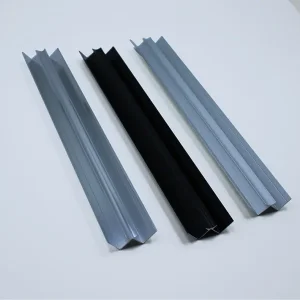
| 6063-T5 / T6 | Mg (0.45-0.9%), Si (0.2-0.6%) | 170 - 214 | Excellent (High clarity, uniform color) | Hard disk cases, 3C enclosures, architectural corner profiles, battery tubes. |
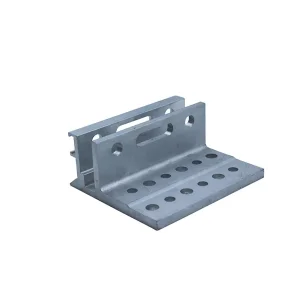
| 6061-T6 | Mg (0.8-1.2%), Si (0.4-0.8%), Cu (0.15-0.4%) | 276 | Good (Matte/Structured finish preferred) | Structural LED brackets, heavy-duty door close blocks, automotive components. |
| 5052-H32 | Mg (2.2-2.8%), Cr (0.15-0.35%) | 193 | Moderate (Excellent corrosion resistance) | Sheet metal enclosures, welded marine brackets, outdoor cabinets. |
| 7075-T6 | Zn (5.1-6.1%), Mg (2.1-2.9%), Cu (1.2-2.0%) | 503 | Poor (High zinc content creates dark oxide layers) | Military-grade aerospace structures, high-stress mechanical components. |
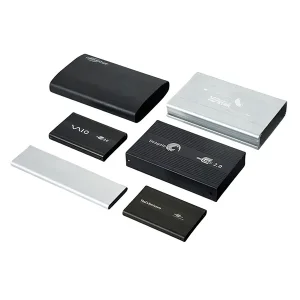
For consumer-facing aluminum enclosures, such as hard disk covers or optical keyboard housings, surface uniformity is vital. Standard commercial ingots often contain micro-segregations and coarse intermetallic compounds. During anodization, these defects manifest as structural banding, dark spots, or uneven color distribution.
Our metallurgical team resolves this issue by applying a specialized homogenization thermal treatment to our cast billets. By holding the cast logs at temperatures between 560°C and 580°C for over eight hours, we ensure the complete dissolution of Mg₂Si and transform beta-AlFeSi phases into stable, spheroidal alpha-AlFeSi configurations. The result is a fine, uniform grain structure that yields a flawless satin finish after chemical etching and anodizing.
Deploying automated production lines, intelligent quality management systems, and eco-friendly manufacturing methodologies to achieve superior efficiency.
Our capabilities extend beyond raw extrusion. We design and deliver complete, application-specific structural solutions engineered to excel in challenging operating environments.
Modern battery packs demand structural protection alongside optimized thermal performance. Our custom-extruded 6063-T5 aluminum battery tubes feature multi-cavity geometries with thin wall profiles. These designs protect delicate cell groups from external impacts while facilitating efficient heat transfer. Through precision extrusion and multi-axis CNC machining, we incorporate integrated liquid cooling channels directly into the enclosure profiles.
From custom anodized keyboard frames to laser printer housings and hard disk drive covers, we supply the consumer technology sector with components that meet strict cosmetic and dimensional requirements. Utilizing high-speed multi-axis CNC machining centers, we consistently hold mechanical tolerances to ±0.01 mm. This precision ensures that click-fit interfaces, screen-printed legends, and internal standoffs align perfectly during final assembly.
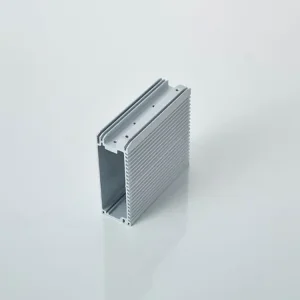
Precision acoustic systems require specialized enclosures to prevent unwanted resonance. We manufacture custom-engineered matte silver heat-sink enclosures for active noise cancellation systems and high-fidelity automotive amplifiers. These units feature thick, vibration-dampening mounting walls combined with high-density cooling fins. This geometry optimizes passive convection thermal performance while minimizing structural vibration.
As industries seek to reduce environmental impact and improve efficiency, our R&D roadmap focuses on two core manufacturing initiatives:
We adhere to rigorous international standards to ensure our products, safety protocols, and environmental impact meet the requirements of global markets.
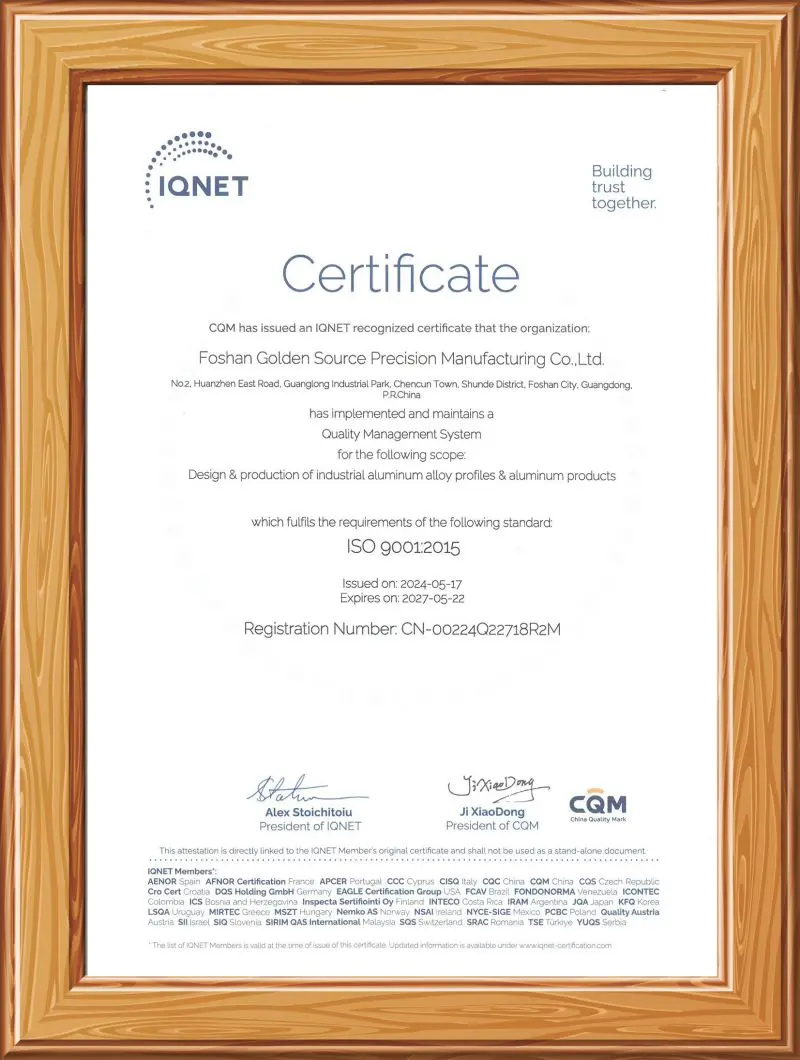
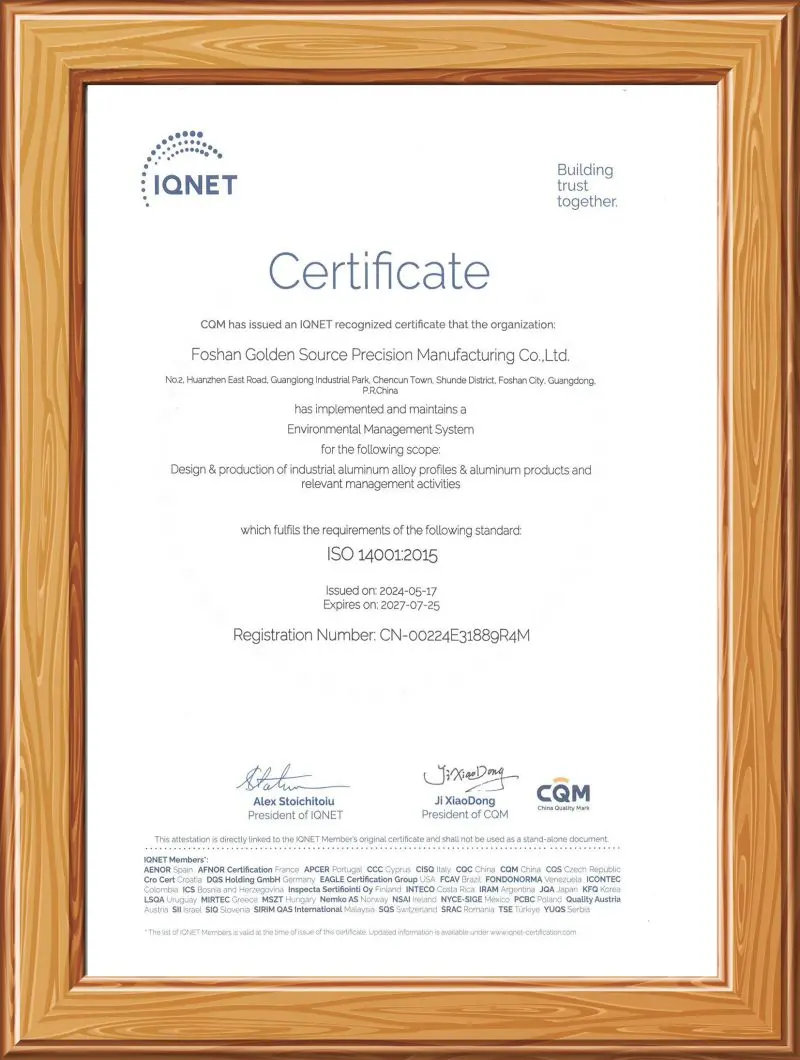
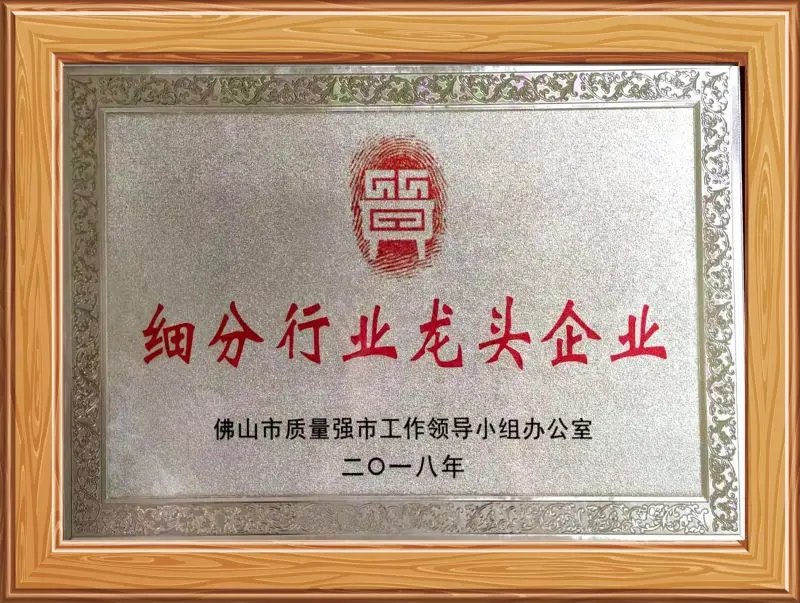
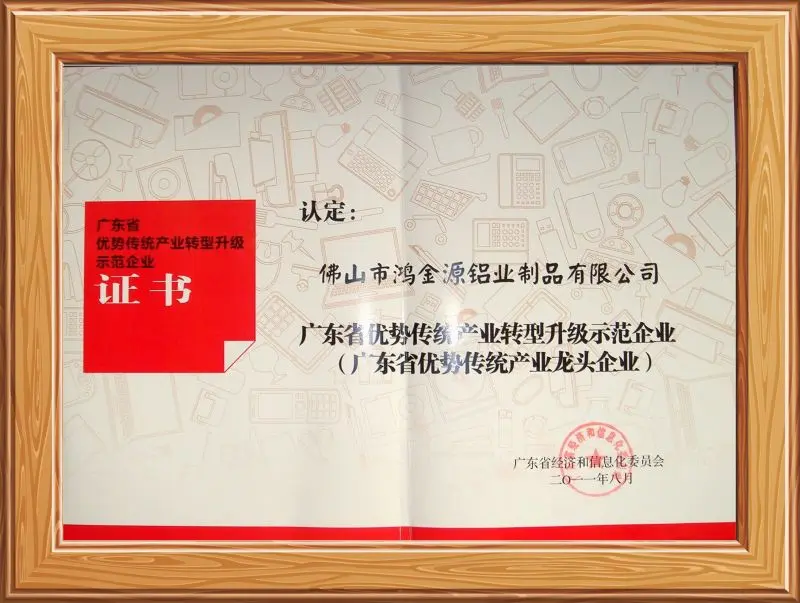
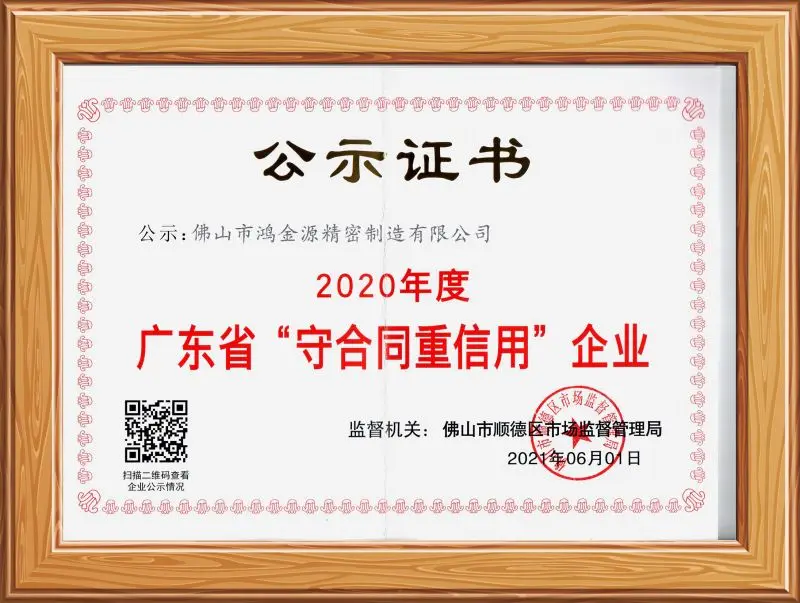
In today's complex geopolitical landscape, industrial sourcing teams face challenges around tariff volatility, supply chain disruptions, and shifting environmental regulations. To mitigate these risks, Foshan Golden Source has optimized its production and logistics framework specifically for global OEMs:
We reduce supply chain complexity by handling all manufacturing in-house. Unlike standard assembly shops that rely on sub-tier extrusion mills, we smelt our own billet, extrude our own profiles, and perform all machining under one roof. This single-source workflow eliminates intermediate shipping delays, reduces transit damage risks, and simplifies quality audits.
European and North American regulatory compliance demands full supply chain transparency. Our compliance program provides documentation for EU REACH and RoHS regulations. With our Global Recycled Standard (GRS) and Recycled Content Verification (RCV) audits, we assist our partners in tracking scope 3 emissions and calculating recycled content for their sustainability reporting.
Our quality system implements systematic checkpoints throughout production: optical emission spectrometers analyze composition during smelting; laser measurement systems verify extrusion geometries online; and automated coordinate measuring machines (CMM) inspect machined dimensions before finishing. Every shipment is delivered with comprehensive material test reports (MTRs) and dimensional inspection certificates, ensuring full traceabilty.
Download our complete corporate catalog featuring detailed alloy profiles, tooling tolerances, and structural design guides.
Answers to common engineering and procurement questions regarding our custom aluminum manufacturing capabilities.
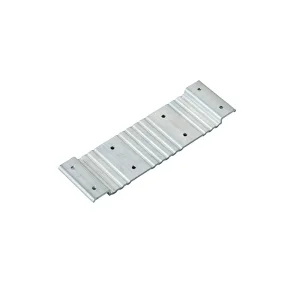
Explore our custom functional profiles, heatsink housings, and structural brackets engineered for global industrial systems.
 HG Precision