Explore our high-precision custom extrusions, designed to meet rigorous structural, mechanical, and architectural specifications.
The shift toward minimalist, integrated linear design is transforming modern premium interior architecture.
Architects, kitchen designers, and furniture manufacturers are increasingly moving away from heavy structural wood frames in favor of ultra-slim, high-load-bearing, and corrosion-resistant aluminum extrusions. Modern kitchen spaces call for seamless visual transitions, hidden handles (integrated J-pull profiles), and dynamic LED channel integration. Aluminum profiles provide the structural rigidity required for oversized cabinet doors while keeping weight minimal to prevent cabinet hinge failure over long-term usage cycles.
Furthermore, sustainability has shifted from a corporate target to a strict regulatory mandate. Global buyers are actively seeking manufacturer partnerships that feature closed-loop recycling systems, low carbon footprint profiles, and certifications that guarantee alignment with European and North American environmental directives.
Decoding the mechanical and chemical parameters of high-performance 6XXX and 7XXX series alloys.
Understanding the exact application limits of 6063-T5 and 6061-T6. 6063 provides exceptional surface finish properties for visual trims and door frames, while 6061 delivers maximum structural yield strength for structural frames and heavy-duty mechanical elements.
T5 temper involves cooling from an elevated temperature shaping process and artificial aging, providing high dimensional stability. T6 tempering requires solution heat treatment followed by artificial aging to boost tensile strength for load-bearing cabinet profiles.
In-house billet casting ensures strict control over chemical impurities like Iron (Fe), which can cause visual streaking during anodization. Our strict control yields flawless structural profiles suitable for high-end optical and mirror finishes.
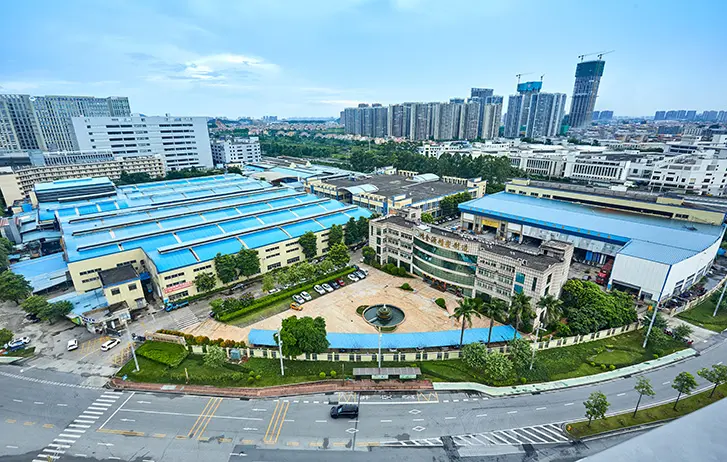
Founded in 1991, Foshan Golden Source is a premium manufacturer specializing in high-strength, high-precision custom aluminum profiles, precise CNC machining parts, welded structures, and complex sub-assemblies. With a modern, environmentally conscious production facility spanning over 73,000 square meters, we deliver integrated vertical manufacturing services under one roof.
Our operations feature state-of-the-art aluminum extrusion presses, a fully equipped CNC machining workshop (including multi-axis milling, turning, and drilling machines), robotic welding stations, cleanroom assembly lines, and specialized surface treatment plants for custom anodizing, powder coating, and mechanical polishing.
Whether you require 1XXX, 3XXX, 5XXX, 6XXX, or 7XXX series alloys, our metallurgical control center ensures your profiles are engineered to match the mechanical requirements of industries like high-end furniture, construction, electronics, and automotive engineering.
Why leading global brands choose us as their strategic manufacturing partner.
By casting our own aluminum billets, we adjust mechanical properties and control alloy purity at the molecular level. This results in superior anodizing yields and consistent mechanical properties across different production batches.
From initial design and die creation to precision CNC milling, multi-stage surface treatment, and final assembly—every process is kept inside our factory. This minimizes intermediate logistics costs, reduces lead times, and guarantees strict quality control.
Our synchronized production scheduling eliminates external bottlenecks. This allows us to offer fast prototypes and reliable high-volume manufacturing cycles to support dynamic supply chains.
From custom metallurgical formulas to high-end surface finishes, we turn concepts into production-ready profiles.
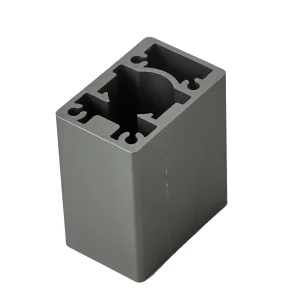
Our dedicated mold R&D department uses simulation software to optimize material flow inside extrusion dies. This minimizes internal stress, prevents surface defects, and ensures tight tolerance control on thin-walled cabinet profiles.
Anodizing is done in-house using automated lines, supporting finishes like natural silver, electrolytic bronze, sandblasted grey, satin, and custom polished options. Our seal quality tests protect profiles from household humidity and chemical cleaners.
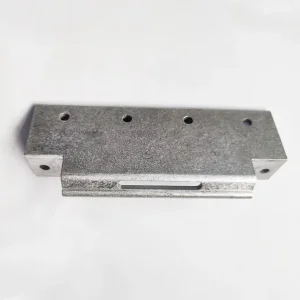
Many cabinet designs require complex features like hinge pockets, mitred corner joints, and drill holes. Our vertical integration includes CNC milling, punching, tapping, and automated double-head cutting to deliver components that are ready for immediate assembly.
We use CMM measurements, spectrometers, gloss meters, webster hardness testers, and salt-spray chambers to verify mechanical and visual parameters against client standards before dispatch.
At Foshan Golden Source, we focus on eco-friendly production, clean processing, energy efficiency, and strict regulatory compliance.
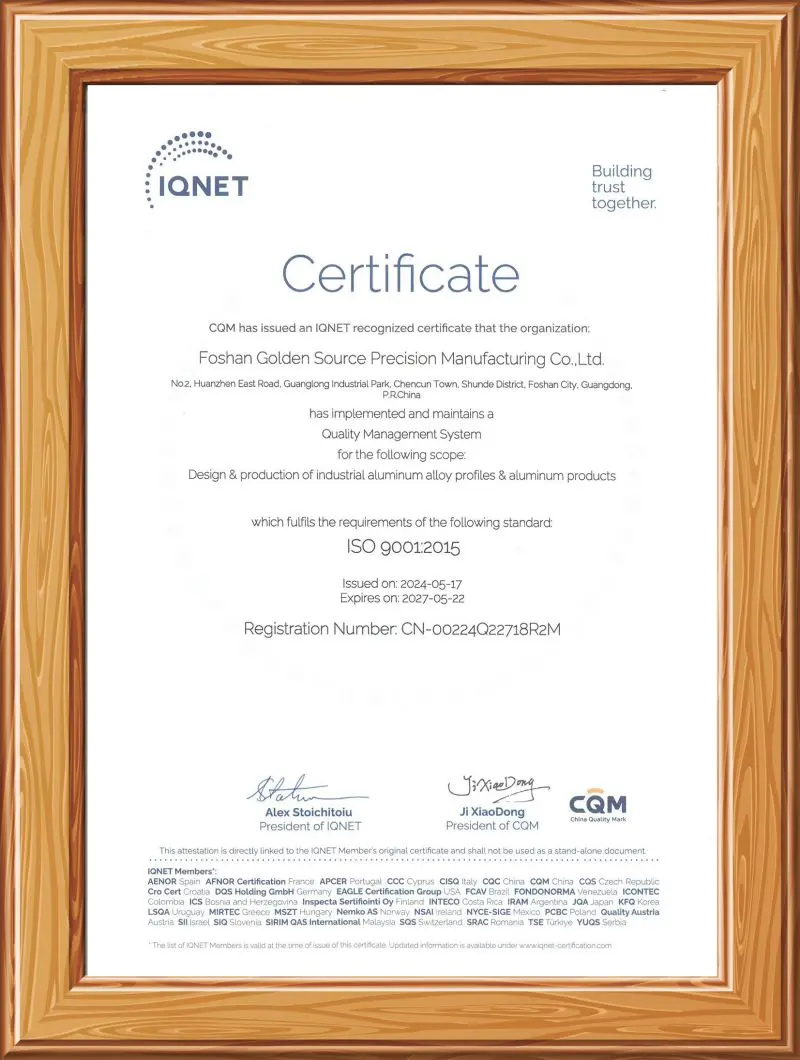
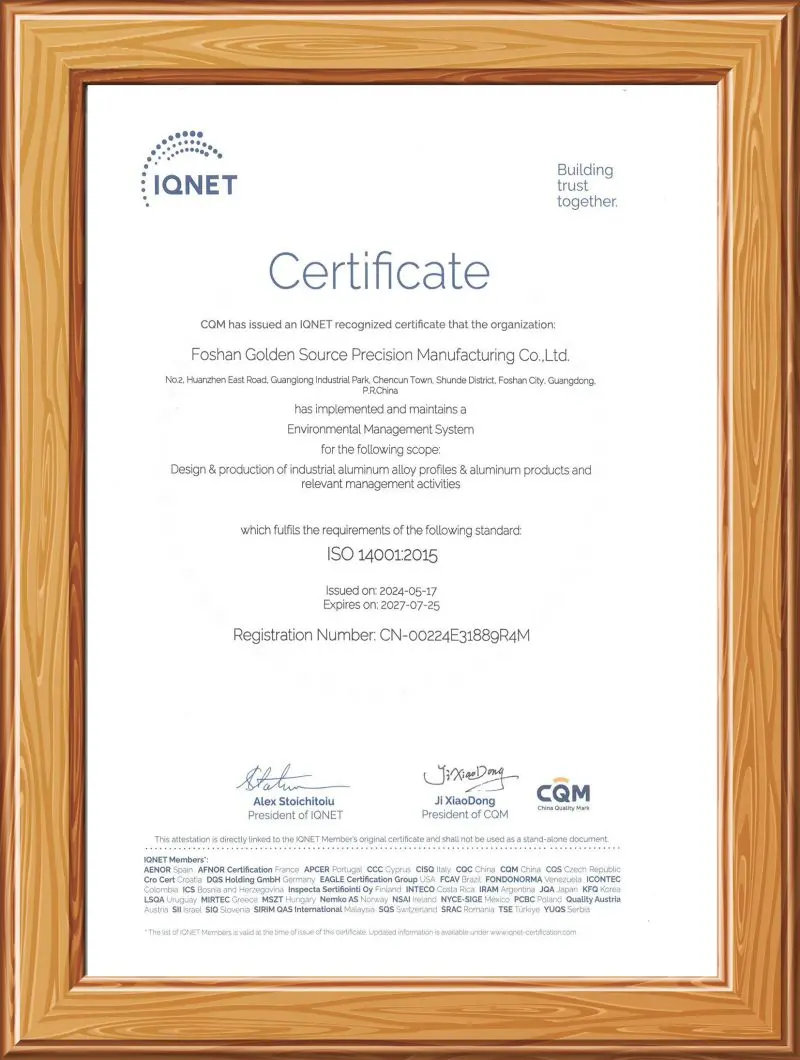
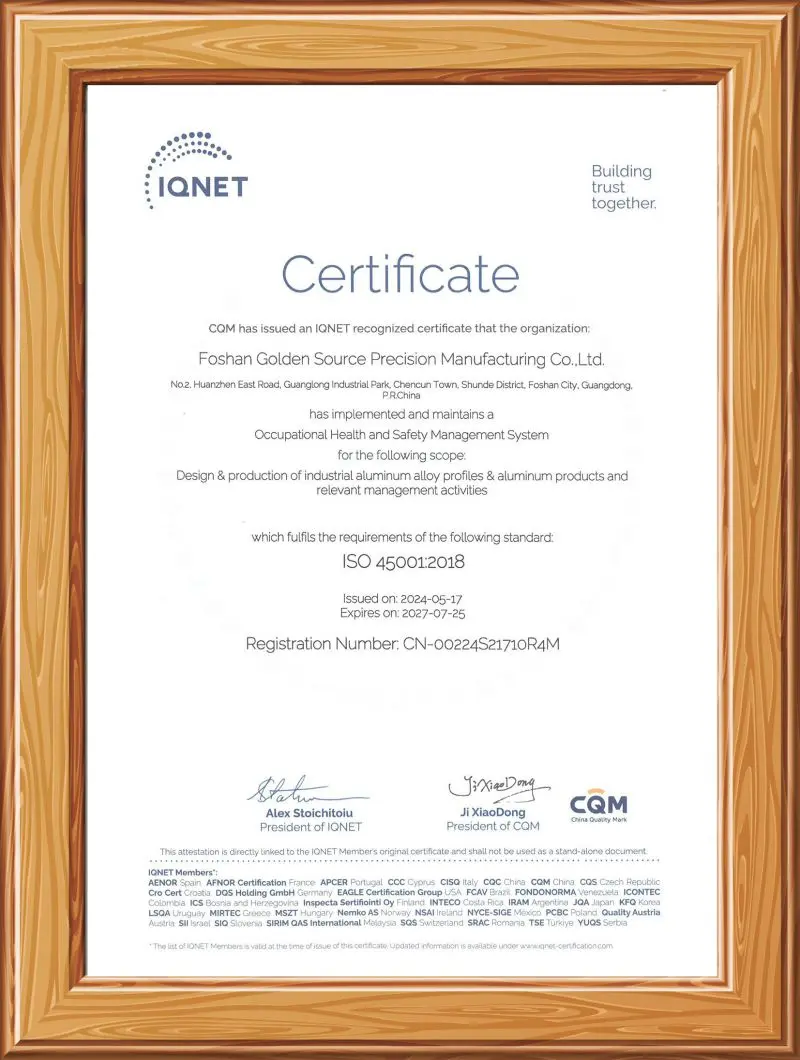
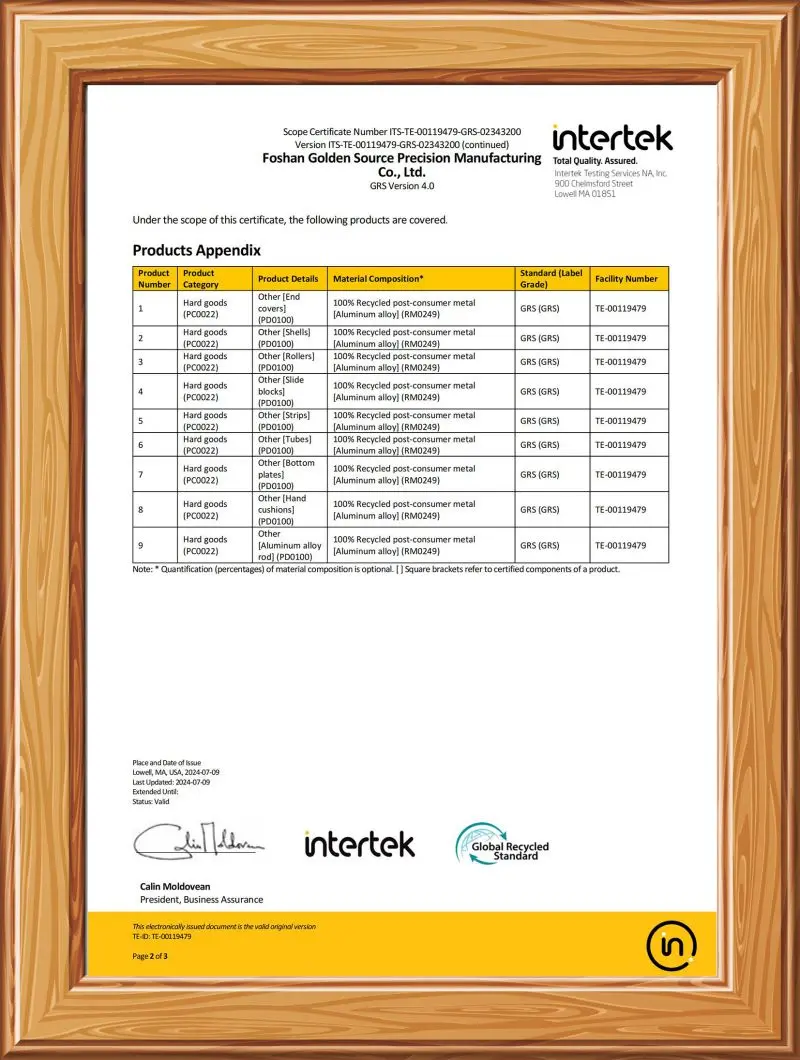
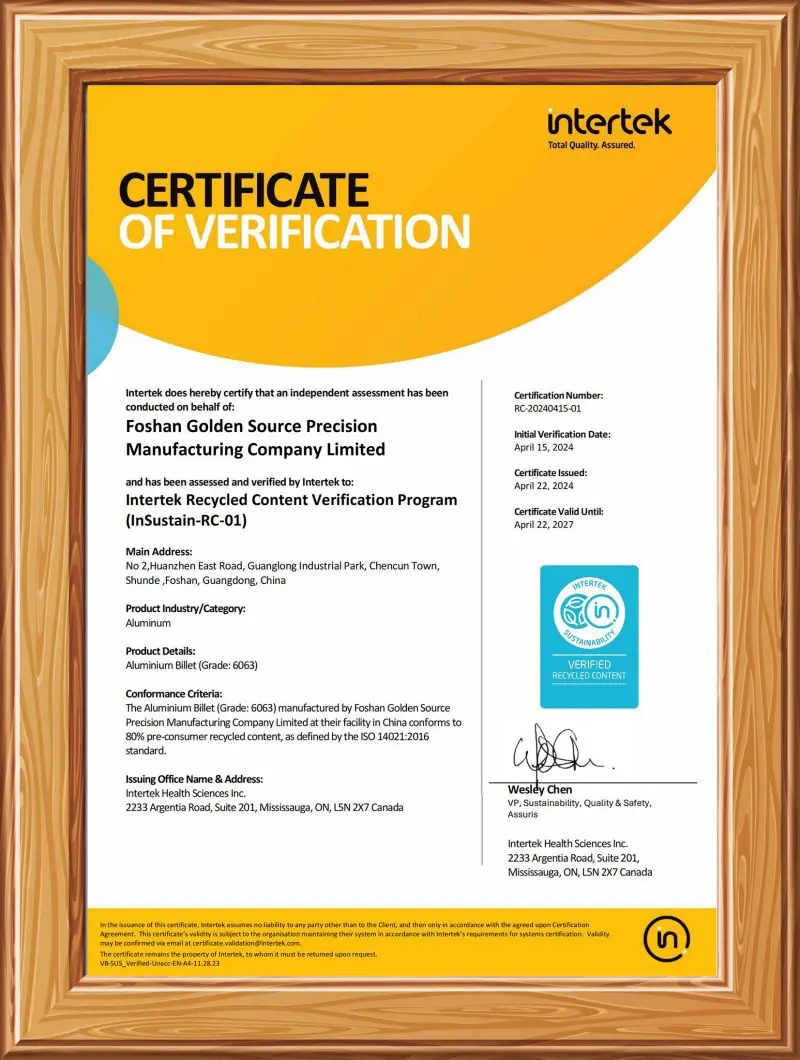
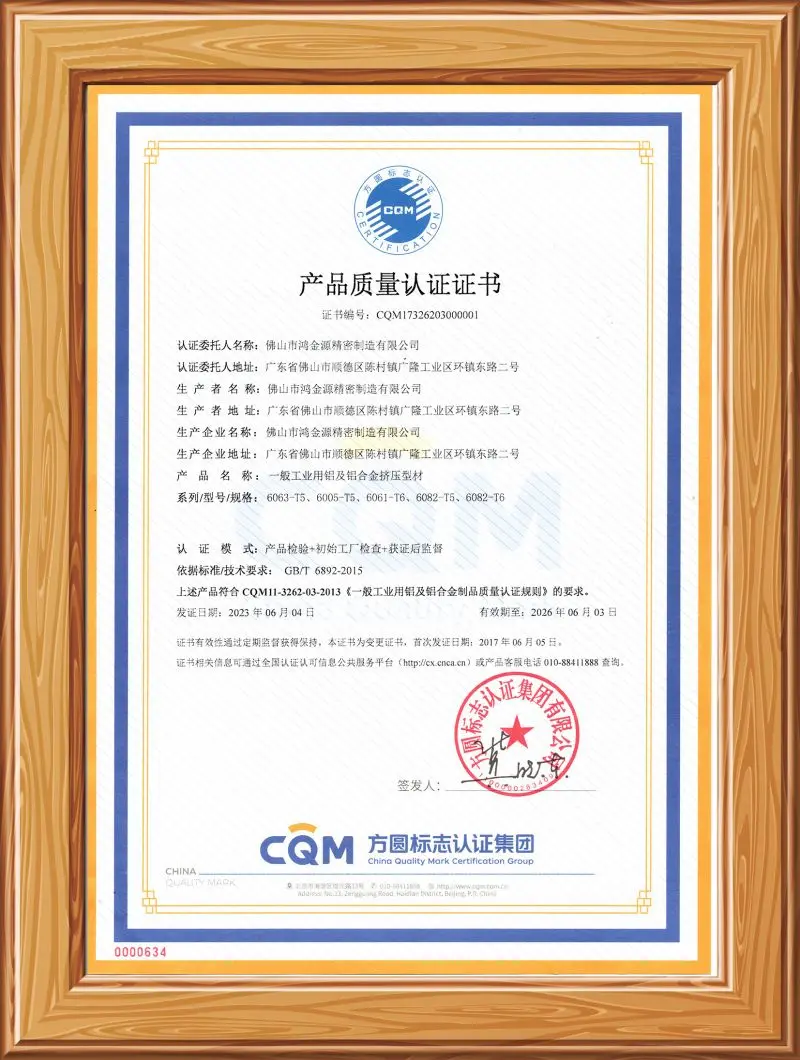
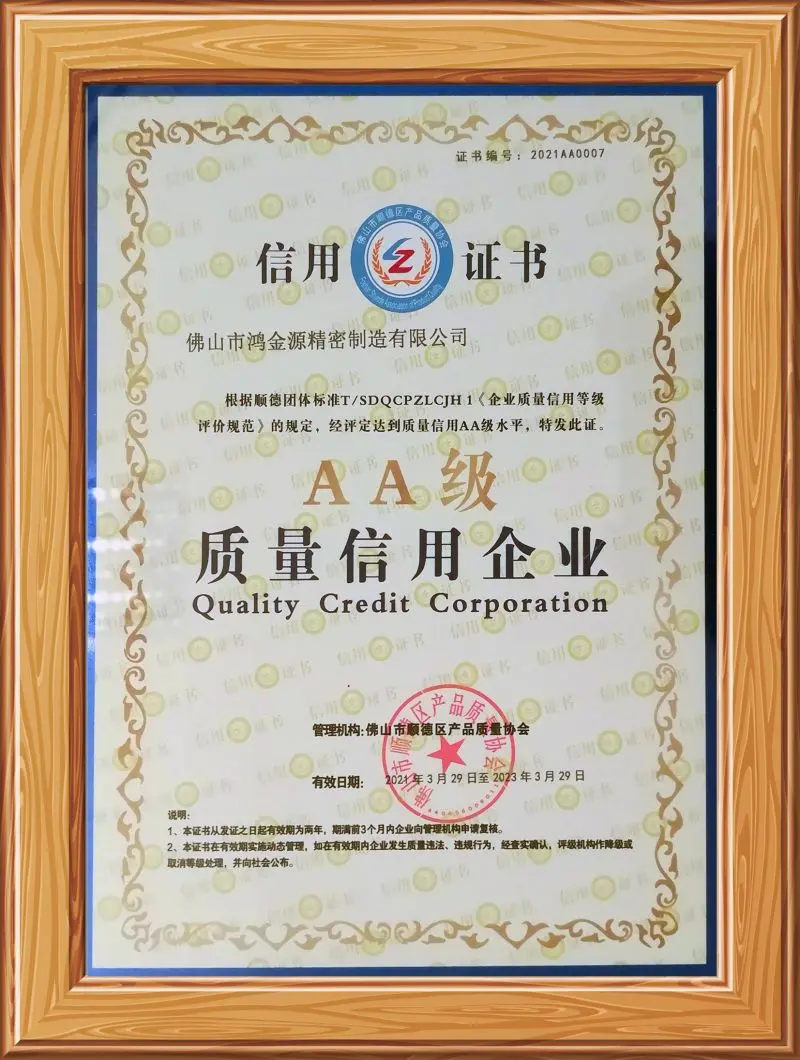
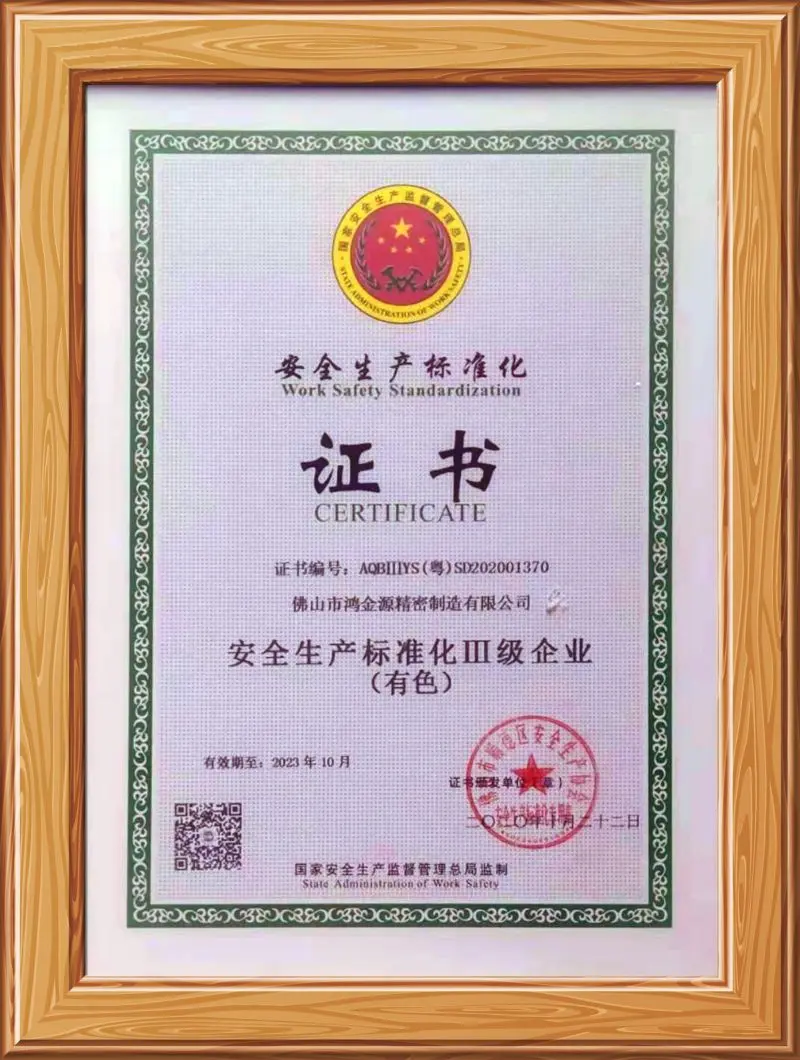
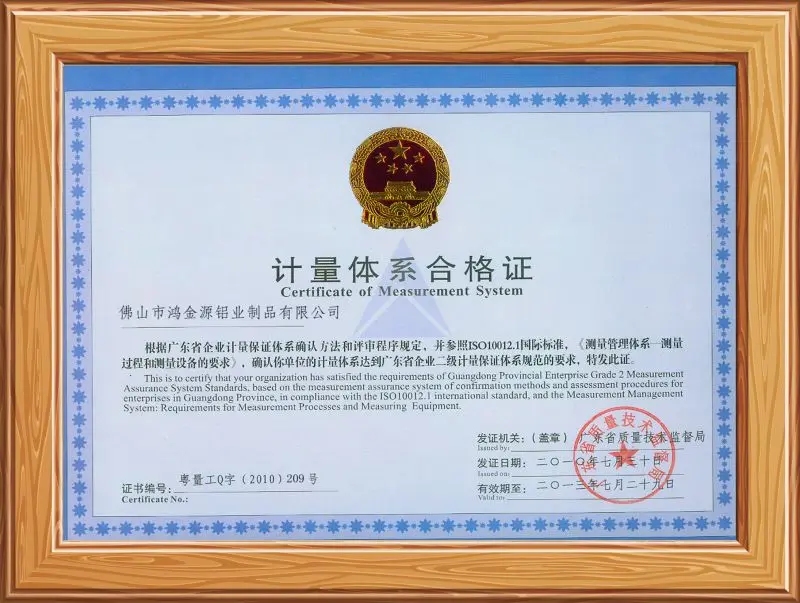
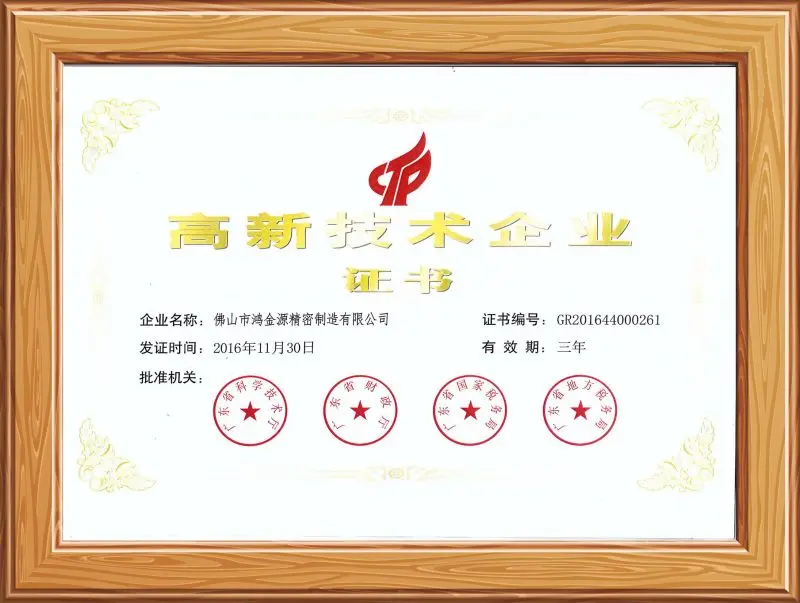
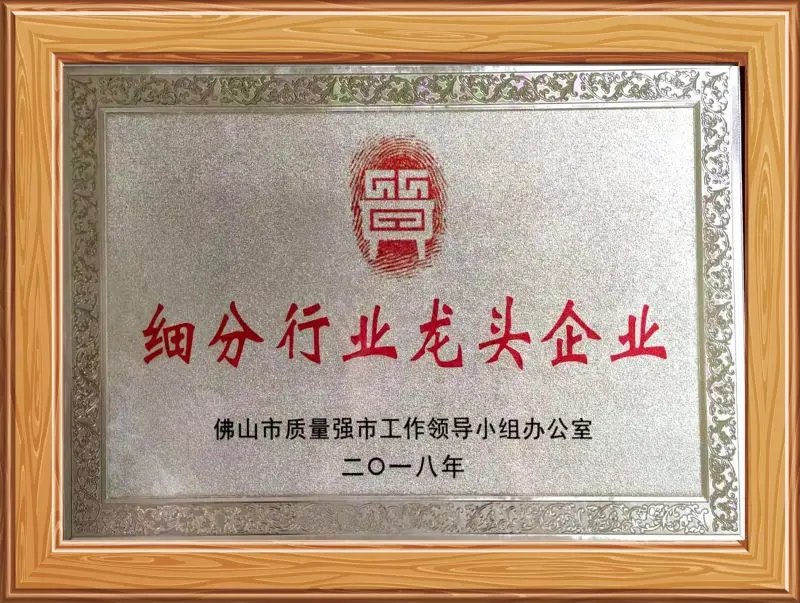
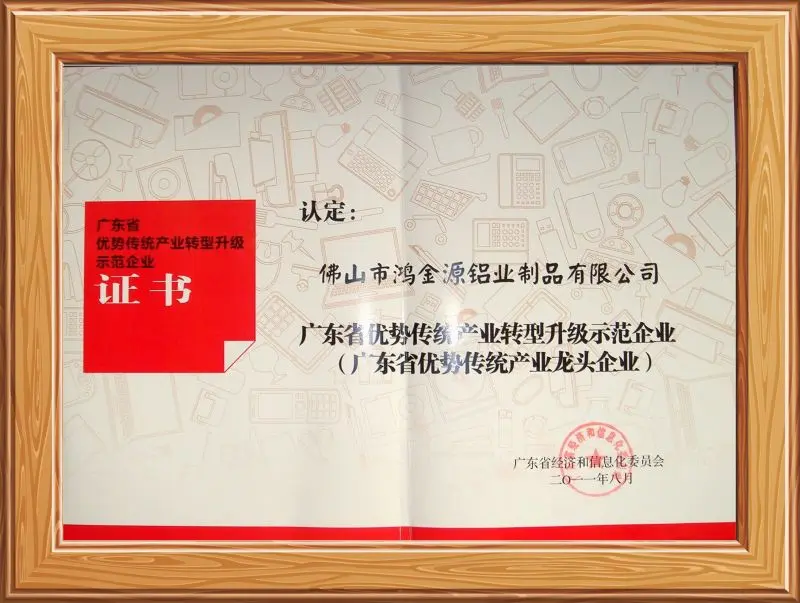
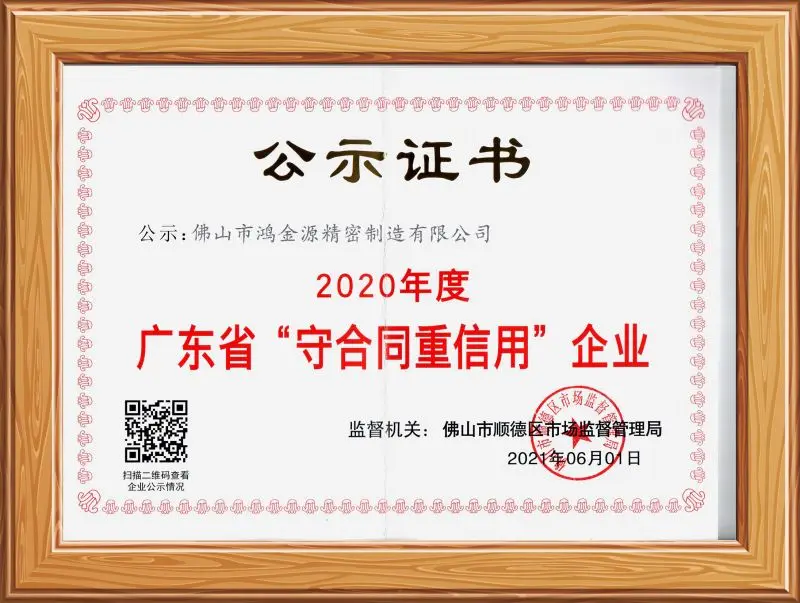
Our manufacturing processes are certified to international standards, including ISO 9001 (Quality Management), ISO 14001 (Environmental Management), and ISO 45001 (Occupational Health & Safety). To support sustainable initiatives and supply chains worldwide, we have obtained GRS (Global Recycled Standard) and RCV certifications.
These credentials ensure our aluminum profiles contain documented recycled content, helping international buyers reduce environmental impact while remaining fully compliant with EU REACH, RoHS, and local environmental standards.
We regularly undergo independent audits to verify our processes, safety conditions, and waste-reduction systems:
Aligning aluminum extrusion development with the requirements of future smart living spaces.
Developing ultra-dense oxide layers that improve wear resistance and maintain consistent color matching across complex shapes and architectural profiles.
Designing extrusion tracks that combine structural support with thermal pathways and hidden channels for smart LED lighting, sensors, and built-in connectivity.
Optimizing 7XXX-series aluminum profiles to reduce wall thickness, saving material weight and cost while maintaining high structural support and mechanical stability.
Get answers to common technical, procurement, and surface treatment questions regarding custom aluminum profiles.
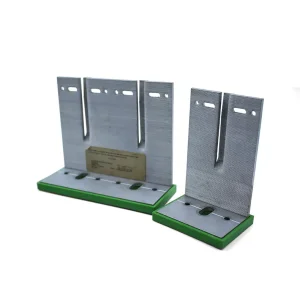
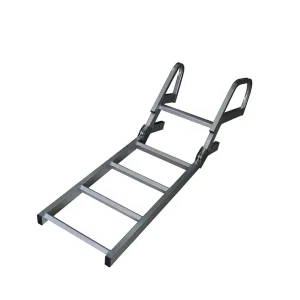
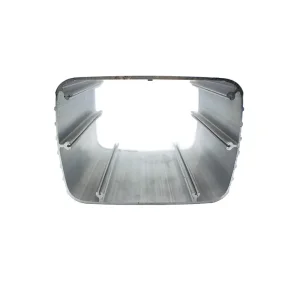
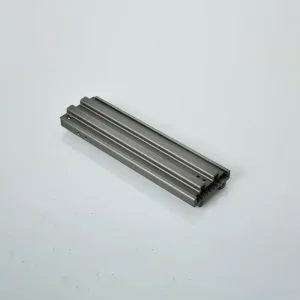
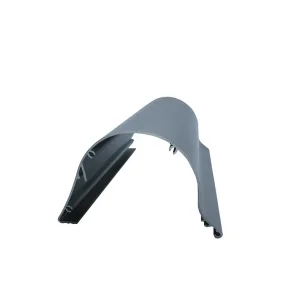
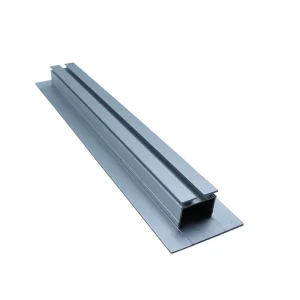
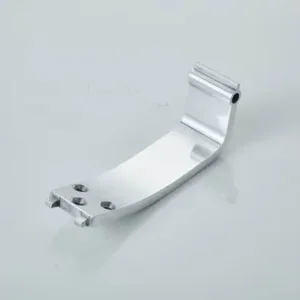
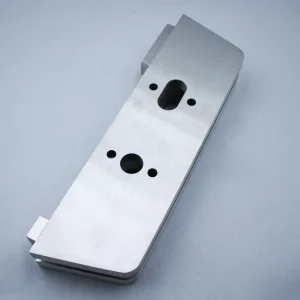
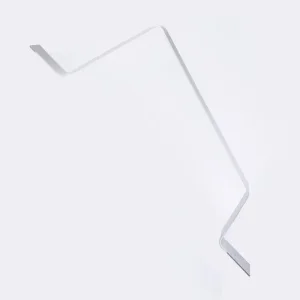
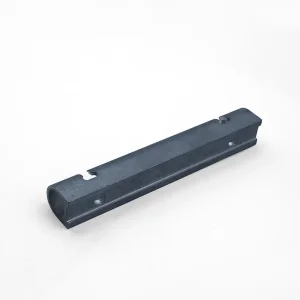
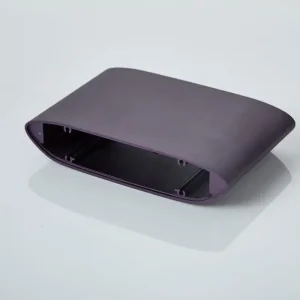
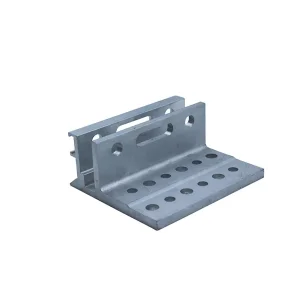
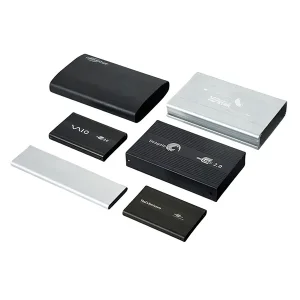
A selection of our precision machined parts, structural frames, and custom enclosures for diverse manufacturing applications.
 HG Precision