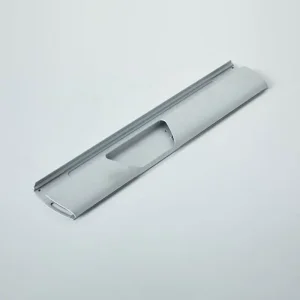
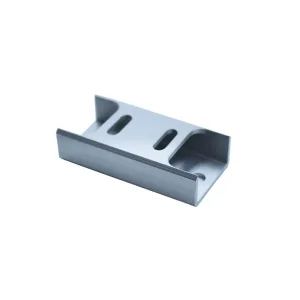
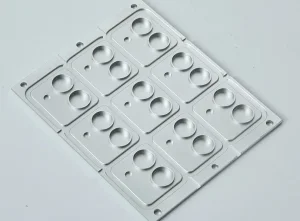
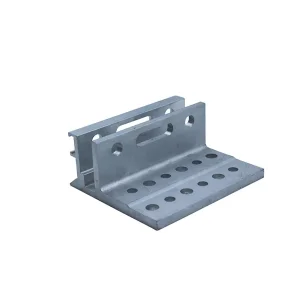
Explore our diverse portfolio of custom-machined parts, high-performance structural enclosures, and specialized alloy products designed for global enterprise sectors.
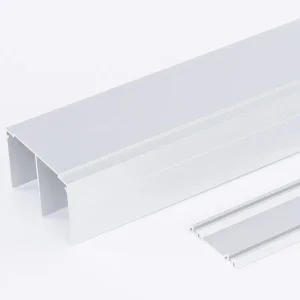
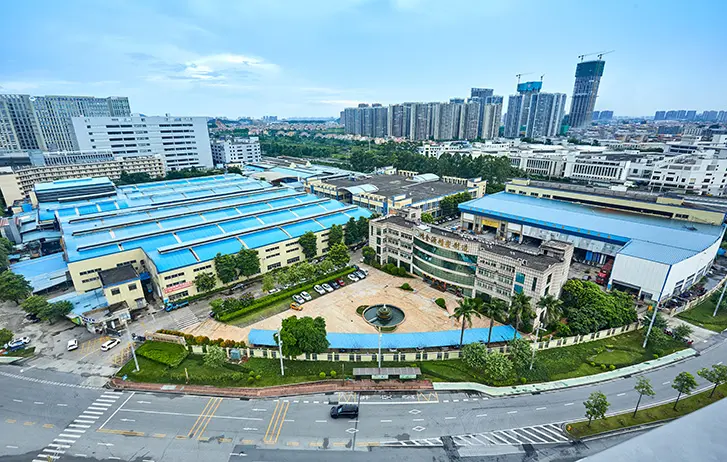
Established in 1991, Foshan Golden Source Precision Manufacturing Co., Ltd. is a leading professional manufacturer specializing in high-strength, high-precision, custom aluminum profiles, precise CNC machining aluminum parts, welded structures, and integrated assembled systems. With over three decades of engineering expertise, the company operates a state-of-the-art, ecologically compliant production facility encompassing over 73,000 square meters.
We pride ourselves on offering a comprehensive, one-stop vertical manufacturing service. This includes in-house alloy casting, mold research & design, customized aluminum extrusions, precise multiaxial CNC machining, structural welding, complete assembly, and advanced electrochemical surface treatments. By controlling the entire workflow under one roof, we guarantee unmatched product consistency, dimensional accuracy, and cost-efficiency.
The global dominance of Southern Chinese manufacturers—particularly in industrial hubs like Foshan—in the CNC machining and aluminum fabrication domain is driven by structural, metallurgical, and systemic advantages:
The custom aluminum machining industry is transitioning toward deep sustainability and digital integration. Key trends shaping our operations include:
Why global OEMs and ODMs partner with Foshan Golden Source to secure their component supply chain.
By executing alloy melting, purification, and billet casting in-house, we control mechanical strength, elongation, and grain structure. This achieves optimal post-extrusion structural performance and clean surface anodizing without streaking.
Our completely integrated manufacturing chain—from tooling design through CNC milling and lathe turning to electrochemical anodization—reduces handling costs, prevents transport damage, and ensures superior quality control compared to outsourced suppliers.
Our integrated approach eliminates multi-supplier delays. We streamline workflow communication, resulting in 20-30% faster production runs from receipt of CAD files to final dispatch of verified parts.
| Alloy Series | Representative Material | Primary Mechanical Properties | Typical Localized Applications |
|---|---|---|---|
| 1XXX Series | 1060 / 1100 | High thermal & electrical conductivity, superior corrosion resistance, low mechanical strength. | Electrical bus bars, heat sinks, chemical processing vessels. |
| 3XXX Series | 3003 | Moderate strength, excellent formability, highly receptive to welding and brazing. | Heat exchangers, automotive fluid tubing, decorative stampings. |
| 5XXX Series | 5052 | Outstanding marine corrosion resistance, high fatigue strength, excellent weldability. | Marine hardware, fuel tanks, structural vehicle body brackets. |
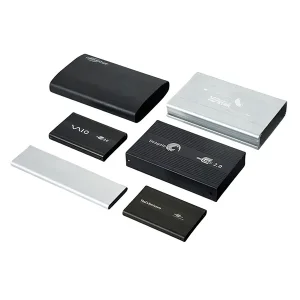
| 6XXX Series | 6063 / 6061-T6 | Superb structural extrudability, excellent machining properties, highly responsive to anodization. | 3C electronics enclosures, hard disk casings, automotive frames, amplifier heat sinks. |
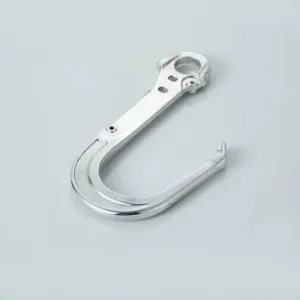
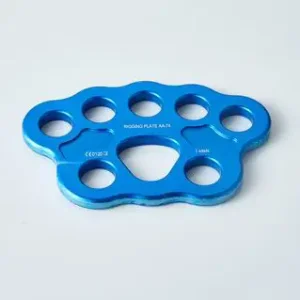
| 7XXX Series | 7075-T6 | Ultra-high tensile strength (comparable to steel), high fracture toughness. | Climbing hooks, rope connectors, structural aerospace fixtures, high-load machinery. |
Procuring custom ODM machined parts requires a clear understanding of the parameters that dictate manufacturing costs. The unit price on our engineering pricelist is computed based on several critical cost drivers:
Our CNC machined aluminum parts serve critical roles across primary macroeconomic industrial sectors:
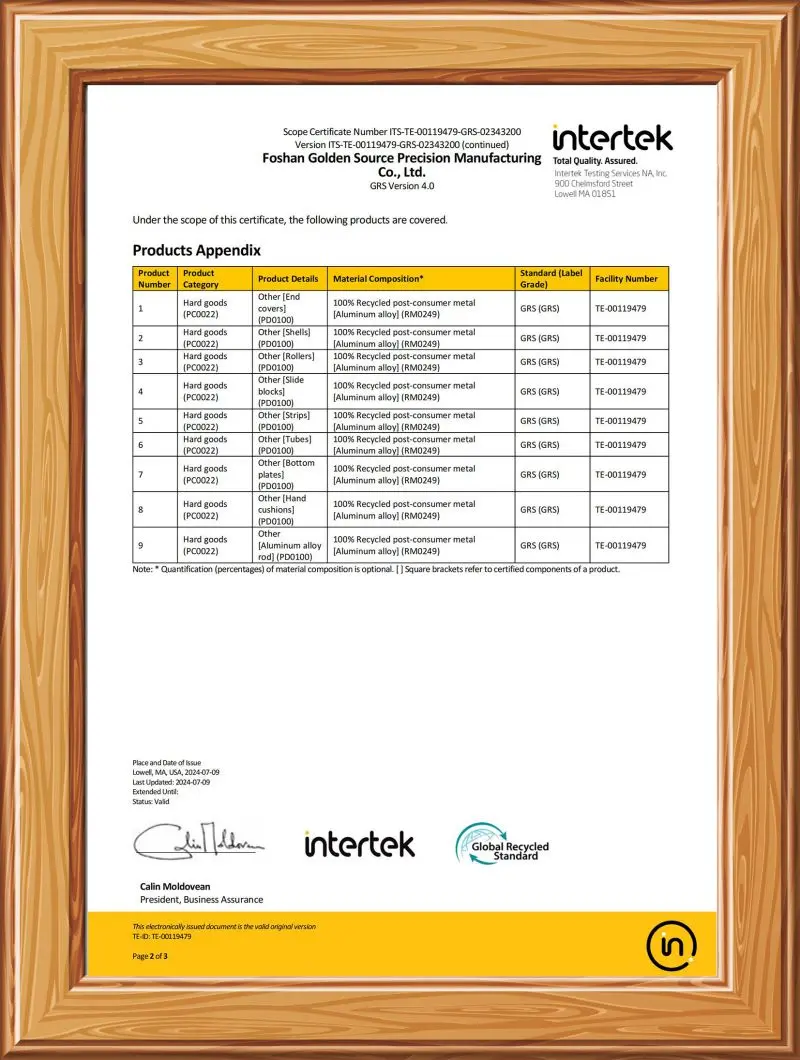
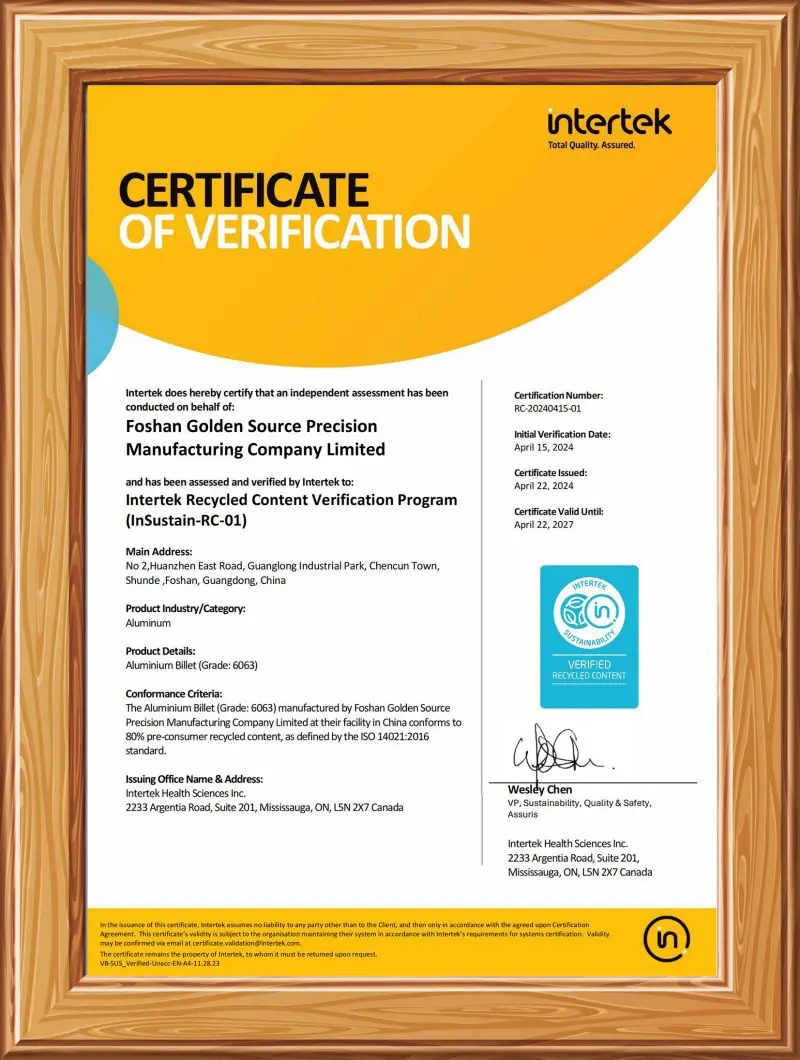
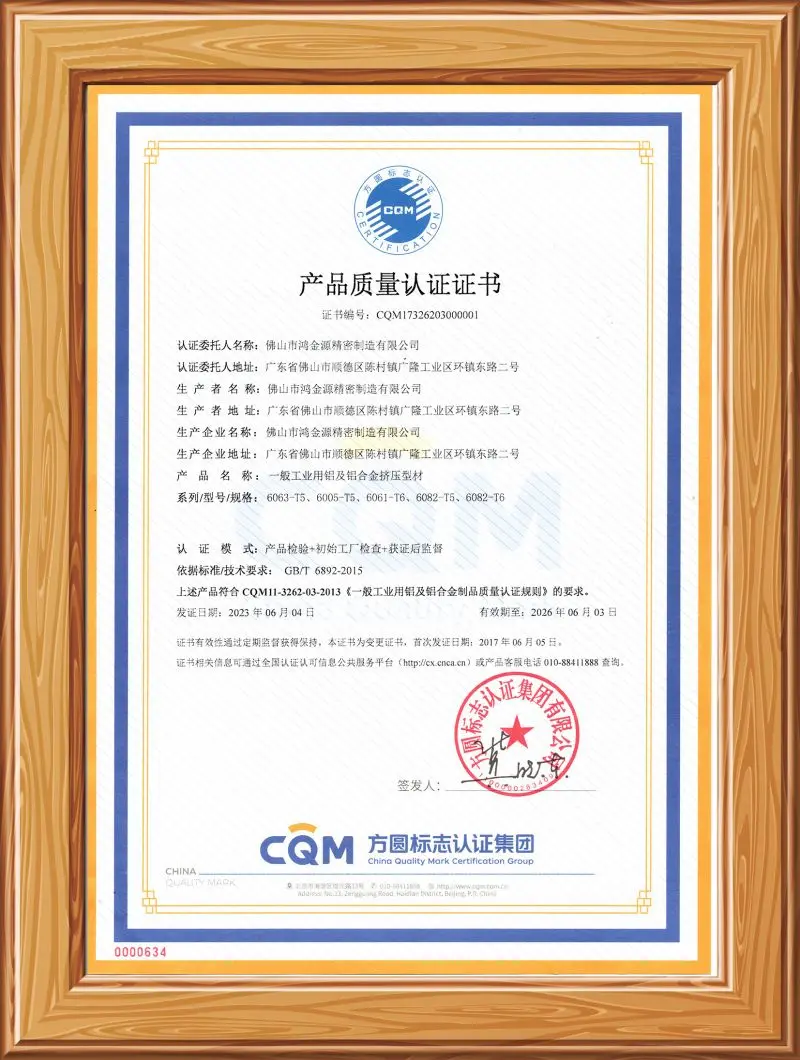
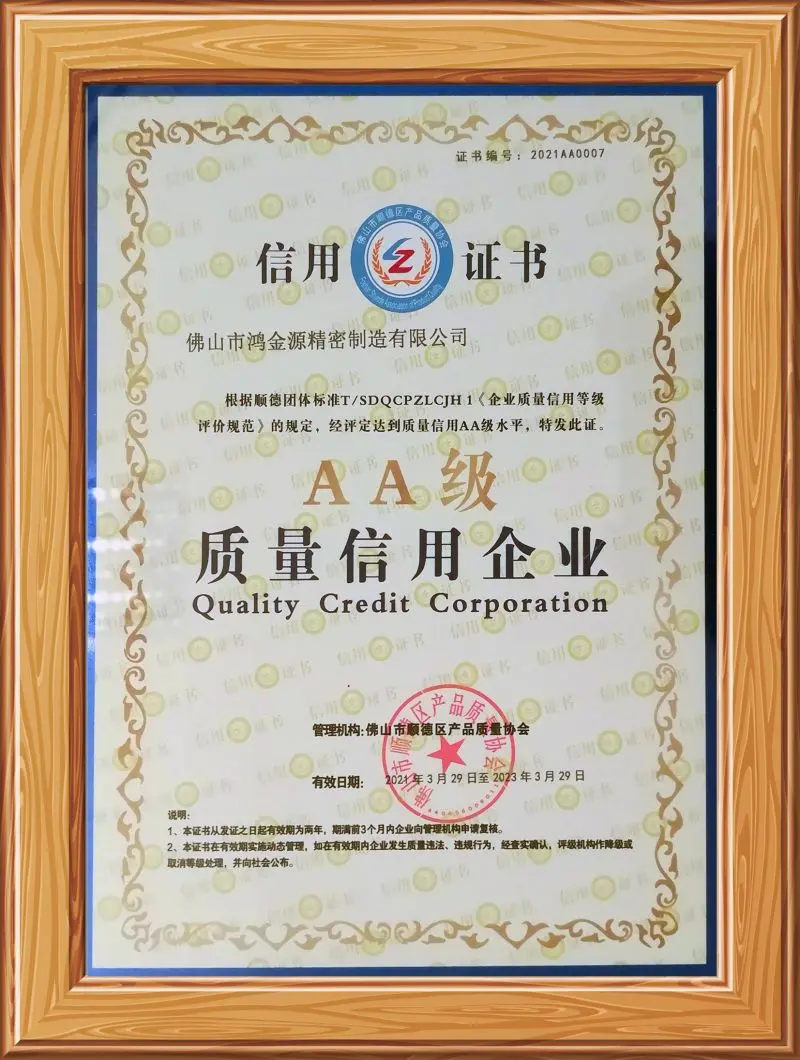
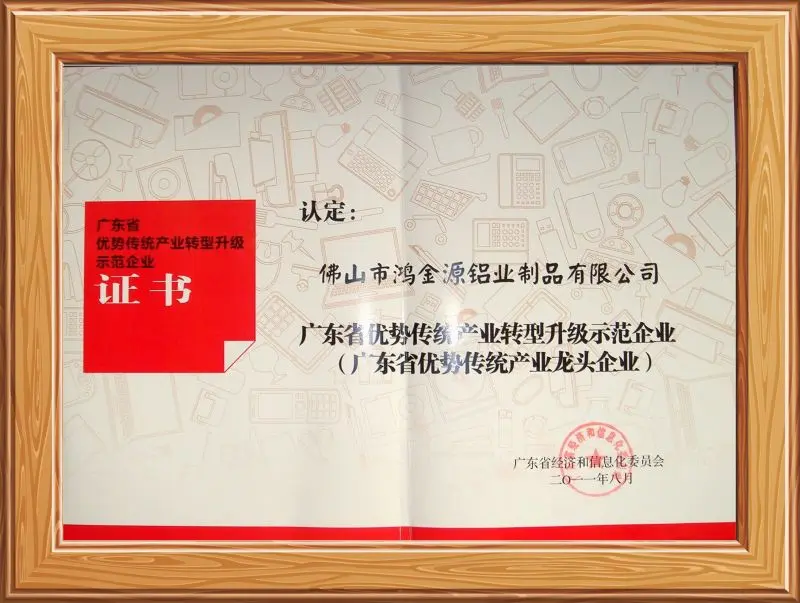
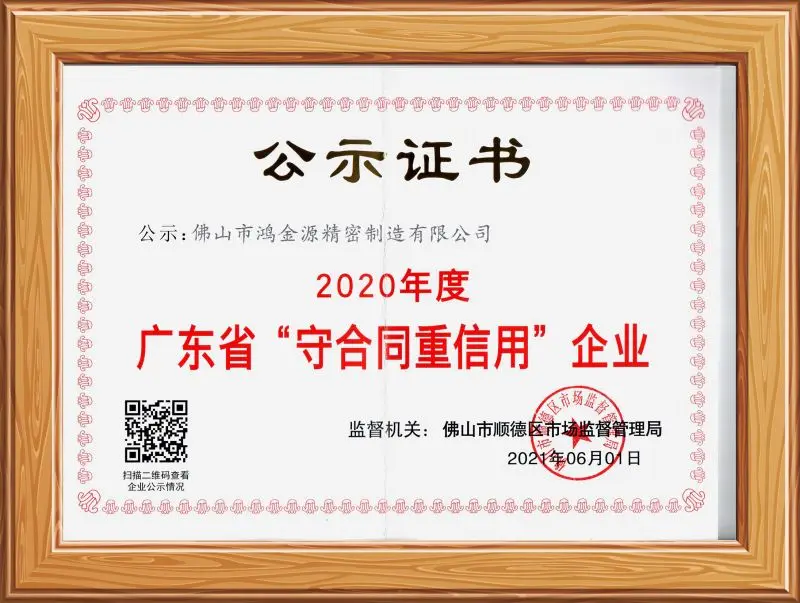
Foshan Golden Source operates to international quality and environmental standards. We hold advanced certifications tailored to meet environmental requirements, including REACH, RoHS, GRS, and RCV.
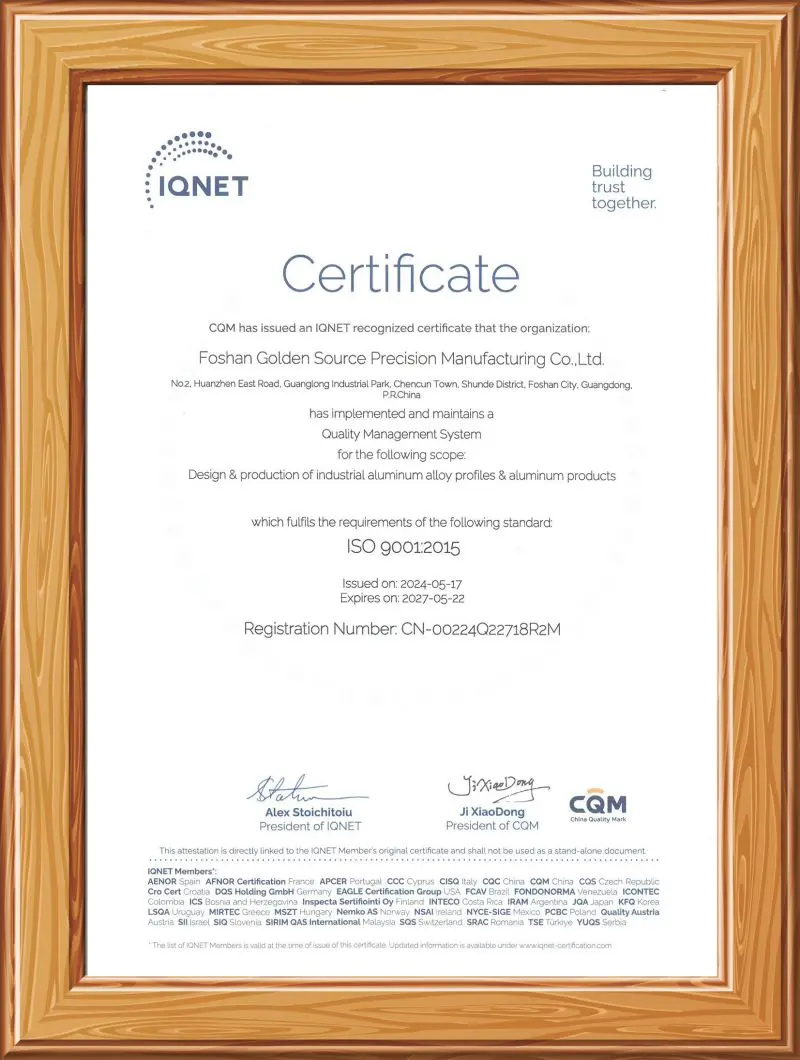
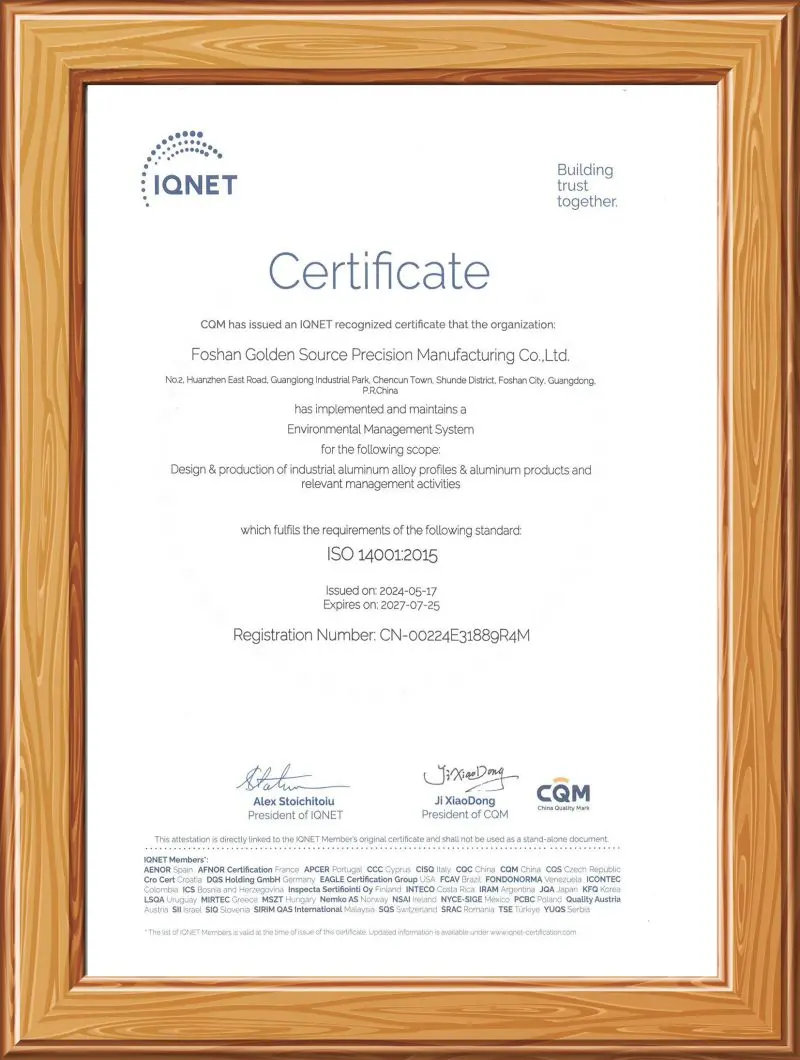
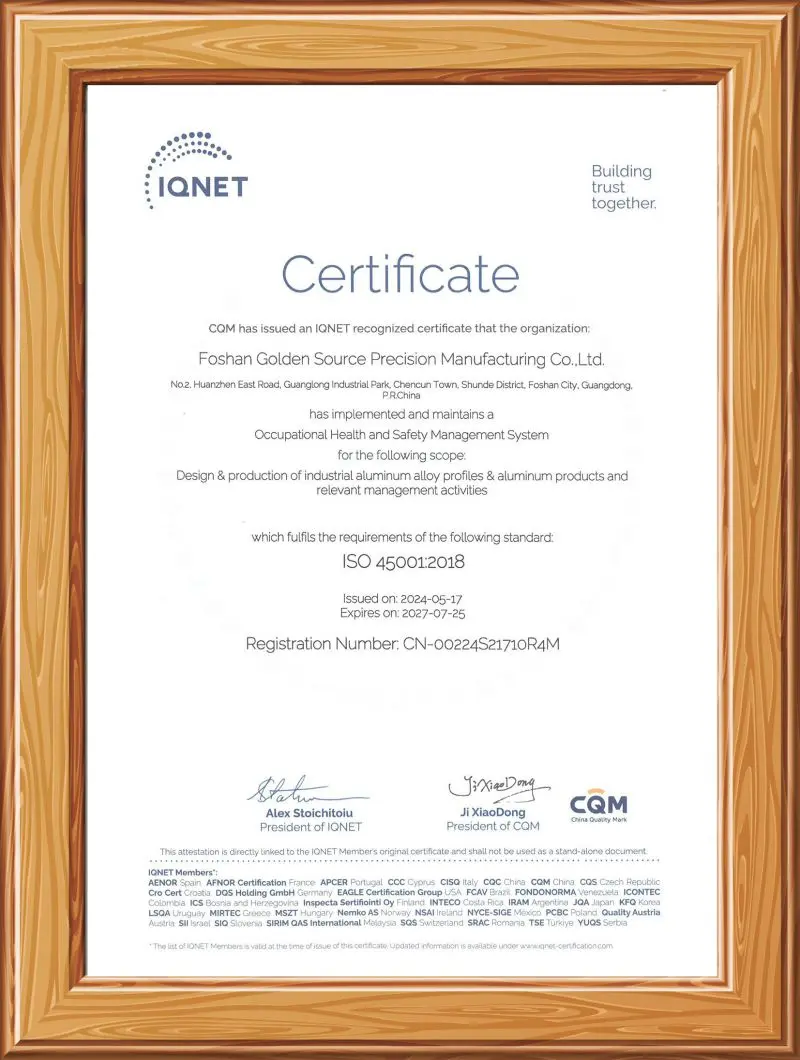
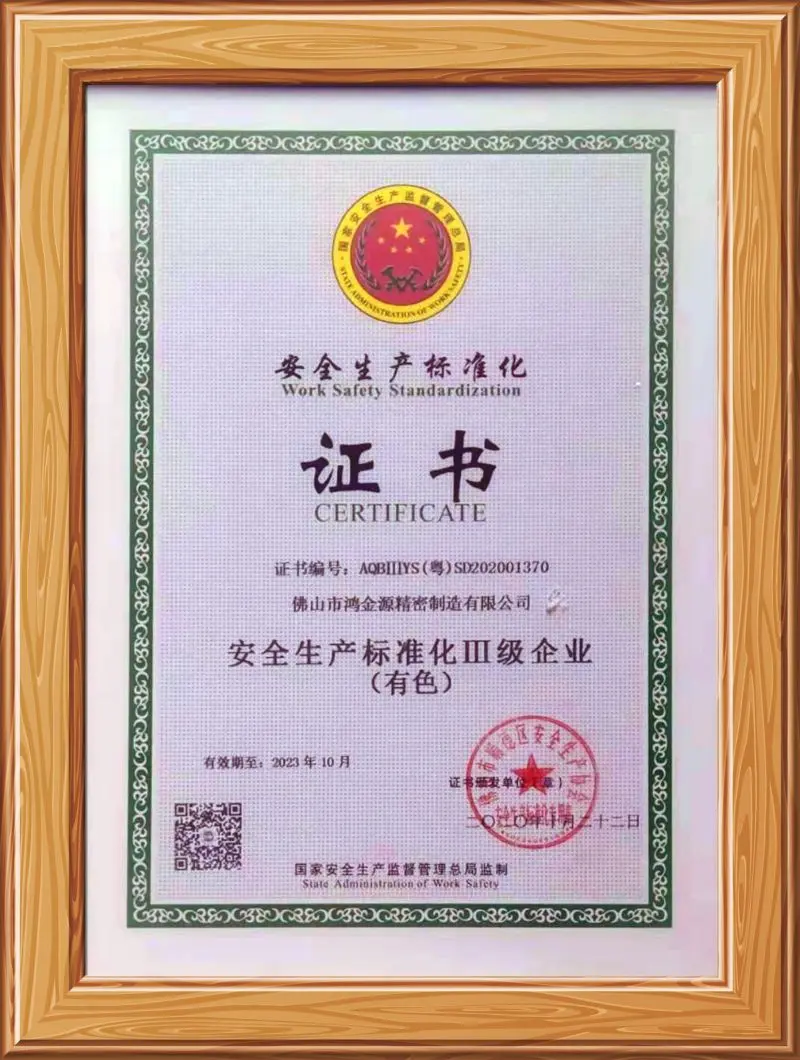
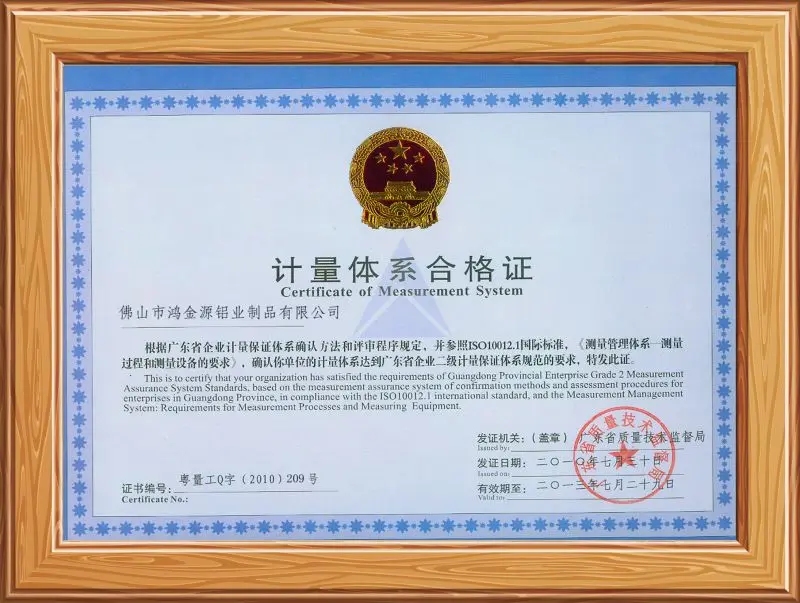
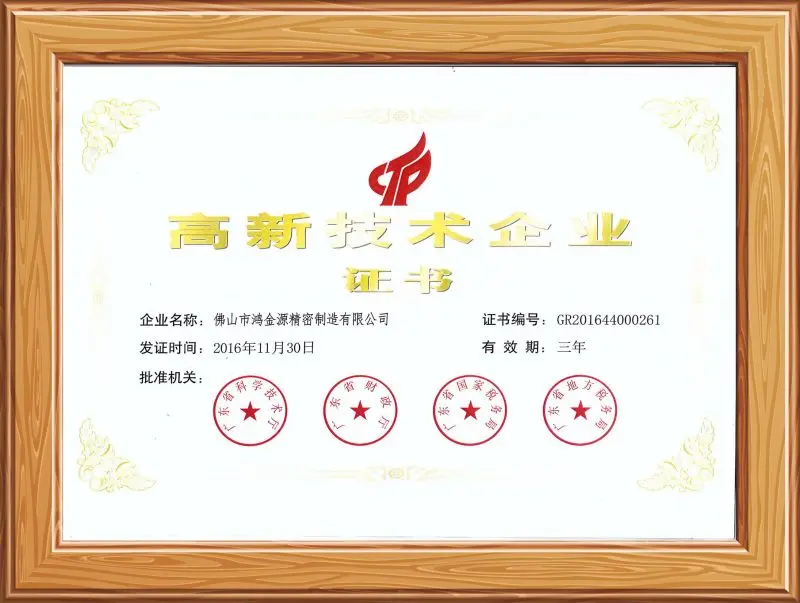
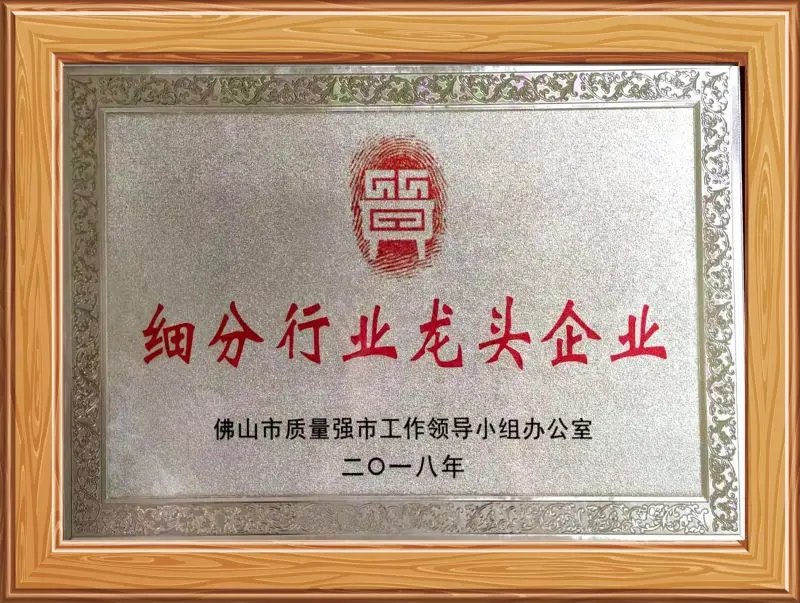
Technical and procurement answers directly from our engineering team.
Our standard machining processes regularly hold dimensional tolerances of ±0.01mm (0.0004 inches). For critical functional surfaces, depending on part geometry and material choice (e.g., 6061-T6 or 7075-T6), we can achieve tight tolerances of ±0.005mm. All components undergo coordinate measuring machine (CMM) verification to ensure compliance before shipping.
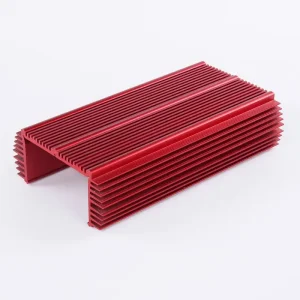
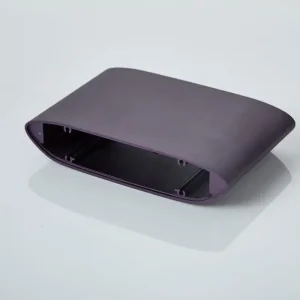
Anodization quality depends heavily on the chemical purity of the underlying alloy. Even small iron, silicon, or copper impurities can cause surface spotting, streaking, or color inconsistencies. By casting billets in-house, we control raw material purity. This guarantees that our anodized components—such as our red anodized amplifier covers or purple-anodized laser printer cases—have a consistent, high-end cosmetic finish.
Our production facilities are certified under ISO 14001 and GRS (Global Recycled Standard). Our raw alloys comply with the European Union’s REACH regulations and the RoHS directive. We do not use hazardous chemicals in our anodizing or surface treatment processes, making our products fully compliant with international environmental import regulations.
For custom aluminum extrusions, the die design and extrusion testing phase takes 10 to 14 days. Once the tooling is approved, mass extrusion and CNC machining are scheduled. The standard lead time for complete product delivery is 20 to 30 days, depending on the complexity of the post-machining requirements and surface treatment specifications.
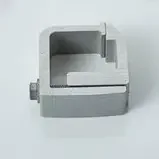
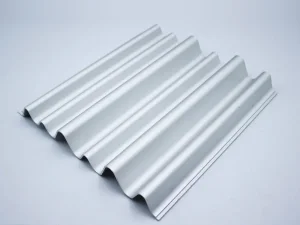
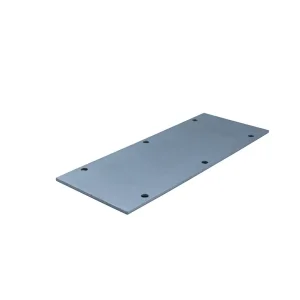
Engineered assemblies, functional accessories, and architectural integrations manufactured to international standards.
 HG Precision