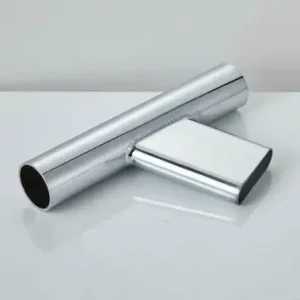
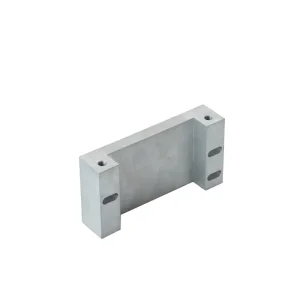
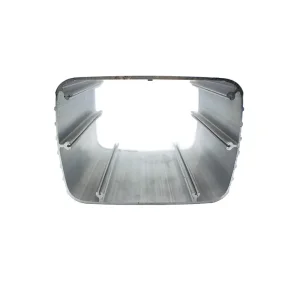
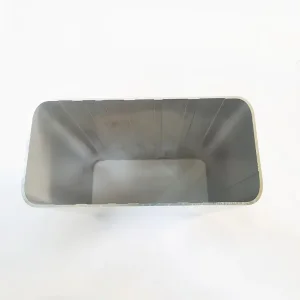
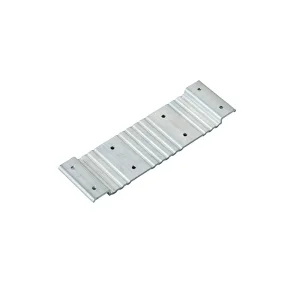
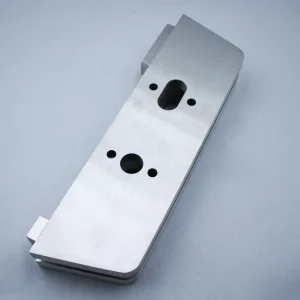
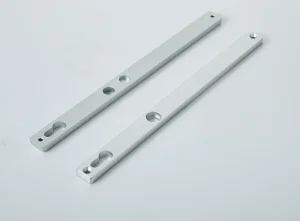
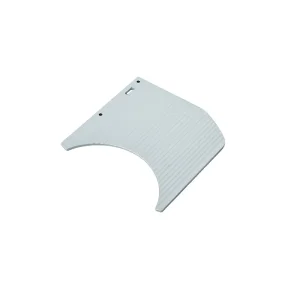
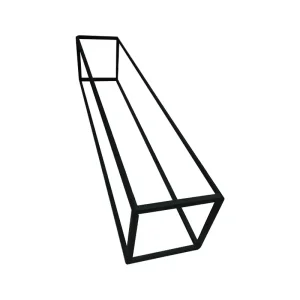
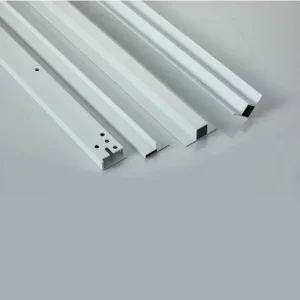
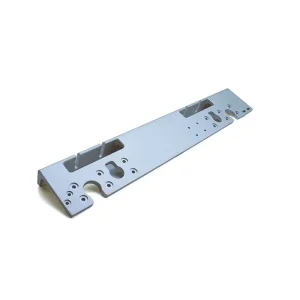
Explore our highly precision-engineered custom profiles. Directly order or request quote evaluations for your custom application.
Pioneering customized metallurgy and advanced structural solutions since 1991.
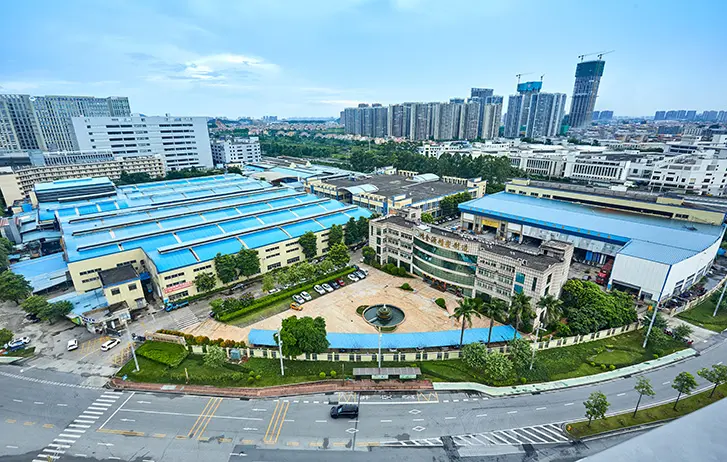
Established in 1991, Foshan Golden Source Precision Manufacturing Co., Ltd is a leading global professional manufacturer specializing in high-strength, high-precision customized aluminum profiles, complex CNC-machined components, structurally welded frameworks, and fully integrated aluminum assemblies. With a focus on engineering excellence and robust supply chains, we operate a modern, environmentally sound production hub encompassing over 73,000 square meters.
We provide global industries with an end-to-end "one-stop" production sequence: from in-house alloy casting and precision tooling design/fabrication to heavy-duty extrusion, precise multi-axis CNC machining, structural welding, structural finishing, and complex surface treatments. Our operational capability matches international standards, ensuring swift turnaround and exceptional quality consistency across 1XXX, 3XXX, 5XXX, 6XXX, and 7XXX series alloys.
Leveraging systematic process controls, integrated manufacturing, and state-of-the-art laboratory testing.
We melt and cast our chemical alloys directly in-house. This gives our metallurgical teams the unique advantage of adjusting alloy element inputs to achieve optimal grain structure, enhanced physical properties, and a highly pure composition profile perfect for critical structural anodizing.
By conducting structural tooling design, high-tonnage extrusion, multi-axis CNC machining, structural welding, and advanced chemical finishing within a single campus, we exercise absolute control over tolerances, minimize surface transfer damage, and eliminate mid-stage logistics markups.
Our centralized vertical setup drastically cuts the standard fabrication lead time. Fast-track prototyping, structural mold trial reports, and high-volume extrusion production orders are managed through an ERP-driven schedule, facilitating seamless global delivery.
Understanding the microstructural behaviors and performance attributes of primary aluminum alloy classes.
Selecting the correct Aluminum Profile Type is a critical engineering decision that dictates mechanical performance, surface treatment response, corrosion resistance, and overall manufacturing costs. Different alloy groups offer specific microstructural characteristics due to their distinct alloying elements. Below is a comprehensive engineering breakdown of the alloy systems processed at our Foshan facility:
| Alloy Series | Primary Alloying Elements | Key Mechanical Characteristics | Typical Industrial Applications |
|---|---|---|---|
| 1XXX Series | Pure Aluminum (≥99.00% Al) | Exceptional electrical and thermal conductivity, highly ductile, superior corrosion resistance, low mechanical strength. | Electrical busbars, heat exchangers, chemical storage vessels, reflecting panels. |
| 3XXX Series | Manganese (Mn) | Moderate mechanical strength, excellent workability, high corrosion resistance, non-heat treatable. | Coiled tubing, automotive cooling pipes, general sheet metal configurations. |
| 5XXX Series | Magnesium (Mg) | Highly weldable, superior marine corrosion resistance, medium-high strength, excellent strain hardening properties. | Marine structures, structural transportation housings, cryogenic tanks. |
| 6XXX Series | Magnesium & Silicon (Mg-Si) | Outstanding extrudability, high heat-treatable strength, excellent surface finishing capabilities (anodizing), easy to machine. | Structural frames, architectural windows, high-speed rail doors, battery enclosures, furniture. |
| 7XXX Series | Zinc (Zn), Magnesium (Mg) | Ultra-high mechanical strength, excellent fatigue resistance, moderate corrosion resistance, complex heat-treatment cycles. | High-stress structural components, structural climbing poles, aerospace fittings, sports equipment. |
Delivering high-precision custom aluminum solutions designed to excel under challenging operational environments.
We engineer specialized thin-walled extrusions and robust protection enclosures for electric bikes, high-performance battery housings, and structural solar racking systems. Our 6061-T6 and 6063-T5 profile formulations guarantee excellent mechanical protection against shock impacts, alongside efficient thermal dissipation.
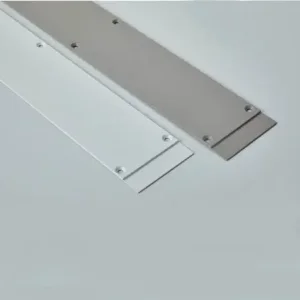
Our heavy-duty precision CNC machined parts serve as key suspension elements and structural hangers for high-speed train doors. Manufactured using tightly controlled 6063-T6 alloys with glass sandblasting and clear anodizing, these parts offer high load capacity, low weight, and exceptional cycle fatigue limits.
For home appliances, stylish electric self-walking luggage, and consumer laser printers, we offer custom-stamped, CNC-milled, and decorative sandblasted profiles. Our focus remains on achieving clean margins, precise micro-tolerances, and vibrant, durable anodized surfaces.
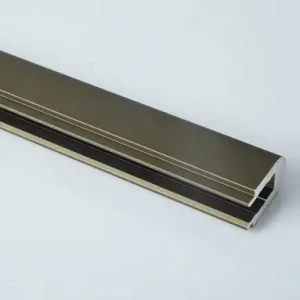
We supply modular structural frames for premium kitchen cabinetry, shower stalls, and glass door frames. With specialized powder coating finishes in an array of custom RAL colors, our aluminum structures combine mechanical durability with clean modern design aesthetics.
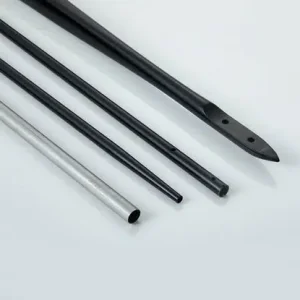
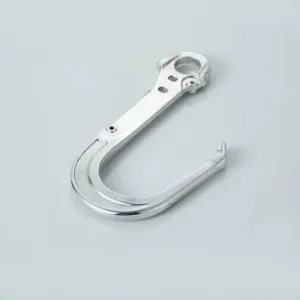
Utilizing high-tensile 7075-T6 alloy series, we fabricate climbing pole shafts and climbing hooks. We subject these components to strict grain flow inspection and high-integrity surface sealing to guarantee safety and performance under high-stress outdoor conditions.
Driving down total cost of ownership (TCO) through state-of-the-art automation and strict quality gates.
Operating out of Foshan, the heart of China’s advanced metal processing cluster, Golden Source leverages a highly optimized supply ecosystem. Our factory floor operates on smart manufacturing lines, reducing scrap rates and standardizing cycle outputs. Here is how our production flow guarantees engineering quality:
Our in-house engineering team designs and manufactures extrusion dies using CAD/CAM simulation systems. This ensures correct metal flow and minimizes structural stress, producing highly complex profiles that match precise specifications.
Equipped with modern extrusion presses, we manage complex geometric shapes and maintain strict wall thickness tolerances across various cross-sections.
Post-extrusion machining is performed in-house on high-speed CNC milling, turning, drilling, and stamping centers. This setup ensures precise structural tolerances and maintains accurate positioning across long profile segments.
We operate automated anodizing, powder coating, sandblasting, and bright chrome plating lines. Processing these finishes in-house ensures uniform color consistency, superior corrosion resistance, and high surface hardness.
A transparent look at the cost components of customized aluminum profile manufacturing.
Total Cost = [Raw Aluminum Ingot Price (LME/SMM Index) + Extrusion Processing Cost + CNC Machining & Fabrication Fee + Surface Finishing Cost] × Order Weight + Tooling Die Fee
To assist global procurement officers and project planners, our pricing model breaks down into distinct, transparent stages. We aim to optimize each stage to ensure competitive pricing without compromising structural integrity:
We link raw material costs to international commodity benchmarks (like LME or SMM). Clients can select hedging arrangements or lock in material costs at the start of a production run to shield budgets from market volatility.
For custom profile profiles, we charge a one-time tooling development fee. For large-volume orders that exceed pre-agreed tonnage thresholds, we refund this tooling fee in full, reducing initial capital expenditures.
Large-scale continuous runs optimize press efficiency and minimize setup waste. We pass these savings directly to clients through scaled unit discounts on higher volume orders.
Meeting international environmental mandates to ensure smooth integration into global supply chains.
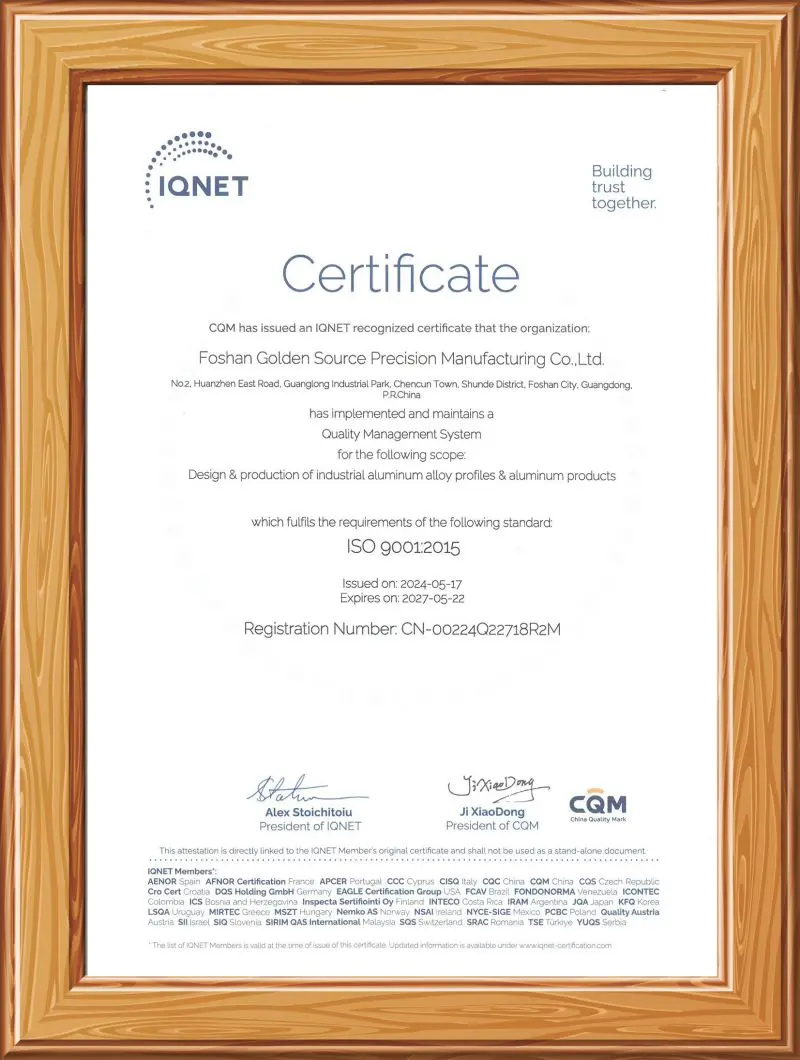
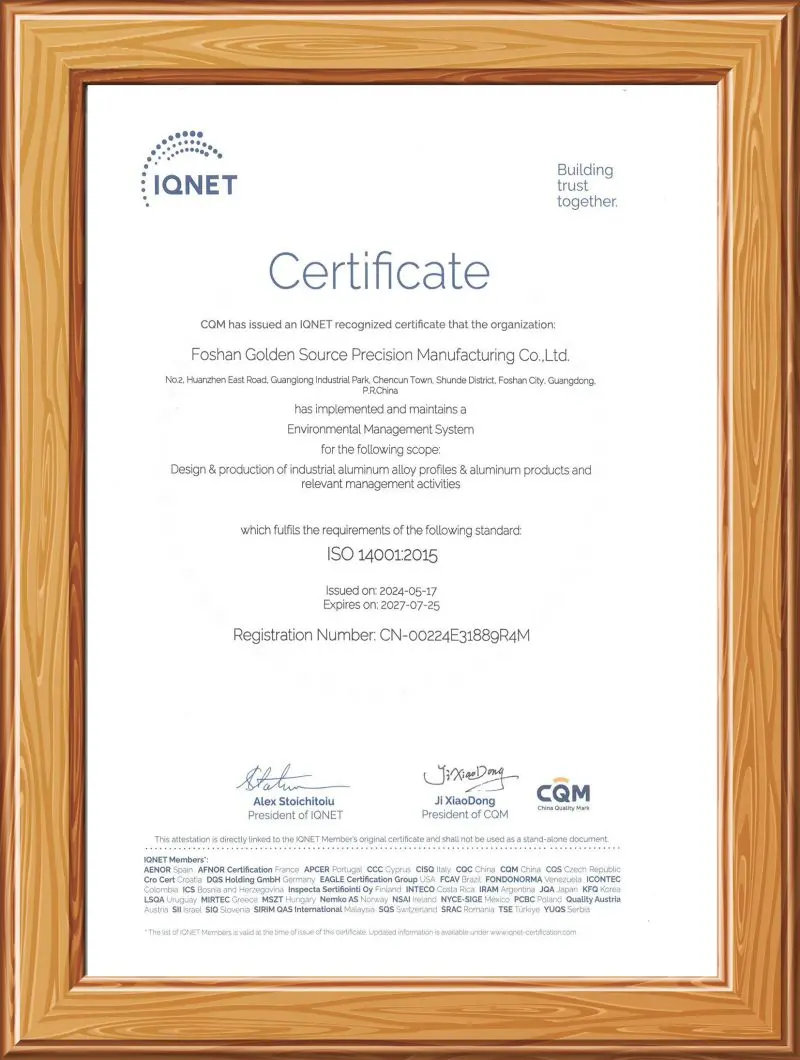
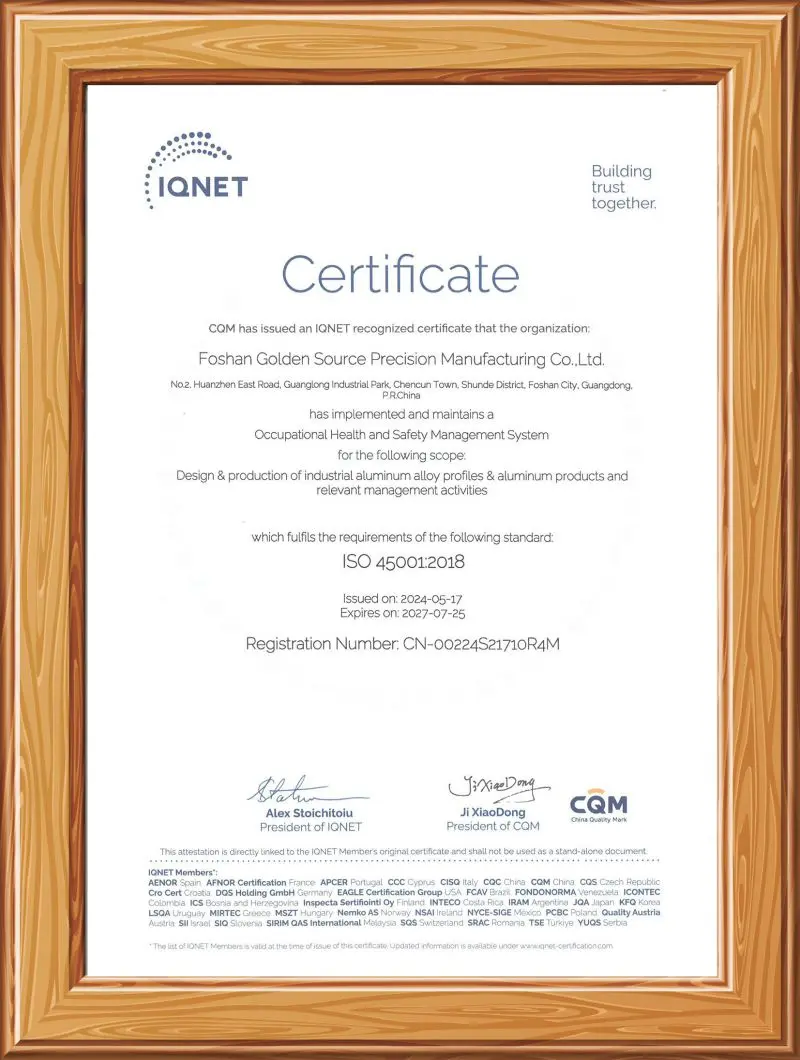
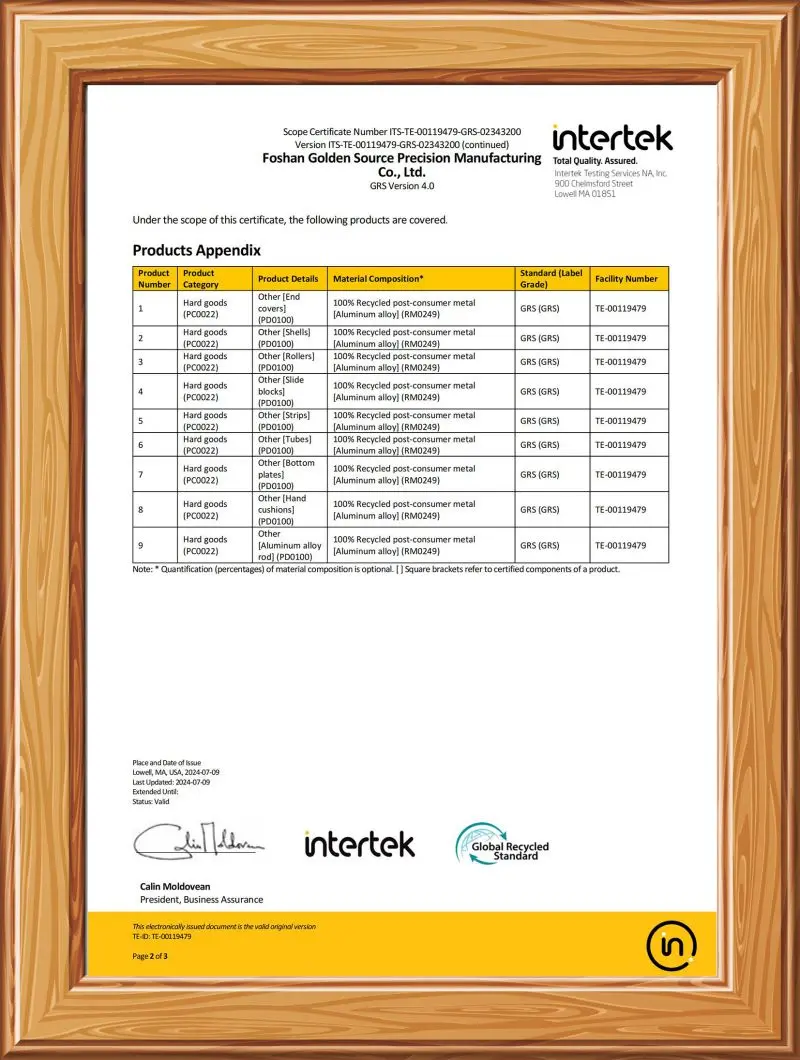
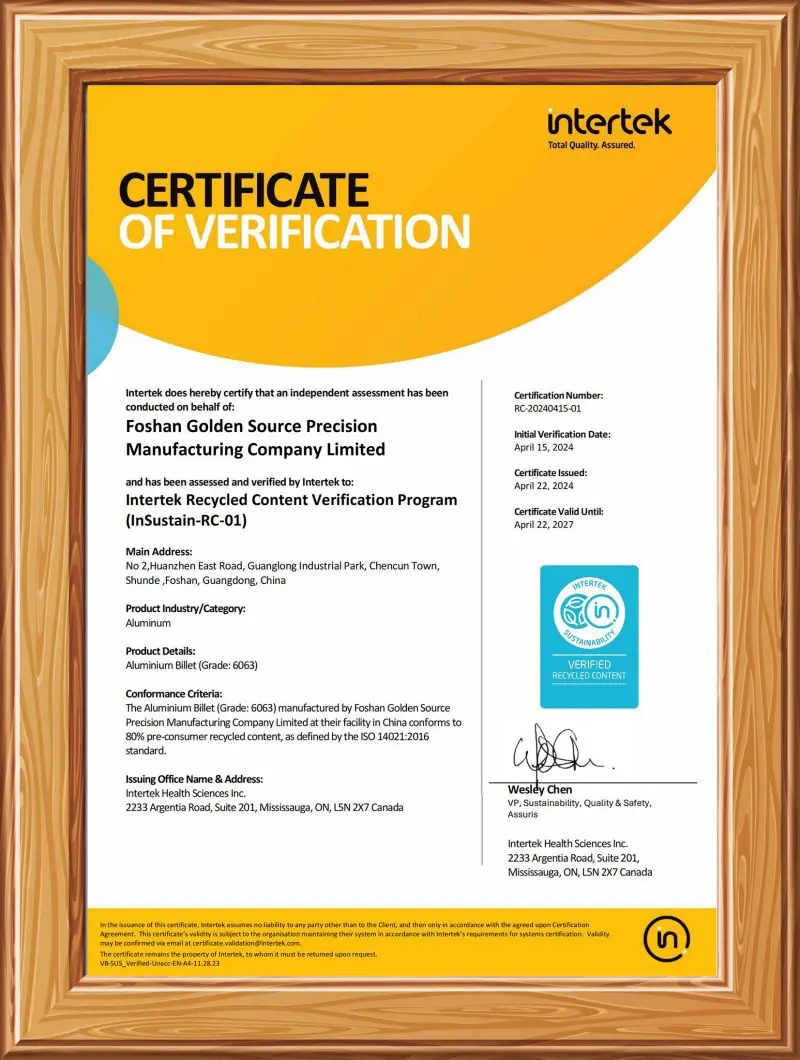
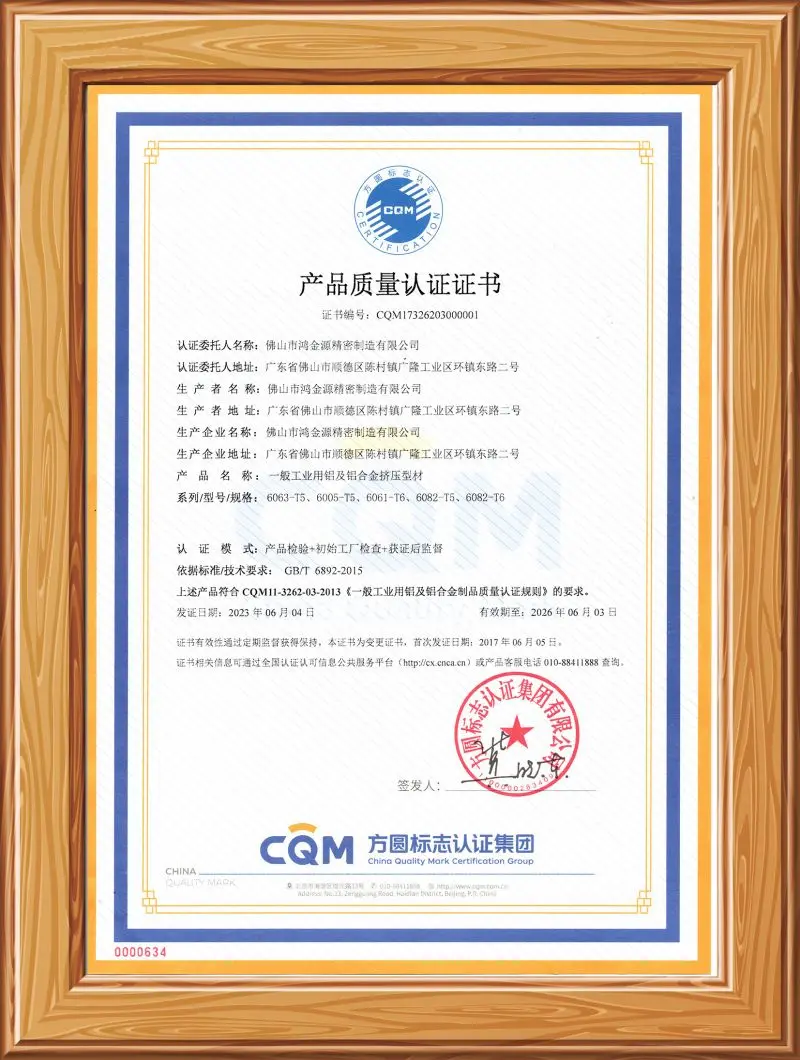
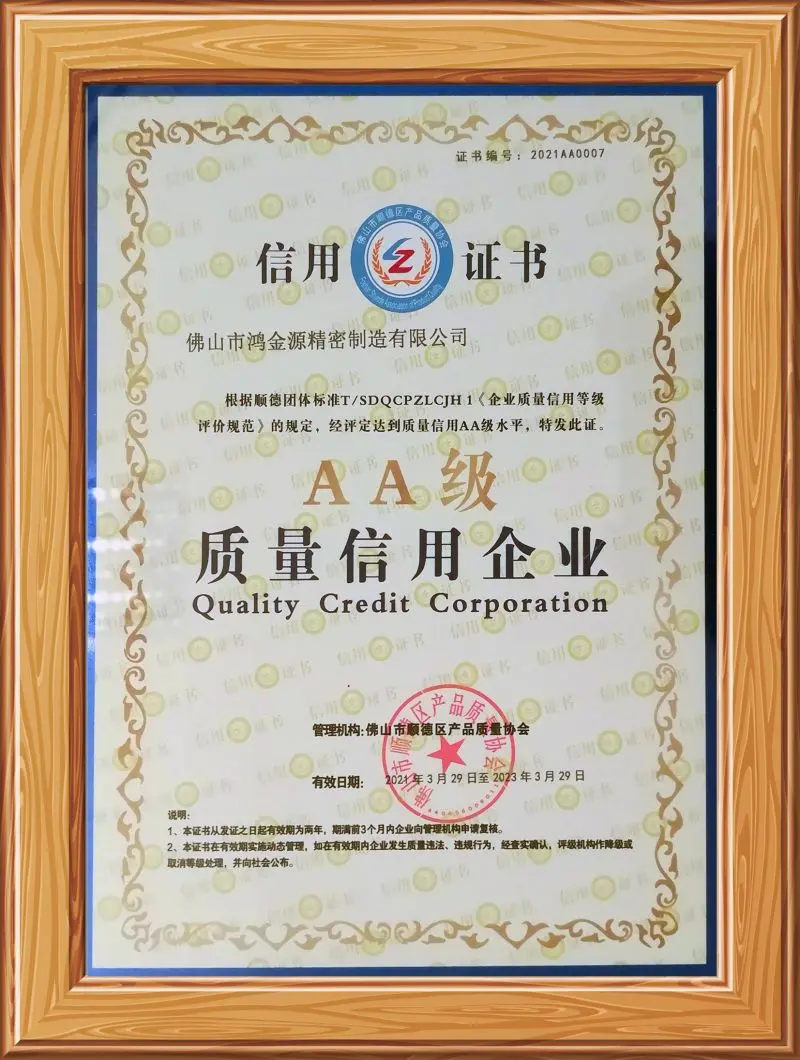
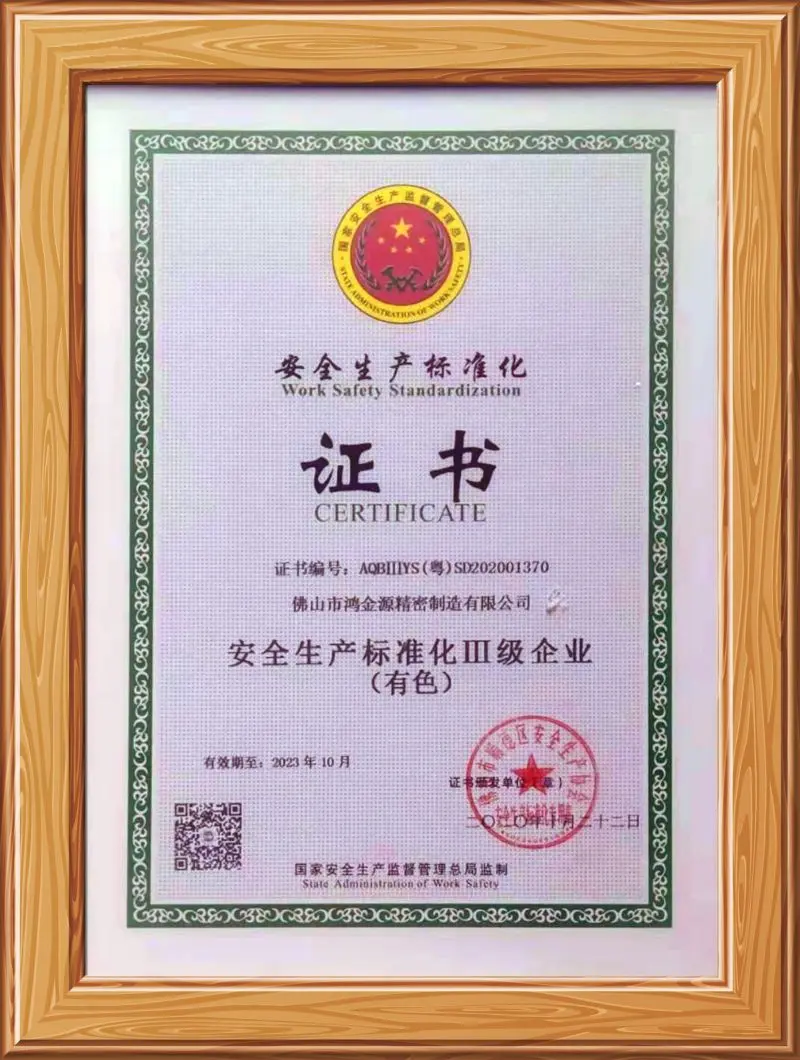
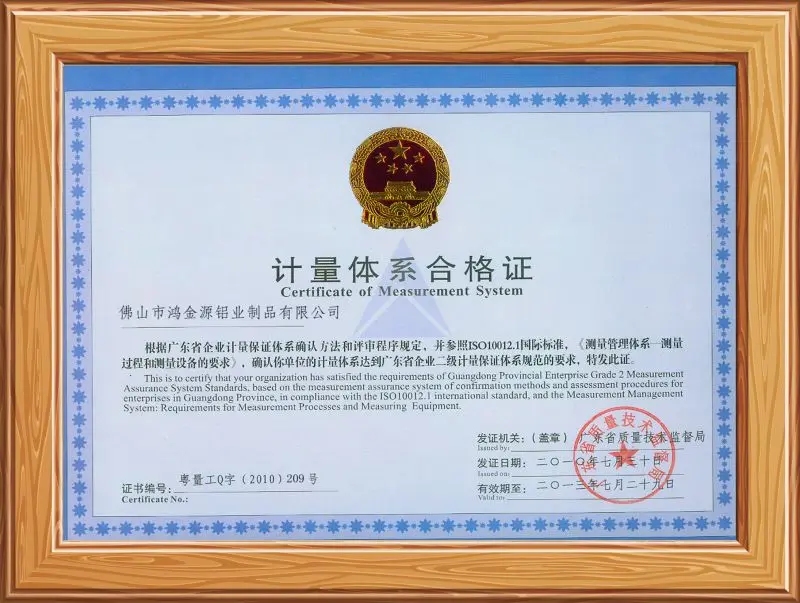
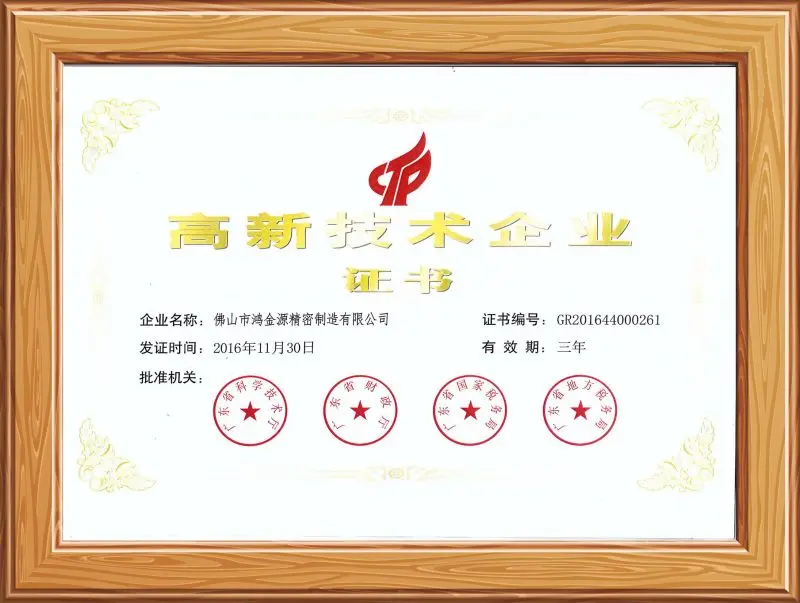
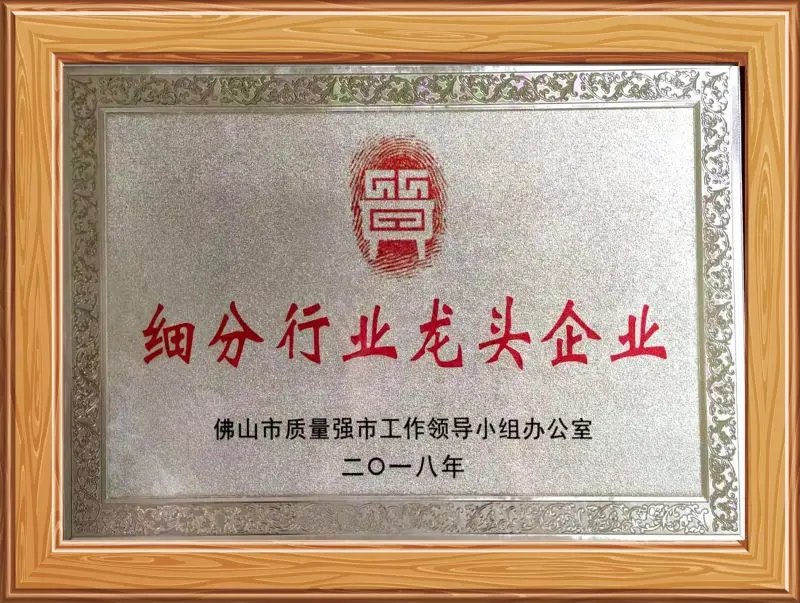
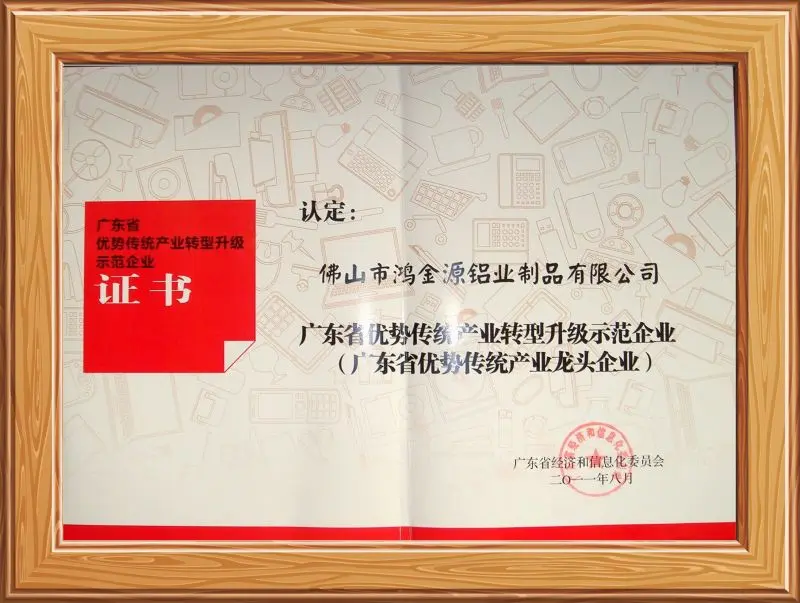
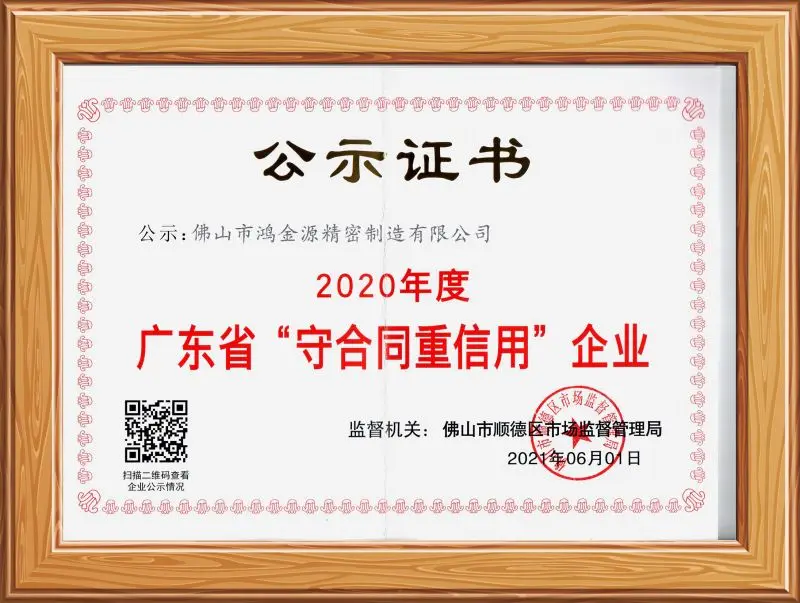
Foshan Golden Source is committed to clean production practices and green manufacturing standards. We hold active certifications for ISO9001, ISO14001, and ISO45001. Additionally, to meet the evolving sustainability requirements of our international partners (particularly in North America and the European Union), we have secured GRS (Global Recycled Standard) and RCV (Recycled Content Verification) certifications.
These credentials verify that our manufacturing lines can integrate post-consumer and post-industrial recycled aluminum content without compromising structural performance. They also document our compliance with the EU's strict REACH and RoHS environmental directives, ensuring trouble-free customs clearance and support for your brand’s circular economy initiatives.
A preview of upcoming materials advancements and processing capabilities at our facility.
We are actively refining our 7XXX series extrusion processes to enhance mechanical toughness and stress corrosion resistance. This work supports upcoming weight-reduction initiatives in next-generation aerospace and electric vehicle programs.
Our metallurgy lab is formulating low-carbon billets using higher ratios of sorted recycled scrap. By adjusting key alloying additions, we achieve mechanical properties comparable to prime-sourced billets.
We are investing in tooling technology to produce ultra-thin wall, multi-port micro-channel tubes. These shapes are designed to meet the high thermal efficiency demands of new energy vehicle cooling loops.
Addressing the common design, alloy selection, and commercial questions raised by international procurement managers.
A: We melt and cast all billets in-house. Every batch undergoes spectral analysis prior to casting, allowing us to adjust elements within strict limits. This ensures optimal structural strength and a clean surface finish suitable for anodizing.
A: Tooling life depends on the complexity of the profile shape and the selected alloy. Standard 6XXX series dies generally yield between 15 to 20 tons before requiring repair or replacement. We cover all maintenance and replacement costs for active tooling under high-volume contracts.
A: GRS (Global Recycled Standard) and RCV (Recycled Content Verification) provide third-party validation of recycled content in our products. This documentation helps importers meet local environmental regulations, comply with green purchasing mandates, and support carbon-reduction claims.
A: Our CNC machining centers routinely hold tolerances to ±0.01mm on critical dimensions. On raw extruded sections, we adhere to the standard EN 755-9 and DIN 17615 parameters, with tighter options available for specialized applications.
A: For severe conditions, we recommend deep anodizing (Class 20 or Class 25, yielding film thicknesses ≥20μm) or premium architectural-grade PVDF powder coatings. Both options provide long-term protection against atmospheric moisture, salt sprays, and UV exposure.
A: Yes, we provide full structural welding services. Our welders are certified to work with high-strength structural profiles, and we use dedicated fixtures to maintain tight tolerances and ensure structural integrity across weld joints.
A: Yes. We offer several packaging options, including individual shrink-wrapping, protective tape interleaving, bubble wrap layering, and reinforced wooden crates. These methods are designed to prevent movement and moisture exposure during long ocean transit.
A: We maintain flexible production schedules. This allows us to accommodate both high-volume runs for standard profiles and smaller, specialized runs for custom industrial components and prototypes.
Review additional precision-engineered designs and request quotation sheets for your production requirements.
 HG Precision