Explore our foundational range of customized structural modules, high-purity thermal housings, and high-strength mechanical components engineered in-house.
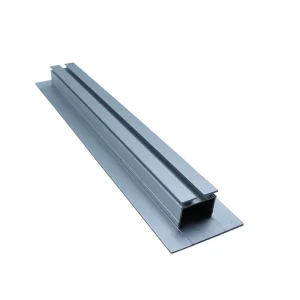
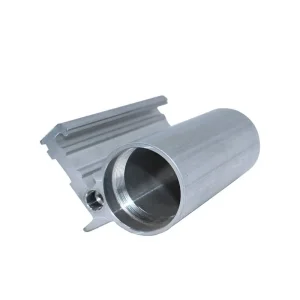
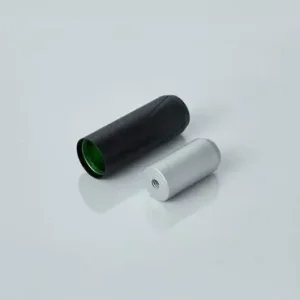
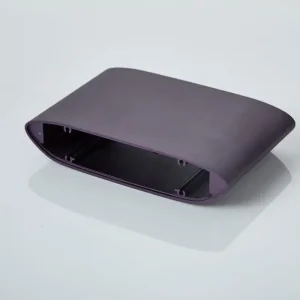
For over three decades, Foshan Golden Source Precision Manufacturing Co., Ltd has stood at the forefront of the structural aluminum engineering industry. As an industry-leading manufacturer of high-strength, high-precision, customized aluminum profiles, we provide a vertically integrated "one-stop" manufacturing ecosystem designed to eliminate supply chain friction and deliver superior mechanical performance.
Our state-of-the-art production base, spanning over 73,000 square meters, features dedicated facilities for in-house alloy casting, mold research & design, precision CNC machining, structural welding, complete assembly, and advanced surface finishes. By operating completely in-house, we control material composition from the molten state up to final inspection, achieving unparalleled compliance with rigorous international standards, including GRS, RCV, and EU REACH.
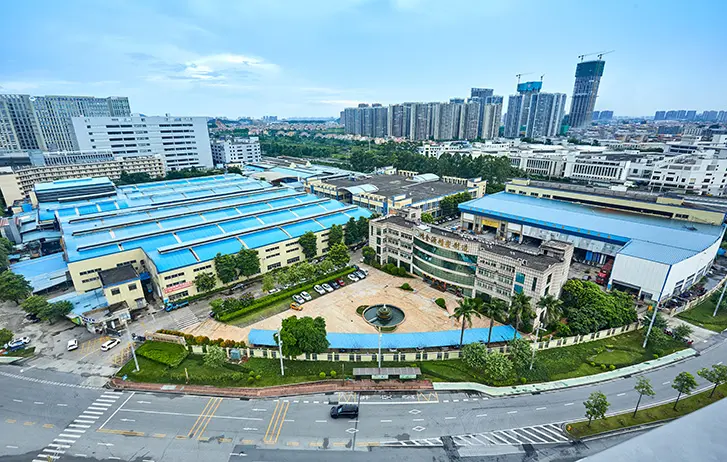
Deep-dive analysis of our in-house manufacturing process. From raw alloy composition design to microscopic structural integrity.
Standard extruders rely on pre-cast billets that limit chemical flexibility. Golden Source melts and refines alloy compositions in-house. This capability allows us to precisely control grain structure refinement, eliminate trace impurities, and customize chemical matrices (optimizing Mg-Si levels in 6XXX alloys for better anodizing response or optimizing Zn-Mg-Cu boundaries in 7XXX series for peak structural tensile strengths up to 570 MPa).
By designing and constructing extrusion molds under strict CAD/CAM protocols, we secure custom geometry control. We mitigate wall-thickness distortion and cross-sectional deflection. Our customized die geometries maintain structural wall uniformity down to ±0.1mm, ensuring complex enclosures assembly-ready tolerances directly out of the cooling beds.
To transform structural extrusions into complex enclosures, we run high-speed, multi-axis vertical and horizontal CNC milling machining centers. This supports detailed features such as connector ports, heat sink channels, acoustic chambers, and thread profiles with tolerances restricted to the micron scale. The elimination of secondary logistics ensures cost efficiencies and continuous control.
We offer fully customizable surface finishes: mirror-polishing, micro-grit sandblasting, rotary brushing, chemical etching, and multi-color anodizing. By executing anodization in-house, we eliminate transit-induced oxidation, generating oxide layers from 10 to 25 microns thickness that comply with Salt Spray test parameters for marine, industrial, or automotive environments.
Why Tier-1 Global Procurement Directors and Hardware Engineering Teams choose Foshan Golden Source.
We melt and modify the alloy composition in our own casting plant. We fine-tune element distribution to optimize anodizing behavior and maximize structural ductility, assuring consistent mechanical performance from batch to batch.
By executing extrusion, CNC machining, welding, and surface treatment entirely in-house, we eliminate markup margins and multi-vendor logistics. This unified control provides superior surface cosmetics and physical tolerances at competitive prices.
Our vertically integrated "one-stop" manufacturing workflow shortens communication loops, eliminates inter-factory quality disputes, and minimizes logistics delays, enabling fast lead times for custom tooling and high-volume production runs.
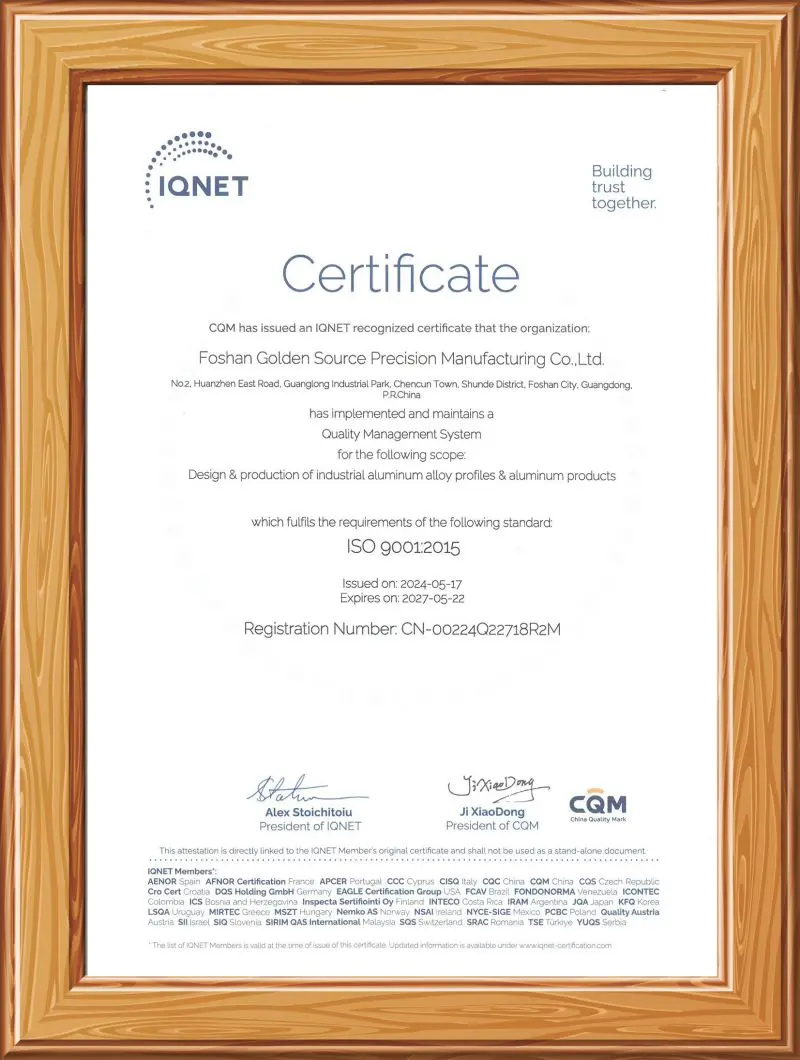
Our facility operates under an optimized manufacturing framework, combining digital management tools with automated extrusion and machining systems. We integrate production planning, automated alloy casting monitors, real-time extrusion speed-to-temperature controllers, and high-speed CNC milling systems into a single centralized network.
This high level of automation reduces labor-induced dimension deviations while lowering structural overhead costs. In addition, our strategic location in Foshan—the world’s leading hub for aluminum processing—provides direct access to high-purity primary ingots, specialized tooling, and efficient logistics. This ecosystem enables us to maintain continuous raw material supply and buffer against global logistics shocks.
Meeting the specialized design demands, engineering tolerances, and compliance standards across various fields.
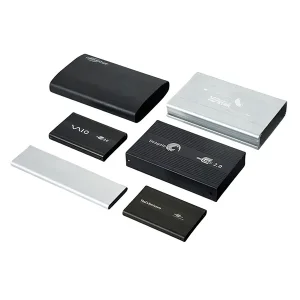
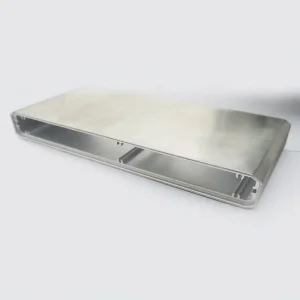
For applications requiring electromagnetic shielding (EMI), high thermal conductivity, and aesthetic surfaces (e.g., hard disk cases, mouse boxes, laser printers), we apply structural 6063-T5 or T6 alloys. Our machining processes and chemical sandblasting methods deliver uniform, scratch-resistant surface textures.
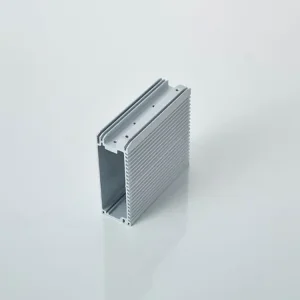
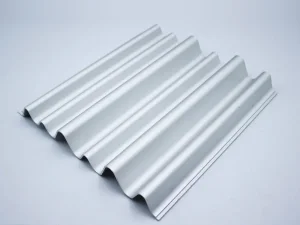
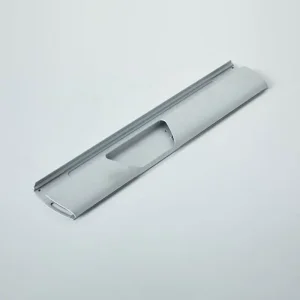
Automotive acoustic systems require structural cases with vibration-damping profiles and heat dissipation features. Our custom-designed matt silver heat sinks (6063-T5 alloy) provide efficient heat transfer and mechanical stability to protect active noise cancellation (ANC) boards in demanding vehicular environments.
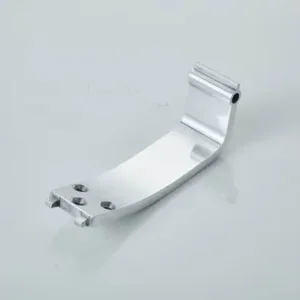
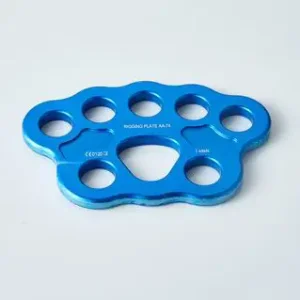
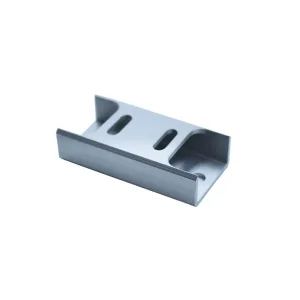
For high-load safety components like climbing rope connectors and gate closers, we utilize high-strength 7075 and 6061-T6 alloys. We perform continuous ultrasonic flaw detection to ensure the parts are free of interior voids and can handle high structural stresses.
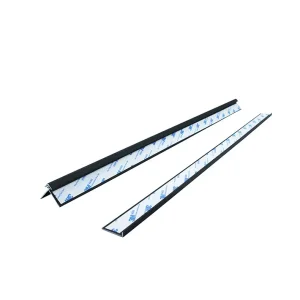
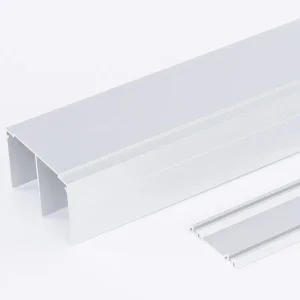
Sliding door profile tracks, wood-floor corner profiles, and structural mirror frames require flat surfaces, minimal bow, and scratch-resistant anodized finishes. We supply high-precision profiles with integrated adhesives (such as 3M tape assemblies) to support rapid, tool-less installations.
Verified compliance with international quality, safety, environmental, and material recovery regulations.
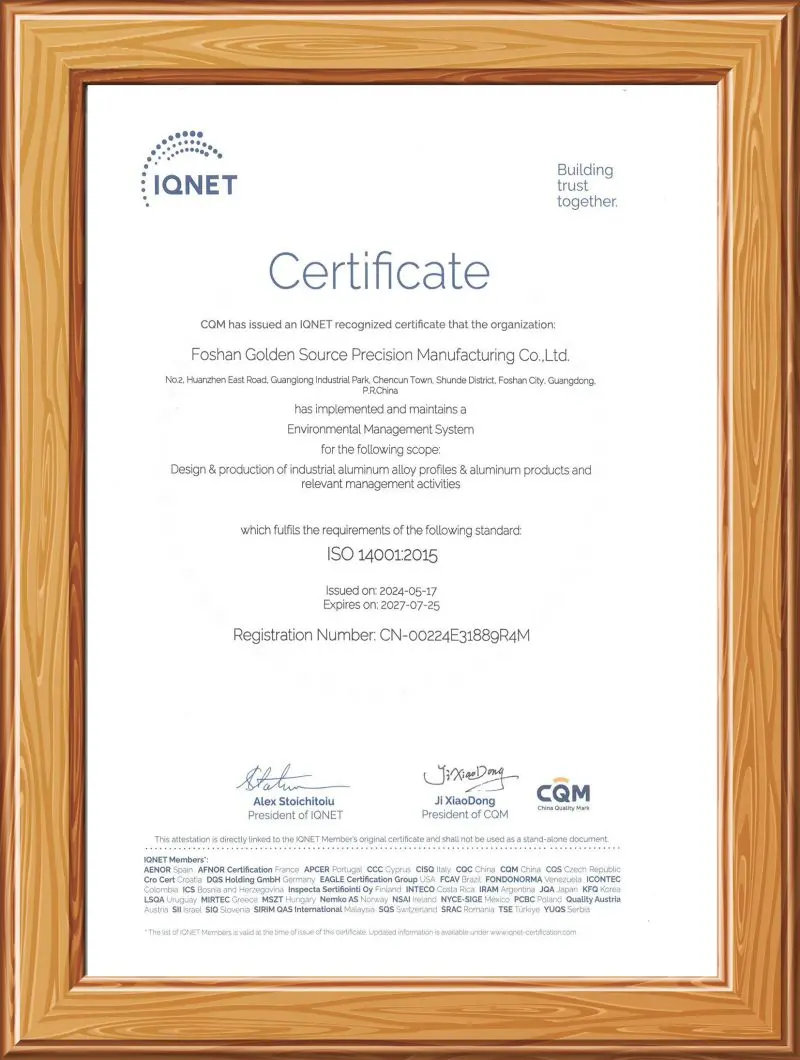
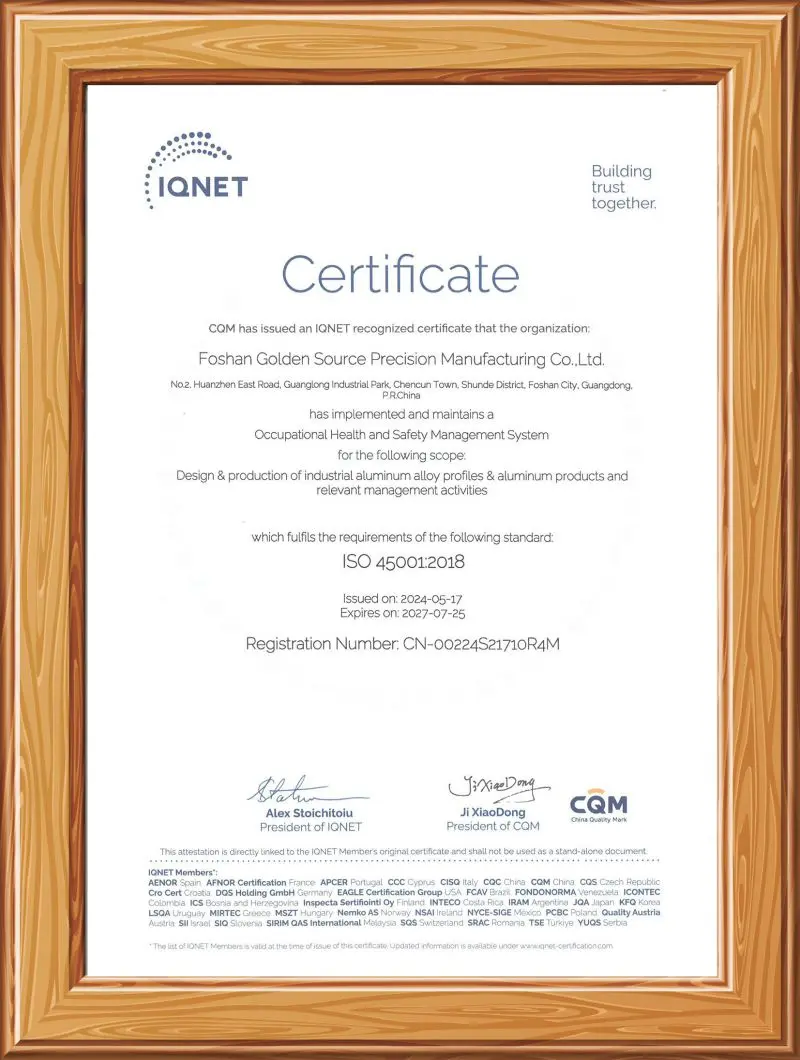
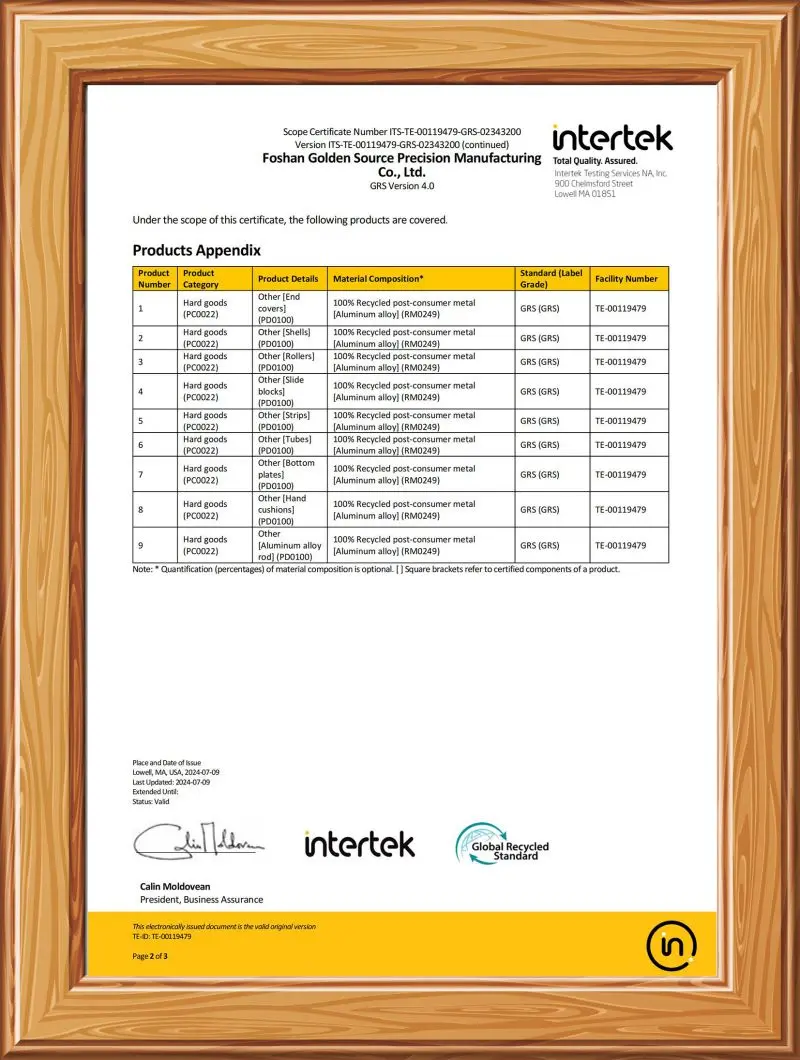
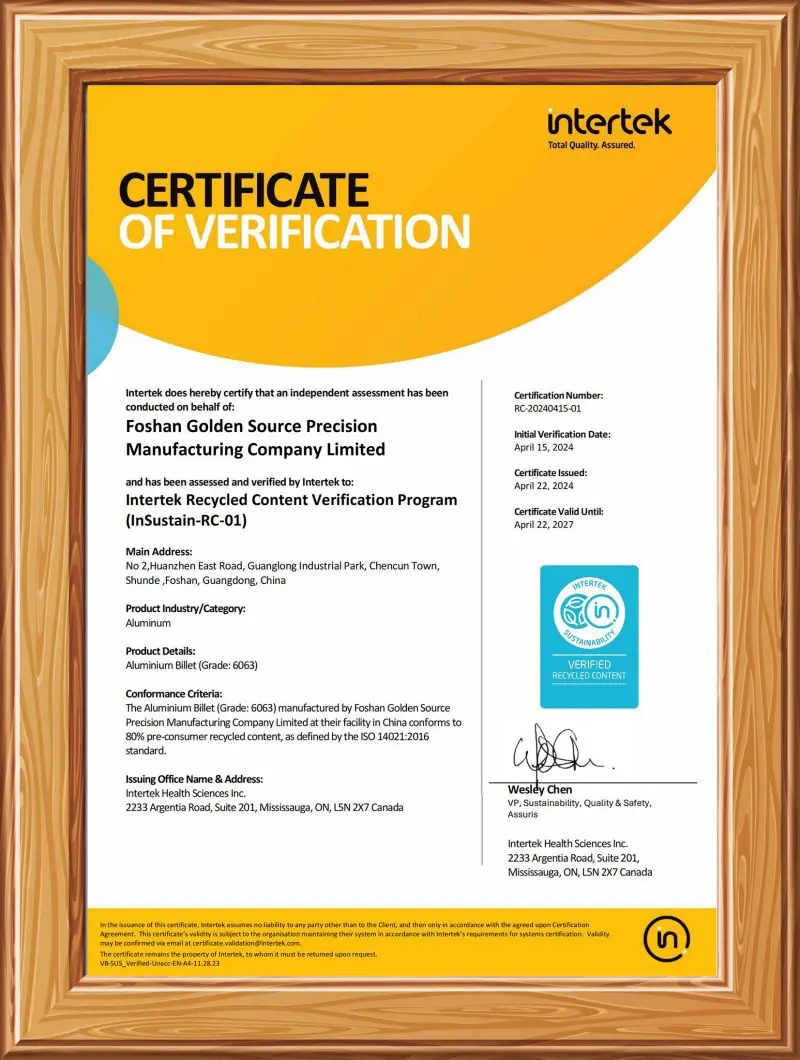
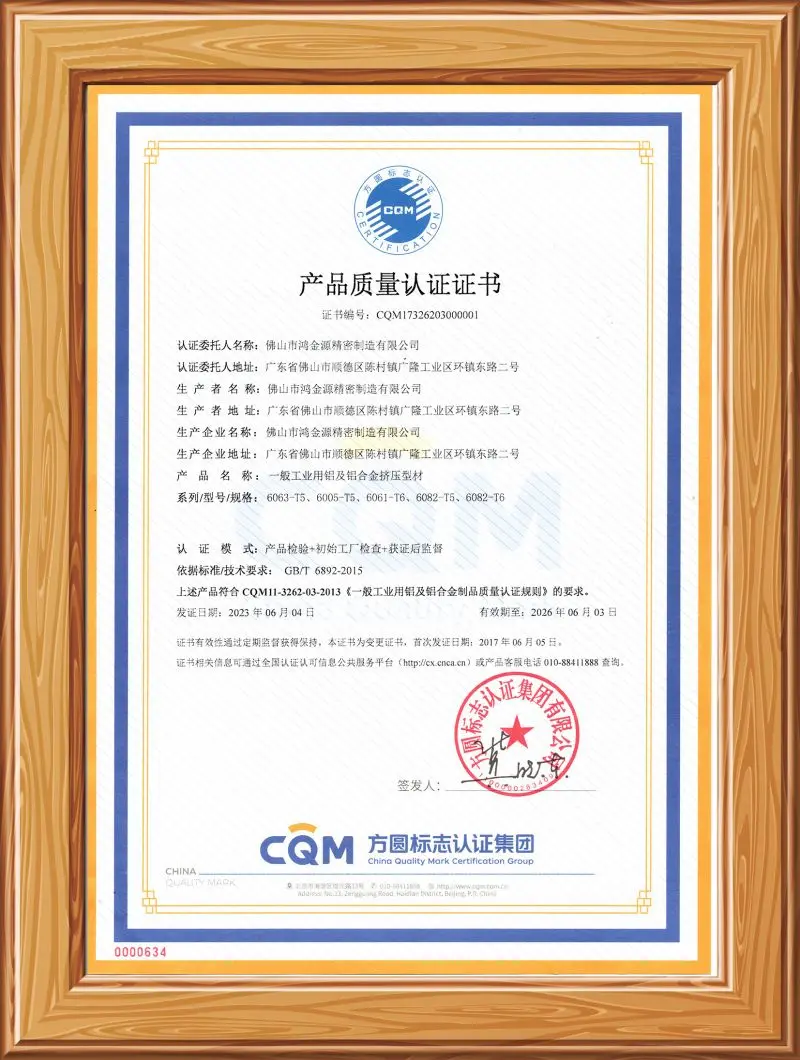
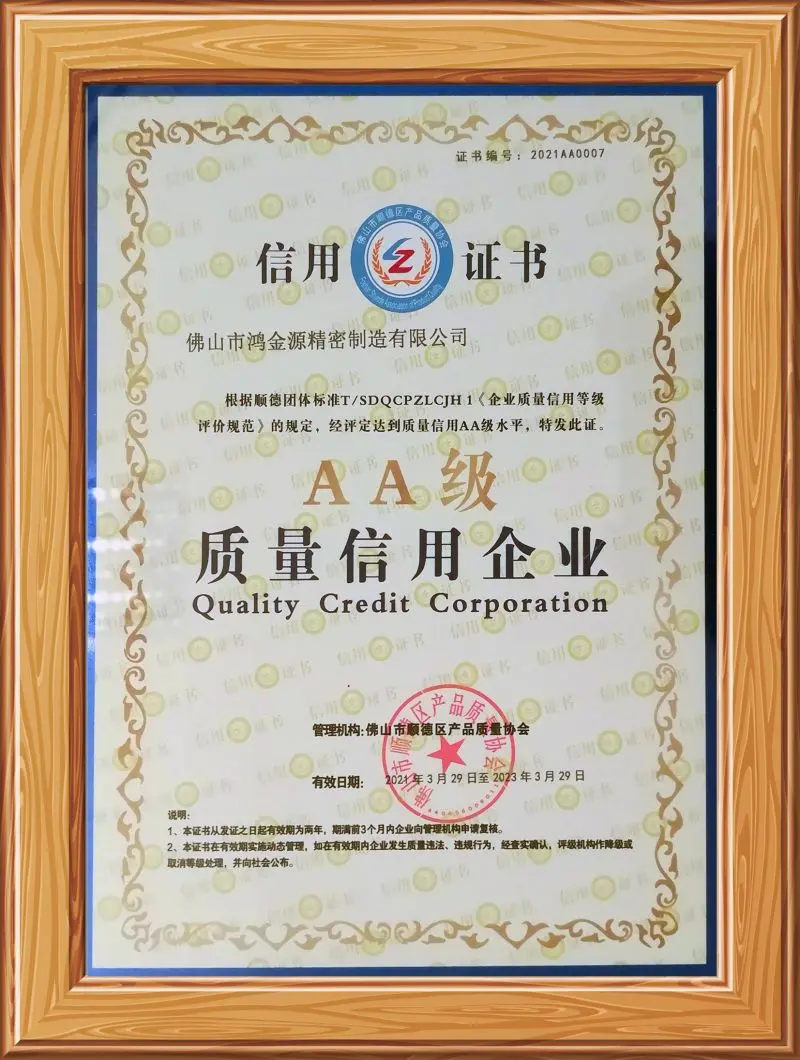
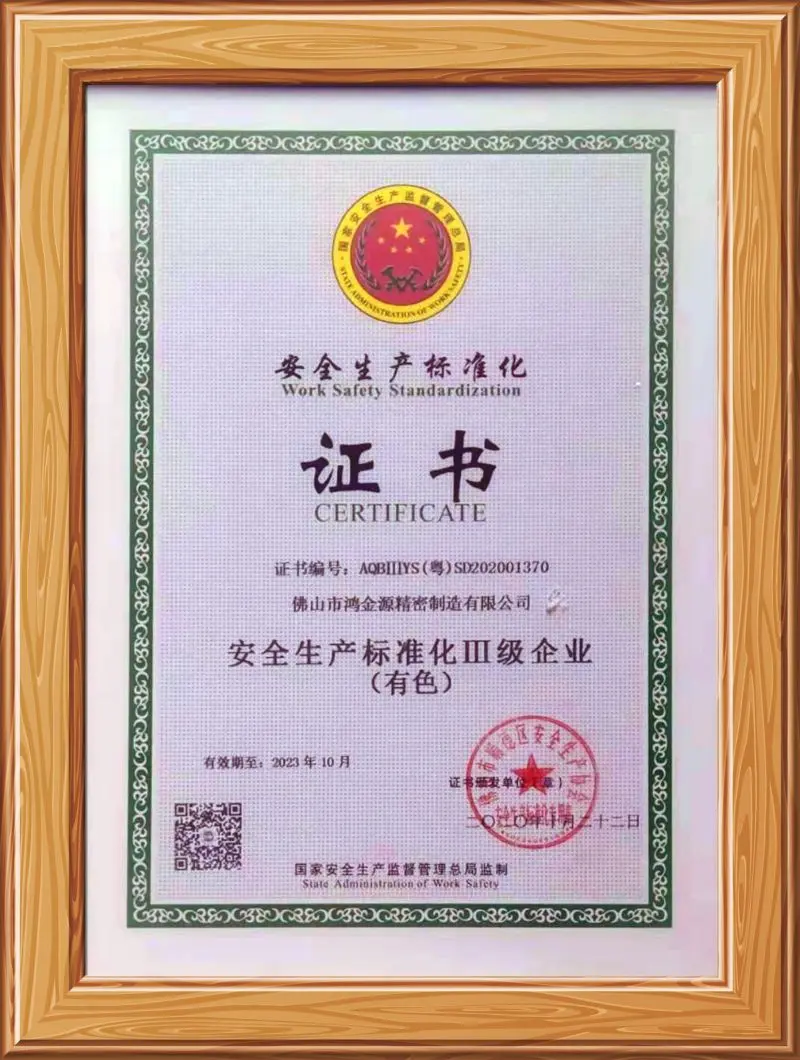
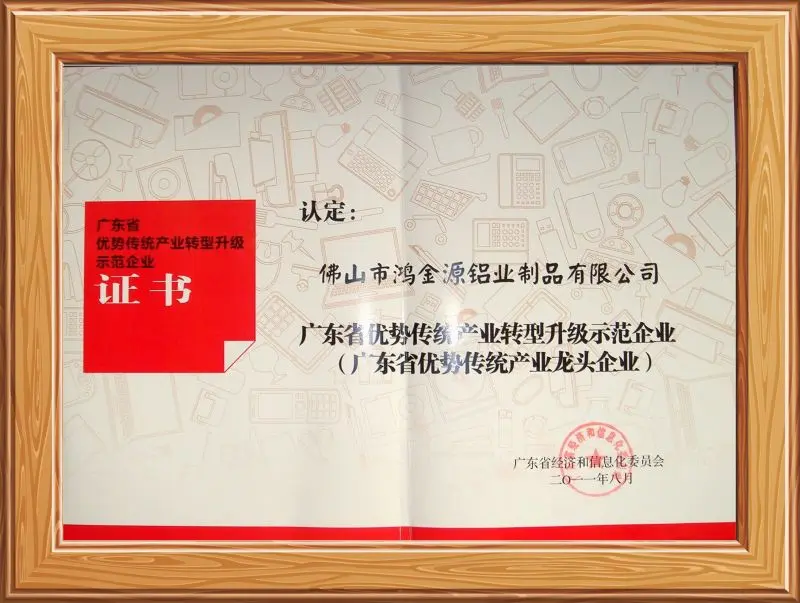
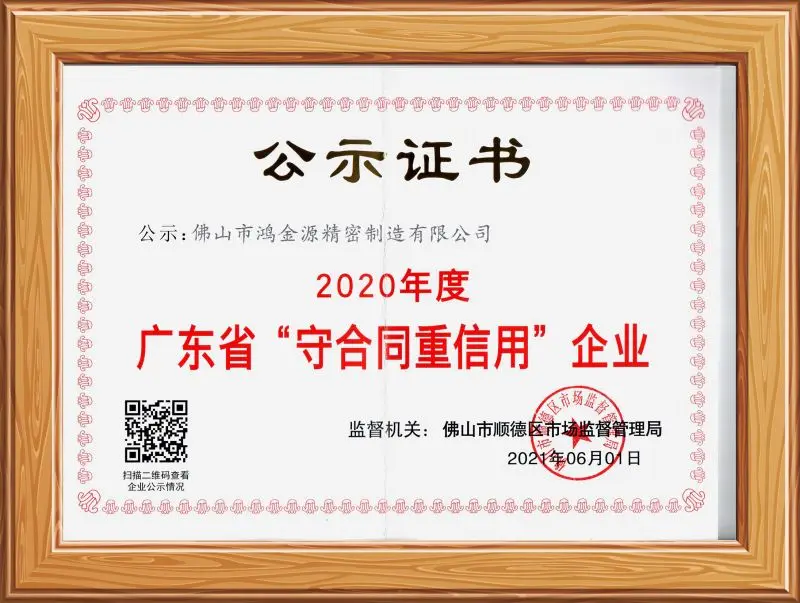
To support global decarbonization efforts, we maintain GRS (Global Recycled Standard) and RCV (Recycled Content Verification) certifications. These verify the traceablity of our recycled aluminum content, assisting OEMs in meeting circular economy targets and EU carbon tax regulations.
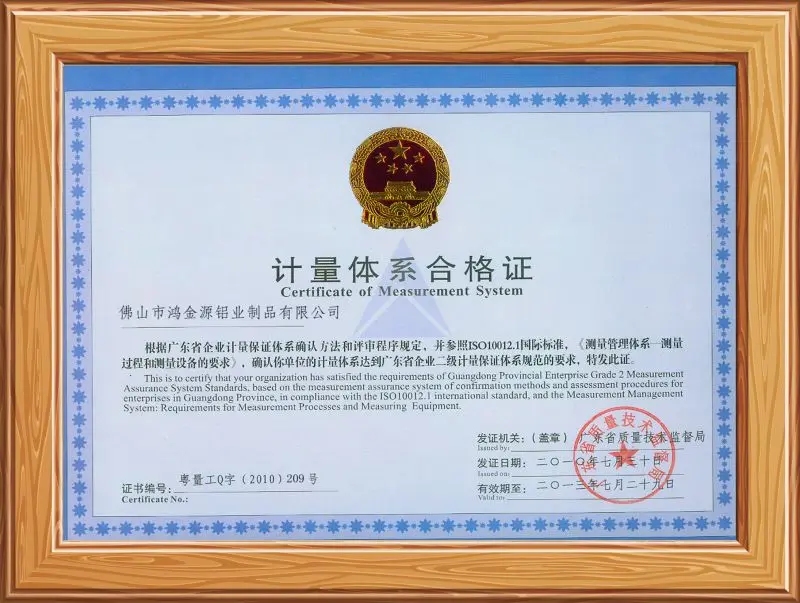
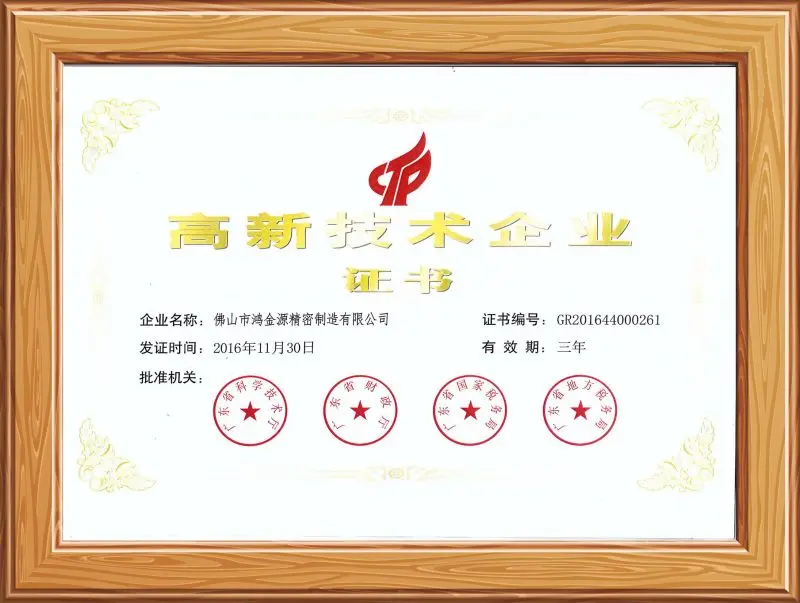
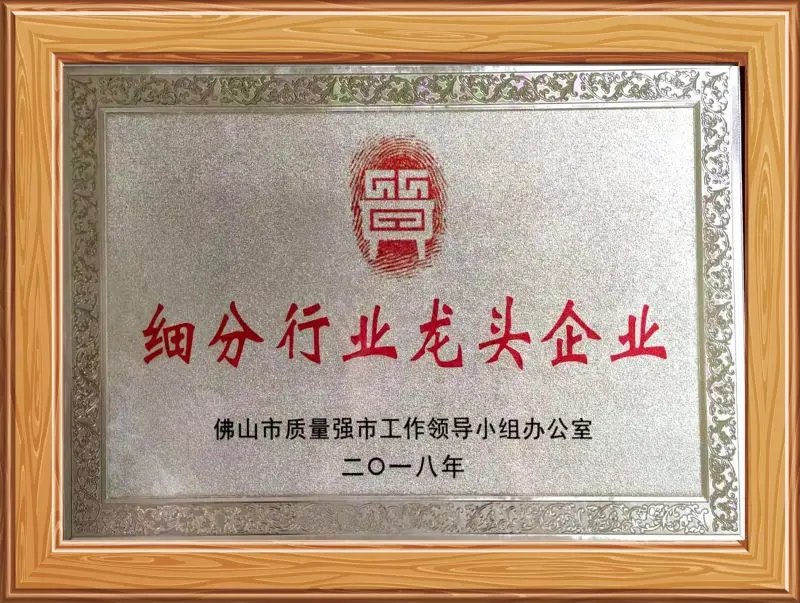
Continuous evolution in structural extrusion engineering, material science, and global field support.
We are designing high-thermal-conductivity alloys with lower thermal resistance, intended for next-generation EV power electronic enclosures and server cooling plates. Additionally, we are developing lightweight structural elements designed to reduce vehicle weight.
To serve our global clients, we provide DFM (Design for Manufacturability) consulting, structural simulations, and packaging systems designed to prevent oxidation during sea transport. We support direct import procedures, custom clearance documentation, and flexible delivery arrangements to warehouses worldwide.
Addressing crucial engineering, metallurgy, and procurement questions from structural engineers and purchasing managers.
For critical dimensions on extruded profiles, our default tolerance matches the standard DIN EN 12020-2. However, for post-extrusion CNC machining (milling, boring, tapping, pocketing), we regularly hold tight machining tolerances down to ±0.01 mm to ±0.05 mm on CNC-machined features.
External billets often contain trace elements like iron or silicon fluctuations, leading to structural color mismatches (banding, cloudy finishes) after chemical anodizing. Because we melt and refine our raw alloys in-house, we control trace element concentrations, ensuring consistent grain size and uniform color matching across batches.
Yes. Our production processes and finishes are certified for compliance with EU REACH and RoHS regulations. Additionally, our GRS (Global Recycled Standard) and RCV (Recycled Content Verification) certificates verify our recycling supply chain, allowing us to supply traceable, low-carbon post-consumer or post-industrial aluminum profiles.
We cast and extrude 1XXX, 3XXX, 5XXX, 6XXX, and 7XXX series alloys. For electrical enclosures requiring structural heat transfer, 6063-T5 or T6 is the standard. For higher mechanical strength requirements, we process 6061-T6 (excellent machinability and weldability). For high stress structural parts, we use 7075-T6 (providing yield strengths comparable to structural steel).
Because we conduct die design and manufacturing in-house, custom extrusion tooling is typically completed within 7 to 10 working days. Sample extrusions and first-article inspections (FAI) are completed within 5 days of tooling setup, significantly shortening the prototyping phase compared to suppliers outsourcing tool production.
We use CAD/CAM mold engineering simulation software to predict metal flow velocity, exit temperature, and extrusion press pressure variables. During extrusion, we utilize automated optical profile measurement systems at the exit dye to check critical wall thicknesses in real time, stopping errors before batch runs commence.
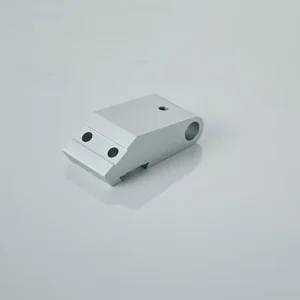
Explore our selection of precision connector blocks, heavy-duty structural profiles, and custom device chassis.
 HG Precision