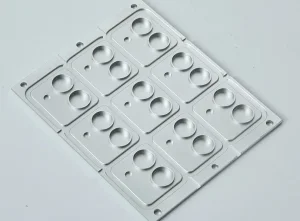
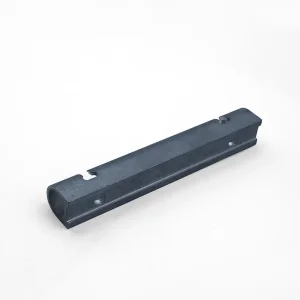
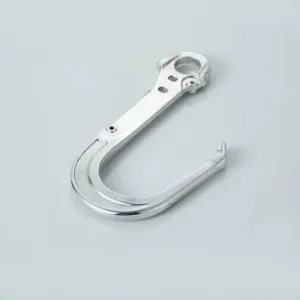
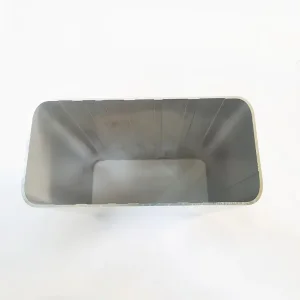
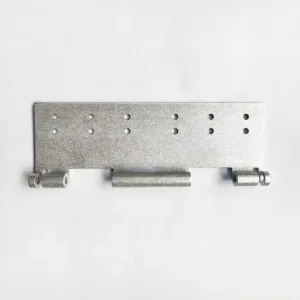
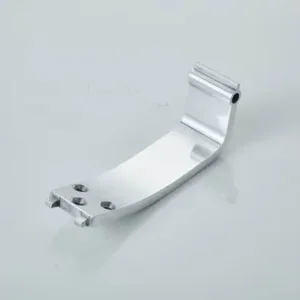
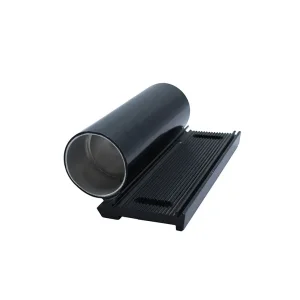
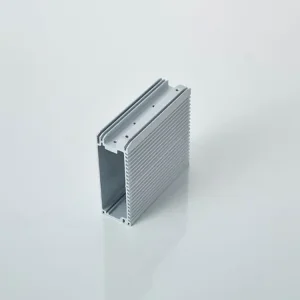
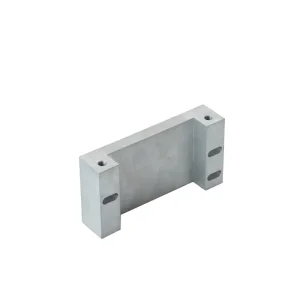
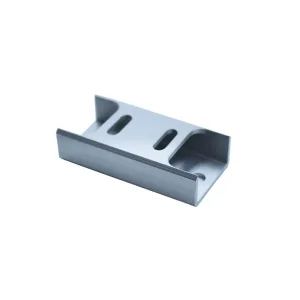
Explore our elite portfolio of high-strength structural solutions, engineered for maximum mechanical efficiency and surface perfection.
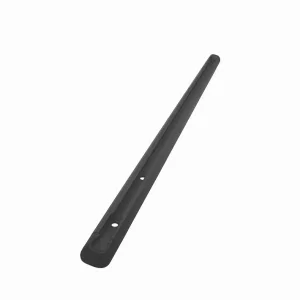
Foshan Golden Source Precision Manufacturing Co., Ltd is a professional manufacturer of high-strength, high-precision, customized aluminum profiles and precise machining aluminum parts, welded parts, and assembled aluminum products.
Operating from a modern and environmentally friendly production base covering an area of over 73,000 square meters, we deliver a true "one-stop" contract manufacturing service. This encompasses alloy casting, mold research, design & tool building, aluminum extrusion, precision CNC machining, welding, mechanical assembly, and complex surface finishing.
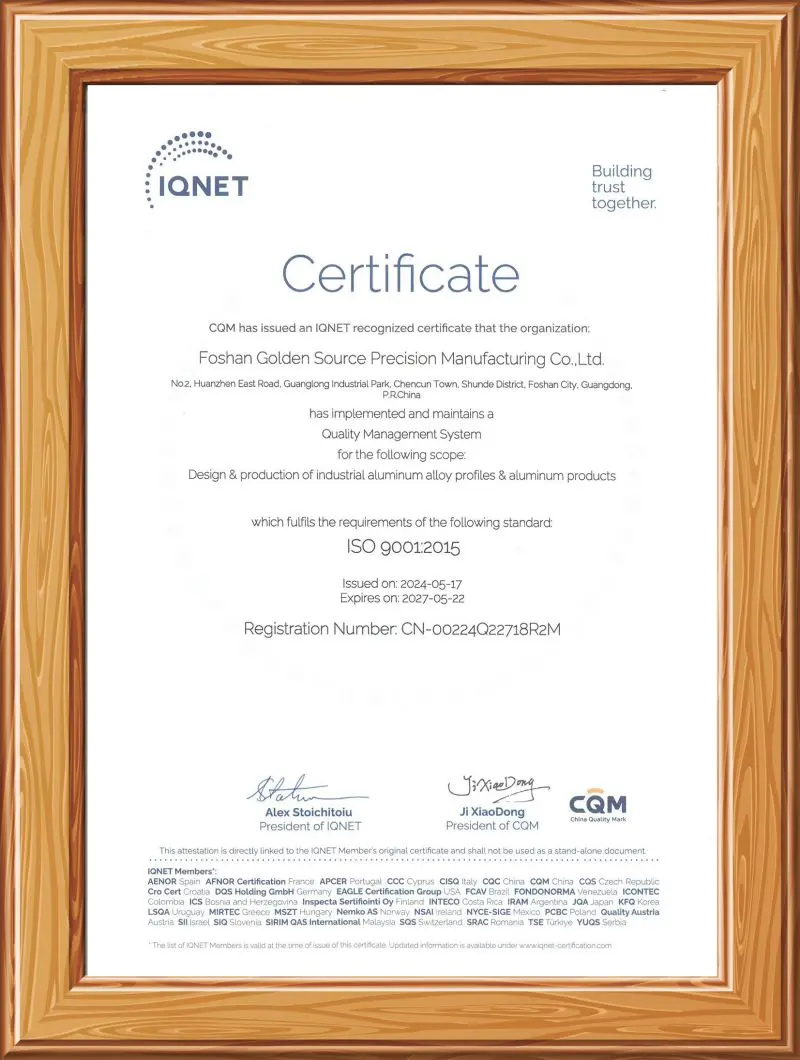
We maintain rigid quality standards under international frameworks, holding official certifications including ISO9001, ISO14001, ISO45001, RCV, and GRS (Global Recycled Standard). This guarantees that all products fully comply with the stringent environmental guidelines of the EU's REACH and RoHS regulations.
Download Company Catalogue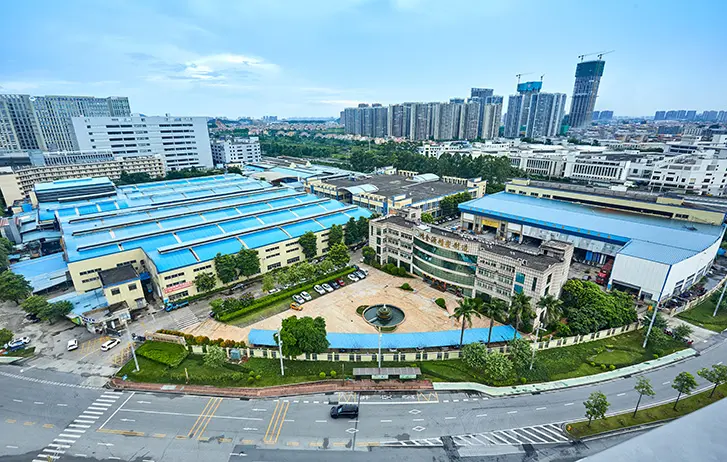
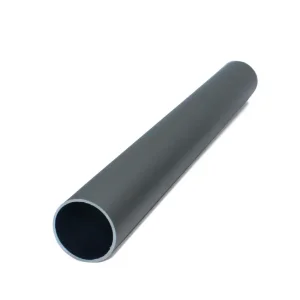
Why structural engineers and procurement heads choose our high-strength threaded aluminum tubing solutions for mission-critical installations.
We melt and cast our alloys in-house. This gives us complete control over chemical compositions, allowing us to adjust elements to achieve maximum tensile strength, optimize ductility, and eliminate micro-purities. The result is structural profiles with perfect grain structures ready for flawless thread tapping and high-quality anodizing.
By executing all CNC precision machining, thread cutting, rotary straightening, and surface modification internally, we minimize handling costs and logistical delays. This horizontal integration yields significant unit-price reductions. At equivalent market prices, our finished product quality is superior.
Our one-stop manufacturing ecosystem—from custom tooling design to final surface anodizing—reduces project transition delays. This agile workflow speeds up first-article approvals and enables prompt delivery schedules for high-volume contract runs.
Selecting the optimal alloy composition and temper state for mechanical assemblies and structural connections.
| Alloy Series | Common Tempers | Machinability Rating | Thread Shear Strength | Corrosion Resistance | Primary Industrial Use Cases |
|---|---|---|---|---|---|
| 1XXX Series (e.g., 1060) | O, H14 | Poor (Soft, gummy) | Low | Excellent | Electrical conductors, fluid transfer lines with minimal mechanical stress. |
| 3XXX Series (e.g., 3003) | O, H14 | Moderate | Moderate | Very Good | Heat exchangers, condenser units, low-pressure mechanical piping. |
| 5XXX Series (e.g., 5052) | O, H32, H34 | Fair to Good | Moderate-High | Outstanding (Marine) | Marine piping systems, offshore structures, hydraulic system lines. |
| 6XXX Series (e.g., 6061, 6063) | T4, T5, T6 | Excellent | High | Very Good | Structural framing, automotive chassis members, solar racks, aerospace rods. |
| 7XXX Series (e.g., 7075) | T6 | Outstanding | Extremely High | Moderate | High-stress aerospace linkages, military gear, climbing accessories. |
When designing thread dimensions in aluminum tubes, the primary mechanical failure mode is thread stripping under axial tension. Standard calculations utilize the thread shear area:
A_s = π * d_1 * p * n_e * [ (1 / (2 * p)) + ( (d - d_1) / (p * \sqrt{3}) ) ]
Where d_1 is the maximum minor diameter of the internal thread, p is the thread pitch, and n_e is the thread engagement length. Our in-house engineering team calculates these dimensions based on the specific mechanical yield point of the chosen temper (e.g., 276 MPa for 6061-T6 vs 214 MPa for 6063-T6) to prevent joint failures.
Anodizing (Type II sulfuric or Type III hardcoat) increases the outer surface layer thickness of the aluminum while also consuming a portion of the substrate. Typically, an anodizing layer of 15 to 25 microns will decrease the pitch diameter of internal threads and increase the pitch diameter of external threads by roughly double the coating thickness.
Foshan Golden Source uses customized CNC tap and die sizing to pre-compensate for these dimensional changes, ensuring class-fit compliance (e.g., Class 6H/6g or Class 2B/2A) after surface finish treatments.
Our commitment to sustainable production, environmental safety, and high quality control is backed by international verification bodies.
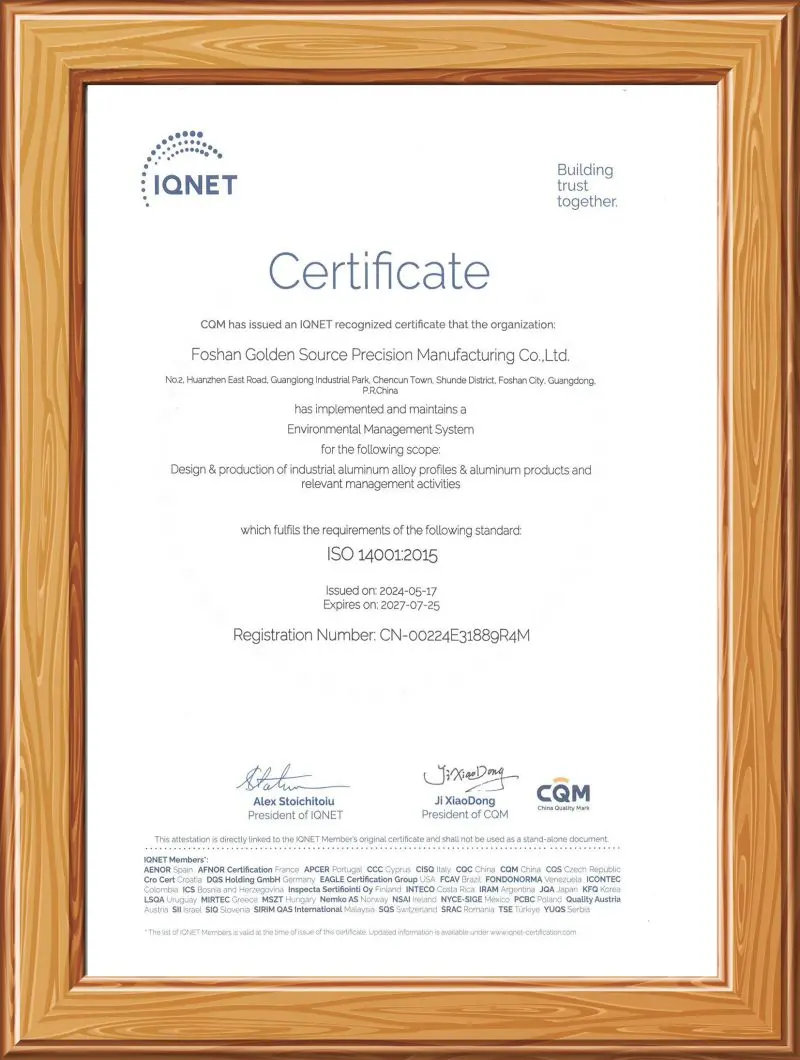
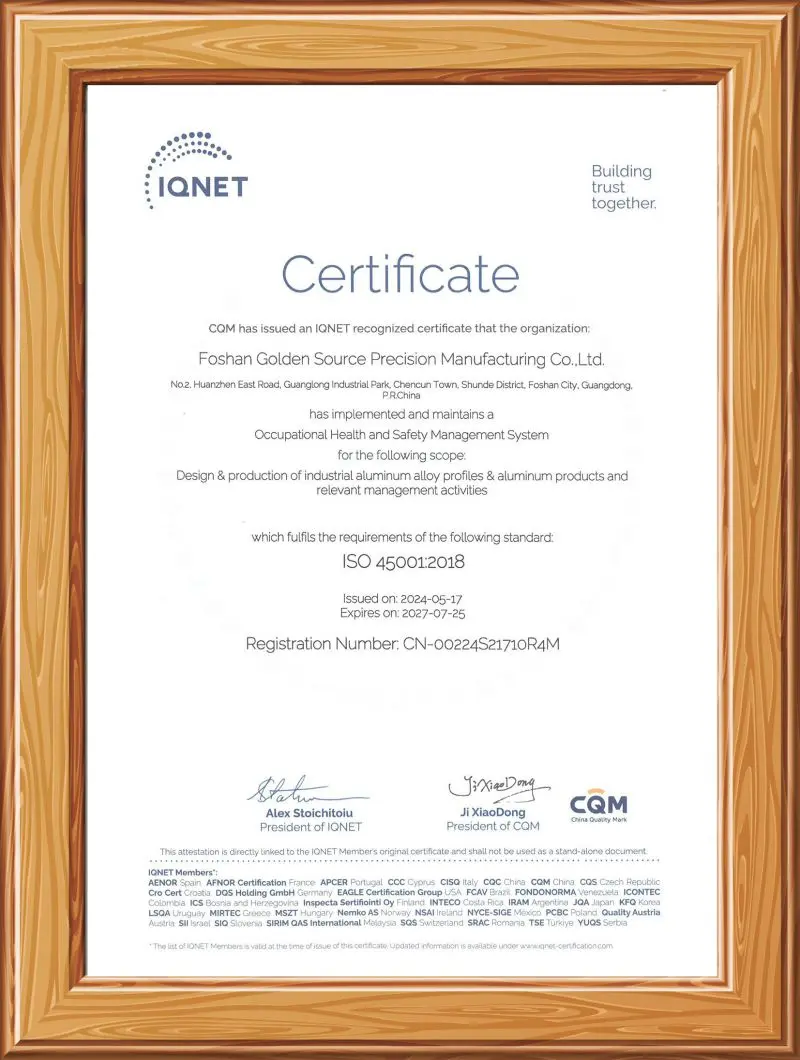
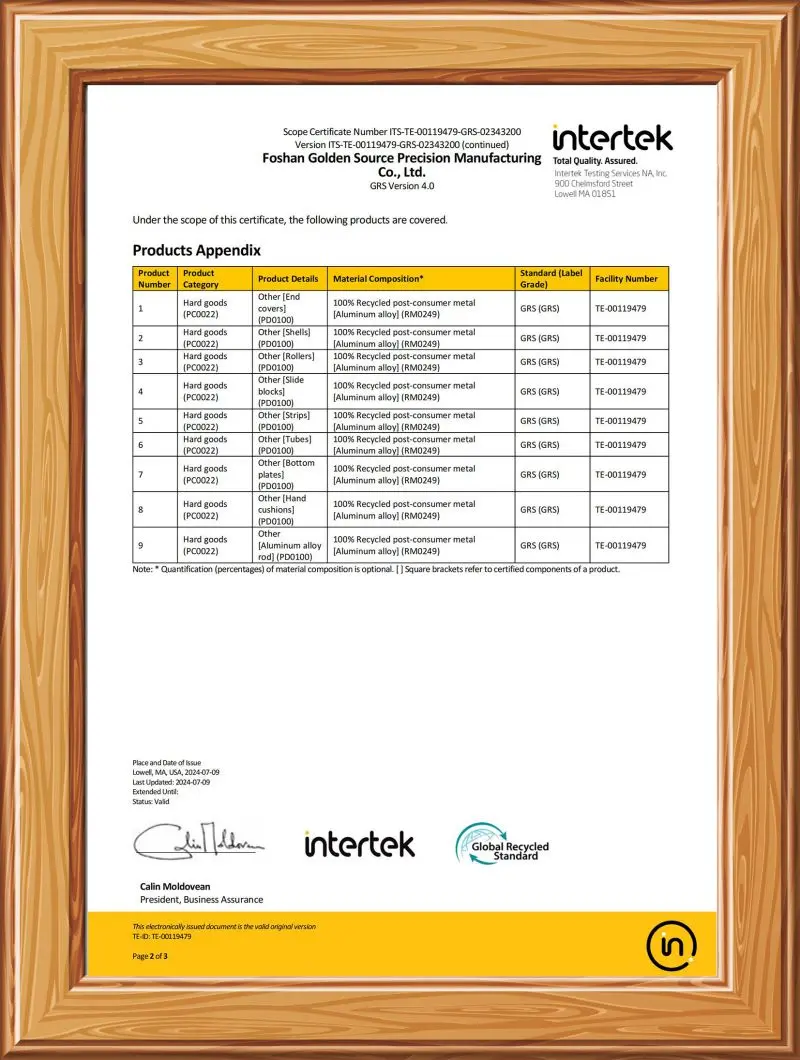
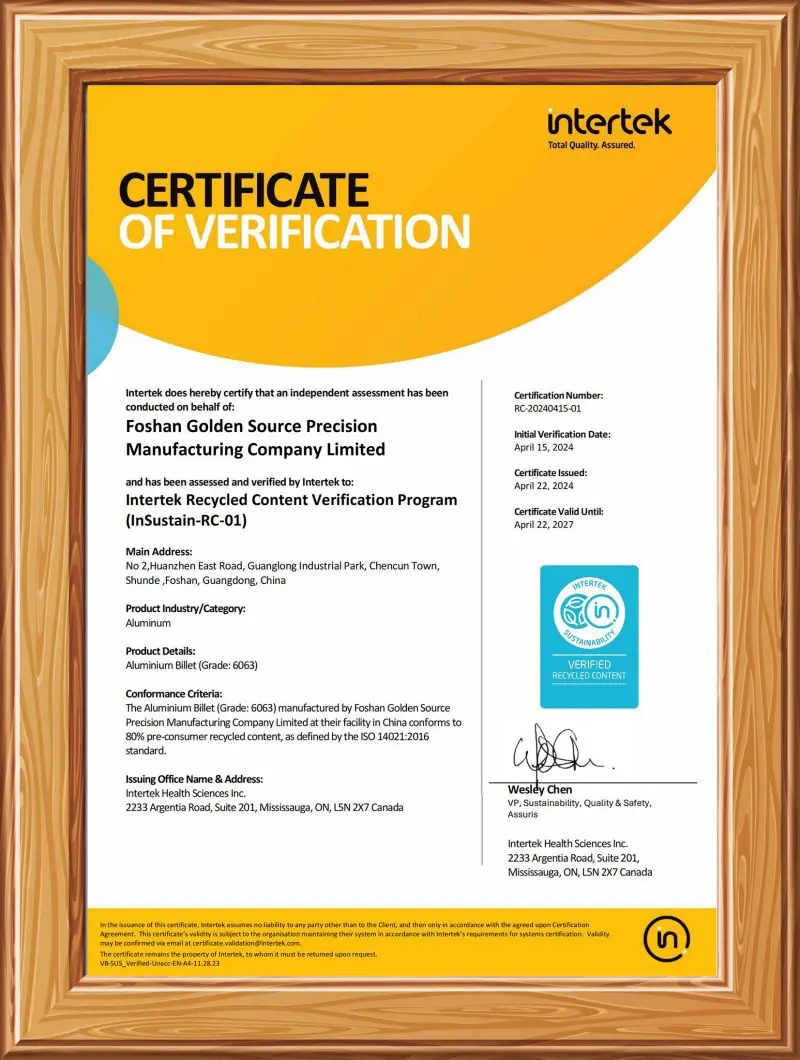
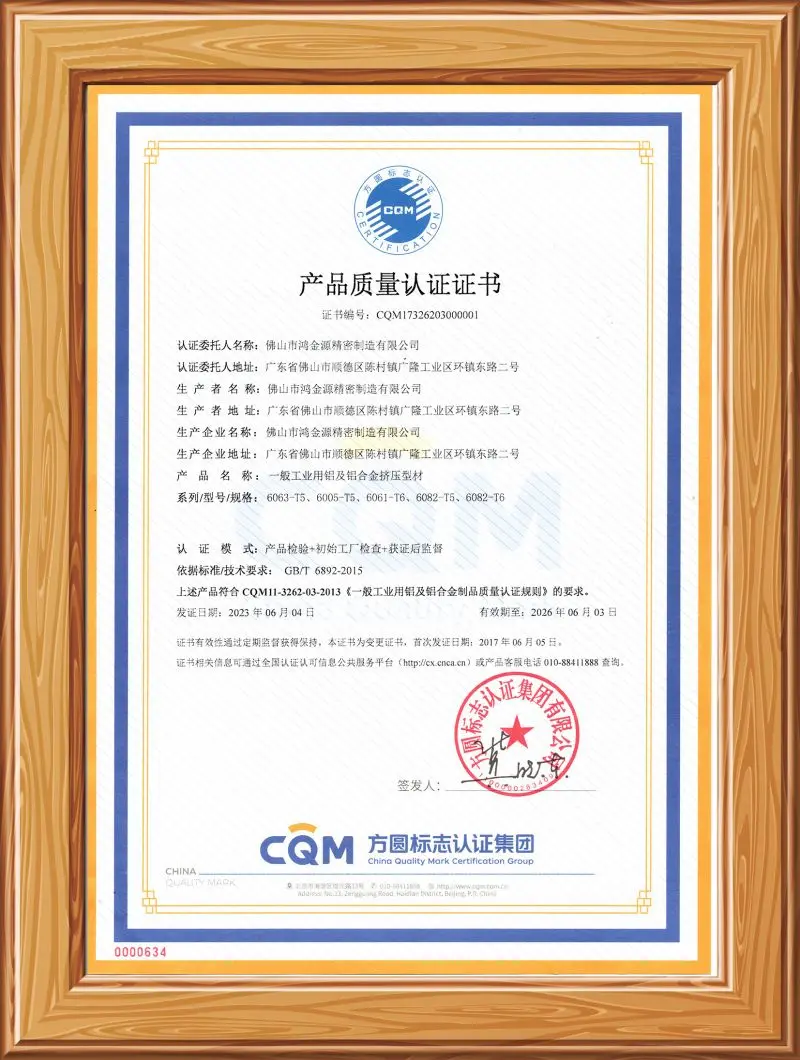
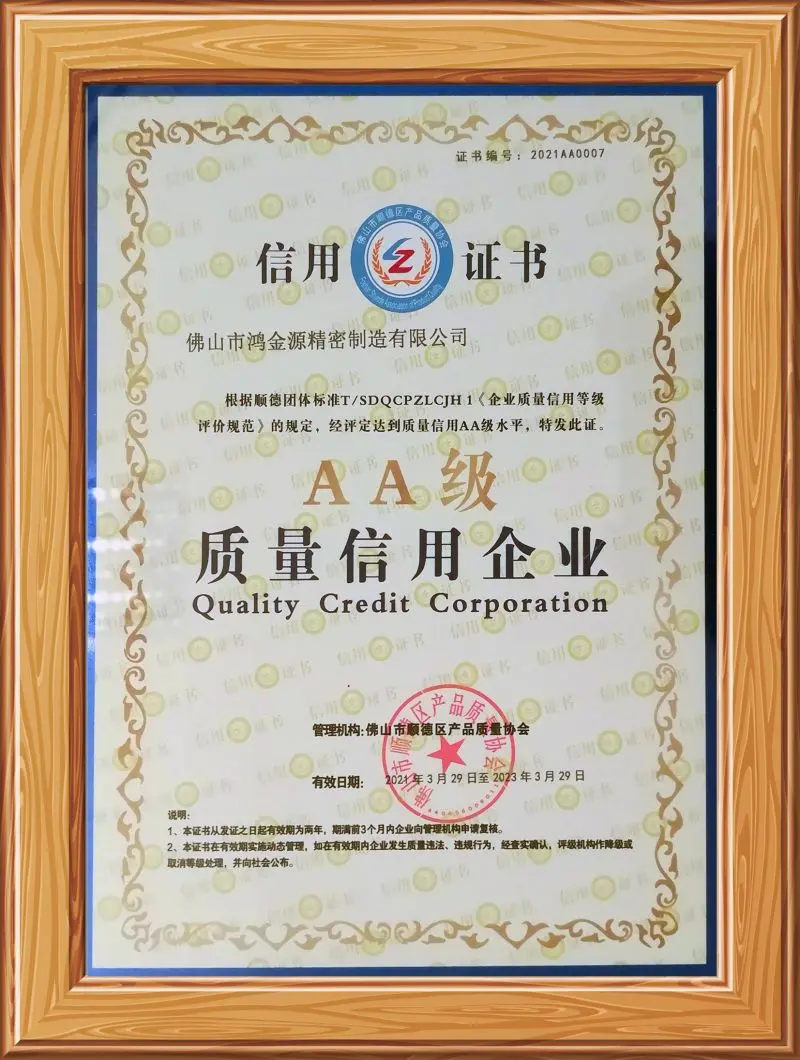
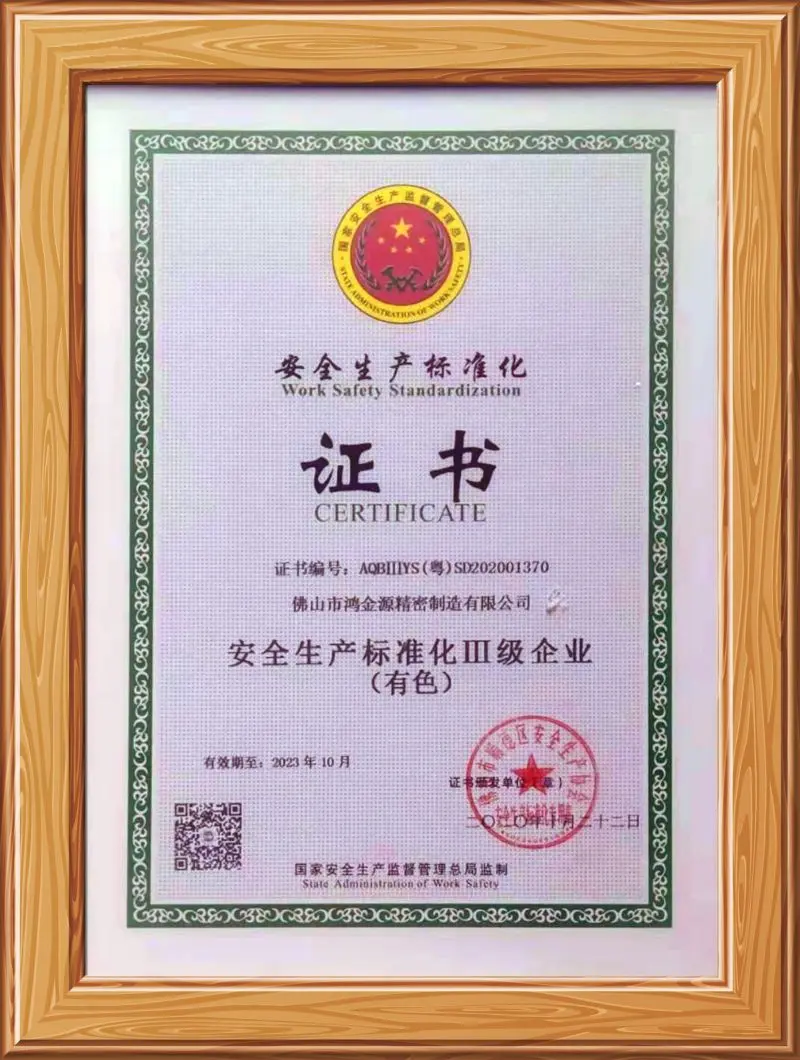
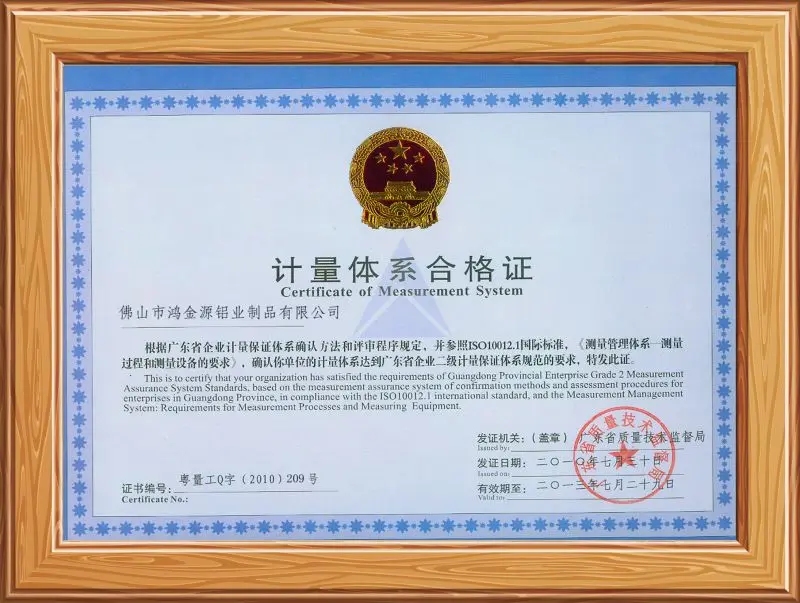
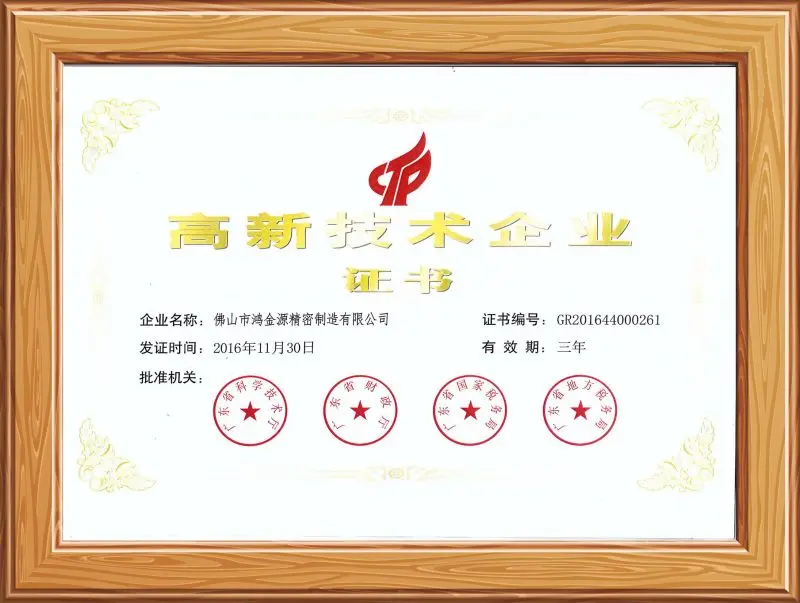
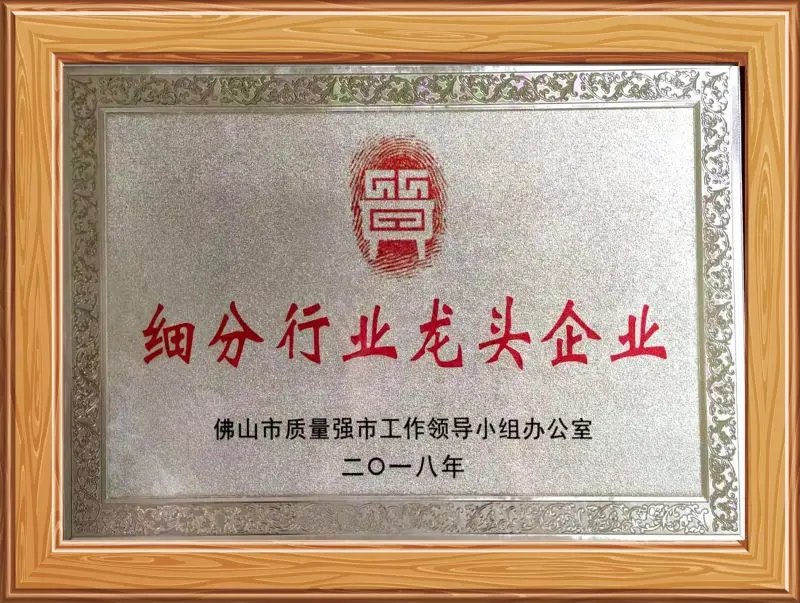
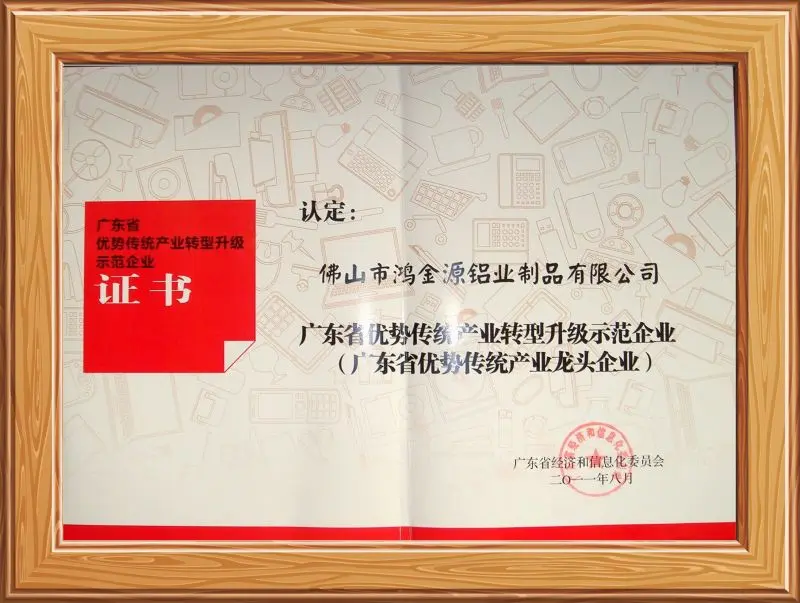
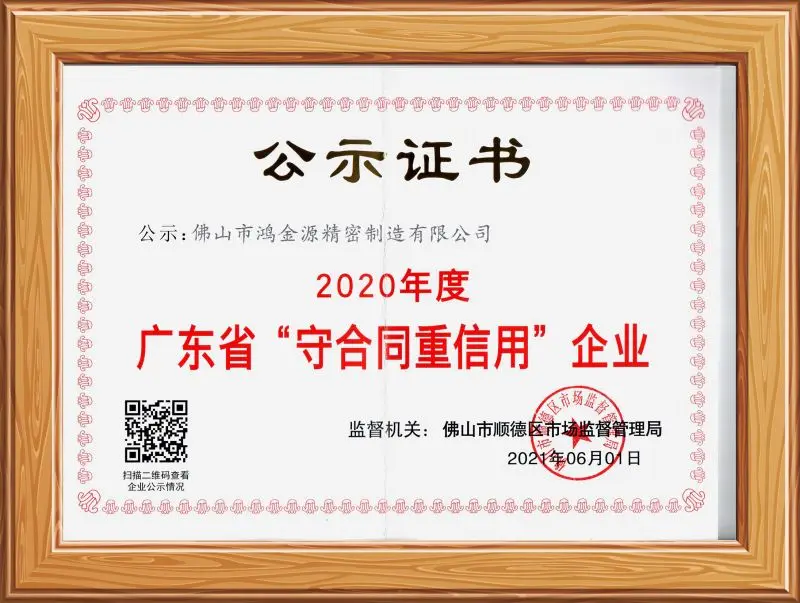
Streamlining sourcing complexity by combining low cost structures with vertical control over the entire production cycle.
Many aluminum profile suppliers outsource secondary processes like thread cutting or anodizing to third parties, which risks misalignment and delayed timelines. We handle the entire sequence—extrusion, CNC machining, thread checking, and surface finishing—at our 73,000 m² facility under one quality management system.
Located in Foshan, the capital of China's aluminum processing industry, we utilize local material access and logistics to lower costs. This geographic advantage helps us source primary ingots and packaging materials quickly, allowing us to keep prices competitive for large-scale international contracts.
We assist our clients with material selection, drawing reviews, thread class calculations, and environmental stress profiling. We provide detailed material test reports (MTRs) and coordinate third-party inspections to verify compliance with international standards before shipping.
Overcoming compliance, logistical, and structural hurdles to ensure smooth supply chains across European, North American, and Asian markets.
With EU carbon border adjustment mechanisms (CBAM) and corporate net-zero commitments growing more stringent, sourcing verified sustainable components is essential. Our GRS (Global Recycled Standard) certification verifies that our aluminum materials contain traceable pre-consumer or post-consumer scrap.
Using certified recycled aluminum reduces energy consumption and greenhouse gas emissions, helping global clients meet scope 3 carbon reporting requirements without compromising mechanical properties.
High-precision threads are vulnerable to impact damage during transit. We prevent thread deformation and surface scratching with specialized packaging systems:
- Individual protective plastic sleeving on external threads.
- custom foam tray separators to prevent part-on-part contact.
- Vacuum-sealed packaging to protect against humidity on long sea voyages.
- Heavy-duty reinforced wooden crates conforming to international ISPM-15 standards.
From heavy transportation frames to consumer electronics, threaded tubes play key roles in structural and mechanical designs.
Used for structural tie rods, roof rack supports, and chassis cross-members, our threaded tubes withstand high cyclic fatigue. 6061-T6 and 6063-T5 alloys provide strength-to-weight ratios that help automotive OEMs reduce weight while maintaining structural safety.
Solar mounting frames need to withstand heavy outdoor wind and snow loads. Our high-tensile threaded structural tubes act as adjustable struts, resisting atmospheric corrosion and galvanic reaction through high-thickness anodized surface treatments.
Our ultra-precise thin-walled aluminum components, such as phone camera lens holders, require tight tolerances within microns. We deliver parts that meet the requirements of modern, high-precision automated assembly lines.
Answers to common technical questions regarding threaded aluminum tube manufacturing, specifications, and applications.
Explore our elite portfolio of high-strength structural solutions, engineered for maximum mechanical efficiency and surface perfection.
 HG Precision