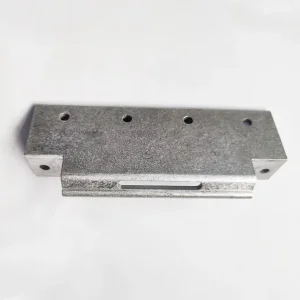
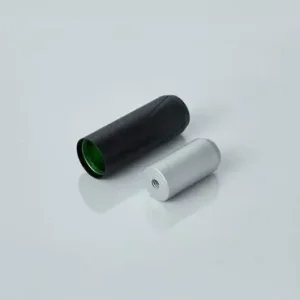
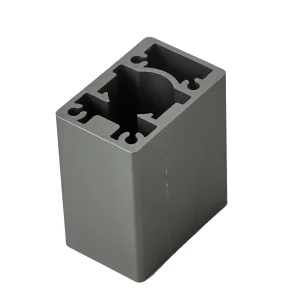
Discover our highly rated catalog of structural aluminum profiles, CNC-machined parts, and telescoping modular solutions crafted from high-grade alloys.
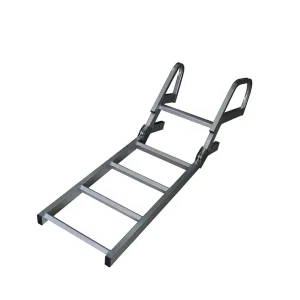
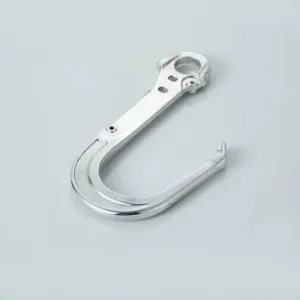
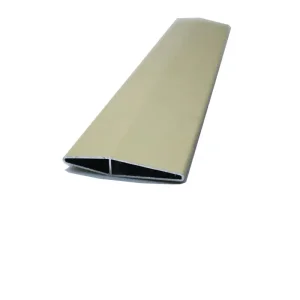
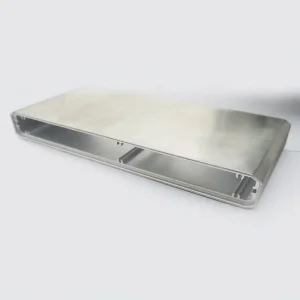
An in-depth analysis of material selection, tolerances, design principles, and pricing factors for global enterprise buyers.
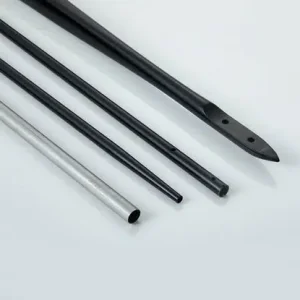
Telescoping aluminum tubes serve as the backbone of modern adjustable structure systems. By nesting multiple tubes of decreasing diameters within each other, engineers create systems that can extend, contract, lock, and support load structures seamlessly. The demand for lightweight, corrosion-resistant, and aesthetically clean materials has shifted the global industry toward high-strength aluminum alloys.
Whether designing outdoor rescue equipment, camera supports, military shelters, or medical stands, the tolerance between nested profiles dictates the structural success of the application. If the clearances are too large, the system suffers from mechanical deflection and instability. If the tolerances are too tight, surface friction, contamination, and thermal expansion will cause the mechanism to bind or seize.
Selecting the correct aluminum alloy requires a balance between tensile strength, machinability, corrosion resistance, and budget. Our manufacturing capability spans the complete spectrum of structural alloys:
Foshan Golden Source Precision Manufacturing Co., Ltd, established in 1991, is a professional manufacturer of high-strength, high-precision, customized aluminum profiles and precise machining aluminum parts, welded parts, and assembled aluminum products. With a modern and environmentally friendly production base covering an area of over 73,000 square meters, the company offers one-stop service, including alloy casting, mold research & design & building, aluminum extruding, precise machining, welding, assembly and surface treatment.
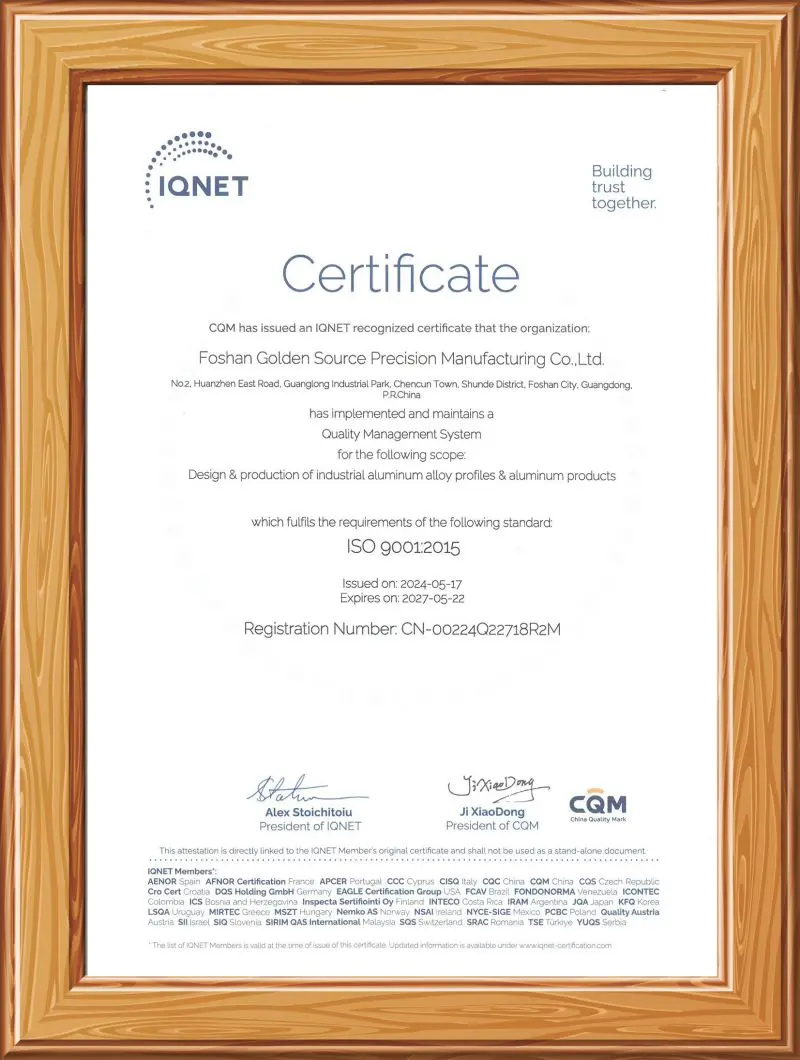
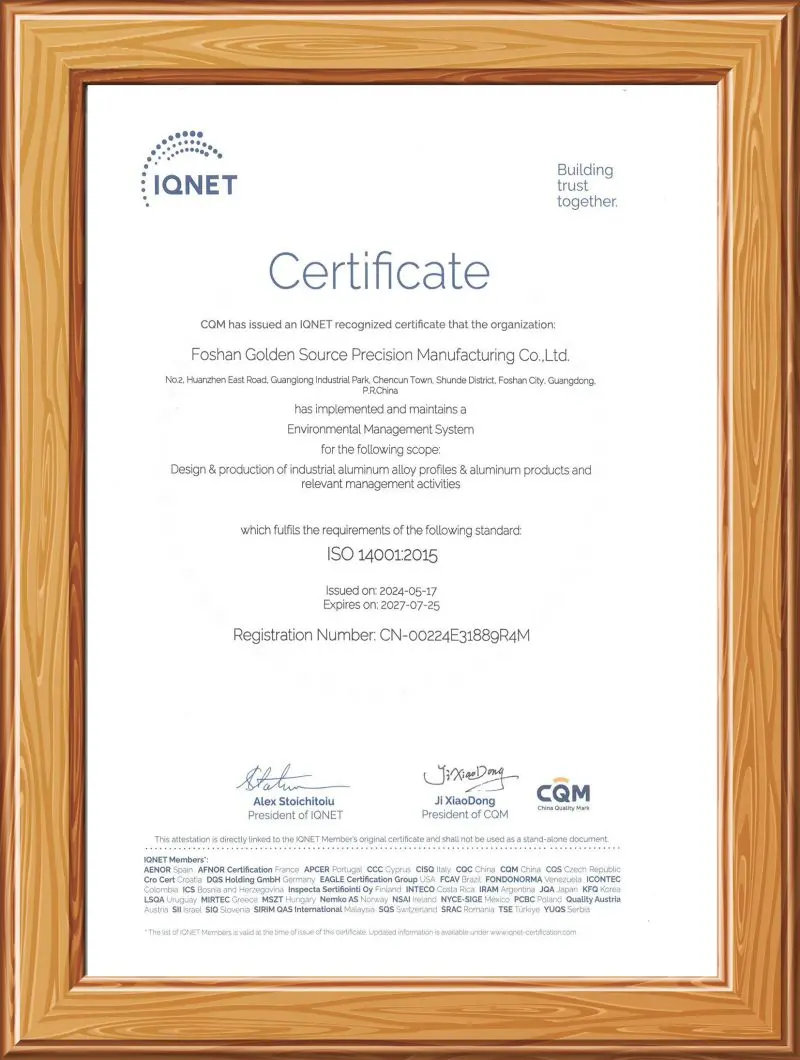
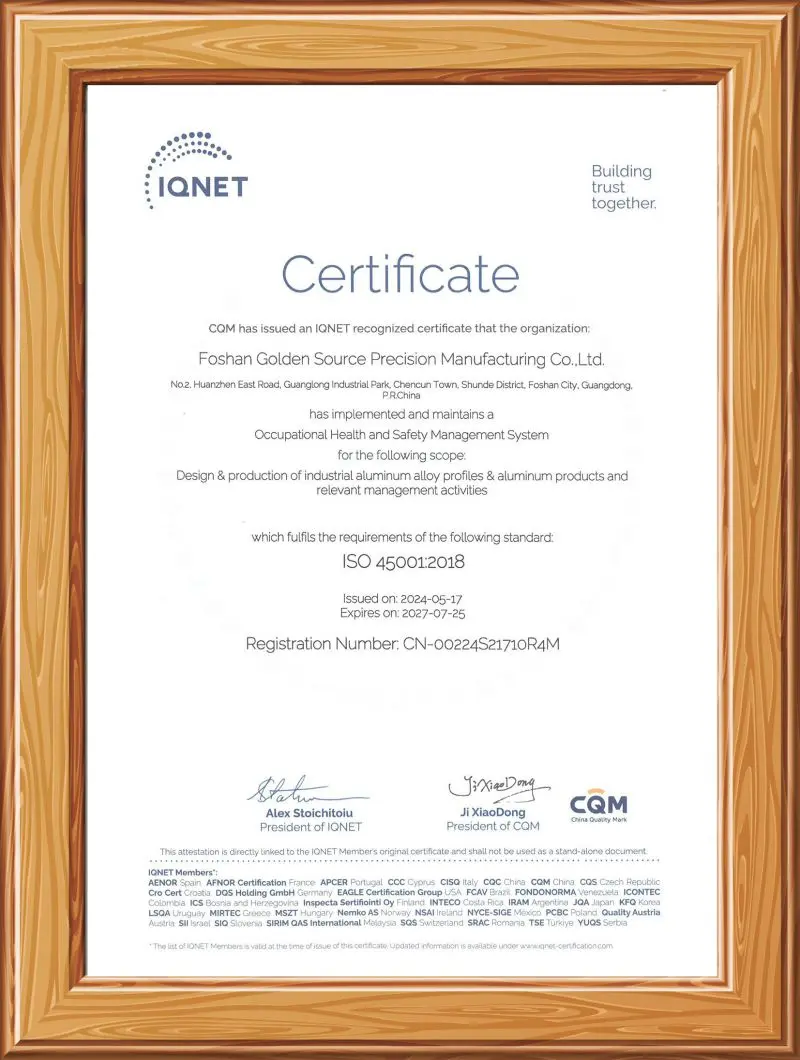
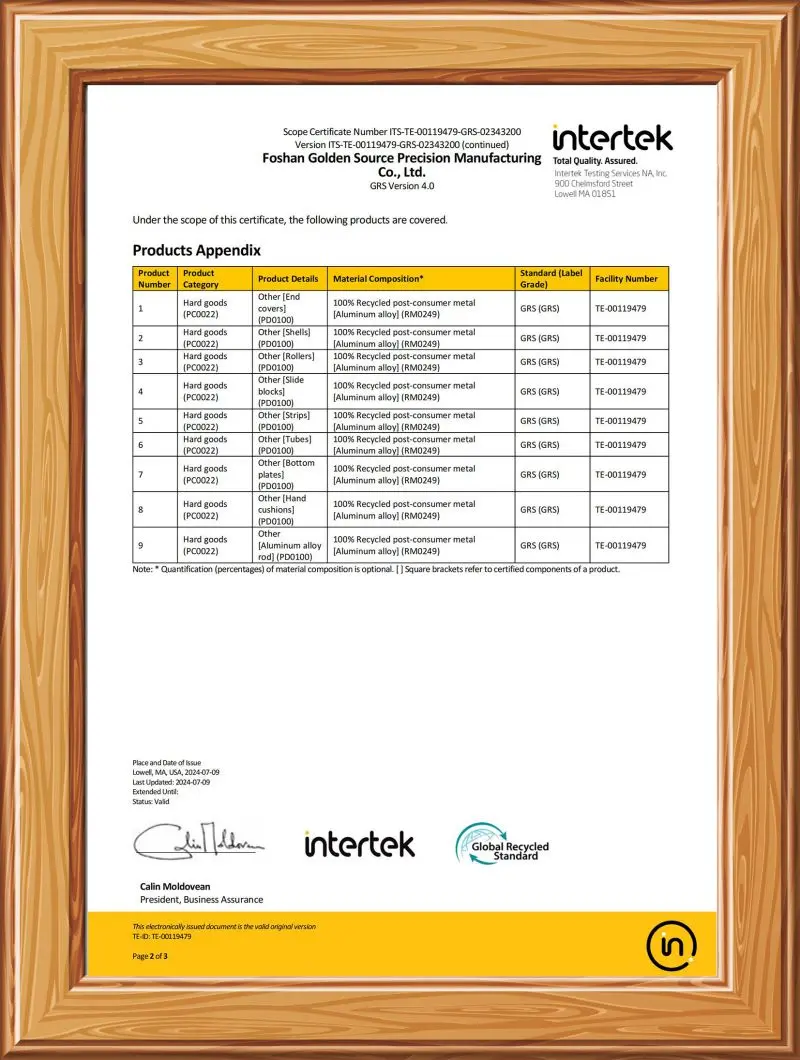
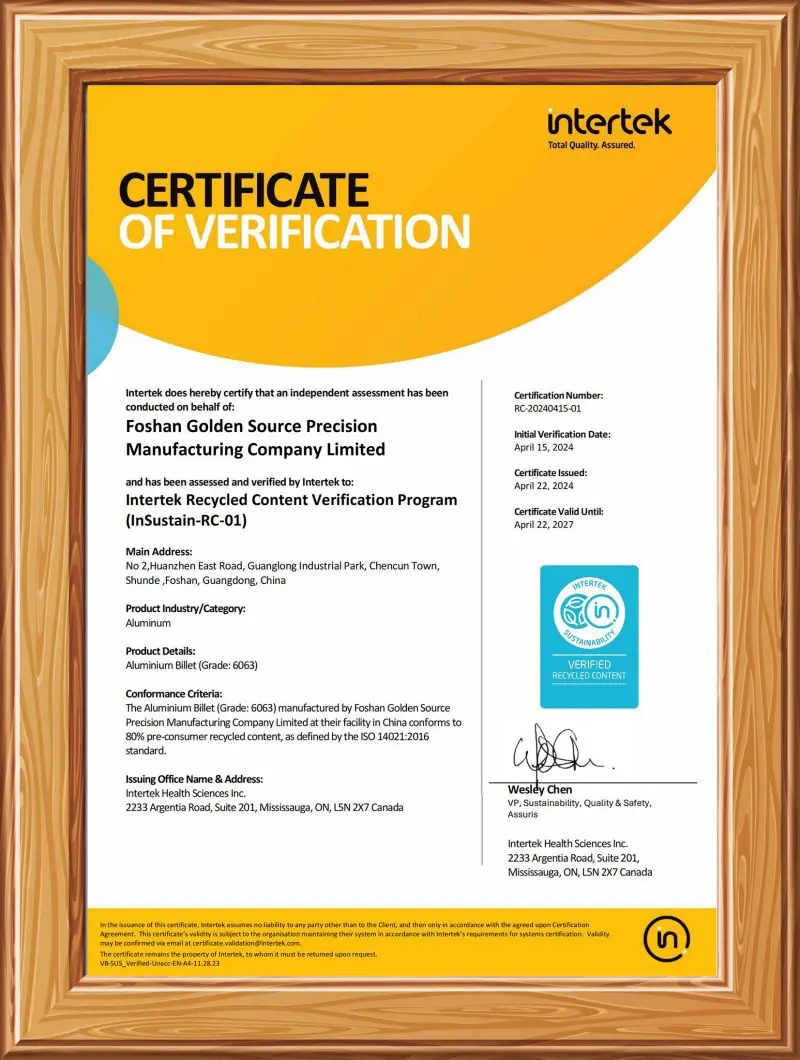
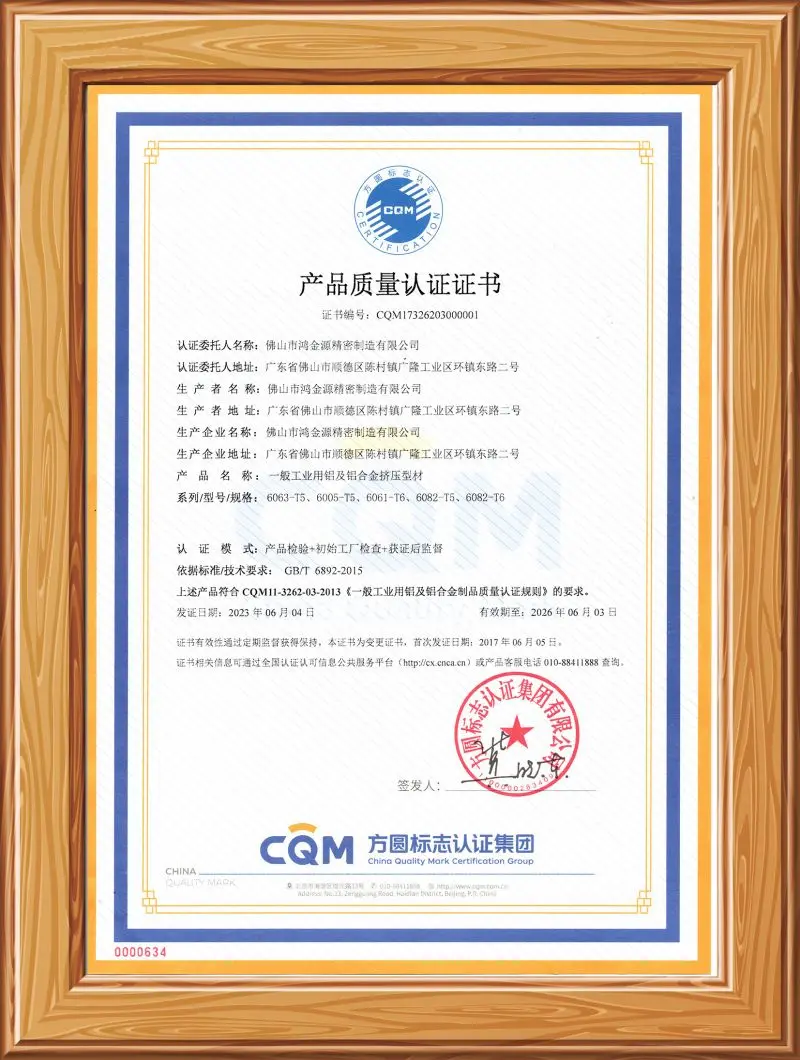
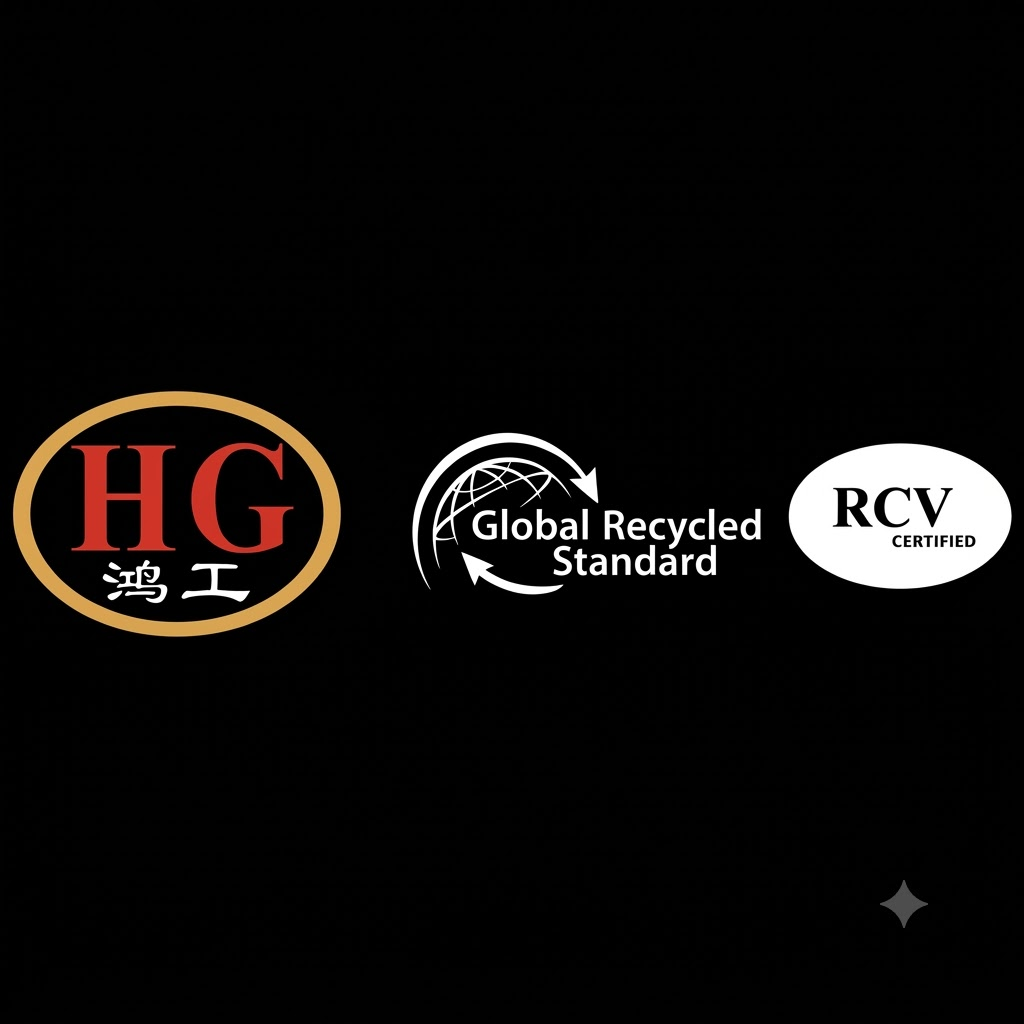
The company holds certifications such as ISO9001, ISO14001, ISO45001, RCV, and GRS, ensuring that its products comply with the environmental requirements of the EU’s REACH regulation. A wide range of aluminum alloy series are available, including: 1XXX, 3XXX, 5XXX, 6XXX, 7XXX alloy, which allow us to meet different demands of various industries and fields, including hardware tools, 3C products, automobile, railway, furniture, decoration, and outdoor products.

Why procurement teams worldwide partner with Foshan-based extrusion and CNC processing centers.
We melt and alloy aluminum in-house, enabling precise adjustments to the silicon, magnesium, and trace metal compositions. This results in optimal mechanical properties and structural purity required for flawless surface anodizing.
By executing extrusion, CNC precision machining, manual or robotic welding, surface finishing, and assembly all under one roof, we eliminate intermediate supply chain margins, reduce logistics risks, and lower unit costs.
Our rapid tooling capabilities and localized supply chains allow for extremely fast turnaround times for customized profile designs. Lead times from draft modifications to functional extrusion samples are reduced to minimums.
Compare mechanical properties, surface performance, and common structural deployments.
| Alloy Group | Common Tempers | Tensile Strength (MPa) | Yield Strength (MPa) | Anodizing Quality | Primary Industrial Applications |
|---|---|---|---|---|---|
| 1XXX Series | H14, H18 | 70 - 145 | 60 - 130 | Excellent | Chemical equipment, reflective components, decorative trims. |
| 3XXX Series | H14, H24 | 110 - 200 | 85 - 180 | Good | Heat exchangers, general utility piping, architectural cladding. |
| 5XXX Series | H32, H34 | 190 - 310 | 90 - 240 | Excellent (Marine) | Marine fittings, pressure vessels, vehicle bodies, harsh environments. |
| 6XXX Series | T5, T6 | 180 - 350 | 110 - 310 | Superb (Decorative/Hard) | Telescoping tubes, structural frameworks, CNC cases, luxury hinges. |
| 7XXX Series | T6 | 480 - 570 | 430 - 500 | Moderate | Climbing poles, aircraft components, high-stress security hooks. |
How environmental policies, energy efficiency targets, and sustainability frameworks shape current procurement strategies.
International standards demand transparency in raw material supply chains. Under environmental initiatives pushed by the European Green Deal and related global regulations, enterprise buyers must audit the recycled content of their structural metal profiles. Our Global Recycled Standard (GRS) and Recycled Content Verification (RCV) certifications guarantee that our structural profiles use certified, traced post-consumer and post-industrial aluminum scrap. This significantly decreases the carbon footprint of your end-product, making your brand highly competitive in markets implementing strict ESG requirements.
Every extrusion run and machined component leaving our facility undergoes strict monitoring for hazardous chemical compositions. By maintaining complete control over our melt chemistry, we ensure full compliance with the European Union's REACH (Registration, Evaluation, Authorisation and Restriction of Chemicals) and RoHS (Restriction of Hazardous Substances) rules. We actively exclude heavy metals and restricted chemical compounds from all our clear, color, and powder-coat finishes.
For seamless telescoping performance, standard commercial tolerances are rarely sufficient. Our modern extrusion presses, coupled with multi-axis CNC secondary finishing equipment, enable us to produce custom profiles with wall-thickness and diameter deviations restricted to +/-0.05mm. This guarantees that your telescoping segments fit together smoothly with minimal wobble or friction.
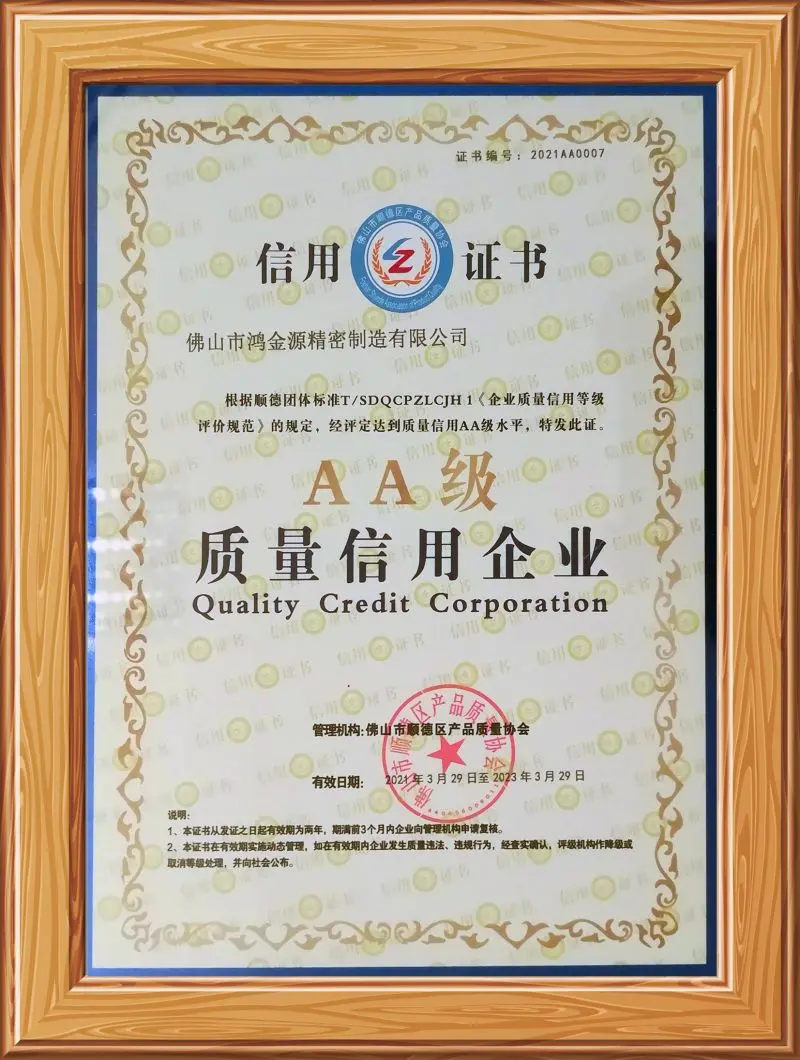
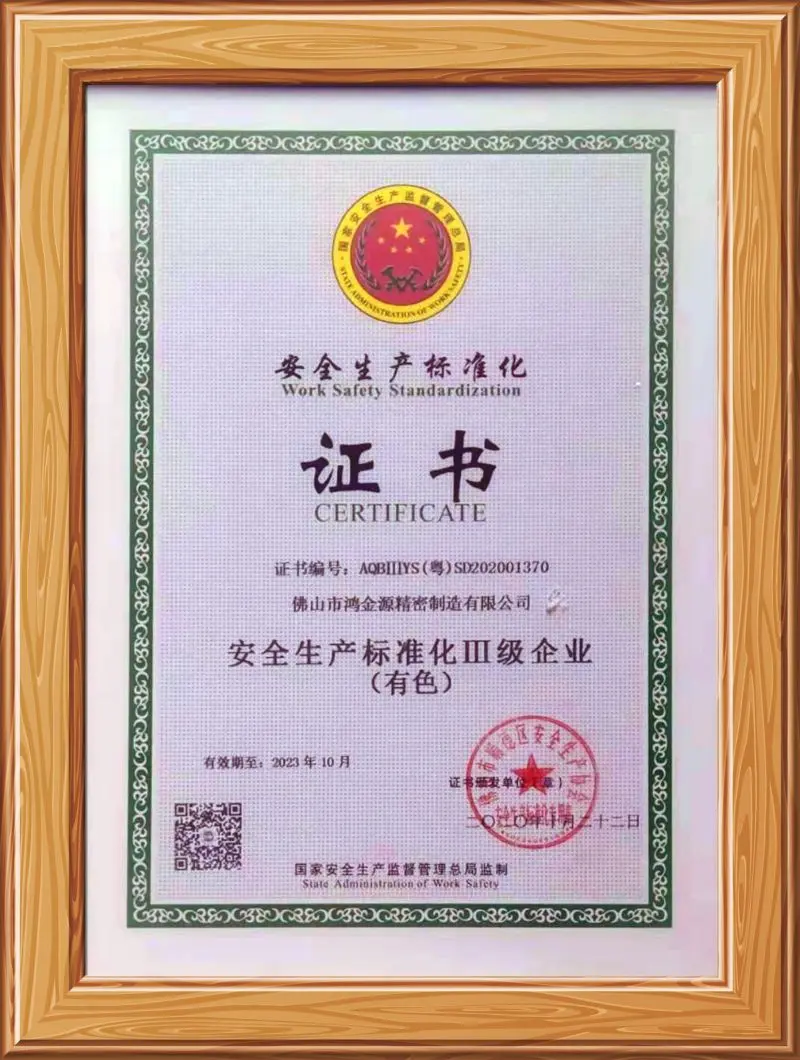
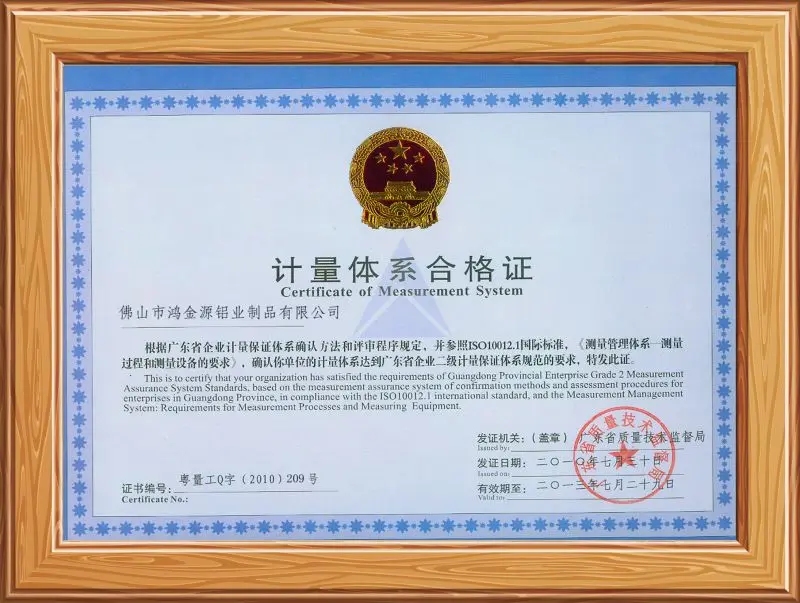
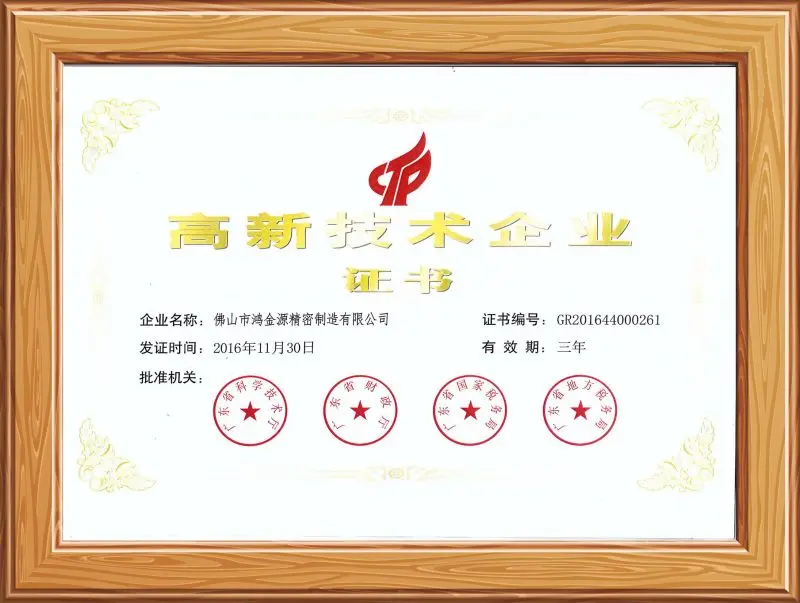
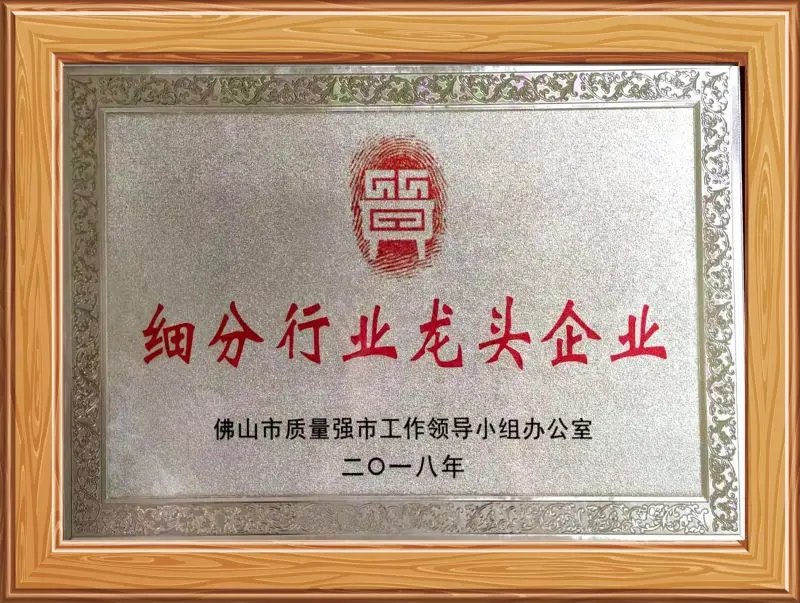
Demonstrating our commitment to clean production, high-credit ratings, environmental compliance, and premium manufacturing quality.
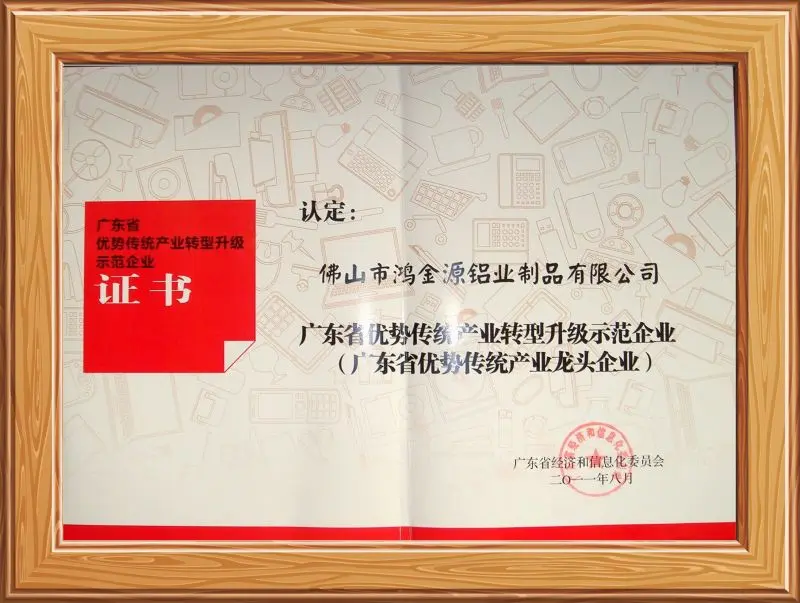
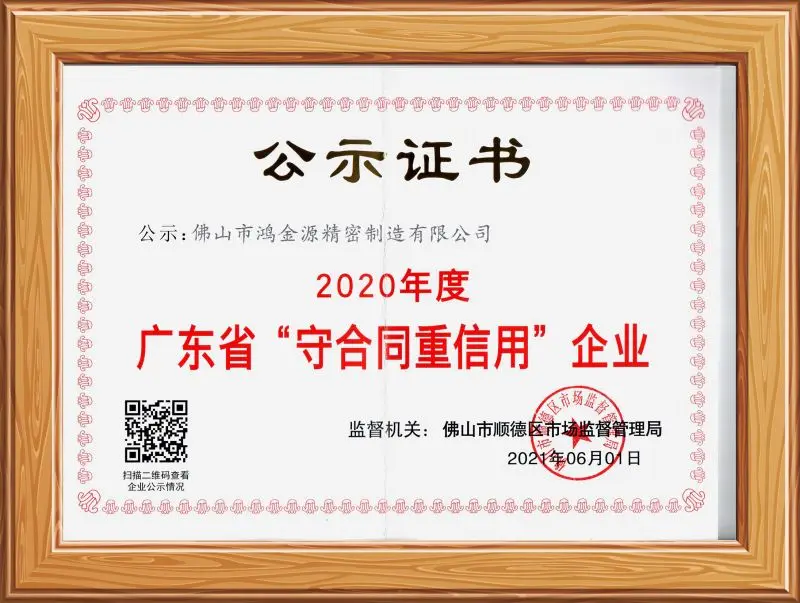
Detailed technical and commercial answers directly from our engineering and metallurgy teams.
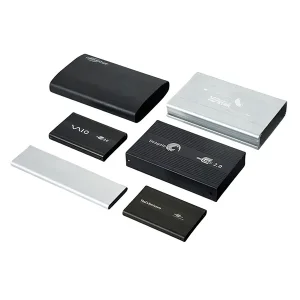
Explore our technical precision parts, gate systems, keyboard frames, and structural accessories manufactured for heavy industrial and commercial markets.
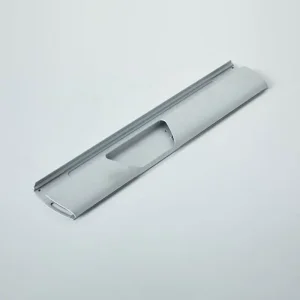
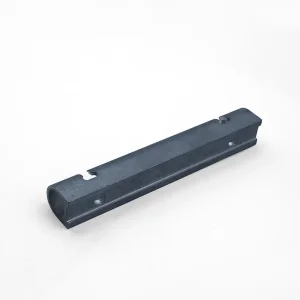
 HG Precision