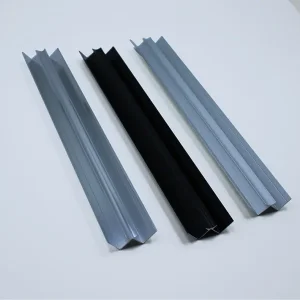
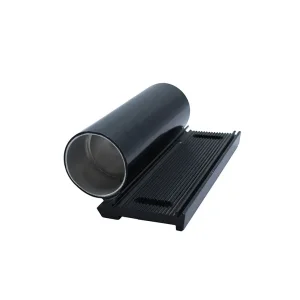
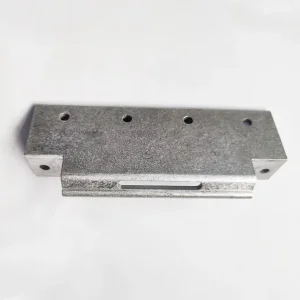
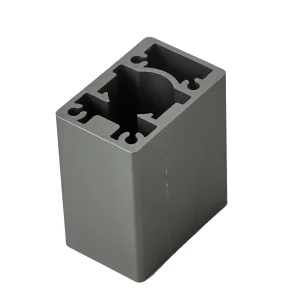
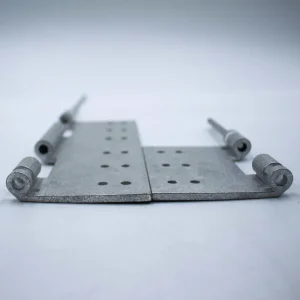
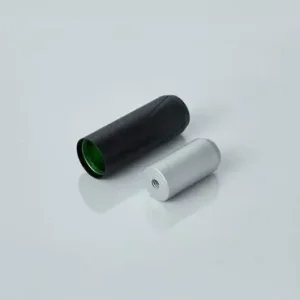
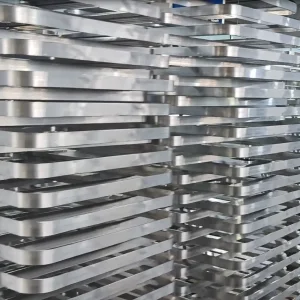
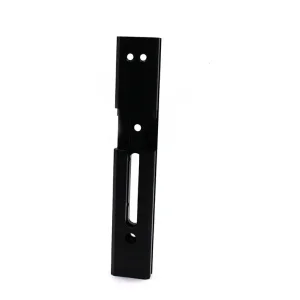
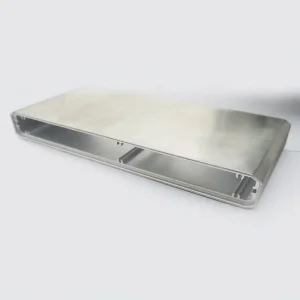
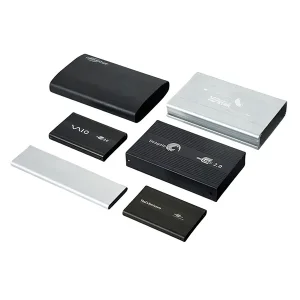
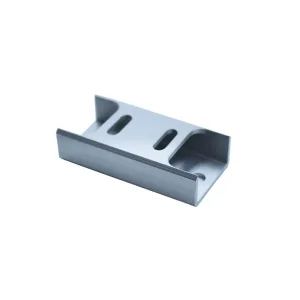
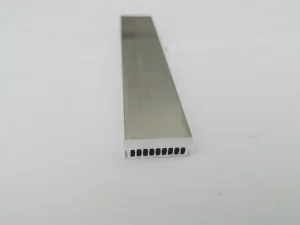
Explore our highly-vetted industrial products, showcasing extreme dimensional accuracy, advanced surface finishing, and material integrity.
A comprehensive analysis of market demand, structural engineering requirements, and the physics of telescopic lock interfaces.
The industrial landscape for telescopic pole systems demands metals that provide high strength-to-weight ratios, extreme resistance to environmental oxidation, and tight sliding tolerances. Standard 6063 aluminum, often configured in T5 or T6 tempers, offers the optimal balance of extrusion ease, surface quality, and tensile strength. For high-stress applications such as rescue tripod masts, aerospace-grade structures, or photography tripods, engineers upgrade specifications to 6061-T6 or 7075 alloys to handle increased bending moments and sheer stresses under axial load.
European and American procurers are increasingly shifting towards vertically integrated manufacturers that own the full production workflow. By managing the supply chain from billet casting to advanced CNC machining and custom surface anodization under one roof, manufacturers eliminate transactional bottlenecks and guarantee metallurgical traceability. Global logistics depend on these tightly integrated processes to protect material integrity and control manufacturing tolerances down to microns.
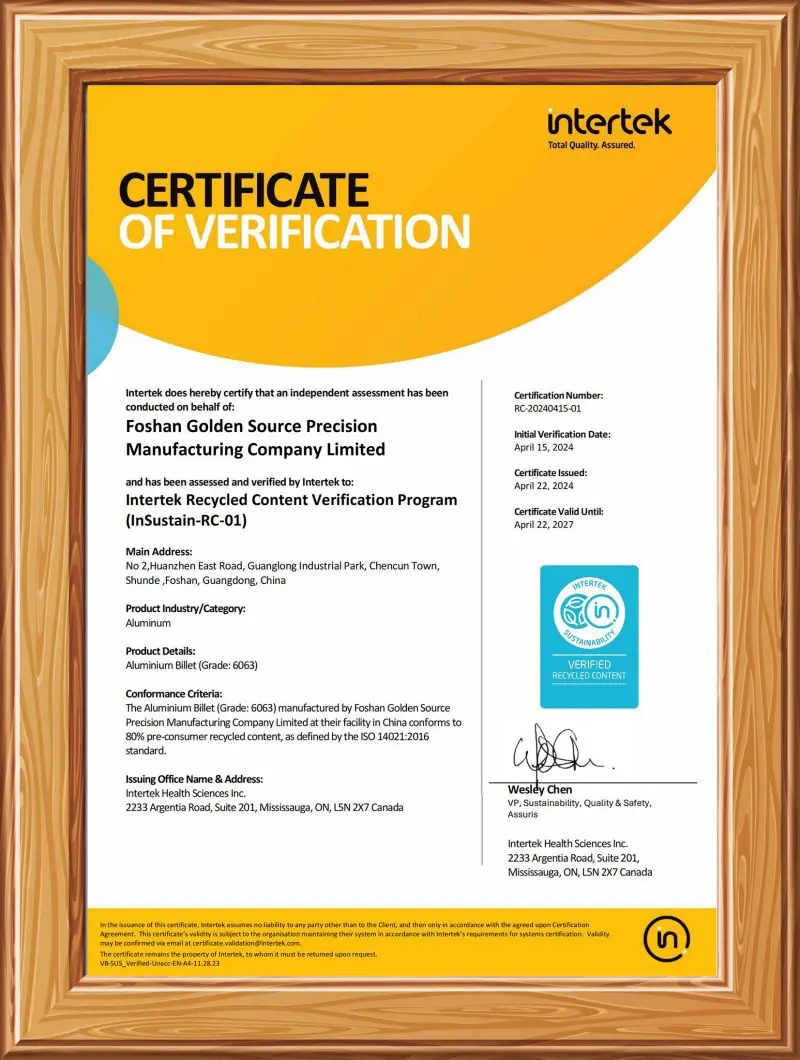
Global regulatory landscapes, specifically the EU’s REACH and RoHS directives, dictate that aluminum products must be free of restricted toxic compounds. Modern environmental certifications like the Global Recycled Standard (GRS) and Recycled Content Verification (RCV) are no longer optional. Industrial buyers prioritize manufacturers capable of incorporating circular economy principles, utilizing post-industrial recycled billets, and employing eco-friendly closed-loop acid-recovery systems during anodizing runs.
Precision-engineered structural aluminum profiles designed to exceed international manufacturing standards.
Established in 1991, Foshan Golden Source Precision Manufacturing Co., Ltd is an industry-leading manufacturer specializing in high-strength, high-precision, customized aluminum profiles and precise machining aluminum parts, welded components, and fully assembled systems.
Spanning a modern and environmentally friendly production footprint of over 73,000 square meters, the company delivers comprehensive, one-stop capabilities. Our production stages include: alloy casting, mold research & design, die manufacturing, aluminum extrusion, precision CNC machining, structural welding, assembly, and advanced chemical/electrochemical surface treatments.
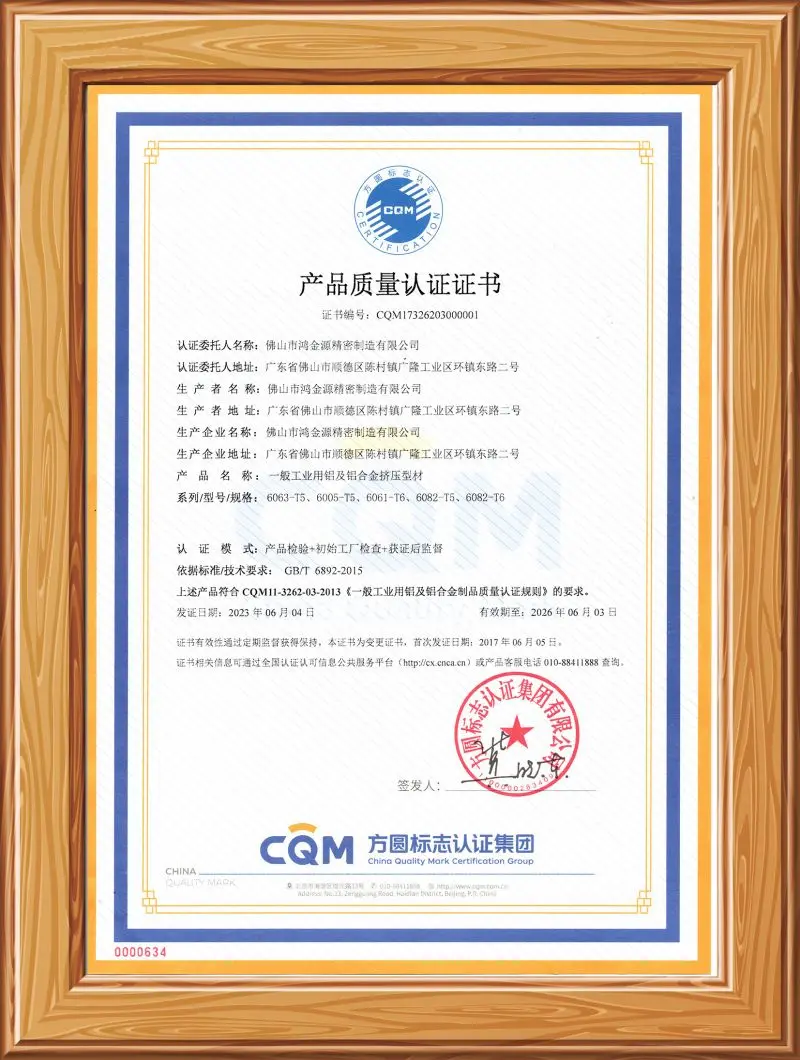
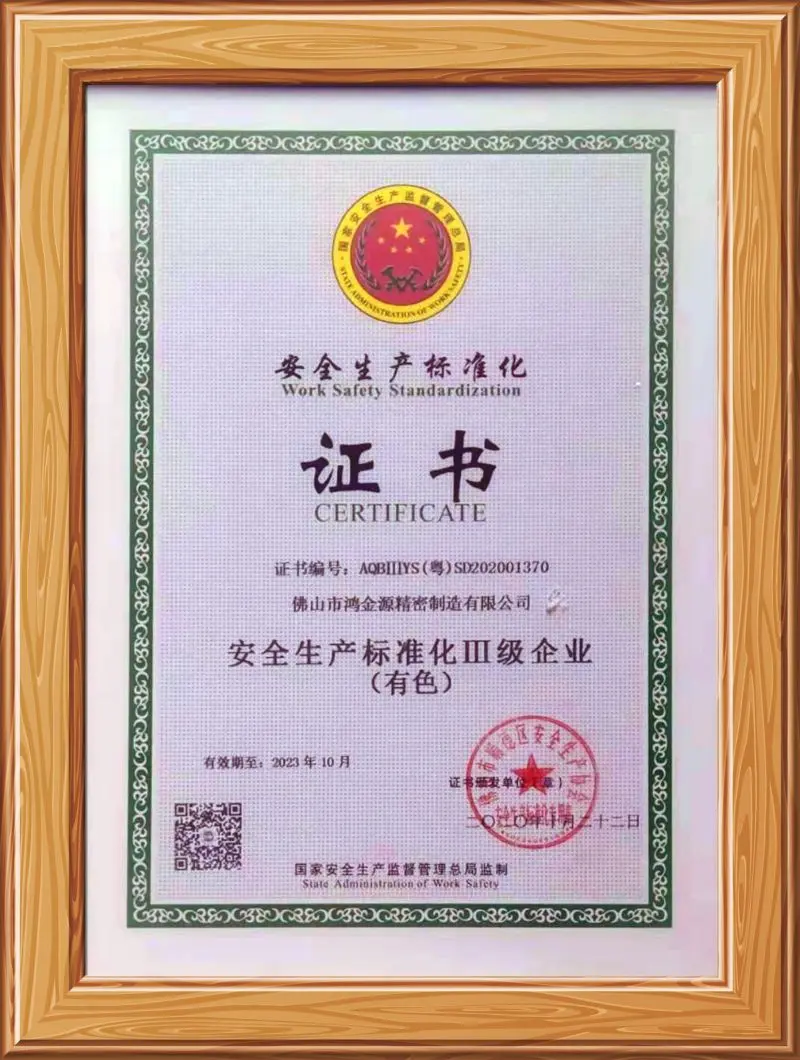
We are fully certified to meet the demanding requirements of global quality ecosystems with active registrations in ISO9001, ISO14001, ISO45001, RCV, and GRS. This ensures that every shipment complies seamlessly with the EU’s REACH regulation and green construction mandates. Our versatility stretches across various alloy series, including 1XXX, 3XXX, 5XXX, 6XXX, and 7XXX series, allowing us to supply tailored metal profiles to fields like hardware tools, 3C electronic housings, automotive components, railway infrastructure, architecture, and high-end outdoor products.

How localized technological hubs and vertical manufacturing pipelines guarantee superior product consistency at scale.
By executing billet casting internally, we dynamically adjust chemical composition profiles. We monitor precise trace concentrations of iron, silicon, magnesium, and copper using advanced optical spectrometers. This direct metallurgical control ensures clean extrusions, maximizes mechanical performance, and eliminates contaminants that can cause surface defects or erratic anodizing finishes.
Telescopic assemblies require strict dimensional tolerances to ensure inner and outer tubes glide smoothly without binding or rattling. Our machining facilities utilize multi-axis CNC machines, rotary draw benders, and automated deburring machines. We consistently hold concentricity, wall thickness, and outer diameter tolerances to within ±0.05mm, preventing mechanical failure under load.
Consolidating all production steps—from custom tooling and profile extrusion to CNC machining, surface treatment, and assembly—eliminates the cost markups and quality variations associated with sub-contracting. Our integrated workflow shortens lead times, simplifies product trace audits, and delivers highly competitive pricing without compromising build quality.
Analyzing how different industries deploy specialized telescopic aluminum tube systems to meet distinct structural demands.
Utility maintenance poles operating in high-exposure environments must remain rigid at lengths exceeding 10 meters. We design thin-walled, high-tensile 6063-T6 tubes with rib reinforcements. These profiles minimize vertical deflection while maintaining lightweight characteristics to prevent operator fatigue during extended use.
Professional camera booms, lighting mounts, and LiDAR sensor tripods require micro-concentric alignment and zero rotational drift. Our custom-machined locking grooves, coupled with precision-anodized sliding sleeves, ensure repeatable positioning and long-term durability in high-vibration and precision outdoor tracking applications.
Rescue tripods and tactical antenna masts must operate reliably in extreme environments, from desert sandstorms to freezing sub-zero conditions. We offer sandblasted and heavy-coat anodized finishes to protect sliding metal surface interfaces against particulate abrasion and chemical corrosion.
Our commitment to material integrity, strict quality control, and accelerated global delivery timelines.
We melt the alloy in-house so that we can adjust the compositions to achieve the best physical properties of extrusion profiles, and the best purity of alloy for high-quality anodizing.
Machining and surface treatment are done in-house for better quality control and reduced production costs, lowering the unit price. Even at the same price points as other factories, our finish and mechanical quality are superior.
Our integrated, "one-stop" manufacturing capacity ensures faster delivery times, helping global clients shorten product-to-market cycles and maintain leaner inventory levels.
Fully compliant with global green building standards, environmental regulations, and certified quality management systems.
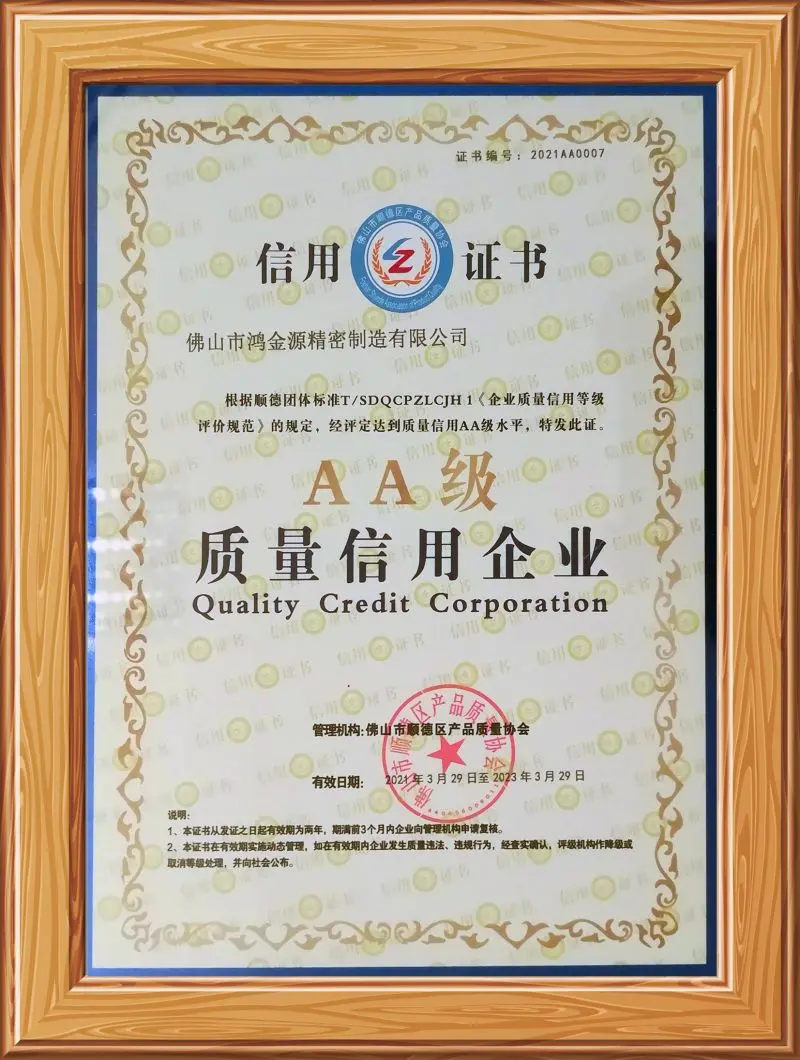
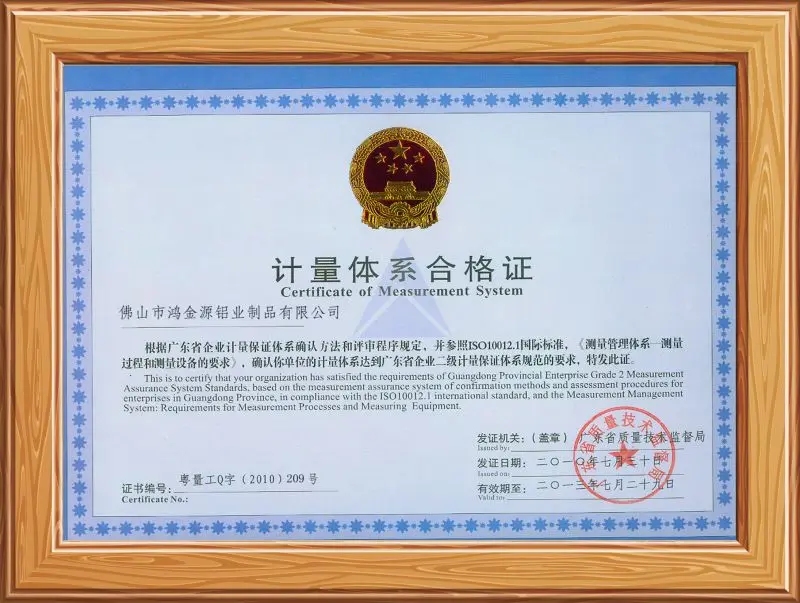
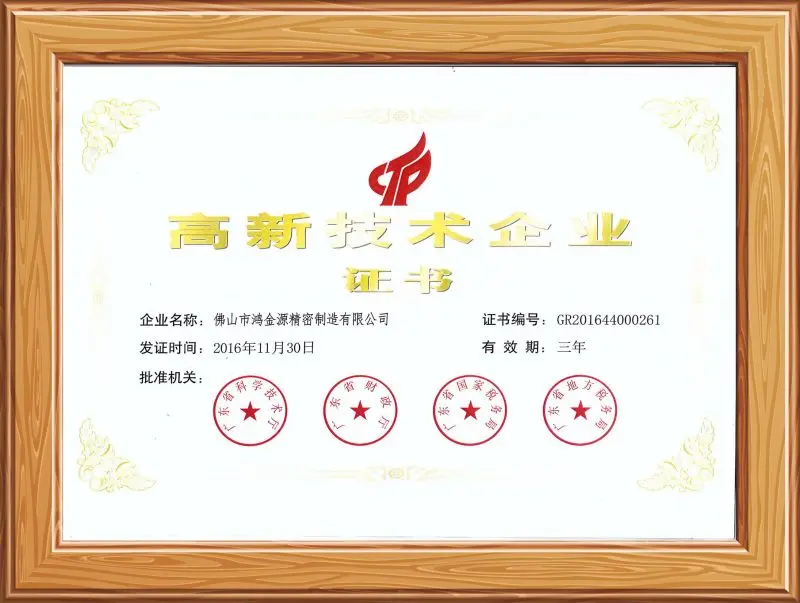
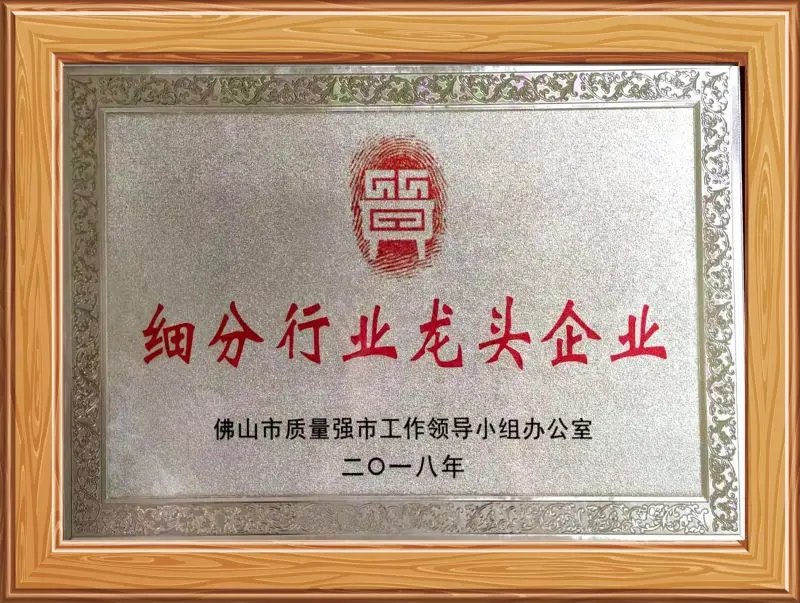
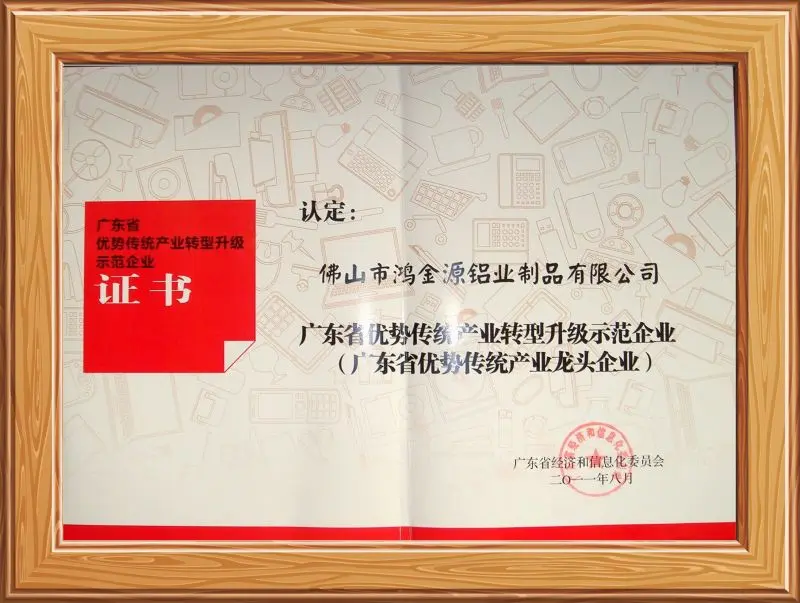
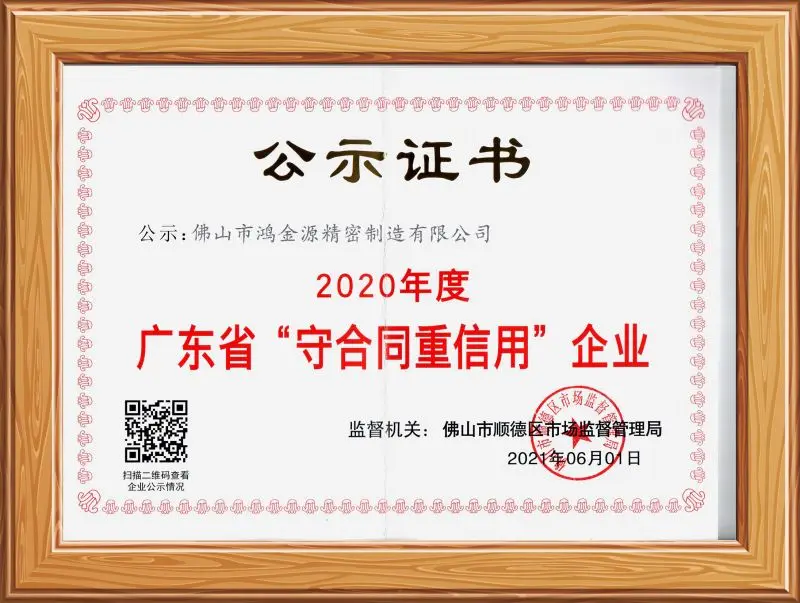
We hold certifications in ISO9001, ISO14001, ISO45001, GRS, and RCV. Our GRS and RCV certifications verify compliance with the latest environmental regulations from the EU. We have also earned numerous awards and honors for clean production, creditworthiness, superior quality, and technical leadership from provincial and national organizations.
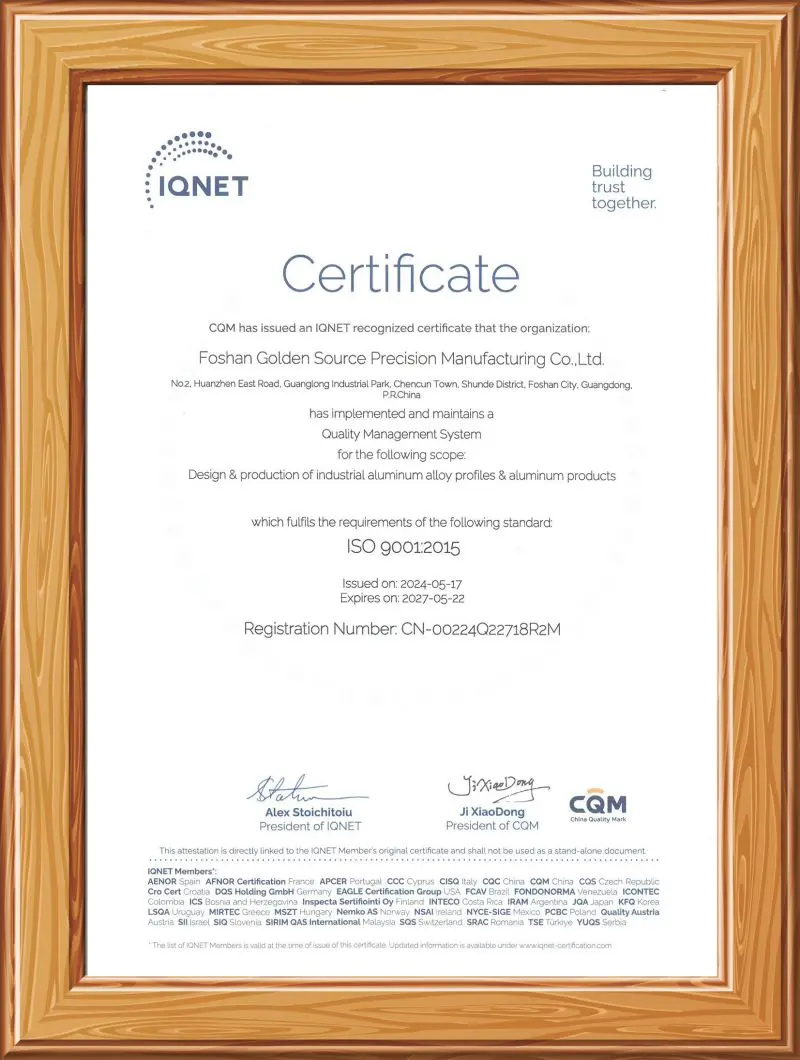
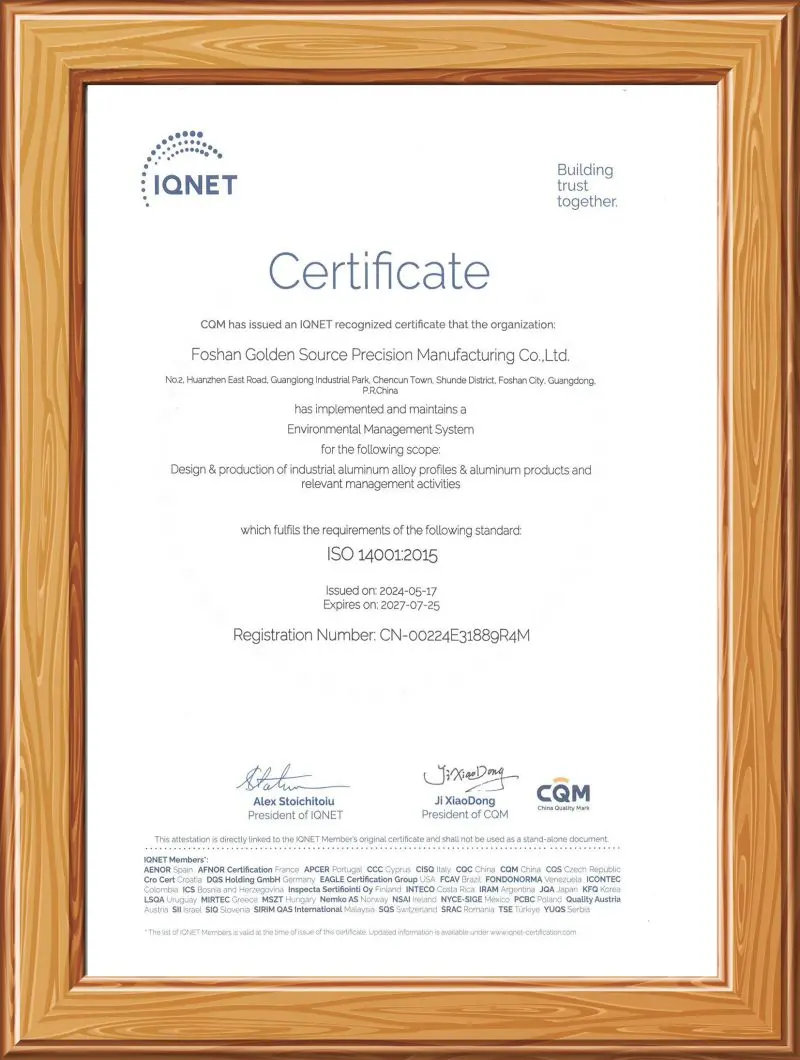
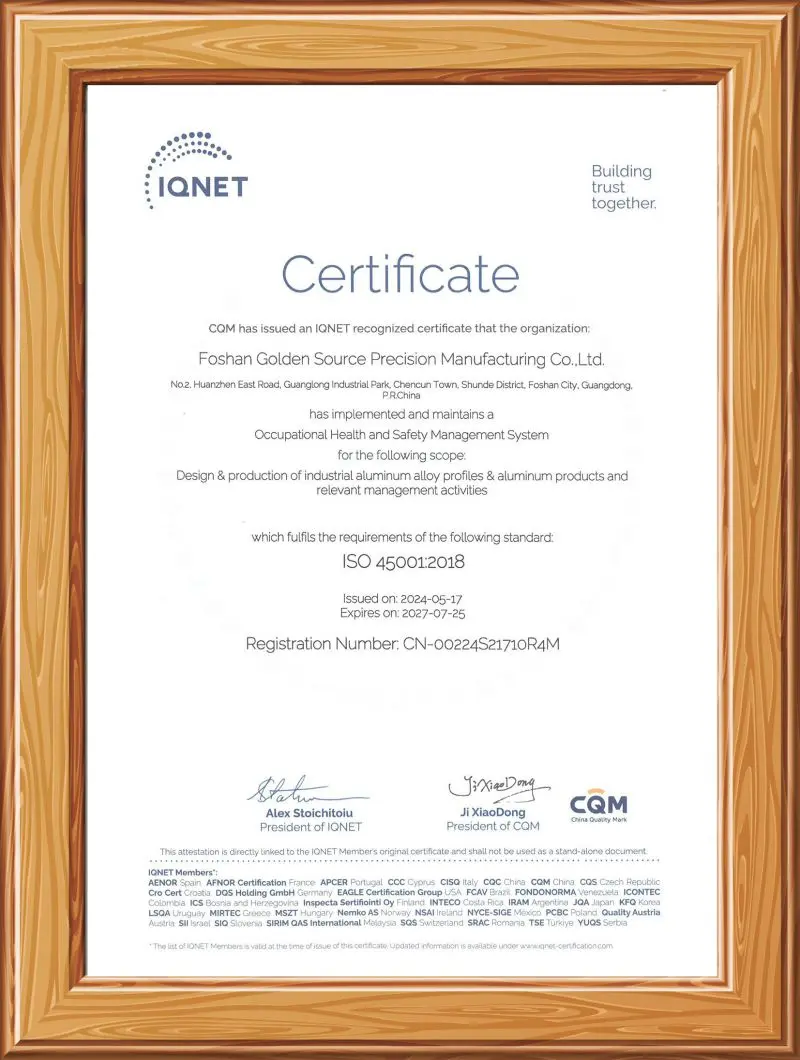
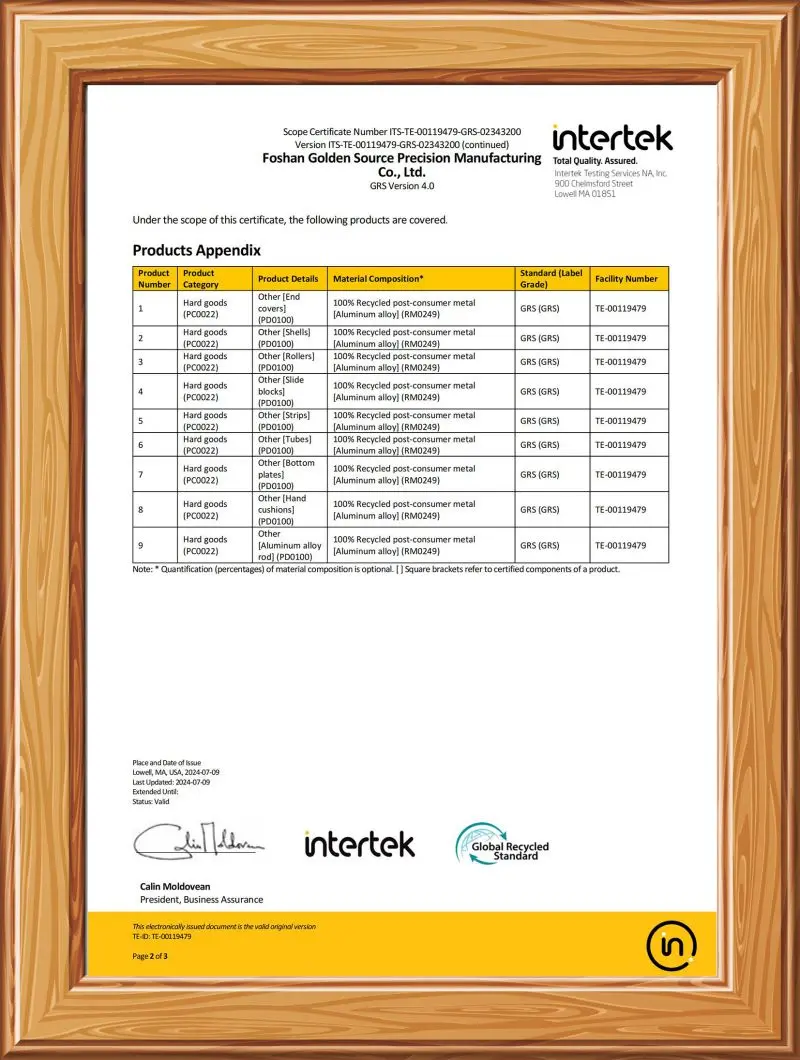
Looking for custom aluminum alloys, precision CNC machining, or complex surface treatments? Our engineering team works alongside your R&D department to produce profiles that meet strict dimensional tolerances and quality specifications.
Request Technical Engineering ConsultationKey developments driving the next generation of precision telescopic products.
The integration of hybrid structures—combining thin-walled 6000-series aluminum with carbon fiber composites—represents the next step in telescopic tube technology. This configuration reduces overall weight by 30% while retaining the durable mechanical locking features and impact resistance of aluminum alloy joints.
Modern anodizing techniques now achieve surface hardness ratings exceeding 300HV. Combined with precise laser-etched scale marks, these treatments prevent wear in extreme environments and ensure smooth extension and retraction over thousands of duty cycles.
Industrial buyers prioritize green manufacturing to meet ESG targets. We utilize cleaner scrap sorted by alloy grade to extrude profiles with a low carbon footprint, matching the mechanical properties of virgin primary billets.
Clear, direct answers to common questions about alloy selection, machining tolerances, surface treatments, and B2B ordering.
A continuation of our product catalog, highlighting complex enclosures, thin-fin thermal designs, and custom structural framing.
 HG Precision