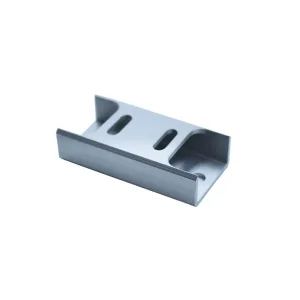
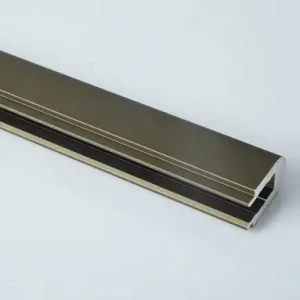
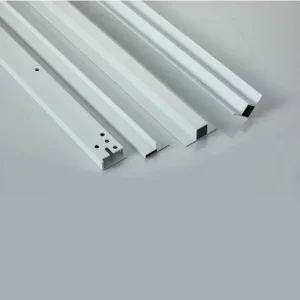
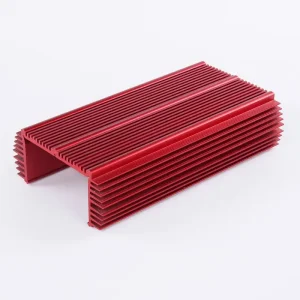
Engineered to exact dimensional tolerances and verified surface specifications for structural, mechanical, and architectural systems.
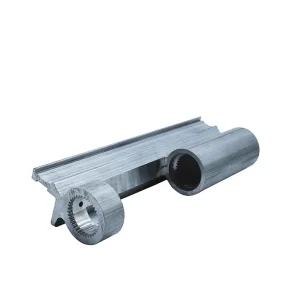
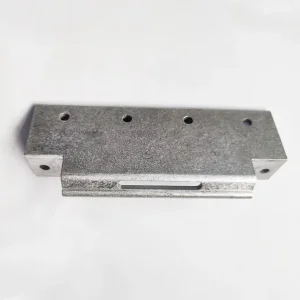
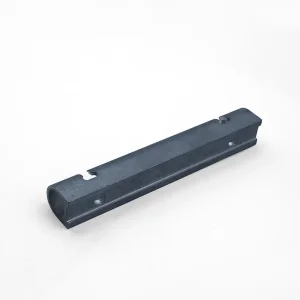
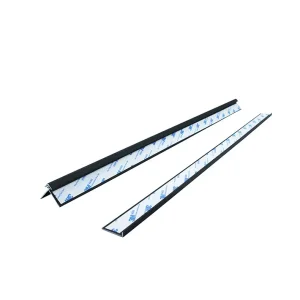
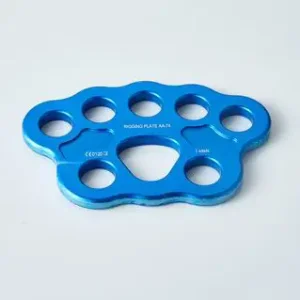
Established in 1991, Foshan Golden Source Precision Manufacturing Co., Ltd. has stood at the absolute forefront of structural and decorative aluminum engineering. As a premier provider of high-strength, ultra-precise, customized aluminum extrusion profiles and complex CNC machined components, we manage the entire value chain from initial alloy formulation to surface finish refinement.
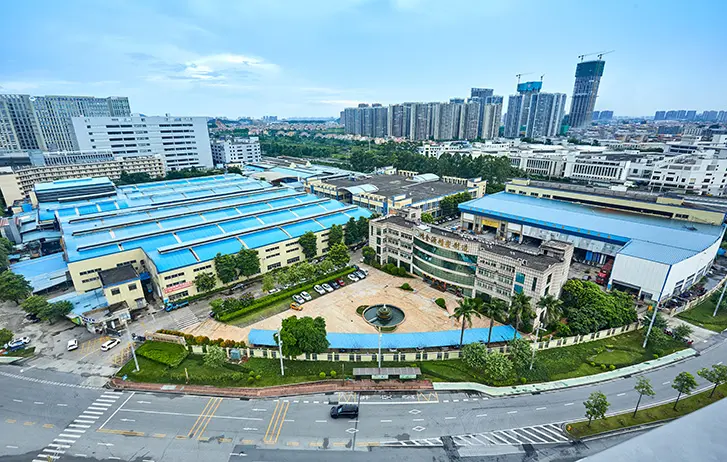
Spanning a state-of-the-art 73,000 square meter green production campus, our vertical integration strategy eliminates reliance on third-party supply chains. We operate our own alloy smelting, mold research and fabrication, high-pressure extrusion, multi-axis CNC machining, structural welding, precision assembly, and anodizing lines in-house.
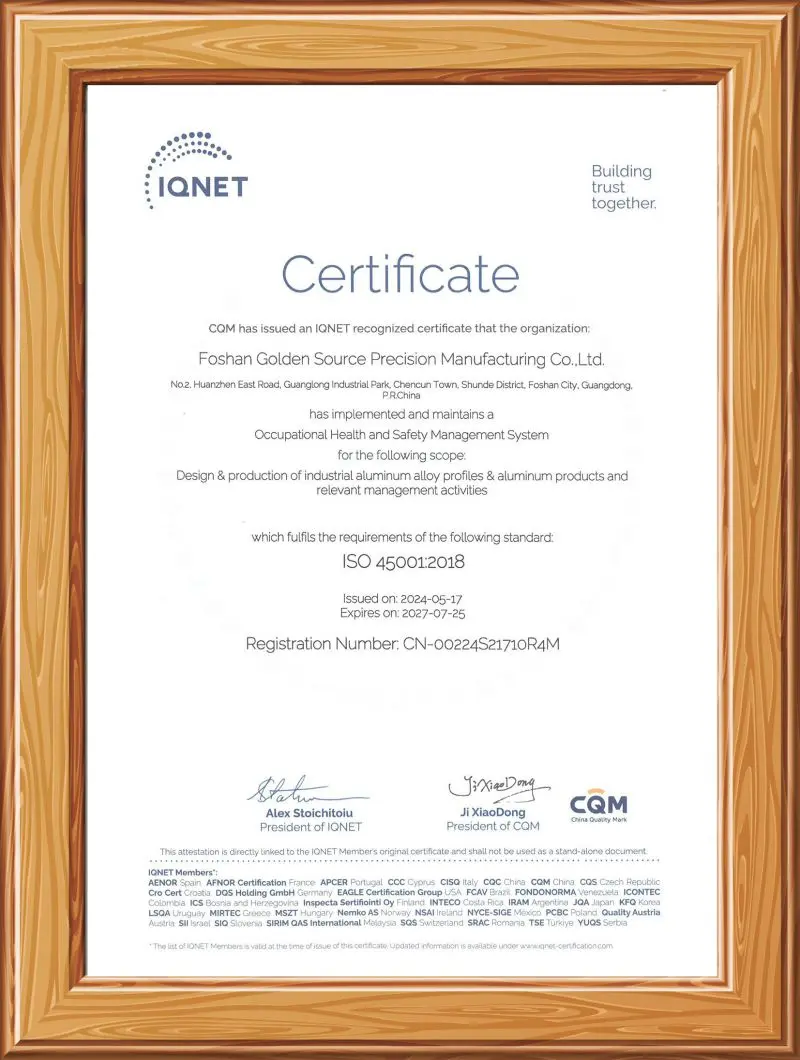
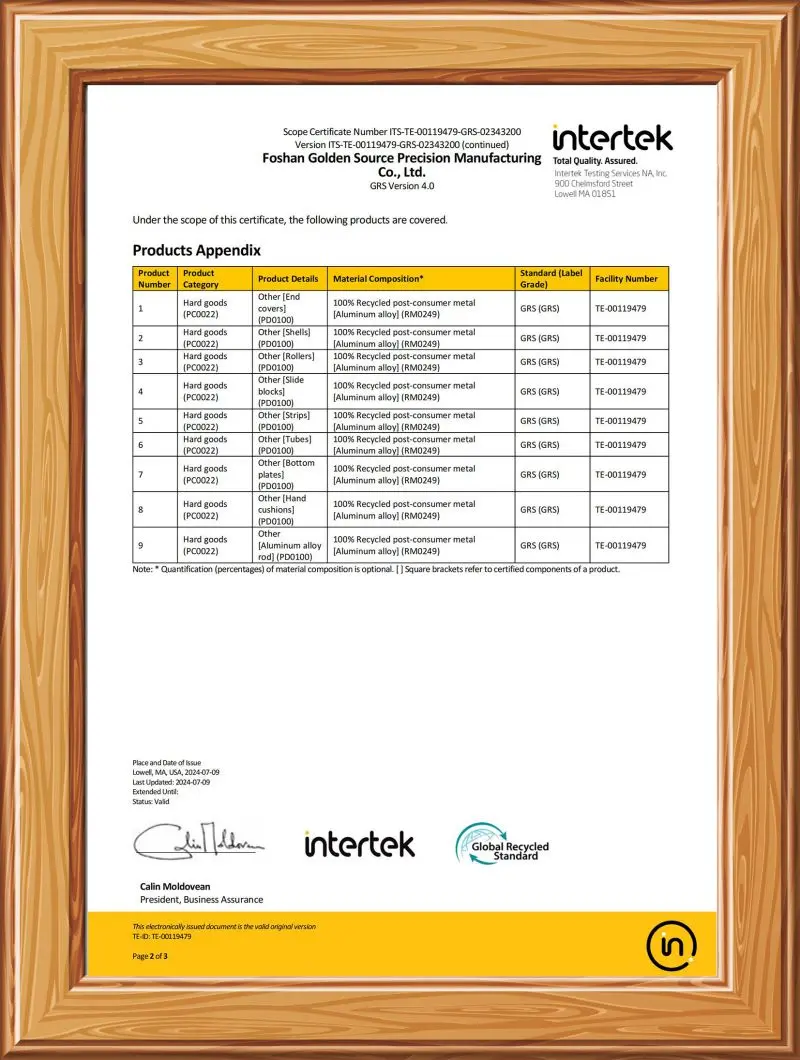
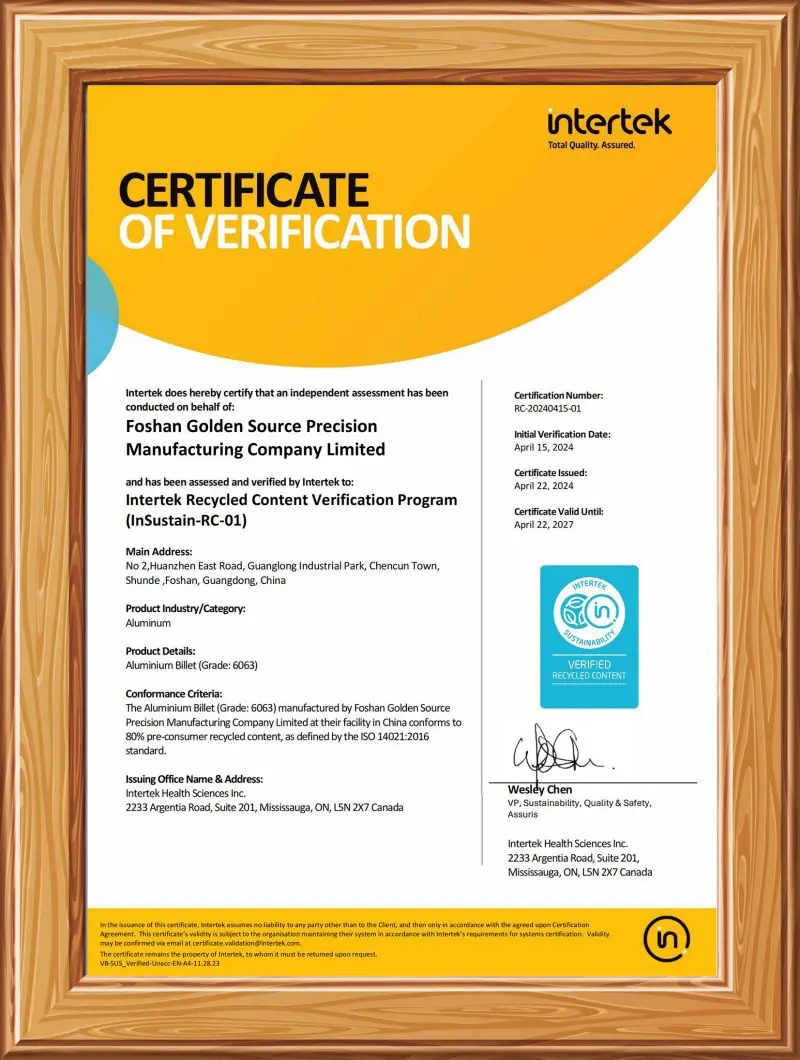
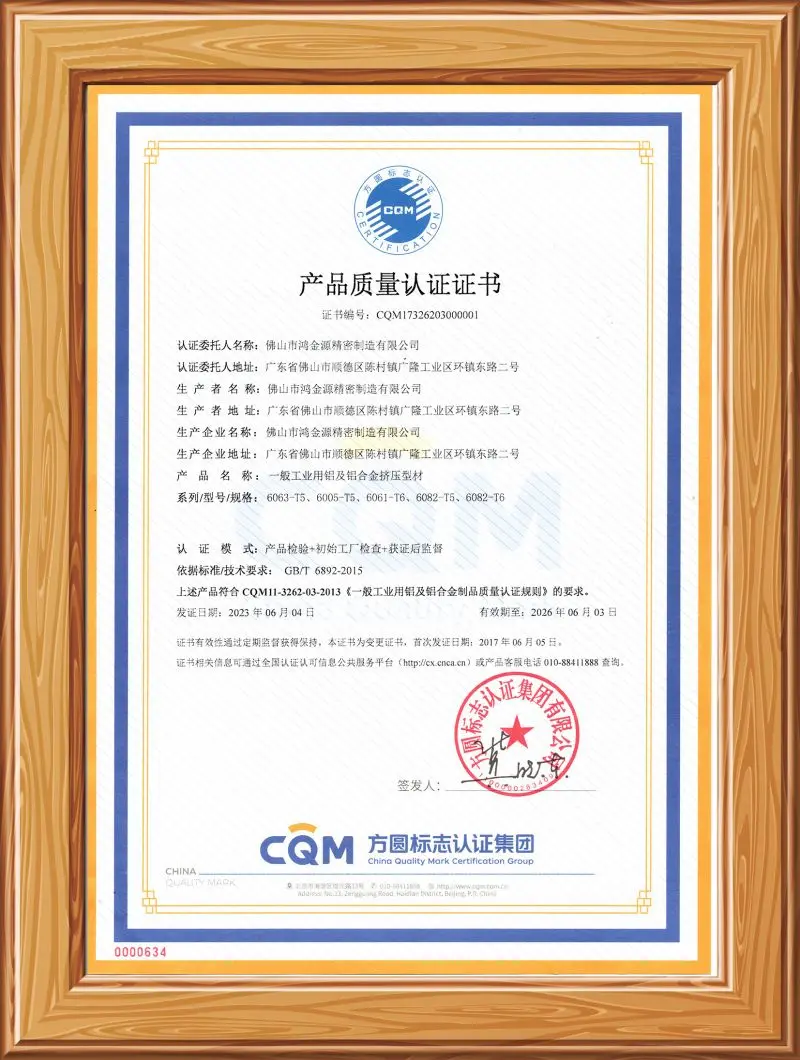
This allows us to maintain strict compliance with restrictive global standards, including the EU REACH regulation, supported by top-tier compliance certifications: ISO9001, ISO14001, ISO45001, RCV, and GRS.
Controlling quality at the molecular level to ensure consistent performance under high stress and corrosive environments.
By executing alloy smelting completely in-house, our metallurgists adjust chemical trace compositions. This allows us to achieve optimal physical strength, high grain uniformity, and maximum purity necessary for high-end optical and architectural anodizing.
Integrating mechanical CNC milling, punching, structural welding, and custom surface anodization under a single roof reduces risks associated with transit handling and inter-factory defects. The result is superior aesthetic quality at a lower overall production cost.
Our vertically integrated production layout minimizes idle time between extrusion, aging heat treatments, machining, and final packaging. This "One-Stop" capability speeds up delivery times for demanding international supply chains.
Selecting the optimal alloy temper and chemical makeup for precise engineering demands.
Common Alloys: 6063-T5, 6063-T6, 6061-T6
Characteristics: Offering excellent extrudability, corrosion resistance, and structural strength, 6xxx series alloys are the standard choice for architectural systems and structural frames. In-house composition refinement ensures these alloys anodize clean, free of streaking or uneven shading.
Common Alloys: 7075-T6
Characteristics: Known for their high strength-to-weight ratio, these alloys are ideal for demanding applications like climbing gear, high-load connectors, and aerospace components. Controlled heat treatment is critical to avoiding stress-corrosion cracking.
Characteristics: Pure aluminum (>99% concentration) offers high electrical and thermal conductivity. Perfect for precise electrical components and busbars.
Characteristics: Excellent workability and moderate strength. Typically applied in automotive cooling tubes, heat exchangers, and HVAC components.
Characteristics: Exceptional corrosion resistance in saltwater environments. Widely utilized in marine hardware and structural storage solutions.
Industrial procurement is about more than just locating raw materials. It requires building partnerships with manufacturers that offer reliable capacity, modern machinery, and strict environmental compliance. Southern China's aluminum industrial cluster—centered in Foshan—provides access to a complete supply network that lowers production overhead while maintaining quality.
At Golden Source, we pair this regional ecosystem with strict in-house quality controls. Operating our own casting and smelting facilities allows us to utilize recycled post-industrial scrap under GRS (Global Recycled Standard) verification, lowering the carbon footprint of the final profiles without sacrificing structural integrity.
Our facilities feature multi-ton extrusion presses, precision CNC machining lines, and automated chemical anodizing baths. This setup allows us to reliably meet strict tolerance specifications (down to +/- 0.05mm) for high-performance applications.
| Parameters | Standard Specifications | Golden Source Capability |
|---|---|---|
| Extrusion Tolerance | EN 755-9 / ASTM B221 | Up to ±0.05 mm (High Precision) |
| Alloy Selections | 6063, 6061, 7075, etc. | Custom compositions mixed in-house |
| Surface Coatings | Standard Anodizing / Powder | Bronze, Sandblasted, Bright Anodized |
| Compliance | Basic ROHS | REACH, GRS, RCV, ISO9001/14001/45001 |
Independently audited to guarantee absolute compliance with international quality, safety, and ecological mandates.
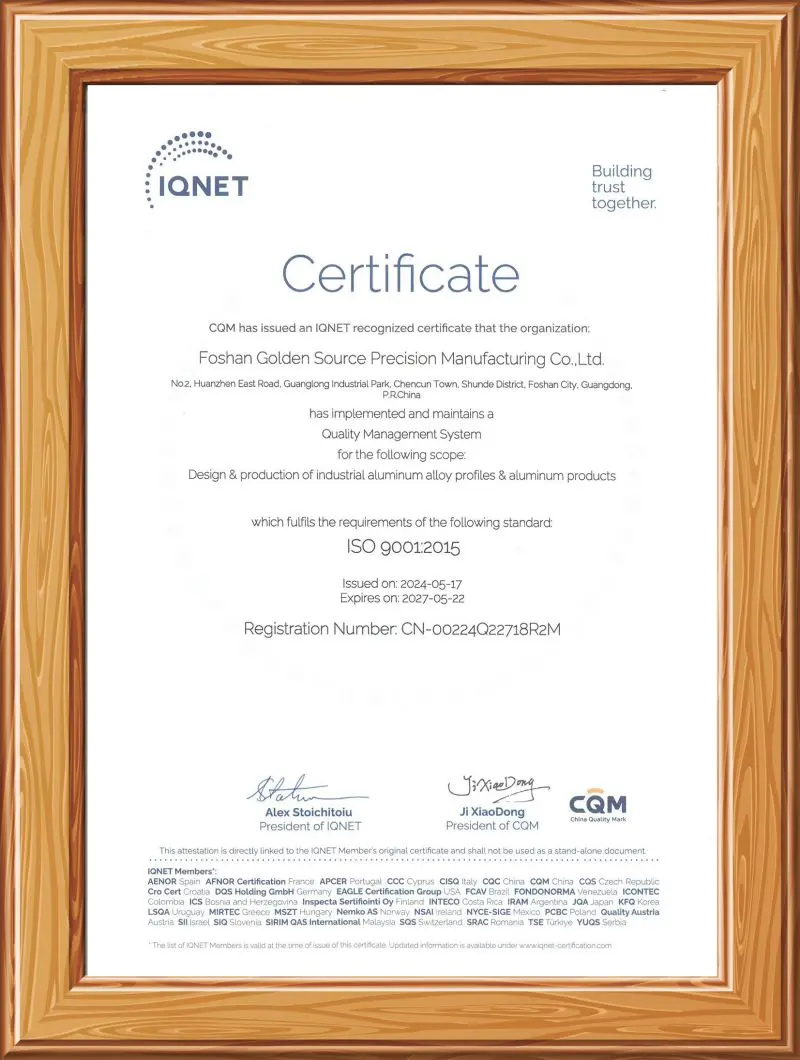
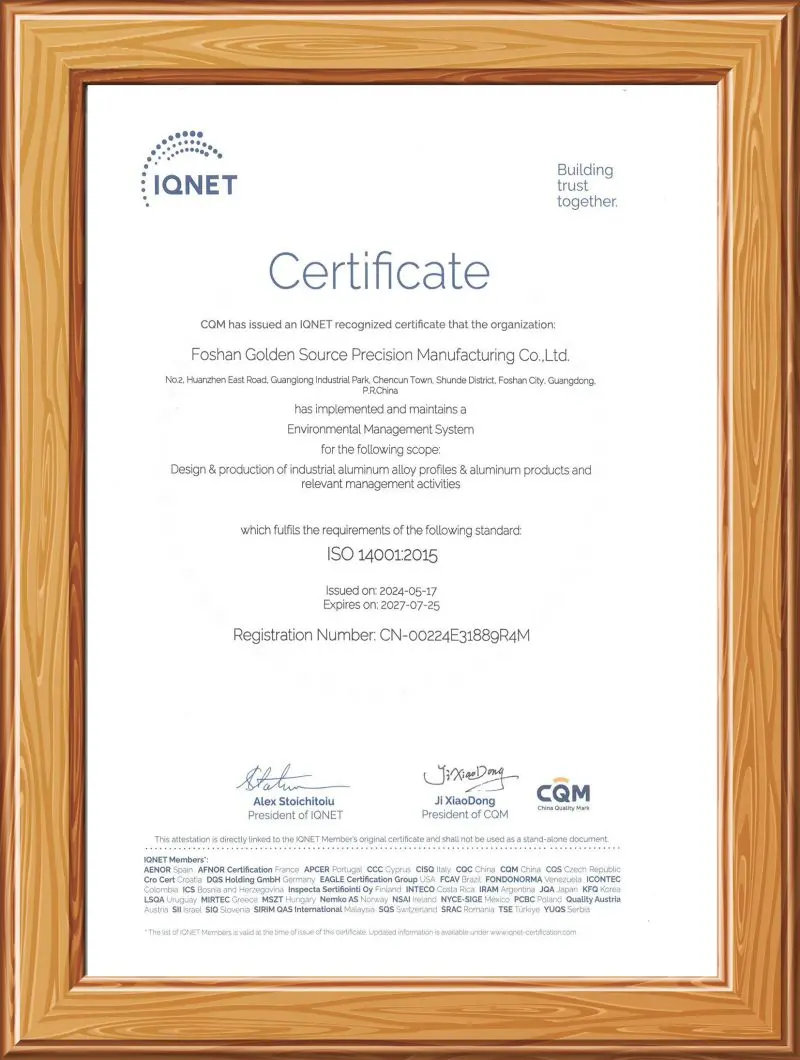
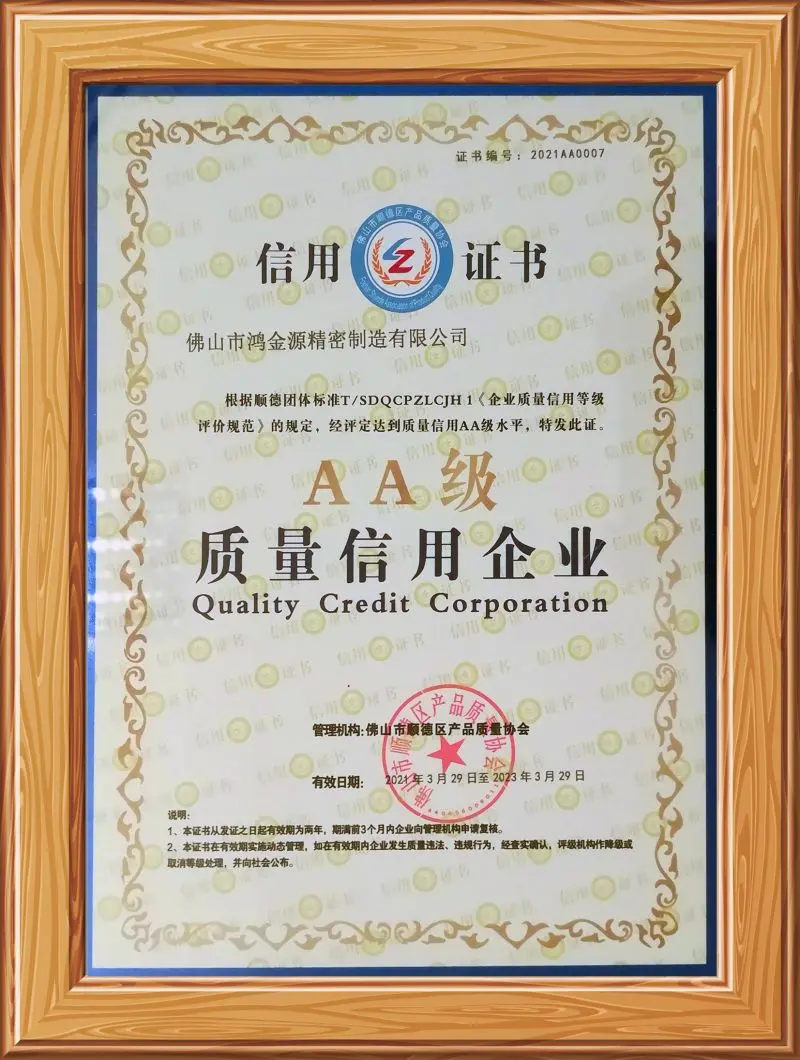
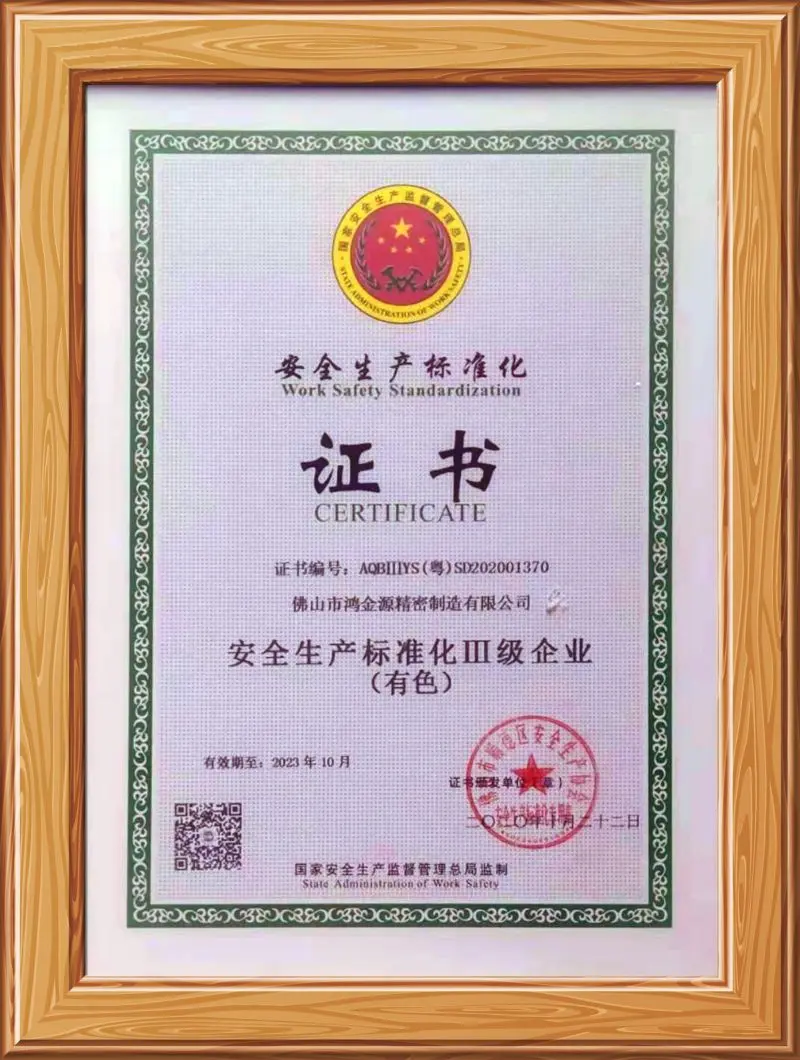
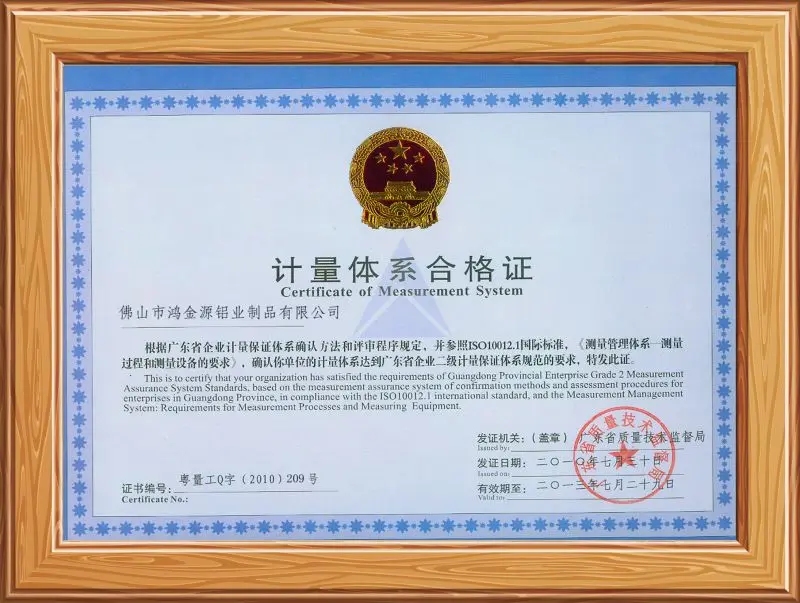
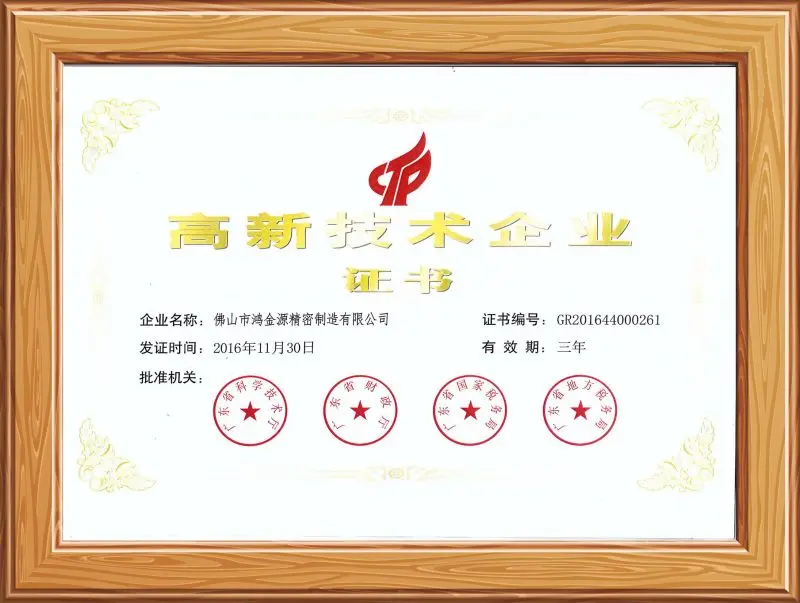
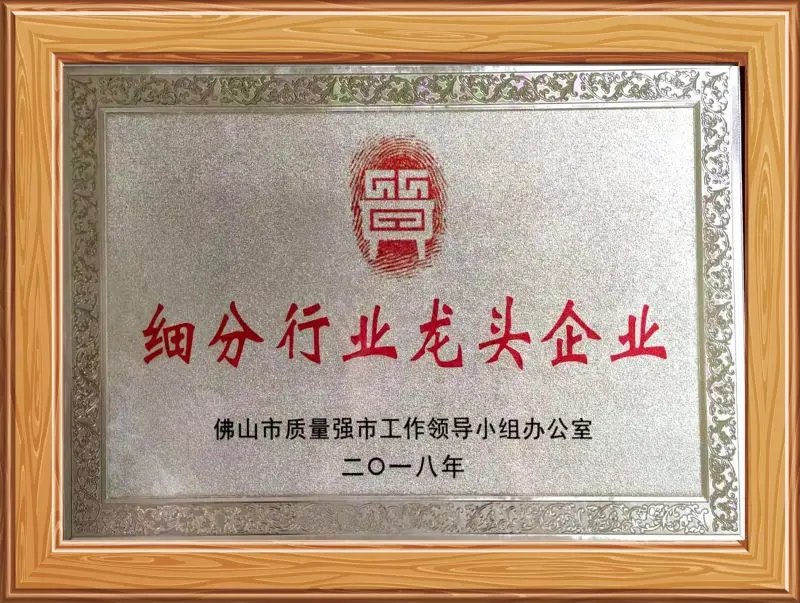
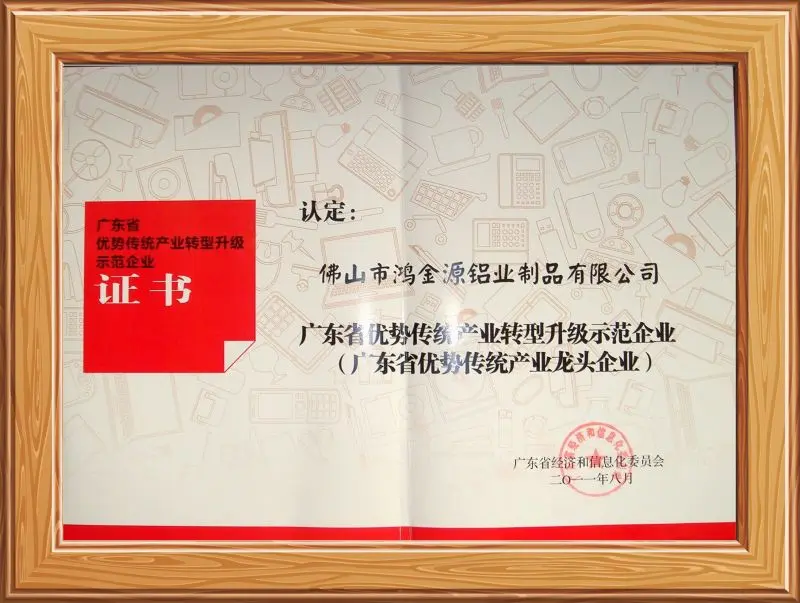
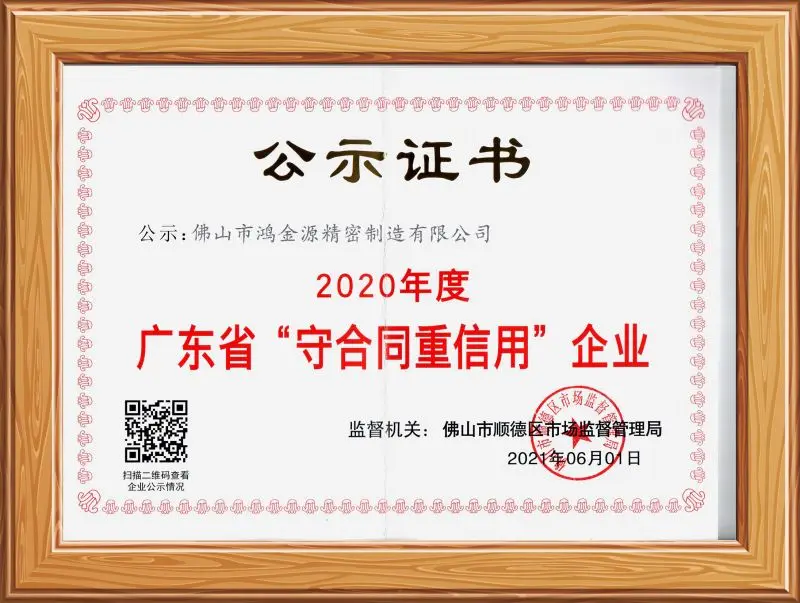
Technical answers directly from our engineering team to help you navigate alloy selection, custom finishes, and trade compliance.
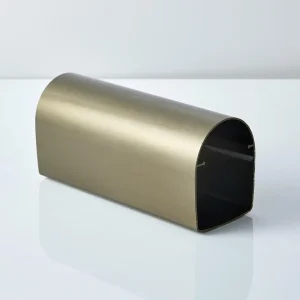
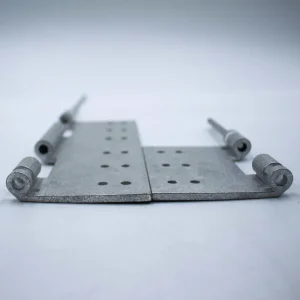
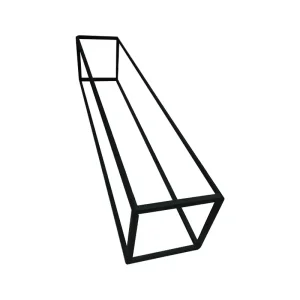
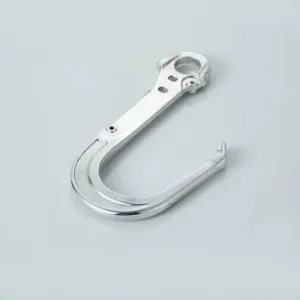
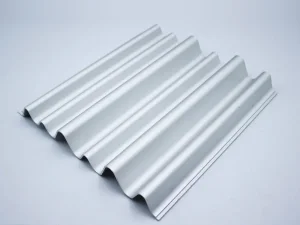
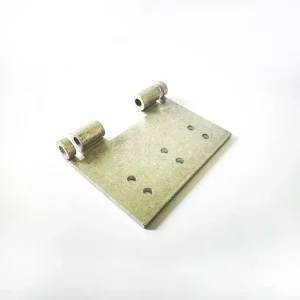
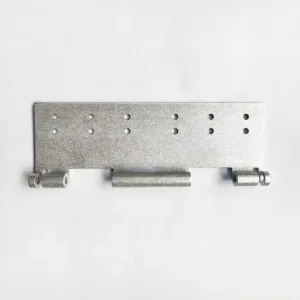
Heavy-duty hinges, climbing hardware, and custom-finished profiles built to specification.
 HG Precision