In modern structural design and access control systems, the choice of locking hardware housings has evolved far beyond basic mechanical security. Global B2B procurement professionals representing commercial construction, public transit infrastructures, and smart-home OEMs are increasingly prioritizing precision-engineered aluminum lock cases over traditional zinc die-casts or heavy steel options. This paradigm shift is driven by three core architectural demands: high-strength-to-weight ratios, superior corrosion resistance under severe environmental conditions, and extreme dimensional stability.
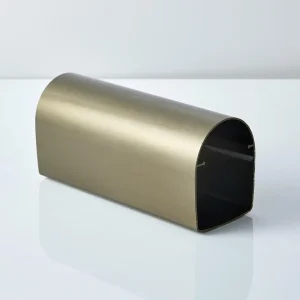
Aluminum lock bodies, especially those crafted from premium 6060, 6063-T6, and 6061-T6 alloys, deliver structural integrity comparable to carbon steels while reducing the dead weight of door systems by up to 60%. This weight reduction is critical in specific high-duty applications such as metro train passenger doors, overhead skylights, and hydraulic gate closers. By minimizing door panel inertia, operators reduce wear on electric actuator motors, prevent mechanical strain on hinges, and dramatically lower long-term maintenance cycles. Furthermore, for outdoor access controls and marine grade hardware, specialized anodization (such as bronze or clear anodize) creates a barrier that survives thousands of hours of salt-spray testing, making it the material of choice for infrastructure projects worldwide.
Procurement pathways in this sector require rigorous engineering vetting. Lead times, alloy purity, CNC tolerances, and green manufacturing compliance (such as the EU's REACH and RoHS guidelines) are no longer ancillary requests; they are absolute barriers to entry. Partnering with a vertically integrated manufacturer that controls the lifecycle from raw billet casting to final post-machining assembly is the ultimate mitigation strategy against supply chain fragmentation.
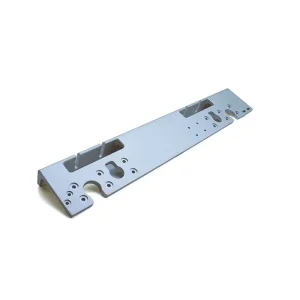
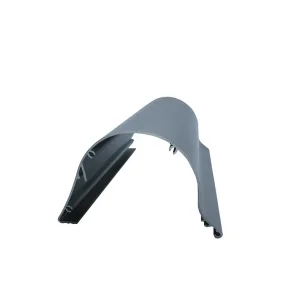
High-precision aluminum profiles serve as structural and kinetic foundations for some of the world's most demanding vertical industries. In public transit and railway engineering, for instance, a subway train door's hanging kit and closing system must withstand millions of cycles under severe structural loads. By utilizing CNC-machined 6063-T6 structural profiles with glass sandblasting and clear anodization, manufacturers achieve the tight tolerances (+/-0.02mm) required for smooth kinetic actions while preserving the cosmetic integrity of internal cabin hardware.
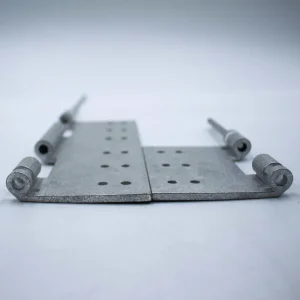
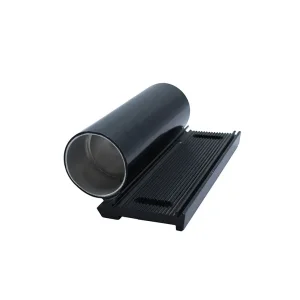
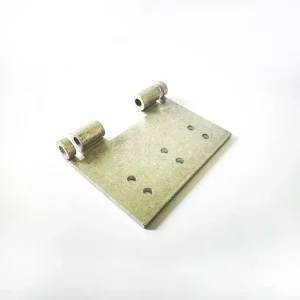
In architectural and building envelope engineering, aluminum hinges and heavy-duty skylight assemblies undergo immense thermal stress and mechanical shear. Combining high-strength aluminum extrusions with stainless steel axes ensures that skylights operate continuously under extreme atmospheric pressures. Similarly, gate-closing devices and hydraulic actuators rely on high-grade aluminum cylinders to contain internal fluid pressures. The micro-pores typical of low-end castings are a major liability here, leading to hydraulic fluid leakage and system pressure drop. Only through controlled billet casting and precise post-extrusion CNC machining (using high-tensile 6061-T6 alloy) can a cylinder shell guarantee a zero-leak pressure chamber.
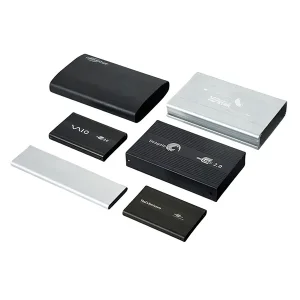
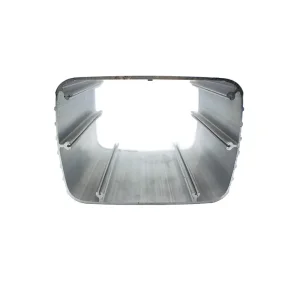
Even in consumer electronics and domestic appliances, aluminum plays an integral structural role. High-performance hard disk drives and household laser printers utilize CNC-machined aluminum cases to act as thermal heat sinks while shielding sensitive micro-components from mechanical shocks. The versatility of custom-engineered aluminum extrusions allows modern engineers to combine structural framing, cosmetic surfaces, and heat dissipation fins into a single, unified part geometry.
Established in 1991, Foshan Golden Source Precision Manufacturing Co., Ltd. is a leading-edge manufacturer specializing in high-strength, high-precision custom aluminum profiles and precision machining components. Over more than three decades of structural manufacturing, we have developed a modern, ecologically responsible manufacturing footprint spanning more than 73,000 square meters.
Our capacity spans a comprehensive, in-house production process. We provide B2B clients with a unified, single-source workflow including raw alloy casting, customized die design & mold manufacturing, extrusion, CNC precision machining, heavy-duty welding, full mechanical assembly, and electro-chemical surface finishing. By maintaining all key processes under one roof, we eliminate third-party logistics overheads, secure strict batch-to-batch consistency, and offer our global client base faster lead times and competitive pricing structures. We support an extensive array of alloys ranging from 1XXX, 3XXX, 5XXX, to high-performance 6XXX and 7XXX structural series.
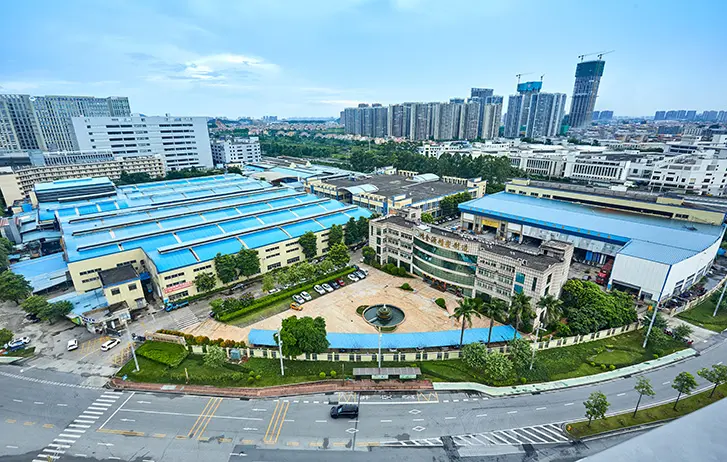
Our operational model is built around solving the common engineering bottlenecks that global OEMs face when sourcing aluminum hardware.
We melt and cast our alloys in-house. This gives us full metallurgical control, allowing us to tweak trace element compositions (such as Magnesium and Silicon ratios) to maximize tensile strength, enhance extrusion speed, and eliminate micro-porosities that degrade anodizing quality.
With our CNC machining center, mechanical pressing, welding facilities, and chemical anodization tanks under a single roof, we eliminate intermediate handling damage. By monitoring critical tolerances through 3D coordinate-measuring machines (CMM), we supply parts that integrate directly into client assembly lines.
Our one-stop manufacturing capability allows us to compress production lead times. Because we design and build our extrusion dies in-house, the timeline from CAD model verification to sample extrusion and production is shortened by up to 30% compared to typical outsourcing chains.
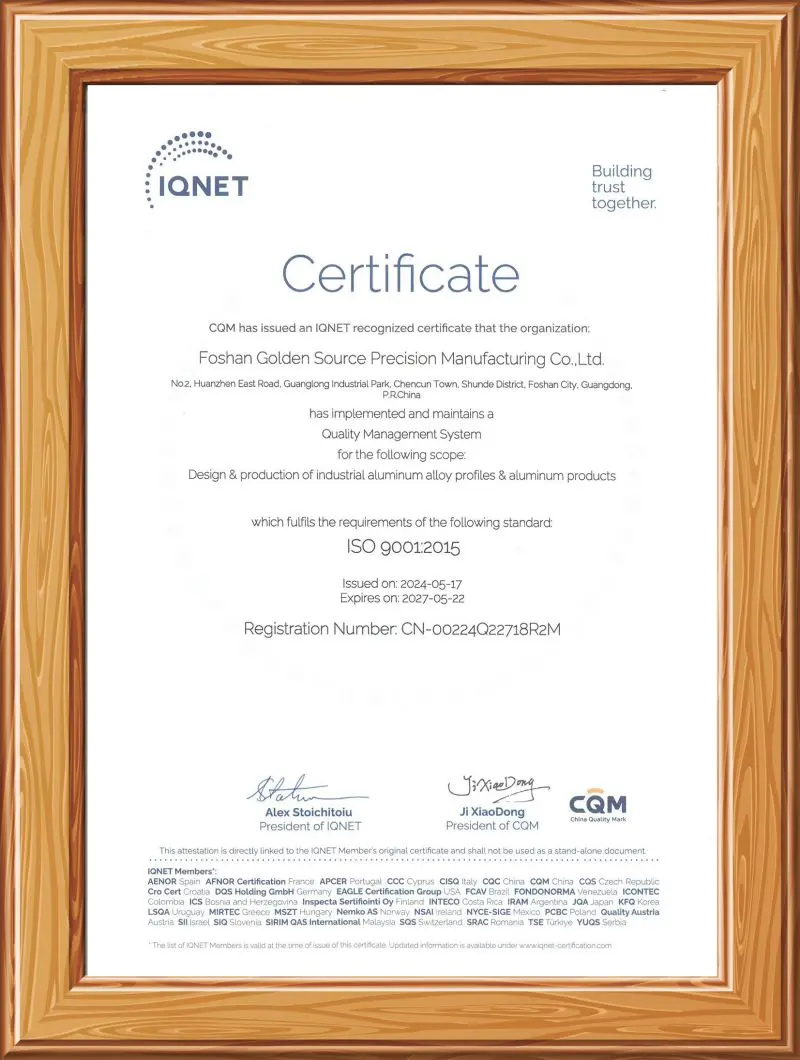
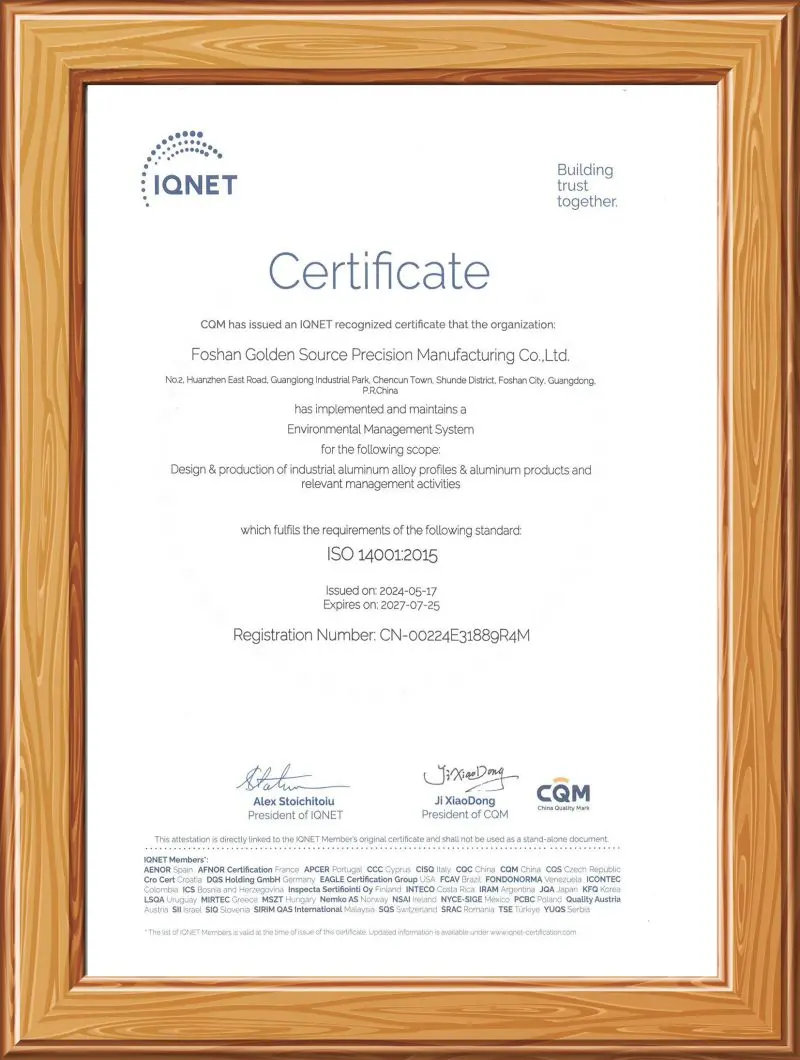
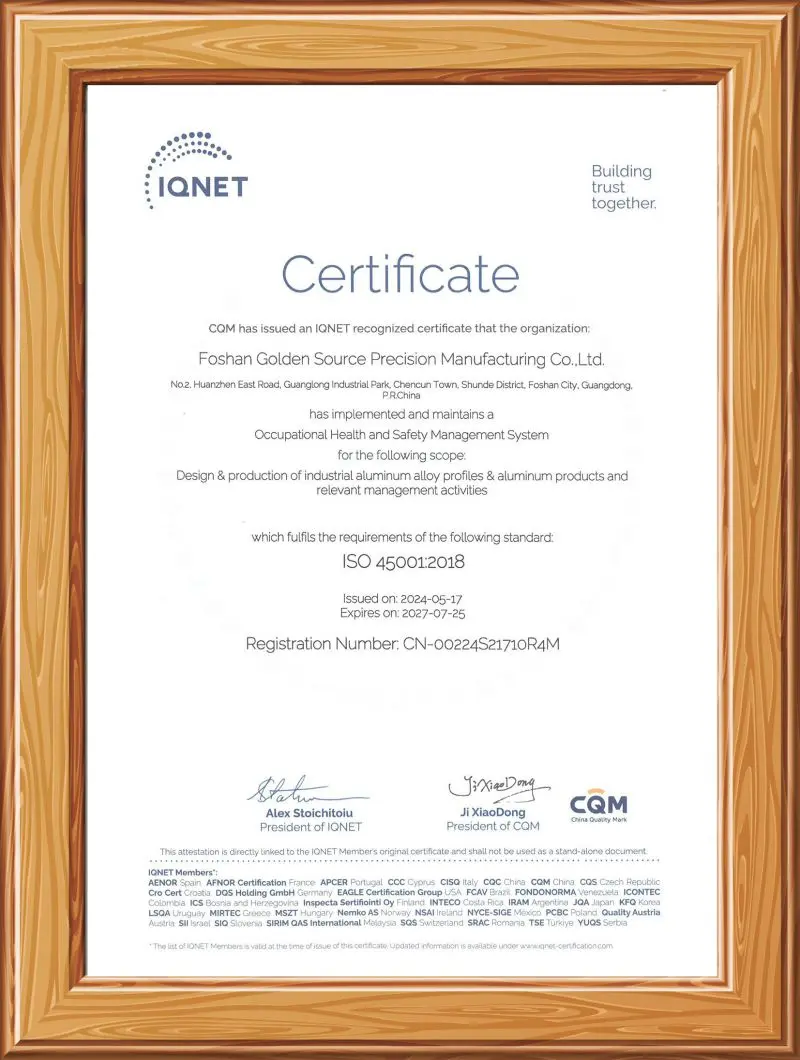
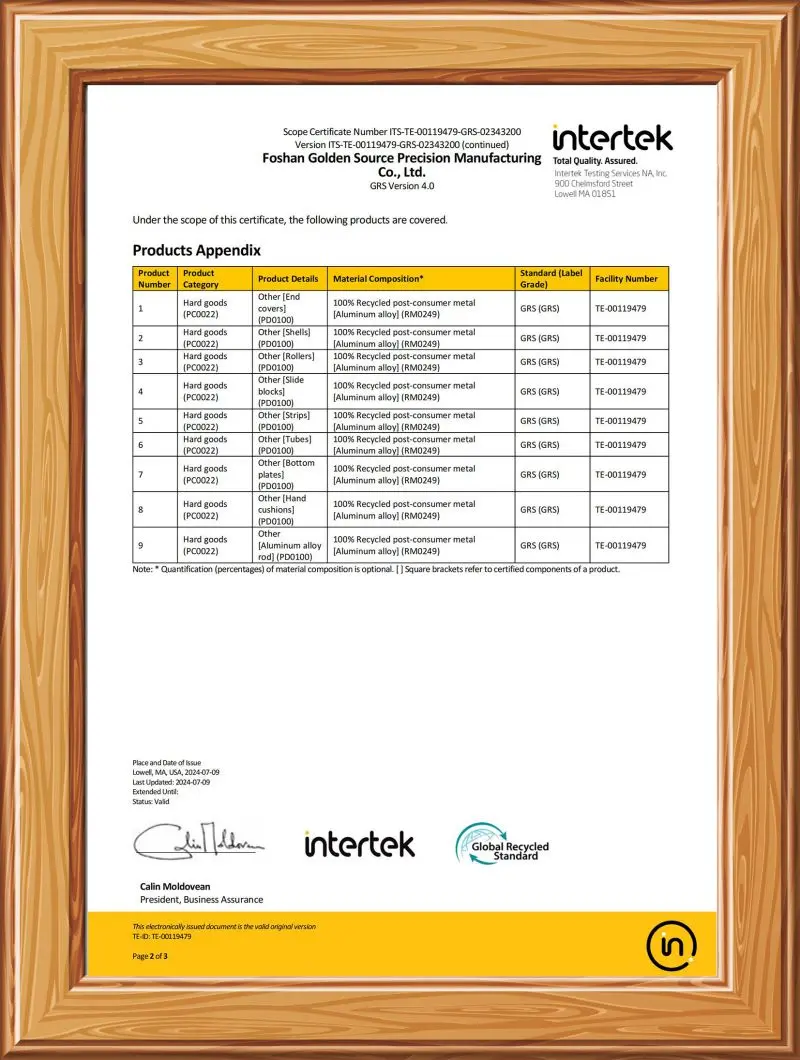
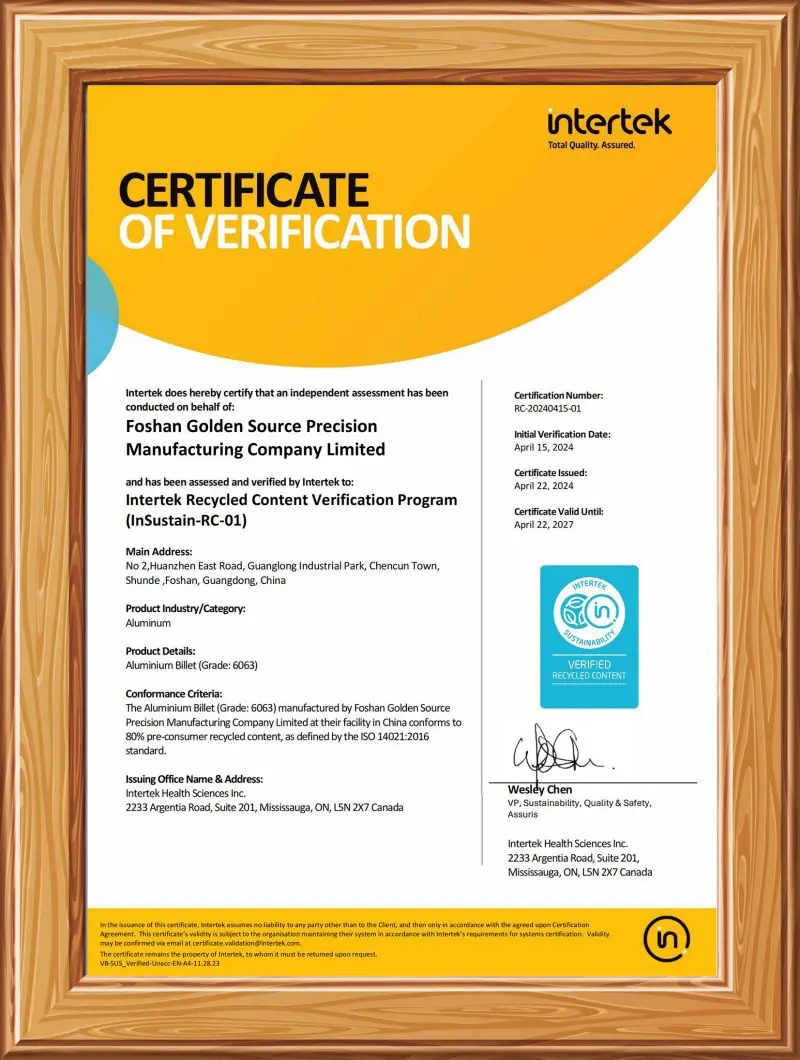
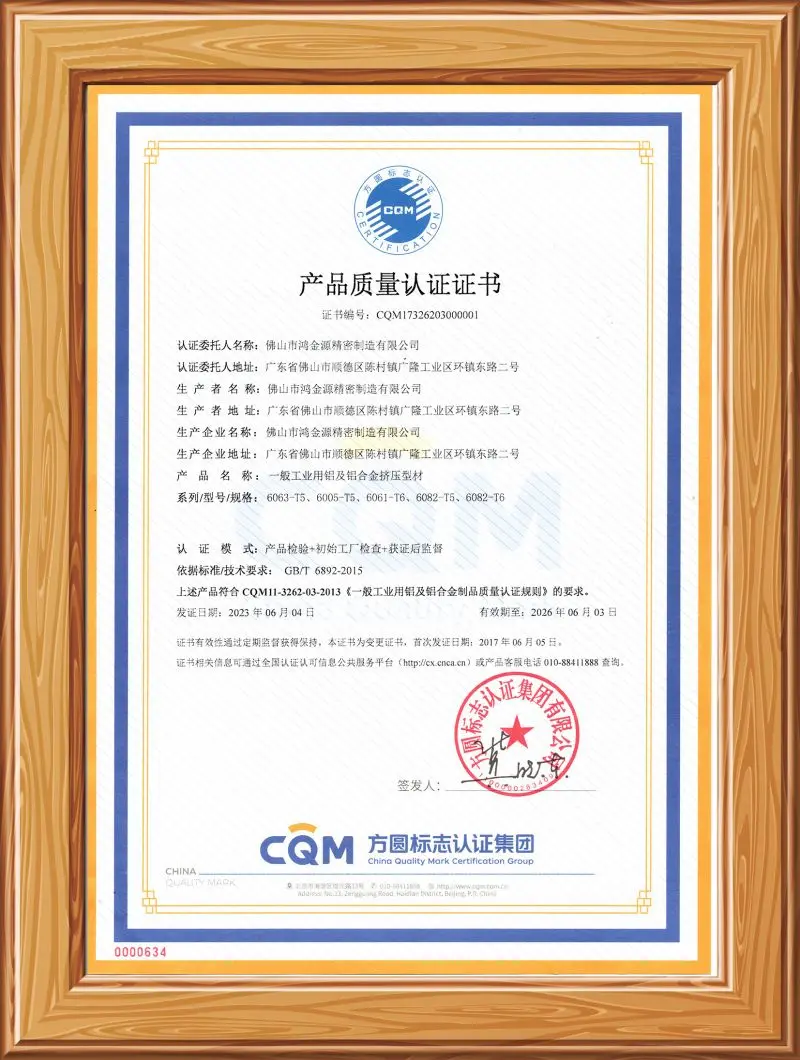
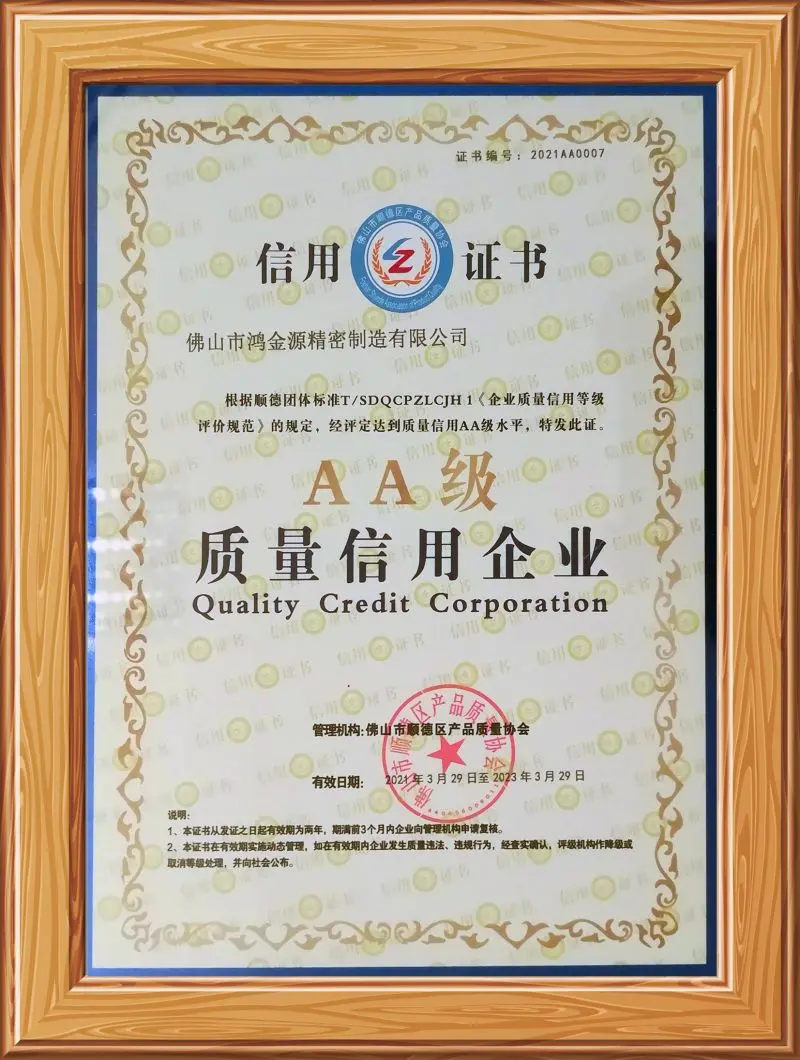
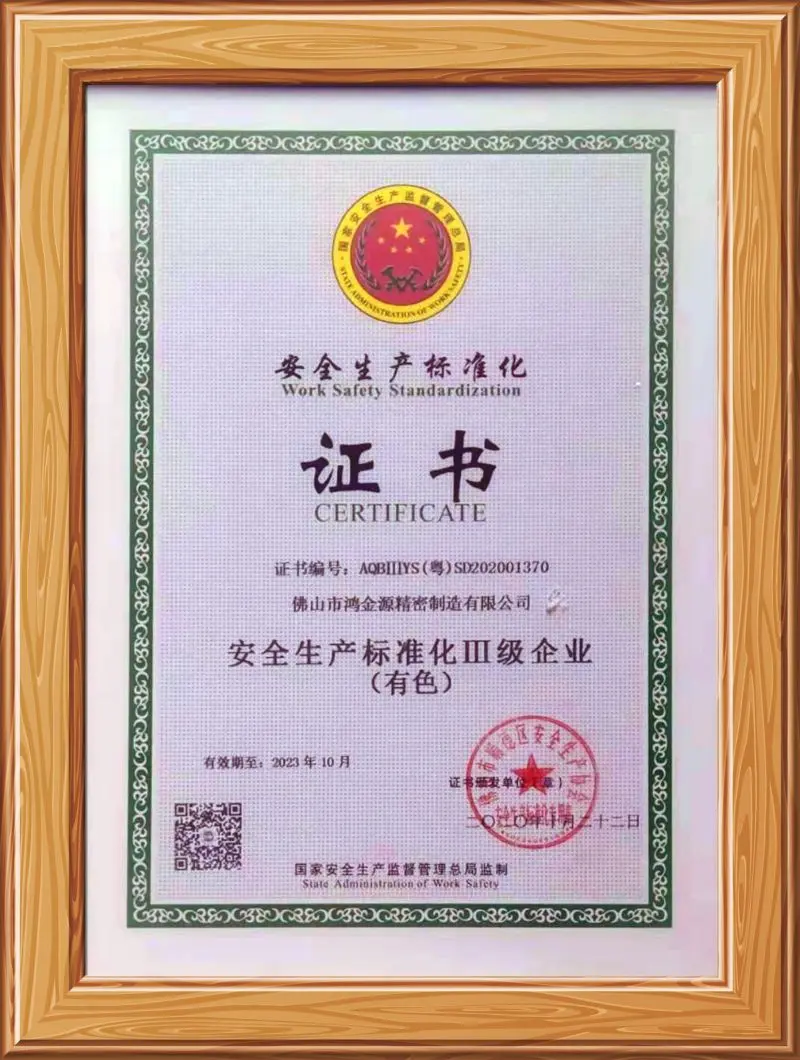
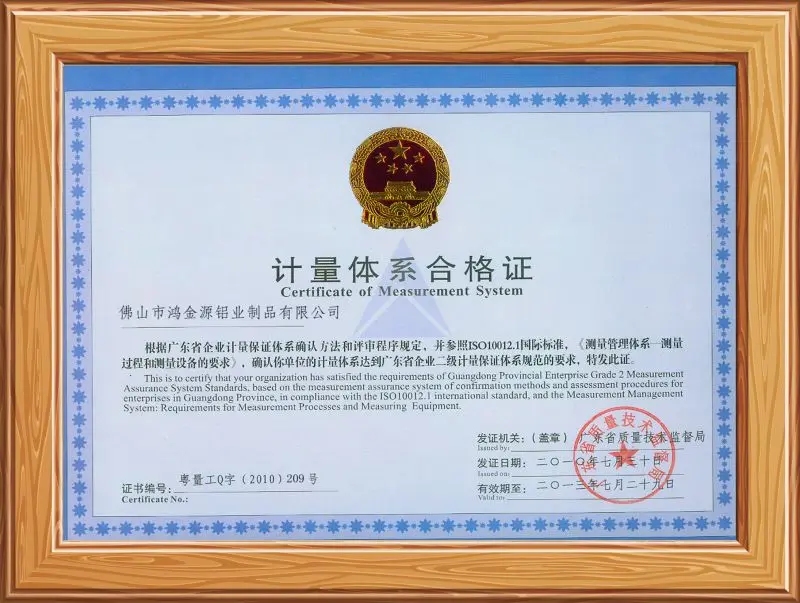
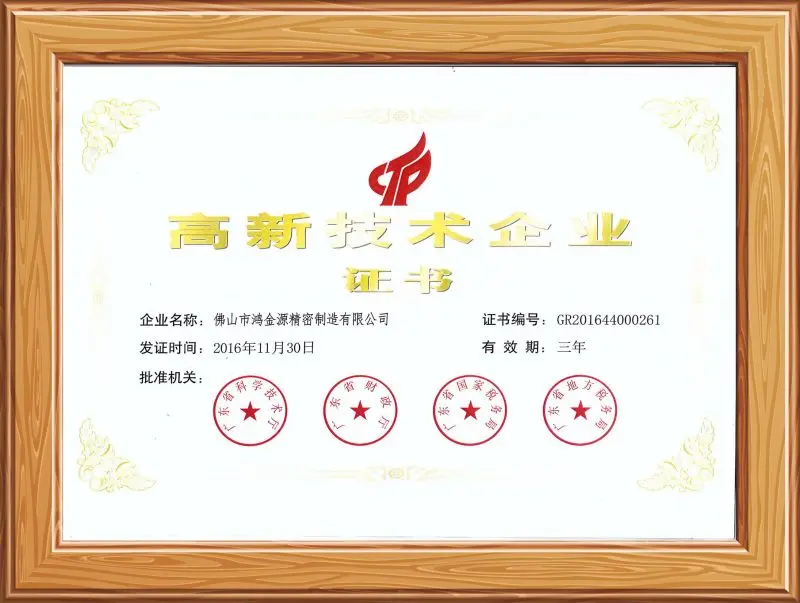
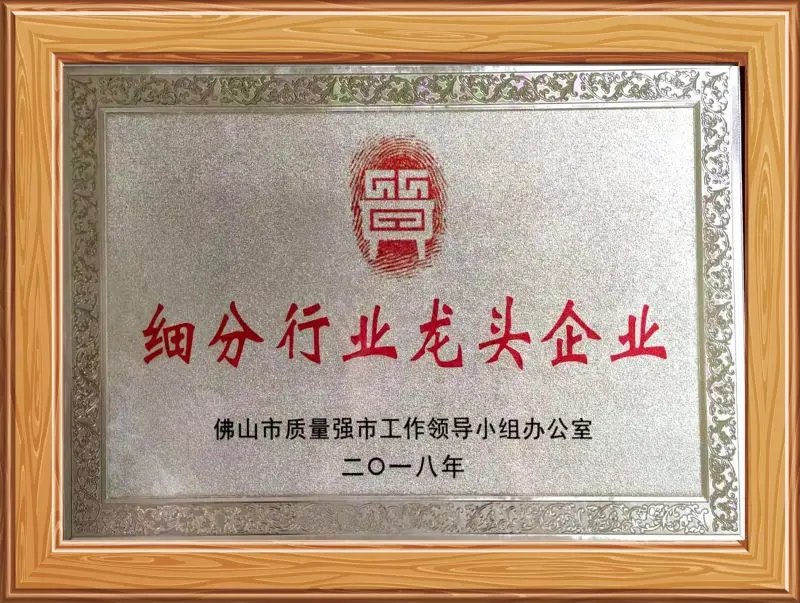
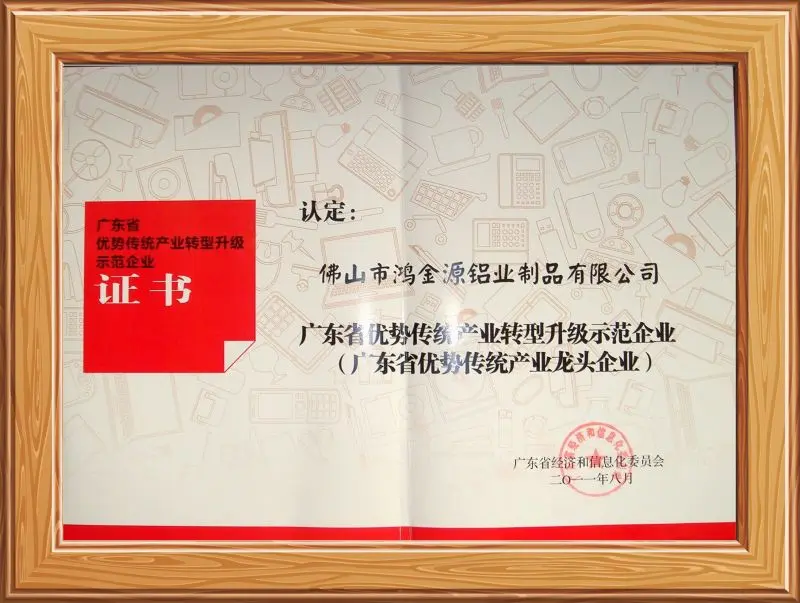
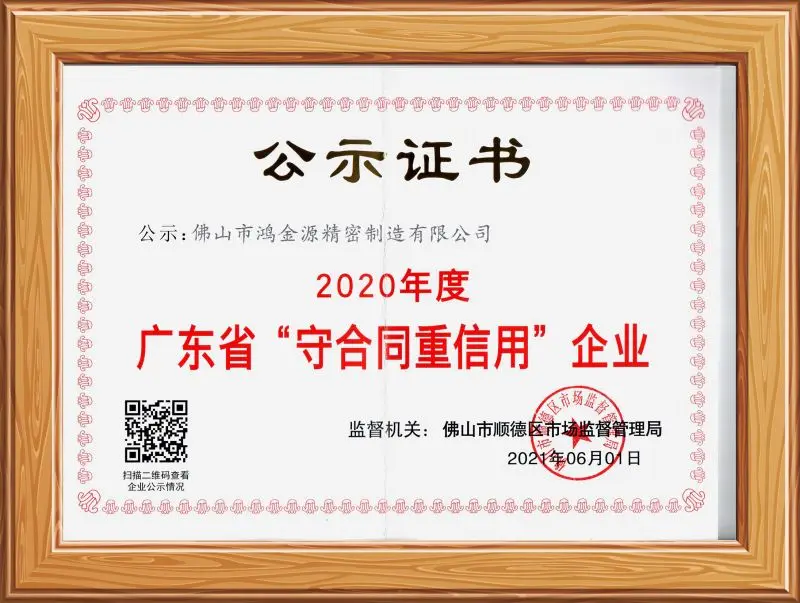
Our facility is certified under ISO9001, ISO14001, ISO45001, GRS (Global Recycled Standard), and RCV. Notably, GRS and RCV certifications demonstrate our compliance with strict circular economy practices and the environmental regulations of the EU and North American markets. We continuously upgrade our manufacturing footprint to support low-carbon energy practices, ensuring that our products comply fully with the environmental requirements of the EU's REACH and RoHS directives. Below is a selection of typical certificates and governmental recognitions indicating our long-standing industrial compliance:
As the hardware industry enters the smart integration era, lock cases are evolving from simple mechanical housings into complex, multi-functional enclosures. These systems must provide electrical grounding, electromagnetic compatibility (EMC) shielding, and structural protection for IoT components, micro-sensors, and wireless transmitters. Foshan Golden Source is actively developing structural profiles that support this tech-forward landscape.
Aligning with global sustainability directives, we are scaling up the utilization of premium post-consumer recycled aluminum, verified by our GRS certification. This significantly lowers the carbon footprint of our B2B partners' Scope 3 emissions without sacrificing structural performance.
We are refining our electro-chemical lines to offer specialized hard-anodizing and micro-arc oxidation (MAO) techniques. These surface coatings produce ceramic-like layers that provide excellent wear resistance and survive severe chemical washdowns.
With newer multi-axis CNC machines, we have pushed our milling limits to reach ultra-precision levels (+/-0.01mm). This ensures that intricate sealing grooves, lock pin bores, and electronic sensor chambers align perfectly in critical outdoor applications.
Here are detailed technical responses to common questions raised by procurement directors and mechanical design engineers during our onboarding phase.
6063 and 6061 magnesium-silicon-based alloys represent the optimum intersection of machinability, structural strength, and surface finishing quality. The T6 temper (solution heat-treated and artificially aged) yields high tensile and yield strengths, protecting the lock body from deformation under forced entry. 6063 alloy offers a clean surface finish ideal for decorative anodization, while 6061 alloy provides higher mechanical strength, making it ideal for heavy-duty commercial door locks and transit closing systems.
By running an in-house casting facility, we filter out impurities during the smelting stage, which minimizes micro-inclusions that disrupt anodizing chemistry. During extrusion and subsequent CNC steps, we monitor die wear closely to prevent surface draglines. Our chemical treatment baths are temperature and pH-controlled, guaranteeing that clear, bronze, or black anodized profiles maintain color consistency and film thickness from the first run to the last.
Yes. We provide a full-service, one-stop OEM and ODM solution. Our engineering team assists with cross-sectional design optimization, raw material selection, tool design, and mold construction. Once the mold is verified, we handle extrusion, precision CNC machining, and anodization or plating. This comprehensive system reduces lead times and lowers the risks associated with multi-vendor supply chains.
We hold valid certifications for ISO9001 (Quality Management), ISO14001 (Environmental Protection), and ISO45001 (Occupational Health & Safety). To support environmental mandates in European and North American markets, we are certified to the Global Recycled Standard (GRS) and RCV. All structural components, alloy ingredients, and surface finishes strictly comply with the EU’s REACH regulations and RoHS directives.
 HG Precision