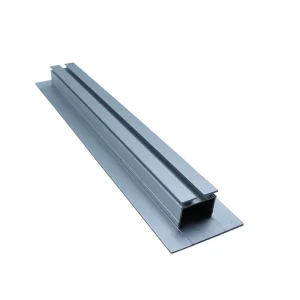
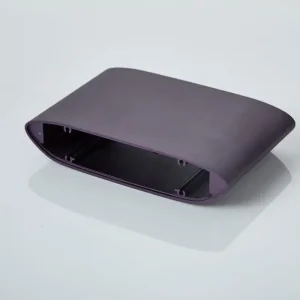
Explore our premium range of custom structural components, thermal management solutions, and high-performance profiles designed for modern industrial applications.
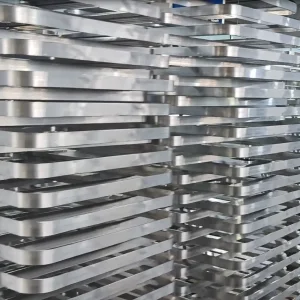
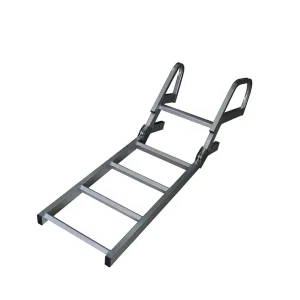
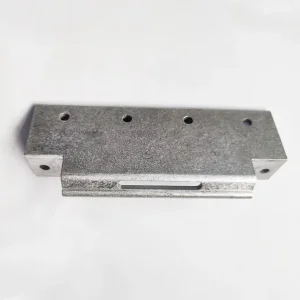
An in-depth analysis of materials, thermal dissipation dynamics, optical diffusion cover engineering, and global structural criteria.
In contemporary architectural lighting design, the custom LED strip aluminum profile (also known as an LED extrusion or LED linear channel) has evolved from a simple aesthetic housing to a critical component of functional engineering. Driven by the rapid advancement of high-output LED chips (such as COB and SMD 2835/5050 series), the necessity for optimal thermal management, mechanical protection, and light homogenization has never been more urgent.
Foshan Golden Source Precision Manufacturing Co., Ltd, with over three decades of precision extrusion experience, addresses these issues at the metallurgical level. This document details the technical dynamics, alloy performance, structural considerations, and cost metrics that purchasing managers, industrial designers, and architectural consultants must analyze when sourcing custom LED profiles globally.
The performance of an LED extrusion channel is largely determined by its base alloy. At Foshan Golden Source, we melt and cast alloys in-house, adjusting chemical compositions to optimize heat conductivity, structural integrity, and anodizing quality. The primary materials utilized include:
Control of iron (Fe) and silicon (Si) impurities during our in-house alloy melting prevents anodizing streaks or "structural clouding," resulting in a uniform surface finish suitable for architectural designs.
Calculated thermal dissipation area prevents LED junction temperatures from exceeding 85°C, effectively extending the lifespan of high-density LED strips beyond 50,000 operational hours.
Co-extruded PMMA and Polycarbonate (PC) diffusers are formulated with light-scattering particles to eliminate diode hot spots, achieving dot-free, seamless linear illumination.
Advanced German-engineered tooling machinery allows us to maintain strict dimensional tolerances down to ±0.1mm, ensuring seamless snapping mechanisms and end-cap alignment.
The primary point of failure for high-density LED strips (specifically those exceeding 15W/meter) is heat accumulation. Without a suitable conductive pathway, heat accumulates within the flexible PCB, leading to yellowing of the phosphor layer and rapid lumen depreciation. The heat transfer mechanism within our profile configurations relies on three primary variables:
$$\text{Rate of Heat Dissipation} = \frac{k \cdot A \cdot (T_{\text{junction}} - T_{\text{ambient}})}{L}$$
Where k represents the thermal conductivity of the custom alloy, A is the total external surface area of the extrusion channel, T is the temperature differential, and L is the wall thickness. By optimizing the outer fin design and wall thickness of our profiles, we maximize the cooling surface area without adding unnecessary weight to the profile structure. This makes our profiles suitable for high-wattage task lighting and architectural installations.
Choosing the correct custom profile configuration requires balancing mechanical dimensions with thermal requirements. Below is a comparative matrix to guide your design and procurement decisions:
| Profile Typology | Alloy Standard | Primary Finish Options | Avg. Thermal Capacity | Max PCB Width | Target Applications |
|---|---|---|---|---|---|
| Surface Mounted Slim | 6063-T5 | Satin Silver, Matte Black, Matte White | 10-18 W/m | 10 mm - 12 mm | Under-cabinet lighting, shelf lighting, display cases |
| Recessed / Plaster-In | 6063-T5 | Natural Anodized, Primed White Finish | 15-25 W/m | 12 mm - 20 mm | Drywall integration, architectural ceilings, monolithic walls |
| Heavy-Duty Ground Channel | 6063-T6 | Thick Hard Anodized (15um+) | 20-35 W/m | 15 mm - 24 mm | Driveways, public plazas, linear ground illumination |
| Suspended / Pendant Profile | 6061-T6 | Sandblasted Satin, Custom Ral Painting | 25-50 W/m | 20 mm - 40 mm | Commercial office lighting, linear workspace fixtures |
From smart building integration to strict European environmental mandates, discover what drives high-volume structural sourcing.
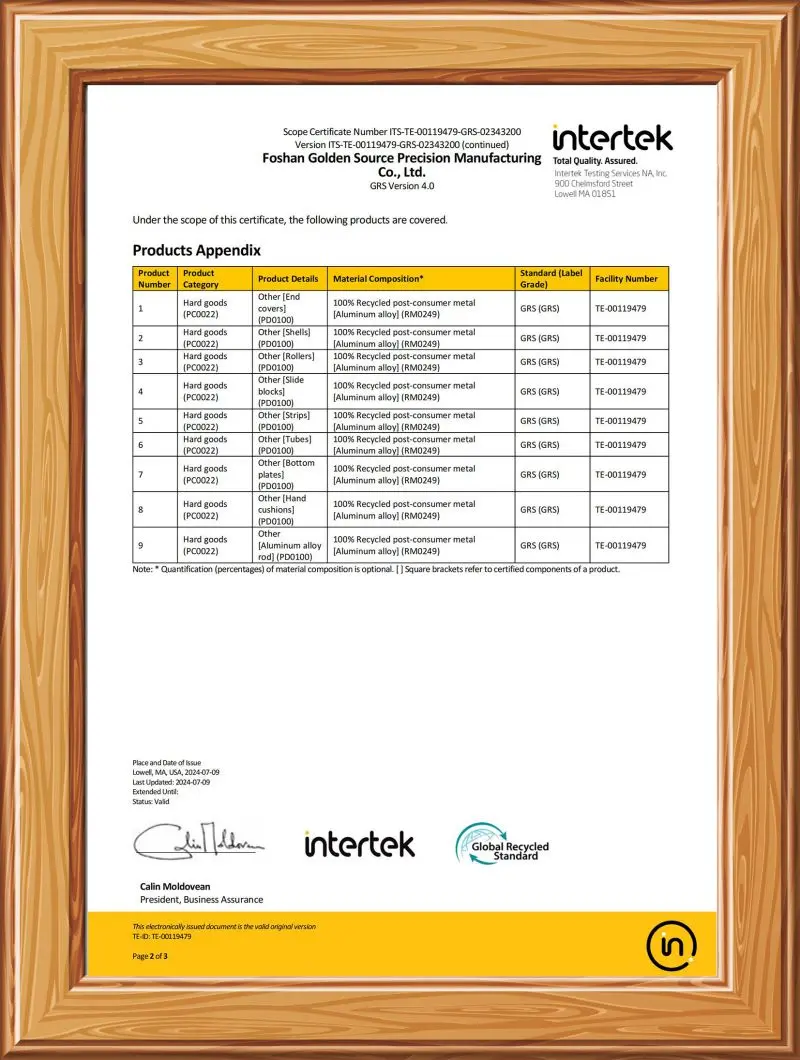
Global architectural specifications increasingly require a minimum of post-consumer recycled aluminum content. Our GRS certification guarantees documented material traceability throughout our supply chain.
Compliance with EU REACH regulations, ROHS, and environmental declarations has shifted from optional to mandatory. Our materials are audited to confirm the absence of prohibited substances.
Architectural design demands invisible light sources. Recessed, plaster-in profiles feature perforated aluminum wings that merge seamlessly into wall surfaces for clean, borderless installation.
Furthermore, the growth of smart building automation systems (DALI, Zigbee, Casambi) requires profile channels designed to accommodate both the LED tape and built-in sensors or driver cavities. The trend toward miniaturization requires profiles to be engineered with close tolerances, ensuring proper assembly without compromising heat dissipation.
Foshan Golden Source Precision Manufacturing Co., Ltd, established in 1991, is a professional manufacturer of high-strength, high-precision, customized aluminum profiles and precise machining aluminum parts, welded parts, and assembled aluminum products.
With a modern and environmentally friendly production base covering an area of over 73,000 square meters, the company offers a comprehensive one-stop service. This includes alloy casting, mold research & design & building, aluminum extruding, precise machining, welding, assembly, and surface treatment. We specialize in producing a wide range of aluminum alloy series, including: 1XXX, 3XXX, 5XXX, 6XXX, 7XXX alloy, which allow us to meet the requirements of various industries, including hardware tools, 3C products, automobiles, railways, furniture, decoration, and outdoor products.
Company catalogue download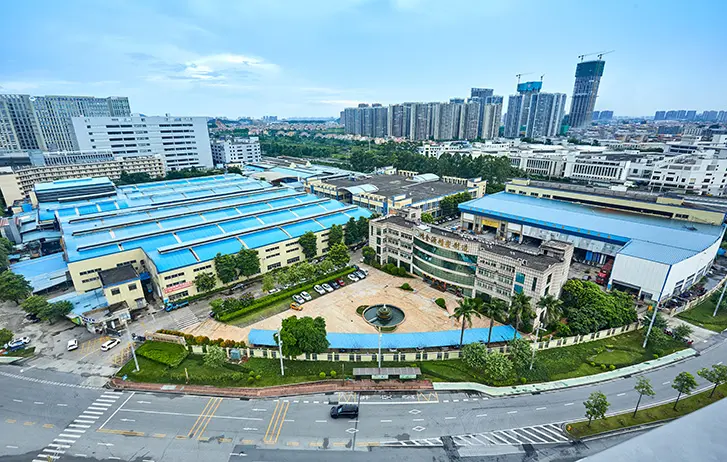
Why Tier-1 global procurement teams and industrial companies partner with Foshan Golden Source.
We melt the alloy in-house, enabling us to adjust chemical compositions to achieve optimal physical properties for extruded profiles and high purity for quality anodizing finishes.
Precision CNC machining and surface treatments are completed in-house. This comprehensive control improves quality standards and reduces overall production costs. Even at competitive price points, our final tolerances and anodizing quality remain high.
Our integrated "one-stop" manufacturing capacity—combining mold design, casting, extrusion, machining, and surface coating—minimizes transit times and ensures reliable delivery schedules for global projects.
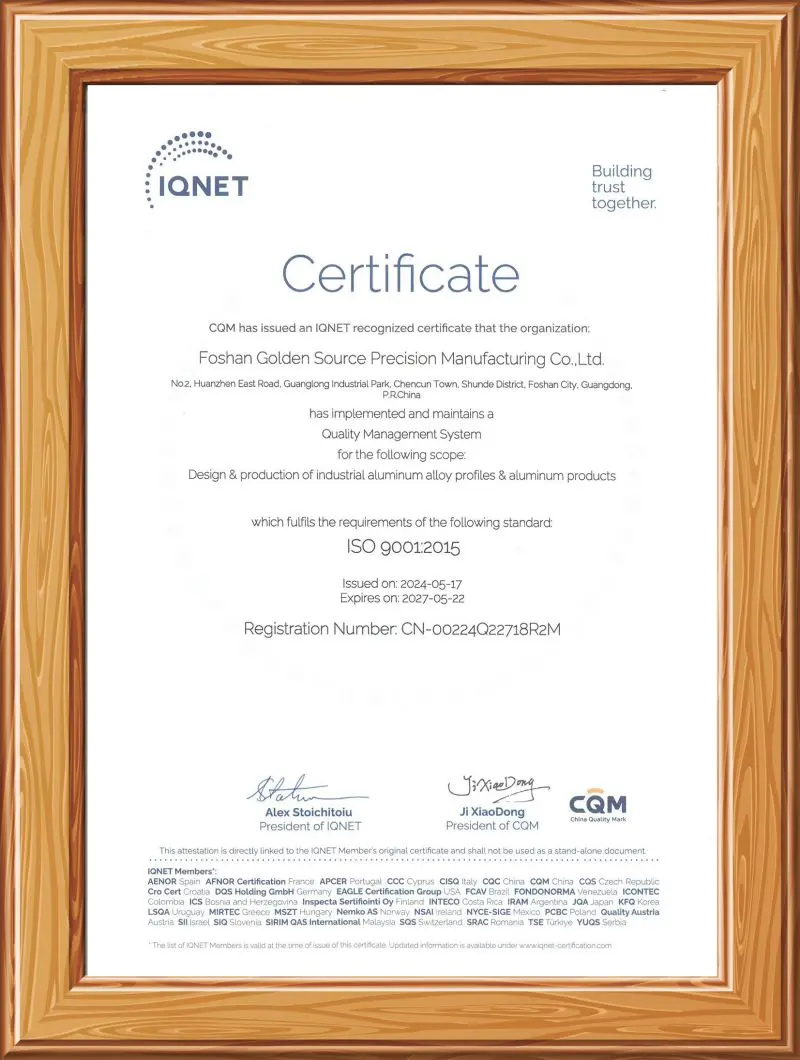
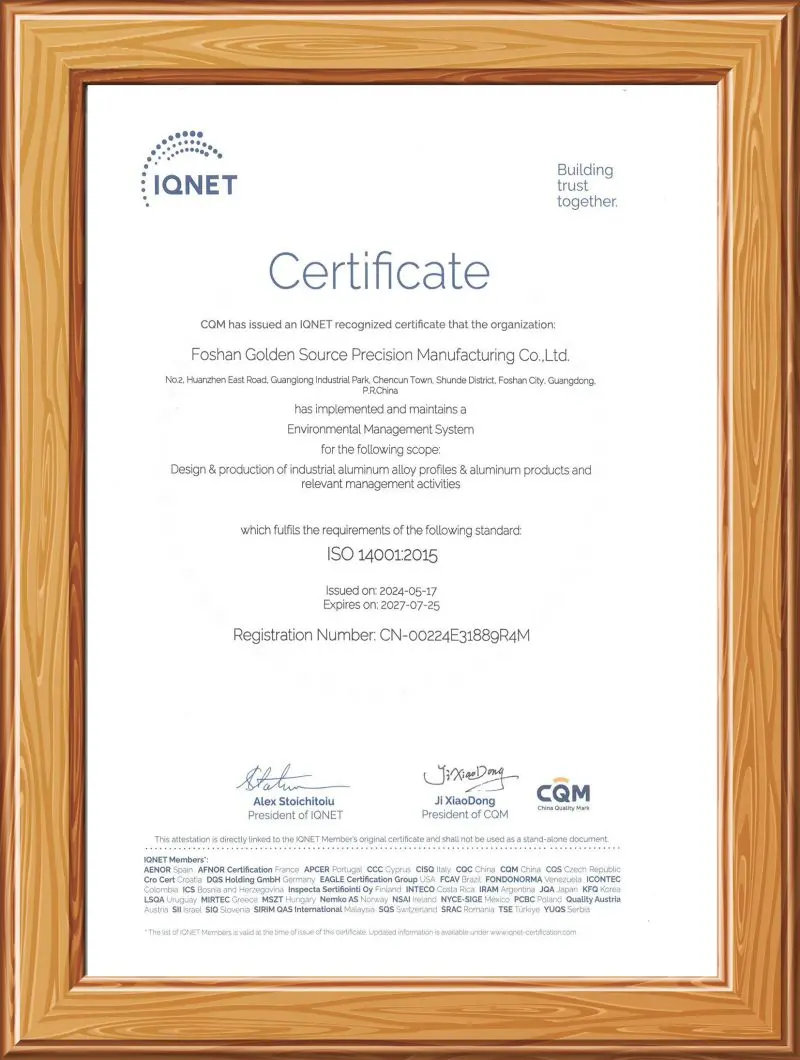
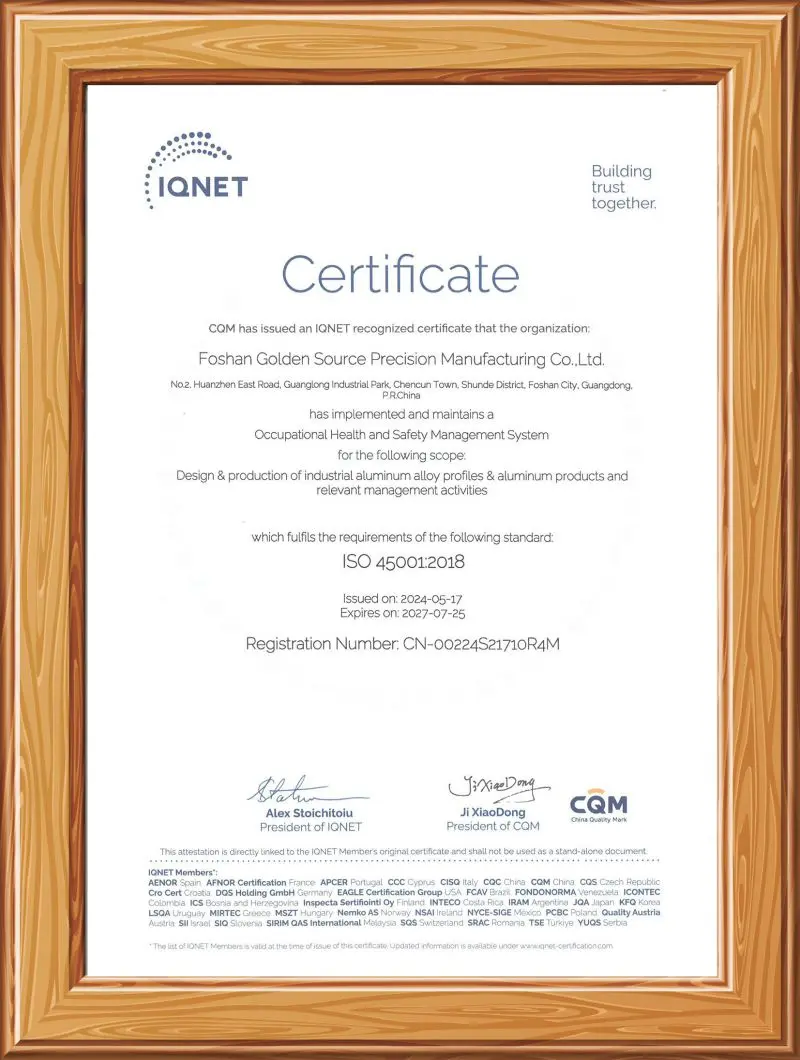
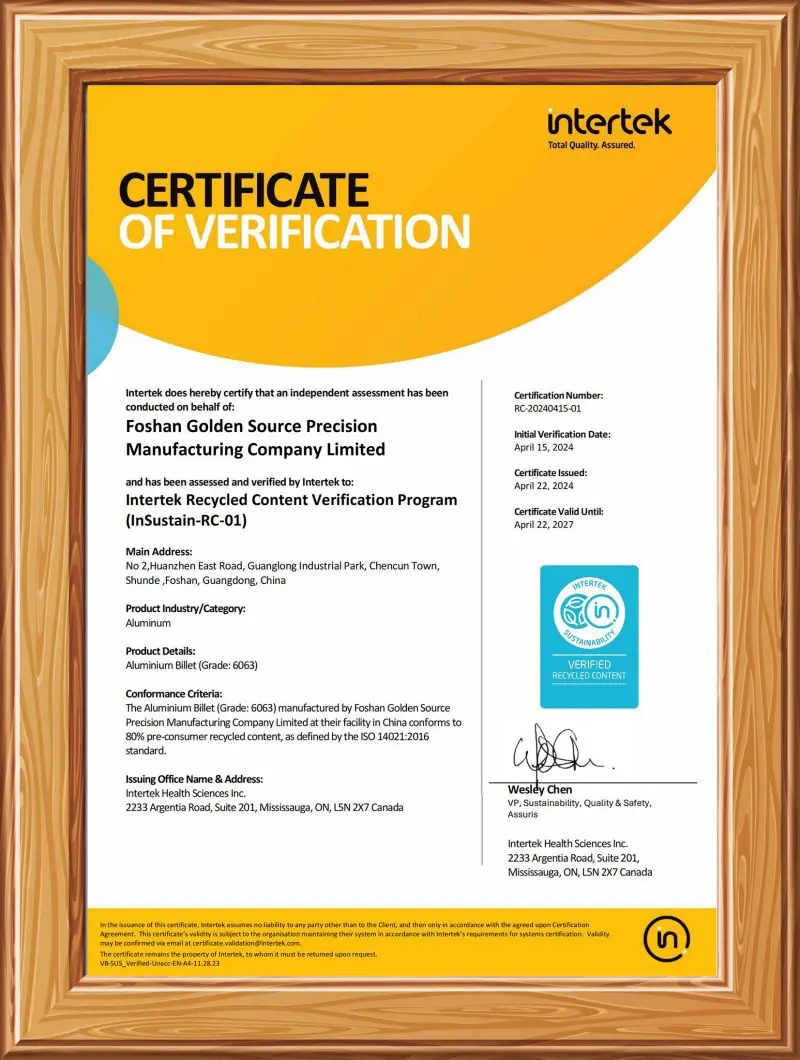
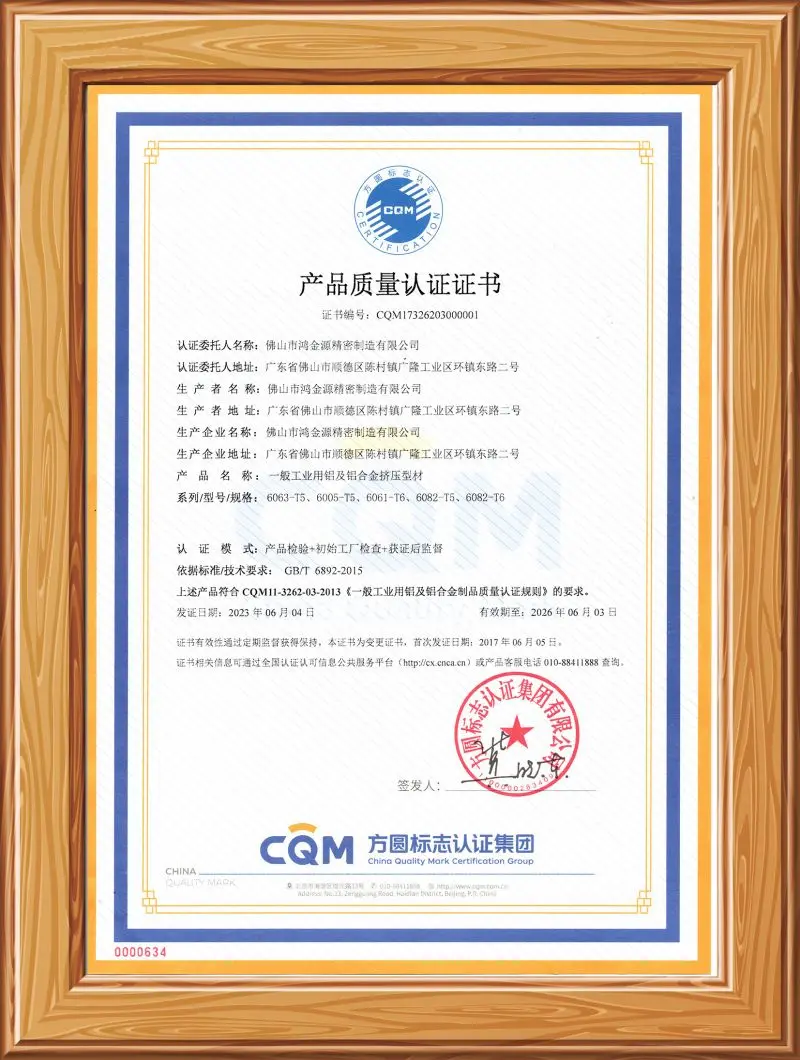
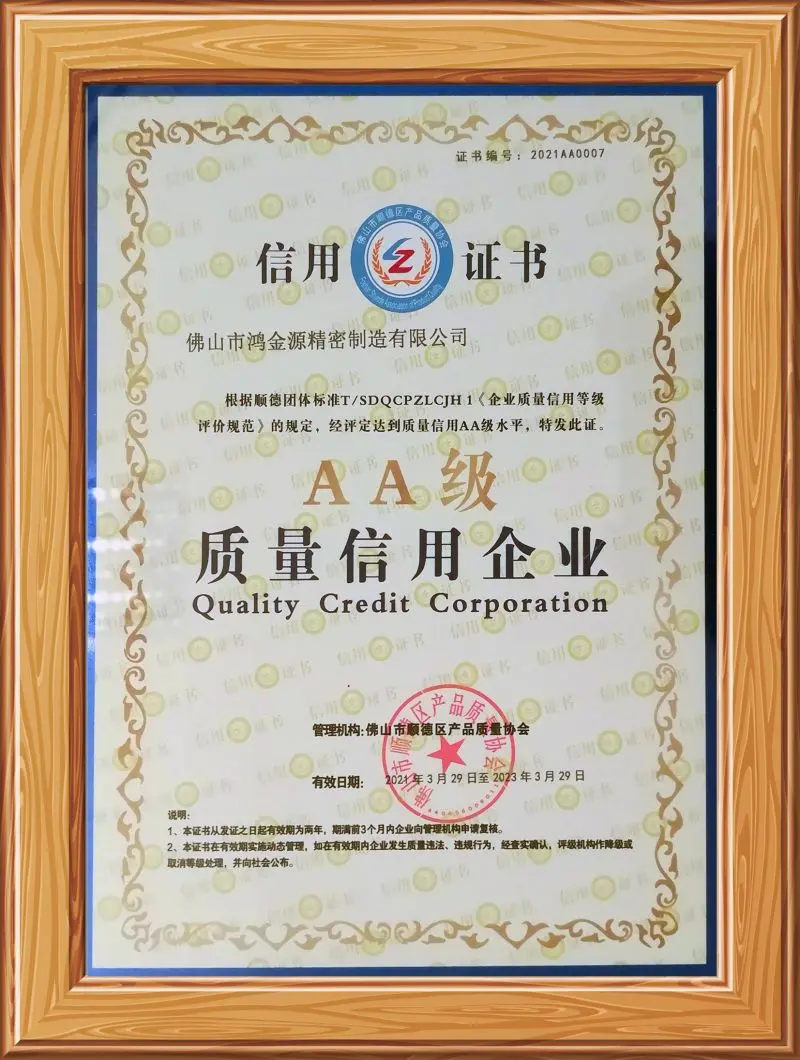
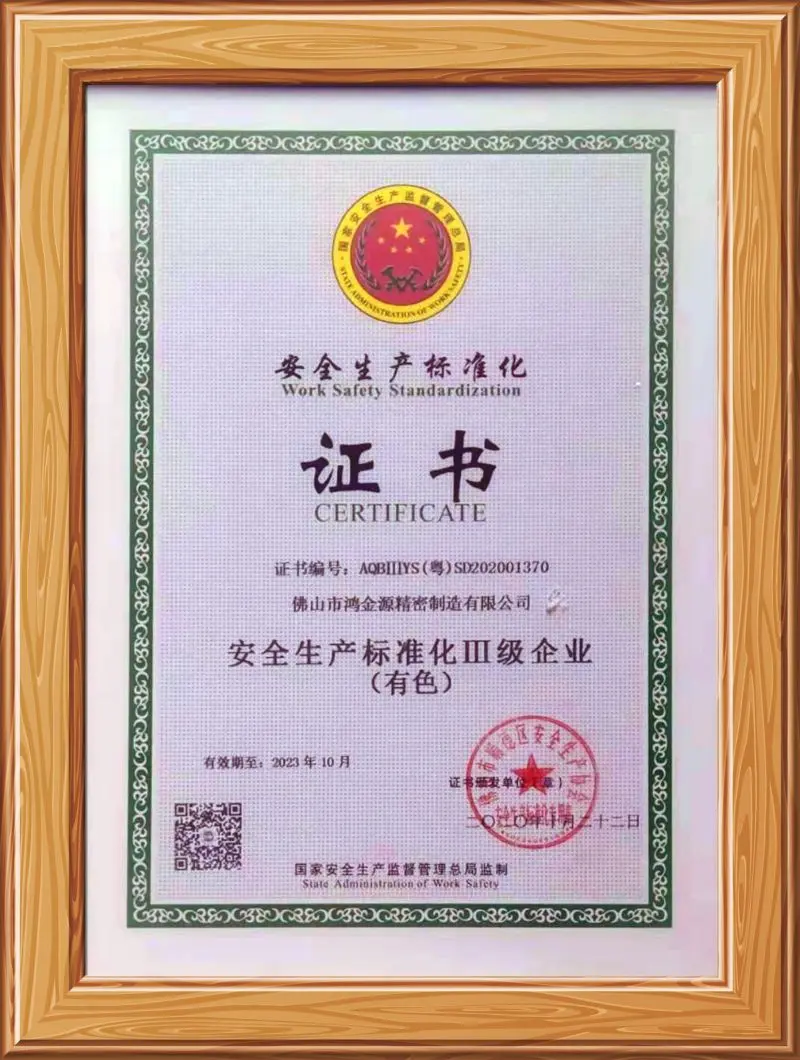
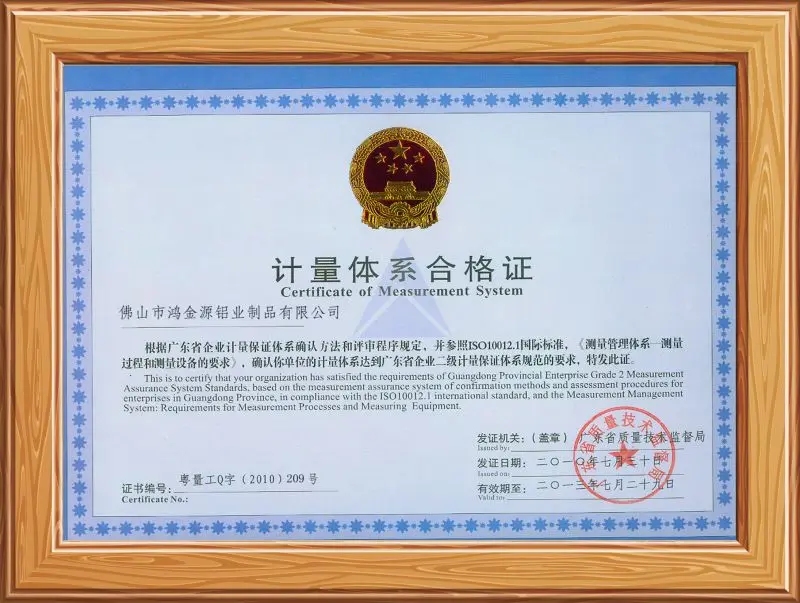
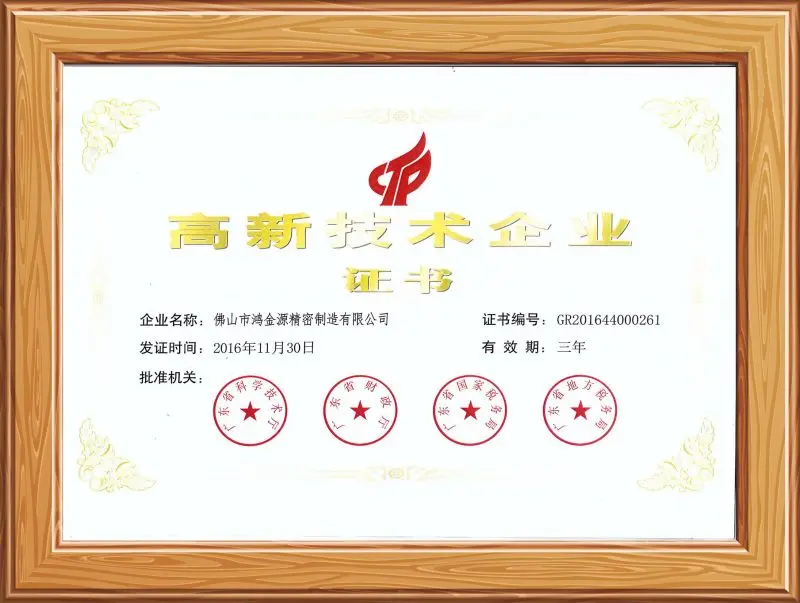
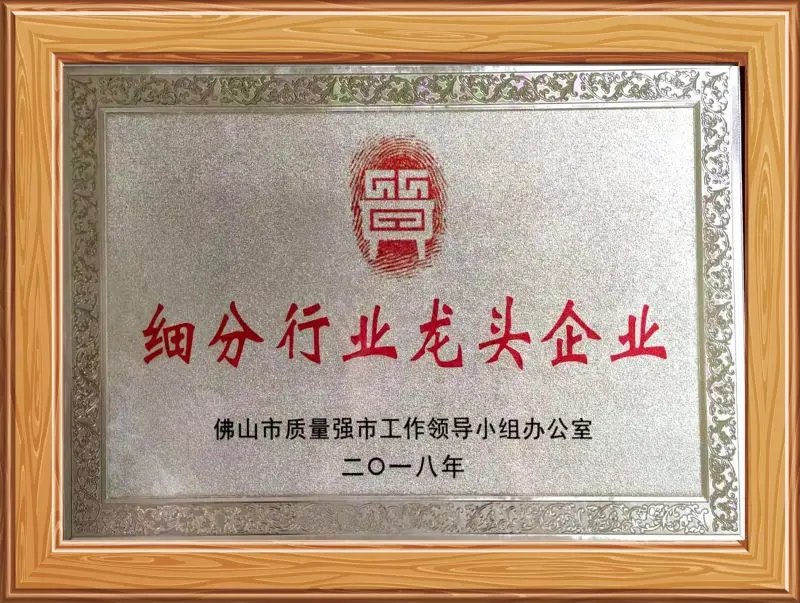
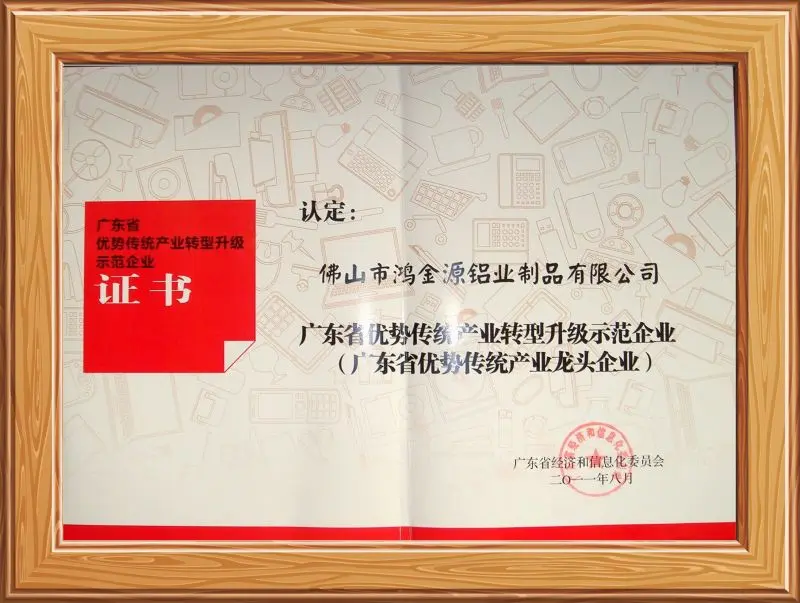
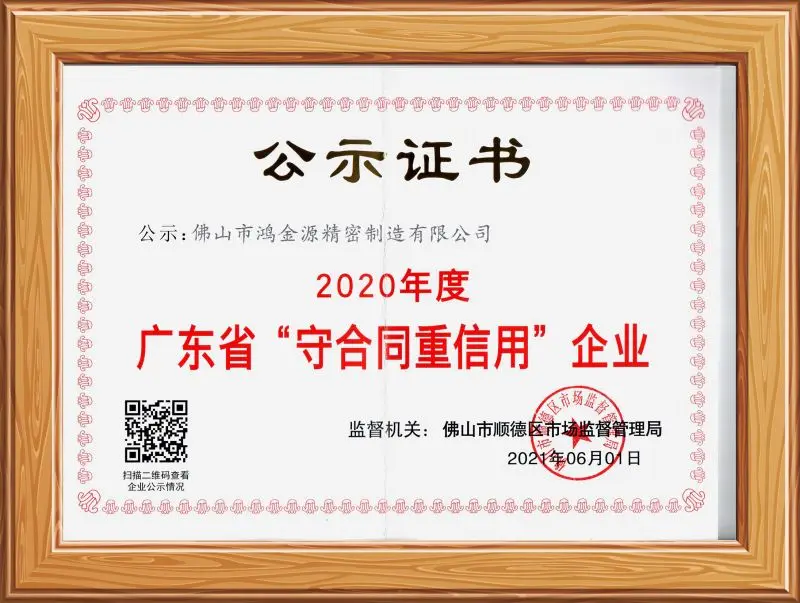
Foshan Golden Source holds ISO9001, ISO14001, ISO45001, GRS, and RCV certifications. Our products comply with the environmental requirements of the EU's REACH regulation.
Exploring next-generation technologies in aluminum manufacturing and design integration.
As solid-state lighting advances, we plan to implement several key technological upgrades to meet changing demand:
1. Direct Ceramic-Aluminum Hybridization (DCAH): Standard LED strip installation relies on thermal tape. We are researching methods to co-extrude micro-fine ceramic insulation layers directly onto the inner surface of the profile. This allows LED board mounting with reduced interface resistance, improving heat transfer.
2. Precision Optical Co-Extrusions: We are expanding our tooling to support three-material co-extrusion. This will produce a single profile structure combining rigid aluminum for structure, reflective white interior walls, and soft PMMA diffusers in a single manufacturing run.
3. Advanced Sustainable Alloys: In support of global carbon reduction goals, we are increasing the proportion of clean, hydro-powered, and post-consumer recycled aluminum in our production lines. This allows us to supply profiles that help projects earn certifications such as LEED and BREEAM.
Key technical and logistics inquiries concerning customization, alloy selection, and price structures.
Tooling design and custom mold fabrication typical lead times range from 7 to 12 working days, depending on profile design complexity. Setup costs are determined by profile size, but are often waived once order quantities reach specified production volumes.
Indoor profiles are typically finished with an anodizing thickness of 8–10 microns, which provides adequate protection and thermal dissipation. Outdoor profiles exposed to moisture, UV light, or saline environments require a minimum anodizing thickness of 15 microns. This thickness protects the profile against corrosion and structural wear over time.
PMMA covers offer higher light transmission (up to 92%) and better UV resistance, preventing yellowing when exposed to sunlight. Polycarbonate (PC) covers provide higher impact resistance and fire-retardant properties, making them suitable for floor-recessed and public transit installations.
Casting our aluminum billets in-house allows us to monitor raw material composition. By limiting impurities such as iron and copper, we prevent structural defects and maintain finish consistency across different production runs.
Yes. Our extrusion equipment handles profiles up to 6 meters in length, including custom designs with integrated screw channels, complex mounting clips, or specific heat sink fins.
Our facility is certified under ISO9001, ISO14001, and ISO45001 standards. We also hold GRS and RCV certifications, which verify our compliance with current EU REACH environmental mandates.
Our standard Minimum Order Quantity (MOQ) is 500 kilograms per profile design. We can also accommodate smaller pre-production batches for initial product testing and verification.
Our pricing is calculated based on current aluminum ingot market values, processing and tooling charges, secondary CNC machining requirements, surface finishing, and packaging options. Please contact our engineering department for an itemized estimate.
Explore our structural profiles, mounting clamps, heat sinks, and precision-machined aluminum housings.
 HG Precision