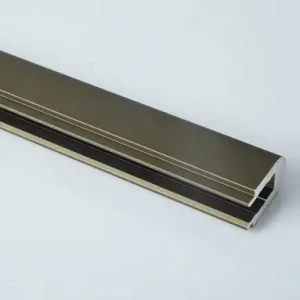
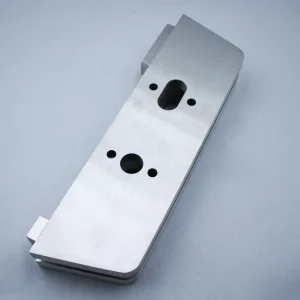
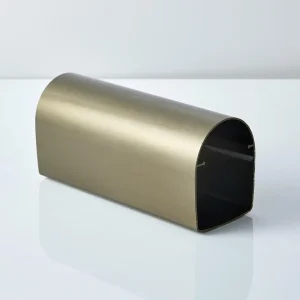
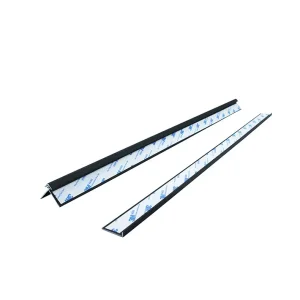
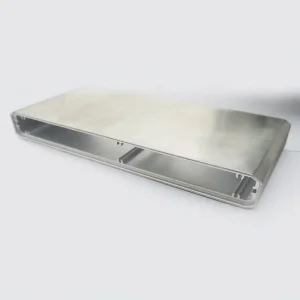
Select from our highly requested custom bent extrusions, thermal casings, and structural anodized aluminum solutions engineered for durability.
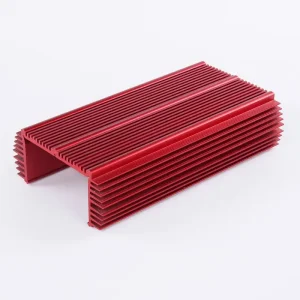
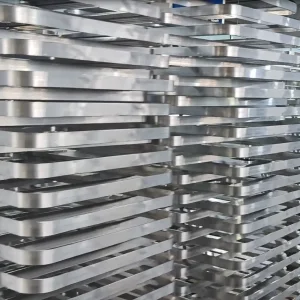
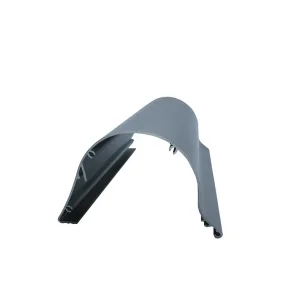
Analyzing macroeconomic demand shifts, environmental carbon thresholds, and supply line resilience across primary industrial frameworks.
Rapid photovoltaic utility integration and concentrated solar architectures depend heavily on structural frame profiles curved precisely to maximize atmospheric dynamics and track heliostatic alignment without losing mechanical load ratings.
Next-generation EV chassis systems and mass rail components demand weight optimization. High-strength 6XXX/7XXX profiles bent via low-deformation stretch bending preserve the structural strength-to-weight profile critical for vehicle passenger cells.
Contemporary green-certified architectural designs feature complex organic shapes and curtain walls. Precisely bent frames with custom multi-stage thermal breaks and bronze or silver anodization ensure structural wind-load tolerance while preventing thermal bridging.
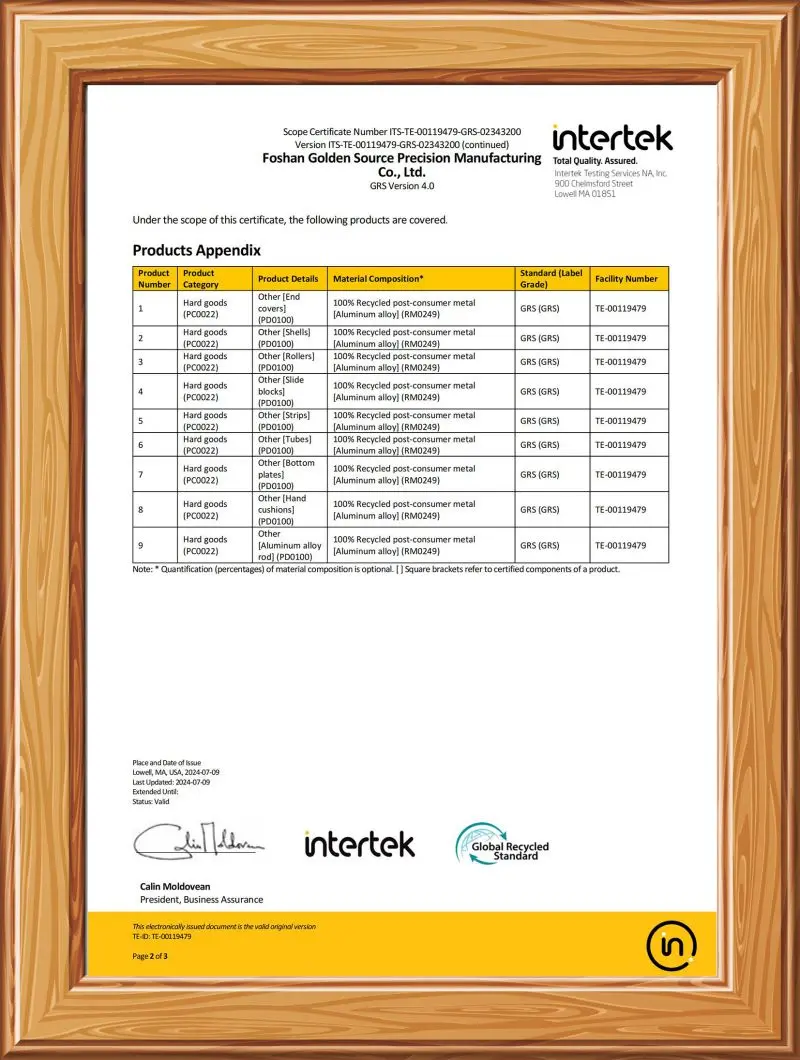
Global logistics standards require manufacturers to verify local carbon-border adjustment mechanisms (CBAM in the EU) and supply chains verified through the Global Recycled Standard (GRS). High-precision manufacturers must prove structural compliance alongside clear pricing strategies.
Achieving zero-defect bending profiles relies on understanding alloy grain alignments, thermal states, and mechanical tool setups.
When bending aluminum extrusions, the material faces complex mechanical stresses. The outer fibers undergo tensile strain, causing wall thinning and potential fracturing, while the inner radius is subject to compression, risking wrinkling and profile collapse. Managing these forces requires strict controls on alloy purity and tempering states (e.g., T5 vs. T6).
| Alloy Family | Temper State | Minimum Bend Radius | Key Applications |
|---|---|---|---|
| 6063 | T5 / T6 | 3x to 5x Profile Width | Window Frames, Door Locks, Trim |
| 6061 / 6082 | T6 | 4x to 6x Profile Width | Structural Frames, Heavy Machinery |
| 5XXX Series | O / H32 | 1.5x to 3x Profile Width | Marine Rigging, Tank Liners |
| 7XXX Series | T6 | Special Tooling Needed | Aerospace Spars, High-Impact EV Rails |
Foshan Golden Source delivers end-to-end manufacturing control, from initial casting to complex CNC post-processing and advanced surface finishes.
Established in 1991, Foshan Golden Source is a professional manufacturer of high-strength, high-precision, customized aluminum profiles and precise machining aluminum parts, welded parts, and assembled aluminum products. With a modern and environmentally friendly production base covering an area of over 73,000 square meters, the company offers a comprehensive one-stop service. This includes alloy casting, mold research & design & building, aluminum extruding, precise machining, welding, assembly, and custom surface treatments.
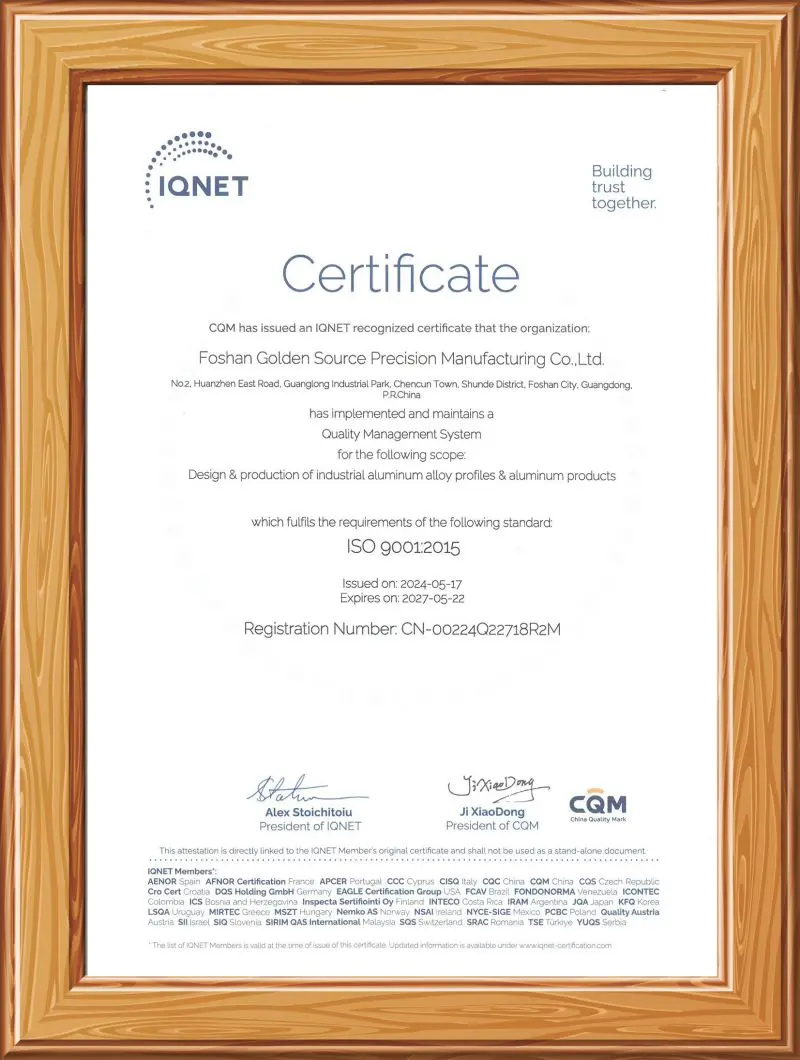
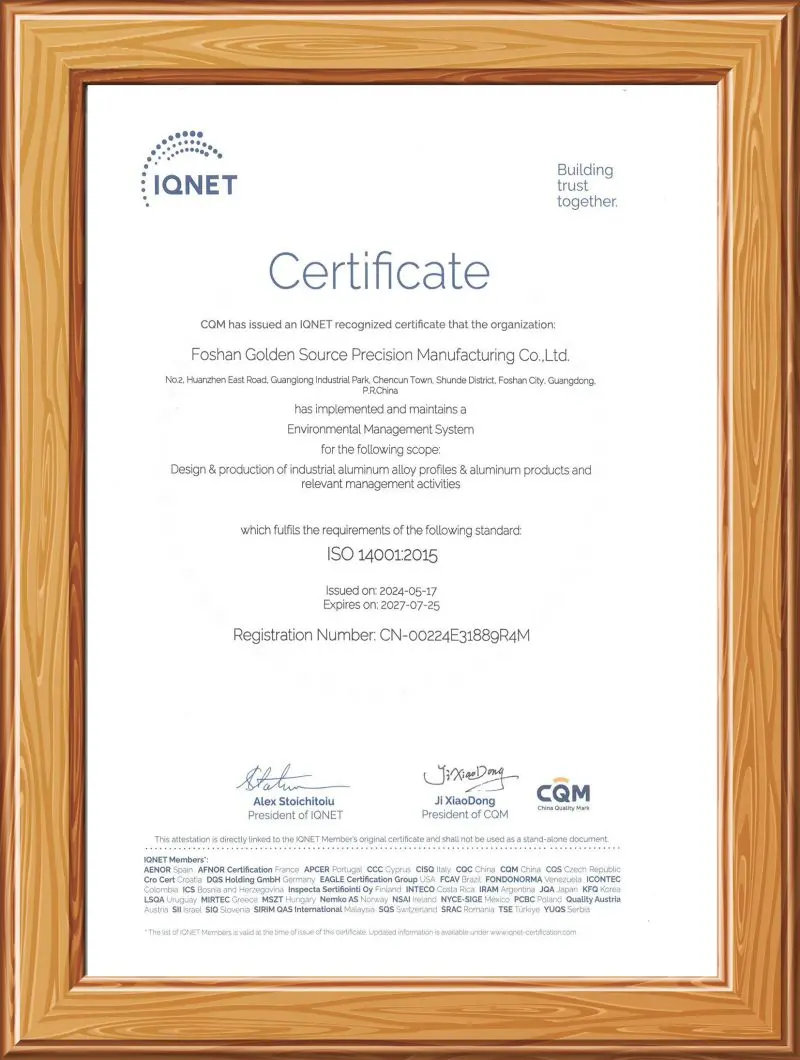
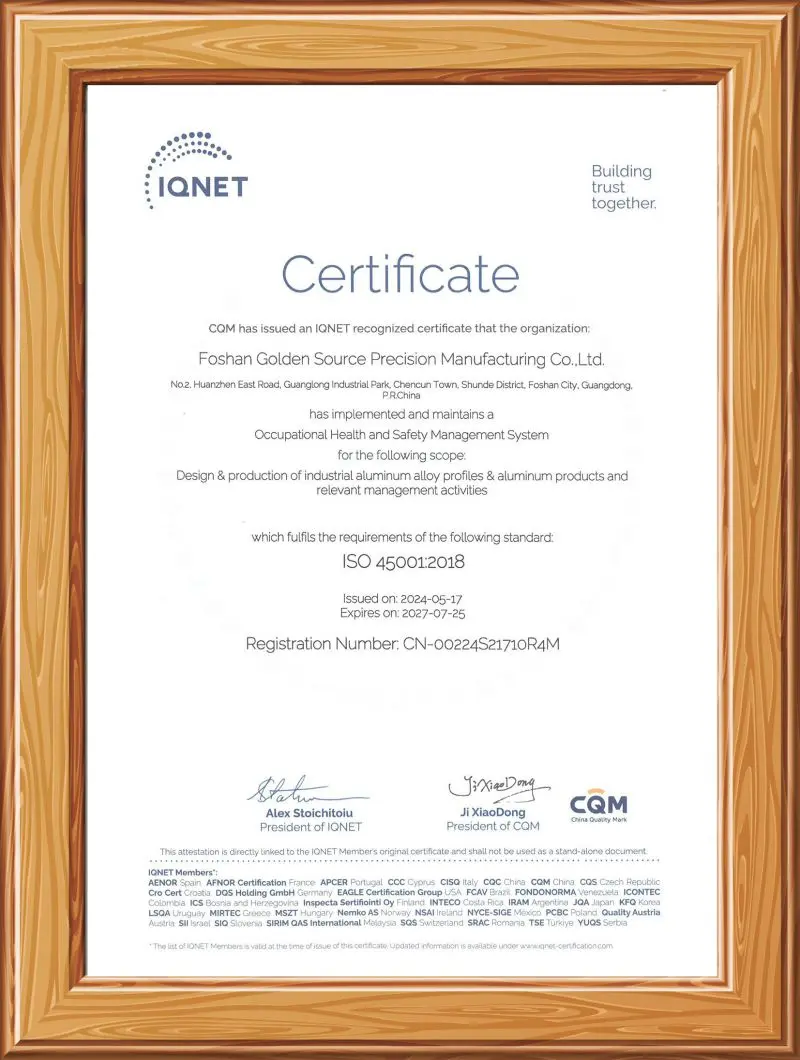
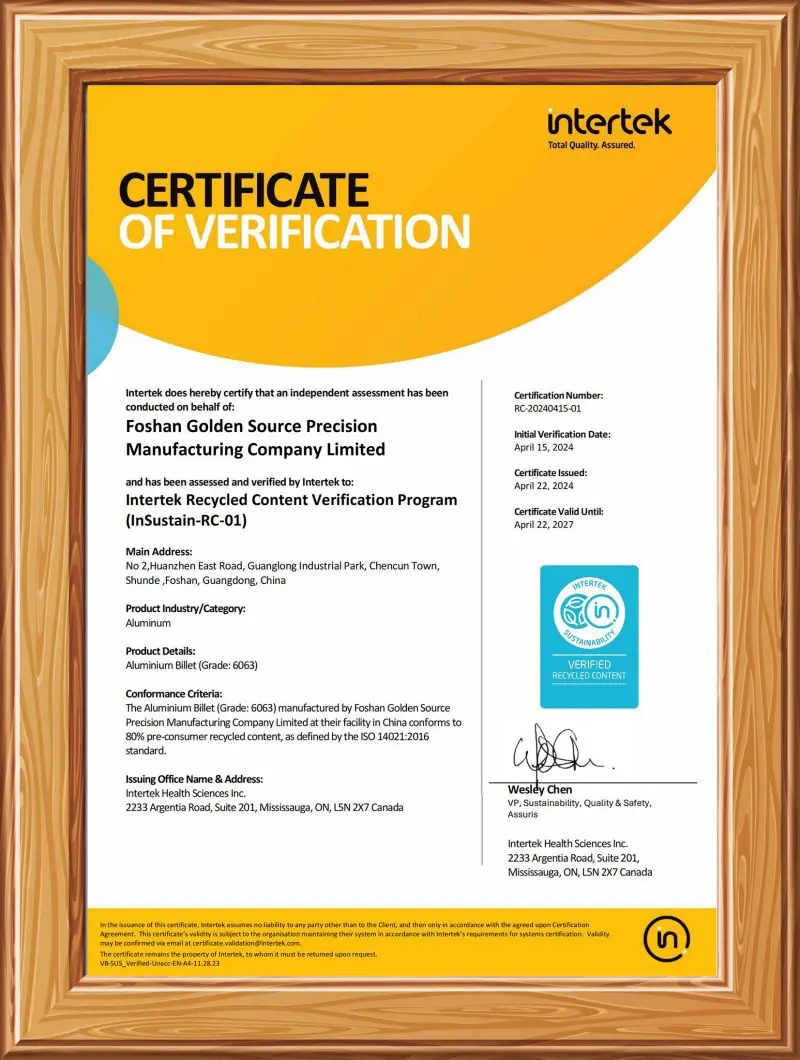
The company holds certifications such as ISO9001, ISO14001, ISO45001, RCV, and GRS, ensuring that its products comply with the strict environmental requirements of the EU’s REACH regulation. A wide range of aluminum alloy series are available, including: 1XXX, 3XXX, 5XXX, 6XXX, 7XXX alloy, which allow us to meet different demands of various industries and fields, including hardware tools, 3C products, automobile, railway, furniture, decoration, and outdoor products.
Company Catalogue Download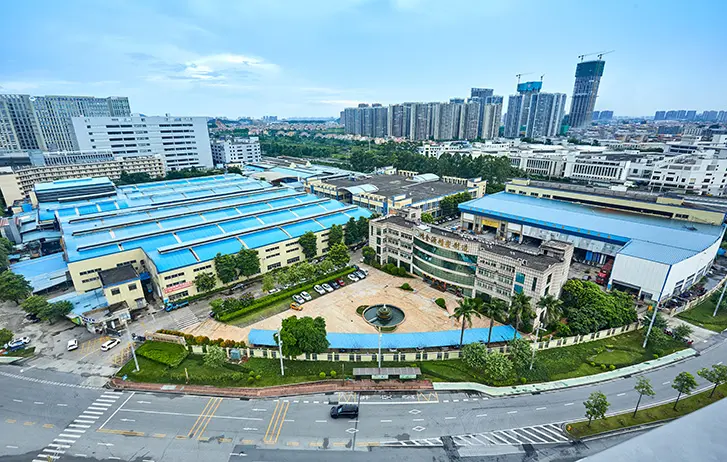
Vertically integrated processing yields tighter tolerances, structural reliability, and cost-effective volume manufacturing.
We melt the alloy in-house so that we can adjust the chemical composition to achieve the best physical properties for extrusion profiles, ensuring optimal purity of the alloy for high-quality anodizing.
Machining and surface treatments are performed in-house, enabling superior quality control and lower production costs. Even at matching price points, our processing yields superior dimensional tolerances and finishes.
Our "one-stop" manufacturing capacity eliminates third-party handling delays, providing faster delivery and clear quality tracking from raw ingot to final packaging.
Meeting international environmental regulations, raw material traceability, and industrial quality management frameworks.
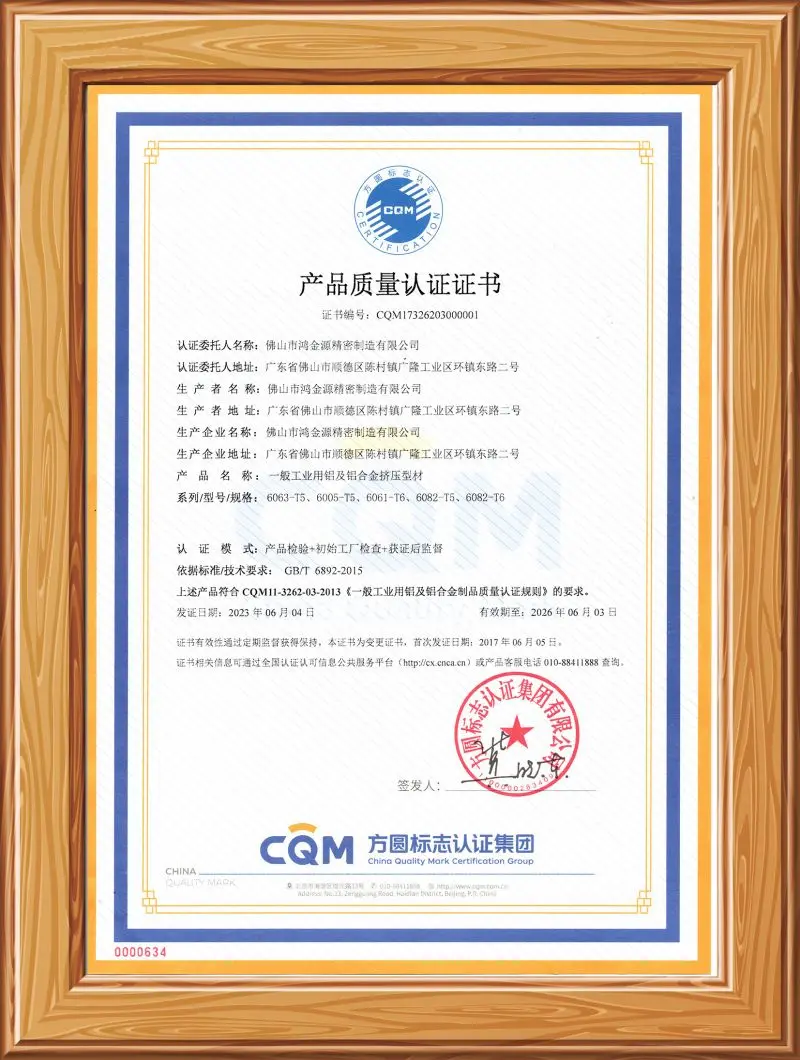
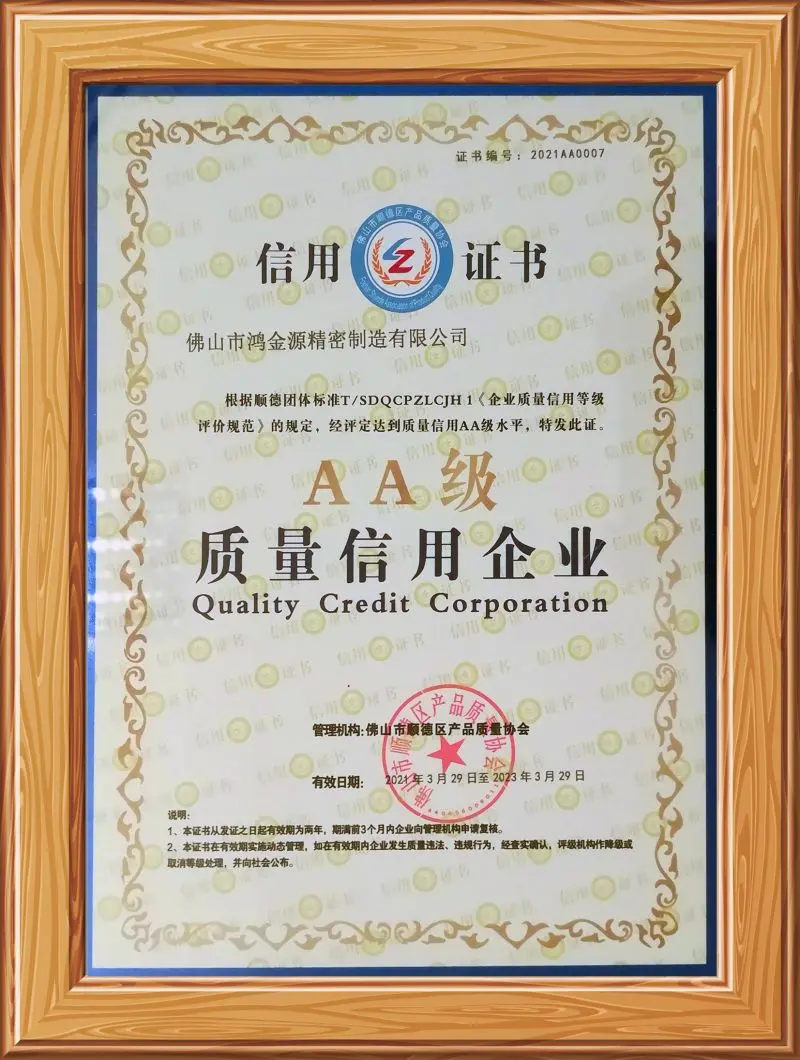
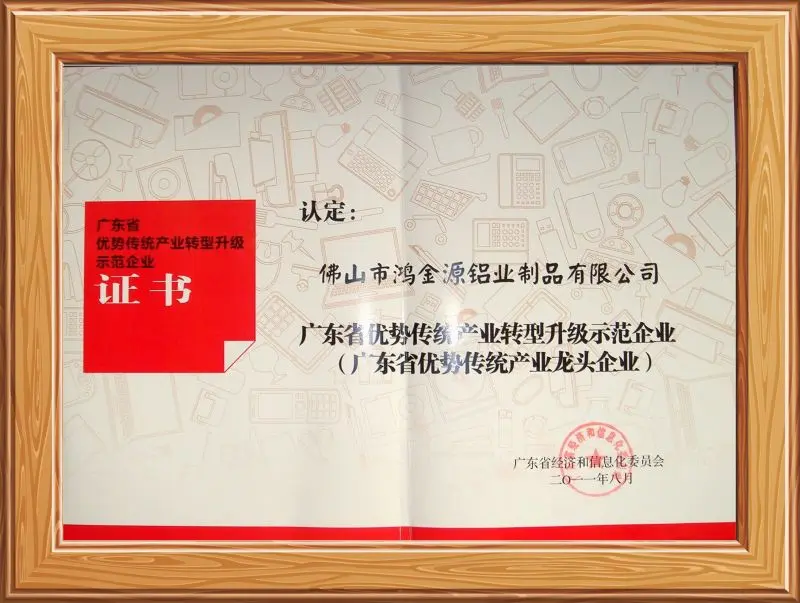
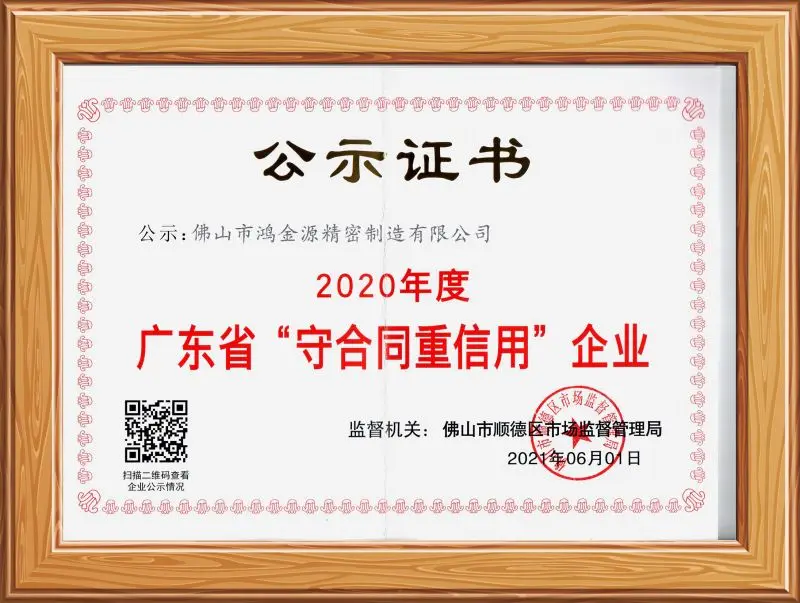
Our facility is certified under ISO9001, ISO14001, ISO45001, GRS, and RCV. GRS and RCV certifications verify our compliance with strict environmental regulations from the EU. Additionally, we have received awards, honors, and certificates for clean production, good credit, superior quality, and technical innovation from local, provincial, and central government organizations.
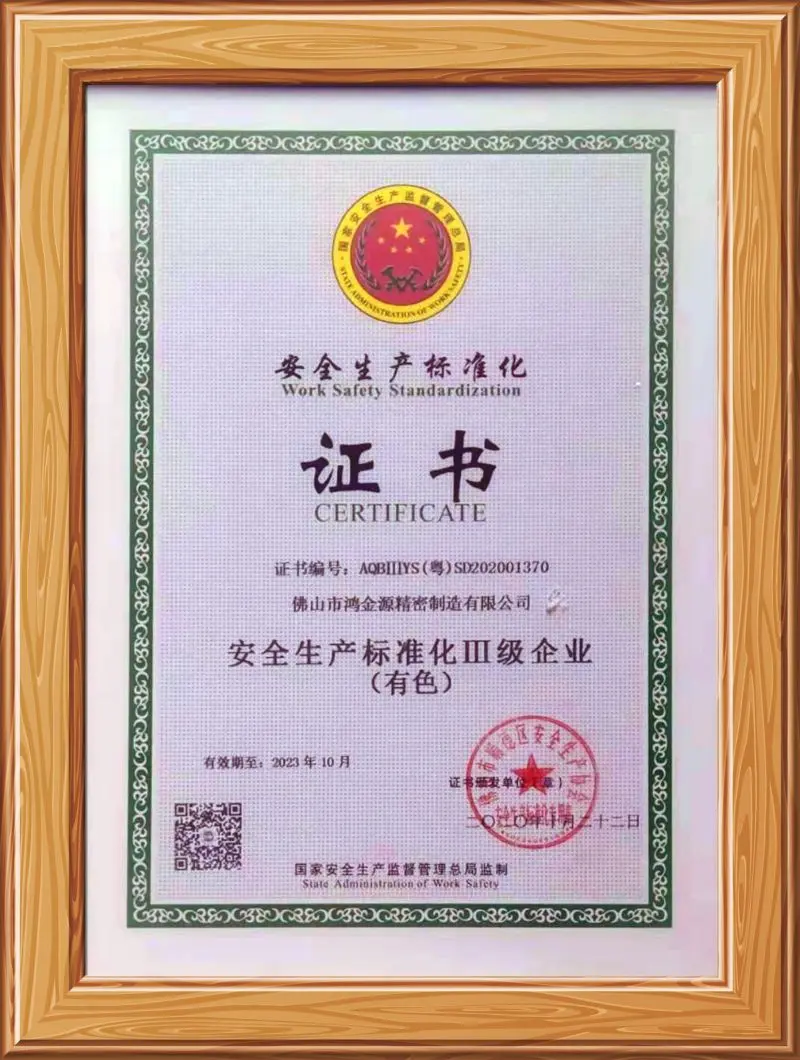
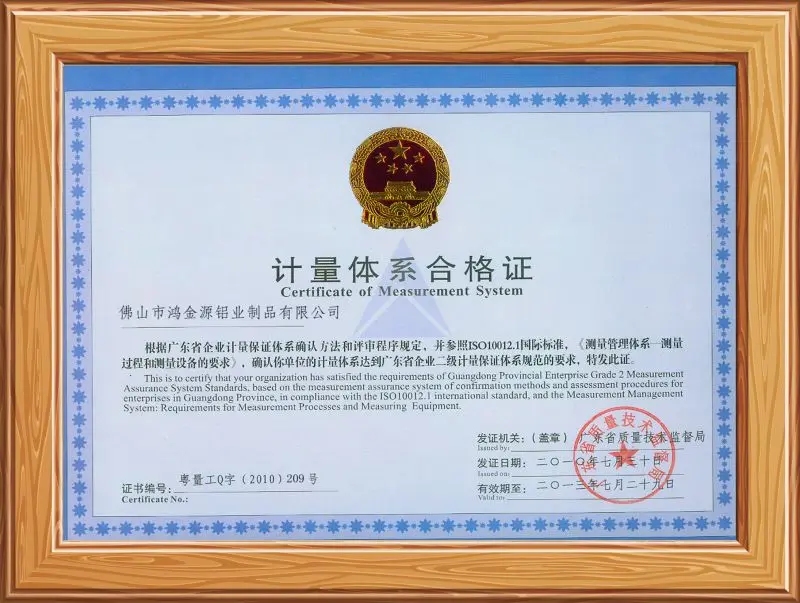
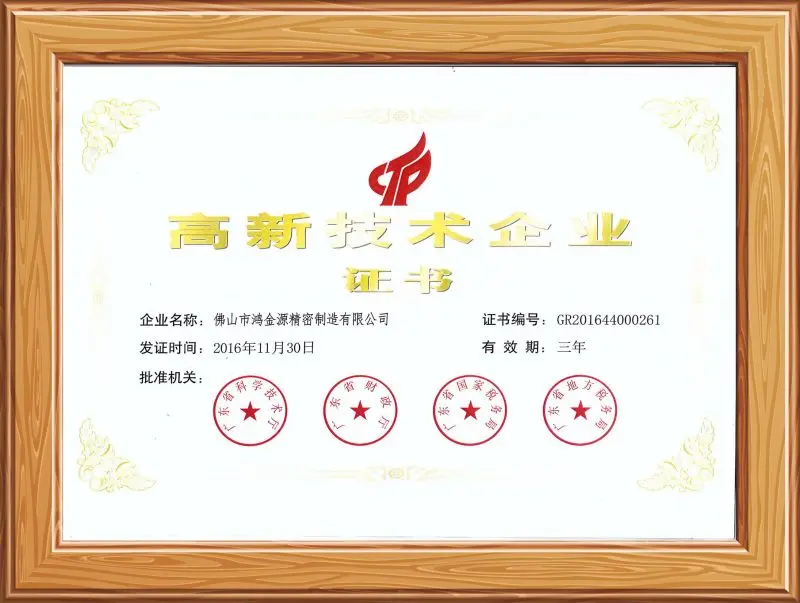
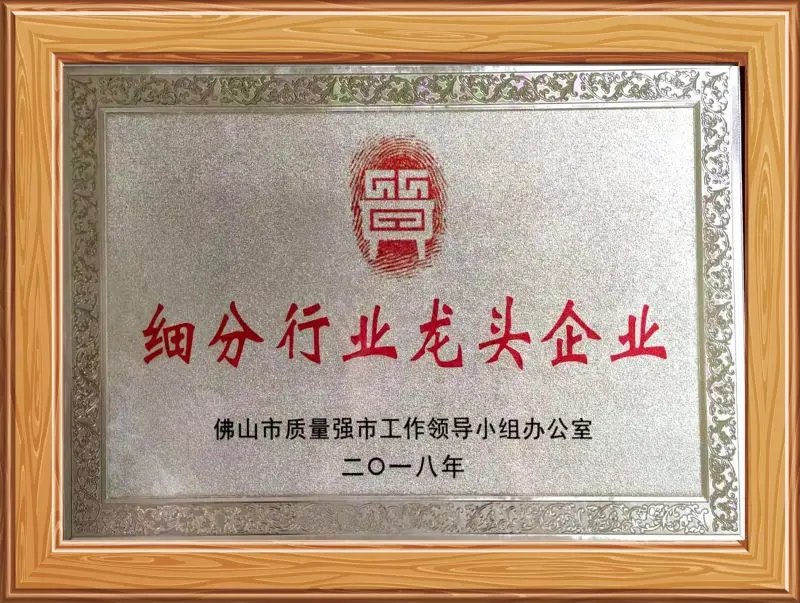
A transparent pricing structure helps procurement managers calculate tooling amortizations, material yields, and surface treatment costs.
Aluminum profile bending costs are determined by several factors rather than a flat rate. Our custom quotes transparently detail raw material indices (aligned with the London Metal Exchange), tooling complexities, bending cycles, post-bend CNC operations, and protective surface treatments.
Base pricing fluctuates with London Metal Exchange (LME) or Shanghai Futures Exchange indexes. Choosing specialized alloys like the 7XXX series adds an alloy premium compared to standard 6063 or 6061 alloys.
Complex cross-sections require specialized internal mandrels or split dies to prevent wall collapse. Tooling fees are amortized over production volumes, making larger runs more cost-effective.
Applying finishes after bending (such as sandblasting, color anodization, or powder coating) requires careful handling and racking. It is essential to choose an integrated shop that manages these steps internally to prevent damage.
Find technical answers regarding tolerances, alloy selections, and manufacturing capabilities.
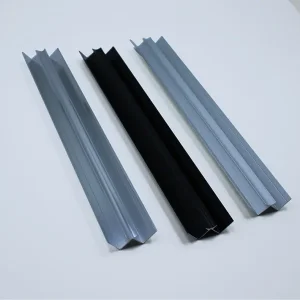
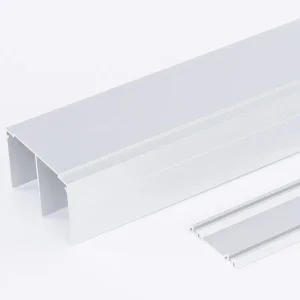
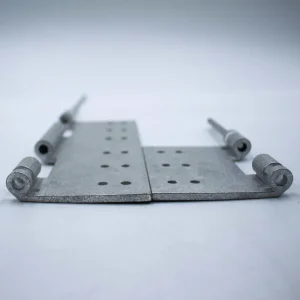
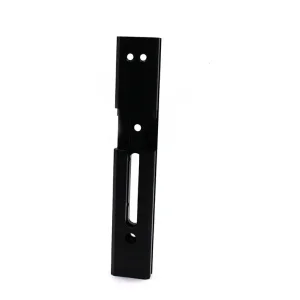
Browse additional custom components, including wardrobe guides, skylight hinges, and precision-machined housings.
 HG Precision