Choosing a Universal Roof Rack can simplify global sourcing, but convenience should never replace careful evaluation. Buyers often need one adaptable system for sedans, SUVs, vans, and changing vehicle markets. A well-designed rack may use adjustable crossbars, reinforced clamps, corrosion-resistant aluminum, and clear installation guides. These details matter when products travel through coastal warehouses, dry inland roads, or rainy distribution routes.
Experienced sourcing teams examine more than the catalog photograph. They review load ratings, fitment ranges, locking systems, packaging strength, replacement parts, and quality-control records. Factory audits can reveal whether torque testing, vibration testing, and surface inspections happen consistently. Supplier references also help confirm delivery reliability and after-sales support. However, “universal” does not mean perfect for every vehicle. Roof shapes vary. Mounting points differ. Some adapters may require extra care.
That limitation deserves attention.
A reliable supplier should explain compatibility honestly, not hide gaps behind broad marketing language. Technical drawings, sample testing, and vehicle-specific verification reduce costly mistakes. Independent testing or recognized quality certifications may provide additional confidence, depending on the target market. Importers should also check labeling, packaging, installation instructions, and local product requirements before shipment. I have found that a small sample order often reveals more than a polished presentation. It may expose loose hardware, confusing instructions, or packaging damage. Those findings are inconvenient, but useful. With practical testing, transparent communication, and measurable quality standards, a Universal Roof Rack can become a flexible sourcing solution rather than a risky shortcut.
Why Choose a Universal Roof Rack for Global Sourcing?
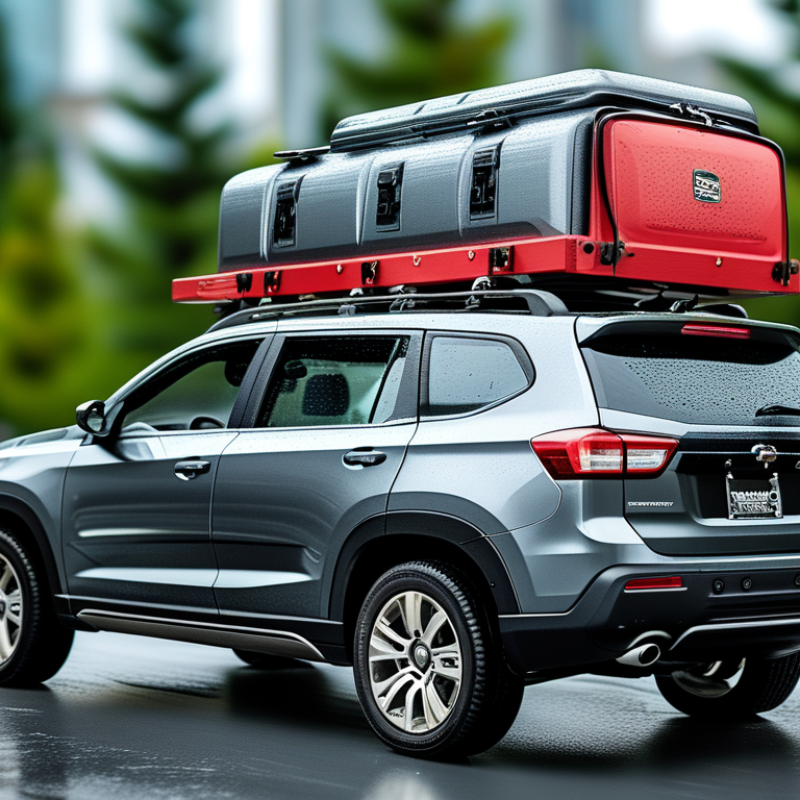
A universal roof rack is designed to fit several vehicle roof types, but “universal” never means completely identical. Compatibility depends on roof width, mounting points, door clearance, and the vehicle’s approved roof load. A reliable design usually includes adjustable crossbars, replaceable clamps, protective rubber pads, and clear measurement guides. Steel can provide strong support, while aluminum often reduces weight and corrosion concerns. Neither material is perfect.
For global sourcing, suppliers should provide verified load tests, material specifications, installation instructions, and packaging details. Testing should cover vibration, rain exposure, temperature changes, and repeated installation. The rack must remain stable without damaging painted surfaces or roof seals. Buyers should also check whether the mounting system suits bare roofs, raised rails, fixed points, or factory tracks. Small differences matter. A few millimeters can affect fit and safety.
Tips: Measure the roof before ordering. Check the vehicle manual. Confirm dynamic and static load ratings. Ask for test reports, not vague claims. Inspect clamp pressure during installation, because excessive force may bend fittings. A simple trial fit can reveal problems that drawings miss. Some suppliers may call a rack universal too early, so compatibility tables deserve careful review. In practice, a flexible design helps, but careful vehicle matching remains essential.
Why Choose a Universal Roof Rack for Global Sourcing?
Evaluating Vehicle Fit, Load Capacity, and Safety Requirements
The word “universal” can mislead buyers. A roof rack may suit many vehicles, but rarely fits every roof perfectly. Global sourcing should begin with measured vehicle data, including roof width, mounting points, rail shape, and clearance above doors. A supplier should provide fitment drawings, adjustment ranges, and clear installation instructions. Guesswork is expensive.
Load capacity needs careful separation. Dynamic load refers to driving conditions, while static load applies when the vehicle is parked. Engineers should check both values, then consider road vibration, braking, wind resistance, and uneven cargo weight. A box may seem light in a warehouse. It can create serious stress at highway speed. Practical testing should include tightening checks, noise inspection, and repeated loading cycles.
Safety depends on more than strong metal. Clamps must distribute pressure without damaging the roof. Fasteners should resist loosening, corrosion, and temperature changes. Local vehicle requirements may also differ, so documentation must support regional review. Independent testing adds credibility, but supplier records still need verification. I would request material certificates and inspection reports before placing a large order. Small inconsistencies can appear between samples and production units. That detail deserves attention.
Why Choose a Universal Roof Rack for Global Sourcing?
Material selection affects weight, corrosion resistance, and shipping cost. A 2024 Grand View Research estimate places the global automotive roof-rack market above USD 1 billion, increasing pressure on suppliers to balance price and durability. Aluminum offers lower mass and strong corrosion resistance, while steel usually provides higher stiffness at a lower purchase cost. Reinforced polymer can reduce weight further, but ultraviolet exposure and temperature cycling need careful testing. Light is not always better.
Mounting systems create another sourcing challenge. Fixed-point mounts can provide stable contact, but they require accurate vehicle compatibility data. Raised-rail systems install faster and suit many passenger vehicles. Bare-roof systems need coated clamps, protective pads, and controlled tightening force. In practical inspections, uneven clamp pressure can leave small paint marks or create movement at highway speed. That assumption is risky.
Durability should be verified through load, vibration, corrosion, and fatigue testing. SAE and ISO-based procedures can help suppliers compare results across regions, although test conditions may not represent every climate. A 2023 report from the U.S. Department of Transportation recorded that light vehicles continue carrying more outdoor equipment, increasing demand for adaptable transport accessories. Suppliers should publish static load limits, dynamic load limits, fastener materials, and replacement-part availability. Wind-tunnel data matters too. One overlooked gasket can increase noise, water entry, or customer complaints. Personally, I would request third-party test records before accepting a low-cost universal design. The cheapest sample often hides the most expensive revision.
Comparing Materials, Mounting Systems, and Product Durability
Representative room-temperature engineering values for commonly specified material grades. Actual properties vary by temper, product form, thickness, and applicable standard.
Managing global sourcing requires more than selecting a rack that fits several vehicles. A universal roof rack should support different roof shapes, mounting points, load ratings, and transport conditions. In sourcing projects, I have found that small measurement errors can create costly delays. A rack may fit during a warehouse test but fail after vibration, rain, or repeated installation. Real-world testing matters.
Suppliers should provide clear drawings, material details, load test results, and installation instructions. These documents help purchasing teams compare offers without relying on vague claims. Regional standards may also differ, so compliance checks should happen before production begins.
Packaging deserves attention too. Long-distance shipping can expose components to moisture, impact, and temperature changes. A protective coating may help, but it should not replace proper packaging design. A universal product is rarely perfectly universal.
Tips:
Confirm vehicle compatibility with measured dimensions. Request sample units before placing large orders. Review fasteners, locks, rubber pads, and spare parts separately. Keep inspection records for every shipment.
Supply chain reliability depends on communication and realistic planning. A backup supplier can reduce risk, but switching suppliers may change tolerances or materials. That detail is easy to overlook. Buyers should define acceptable variations, inspection points, and delivery responsibilities in writing. Honest feedback from installers can reveal problems that laboratory testing misses, especially when tools, weather, or user experience vary across markets.
A universal roof rack can serve different vehicle models, reducing inventory pressure for international distributors. However, the supplier matters more than the word “universal.” An experienced supplier should explain fit limitations clearly, not promise compatibility with every vehicle. Mounting points, roof width, load rating, and crossbar spacing require careful checking.
Ask for material specifications, dimensional drawings, and independent test records. Aluminum may reduce weight, while reinforced steel can provide stronger support. The choice depends on cargo needs, corrosion conditions, and transport costs. Request samples before placing a large order. Test the rack on several vehicle types, including vehicles with narrow roofs and unusual rails. Small gaps can create movement, noise, or water entry.
Details reveal reliability. Check welding consistency, coating thickness, rubber pad quality, and fastener packaging. Packaging should protect corners during long sea transport. The supplier should also provide installation instructions in clear English and respond quickly to technical questions. That sounds basic. It is not always basic.
A dependable partner should maintain stable production records, traceable inspections, and consistent batch quality. Verify factory capacity through an audit or a live production video. Ask how defects are handled, not only how they are prevented. I have seen attractive samples fail because later batches used thinner tubing. This is an easy mistake to miss. Pricing deserves the same caution: the cheapest offer may exclude testing, packaging upgrades, or replacement parts. A supplier willing to discuss weaknesses is often more trustworthy than one offering perfect answers.
No. It usually fits several vehicle types, not every roof perfectly. Measure roof width, mounting points, rail shape, and door clearance. Guessing is costly.
Request measured dimensions, fitment drawings, adjustment ranges, and mounting instructions. Check whether doors open without touching clamps or pads. A warehouse fit is not enough.
Separate dynamic load from static load. Dynamic capacity applies while driving, while static capacity applies when parked. Consider braking, vibration, wind, and uneven cargo weight. Test it twice.
Highway wind increases resistance and movement. A light box can pull against clamps during braking or uneven roads. Weight alone does not show the full load.
Aluminum reduces weight and resists corrosion. Steel often offers greater stiffness at a lower purchase cost. Reinforced polymer can be lighter, but ultraviolet and temperature testing remain important. Light is not always better.
Check clamp pressure, protective pads, fasteners, locks, and tightening instructions. Uneven pressure may mark paint or cause movement. Noise matters. Bare-roof systems need controlled tightening.
Request load, vibration, corrosion, fatigue, and repeated-installation test results. Wind testing can reveal noise or water-entry problems. Test conditions may not represent every climate, so review them carefully.
Ask for material certificates, inspection reports, load limits, installation drawings, and replacement-part information. Independent test records add confidence. Supplier records still require verification.
Approve sample units before mass production and define acceptable variations in writing. Inspect packaging against moisture, impact, and temperature risks. Keep records for every shipment. Small changes can cause expensive delays.
A Universal Roof Rack is a practical solution for businesses and buyers seeking flexible cargo transportation across different vehicle models and international markets. Its adaptable design should support a wide range of roof configurations while maintaining secure installation and dependable performance. Before selection, buyers should evaluate vehicle compatibility, maximum load capacity, weight distribution, and safety requirements to ensure reliable use in varied driving conditions.
Material choice, mounting systems, corrosion resistance, and overall durability are also essential factors when comparing products. For global sourcing, attention should be given to product standards, packaging, documentation, production consistency, lead times, and supply chain stability. A reliable supplier should provide clear technical specifications, quality control procedures, customization support, and responsive communication. By balancing compatibility, safety, durability, and sourcing capabilities, purchasers can select a Universal Roof Rack that delivers long-term value and meets the practical needs of international customers.

HG Precision