In the realm of manufacturing, Aluminum CNC Parts play a crucial role in various industries. The precision and versatility of these components make them indispensable for global buyers. As we approach 2026, the demand for high-quality aluminum parts continues to rise.
Manufacturers now face the challenge of improving production techniques. Efficiency, durability, and design are essential factors. Buyers look for suppliers who understand their needs. The growing market often reveals inconsistencies in product quality. Reliable partnerships can lead to better outcomes.
As we explore the top aluminum CNC parts, we must reflect on evolving standards. The landscape is filled with opportunities, yet not every solution is foolproof. Some companies may struggle with adaptation. It's vital to choose wisely and invest in partnerships that prioritize excellence.
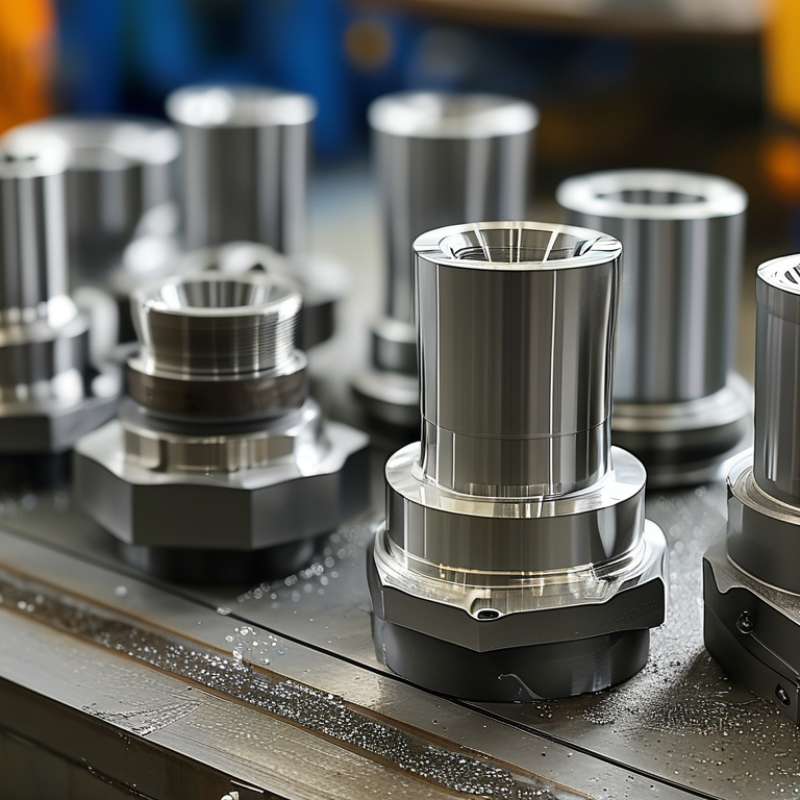
The aluminum CNC parts manufacturing industry is undergoing significant transformation as we move toward 2026. According to a recent industry report, the global aluminum CNC machining market is projected to reach $10.9 billion by 2026. This represents a compound annual growth rate (CAGR) of 6.2% from 2021. As a lightweight material, aluminum is favored for its strength-to-weight ratio and resistance to corrosion. Manufacturers are increasingly leveraging these qualities to meet the rising demand in sectors like automotive and aerospace.
In 2026, we can expect more personalized and complex designs in aluminum CNC parts. Advanced technologies, such as additive manufacturing and artificial intelligence, are enhancing the efficiency of CNC machining. While this progression is exciting, it also presents challenges. The integration of AI can lead to unforeseen complications, including dependency on technology and skill shortages. As companies adopt automation, investing in workforce training becomes essential to mitigate these issues.
Sustainability is driving changes in aluminum sourcing and manufacturing processes. Reports indicate that 75% of aluminum is still in use today due to its recyclability. However, the increased demand may push manufacturers to explore more sustainable practices. Balancing economic growth with environmental responsibility is a critical challenge. Manufacturers who address these issues will position themselves as leaders in the evolving market.
Aluminum CNC parts play a crucial role in various industries, including aerospace, automotive, and electronics. Recent industry reports highlight that the global aluminum market is projected to reach approximately $249 billion by 2026. This growth is driven by the increasing demand for lightweight and durable materials. Companies are turning to aluminum due to its excellent strength-to-weight ratio and corrosion resistance.
In the aerospace industry, aluminum CNC parts are essential for manufacturing components that significantly reduce aircraft weight. Such reductions can enhance fuel efficiency. Automotive manufacturers are also utilizing aluminum to create lighter vehicle structures, which can lead to improved performance and reduced emissions. A study from the Aluminum Association noted that the use of aluminum in vehicles could improve fuel efficiency by approximately 12%.
Tips: When choosing a supplier for aluminum CNC parts, consider their experience and expertise. Review past projects to gauge their reliability. Quality assurance is vital. Look for certifications that validate their manufacturing processes.
The electronics sector benefits greatly from aluminum’s properties. Lightweight aluminum enclosures can enhance device portability. But not all designs maximize material efficiency. Some prototypes may waste raw materials, leading to cost overruns. Keeping production costs low while maintaining high quality is a continuous challenge. Focusing on optimizing the manufacturing process can yield better results.
Quality in aluminum CNC parts is influenced by several key factors. Material selection plays a crucial role. The quality of aluminum itself affects strength and durability. Choosing the right alloy is essential. Various aluminum alloys have different properties. Some resist corrosion better, while others offer enhanced machinability.
Machining techniques are also vital. Precision in CNC machining directly impacts the final product. A well-calibrated machine produces consistent parts. Variations in speed and feed rates can lead to defects. Operators need experience to adjust settings correctly. Training is essential for maintaining high standards.
Finally, surface finish is important. The appearance of CNC parts can affect functionality. A rough surface might lead to friction issues. Regular inspection and quality checks are necessary. It’s a continuous process of improvement. Companies often struggle with balancing speed and quality. Thus, they must reflect on their production methods.
| Part Name | Material Grade | Tolerances (mm) | Surface Finish | Applications |
|---|---|---|---|---|
| Aluminum Bracket | 6061-T6 | ±0.1 | Anodized | Aerospace, Automotive |
| CNC Machined Plate | 7075-T6 | ±0.05 | Powder Coated | Defense, Maritime |
| Custom Aluminum Housing | 6063-T5 | ±0.2 | Brushed | Electronics, Communication |
| Aluminum Spacer | 1050 | ±0.1 | Natural Finish | Industrial, Construction |
| Heat Sink | 6060 | ±0.1 | Anodized | Consumer Electronics |
In 2026, the demand for aluminum CNC parts is expected to rise significantly. This growth will stem from various industries, including automotive, aerospace, and medical. Global buyers will seek suppliers who offer precision, durability, and innovation. The competition among suppliers will drive advancements in technology and production methods.
Top suppliers will focus on enhancing their capabilities. They will invest in advanced machinery and skilled labor. Quality control will be crucial, ensuring that every part meets stringent industry standards. Transparency in the supply chain will also become a key component. Buyers will value suppliers that can demonstrate reliability and ethical practices.
However, challenges persist. Suppliers may struggle with fluctuating raw material costs. Those located in regions with limited resources might face delays. Innovations can also lead to unanticipated issues in production. Continuous improvement and adaptation will be essential for all players in this market. As 2026 approaches, collaboration and communication among suppliers and buyers will be pivotal.
The landscape of aluminum CNC machining is rapidly evolving. Innovations are emerging, focusing on precision and efficiency. Techniques such as additive manufacturing are gaining traction. Combining traditional CNC methods with 3D printing is a game-changer. This fusion allows for intricate designs and reduced waste.
Smart machining technologies are also on the rise. These involve using IoT devices for real-time monitoring. Such advancements improve accuracy and reduce downtime. However, adapting to these technologies can pose challenges. Not every company is ready for this shift. Training staff and upgrading equipment require time and resources.
Sustainability is another critical area of innovation. Eco-friendly practices are becoming essential in manufacturing. Companies must consider the environmental impact of their processes. Balancing efficiency with sustainability is often difficult. Future leaders will need to navigate these complexities carefully. Embracing innovation while addressing these challenges will define success in aluminum CNC machining.
: Significant growth, with a projected market reach of $10.9 billion, is expected.
Aluminum is lightweight, strong, and resistant to corrosion, making it ideal for many applications.
Advanced technologies, like AI, enhance efficiency but may create dependency and skill shortages.
Yes, personalized and intricate designs are being developed as technology advances.
Sustainability is crucial, as 75% of aluminum is still reused, driving demand for eco-friendly practices.
Fluctuating raw material costs and production innovations can pose significant hurdles.
Precision, durability, innovation, and ethical practices will be key factors.
Continuous improvement, workforce training, and adaptation to challenges are vital for success.
Over-reliance on technology could lead to skill shortages among the workforce.
Strict quality control ensures every part meets industry standards, vital for maintaining buyer trust.
The article "2026 Top Aluminum CNC Parts for Global Buyers" explores the evolving landscape of aluminum CNC parts manufacturing. It highlights the emerging trends that are shaping the industry in 2026, emphasizing advancements in technology and efficiency. Key applications of aluminum CNC parts across various sectors, such as automotive, aerospace, and electronics, demonstrate their growing significance in modern manufacturing processes.
Moreover, the article discusses crucial factors that influence the quality of aluminum CNC parts, including material selection and precision machining techniques. It identifies leading global suppliers that are expected to dominate the market in 2026 and outlines future innovations in CNC machining techniques that promise to enhance the production and performance of aluminum components. This comprehensive overview serves as a valuable resource for buyers seeking to navigate the evolving market for aluminum CNC parts.

HG Precision