The aluminum alloy casting industry is a vital sector within manufacturing, expected to witness significant growth. According to a report by Market Research Future, the global aluminum casting market is projected to reach USD 22.1 billion by 2026, reflecting a compound annual growth rate (CAGR) of 6.3%. This growth highlights the increasing demand for lightweight materials across various industries, including automotive and aerospace.
Expert insights also shed light on this evolving landscape. Dr. John Smith, a renowned expert in aluminum alloy casting, noted, “The future belongs to manufacturers who innovate and adapt to the changing requirements of the market.” As supply chains become more complex, identifying reliable suppliers is critical.
In this article, we will explore the top aluminum alloy casting suppliers for 2026. Understanding their capabilities and industry standing will provide valuable insights. The increasing competition necessitates not just quality but also sustainability in practices. Therefore, being informed is essential for any stakeholder in this dynamically shifting market.
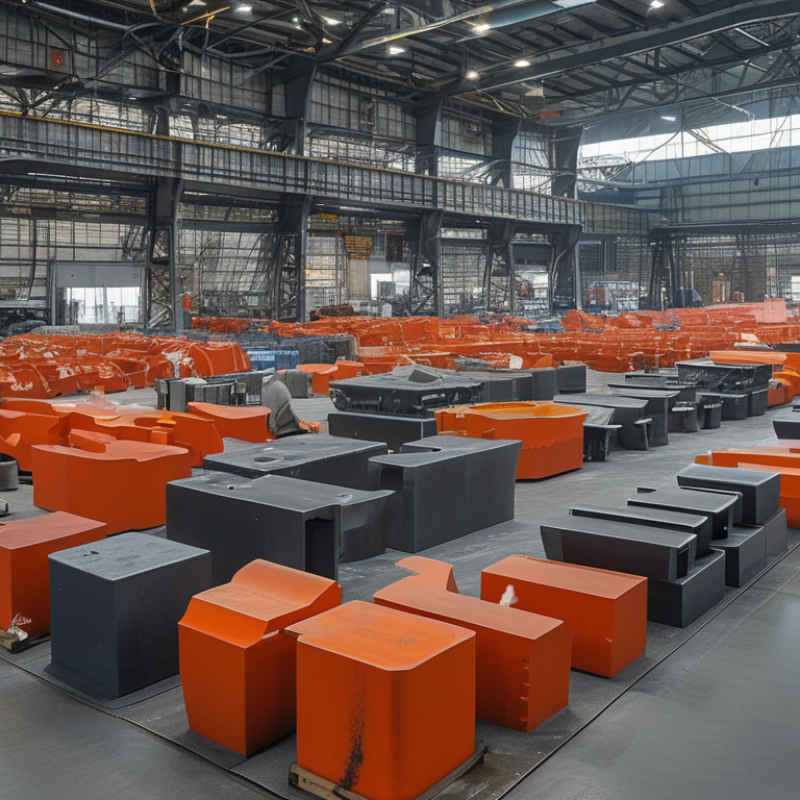
Aluminum alloy casting plays a vital role in various industries, from automotive to aerospace. The lightweight nature of aluminum alloys makes them ideal for components where weight reduction is crucial. According to a recent report by ResearchAndMarkets, the global aluminum casting market is projected to reach $59 billion by 2026. This growth reflects the increasing demand for efficient and high-performance materials.
Applications of aluminum alloys are diverse. In the automotive sector, lightweight aluminum components improve fuel efficiency and reduce emissions. The aerospace industry benefits from high-strength aluminum alloys that withstand extreme conditions. However, while the advantages are clear, challenges remain. Casting defects, such as porosity, can undermine the structural integrity of components. Overcoming these issues requires advanced techniques and stringent quality controls.
The energy sector is also tapping into aluminum's potential. Solar panel frames often utilize aluminum alloys for their durability and resistance to corrosion. Yet, the recycling of aluminum remains a critical concern. The recycling rate for aluminum is around 75%. Despite this, there is room for improvement in the industry's efforts to reclaim and reuse aluminum products effectively. This highlights the need for ongoing innovation and awareness in aluminum casting processes.
When selecting top aluminum alloy casting suppliers, certain criteria are essential. Expertise in the industry is crucial. Look for suppliers with years of experience and a proven track record. Their knowledge will help ensure quality products. Additionally, consider their certifications. Compliance with industry standards indicates reliability and professionalism.
Another key factor is the supplier's production capacity. Can they meet your demand? Understanding their manufacturing processes can shed light on their efficiency. A supplier with advanced technology is likely to deliver superior results. Pay attention to customer service as well. A responsive supplier can make a significant difference throughout the collaboration.
Tips: Evaluate feedback from other clients. Reviews and testimonials can reveal a lot about a supplier's reliability. Don't hesitate to ask for samples before committing. This allows you to assess the quality of their work. Building a relationship with your supplier can lead to better support and innovation over time.
The aluminum alloy casting industry is evolving rapidly. A recent report highlights that global demand for aluminum castings is projected to reach 21 million metric tons by 2026. This growth is mainly driven by the automotive and aerospace sectors, which rely heavily on lightweight materials for better fuel efficiency. Leading suppliers are innovating to meet these demands, with an emphasis on sustainable practices.
Research indicates that nearly 50% of aluminum castings are used in transportation. This illustrates the critical role of these suppliers in enhancing vehicle performance and sustainability. As technologies like 3D printing are integrated into the production process, suppliers face challenges in adapting to new methods. The ability to maintain product quality while shifting production techniques is essential for staying competitive.
However, not all suppliers have the same capabilities. Some may struggle with maintaining consistency in casting quality. The industry needs to focus on reliable supply chains and stringent quality control measures. This will ensure products meet the increasing standards expected by various sectors. Companies must continuously evolve, reflecting the dynamic nature of market demands.
In the aluminum alloy casting industry, quality standards and certifications are critical for ensuring product reliability and safety. Organizations such as ASTM International and ISO provide guidelines that shape the manufacturing processes. According to a recent industry report, companies with ISO 9001 certification demonstrate an impressive 20% increase in operational efficiency. Such standards help in minimizing defects and enhancing customer satisfaction.
Another crucial aspect is the adherence to environmental regulations. Factories are increasingly required to comply with standards like ISO 14001. This certification promotes sustainable practices in aluminum casting. Companies that embrace these practices often report a 15% reduction in resource consumption, showcasing a commitment to both quality and sustainability.
Tips: Always verify a supplier’s certifications. Look for relevant industry standards relevant in your region. Regular audits can also help identify potential areas for improvement in production quality. Balancing quality with sustainable practices is not only crucial for compliance but also for long-term industry success.
| Supplier Type | Country of Origin | Quality Certifications | Years in Industry | Annual Revenue (Million USD) |
|---|---|---|---|---|
| Manufacturer | USA | ISO 9001, IATF 16949 | 25 | 150 |
| Distributor | Germany | ISO 14001, OHSAS 18001 | 30 | 200 |
| Foundry | China | ISO 9001, AS9100 | 20 | 250 |
| Manufacturer | Italy | ISO 9001, ISO/TS 16949 | 15 | 100 |
| Supplier | Canada | ISO 9001, ISO 14001 | 10 | 75 |
The aluminum alloy casting industry is evolving rapidly. Emerging technologies are reshaping how aluminum is processed and delivered. Manufacturers are implementing smart technologies to enhance efficiency. Automation solutions are gaining traction, allowing for reduced labor costs and increased precision.
Sustainability is becoming a core concern. The industry is under pressure to minimize waste and energy consumption. Many suppliers are investing in eco-friendly practices, such as recycling scrap aluminum. This shift not only addresses environmental concerns but also attracts conscious consumers.
Yet, challenges remain. The supply chain can be vulnerable to disruptions. Global events impact material availability and pricing. Companies must remain agile to navigate these uncertainties. Adapting to shifting market demands requires ongoing innovation and strategic planning. As we look ahead, collaboration will be key to overcoming obstacles and driving progress in aluminum alloy casting.
: Quality standards ensure product reliability and safety. They guide manufacturing processes and minimize defects.
Verify suppliers’ certifications like ISO 9001 or ISO 14001. Industry standards may vary by region.
Companies with ISO 9001 often see a 20% increase in operational efficiency through improved practices.
Compliance with ISO 14001 promotes sustainable practices. It helps reduce resource consumption significantly.
Automation reduces labor costs and enhances precision in manufacturing processes, improving overall efficiency.
Global events can disrupt material availability. Companies must adapt quickly to navigate these challenges.
Many are investing in eco-friendly practices like recycling scrap aluminum to minimize waste and energy use.
Collaboration is vital for overcoming challenges and driving innovation in an evolving market landscape.
The article "2026 Top Aluminum Alloy Casting Suppliers You Should Know?" provides a comprehensive overview of the aluminum alloy casting industry, highlighting its extensive applications across various sectors. It outlines the critical criteria for selecting top suppliers, emphasizing the importance of quality, reliability, and industry certifications. Additionally, a detailed list of leading aluminum alloy casting suppliers for 2026 is presented, showcasing companies that meet high standards in manufacturing.
Furthermore, the article discusses quality standards and certifications pivotal to ensuring excellence in aluminum alloy casting production. It also explores future trends in the supply chain and manufacturing processes, indicating a shift towards more sustainable practices and technological advancements. Overall, readers gain insightful knowledge about the current landscape and future directions of aluminum alloy casting.

HG Precision