In today’s manufacturing landscape, sourcing CNC aluminum machining parts presents both opportunities and challenges. The global CNC machining market was valued at approximately $63 billion in 2021 and is expected to grow steadily. This growth reflects the increasing demand for precision-engineered components across various industries. Understanding the intricacies of this market is crucial for effective sourcing.
One key consideration is supplier reliability. A report by ResearchAndMarkets shows that 75% of manufacturers prioritize quality and timely delivery. This reveals that not all suppliers maintain high standards. It's vital to vet potential partners who can consistently meet specifications. Exploring customer feedback and production capabilities helps identify reliable suppliers in the sea of options.
Another factor is cost management. While CNC aluminum machining parts can be affordable, hidden costs may arise. Factors like material waste, shipping, and quality control can add up. A meticulous approach to budgeting can prevent overspending. Investing time to negotiate pricing and terms with suppliers often yields better overall value. As the market evolves, remaining flexible and informed is essential for successful sourcing.
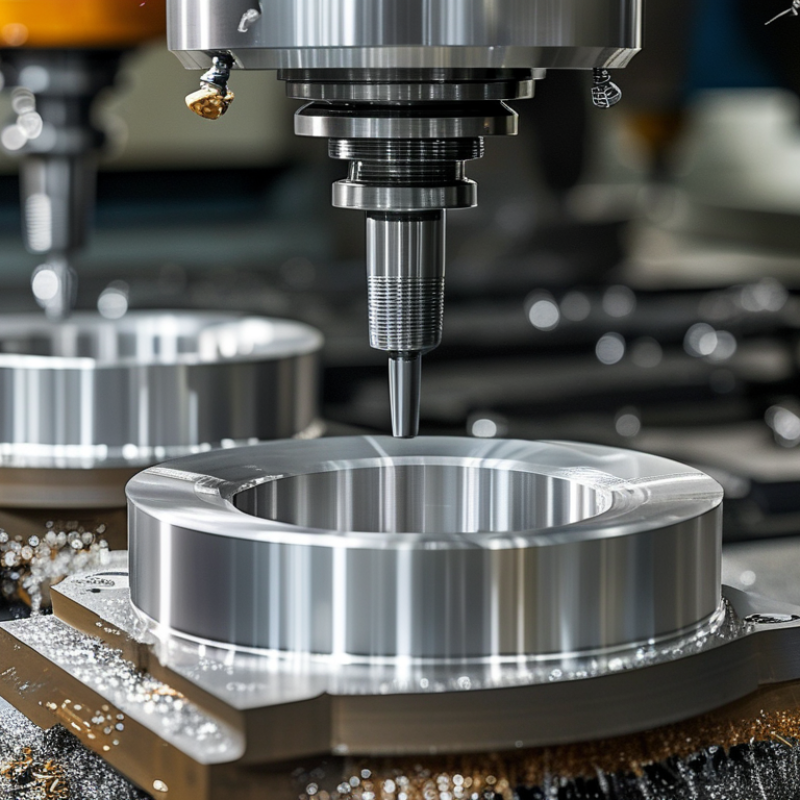
CNC aluminum machining is a precise process used in modern manufacturing. It involves using computer-controlled machines to shape aluminum parts with high accuracy. The technology allows for intricate designs and tight tolerances, making it essential in industries like aerospace and automotive.
Understanding the key aspects of this process can improve sourcing strategies. For instance, not all aluminum materials are the same. Different grades offer various mechanical properties, impacting durability and weight. The choice of tooling is also crucial. High-speed steel and carbide tools perform differently based on the design complexity. Small details like coolant types can influence the finish of the machined part.
Yet, challenges can arise. Not every CNC shop replicates designs perfectly. Ensure to review samples before bulk orders. Sometimes, the lead time can be underestimated. This could delay production schedules, so communication is vital. Sourcing CNC aluminum machining parts is not merely about cost. It requires thorough understanding and careful planning to achieve the desired results.
When sourcing CNC machined parts, several key factors come into play. The material you choose is crucial.
Aluminum is popular for its lightweight and durability. However, not all aluminum is the same. Various grades can affect the performance of the final product. Understanding these nuances requires expertise and careful consideration.
Next, precision is vital in CNC machining. The dimensions need to meet specific tolerances. Any deviation can lead to improper fit and function. This highlights the importance of quality control measures. A reliable supplier will emphasize rigorous inspection processes.
They will use advanced technology to ensure accuracy, proving their commitment to excellence.
Communication plays a significant role as well. Clearly articulating your needs and expectations is essential. A good supplier will ask questions. They should seek to understand your project in depth. If misunderstandings arise, the outcome may not meet your standards. Adjustments may be necessary, reflecting the importance of establishing a collaborative relationship early on.
Identifying reliable suppliers for CNC aluminum machining is crucial for any manufacturing operation. The global CNC machining market is expected to grow significantly, reaching USD 100 billion by 2025. This surge emphasizes the need for well-qualified partners. A reliable supplier can determine project success, ensuring quality and timely delivery.
When assessing suppliers, consider their certifications and experience. A supplier with ISO 9001 certification demonstrates adherence to quality management standards. It's also beneficial to evaluate their previous projects. Reviews and case studies can reveal their specialized expertise and reliability. Surveys indicate that 70% of companies prioritize supplier transparency in their decision-making.
Tips: Always ask for samples. This offers insight into the supplier's output quality. Discuss production capabilities in detail. Ensure they can meet your specific requirements. Short lead times may indicate confidence but can also lead to shortcuts. Verify their machinery and technology are up-to-date. Effective communication fosters stronger relationships. Choose suppliers who prioritize your needs.
Finding the right CNC aluminum machining supplier can be daunting. A poorly chosen supplier may cause delays and increased costs. Regularly assess supplier performance to ensure they meet your standards. Building a long-term partnership can provide ongoing value and reliability.
When budgeting for CNC machining projects, understanding costs is vital. Recent industry reports indicate that aluminum machining costs can vary significantly based on numerous factors. For instance, the complexity of the part impacts pricing. Simple designs may cost around $50 to $100 per hour, while intricate parts can escalate to $250 or more.
Material selection also plays a critical role. Aluminum is generally more affordable than other metals. However, alloy variations can affect cost. For example, standard 6061 aluminum is often less expensive compared to specialty alloys, which can drive up expenses. Additionally, factors like surface finishes add further complexity to estimating costs. Some surface treatments increase budgets by 15% to 30%.
Communication with manufacturers is essential. Not all quotes reflect the same assumptions about tolerances or finishes. Buyers often face hidden costs due to unclarified specifications. This situation necessitates careful planning and review. Industry standards recommend having a clear understanding of expected lead times and quality requirements to avoid unexpected budget overruns.
When it comes to CNC aluminum parts production, quality assurance practices are vital. In this fast-paced industry, ensuring that each part meets strict specifications can make or break a project. Regular inspections at different production stages play a critical role. These checks help identify defects early and reduce costly reworks.
Using calibrated tools and modern technology is essential for accuracy. However, human error can still creep in, even with advanced machinery. Workers must be trained to recognize and address potential quality issues. This includes understanding the machining process and the materials involved. Practicing good documentation habits also helps track quality trends over time.
Even with the best processes, challenges arise. Some parts might not meet tolerance levels due to machine calibration issues or material inconsistencies. Recognizing these shortcomings is important for continuous improvement. Companies should foster a culture of feedback and reflection among their teams. This can lead to increased reliability in CNC aluminum machining parts production. Quality assurance is an ongoing journey, not a destination.
| Dimension | Tolerance | Material Grade | Surface Finish | Quantity | Lead Time (Weeks) |
|---|---|---|---|---|---|
| 100mm x 50mm x 10mm | ±0.01mm | 6061-T6 | Anodized | 100 | 4 |
| 200mm x 100mm x 5mm | ±0.02mm | 7075-T6 | Bead Blasted | 50 | 5 |
| 150mm x 75mm x 15mm | ±0.02mm | 6063-T5 | Polished | 200 | 3 |
| 250mm x 50mm x 20mm | ±0.03mm | A380 | Clear Anodized | 75 | 6 |
| 120mm x 60mm x 12mm | ±0.01mm | 5052-H32 | Sandblasted | 150 | 4 |
: CNC aluminum machining is a process that shapes aluminum parts using computer-controlled machines.
Precision is crucial for achieving intricate designs and tight tolerances in manufacturing sectors like aerospace.
Different aluminum grades have diverse mechanical properties, which influence durability and weight in final products.
Tooling choice matters. High-speed steel and carbide tools work differently, impacting the machining process.
Coolant types can affect the finish of the machined part, impacting overall quality and aesthetic.
Not every shop replicates designs perfectly. Reviewing samples is essential before placing bulk orders.
Reliable suppliers ensure quality output and timely delivery, which are critical for manufacturing success.
Consider certifications, experience, and previous projects to assess a supplier’s reliability and quality.
Effective communication fosters stronger relationships and helps clarify specific requirements to avoid misunderstandings.
Short lead times may suggest confidence but can also lead to potential shortcuts in the production process.
CNC aluminum machining parts play a crucial role in various industries, making it essential to understand the fundamentals of this manufacturing process. A brief overview of CNC aluminum machining outlines its precision and efficiency in producing complex components. When sourcing these parts, it's vital to consider key factors such as material quality, machining capabilities, and production timelines. Reliable suppliers should be identified based on their reputation and experience in the field.
Budgeting for CNC machining projects involves a careful comparison of costs while ensuring that the quality of the parts meets specific standards. Implementing quality assurance practices during production is also critical to guarantee that the final products meet required specifications and performance metrics. By focusing on these essential tips, businesses can effectively source high-quality CNC aluminum machining parts that align with their project requirements.

HG Precision