In the dynamic world of manufacturing, sourcing Aluminum CNC Milling Parts has become increasingly complex. According to Dr. Emily Carter, a renowned expert in precision engineering, “Successful sourcing requires an understanding of both quality and cost.” Her insights highlight a crucial point—manufacturers must balance these factors to remain competitive.
The demand for Aluminum CNC Milling Parts is growing. Industries rely on these components for their lightweight properties and durability. Yet, sourcing them efficiently remains a challenge. Factors like supplier reliability and material standards complicate the process. A poor choice can lead to delays and increased costs.
Navigating this landscape requires careful consideration and research. Not every supplier offers the same quality or pricing. It’s crucial to reflect on past sourcing experiences. Learning from mistakes can lead to better decisions. Ultimately, effective sourcing hinges on knowledge and adaptability in the evolving market.
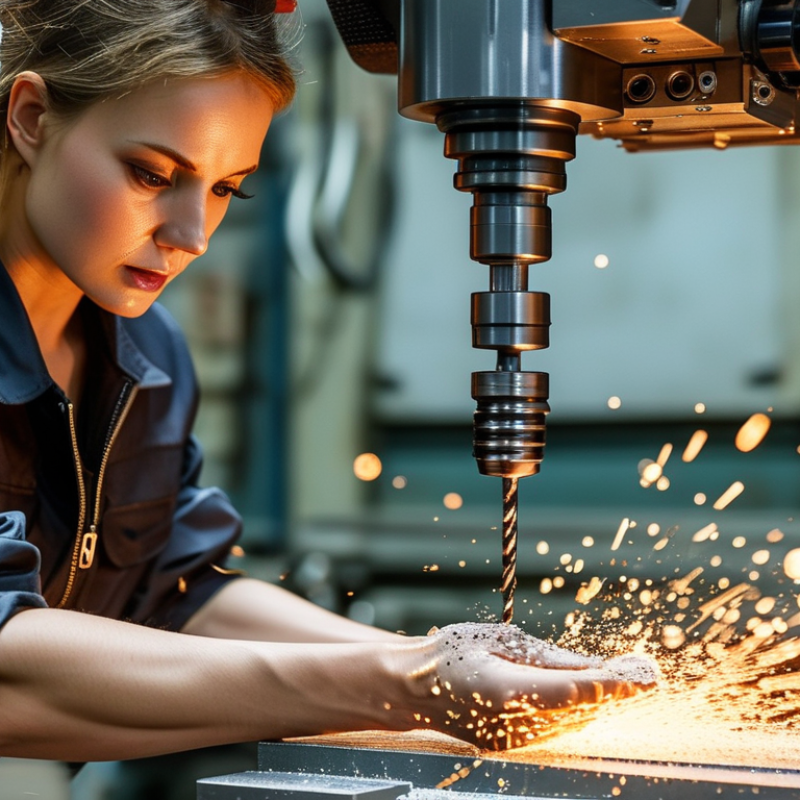
Understanding aluminum CNC milling is essential for any industry looking to leverage its benefits. Aluminum parts are lightweight, durable, and versatile. They are widely used in various applications, from aerospace to automotive. Familiarity with industry standards ensures that the produced parts meet the necessary specifications for quality and performance.
When sourcing aluminum CNC milling parts, keep these tips in mind. Establish clear specifications for your parts. This helps manufacturers understand your needs and deliver the right results. Additionally, consider the tolerances required for your project. High precision is crucial in many applications, and knowing these requirements can help avoid costly mistakes.
Ensure you work with experienced suppliers. Their expertise can guide you through the process and help troubleshoot any issues. Quality control measures are vital. Request certifications and ask about their machining processes to guarantee reliability. Lastly, don't hesitate to ask questions. Open communication fosters partnerships that can lead to better outcomes.
When evaluating CNC machining suppliers, focus on key metrics. Price is essential, but it isn't everything. Consider the supplier's experience in aluminum milling. A company with a track record of success can deliver high-quality parts. Look for suppliers who share their case studies. This offers insights into their capabilities.
Quality control is another critical performance indicator. A supplier should have strict quality assurance processes. Check their certifications and accreditations. Reliable suppliers often use advanced inspection tools. They should demonstrate a commitment to continuous improvement. Ask about their processes for addressing defects.
Effective communication is also paramount. Responsiveness can make or break a partnership. Evaluate how quickly a supplier addresses inquiries. Timely communication often indicates reliable service.
Lastly, consider the supplier's capacity. Can they scale with your production needs? Assessing these factors will help mitigate risks. Reflecting on your experiences can guide better choices in the future.
When sourcing aluminum CNC milling parts, the right alloy can significantly impact your project's success. Aluminum alloys come in various types, each offering unique properties and benefits. For example, the 6061 alloy is commonly used due to its excellent weldability and corrosion resistance. It's versatile and often favored for structural applications.
One tip for choosing the right alloy is to consider the environment where the parts will operate. If they’re exposed to harsh conditions, stronger alloys like 7075 may be more appropriate. Less durable, yet easier to machine options, like 2024, are ideal for lighter applications. Assessing these needs can guide your choice effectively.
Another essential consideration is the machining process itself. Different alloys respond uniquely to CNC milling. Some may require different tools or settings. It is crucial to communicate with your machinist about the specific alloy selected. This ensures optimal results and minimizes issues during production. Small adjustments in the process can lead to significant improvements in quality. Remember, careful selection can save time and resources in the long run.
Sourcing aluminum CNC milling parts requires a careful balance between quality and cost. Many companies struggle with this. Proper cost optimization strategies can make a difference. Consider your material choice and the complexity of your designs. High-quality aluminum alloys are essential, yet they come at a cost. Weigh the advantages against your budget constraints.
Utilizing technology can aid in cost reduction. Using advanced software for simulations saves time and minimizes errors. This leads to lower production costs. On the other hand, cheap solutions might seem attractive but can compromise quality. A subpar part leads to higher long-term costs due to replacements or repairs.
Additionally, fostering relationships with suppliers can be beneficial. Strong partnerships can lead to better pricing and more reliable quality. However, don’t overlook the importance of reviewing supplier capabilities regularly. Relying on a single supplier can introduce risks. Variability in quality or rising prices can impact your operations significantly. Always seek a balance that ensures both satisfaction and sustainability in sourcing.
| Tip | Description | Benefits | Cost Impact |
|---|---|---|---|
| Understand Your Requirements | Clearly define specifications and tolerances for the CNC parts needed. | Ensures quality and reduces revisions. | Minimized unexpected costs. |
| Research Suppliers | Look for reliable suppliers with strong reviews and experience in aluminum milling. | Increases chances of receiving quality parts. | Potential to lower failure rates. |
| Request Quotes | Obtain multiple quotes to compare pricing and services offered. | Facilitates cost-effective decision-making. | Helps identify the best pricing options. |
| Prototype Testing | Develop and test a prototype before full-scale production. | Identifies potential issues early in the process. | Reduces costly corrections in later stages. |
| Negotiate Terms | Engage in discussions regarding price, lead time, and payment terms. | Enhances partnership benefits and terms. | Can lead to lower manufacturing expenses. |
In the world of CNC milling, leveraging technology can significantly streamline design and prototyping processes. CAD/CAM software serves as a powerful tool for engineers and designers. This software allows for precise modeling of aluminum parts, leading to better accuracy and efficiency. However, it's important to recognize that mastering these tools takes time. Beginners often face a learning curve. Understanding the software's features can seem overwhelming, yet practice makes perfect.
Using CAD/CAM software, designers can visualize their concepts in 3D. This visualization helps in identifying flaws early in the design stage. For instance, an issue with fit or function can be spotted before milling begins. Yet, despite sophisticated tools, human error can creep in. Accurate measurements are critical. A small mistake in a digital model can lead to costly errors in the final product.
When prototyping, integrating feedback into the design is crucial. The iterative process helps refine the product. Yet, obtaining feedback may not always be straightforward. Sometimes, stakeholders may not be available for immediate input. This delay can hinder progress. It's essential to plan and allow time for revisions, ensuring a smoother workflow in the CNC milling process.
: Selecting the right alloy affects the success of your project significantly.
The 6061 alloy is favored for its excellent weldability and corrosion resistance.
Harsh conditions may require stronger alloys like 7075, while lighter applications can use 2024.
Different alloys may need unique tools or settings for CNC milling, impacting production quality.
They allow balancing quality and manufacturing expenses effectively, preventing overspending.
Advanced software for simulations can save time, reduce errors, and lower production costs.
Dependence can lead to quality variability and rising prices, impacting operations.
Choosing cheap solutions can compromise quality and lead to higher long-term costs.
Strong partnerships may provide better pricing and more reliable quality for your parts.
Regularly reviewing supplier capabilities ensures satisfaction and sustainability in sourcing.
The article "Top 5 Tips for Sourcing Aluminum CNC Milling Parts Easily" provides a comprehensive guide for efficiently procuring aluminum CNC milling components. It begins by explaining the industry standards and specifications that must be understood to ensure high-quality production. Evaluating CNC machining suppliers is crucial, with an emphasis on key metrics and performance indicators to identify reliable partners.
Choosing the right aluminum alloys is highlighted as an essential aspect of the materials selection process, impacting both functionality and durability. Additionally, the article discusses cost optimization strategies that strike a balance between quality and manufacturing expenses. Finally, leveraging technology such as CAD/CAM software is recommended for efficient design and prototyping, streamlining the entire process of sourcing aluminum CNC milling parts.

HG Precision